Beagle Harness and Long Line Prices
It’s a common frustration for Beagle owners: you’ve got this incredible dog with an even more incredible nose, and that nose often leads them (and you!) on a merry chase. Their powerful scent drive means they're often pulling like a freight train on walks, or worse, making a bolt for it if given half a chance. Finding the right gear – a secure harness and a reliable long line – isn't just about comfort; it's about safety, control, and peace of mind. This guide will delve deep into why these tools are essential, what varieties are out there, and what you can expect to pay to keep your adventurous Beagle safe and sound.
Understanding Beagle Harness Needs and Types
Walk into any pet store or browse online, and the sheer number of harness options can be overwhelming. But for a Beagle, it's not just about looking good; it’s about managing their powerful drive and protecting their delicate neck and throat. Investing in the right harness is a foundational step in responsible Beagle ownership.
Why a Harness is Better Than a Collar for a Beagle
Many new Beagle owners start with a simple neck collar, because, well, that's what many dogs wear. However, Beagles are notorious for their strong pulling instincts, driven by their incredible sense of smell. As soon as that amazing nose catches a whiff of something interesting, they’re off, often tugging relentlessly against the leash. When all that pressure is concentrated on their neck, it can lead to a host of problems that are easily avoided with a well-fitted harness.
Firstly, repeated pressure on the trachea can cause damage over time, potentially leading to a collapsed trachea, a serious condition that can severely impact your Beagle's breathing. Imagine how often your Beagle strains against the leash – every single exciting sniff becomes a risk. Beyond that, a collar offers very little control over a determined Beagle. They can easily slip out of a loose collar, especially if they back up or twist their head in a moment of excitement or fear. Anyone who’s ever had their Beagle suddenly break free and bolt after a squirrel knows that heart-stopping panic. A properly fitted harness distributes pressure more evenly across their chest and shoulders, reducing the risk of injury and providing much better control over their movements. It's a fundamental shift from trying to restrain your dog by their neck to guiding them by their body. When you're dealing with a breed as scent-driven as a Beagle, that extra control is invaluable. This is why many experienced owners will strongly advocate for Why a Harness Protects a Beagle's Neck.
Different Harness Types and Their Suitability for Beagles
The world of dog harnesses is vast, but for a Beagle, specific designs offer distinct advantages. Understanding the differences is key to choosing one that actually works for your energetic companion.
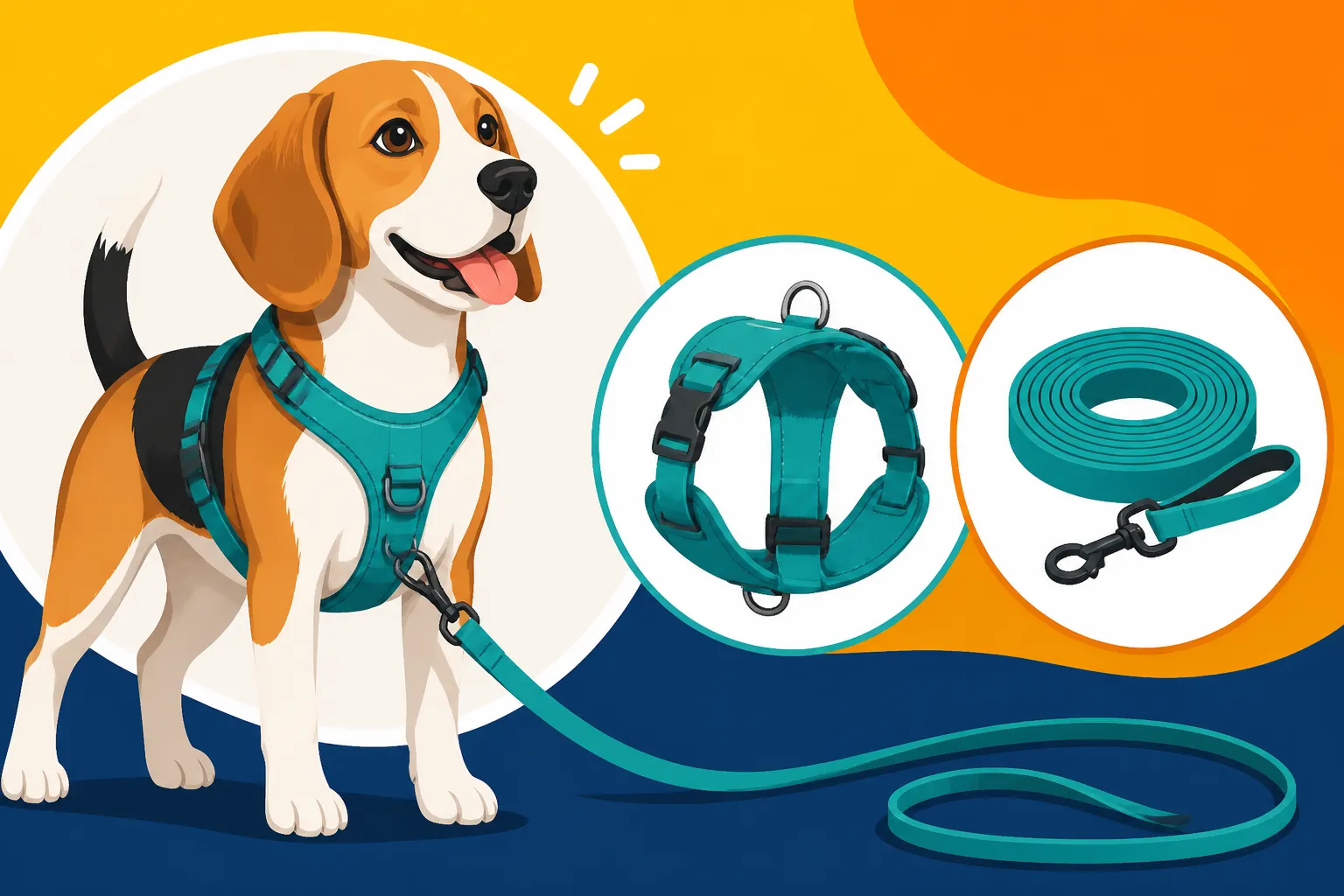
Back-Clip Harnesses: These are probably the most common type you'll see. The leash attaches to a ring on your dog's back, usually between their shoulder blades. For Beagles that don't pull much, or for casual walks where sniffing is the primary goal and speed isn't, these can be perfectly comfortable. They keep pressure off the throat and distribute it across the chest and back. However, for a Beagle with a strong prey drive or an inclination to pull, a back-clip harness can actually encourage pulling, as it allows them to lean into the leash with their full body weight. It's like giving them a handle to pull you along! They might be comfortable, but they often don't provide the necessary control for a Beagle on a mission.
Front-Clip Harnesses: These harnesses feature the leash attachment ring on the dog's chest, right in the middle. This design is a game-changer for Beagles that pull. When your Beagle pulls forward, the leash attachment on the chest gently redirects their momentum to the side, turning them back towards you. This makes it uncomfortable and inefficient for them to pull forward, effectively discouraging the behavior without causing pain or discomfort. It's not a magical cure for pulling, but it’s a powerful training aid. Brands like the Easy Walk Harness or the Freedom No-Pull Harness are popular examples that use this front-clip design effectively. They are excellent for everyday walks, especially when working on leash manners.
Dual-Clip (Front and Back) Harnesses: Some harnesses offer both a front and a back clip. This versatility can be really useful. You might use the front clip for training walks to manage pulling, and then switch to the back clip for a more relaxed sniffari once your Beagle has learned some leash etiquette. Some owners even use both clips simultaneously with a double-ended leash for maximum control, which can be fantastic for high-distraction environments or for a particularly strong puller.
Head Halters (Halti, Gentle Leader): While technically not a body harness, head halters are worth mentioning for Beagles with extreme pulling issues. They loop around your dog's muzzle and behind their head, similar to a horse's halter. When your dog pulls, it gently turns their head, making it impossible for them to lunge forward effectively. These offer excellent control but require careful introduction and conditioning, as many dogs initially resist wearing something on their muzzle. They're often a last resort for very strong or reactive pullers, and should always be used with positive reinforcement.
Factors Influencing Harness Pricing
Just like anything else, the price tag on a Beagle harness can vary wildly depending on several key factors. Understanding these can help you decide where to invest your money.
Firstly, materials and construction quality play a huge role. A basic nylon web harness with plastic buckles will naturally be less expensive than one made from high-denier ballistic nylon, padded neoprene, or durable Biothane with metal hardware. Better materials often mean enhanced durability, comfort for your dog, and resistance to wear and tear – especially important for a dog like a Beagle who loves to roll in questionable things or test the limits of their gear. Cheaper harnesses might fray quickly, have flimsy stitching, or feature buckles that snap under pressure. Investing a little more upfront can often save you money in the long run by avoiding frequent replacements.
Secondly, brand recognition and features contribute significantly to the price. Established brands with a reputation for quality and thoughtful design, often endorsed by trainers or vets, tend to cost more. They might offer features like reflective stitching for night visibility, multiple adjustment points for a custom fit, extra padding to prevent chafing, or specialized buckles that are harder for escape artists to manipulate. A basic back-clip harness from an unknown brand might cost $15-20, whereas a well-known front-clip or dual-clip harness from a brand like Kurgo, Ruffwear, or Blue-9 Balance Harness could easily run $40-70 or more. Some premium, custom-fit options can even exceed $100.
Lastly, sizing can sometimes influence the price, though this is less common. For most standard Beagle sizes (which typically range from 13-inch to 15-inch varieties), the price tends to be consistent within a particular model. However, if your Beagle is unusually large or small, or if you're looking for a very specific, hard-to-find size, you might find slightly different pricing. When shopping on sites like Chewy, you'll see a wide range of options across different price points, allowing you to compare features and costs easily.
Navigating Long Line Options for Beagle Safety and Training
A long line is often overlooked by new dog owners, but for a Beagle, it's an indispensable piece of equipment. It offers a crucial balance between giving your dog freedom to explore and maintaining a vital connection for safety and training.
The Essential Role of a Long Line for Beagles
If you’ve ever walked a Beagle, you know their nose is paramount. They need to sniff. Short leashes, while necessary in crowded areas, can be incredibly frustrating for a Beagle whose entire world is experienced through scent. This is where a long line truly shines. A long line, typically 15 to 50 feet in length, allows your Beagle to roam, explore, and follow interesting scent trails in a safe, controlled manner, even in unfenced areas.
For scent work, which Beagles are naturally brilliant at, a long line provides the space they need to cast about, track a scent, and engage their instincts without the risk of them disappearing over the horizon. Imagine letting your Beagle enjoy a large open field, chasing phantom rabbits, all while you maintain a tether to guide them back. This freedom is vital for their mental and physical well-being.
More importantly, a long line is an absolutely critical tool for recall training. Beagles are notoriously difficult to teach reliable recall, primarily because once their nose is engaged, their ears often turn off. This is why Beagle Recall and Why Your Voice Stops Registering is such a common challenge. With a long line, you can practice calling your Beagle back, allowing them to feel "off-leash" freedom, but you always have the safety net of being able to gently reel them in if they get too distracted. This positive reinforcement, without the risk of them ignoring you entirely, builds a strong foundation for future off-leash reliability (though a truly off-leash Beagle is a rare and special thing, best reserved for securely fenced areas). It’s also invaluable for teaching manners in situations where you need to give them space but still maintain control, like during introductions to other dogs or new environments. In essence, a long line is your Beagle's adventure passport and your peace of mind.
Long Line Materials, Lengths, and Features
Just like harnesses, long lines come in a variety of materials and lengths, each with its own pros and cons. Choosing the right one depends on your primary use and environmental factors.
Materials:
- Nylon: This is the most common and often the most affordable material. Nylon long lines are relatively strong, lightweight, and come in many colors. However, they can be prone to tangling, and if they get wet, they can become heavy and absorb dirt. They can also cause rope burns if they slide quickly through your hand.
- Cotton/Webbing: These lines are softer on the hands than nylon and often have a bit more grip. They can be a good choice for comfort. Like nylon, they can absorb water and dirt, making them heavier and harder to clean.
- Biothane: This is often considered the gold standard for long lines, especially for Beagles who love mud and water. Biothane is a polyester webbing with a PVC or TPU coating, making it incredibly durable, waterproof, odor-proof, and easy to clean. It won't absorb moisture or odors, and it's less likely to tangle than traditional webbing. It also provides excellent grip without causing rope burn. The trade-off is that Biothane lines are typically more expensive than nylon or cotton. Many brands like Leerburg or Palomine offer excellent Biothane options.
Lengths:
- 15-20 feet: Great for urban parks, crowded trails, or when you need a bit more room than a standard leash but still want fairly tight control. Good for initial recall training.
- 30 feet: A versatile length, offering a good balance of freedom and control. Ideal for practicing recall in open fields or for general exploration in moderately spacious areas. This is a very popular choice for many Beagle owners.
- 50 feet (or more): Provides maximum freedom for wide-open spaces, deep woods, or advanced tracking/scent work. This length can be a bit unwieldy in brushy areas and requires more space and situational awareness from the handler. It's often reserved for very specific training scenarios.
Features:
Look for long lines with sturdy hardware – a strong, swivel snap hook that won't rust or break easily. Some come with a padded handle, which is a blessing for your hands when your Beagle makes an unexpected dash. Reflective stitching can also be a bonus for low-light conditions. When thinking about Why a Beagle Should Never Be Off Leash Unfenced, a long line truly becomes their safety tether.
Price Variances in Long Lines
The price of a long line, much like a harness, can fluctuate based on a few key elements, primarily material, length, and brand reputation.
Material is arguably the biggest differentiator. A basic 15-foot nylon long line can be found for as little as $10-$15. These are perfectly functional for occasional use or for those on a tight budget. However, they might not hold up as well to constant use, mud, or a determined Beagle's chewing habits if left unattended. As you move up to longer nylon lines (30-50 feet), the price increases proportionally, perhaps reaching $20-$30.
Biothane long lines, due to their superior durability, weather resistance, and ease of cleaning, command a higher price point. A good quality 30-foot Biothane long line often starts around $30-$40, and a 50-foot version can easily be $50-$70 or more. While it's a larger initial investment, many Beagle owners find the longevity and low maintenance of Biothane well worth the cost, especially for a dog that loves to get messy and needs a line that can withstand repeated outdoor adventures. Think about how often your Beagle pulls you through a puddle or rolls in something fragrant – Biothane can be a lifesaver for your laundry machine!
Brand reputation and specific features also play a role. Some specialized training brands might charge a bit more for their long lines, touting stronger clips, more comfortable handles, or specific design elements. While these can be worth it for serious training, often the material and length are the most significant cost drivers. You'll find a wide array of options at various price points on large online retailers like Chewy, making it easy to compare and find something that fits your needs and budget.
Budgeting for Your Beagle's Essential Gear
When you welcome a Beagle into your life, there's an initial outlay for essential supplies, and harnesses and long lines are definitely on that list. Understanding typical price ranges will help you plan your budget.
Typical Price Ranges for Quality Harnesses
When it comes to harnesses for your Beagle, you generally have three tiers:
- Entry-Level (around $15-$30): This category includes basic back-clip or simple front-clip harnesses made from standard nylon webbing with plastic buckles. Brands like PetSafe Easy Walk or even some generic store brands often fall into this range. They are functional and can be a good starting point, especially for a puppy that is still growing. However, their durability might be lower, and the comfort features (like padding) may be minimal. For a Beagle that pulls hard, some of the simpler designs might not hold up over time or provide the best control.
- Mid-Range (around $30-$60): This is where you'll find a sweet spot for many quality harnesses. These often feature more robust materials, better stitching, stronger hardware (sometimes metal), and additional comfort features like padding or reflective elements. You'll find many popular front-clip and dual-clip options here, from brands like Ruffwear, Kurgo, or Blue-9 Balance Harness. These harnesses offer a good balance of durability, control, and comfort for a reasonable price, making them a solid investment for an active Beagle.
- Premium/Specialty (around $60-$100+): At the higher end, you'll find harnesses designed for specific needs, or those from top-tier brands known for extreme durability and ergonomic design. These might include mountaineering-grade harnesses, highly adjustable multi-purpose harnesses, or custom-fit options. While a Beagle might not need a climbing harness, these higher-end options can offer superior padding, multiple attachment points, and materials designed for exceptional longevity. For an older Beagle with specific orthopedic needs, or one that demands the absolute best in rugged gear, this category might be worth exploring.
Remember, a growing Beagle puppy might need a couple of harnesses as they fill out. Starting with a less expensive, adjustable option and then upgrading to a more durable, specialized harness once they reach their adult size can be a smart strategy. Don't forget to account for a harness that is secure enough to prevent Beagle Escape Artistry and How to Contain It.
Cost Breakdown for Long Lines
Long lines also have distinct price points, mainly driven by their material and length.
-
Basic Nylon Long Lines:
- 15-20 feet: Expect to pay around $10-$20. These are readily available and good for quick training sessions or limited space.
- 30 feet: Typically $15-$25. This length offers a great balance and is often the most popular choice for general use.
- 50 feet: Generally $20-$35. These provide maximum freedom but can be a bit more cumbersome.
-
Biothane Long Lines: These are a step up in terms of quality and cost, but many owners find the investment worthwhile for a Beagle's active lifestyle.
- 15-20 feet: Usually $25-$40.
- 30 feet: Often $30-$50. This is a common and highly recommended option for durability and ease of cleaning for a Beagle.
- 50 feet: Typically $45-$70+.
Again, consider what kind of use your long line will see. If you're frequently in wet, muddy, or dusty environments, the extra cost for a Biothane line will quickly pay for itself in terms of maintenance and longevity. For those just starting out with recall training in a dry park, a basic nylon line might suffice. When choosing, think about how it contributes to Beagle Obedience Class prices for a Beagle if you're enrolling in one, as a reliable long line is often a requirement.
Where to Buy and How to Save
Finding the right gear at a good price is all about knowing where to look and being a savvy shopper.
Online Retailers: Sites like Chewy, Amazon, and Petco.com are fantastic resources. They offer an unparalleled selection of brands, types, and sizes, often with customer reviews that can be incredibly helpful in guiding your decision. You can easily compare prices, read detailed product descriptions, and have items delivered right to your door. Keep an eye out for sales, clearance events, or bundle deals. Subscribing to email newsletters from these sites can alert you to discounts.
Local Pet Stores: While they might not have the sheer volume of online retailers, local pet stores offer the advantage of letting you physically inspect harnesses and long lines. You can feel the material, check the stitching, and even try the harness on your Beagle (with permission from the staff, of course). This is particularly useful for harnesses, as fit is absolutely crucial. Store staff can also offer personalized recommendations, which can be invaluable. Don't discount smaller, independent pet boutiques, as they sometimes carry high-quality, niche brands you might not find elsewhere.
Specialty Dog Supply Stores/Training Centers: Some dog training facilities or stores specializing in working dog gear might carry a more curated selection of highly durable and effective harnesses and long lines, particularly Biothane options. While potentially pricier, the quality is often top-notch, and the staff are usually very knowledgeable about what works best for specific breeds and training needs.
Saving Money:
- Sales and Promotions: Timing your purchase during holiday sales (Black Friday, Prime Day, etc.) or end-of-season clearances can yield significant savings.
- Discount Codes: A quick online search for coupon codes for major pet retailers can often shave a few dollars off your purchase.
- Buy Quality Once: While tempting to go for the cheapest option, particularly for items like Biothane long lines, sometimes buying a higher-quality item initially means you won't have to replace it as often, saving money in the long run. This is especially true if you have a Beagle that excels at What a Beagle Puppy Chewing Through Everything.
- Used Gear (with caution): For non-critical items, or if you can thoroughly inspect and clean, sometimes secondhand harnesses are available. However, for safety reasons, always prefer new, sturdy items.
Remember, the cost of this gear is part of the larger picture of Beagle Costs in the First Year Against the Tenth. It's a continuous investment in their safety and well-being.
Maximizing Value and Longevity of Your Beagle's Gear
Investing in good quality harnesses and long lines is just the first step. Proper care, fit, and timely replacement are crucial to ensure your Beagle stays safe and comfortable, and that your gear lasts as long as possible.
Importance of Proper Fit and Maintenance
A harness, no matter how expensive or well-made, is only as good as its fit. A poorly fitting harness can be uncomfortable, cause chafing, restrict movement, and most critically, allow your Beagle to escape. Beagles, being the clever little escape artists they are, can often back out of harnesses that are too loose around the neck or chest. When you first get a harness, ensure it's snug enough that you can only fit two fingers comfortably under the straps, but not so tight that it pinches or rubs. Pay close attention to the armpit area, as this is a common spot for chafing. Many quality harnesses have multiple adjustment points, allowing you to fine-tune the fit as your Beagle grows or changes weight.
Regular maintenance is also key to longevity.
- Cleaning: After muddy adventures or rolls in questionable puddles, give the harness and long line a good clean. Many nylon and Biothane products can be hand-washed with mild soap and water, or even tossed in a mesh laundry bag on a gentle cycle. Always air dry. This prevents odors, mildew, and keeps the materials from degrading.
- Inspection: Routinely check all straps, buckles, D-rings, and stitching for signs of wear and tear. Look for fraying, cracks in plastic, rust on metal hardware, or areas where the material is thinning. Catching these issues early can prevent a catastrophic failure during a walk.
- Storage: Store gear in a dry, clean place, away from direct sunlight or extreme temperatures, which can degrade materials over time.
A well-maintained and properly fitted harness and long line will not only last longer but also perform optimally, keeping your Beagle safe and your training efforts on track. This also helps reduce any risk of injury that might lead to vet visits, which a pet insurance provider like Healthy Paws would typically cover for accidents.
When to Replace Worn-Out Gear
Knowing when to replace a harness or long line isn't always obvious, but it's vital for your Beagle's safety. Don't wait until a piece of equipment fails mid-walk; proactively replacing worn gear can prevent dangerous situations, such as your Beagle darting into traffic.
Here are some signs it’s time for a replacement:
- Fraying or Tears: Any significant fraying, cuts, or tears in the webbing of a harness or long line severely compromise its strength. Even a small tear can quickly expand under tension.
- Stretched or Deformed Material: If the material has become visibly stretched out, thin, or misshapen, it’s lost its structural integrity. This is especially true for elastic components or padding that has gone flat.
- Damaged Hardware: Buckles that no longer snap securely, plastic buckles with cracks, D-rings that are bent or rusted, or leash clips that don't spring shut properly are all serious red flags. These are the weakest points of any gear and are prone to failure.
- Loose Stitching: If the stitching holding straps or hardware in place is coming undone, the item is no longer secure.
- Extreme Fading/Brittleness: UV exposure can degrade materials over time, making them brittle and weak, even if they look superficially intact. If the colors have faded significantly and the material feels stiff or crunchy, it's losing its strength.
- Inability to Clean: If a harness or long line is perpetually smelly, caked with grime, or harboring mildew despite cleaning efforts, it’s not just unpleasant – it can also be unhygienic for your dog's skin.
If you have any doubt about the integrity of your Beagle's gear, it’s always better to err on the side of caution and replace it. The cost of a new harness or long line is minuscule compared to the potential consequences of a lost or injured dog. When you think about The First Hour After a Beagle Goes Missing, having reliable gear is your first line of defense.
Considering Overall Pet Care Costs
While this guide focuses on harnesses and long lines, it's essential to remember that these are just a small part of the overall financial commitment involved in bringing a Beagle into your home. Responsible pet ownership extends far beyond initial gear purchases.
Beyond your initial investment in a quality harness and long line, you'll have ongoing costs for food, veterinary care, training, toys, and potentially pet insurance. For instance, feeding your Beagle a high-quality diet is crucial for their health and longevity. Brands like Ollie offer fresh, customized meal plans that contribute significantly to their well-being, but these come with a recurring cost. Similarly, routine vet check-ups, vaccinations, parasite prevention, and unexpected medical emergencies can add up.
This is where a pet insurance plan can offer immense peace of mind. Investing in a robust plan, perhaps from a provider like Healthy Paws, can help cover a significant portion of unexpected veterinary bills, whether it’s for an accidental injury, an illness like Beagle Hypothyroidism and the Weight It Puts On, or a genetic condition. Understanding your Beagle Insurance Between $38 and $73 a Month will help you budget for this important safety net.
Training, too, is an ongoing investment. While a long line is a great tool for self-training, many Beagle owners opt for professional classes or private trainers, especially for working on those challenging Beagle behaviors like recall or managing their incredible scent drive.
Ultimately, budgeting for a Beagle means looking at the whole picture. Gear is important, but it's part of a much larger commitment to providing a happy, healthy, and safe life for your loyal companion.
Disclaimer
The information provided in this article is for general informational purposes only and does not constitute professional veterinary advice. Always consult with a qualified veterinarian or professional dog trainer for any health concerns or training questions regarding your Beagle.