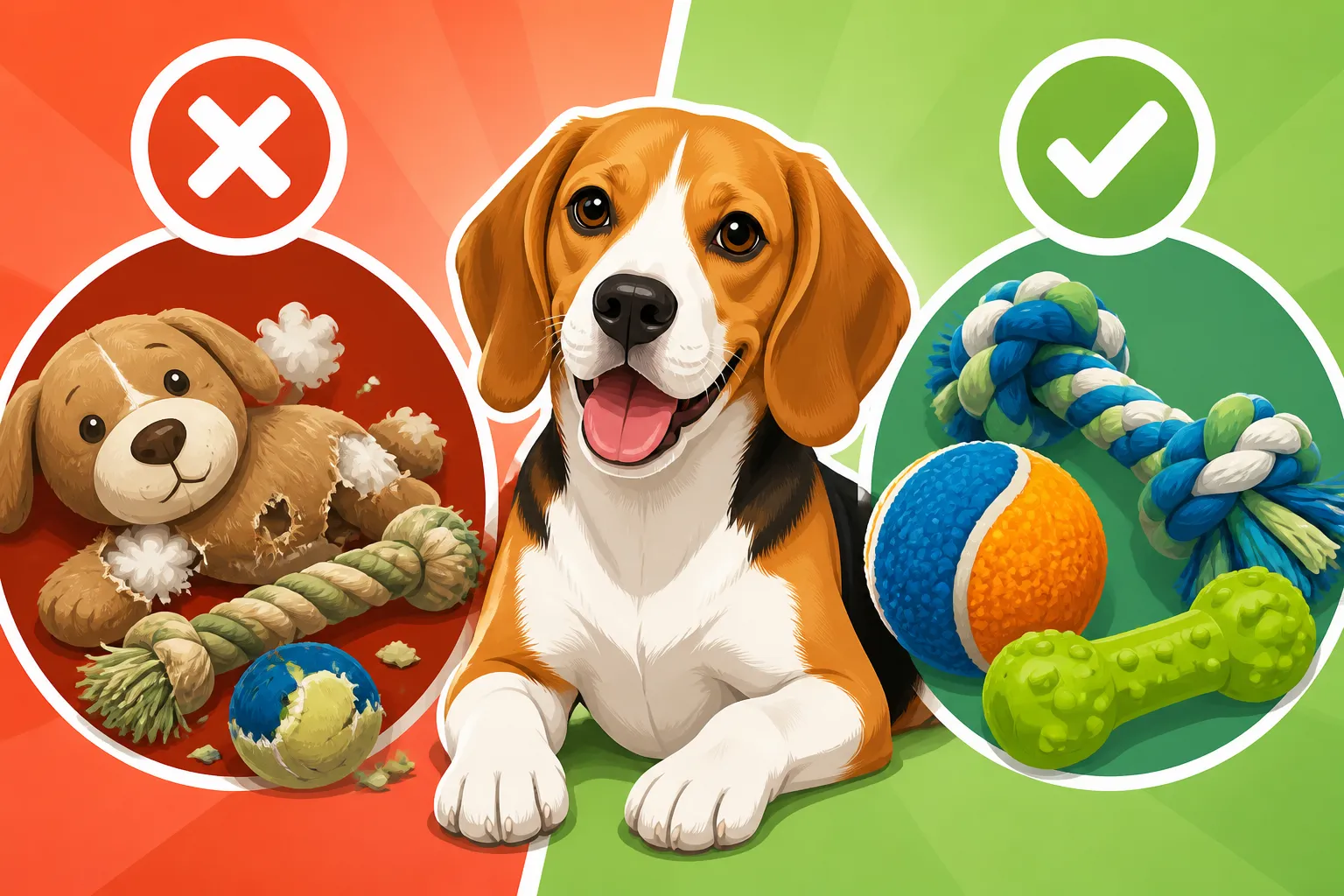
How Often Beagle Toys Need Replacing
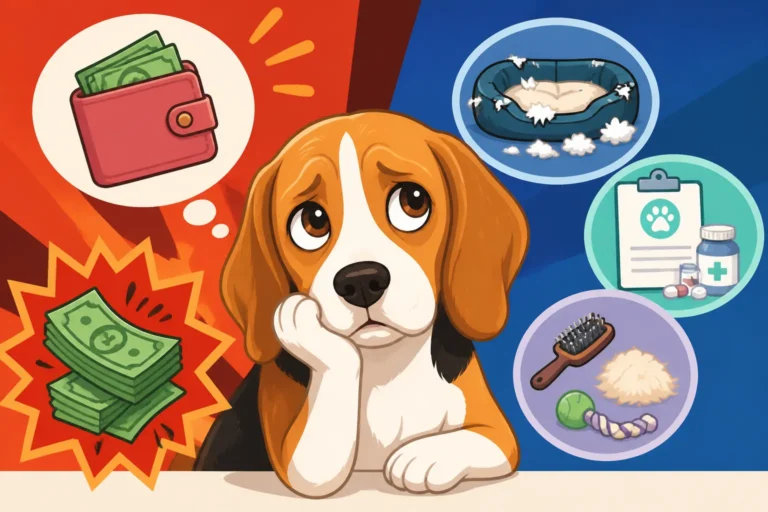
It’s a tale as old as time for Beagle owners: you bring home a brand-new, seemingly indestructible toy, full of hope, only to find it in shreds mere hours or days later. This constant cycle of buying, destroying, and replacing toys can feel incredibly frustrating and, let's be honest, expensive. This guide is here to shed some light on why your charming Beagle might be a toy demolition expert and, more importantly, how often you should genuinely be replacing those beloved playthings to keep your furry friend safe and happy.
The Inevitable Demise of a Beagle Toy: Why They Don't Last
If you've ever watched a Beagle meticulously dismantle a toy, you know it's not just random chewing. There's a method to their madness, driven by powerful instincts and a whole lot of hound tenacity. Understanding these underlying reasons can help you make better choices for your dog.
The Power of a Beagle's Jaw and Instinct
Let's be real, Beagles weren't originally bred to delicately sip tea and admire plush toys. These are scent hounds, built for endurance, intelligence, and a strong drive to follow their nose, often leading them to "catch" and investigate objects with their mouths. That powerful jaw, designed for grabbing and holding, coupled with an insatiable curiosity, translates directly into their approach to toys. When a Beagle gets hold of something, their instinct often tells them to dissect it, to find out what's inside, or simply to relieve the primal urge to chew. It's not malicious; it's just pure, unadulterated Beagle.
Many owners report that their Beagle's chewing intensifies around certain ages, like when they're a "Beagle Puppy Chewing Through Everything" or entering adolescence. This strong oral fixation means that anything they can get their jaws around is fair game for a rigorous "inspection." This isn't just about teething; it's about exploring their world with their mouth, and unfortunately for your wallet, that often means rendering toys unrecognizable.
Beyond Just Chewing: The Play Style of a Beagle
It's not just the chewing that does toys in. Beagles have a wonderfully enthusiastic and often rough-and-tumble play style. They're shakers, tuggers, and "killers" of their prey (aka, their toys). Picture this: your Beagle grabs a plush squirrel, shakes it violently from side to side, then drops it, pounces, and repeats. This mimics the actions of a hunting dog with its quarry. Rope toys, for instance, might withstand some initial tugging, but a determined Beagle will eventually unravel them fiber by fiber. Soft toys rarely last long when a Beagle’s play involves a combination of forceful shaking, tearing, and prolonged chewing sessions. Their drive to interact with their environment, combined with their incredible sense of smell, means that a new scent on a toy can spark a whole new level of investigative play, often leading to its quicker demise.
Factors Influencing Toy Lifespan and Replacement Frequency
Since every Beagle is unique and every toy is different, there's no hard-and-fast rule like "replace all toys every two weeks." Instead, it's about understanding the variables at play and observing your own dog.
Toy Material and Construction Quality
The longevity of a toy largely hinges on what it's made of and how well it's put together. You'll quickly learn that not all "durable" labels are created equal for a Beagle.
- Rubber Toys (e.g., Kongs): These are often the champions of durability. High-quality natural rubber toys are designed to withstand serious chewing and provide mental stimulation, especially when stuffed with treats. A classic Kong, for example, might last years if used properly and not left out for unsupervised, focused destruction. Brands like Kong and Goughnuts are often recommended for power chewers because their materials are dense and resilient.
- Nylon Chews (e.g., Nylabones, Benebones): These hard, non-edible chews are fantastic for Beagles who love to gnaw. They come in various shapes and flavors, providing a safe outlet for chewing. While they don't get "destroyed" in the traditional sense, they do wear down over time. You'll notice small pieces flaking off or the toy becoming significantly smaller.
- Plush Toys: These are usually the first to go. While adorable, most plush toys are no match for a Beagle's determination. Stuffing, squeakers, and fabric all become targets. Even "tough" plush toys with reinforced seams (like some from Tuffy's) eventually succumb, though they might buy you a few extra days or weeks compared to a standard teddy bear.
- Rope Toys: While great for tugging, rope toys are tricky. They provide dental benefits as the fibers clean teeth, but once your Beagle starts to unravel them, they can ingest strings, which can be very dangerous. They are often short-lived in a Beagle household.
- Plastic Toys: Durability varies wildly. Some hard plastics are surprisingly tough, while others splinter easily, creating sharp edges that are hazardous.
When you're browsing for durable options online, sites like Chewy offer a huge selection, and filtering by "heavy chewer" or "durable" can save you a lot of trial and error.
Your Beagle's Individual Chewing Habits
Just like people, every Beagle has a unique personality and, yes, a unique chewing style. Some Beagles are dedicated power chewers, constantly working on a toy until it's demolished. They might chew for hours, focusing intently, making short work of even robust toys. Other Beagles are more "nibblers" or "gentle giants" (even if they're small!), preferring to mouth and carry their toys rather than tearing them apart.
Consider your Beagle's history. Did they go through an intense puppy chewing phase? Do they resort to chewing when bored or anxious? Some Beagles are more prone to chewing aggressively if they don't get enough physical or mental stimulation. A long, sniffy walk or a good session of "Scent Work as the Job a Beagle Was Built For" can often reduce destructive chewing, simply because their energy is redirected. If your Beagle is prone to gulping their food, they might also be prone to quickly swallowing toy pieces, increasing the risk. This ties into issues like a "Beagle Gulping Food and the Choking Risk".
It's crucial to assess your own dog. A good way to figure out their chewing intensity is to monitor them with a new toy. How quickly do they start to break it down? Do they ignore it after a few minutes, or do they become obsessed? This observation will inform your toy purchasing and replacement schedule.
Toy Type and Its Intended Purpose
Not all toys are created equal, and their intended purpose heavily influences their expected lifespan. You wouldn't expect a delicate squeaky duck to last as long as a solid rubber chew toy, right?
- Chew Toys: These are designed specifically for gnawing and should be the most durable. Think solid rubber, hard nylon, or dense bone-like materials. Their purpose is to be chewed on, so their "lifespan" is about how long they can safely be chewed before they become too small, splintered, or worn down.
- Enrichment/Puzzle Toys: Toys like KONG Wobblers, treat-dispensing balls, or snuffle mats (which you can find on Chewy) are meant to engage your Beagle's brain and slow down their eating. While some, like a KONG, are also durable chew toys, others are more about mental stimulation. Their lifespan depends on how well they withstand attempts to get treats out, rather than outright destruction. If your Beagle is a master at getting the treats out and then starts chewing the device itself, that's when you need to watch for wear.
- Comfort/Companion Toys: These are typically plush toys that your Beagle might carry around, cuddle with, or even take to bed. They're not meant for aggressive chewing. Their lifespan will be shorter if your Beagle decides to disembowel them. These should be treated more like temporary companions than long-term chew solutions.
- Interactive Toys: Flirt poles, fetch toys, or tug ropes fall into this category. They are meant for supervised play with you. Their durability often depends on the material and how much vigorous play they endure. Once a tug rope starts fraying or a fetch toy cracks, it's time to go.
Understanding the toy's purpose helps set realistic expectations for its longevity. A toy meant for cuddling will never last as long as one built for aggressive chewing.
Recognizing When a Toy Needs to Be Replaced: Safety First
This is perhaps the most critical aspect of toy ownership. A damaged toy isn't just an inconvenience; it can be a serious health hazard for your Beagle. Vigilance is key.
Obvious Signs of Wear and Tear
It might seem straightforward, but in the rush of daily life, it's easy to overlook subtle changes in a toy. Make it a habit to regularly inspect your Beagle's toys.
Here are the clear warning signs:
- Torn Seams or Holes: For plush toys, this is often the first indicator. Once a seam rips, stuffing, plastic squeakers, or other internal components can become exposed and ingested. Even seemingly durable fabric toys will eventually give way.
- Missing Pieces: Has a chunk of a rubber toy gone missing? Is a corner of a nylon bone GONE? This is an immediate red flag. Small pieces can be swallowed, leading to choking or internal blockages. If you notice a piece missing, try to locate it to ensure your Beagle didn't ingest it.
- Sharp Edges or Splinters: Hard plastic or nylon toys can develop sharp points or splinters as they're chewed down. These can injure your Beagle's mouth, gums, or digestive tract. Run your fingers over the toy, especially areas that get a lot of chewing, to feel for any rough spots.
- Exposed Squeakers or Inner Mechanisms: Any toy with a squeaker or other internal component that becomes exposed is an immediate hazard. Squeakers are prime choking risks and can also cause internal blockages.
- Significant Size Reduction: If a hard chew toy (like a Nylabone or similar) has become so small that your Beagle could potentially swallow it whole, it's time to replace it. The rule of thumb is, if it's small enough to fit entirely in their mouth and be swallowed, it's too small.
- Foul Odors or Excessive Grime: While not a structural issue, a toy that harbors persistent bad smells or is excessively dirty, even after cleaning, can be a breeding ground for bacteria. While some toys can be washed (check labels!), others might simply be beyond saving. Beagle Dental Disease and Tartar Buildup can sometimes manifest as bad breath, but if it’s the toy itself smelling foul, it’s probably time to toss it.
The Hidden Dangers of Damaged Toys
Beyond the visible damage, there are serious health implications when a Beagle interacts with a compromised toy.
- Choking Hazards: This is probably the biggest and most immediate danger. Small, detached pieces of plastic, rubber, or stuffing can easily become lodged in your Beagle's throat. Their strong drive to chew often means they're not always discriminating about what they swallow.
- Internal Blockages: Even if a piece is swallowed, it might not pass through the digestive system. Fabric, stuffing, or larger pieces of hard plastic can cause intestinal blockages, which are a life-threatening emergency requiring immediate veterinary attention and often expensive surgery. And while we always hope for the best, it's why having good pet insurance, perhaps from a provider like Healthy Paws, can offer peace of mind during such unforeseen circumstances.
- Bacterial Growth and Contamination: Broken seams or porous materials in plush toys can trap saliva, food particles, and dirt, creating a perfect environment for bacteria and mold. Ingesting these can lead to gastrointestinal upset or more serious infections.
- Oral Injuries: Sharp edges or splinters from damaged hard toys can cut your Beagle's gums, tongue, or the inside of their mouth, leading to pain, infection, and discomfort.
It’s tempting to let a toy live on "just a little longer," but the potential cost – both emotional and financial – of a vet emergency far outweighs the price of a new toy.
Establishing a Regular Toy Inspection Routine
To mitigate these risks, make toy inspection a regular part of your routine. It doesn't have to be a chore; it can be a quick check while your Beagle is napping or eating.
- Daily Quick Checks: As you pick up toys around the house, give them a quick once-over. Are there any obvious tears? Is anything missing? Is it getting too small? This only takes a few seconds per toy.
- Weekly Deeper Dives: Once a week, gather all the toys and give them a more thorough examination. Feel for sharp edges, test seams, and assess the overall integrity. This is also a good time to wash any washable toys.
- Toy Rotation: Not only does rotating toys keep your Beagle more interested (think of it like a new toy arriving without the actual purchase!), but it also extends the life of individual toys. If a toy is only played with every few days, it gets less wear and tear. Keep a basket of "backup" toys out of sight and bring them into circulation every week or so. This prevents your Beagle from hyper-focusing on one or two favorites until they're destroyed.
- Supervised Play: Always supervise your Beagle, especially with new toys or those that are known to be less durable. If you see them starting to shred something, redirect them to a more appropriate, durable chew toy. This is particularly important for interactive toys or those that aren't designed for heavy chewing.
By integrating these habits, you become a proactive guardian of your Beagle's toy safety.
Strategies for Extending Toy Life and Making Smart Choices
While we can't stop a Beagle from being a Beagle, we can be smarter about the toys we choose and how we manage them.
Investing in Durable, Beagle-Proof Toys
This is where your initial investment pays off. While a cheap toy might seem appealing, it's often a false economy when you're replacing it every other day. Look for toys specifically marketed for "power chewers" or "extreme chewers."
- Rubber Chews: As mentioned, KONG classic or extreme rubber toys are gold standards. They're not only tough but also excellent for stuffing with treats, offering mental stimulation that can redirect chewing energy. Look for other brands like West Paw's Zogoflex line, which often come with a durability guarantee.
- Hard Nylon Chews: Brands like Nylabone and Benebone offer a wide range of shapes and flavors. These are not meant to be consumed but rather to be slowly worn down. Choose a size appropriate for your Beagle's jaw to prevent swallowing large pieces.
- Chew Proof Toys: Certain brands, like Goughnuts, focus exclusively on nearly indestructible rubber toys. Their designs often feature a "safety indicator" – a red inner layer that shows when the toy is compromised and needs replacement. These are typically more expensive upfront but can last significantly longer.
- Interactive Puzzle Toys: Investing in good quality puzzle feeders, especially those made from durable rubber or hard plastic, can give your Beagle a "job" to do. This mental exercise can be just as tiring as physical exercise and can reduce the urge for destructive chewing. You might even find specialized puzzle feeders on Chewy that can slow down those enthusiastic eaters or for a dog on a specific diet from a service like Ollie.
It's about finding the right balance between durability, engagement, and safety. A truly durable toy keeps your Beagle occupied without posing a risk.
Rotating Toys and Supervised Play
We touched on toy rotation in the safety section, but it bears repeating as a core strategy for extending toy life. When toys are constantly available, they get constant wear. By rotating them, you not only make them more exciting when they reappear, but you also give each toy a break.
Imagine having three categories: "Out Now," "Coming Soon," and "In Storage." Rotate toys between these categories weekly or bi-weekly. This simple practice:
- Prevents Boredom: A "new" old toy feels exciting again.
- Reduces Wear: No single toy is subjected to continuous chewing, stretching its lifespan.
- Aids Inspection: It's easier to inspect toys when you're specifically pulling them out for rotation.
Supervised play is also paramount. No toy is truly 100% indestructible, especially when a determined Beagle is involved. When you introduce a new toy, especially a plush or rope toy, stay close by. Watch how your Beagle interacts with it. If they immediately go for the seams or start to pull off pieces, it might be best to remove that toy or save it for very short, highly supervised sessions. For Beagles who have issues like "Beagle Separation Anxiety in a Pack Breed", unsupervised destructive chewing can sometimes be a manifestation of stress, so ensuring they have appropriate outlets when alone is vital.
Incorporating Scent Work and Puzzle Toys
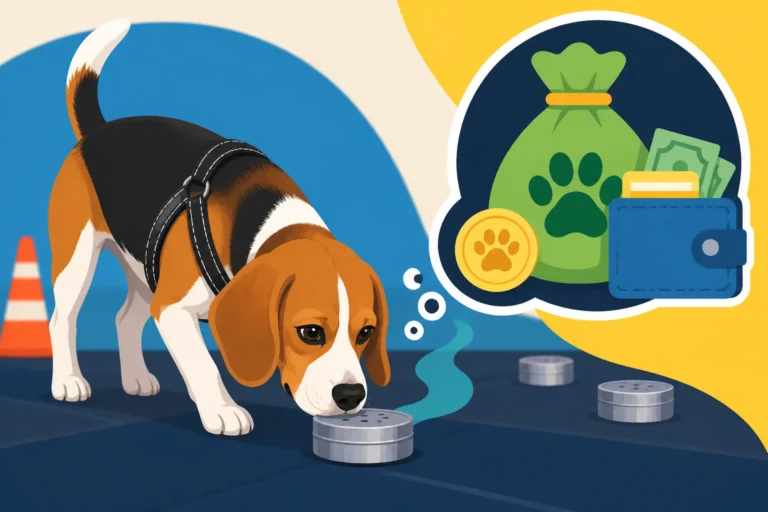
Beagles were born to use their noses. Their entire being is wired for scent work, and providing outlets for this instinct can be a game-changer for redirecting their chewing energy. Instead of constantly trying to chew something, they can focus on finding something.
- Scent Games: Hide-and-seek with treats, "find it" games in the house or yard, or even formal nose work classes can provide immense mental stimulation. This taps into their natural instincts and tires them out in a way a simple walk cannot. For an "Indoor Enrichment for a Rainy Beagle Week", scent games are perfect.
- Puzzle Feeders: These aren't just for slowing down fast eaters. Puzzle feeders require your Beagle to problem-solve to get their food or treats. This mental effort is incredibly satisfying for them and can reduce their desire to chew indiscriminately. You can use their regular kibble or safe, low-calorie treats. For Beagles who are highly food-motivated, using their regular meals from a service like Ollie in a puzzle toy can be a fantastic way to engage their brain without adding extra calories.
- Snuffle Mats: These fabric mats with many hiding spots for kibble or treats are excellent for engaging a Beagle's nose. They encourage natural foraging behavior and can keep a Beagle happily occupied for a good stretch of time.
By providing appropriate mental and physical outlets, you can satisfy your Beagle's natural drives in constructive ways, rather than constantly battling their desire to shred your latest toy purchase. This isn't just about toy management; it's about enriching their life.
Toy Replacement Checklist
To summarize, here's a quick reference table for toy types, their typical lifespan, and clear indicators for replacement.
| Toy Type | Typical Beagle Durability | When to Replace |
|---|---|---|
| Solid Rubber | Very High | When it becomes too small to safely chew, or large pieces are torn off. |
| Hard Nylon | High | When it's significantly worn down, develops sharp edges, or is too small. |
| "Tough" Plush | Moderate | At the first sign of a torn seam, exposed stuffing/squeaker, or large holes. |
| Standard Plush | Low | Immediately if stuffing or squeaker is exposed, or large tears appear. |
| Rope Toys | Low to Moderate | When strands start unraveling, or pieces can be easily chewed off/ingested. |
| Interactive/Puzzle | Varies (High if rubber) | If outer shell is damaged, inner mechanisms exposed, or pieces broken off. |
| Hard Plastic | Low to Moderate | If it cracks, splinters, or forms sharp edges. |
Remember, these are general guidelines. Always defer to safety and your specific Beagle's chewing style.
Disclaimer
The information provided in this article is for general informational purposes only and is not a substitute for professional veterinary advice. Always consult with a qualified veterinarian for any health concerns or before making any decisions about your pet's care.