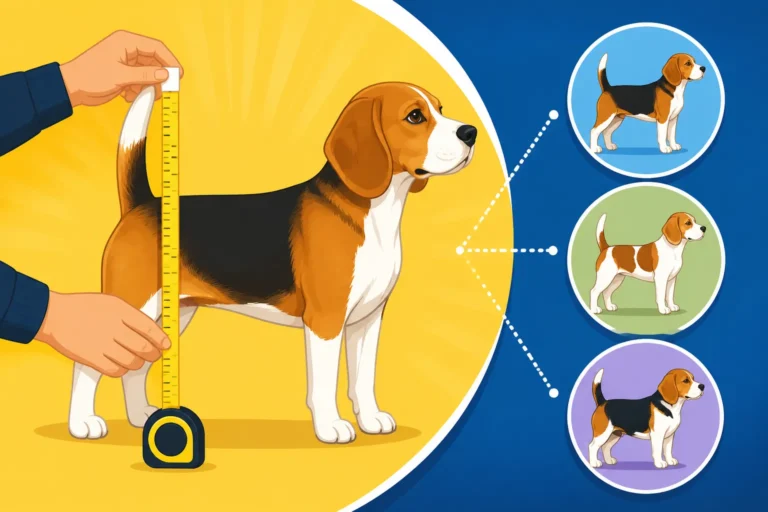
The Beagle Ear Length the Standard Describes
One of the first things that draws people to a Beagle, besides that perpetually wagging tail and soulful gaze, is undoubtedly those magnificent, long, velvety ears. They flop, they sway, they just scream "adorable!" But those ears are more than just a cute accessory; they're a defining characteristic of the breed, deeply rooted in their history and purpose. If you've ever wondered how long a Beagle's ears should be, or why they look the way they do, you're in the right place. This guide will walk you through exactly what the breed standard says about those iconic ears, and why that matters for every Beagle owner.
The Iconic Beagle Ear: More Than Just Cute Flops
You see a Beagle, and instantly, those ears catch your eye. They're soft, they're pliable, and they just hang there, framing that expressive face. It’s hard to imagine a Beagle without them, isn't it? But their distinct appearance is no accident; it’s a finely tuned feature that has served the breed for centuries.
What Makes Beagle Ears So Recognizable?
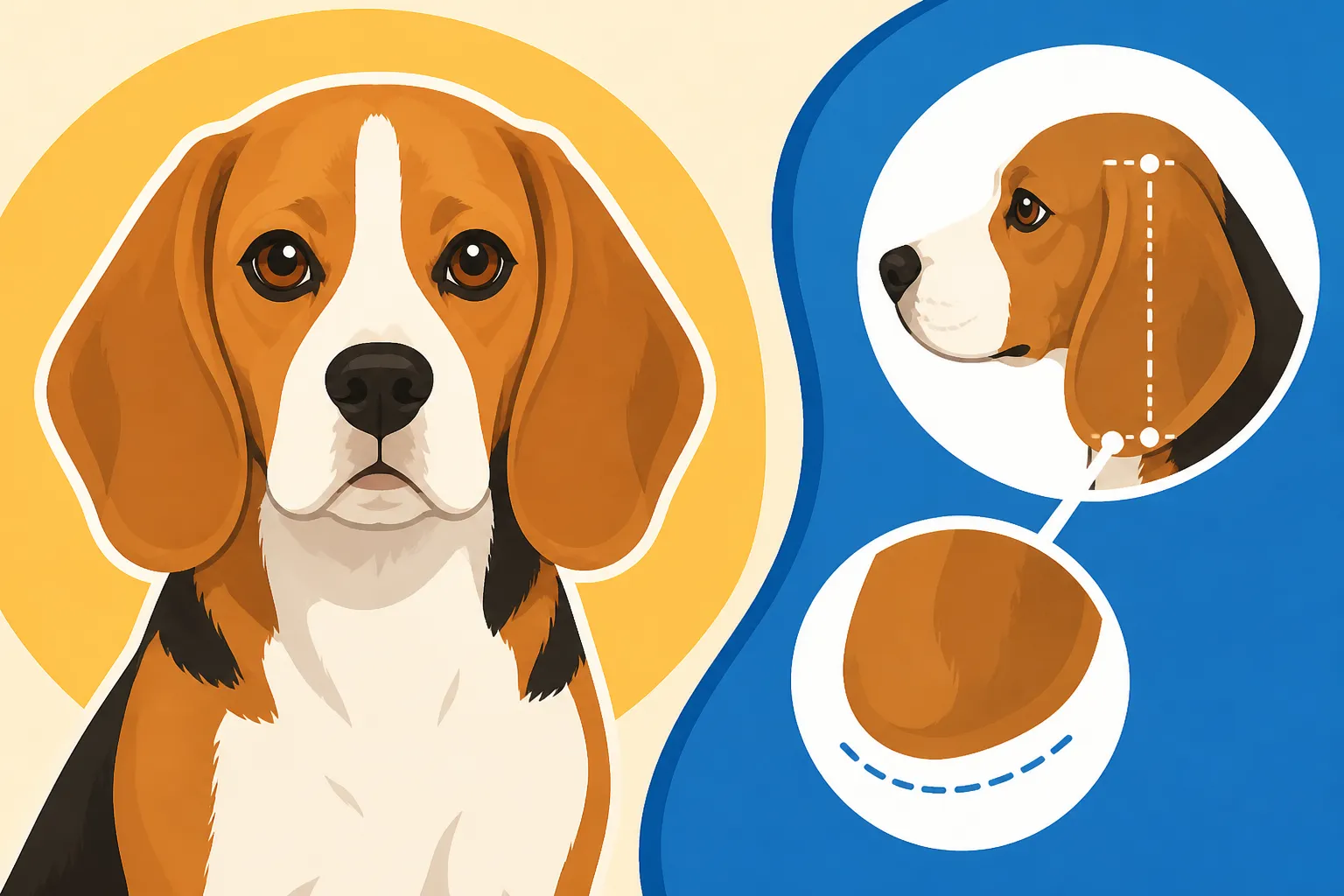
When you picture a Beagle, you're probably envisioning ears that are long, set low on the head, and possess a wonderfully rounded tip. They have a certain elegance, even in their floppiness. Compared to some other hounds, like the Basset Hound with its even more exaggerated length, or the Foxhound with slightly higher-set ears, the Beagle's ears strike a beautiful balance. They typically lie flat against the cheeks, giving the impression of a perpetually gentle and kind demeanor. That velvety texture is another hallmark, inviting a soft stroke or a loving rub from their human companions.
People often comment on how "sad" or "pleading" a Beagle's expression can seem, and those long ears definitely contribute to that look. But it's all part of the charm! The way they frame the face, making the eyes seem even larger and more appealing, creates an emotional connection that's hard to resist. It’s a huge part of what makes the Beagle one of the most beloved breeds around the globe.
Beyond Aesthetics: The Purpose of the Long Ear
While undeniably endearing, the length and droop of a Beagle's ears are far from just a pretty face. Their primary function is deeply practical, rooted in the breed's historical role as a scent hound. Imagine a Beagle with its nose to the ground, diligently tracking a scent trail across a dewy field. As the dog moves, those long, pendulous ears actually sweep the ground, effectively wafting scents from the environment directly towards their incredibly powerful nose. This action helps to concentrate the scent particles, intensifying the information the Beagle receives. It's like having built-in scent gatherers that enhance their already formidable olfactory abilities.
This design is a testament to centuries of selective breeding aimed at creating the ultimate scent-tracking companion. The ears act almost like a natural extension of their nose, ensuring no valuable scent is missed. However, this brilliant design for scent work comes with its own set of trade-offs when it comes to health. The very floppiness that makes them so effective at tracking also creates a warm, moist, and poorly ventilated environment inside the ear canal. This lack of airflow can unfortunately become a breeding ground for various ear problems, which we'll delve into a bit more later. It’s a classic example of form meeting function in the canine world, with both benefits and responsibilities for us as owners.
Deciphering the Breed Standard: What Does "Low Set" and "Long" Really Mean?
When we talk about what a Beagle should look like, we're talking about the breed standard. This isn't just a list of preferences; it's a detailed blueprint that describes the ideal characteristics of the breed, helping to maintain its unique qualities and heritage. For the Beagle, the ears are a crucial component of this standard, meticulously described to ensure breeders and judges understand the desired form.
The Official Description from the American Kennel Club (AKC)
The American Kennel Club (AKC) breed standard is the definitive guide for Beagles in the United States. When it comes to ears, it's quite specific. The standard describes the ears as being "set moderately low, long, reaching when drawn out nearly to the end of the nose." It also specifies that they should be "fine in texture, and rounded at tip." Let's break that down a bit.
"Set moderately low" means that the base of the ear, where it attaches to the skull, should not be high on the head. Instead, it should generally be at eye level or even slightly below, contributing to that classic "houndy" look. If the ears are set too high, it gives the dog a different, often more terrier-like, appearance that is not characteristic of the Beagle.
The "long" aspect is quantified by the instruction that they should "reach when drawn out nearly to the end of the nose." This is a tangible measurement that judges often use during evaluation. Imagine gently extending one of your Beagle's ears forward along its muzzle. Ideally, the tip should come very close to, or even meet, the black leather of the nose. This length ensures the ears are doing their job of sweeping scent, while also maintaining the correct proportions for the Beagle's head. The "fine in texture" and "rounded at tip" details describe the feel and shape, emphasizing a refined yet durable quality. You can find more specific details on all aspects of their head, including those ears, in resources like Beagle Ears, Eyes and Expression.
How Judges Interpret Ear Length in the Show Ring
In the world of conformation shows, judges meticulously compare each dog to the breed standard. For Beagle ears, this means a careful assessment of their set, length, texture, and tip shape. A judge will typically run their hands over the dog's head, feeling the ear set and often gently extending an ear forward to check its length against the nose. Ears that are too short, for example, failing to reach the nose, would be considered a fault. Conversely, ears that are disproportionately long might also be viewed negatively if they detract from the overall balance of the head.
Ears that are set too high on the head, or have a pointed tip rather than a rounded one, would also be considered deviations from the standard. While typically not disqualifications unless extremely severe, these faults can certainly impact a dog's placement in the ring. The goal is a Beagle whose ears contribute to the overall picture of a sturdy, balanced, and purposeful hound. The consistency in these physical traits across generations helps to maintain the breed's recognizable appearance and functional capabilities. It’s a nuanced dance between genetics and the careful eye of experienced breeders and judges, all working to preserve the essence of the Beagle.
Practical Implications for Beagle Owners: Caring for Those Long Ears
While those long, floppy ears are undeniably charming and crucial for a Beagle's scenting ability, they also present a unique set of challenges for owners. It’s part of the Beagle experience to understand and manage these particular needs to keep your furry friend happy and healthy.
The Health Challenges of Long, Droopy Ears
The very design that makes Beagle ears so effective at funneling scent also makes them a magnet for trouble. Because they hang down, covering the ear canal, there's very little air circulation. This creates a warm, dark, and often moist environment that's absolutely perfect for the growth of bacteria and yeast. It's like a tiny, damp greenhouse inside your Beagle's ear, and these conditions are an open invitation for infections.
You'll often hear Beagle owners lamenting recurrent ear infections, and it's no wonder why. These can be incredibly uncomfortable for your dog, leading to scratching, head shaking, and even pain. Without proper care, a mild irritation can quickly escalate into a full-blown infection requiring veterinary attention. Common culprits include bacterial infections, which often produce a yellowish discharge and a foul odor, and yeast infections, which might present with a darker, waxy discharge and a distinct, sometimes cheesy smell. Both require different treatments, so a vet visit is essential if you suspect an issue. You can dive deeper into these issues in our article, Beagle Ear Infections Under Those Long Ears, and specifically for those recurring problems, check out Beagle Yeast Ear Infections That Keep Returning. Beyond infections, these dark, warm canals can also be a hiding spot for ear mites, especially in younger dogs, causing intense itching and dark, crumbly debris. Knowing Telling Beagle Ear Mites From an Infection is crucial for prompt treatment. And while we're on the subject of head shaking, sometimes vigorous shaking can lead to Beagle Ear Hematomas Caused by Head Shaking, which are painful blood blisters that often require veterinary intervention.
A Regular Ear Care Routine is Non-Negotiable
Given the predisposition to ear problems, a consistent and thorough ear care routine is absolutely vital for every Beagle owner. This isn't just about waiting until there's a problem; it's about proactive prevention. I recommend checking your Beagle's ears a few times a week, especially after outdoor adventures, and performing a gentle cleaning at least once a week. Our post on How Often a Beagle's Ears Need Cleaning offers great guidance.
Here’s a basic routine:
- Visual Inspection: Lift the ear flap and look inside the ear canal. It should be clean, pale pink, and free of any redness, swelling, or unusual discharge. A little wax is normal, but excessive buildup or a foul smell is a red flag.
- Gentle Cleaning: Use a veterinarian-approved ear cleaning solution. You can find excellent options specifically formulated for dogs at pet supply stores, including reputable online retailers like Chewy. These solutions are designed to break down wax and debris without irritating the sensitive skin inside the ear. Apply the cleaner directly into the ear canal (following the product instructions, of course!), then gently massage the base of the ear for about 20-30 seconds. You’ll often hear a squishy sound, which means the solution is working.
- Wipe Clean: Allow your Beagle to shake their head – this helps dislodge debris. Then, use a soft cotton ball or gauze wrapped around your finger to gently wipe out any visible dirt and excess solution from the outer ear canal. Never use cotton swabs to go deep into the ear canal, as this can push debris further in or even damage the eardrum.
- Thorough Drying: This is perhaps the most critical step, especially after baths or swimming. Any residual moisture can quickly lead to infection. Gently dry the inside of the ear flap and the outer parts of the canal with a soft cloth or cotton ball. You can learn more about this in Drying Beagle Ears Thoroughly After a Bath.
Consistency is key. By making ear care a regular part of your grooming routine, you can significantly reduce the risk of uncomfortable and costly ear infections, keeping those beautiful Beagle ears in tip-top shape.
| Characteristic | Ideal Beagle Ear (According to AKC Standard) | Common Fault / Potential Issue |
|---|---|---|
| Set | Moderately low, at eye level or below | Set too high on the head |
| Length | Long, reaching nearly to the end of the nose | Too short, not reaching the end of the nose |
| Texture | Fine | Thick or coarse |
| Tip | Rounded | Pointed or too sharp |
| Carriage | Lying flat against the cheek | Carried away from the cheek, "flying" ears |
| Health Impact | Prone to infections due to poor air circulation | Increased risk of chronic bacterial/yeast infections |
| Grooming Need | Regular cleaning and drying essential | Neglect leads to discomfort and vet visits |
The Impact of Ear Length on a Beagle's Life and Temperament
Beyond the show ring and the vet's office, those distinctively long ears play a fascinating role in shaping a Beagle's day-to-day life and even contribute to their beloved temperament. It's a holistic connection between their physical traits and their very being.
Enhancing the Beagle's Scenting Prowess
We've touched on this already, but it bears repeating: the long, sweeping ears are a superpower for a Beagle's nose. They're not just for looks; they are actively involved in amplifying the dog's already phenomenal sense of smell. Think about it this way: a Beagle already boasts around 220 million scent receptors, far outstripping our mere 5 million. You can delve into the incredible science behind this in The 220 Million Receptors Behind a Beagle's Nose. When those ears move, they gently stir up ground-level air currents, funneling scent molecules directly into their nostrils. This creates a sort of localized scent vortex, allowing them to detect and differentiate odors with astonishing precision.
This enhanced scenting ability is why Beagles excel in roles that demand a keen nose. From their historical job of rabbit hunting to modern-day detection work with the USDA, their ears are an integral part of their professional toolkit. The Beagle Brigade, for instance, relies on this exact trait to sniff out contraband at airports, a role where their ears help them pinpoint even the faintest of illegal food items. Discover more about this fascinating work in The USDA Beagle Brigade at the Airport. When you see a Beagle with its nose perpetually glued to the ground on a walk, those ears are often subtly sweeping, gathering intel from every blade of grass. It’s a natural, instinctive behavior that keeps them engaged and satisfied, which is why Why a Beagle Walks With Its Nose to the Ground is such a fundamental part of their daily routine. For a Beagle, a walk isn't just about exercise; it's a rich tapestry of scents, and their ears are helping them paint the picture.
The "Merry" Expression and Ear Carriage
The breed standard describes the Beagle's temperament as "merry," and indeed, their overall physical presentation, including their ears, contributes significantly to this cheerful and amiable expression. The low-set, rounded ears, combined with their large, soft eyes, give them a perpetually puppy-like, innocent, and friendly appearance. It's hard to look at a Beagle and not feel a little bit happier, isn't it? Their ears, when relaxed, frame their face in a way that softens their features, making them seem approachable and gentle. This welcoming look is a huge part of why they're so often recommended as family pets and why they tend to get along well with children and other animals. You can read more about their characteristic personality in The Beagle Temperament Written Into the Standard.
Beyond the relaxed state, a Beagle's ears are highly expressive. When they're focused on a scent, those ears might twitch and subtly reposition, almost as if they're trying to capture every last molecule in the air. When they're alert to a new sound, those ears might perk up slightly at the base, drawing back a bit in concentration. And when they're happy and greeting you, those ears might flatten slightly against their head as they wag their whole body with joy. The condition of their ears also plays a role in this "merry" appearance; clean, healthy ears that are free from pain or irritation contribute to an overall look of contentment and well-being. A dog constantly shaking its head or scratching its ears won't project that same happy-go-lucky vibe. So, in many ways, those iconic ears are a window into a Beagle's world, both external and internal.
Disclaimer
This article is for general informational purposes only and does not constitute professional advice. Laws, prices and regulations vary by location and change over time. Consult a qualified professional for guidance on your specific situation.