Why the Tip of a Beagle Tail Is White
There’s something truly iconic about a Beagle, isn't there? That merry, perpetually curious expression, the long, soft ears, and that tail — always held high, often wagging, and almost unfailingly tipped with white. Many of us Beagle parents have probably wondered why this little patch of white exists. Is it just a cute coincidence, or does it serve a deeper purpose rooted in the breed's long history? This guide will dive deep into the fascinating reason behind your Beagle’s distinctive white tail tip, exploring its origins, its role in the breed's heritage, and why it remains a cherished characteristic today.
The Distinctive "Flag" of the Beagle Tail
When you look at a Beagle, every part of them speaks to their heritage as a working hound. From their powerful nose to their sturdy build, they are built for a purpose. The tail, often affectionately called their "flag," is no exception. It’s more than just an appendage; it’s a crucial identifier and a key part of what makes a Beagle, well, a Beagle.
What the Breed Standard Says About the Tail
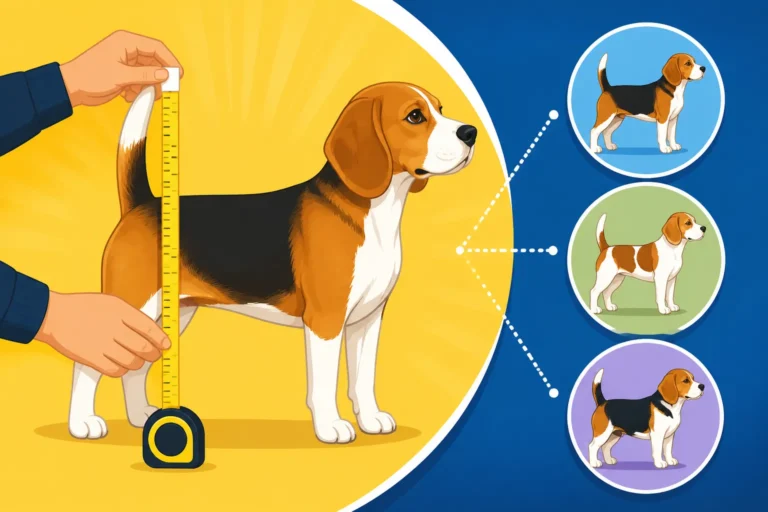
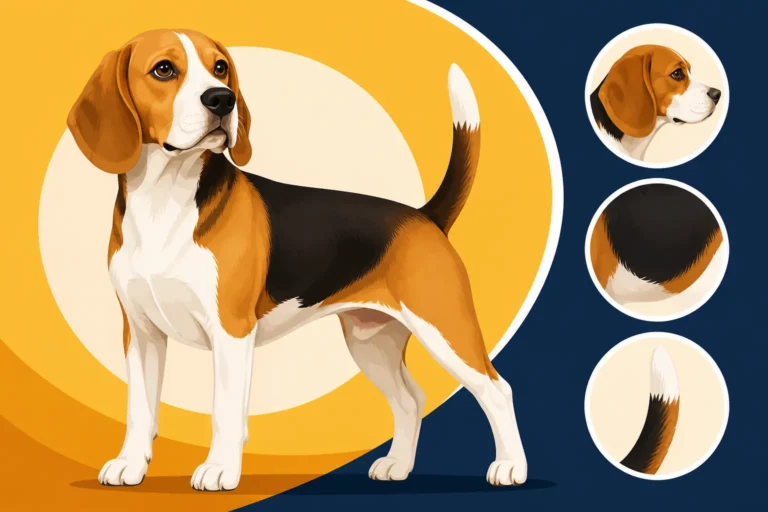
If you've ever looked at the official breed standard for Beagles, whether from the American Kennel Club (AKC) or other organizations, you'll notice a very specific description of the tail. It's usually described as moderately set, carried gaily, but never curled over the back. Most importantly, it should have a noticeable white tip. This isn't just a suggestion; it's a fundamental part of the Beagle’s blueprint. The ideal The Beagle Tail and Its White Tip is neither too long nor too short, but proportionate to the body, and carried erect, like a tiny flag waving in the breeze.
Think about it from a judge’s perspective in a show ring. They’re looking for a dog that embodies the breed's historical function and appearance. A tail that doesn't meet these criteria, perhaps one that's too short, too long, too tightly curled, or lacking that tell-tale white tip, would be considered a fault. It's all part of the harmonious picture of a well-bred Beagle. This adherence to detail ensures that the distinctive characteristics that make Beagles so unique are preserved through generations.
More Than Just a Cute Feature: Anatomy and Genetics
While it might seem like a simple aesthetic detail, the white tip of a Beagle's tail is a result of genetics that have been intentionally (or unintentionally, through selective breeding for function) reinforced over centuries. The white color is a lack of pigment, a trait often seen in areas that are extremities or the last parts of the body to develop pigmentation. In Beagles, this specific pattern, usually a blaze on the face, white chest, white feet, and the white tail tip, is part of what’s called the "piebald" or "parti-color" gene expression.
It's not random like a splash of paint; it's a genetic marker. When breeders are selecting dogs, they're not just looking at temperament or health, but also how well the dog conforms to the physical standard. This includes evaluating the appearance of Beagle Colors, Markings and the Tricolor Standard, ensuring that the distinctive traits are passed down. So, while you might just see a charming little white spot, it's a testament to generations of breeding that has solidified this trait as a hallmark of the breed, a subtle nod to their origins and purpose.
A Beacon in the Brush: The Hunting Purpose of the White Tip
To truly understand why the Beagle’s tail has a white tip, we need to transport ourselves back in time, to the rolling hills and dense woodlands of England, where these merry hounds earned their keep. Beagles were originally bred for hunting small game, primarily rabbits and hare. Their incredible sense of smell and their vocal prowess made them exceptional at flushing out and tracking quarry.
Tracking Through Tall Grass and Dense Cover
Imagine a pack of Beagles, nose to the ground, working a scent trail through fields of tall grass, thick underbrush, or even through dense brambles. Hunters, often on foot, would follow these hounds. The Beagle's low stature, typically between 13 and 15 inches at the shoulder, meant they could easily disappear from view in even moderately tall vegetation. This is where the white tail tip became an absolute game-changer.
That bright white patch, waving rhythmically above the greenery as the dog worked, acted like a small, moving beacon. It allowed the hunter to keep track of their dog’s location, even when the rest of its body was completely obscured. Without it, a hunter might easily lose sight of their Beagle in the pursuit, especially during dawn, dusk, or in overcast conditions. It's a pragmatic feature, born out of necessity in the field, making the dog visible and accountable during the chase. What a Beagle Was Originally Bred to Hunt clearly shows us how their physical traits are tied to their purpose.
Signaling and Communication in the Pack
Beagles are pack animals, bred to work cooperatively. When Beagle Packs and How a Hunt Was Run, communication among the dogs themselves was just as vital as communication with the human hunters. While the signature "bay" of a Beagle provided auditory cues to the entire pack, visual signals also played a role.
The upright, white-tipped tail acted as a visual signal, not only for the hunters but also for other members of the pack. In the chaos and excitement of a chase, where scents are overwhelming and the terrain challenging, a quick glance at a fellow Beagle's "flag" could help dogs maintain their position relative to one another, ensuring the pack stayed cohesive and on the right track. It was a simple, yet effective, method of non-verbal communication, reinforcing the instinctual bond and cooperation that makes Beagles such effective hunting partners.
Avoiding Accidental Injuries During the Hunt
Another, perhaps less obvious, benefit of the white tail tip was safety. In the past, hunting was a rugged affair, and accidents could happen. A sudden movement in the bushes, a glimpse of a brown or black shape, could lead to a hunter mistaking their own dog for the quarry, especially if the dog was moving quickly or partially obscured.
The distinct white tip provided an unmistakable identifier. It clearly differentiated the Beagle from the rabbit or hare it was pursuing, reducing the risk of accidental injury from a stray shot or an overzealous hunting companion. It was a subtle, yet crucial, safety feature that protected these valuable working dogs, allowing them to perform their duties with a reduced risk of being mistaken for prey. This practical aspect underscores how every detail of the Beagle, including The Beagle From English Rabbit Packs to American Homes, was finely tuned for their original occupation.
Maintaining the Trademark: Breeding and Showing Beagles
Even though most Beagles today are cherished family companions rather than working hunters, the white tip on their tail remains a deeply ingrained and celebrated characteristic. This isn’t by accident; it’s a testament to careful breeding and the preservation of breed standards.
The Importance of the White Tip in Breeding Lines
Reputable Beagle breeders take the breed standard very seriously. They strive to produce Beagles that not only have excellent health and temperament but also physically embody the ideal traits of the breed. The white-tipped tail is one of those non-negotiable features. It’s seen as a sign of purity in the lineage and adherence to the historical blueprint of the Beagle.
When a breeder evaluates potential breeding stock, they consider how well each dog conforms to these standards. Dogs with strong, clear white tips on their tails are often favored, as they are more likely to pass this desirable trait onto their offspring. This careful selection ensures that future generations of Beagles will continue to carry their distinctive "flag." While health clearances like those for Musladin-Lueke Syndrome and the Beagle DNA Test are paramount, adherence to physical standards like the tail tip is also important for maintaining breed identity.
Judging the Beagle Tail in the Show Ring
In the conformation show ring, judges meticulously assess every aspect of a Beagle's appearance, including the tail. A correctly set tail, carried with a merry but not excessive curve, and prominently displaying its white tip, is a mark of a well-conforming dog. The way a Beagle Tail Carried Up Like a Flag is observed, noting its length, thickness, and movement.
A judge will look for a tail that is not too short or docked, nor one that curls tightly over the back like a Poodle's or Akita's. They want to see that distinctive white tip, often referred to as a "brush" or "flag tip," clearly visible. A Beagle with a well-presented, correctly tipped tail will certainly catch a judge's eye and score higher points, as it directly reflects the breed's historical function and aesthetic.
White Tip Variations and Common Misconceptions
While the ideal Beagle tail has a distinct white tip, there can be some natural variations. Some Beagles might have a smaller patch of white, while others might have a more extensive white area that extends further up the tail. Generally, a noticeable white tip is what's desired, and minor variations are usually acceptable as long as the overall tail structure and carriage are correct.
A common misconception is that a Beagle must have a white tip on its tail. While it is a defining characteristic and highly desired, a Beagle without a white tip isn't necessarily "less" of a Beagle in terms of companionship or love. However, in the context of breeding or showing, a complete absence of the white tip would be considered a deviation from the breed standard. This historical trait, so carefully preserved, is part of what makes a Beagle instantly recognizable among other hounds.
Everyday Charm and Care for Your Beagle's Distinctive Tail
Beyond its historical significance and show ring appeal, your Beagle's white-tipped tail is a constant source of joy and a barometer of their mood. It's a feature that demands a little care, just like the rest of your furry friend!
Grooming the Tail to Keep It Healthy
That white tip isn't just for looking good; it's part of your Beagle’s overall coat. Beagles have a short, dense double coat that sheds throughout the year, with heavier shedding in spring and fall. The tail, while short-haired, can still collect dirt, especially if your Beagle loves to follow scents through mud and puddles. Regular grooming is essential to keep the white tip bright and clean.
A good brush, like a rubber curry comb or a deshedding tool, can help remove loose hair and dirt from the tail and the rest of their body. For keeping that white tip truly sparkling, you might consider occasional spot cleaning with a dog-friendly whitening shampoo or a gentle pet wipe. Brands like Chewy offer a wide variety of grooming supplies that can help you maintain your Beagle's coat, from shampoos specifically designed for white fur to brushes that penetrate their dense double coat. This regular attention not only keeps them looking sharp but also allows you to check for any skin irritations or parasites. Beagle Grooming and That Shedding Double Coat delves deeper into managing their seasonal shedding.
The Tail as an Indicator of Emotion and Health
Anyone who lives with a Beagle knows their tail is almost constantly in motion. A high, enthusiastic wag with that white tip flying around tells you your Beagle is happy, excited, and ready for adventure. A tail tucked low or held stiffly, on the other hand, can signal anxiety, fear, or even pain. It's an important communication tool between you and your dog.
It's also worth noting that changes in tail carriage can sometimes be an early indicator of health issues. For example, if your Beagle suddenly starts holding their tail low, or seems reluctant to wag it, this could be a sign of discomfort, possibly related to Beagle Back Pain Warning Signs or even something like "limber tail" syndrome (also known as cold water tail or swimmer's tail), which is a temporary but painful condition affecting the tail muscle. Always pay attention to your Beagle's body language; their tail tells a story, and understanding it is key to their well-being. If you notice persistent changes in tail carriage or any signs of pain, a vet visit is always a good idea. Looking after their overall spinal health is crucial, especially for breeds with backs that can be prone to issues, as discussed in Beagle Disc Disease and That Slightly Long Back.
| Feature | Description | Purpose in Hunting (Historical) | Importance in Modern Breed Standard (Today) |
|---|---|---|---|
| White Tail Tip | Distinct patch of white hair at the very end of the tail. | Visual beacon for hunters to track the dog in dense cover. | Key aesthetic trait; sign of pure lineage and adherence to historical type. |
| Tail Carriage | Carried gaily (erect and slightly curved), like a "flag". | Easy visibility and communication within the pack and with hunters. | Evaluated in shows; reflects breed's energetic and merry temperament. |
| Tail Length | Moderately long, proportionate to the body. | Allows for maximum visibility when carried high. | Must be proportionate; neither too long nor too short for breed balance. |
| Tail Set | Moderately high, flowing smoothly from the topline. | Contributes to the "flag" effect; ensures comfort during activity. | Correct set is crucial for overall conformation and breed type. |
| Tail Thickness/Coat | Moderately thick, well-covered with dense hair, not sparse. | Durable for working conditions, helps "flag" stand out. | Healthy, dense coat on the tail is desired; contributes to robust appearance. |
Disclaimer
This article is for general informational purposes only and does not constitute professional advice. Laws, prices and regulations vary by location and change over time. Consult a qualified professional for guidance on your specific situation.