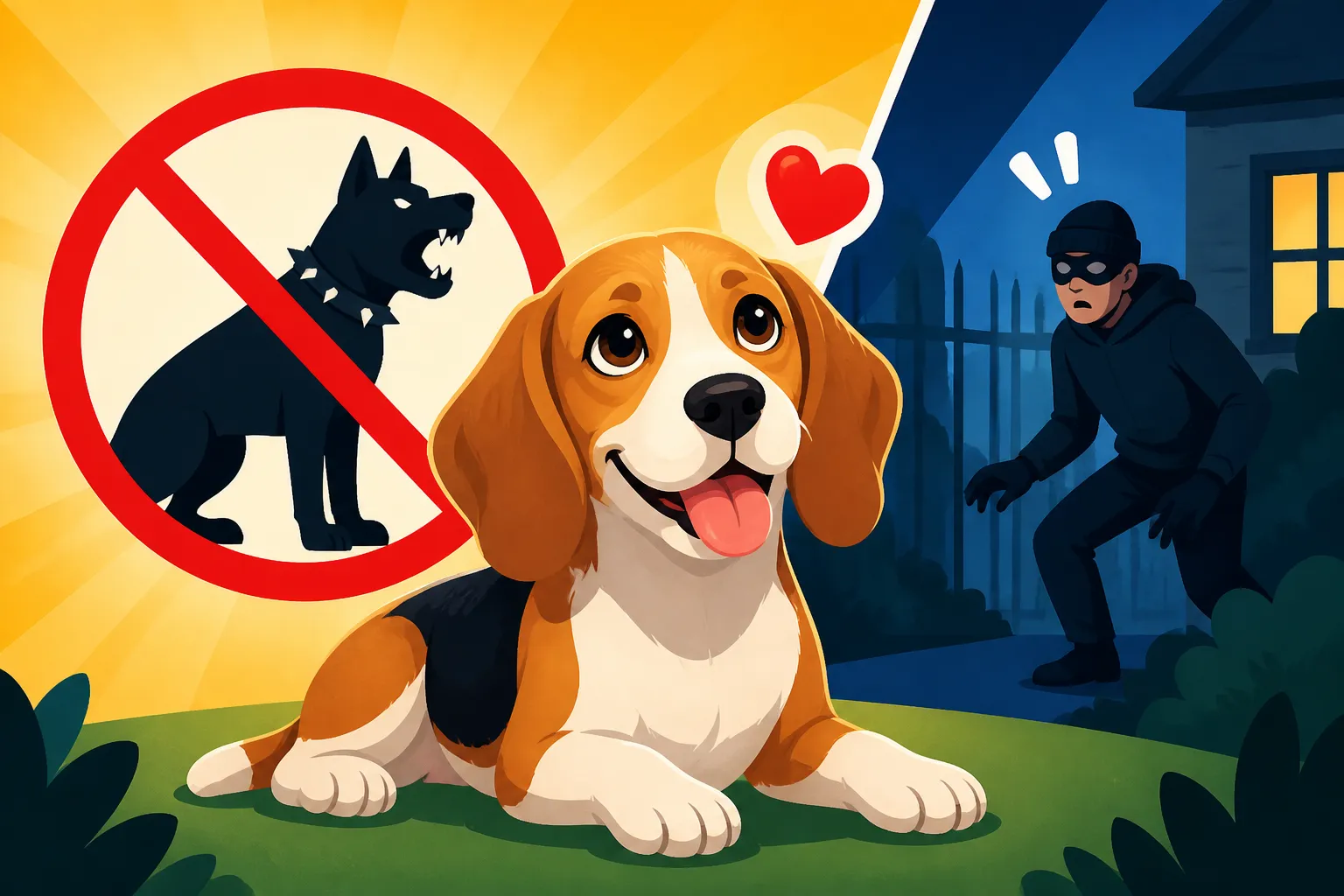
Why Beagles Are Never Used as Guard Dogs
It’s a common thought when you bring a new dog into your home: "Maybe they can help keep an eye on things, act as a deterrent." And with their vocal nature, you might even think a Beagle could be a fantastic guard dog. However, if you've ever lived with one of these charming hounds, you'll quickly realize that their unique traits, while endearing, make them singularly unsuited for guard duty. This guide will explore why Beagles, despite their alert barks and keen senses, are actually terrible guard dogs and what roles they do excel at.
Understanding the Beagle Temperament: A Merry Little Hound
When you look at a Beagle, what do you see? Often, it's a tail wagging furiously, a soft, pleading expression, and a nose that's constantly glued to the ground, searching for the next fascinating smell. These aren't the hallmarks of a vigilant protector, but rather a friendly, curious companion. Their entire being is pretty much the opposite of what you’d want in a guard dog, and understanding their historical purpose really shines a light on why.
Bred for the Chase, Not the Chase Away
Beagles were purpose-bred centuries ago in England to hunt small game, primarily rabbits and hares. They worked in packs, often alongside human hunters who followed on foot. Their job wasn't to confront or deter, but to find a scent trail, follow it relentlessly, and then alert their human companions with their distinctive bay. This means they were selected for specific traits: an incredible nose, stamina, a cooperative nature within a pack, and a generally non-aggressive disposition towards humans – even strangers.
Think about it: a hunter wouldn't want a dog that's suspicious or confrontational with other hunters or even with the game once caught. They wanted a dog focused on the scent, eager to work, and happy to be part of a team. Their independent thinking comes into play when they're dissecting a complex scent trail, not when they're making decisions about who poses a threat to your home. They excel at their ancestral job, and that job is all about the pursuit and discovery, not defending a perimeter. If you're interested in their history, you might find What a Beagle Was Originally Bred to Hunt fascinating.
The "Merry" Disposition and Social Nature
The Beagle standard often describes them as "merry," and honestly, it’s one of the most accurate descriptions you’ll find for the breed. They are inherently cheerful, outgoing, and typically adore people, children, and other animals. A true guard dog is usually reserved, aloof, and suspicious of strangers, taking a protective stance. A Beagle? A Beagle sees a stranger as a potential source of a belly rub, a dropped crumb, or a new friend to sniff.
They’re incredibly affectionate and thrive on companionship, whether from their human family or other canine pals. This social drive means their first instinct when a new person arrives isn't to warn them away, but often to greet them with an enthusiastic tail wag and a hopeful sniff. Winning over a Beagle usually just requires a friendly voice and perhaps a tasty treat. Their desire for connection and their lack of inherent distrust simply don't align with the protective instincts needed for a guard dog role. To learn more about their personality, check out Beagle Temperament and Why the Breed Suits Families.
The Beagle's Warning System: Baying, Not Biting
When it comes to alerting you to something, Beagles are certainly not shy. They have a variety of vocalizations that can certainly get your attention, and perhaps even that of your entire neighborhood. However, the type of warning they provide, and their intent behind it, is vastly different from that of a guard dog.
The Iconic Beagle Bay
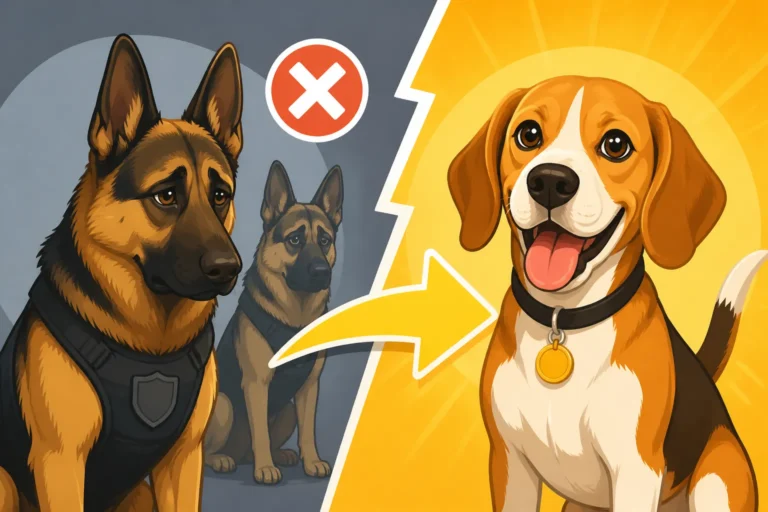
Ah, the Beagle bay! It's legendary, distinctive, and can be quite loud. Unlike a sharp, deep bark that a German Shepherd or Rottweiler might use to intimidate, a Beagle's bay is more of a drawn-out, melodious howl. It’s the sound of the hunt, a vocal announcement of a discovery, or sometimes, just a profound expression of emotion – be it excitement, loneliness, or frustration. While it definitely makes noise, it rarely carries an intimidating undertone.
A Beagle will absolutely tell you someone is at the door, or that a squirrel just ran across the yard, or that a leaf blew past the window. They'll tell you with enthusiasm, often with their whole body wiggling. But that bay is less about warding off an intruder and more about signaling to you that something interesting (to them) is happening. It's a "Look! Look what I found!" rather than a "Stay back!" You can learn more about their vocal nature in What a Beagle Bay Actually Sounds Like and Beagle Howling, Baying and Barking Explained. They're truly great at making noise, but it's not the kind of noise that inspires fear.
A Lack of Intimidation Factor
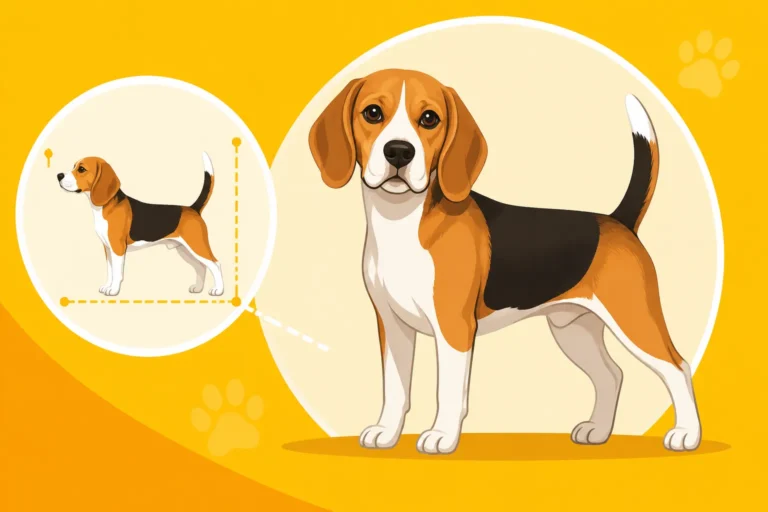
Let's be realistic: a Beagle, typically a small to medium-sized dog, ranging from 13 to 15 inches tall and weighing between 20 and 30 pounds, doesn't exactly project a fearsome image. Their soft, expressive eyes, long floppy ears, and generally friendly demeanor counteract any potential for intimidation. A guard dog relies on its physical presence, its confident and often challenging posture, and a distinct air of seriousness. Beagles, bless their hearts, radiate joy and curiosity.
Even if a Beagle were to bark or bay at an intruder, their body language would likely be more akin to "hello, new friend!" than "you shall not pass!" They are more likely to be distracted by a dropped item, or even try to solicit a treat, than to stand firm in defense of property. Their natural inclination is almost always curiosity and approach, not confrontation and deterrence. They simply aren't built, physically or temperamentally, to intimidate.
Instincts That Work Against Guard Dog Duties
The very instincts that make Beagles such phenomenal scent hounds are precisely what prevent them from being effective guard dogs. Their priorities are just completely different from what the job requires.
The All-Consuming Power of Scent
This is, hands down, the biggest reason Beagles are not guard dogs. Their nose is their world. With around 220 million scent receptors, compared to our mere 5 million, a Beagle lives in a universe of smell that we can barely comprehend. When a Beagle picks up an interesting scent, everything else fades into the background. Their hearing, their training, even your urgent calls – it all becomes secondary to the irresistible pull of that odor. To delve deeper into this, check out The 220 Million Receptors Behind a Beagle's Nose.
Imagine a scenario: a stranger approaches your house. A guard dog would remain focused on the person. A Beagle? If that stranger happened to step on a rabbit trail, or if their shoes carry the scent of something fascinating from their previous stop, your Beagle's attention will be irrevocably diverted. They won't care about the person; they'll care about the smell. They might even follow the scent away from your property rather than staying put to guard it. This is why it’s so crucial for Beagles to be in a securely fenced yard or on a leash at all times. A quality, durable leash and harness are essential, and you can often find great options for these on sites like Chewy, ensuring they stay safely with you rather than following their nose into trouble. If a burglar dropped a sandwich on the lawn, the Beagle would likely see them as a provider, not a threat! This overriding scent drive is also why Why a Beagle Should Never Be Off Leash Unfenced is such vital reading for any Beagle owner.
Easy Distraction and Friendliness to Strangers
A guard dog needs unwavering focus and a strong sense of territoriality. Beagles possess neither in the context of defense. Their friendly nature extends to almost everyone they meet. They tend to assume everyone is a friend until proven otherwise, and even then, their capacity for holding a grudge is pretty minimal. Their boundless curiosity means they're easily distracted by anything new or interesting in their environment.
This means that a Beagle would likely greet an intruder with a wagging tail and an eager sniff rather than a protective snarl. They’d be far more interested in whether the person had treats or was willing to play. Their social nature, while wonderful for family life, is a significant disadvantage for guard duties. They simply don't possess the inherent wariness or the drive to actively deter unknown individuals that define effective guard dog breeds. If you leave a delivery driver waiting, your Beagle might just try to make friends with them through the door or window.
What Beagles Are Good At (And Why It Matters)
While a Beagle might be a wash when it comes to protecting your home from intruders, they absolutely excel in other, equally important, roles. Understanding their strengths allows us to appreciate them for the incredible dogs they are and provide them with the right outlets for their natural talents.
The Best Companions for Active Families
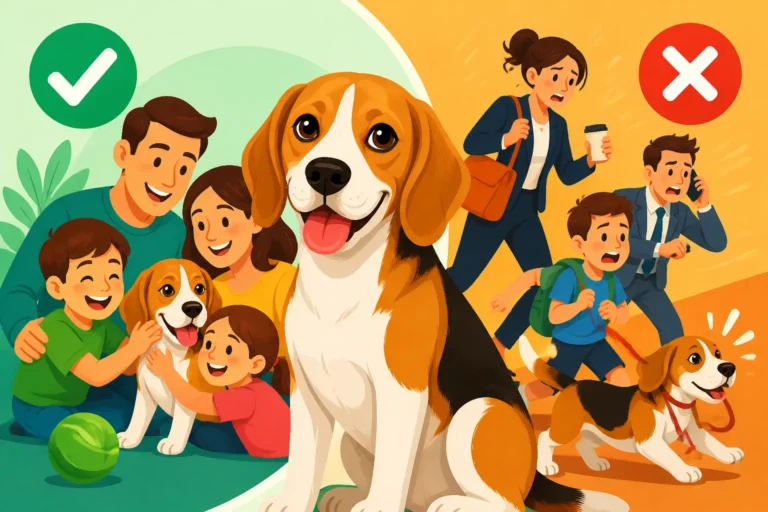
Beagles are truly fantastic family dogs. Their "merry" disposition makes them wonderful playmates for children, and their pack mentality means they generally get along well with other dogs. They're resilient, energetic, and always up for an adventure. They thrive on being part of the family action, whether it's a bustling household with kids, or an active couple who loves to hike.
They require plenty of physical exercise and mental stimulation to keep them happy and out of mischief. A bored Beagle is often a destructive Beagle! Daily walks, playtime, and opportunities to sniff and explore are crucial. Their loyalty to their immediate family, once bonded, is unwavering. They may not scare off a stranger, but they will absolutely be your devoted shadow, a source of endless laughter, and a warm furry presence on the couch. For more insights on this, you can look up Beagle Temperament and Why the Breed Suits Families. To keep their minds engaged, consider puzzle toys or snuffle mats, readily available on sites like Chewy, which allow them to use their incredible noses in a constructive way indoors.
Excelling in Scent Work and Detection
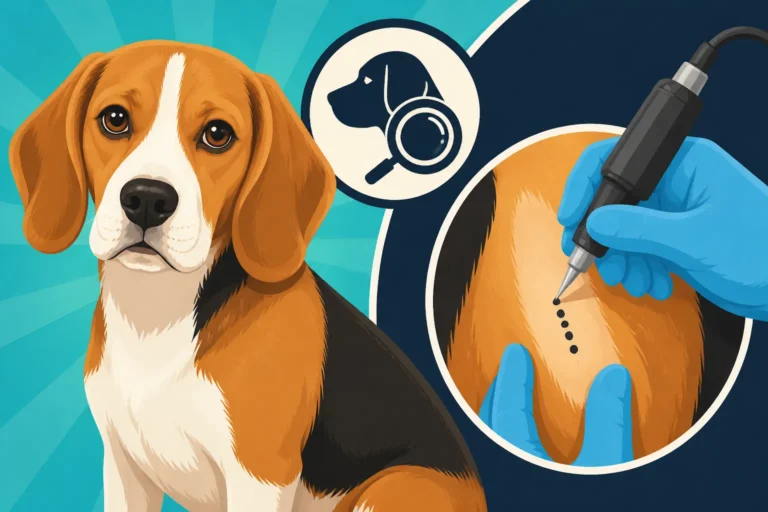
This is where the Beagle truly shines. Their extraordinary sense of smell isn't just a quirky trait; it's a superpower. This is why Beagles are often employed in professional scent detection roles, far beyond just tracking rabbits. The most famous example is the USDA Beagle Brigade, where Beagles work in airports sniffing out prohibited agricultural items in luggage. They are valued for their unparalleled noses, their food drive (which makes them highly trainable with treats), and their non-intimidating appearance, which is crucial when working around the public. To understand more about this specialized work, read The USDA Beagle Brigade at the Airport.
Beyond professional work, Beagles absolutely love engaging in scent-based hobbies like K9 Nose Work, tracking, or barn hunt. These activities tap into their deepest instincts, provide immense mental stimulation, and fulfill their need for a "job." Even simple scent games in the backyard or hiding treats around the house can be incredibly enriching for them. Providing these outlets helps them be happier, more fulfilled companions. You can find specialized scent work kits and high-value training treats for these activities on platforms like Chewy, making it easier to engage your Beagle's amazing nose. Their "stubbornness" on a scent trail transforms into intense focus in these contexts, making them truly impressive performers. If you're considering getting involved in these activities, Beagle Tracking and Nose Work Titles offers a great starting point.
Here's a quick comparison of what makes a good guard dog versus what defines a Beagle:
| Feature | Ideal Guard Dog Trait | Beagle Trait |
|---|---|---|
| Temperament | Reserved, protective, suspicious of strangers | Merry, friendly, eager to socialize |
| Motivation | Protect territory/family, deter threats | Follow scent, seek companionship, get treats |
| Vocalizations | Deep, intimidating bark to warn and deter | High-pitched bay, howl, bark to alert or express emotion |
| Physicality | Large, imposing, confident stance | Medium-sized, friendly expression, non-threatening |
| Trainability | High obedience for defensive tasks | Highly distractible by scent, independent thinking |
| Stranger Reaction | Wary, alert, potentially aggressive | Curious, tail-wagging, seeking attention/food |
| Core Strength | Protection, deterrence, loyalty | Scent detection, companionship, family integration |
While a Beagle won't stand guard over your valuables or scare off intruders, they will fill your home with joy, laughter, and endless opportunities for outdoor adventure. They are loyal companions, fantastic family members, and incredible scent athletes. When we appreciate Beagles for who they are and what they were bred to do, we truly unlock their potential as cherished members of our lives.
Disclaimer
This article is for general informational purposes only and does not constitute professional advice. Laws, prices and regulations vary by location and change over time. Consult a qualified professional for guidance on your specific situation.