National Beagle Club Health Recommendations
It's incredibly frustrating when you bring a new puppy home, full of joy and excitement, only to find yourself quickly overwhelmed by a dizzying array of potential health issues and conflicting advice. Understanding what truly matters for your Beagle's long-term well-being, especially when it comes to inherited conditions, can feel like navigating a maze. This guide is here to cut through the confusion, detailing the specific health recommendations put forth by the National Beagle Club to help ensure your beloved hound lives the healthiest, happiest life possible.
The Foundation: Why Health Recommendations Matter for Beagles
When you commit to a Beagle, you're not just getting a dog; you're inviting a member of a rich, ancient breed with its own unique set of genetic predispositions and health considerations. While every dog can face unexpected health challenges, Beagles, like all purebreds, have certain conditions that are more prevalent within their lines. This is precisely why breed clubs like the National Beagle Club (NBC) step in. Their health recommendations aren't just arbitrary suggestions; they are the culmination of decades of collective experience, veterinary science, and a deep, abiding love for the breed. These guidelines aim to protect the Beagle's health for generations to come, providing a roadmap for responsible breeding and informed ownership.
Unpacking the National Beagle Club's Mission
The National Beagle Club of America serves as the official parent club for the Beagle breed in the United States, recognized by the American Kennel Club (AKC). Their mission extends far beyond organizing dog shows; it encompasses the preservation and protection of the breed's health, temperament, and standard. Part of this vital work involves establishing clear, scientifically-backed health recommendations. These aren't meant to make owning a Beagle daunting, but rather to empower both breeders and prospective owners with the knowledge to make responsible decisions. Think of it as the guardians of the breed providing their best advice to ensure the Beagle remains the merry, sturdy hound we all adore. Without such guidance, genetic conditions could silently spread, weakening the breed from within, making a healthy future uncertain for many Beagle puppies.
Protecting the Breed's Future: The Role of Health Testing
Responsible health testing is the cornerstone of these recommendations. It's about looking beyond the cute puppy eyes or a stunning show ring appearance to understand the genetic blueprint underneath. For Beagles, specific tests target conditions known to be inherited, such as certain neurological disorders, orthopedic issues, and metabolic imbalances. When breeders adhere to these recommendations, they actively work to reduce the incidence of these diseases in future generations. This isn't just about preventing suffering for individual dogs; it's about safeguarding the entire breed's vitality. For a deeper dive into the broader context of canine health screening, you might find our article on Beagle Health Testing Under CHIC particularly illuminating, as the NBC's recommendations often align closely with these comprehensive programs.
Diving Deep into the National Beagle Club's Core Health Recommendations
The National Beagle Club (NBC) strongly advocates for participation in the Canine Health Information Center (CHIC) program, a centralized database co-sponsored by the Orthopedic Foundation for Animals (OFA) and the AKC Canine Health Foundation. For a Beagle to receive a CHIC number, specific health tests must be performed and the results made publicly available. These tests target conditions that are known to impact Beagles and have a strong inherited component. Understanding these core recommendations is crucial, whether you're a breeder striving for healthy litters or an owner seeking a puppy from a responsible source.
Essential Genetic Screenings: MLS and Factor VII
Two critical genetic tests stand out in the NBC's recommendations, addressing conditions that can significantly impact a Beagle's quality of life.
- Musladin-Lueke Syndrome (MLS): This is a devastating inherited disorder unique to Beagles, affecting connective tissue development. Pups born with MLS can exhibit a range of issues, including oddly shaped feet (often described as "tiptoe gait"), thick and taut skin, slanted eyes, and a tendency for the joints to be stiff. While some Beagles with MLS can live relatively normal lives, others face severe mobility challenges and chronic pain. The good news is that there's a simple DNA test available to identify carriers and affected dogs. Responsible breeders absolutely must screen their Beagles for MLS to avoid producing affected puppies. Our article on Musladin-Lueke Syndrome and the Beagle DNA Test goes into much greater detail about this specific condition and the testing process. Ensuring parents are clear or at least not bred together if both are carriers is paramount.
- Factor VII Deficiency: This is a common inherited bleeding disorder in Beagles, where the blood lacks sufficient Factor VII, a protein crucial for normal blood clotting. While often mild, affected Beagles can experience excessive bleeding during surgery, trauma, or even routine procedures like nail trims. In severe cases, spontaneous bleeding can occur. Again, a simple DNA test can determine if a Beagle is clear, a carrier, or affected. Knowing a dog's Factor VII status is vital for breeders to prevent passing on this trait and for owners to inform their vet, especially before any surgical procedures. Imagine the heartache of a routine spay turning into a life-threatening emergency because this simple test wasn't done!
Evaluating Structural Soundness: Hips and Eyes
Beyond genetic markers, the NBC also emphasizes evaluations for structural health, which are crucial for a breed known for its active, scent-driven lifestyle.
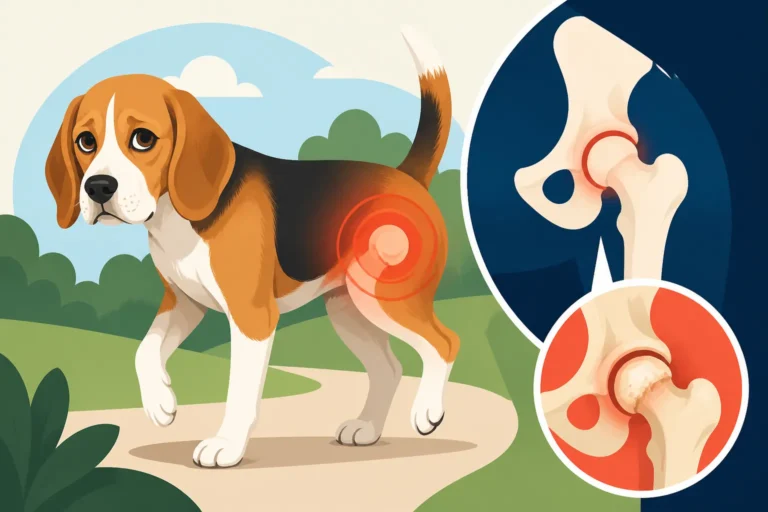
- Hip Dysplasia: Although Beagles are generally considered a robust breed, hip dysplasia can occur. This condition involves the abnormal formation of the hip socket, which can lead to arthritis, pain, and lameness. The NBC recommends screening Beagles through either the Orthopedic Foundation for Animals (OFA) evaluation or the PennHIP method. These evaluations assess the conformation of the hip joints and provide a rating that helps breeders make informed decisions. A Beagle with severe hip dysplasia, even if asymptomatic in youth, may face a future of limited mobility and chronic pain, potentially leading to costly treatments and a reduced quality of life. Understanding Beagle Hip Dysplasia and Everyday Joint Wear can help owners manage and mitigate risks.
- Eye Examination: Beagles are susceptible to several inherited eye conditions, including glaucoma, cherry eye, and progressive retinal atrophy (PRA). To catch these issues early and prevent them from being passed down, the NBC recommends a comprehensive eye examination by a board-certified veterinary ophthalmologist. This exam should be performed periodically throughout a breeding dog's life. These eye exams can detect subtle abnormalities that might not be obvious to the untrained eye but could lead to blindness or discomfort later in life. For breeders, this ensures they are not unknowingly propagating serious ocular diseases. For pet owners, it's a good benchmark for what a responsible breeder has done. You can read more about The Eye Exam Required Before Breeding a Beagle for more insights.
Metabolic and Systemic Health Checks: Thyroid and Cardiac
Rounding out the core recommendations are tests for systemic health, impacting metabolism and heart function.
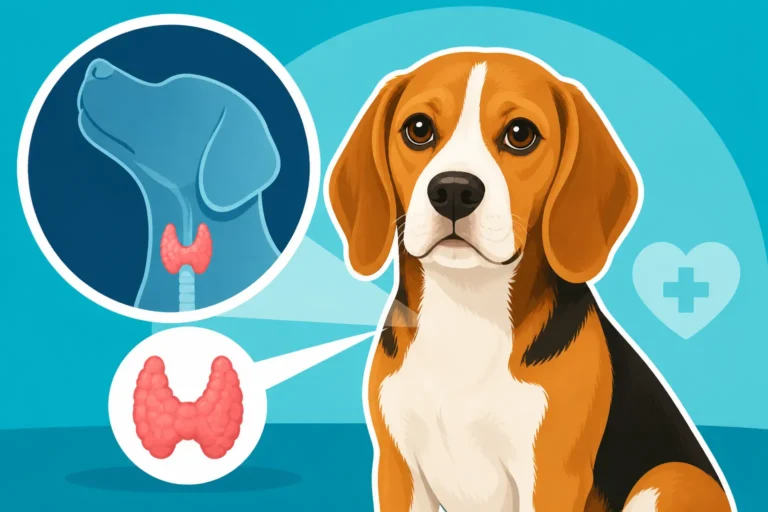
- Thyroid: Hypothyroidism, an underactive thyroid gland, is another condition seen in Beagles. It can lead to a range of symptoms, including weight gain, lethargy, hair loss, and skin problems. While often manageable with daily medication, it's an important condition to monitor, especially in breeding lines. The NBC recommends thyroid testing through the OFA Thyroid database. This usually involves a blood test to measure hormone levels, which can indicate if a Beagle is affected or at risk. Early detection means treatment can begin before symptoms become severe, significantly improving a dog's quality of life. Our article on Beagle Hypothyroidism and the Weight It Puts On explores this condition further. Many responsible breeders will perform Thyroid Testing a Beagle at Twenty-Four Months to get a baseline before breeding.
- Cardiac: While not always a required CHIC test for Beagles, cardiac evaluations are strongly recommended by the NBC. This involves a physical examination by a veterinary cardiologist to screen for congenital heart defects, such as murmurs, that could impact a dog's health or breeding suitability. Beagles can experience various heart conditions, and early detection can be critical for management. Regular check-ups with your primary vet should also monitor for heart health, but a specialist's evaluation for breeding stock adds an extra layer of protection. For instance, knowing if a Beagle has a significant heart murmur can prevent it from being bred, thus reducing the risk of passing on a potential genetic predisposition.
Here's a quick summary table of the core health recommendations:
| Health Test | Condition Screened For | Method/Certification | Importance for Beagles |
|---|---|---|---|
| DNA Test | Musladin-Lueke Syndrome (MLS) | OFA | Identifies carriers/affected dogs to prevent this connective tissue disorder (unique to Beagles). |
| DNA Test | Factor VII Deficiency | OFA | Identifies carriers/affected dogs to prevent this inherited bleeding disorder, crucial for surgery/trauma. |
| Hip Evaluation | Hip Dysplasia | OFA or PennHIP | Assesses hip joint health to reduce incidence of debilitating arthritis and lameness. |
| Eye Examination | Inherited Eye Diseases | OFA CAER by Board-Certified Ophthalmologist | Screens for conditions like glaucoma, PRA, and cherry eye to preserve vision and comfort. |
| Thyroid Evaluation | Hypothyroidism | OFA | Detects underactive thyroid to manage symptoms like weight gain, lethargy, and skin issues. |
| Cardiac Evaluation (Recommended) | Congenital Heart Defects | OFA Cardiac by Veterinary Cardiologist | Screens for heart murmurs and other defects, contributing to overall health and longevity. |
Navigating Beagle Health: Practical Steps for Owners and Breeders
Understanding the National Beagle Club's health recommendations is one thing; putting them into practice is another. Whether you're excitedly searching for a new Beagle puppy or already sharing your life with one, actively engaging with these guidelines can profoundly impact your dog's health and happiness. It's about being proactive, informed, and prepared for the journey ahead, knowing that you're doing everything you can to provide the best care.
Using Recommendations to Choose a Healthy Puppy
For prospective puppy owners, the NBC's health recommendations are your golden ticket to finding a truly responsible breeder. A reputable breeder won't just tell you their dogs are healthy; they'll prove it with verifiable health clearances. When you're talking to a breeder, don't be shy about asking for proof of these specific tests:
- Ask for OFA and CHIC numbers: This allows you to look up the results on the OFA website yourself, confirming the tests have been done and the results are publicly available. This transparency is a huge green flag.
- Inquire about specific DNA tests: Ask about the MLS and Factor VII DNA tests. A responsible breeder will know exactly what these are and will readily provide documentation for the parents of the litter. Understanding What to Ask a Beagle Breeder About Genetics can prepare you for these crucial conversations.
- Discuss generations: A truly dedicated breeder will not only have tested the immediate parents but will also be aware of the health history of previous generations in their lines. This commitment to long-term health is invaluable.
- Be wary of excuses: If a breeder dismisses these tests as "unnecessary" or "too expensive," it's a significant red flag. These tests are foundational for the breed's health.
Remember, a healthy start can prevent a lifetime of expensive treatments and heartbreak. While no one can guarantee a dog will never have health issues, choosing a puppy from parents who have undergone recommended health screenings significantly stacks the odds in your favor. This initial investment in time and diligence can save you considerable stress and financial burden down the road.
Beyond the Tests: Lifelong Wellness and Preventative Care
While genetic testing is crucial for inherited conditions, a Beagle's health journey doesn't end there. As a dedicated owner, your ongoing commitment to preventative care and a healthy lifestyle plays an enormous role in their overall well-being.
- Regular Veterinary Check-ups: Even the healthiest Beagle needs annual vet visits for vaccinations, parasite prevention, and a general health assessment. Your vet can catch early signs of issues like Beagle Ear Infections Under Those Long Ears, dental disease, or weight gain before they become major problems. Don't underestimate the power of these routine appointments.
- Optimal Nutrition and Weight Management: Beagles are notorious for their love of food, which can easily lead to obesity. Maintaining a healthy weight is paramount, as excess pounds exacerbate conditions like Beagle Arthritis Arriving in Middle Age and increase pressure on their backs, making them more susceptible to problems like Beagle Back Problems and Intervertebral Disc Disease. A balanced diet, portion control, and limiting treats are essential.
- Appropriate Exercise: Beagles need regular, engaging exercise that caters to their energetic nature and powerful noses. Daily walks, scent work, and playtime will keep them physically fit and mentally stimulated. Just remember, a Beagle on a scent trail can be surprisingly focused, so secure fencing or a long line is often a must.
- Dental Care: Beagle Dental Disease and Tartar Buildup is incredibly common in dogs. Regular tooth brushing at home, along with professional dental cleanings as recommended by your vet, can prevent painful infections and other systemic health issues.
- Parasite Prevention: Year-round prevention for fleas, ticks, and heartworm is non-negotiable. These parasites can cause serious illnesses and discomfort.
By combining the proactive steps of choosing a puppy from health-tested lines with diligent daily care, you are setting your Beagle up for the best possible chance at a long, vibrant life. This holistic approach ensures you're addressing both genetic predispositions and general wellness.
Financial Preparedness for Beagle Health Needs
Let's be realistic: even with the most careful breeding and the best preventative care, health issues can arise. Unexpected vet bills for illnesses, accidents, or even managing chronic conditions like Beagle Epilepsy and Seizures From Six Months On can be substantial. Being financially prepared is a critical, yet often overlooked, part of responsible pet ownership.
One excellent way to prepare is through pet insurance. Providers like Healthy Paws offer comprehensive coverage that can alleviate the financial strain of unexpected medical emergencies or long-term treatments. Imagine if your Beagle suddenly developed an urgent condition requiring specialist care or surgery; a robust pet insurance policy could mean the difference between making the best medical decision for your pet and being forced to consider financial limitations. Having a plan with Healthy Paws, for example, can give you immense peace of mind.
Another strategy is to build a dedicated emergency fund specifically for your Beagle's health needs. Even a small amount saved regularly can grow into a significant buffer against unforeseen costs. Whether it's a minor ear infection that needs several vet visits, or something more serious, knowing you have resources available can reduce stress during already difficult times. Thinking ahead about these potential costs, and perhaps exploring options like Healthy Paws, allows you to focus on your Beagle's recovery rather than your wallet.
Ultimately, the National Beagle Club's health recommendations are a powerful tool for promoting the health and longevity of this beloved breed. By understanding and implementing them, both breeders and owners contribute to a brighter future for Beagles everywhere.
Disclaimer
The information provided in this article is intended for general informational purposes only and does not constitute veterinary advice. Always consult with a qualified veterinarian for any health concerns or before making any decisions about your Beagle's medical care.