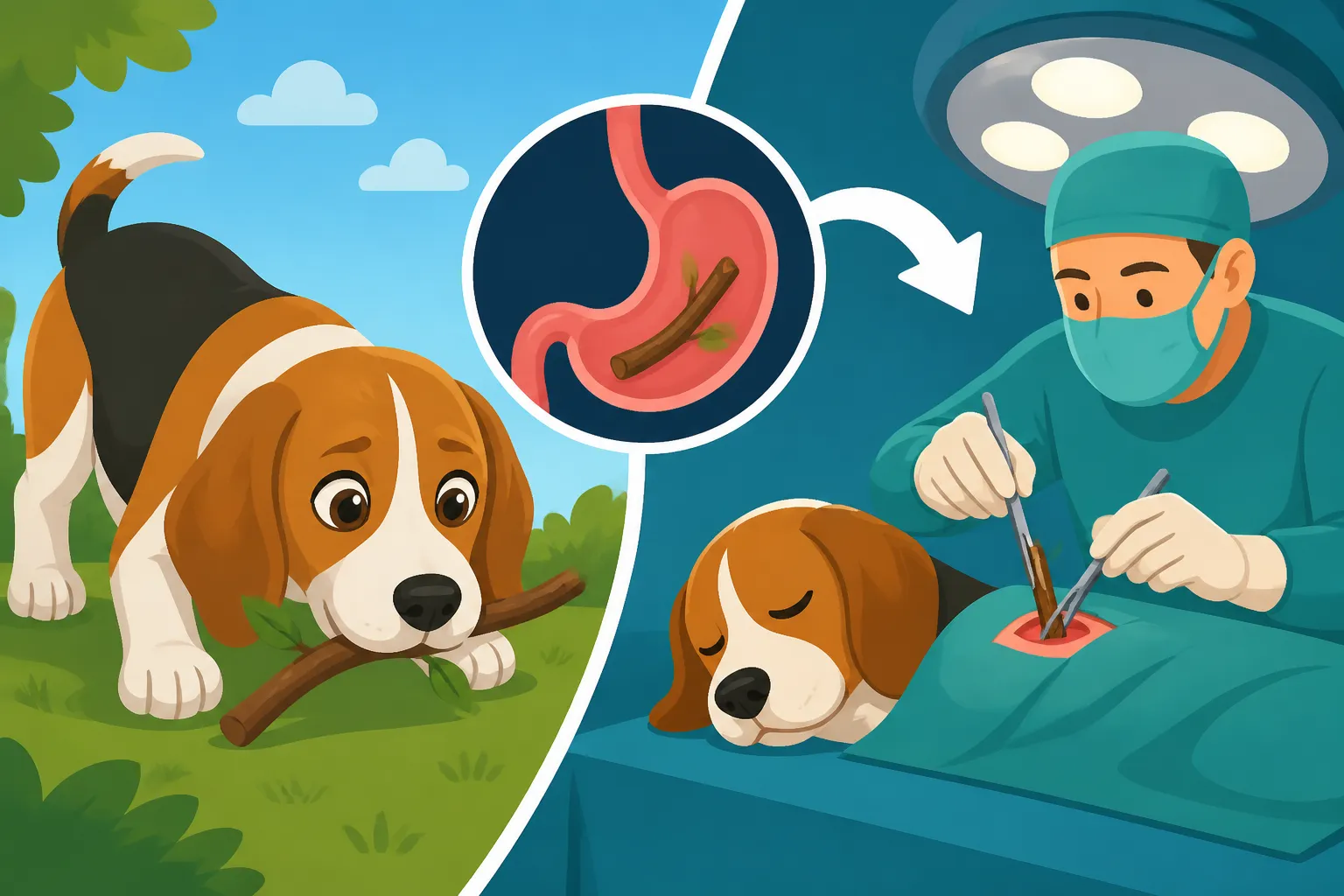
Surgery After a Beagle Swallows Something Outside
It's an all too common nightmare for Beagle owners: that moment you realize your curious hound has swallowed something utterly inappropriate from the yard, the park, or even a moment of counter-surfing mischief. That pit in your stomach as you wonder what exactly they ingested, and then the inevitable dread of the emergency vet visit and the potential for a hefty surgery bill. It's a stressful, frightening situation, and this guide is here to help you navigate the financial realities and medical interventions often required when your Beagle eats something outside of its normal diet.
The Alarming Reality of a Beagle's Insatiable Curiosity
Beagles, with their incredible noses and perpetually hungry stomachs, are simply wired to explore the world through scent and taste. This isn't just a quirky habit; it's a deep-seated instinct bred into them over centuries. Unfortunately, what seems like a harmless sniff often ends with an object disappearing down their gullet.
Why Beagles Are Masters of Ingestion
Let's be honest, living with a Beagle means living with a constant scavenger. These dogs were literally bred to follow a scent trail for miles, using their powerful olfactory bulbs to find prey. That same intense drive means they're constantly processing smells, and anything remotely interesting often gets investigated with their mouth. From a discarded chicken bone in the park to a child's forgotten toy in the yard, if it smells, a Beagle will attempt to consume it. Their low-slung heads make it easy for them to "hoover" up items from the ground, and their robust appetites mean they rarely think twice before swallowing. It's an endearing trait when they're sniffing out treats, but a terrifying one when that object is dangerous. Owners often feel a deep frustration and even guilt when this happens, but it’s crucial to remember that this behavior is deeply ingrained. They just can't help themselves sometimes, and vigilance is a full-time job.
From Innocent Sniff to Life-Threatening Obstruction
The types of items a Beagle might ingest are as varied as the scents they chase. We're talking about everything from rocks and sticks to socks, corn cobs, fruit pits, children's small toys, and even bits of metal. The danger these items pose varies greatly. A small, smooth pebble might pass uneventfully, albeit with some digestive upset. However, a sharp piece of bone could perforate the delicate lining of the esophagus or intestines, leading to a catastrophic internal bleed or infection. A larger, blunt object like a corn cob or a rubber ball can easily get lodged in the stomach or intestines, causing a complete blockage. This kind of obstruction is not only incredibly painful for your Beagle but can also cut off blood supply to parts of the digestive tract, leading to tissue death and a rapidly deteriorating health crisis. It’s a terrifying progression that can begin with something seemingly harmless, demanding immediate veterinary attention and, often, significant financial outlay.
The Initial Vet Visit: Diagnostics and First Steps
The moment you suspect your Beagle has swallowed something it shouldn't, time becomes a critical factor. Early intervention can significantly impact your dog's prognosis and, frankly, the complexity and cost of treatment. Don't wait to see if it "passes."
Recognizing the Red Flags and Racing Against Time
How do you know if your Beagle has truly swallowed something dangerous, or just has a mild upset stomach? The warning signs of a foreign body obstruction can be varied, but they typically progress from subtle discomfort to acute distress. You might notice repeated vomiting, especially after drinking water, which indicates an inability for anything to pass through the digestive tract. Lethargy and a reluctance to move, coupled with a complete loss of appetite, are also huge red flags. Your Beagle might also show signs of abdominal pain, like a hunched posture, sensitivity when you touch their belly, or straining when trying to defecate. If you notice any of these symptoms, especially if you know or suspect they've eaten something questionable, it’s imperative to contact your vet immediately. Waiting can allow the object to cause more damage, complicate surgical removal, and increase the risk to your dog's life, escalating the eventual bill significantly. This is truly a situation where Beagle Emergency Signs That Cannot Wait Until Morning applies.
The Cost of Uncovering the Problem
Once you arrive at the emergency vet, the first step is usually a thorough physical examination. The vet will palpate your Beagle's abdomen, looking for tenderness or masses, and assess their overall hydration and pain levels. This initial consultation, while necessary, is just the beginning of the diagnostic journey, and costs start to accrue from this point.
Next, the vet will likely recommend diagnostic imaging. X-rays are usually the first line of defense. They can often reveal radiopaque objects like metal or dense bones, and sometimes even indicate the presence of a blockage by showing gas patterns in the intestines. However, not all foreign bodies show up on X-rays – plastics, cloth, and some other materials are radiolucent, meaning they don't block X-rays well. In these cases, or if the X-rays are inconclusive, an ultrasound might be recommended. Ultrasound provides a more detailed look at soft tissues and can often identify non-radiopaque objects, assess blood flow to organs, and determine if an obstruction is partial or complete. Both X-rays and ultrasounds are specialized procedures, and their costs add up quickly.
In addition to imaging, blood work is frequently performed. This is crucial for evaluating your Beagle's overall health, checking for signs of infection, dehydration, or organ damage, and ensuring they are a safe candidate for anesthesia if surgery is needed. Each of these diagnostic steps, while vital for an accurate diagnosis, contributes significantly to the escalating bill even before treatment begins.
Navigating Treatment Options and Surgical Expenses
Once a foreign body is confirmed and its location and nature are understood, your vet will discuss treatment options. These can range from less invasive procedures to full-blown abdominal surgery, with corresponding differences in cost and recovery.
Non-Surgical Interventions and Their Limits
In some fortunate cases, surgical intervention might not be immediately necessary. If the object was swallowed very recently and is not sharp or caustic, the vet might induce vomiting. This is a relatively inexpensive procedure compared to surgery, but it carries risks depending on the object and is only an option for a short window after ingestion.
Another less invasive option for certain foreign bodies is endoscopy. An endoscope is a long, flexible tube with a camera and grasping tools that can be inserted down your Beagle's esophagus into the stomach and sometimes the upper small intestine. This allows the vet to visualize and potentially retrieve the object without making an incision. Endoscopy requires general anesthesia, specialized equipment, and a skilled practitioner, making it a substantial expense—though typically less costly and with a faster recovery than full surgery. However, endoscopy has limitations: it's only viable for objects of a certain size and shape, and if the object has already moved too far into the intestines or is too large to pass through the esophagus during retrieval, surgery remains the only option.
The High Stakes of Abdominal Surgery
When non-surgical options aren't possible or fail, or if the object has caused severe damage, abdominal surgery becomes unavoidable. This is where the costs truly escalate. The most common procedures for foreign body removal are a gastrotomy (an incision into the stomach) or an enterotomy (an incision into the intestines). Intestinal surgery is often more complex and delicate than stomach surgery, as the intestinal walls are thinner and more prone to leakage or strictures, leading to potentially higher costs and a longer recovery time.
The surgical bill encompasses numerous factors: the surgeon's fee, the cost of general anesthesia and the anesthetist's monitoring, operating room time, sterile supplies, pain medications, and the dedicated nursing staff. If the object has caused perforation or significant tissue damage, additional procedures like intestinal resection (removing a damaged section of intestine) and anastomosis (surgically reconnecting the healthy ends) may be necessary, further increasing the complexity and cost. Every minute your Beagle is under anesthesia and on the operating table, specialists are working tirelessly, and those costs are reflected in the final tally. It’s a life-saving measure, but it comes with a significant price tag.
Post-Operative Care and Recovery Expenses
The journey doesn't end when your Beagle comes out of surgery. The post-operative period is crucial for recovery and can add significantly to the overall expense. Most Beagles require hospitalization for several days after abdominal surgery, especially for intestinal foreign body removal. During this time, they'll receive intravenous fluids to maintain hydration, constant pain management, anti-nausea medications, and close monitoring for complications like infection or leakage from the surgical site. The daily cost of hospitalization can be substantial, with round-the-clock care, diagnostic re-checks, and medication administration.
Once discharged, your Beagle will likely need a course of oral antibiotics and pain relievers to take home. Special recovery diets, often bland and easily digestible, may be recommended, and you might find yourself exploring options available through places like Chewy or Ollie that offer specific dietary solutions. Follow-up appointments will be necessary to check the incision site and ensure proper healing, and these visits also add to the overall recovery costs. Preventing re-injury or infection during this delicate time is paramount, and it requires continued attention and expense.
Financial Preparation and Support for an Unforeseen Emergency
The sticker shock of an emergency vet bill for foreign body surgery can be truly overwhelming. It's a situation no pet owner wants to face, but being prepared can make a world of difference during a crisis.
The Lifeline of Pet Insurance
For many pet owners, pet insurance can be an invaluable resource when faced with unexpected veterinary emergencies. While it won't cover pre-existing conditions, a sudden incident of foreign body ingestion is typically covered by accident and illness policies, provided your Beagle was insured before the incident occurred. Companies like Healthy Paws offer policies that can reimburse a significant percentage of your veterinary expenses after you meet your deductible. This can turn a potentially crippling bill into a manageable one, allowing you to focus on your Beagle's recovery rather than the immediate financial burden. It’s a huge relief to know you have that safety net in place when the unimaginable happens. Thinking ahead about something like Beagle Insurance Between $38 and $73 a Month might feel like an optional expense until an emergency strikes, and then it suddenly becomes priceless.
Building an Emergency Fund and Exploring Other Avenues
Even with pet insurance, there are still out-of-pocket costs, and if you don't have insurance, the entire bill falls on you. This is why building a dedicated emergency fund for your pet is one of the most responsible things you can do as a Beagle owner. Setting aside even a small amount regularly can accumulate into a life-saving reserve.
If you find yourself in a situation without an emergency fund or insurance, there are still options. Many veterinary clinics understand the financial strain of emergencies and may offer payment plans, allowing you to pay the bill in installments. Veterinary credit cards, specifically designed for pet healthcare expenses, can provide interest-free periods or lower interest rates. In some extreme cases, or for owners with limited resources, animal welfare organizations or crowdfunding platforms might offer assistance. Navigating these financial decisions while your beloved Beagle is in critical condition adds another layer of stress, highlighting why proactive preparation is so important.
Here's a look at the various cost components you might encounter:
| Service/Category | Description | Cost Implication |
|---|---|---|
| Initial Diagnostics | Emergency exam, X-rays, possibly ultrasound, blood work | Significant initial outlay, varies by complexity |
| Induced Vomiting | Only for recent, non-sharp ingestion; chemical administration | Relatively low, if successful and appropriate |
| Endoscopy | Scope with camera to retrieve object; requires anesthesia | Substantial, less than surgery, but still high |
| Abdominal Surgery (Gastrotomy/Enterotomy) | Full surgical removal of foreign body from stomach or intestines | Highest cost, includes surgeon, anesthesia, OR time |
| Intestinal Resection/Anastomosis | Removal of damaged bowel; part of complex surgeries | Adds considerable complexity and cost |
| Hospitalization | Post-operative monitoring, IV fluids, pain meds, nursing care (per day) | Can add hundreds to thousands, depending on length |
| Medications | Antibiotics, pain relief, anti-inflammatories (pre/post-op) | Moderate, but essential for recovery |
| Follow-up Visits | Incision checks, suture removal, re-checks | Lower individual cost, but can add up |
| Special Diets | Easily digestible prescription food during recovery | Ongoing cost for several weeks |
| Complications | Infection, dehiscence (incision opening), further diagnostics, extended stay | Can drastically increase total expenses |
Ultimately, owning a Beagle means being prepared for anything. Their incredible noses and enthusiastic eating habits mean that, at some point, you might face the terrifying prospect of a foreign body ingestion. While the thought of surgery and its associated costs is daunting, understanding the process and having a plan in place, whether through pet insurance, an emergency fund, or awareness of financial aid options, can help you act quickly and provide your beloved companion with the best possible chance at a full recovery. Preventing these incidents by Beagle-Proofing the Kitchen and the Pantry and being hyper-vigilant on walks can save you a world of heartache and a huge bill.
Disclaimer
This article is for general informational purposes only and does not constitute professional advice. Laws, prices and regulations vary by location and change over time. Consult a qualified professional for guidance on your specific situation.