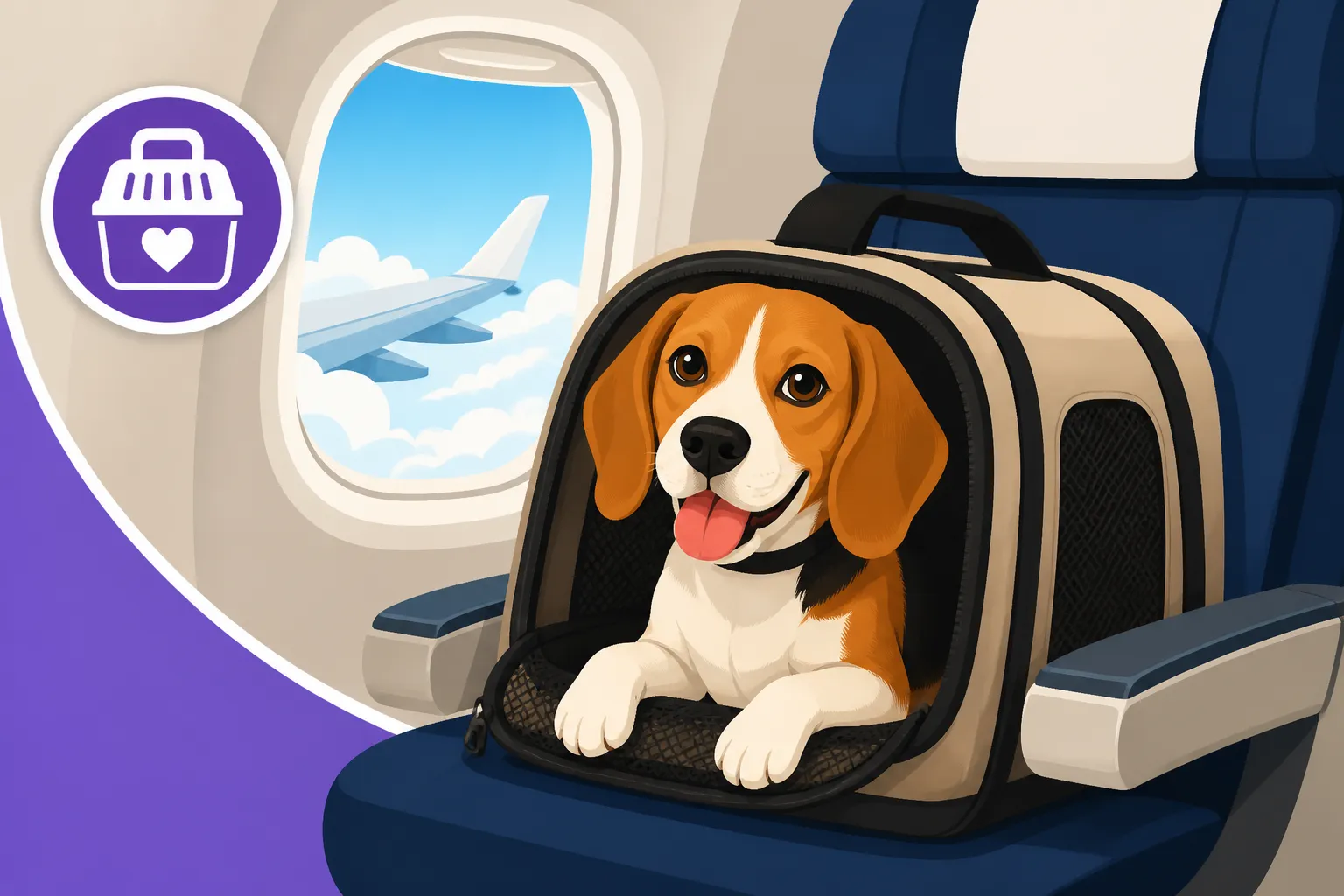
Flying With a Beagle in the Cabin
The thought of flying with your beloved Beagle can fill you with a mix of excitement for your destination and a whole lot of anxiety about the journey itself. Will they fit? Will they be okay under the seat? How do you even begin to prepare for something like that? It's a valid concern, as flying with a pet, especially one as vocal and scent-driven as a Beagle, comes with its own unique set of challenges. This comprehensive guide will walk you through everything you need to know about successfully flying with your Beagle in the cabin, from understanding airline policies to ensuring their comfort and safety.
Understanding Airline Cabin Pet Policies for Beagles
Before you even start dreaming of your destination, the very first step is to get intimately familiar with airline pet policies. This isn't just a quick glance at their website; it requires a deep dive because these rules are often strict, non-negotiable, and can vary significantly from one airline to another, and even based on the type of aircraft. Ignoring these details can lead to major stress at the airport, or worse, your Beagle being denied boarding.
Size and Weight Restrictions for Cabin Travel
This is often the biggest hurdle for Beagle owners. Airlines have very specific maximum dimensions for pet carriers that can fit comfortably and safely under the seat in front of you. While many smaller breeds can easily clear this, Beagles, particularly the 15-inch variety, can be right on the edge. A Beagle needs to be able to stand up, turn around, and lie down naturally within their carrier. If your Beagle is on the larger side, even by an inch or two, they might exceed these limits, making in-cabin travel impossible.
Beyond the carrier dimensions, airlines also impose a combined weight limit for the pet and carrier. This limit can vary, but it's crucial to weigh your Beagle and their intended carrier together to ensure you're within the acceptable range. For example, some airlines might cap it at 20 pounds, while others could go up to 25 or even 30 pounds. A full-grown Beagle can easily weigh between 20 and 30 pounds, so this combined weight is a critical factor. Don't just guess; use a scale. It's also important to remember that these restrictions are in place for the safety and comfort of your pet, as well as to comply with federal aviation regulations for cabin space.
Carrier Requirements for In-Cabin Beagles
The type of carrier you use is just as important as its size. Most airlines require a soft-sided, well-ventilated carrier for in-cabin travel. This allows for a bit more flexibility in fitting it under the seat, but it must still retain its shape and provide ample space for your Beagle. The carrier needs to be leak-proof, meaning if your Beagle has an accident, it won't seep through onto the plane's carpet. Look for carriers with mesh windows on multiple sides to ensure proper airflow, which is vital for your dog's comfort and to prevent overheating.
When shopping, check for sturdy zippers that your curious Beagle can't easily undo, and ensure there's a comfortable, washable pad inside. Brands like Chewy often have a good selection of airline-approved soft-sided carriers, but always cross-reference the carrier's dimensions with your specific airline's requirements before purchasing. It’s also wise to check if the carrier has a shoulder strap or wheels, which can make navigating busy airports much easier, especially if you're traveling solo with your Beagle.
Booking Your Beagle's Spot in the Cabin
You can't just show up at the airport with your Beagle and expect them to have a seat. Airlines have a strict limit on the number of pets allowed in the cabin on any given flight, usually one or two per cabin class. This is why booking early is not just recommended, it’s practically mandatory. As soon as you have your travel dates, call the airline directly to inquire about pet availability on your desired flight. You typically cannot add a pet to your reservation online.
When you call, be ready to provide your Beagle's breed, weight, and the dimensions of their carrier. They’ll confirm if there’s space and guide you through the process of adding them to your reservation, which will involve a separate pet fee. This fee is usually non-refundable and can vary significantly between airlines, so be sure to ask about the exact cost. Getting this confirmed well in advance avoids the heartbreaking scenario of arriving at the airport only to find out the pet quota is full.
Preparing Your Beagle for Air Travel
Once you've cleared the logistical hurdles, the next crucial step is preparing your Beagle for the actual experience. This isn't just about packing their favorite toy; it's about minimizing stress for both of you and ensuring a smooth journey. Remember, a well-prepared Beagle is a calmer Beagle.
Vet Visit and Health Certificates
A visit to your veterinarian is non-negotiable before flying, especially if you're crossing state lines or flying internationally. Most airlines and destinations require a health certificate issued by a licensed veterinarian within a specific timeframe – often 10 days, but sometimes even shorter, like 48 hours, before your flight. This certificate verifies that your Beagle is healthy enough to fly and free from contagious diseases.
During this visit, your vet can also discuss any concerns you have about your Beagle's temperament or potential motion sickness. They might recommend mild sedatives or anti-anxiety medications for the flight, though many airlines discourage or even prohibit sedated pets due to potential respiratory or cardiovascular issues at altitude. Your vet can also review your Beagle’s vaccination records, which are often required for travel. It’s a good opportunity to discuss Beagle Health Testing Under CHIC or general preventative care, ensuring your pup is in tip-top shape.
Acclimating Your Beagle to the Travel Carrier
For a Beagle, being confined in a carrier, even a comfortable one, can be a new and potentially stressful experience. Begin carrier training weeks, or even months, before your trip. The goal is to make the carrier a positive, safe, and familiar space. Start by leaving the carrier open in a common area of your home, allowing your Beagle to explore it at their leisure. Place cozy bedding, favorite toys, and high-value treats inside.
Gradually, encourage your Beagle to spend time in the carrier, first with the door open, then with the door closed for short periods. Feed them meals inside the carrier. You can also introduce the carrier to short car rides to simulate travel conditions. The more positive associations your Beagle has with their carrier, the less likely they are to experience anxiety during the flight. This gradual process is much more effective than forcing them into an unfamiliar space on travel day, potentially leading to anxiety and Beagle Separation Anxiety in a Pack Breed. For tips on Beagle Crate Training From the First Day, revisit those early training techniques.
Managing Your Beagle's Stress on Travel Day
Travel day will be bustling, and your Beagle will pick up on your energy. To help them cope, ensure they get plenty of exercise before heading to the airport. A long walk or a good play session can help burn off excess energy and encourage them to rest during the flight. Limit food and water intake a few hours before the flight to minimize the chance of accidents in the carrier, but offer a small amount of water right before entering the airport.
Consider a comforting item, like a favorite blanket or a piece of your clothing with your scent, to place in their carrier. If your vet approved calming aids, administer them as directed. Throughout the airport and flight, speak to your Beagle in a calm, reassuring voice. Your presence and comfort will be the biggest source of reassurance for them. For Beagles prone to Beagle Puppy Car Rides and Motion Sickness, discuss preventative measures with your vet during your pre-flight check-up.
Navigating the Airport and Flight with Your Beagle
The airport experience itself can be daunting for both humans and Beagles. From security checkpoints to boarding, each step has specific considerations when you have your furry travel companion in tow. Staying calm and prepared will make a world of difference.
Airport Security Checkpoints with a Beagle
This is one part of the journey that often surprises first-time pet travelers. When you reach the security checkpoint, you’ll need to remove your Beagle from their carrier. The carrier will go through the X-ray machine like any other carry-on luggage. Your Beagle must be carried through the metal detector in your arms. Ensure they are securely held or on a leash, as the bustling environment can be overwhelming.
It's a good idea to have your Beagle wear a sturdy harness and leash, even inside the carrier, so you can easily and safely take them out and put them back in. If your Beagle is particularly squirmy or reactive, practice being held for short periods beforehand. Remember to follow the Transportation Security Administration (TSA) guidelines, which usually mean a quick, efficient process if you're prepared.
During the Flight: Keeping Your Beagle Comfortable
Once on the plane, your Beagle's carrier must be stowed under the seat in front of you for the duration of the flight. They cannot be taken out of the carrier at any point during the flight, including while boarding and deplaning. This rule is non-negotiable for safety reasons. Make sure the carrier is positioned in a way that allows for maximum ventilation.
Periodically check on your Beagle by reaching into the carrier, if possible, to offer a reassuring pet. Speak softly to them. The cabin pressure changes can sometimes cause discomfort, similar to how it affects human ears. Having a chew toy or a small treat (if permitted by the airline and if your Beagle isn't prone to Beagle Gulping Food and the Choking Risk) might help them alleviate ear pressure by chewing or swallowing. While you can't offer water during the flight, you can ensure they are well-hydrated right before boarding.
Arrival and Post-Flight Care
The moment you land, your Beagle will likely be eager to stretch their legs and relieve themselves. As soon as you're able to safely, head to a designated pet relief area at the airport. These areas are typically marked and can be indoors or outdoors.
After a long journey, offer your Beagle fresh water and a small meal if it's mealtime. Give them some time to decompress. The new sounds, smells, and routines can be disorienting. A quiet walk can help them re-orient themselves. Pay attention to any signs of lingering stress or discomfort. If you notice anything unusual, consider contacting a local vet, especially if your Beagle has any pre-existing health conditions or is showing Beagle Emergency Signs That Cannot Wait Until Morning.
Important Considerations and Potential Challenges
While flying with your Beagle in the cabin can be a wonderful experience, it's essential to be aware of the unique challenges and costs involved. Being proactive about these can prevent unpleasant surprises down the road.
Breed-Specific Challenges for Beagles in Flight
Beagles are known for a few distinct traits that can present challenges in a confined airplane cabin. Their powerful nose means they'll be highly attuned to all the new and interesting scents around them, which could make them restless. More significantly, Beagles are vocal hounds. They are prone to Beagle Howling, Baying and Barking Explained when excited, anxious, or lonely. While you can't train the bay out of a Beagle entirely, thorough training and ensuring their comfort can minimize this behavior.
A stressed Beagle might whine or bay, which can be disruptive to other passengers. It’s important to acknowledge this potential, and do everything in your power to make the experience as calm as possible for them. Consider having a discussion with your vet about specific strategies for managing anxiety, perhaps involving calming pheromone sprays or a Thundershirt for extra security.
Costs Associated with Flying Your Beagle in the Cabin
Bringing your Beagle in the cabin isn't free. There are several costs to factor into your travel budget:
- Airline Pet Fee: This is a separate fee paid directly to the airline for your Beagle's spot in the cabin. This amount can vary widely.
- Carrier Costs: A quality, airline-approved carrier can be a significant upfront expense.
- Veterinary Visit and Health Certificate: The cost of a vet check-up and the necessary health certificate.
- Calming Aids/Supplies: If recommended by your vet, any medications or calming products will add to the cost.
- Emergency Fund: It's always wise to have an emergency fund for unexpected veterinary needs, especially when traveling. Healthy Paws and other pet insurance providers can offer peace of mind, but always check their policy on pre-existing conditions or waiting periods for new issues.
While specific prices aren't static, expect these fees to add a noticeable amount to your overall travel expenses. Always check current rates directly with your chosen airline and veterinarian.
Alternatives to Flying with Your Beagle
If, after reviewing all the requirements and potential challenges, you decide that flying in the cabin isn't the best option for your Beagle, don't despair! There are excellent alternatives. For shorter distances, ground travel by car can be a less stressful option, allowing for frequent potty breaks and more control over your Beagle's environment.
For longer trips where you can't take them with you, consider reliable pet care options. A trusted pet sitter who can stay in your home can minimize stress for your Beagle by keeping them in a familiar environment. Alternatively, a reputable boarding facility, perhaps one offering extra enrichment like those found on Chewy's service listings or through local recommendations, could be a good fit. Exploring options like Beagle Boarding, Sitters and Travel Costs can help you budget and plan accordingly, ensuring your Beagle is well-cared for, even when you can't be by their side.
Here's a quick reference table for general in-cabin pet policy guidelines to help you plan:
| Aspect | General Guideline | Key Considerations for Beagles |
|---|---|---|
| Carrier Type | Soft-sided, well-ventilated, leak-proof. | Ensure adequate space for standing, turning, lying down. |
| Carrier Dimensions | Varies by airline, typically under 18" L x 11" W x 11" H. | Measure your Beagle and carrier carefully – 15-inch Beagles are borderline. |
| Combined Weight | Varies by airline, typically 20-25 lbs (pet + carrier). | A full-grown Beagle alone might reach this limit. |
| Booking | Must be booked in advance, usually via phone. Limited spots per flight. | Book immediately upon confirming your flight, as spots fill fast. |
| Pet Fee | A separate, non-refundable fee applies, varies widely. | Factor this into your travel budget. |
| Health Certificate | Required by most airlines/destinations, issued by vet within a specific window (e.g., 10 days). | Schedule vet appointment well in advance of travel. |
| Behavior | Must remain in carrier under seat for entire flight. | Prepare for potential vocalizations; work on carrier comfort. |
| Potty Breaks | No in-flight breaks; rely on pre/post-flight relief areas. | Limit food/water pre-flight; know airport relief locations. |
Ultimately, flying with your Beagle in the cabin is absolutely doable, but it requires meticulous planning and a deep understanding of the rules and your Beagle's individual needs. With careful preparation and a calm demeanor, you can ensure your furry co-pilot has as stress-free a journey as possible, ready to explore new places by your side. Remember to allow your Beagle plenty of time to engage in Beagle Exercise Needs at Every Age before and after the flight to help them settle.
Disclaimer
This article is for general informational purposes only and does not constitute professional advice. Laws, prices and regulations vary by location and change over time. Consult a qualified professional for guidance on your specific situation.