Beagle Bad Breath and What It Signals
Beagle bad breath signals potential health issues, ranging from mild dental problems to serious systemic conditions requiring veterinary care.
The daily stuff, done right.
Feeding amounts by life stage, coat and skin routines, dental and nail care, exercise needs, and what changes as they age.
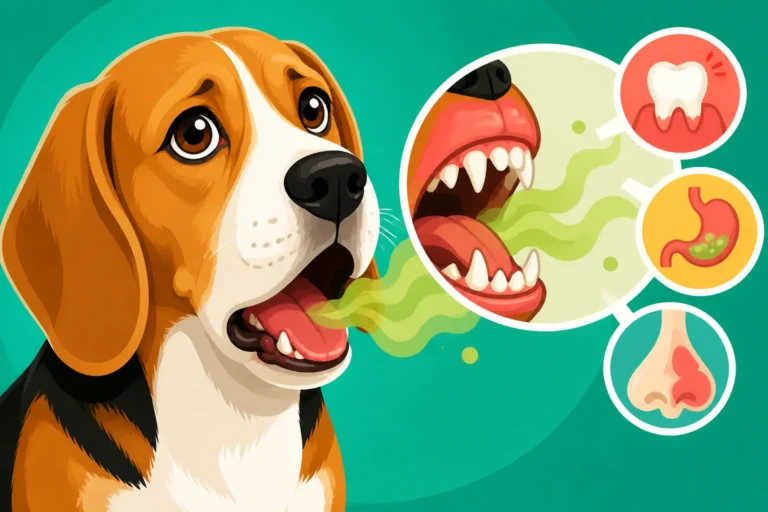
Beagle bad breath signals potential health issues, ranging from mild dental problems to serious systemic conditions requiring veterinary care.

Beagle dental care routines and daily brushing strategies help manage plaque and extend the time between professional veterinary cleanings.

Consistent dental care starting in puppyhood prevents painful plaque and tartar buildup from damaging internal organs in Beagles.

Frozen chews for a teething Beagle puppy soothe sensitive gums and protect furniture during the transition to forty-two adult teeth.

Weaning a Beagle puppy involves watching natural maternal cues and developmental milestones to transition them smoothly to solid food.

Beagle puppy stomach upset happens after a kennel diet change due to immature digestive systems, stress, and sudden food transitions.

A Beagle puppy growth chart provides weekly weight averages for 13-inch and 15-inch varieties, noting birth weights between 5 and 12 ounces.

Beagle growth stages and height milestones explained, showing when puppies stop growing upward and fill out their adult frames.

Beagle puppy meal frequency month by month schedules show how often to feed growing dogs to support rapid development and avoid health issues.

Healthy eight-week-old Beagle puppies weigh between five and ten pounds depending on parentage, genetics, and whether they are from 13-inch or 15-inch lines.