Why a Beagle Needs a Job and Not Just a Walk
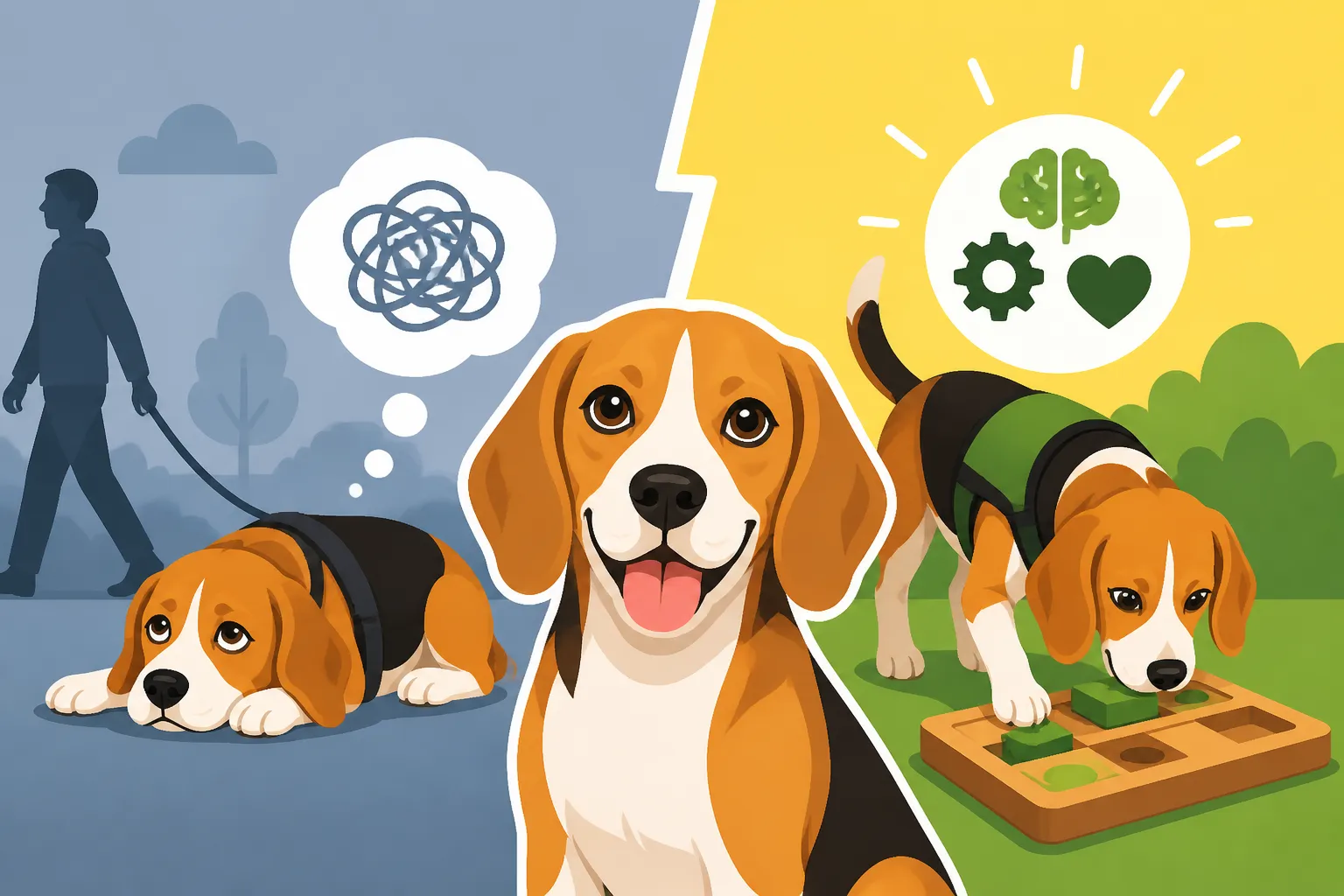
It’s a common scenario for Beagle owners: you’ve walked your furry friend for a good solid hour, they’ve done their business, sniffed a few bushes, and yet, as soon as you get home, they’re pacing, digging at the couch, or perhaps letting out a mournful howl that says, "I'm bored!" Many of us assume that physical exercise is the only answer to a dog's energy, but for a Beagle, a simple walk, no matter how long, often isn't enough. This guide will dive deep into why your Beagle needs a proper "job" to do, beyond just a stroll around the block, and how fulfilling this inherent need can transform their behavior and happiness.
Understanding the Beagle's Innate Drive: More Than Just Legs to Move
When you look at your sweet, floppy-eared Beagle, it’s easy to forget that beneath that charming exterior lies a deeply ingrained history as a working hound. They weren't bred to be couch potatoes, no matter how much they enjoy a good snuggle. Their entire lineage is built around a specific, demanding job, and understanding this is the first step to truly satisfying your companion.
The Genetic Blueprint of a Working Hound
Think about the origins of the Beagle. They were developed for hunting, specifically to follow scent trails, often for hours on end, across challenging terrain. This wasn't a leisurely walk; it was an intense, focused mental and physical marathon. Packs of Beagles would work cooperatively, using their incredible noses to track game like rabbits, baying to alert their human companions to the trail. This history means they are inherently driven by scent and possess remarkable stamina, both physically and mentally.
This isn't just a quaint historical fact; it's hardwired into their DNA. When a Beagle is just given "a walk," they might get some physical exercise, but their brain, that powerful engine of scent detection, is left largely unstimulated. It’s like giving a highly intelligent person a simple manual task when they're capable of solving complex problems. They might do it, but they won't be truly engaged or satisfied. Their ancestors spent entire days immersed in the intricate world of scent, and that instinct is still very much alive in your pet Beagle today. They crave that purpose, that mental puzzle, that feeling of accomplishing a task.
Why a Sniff Isn't Just a Sniff
For a Beagle, smelling isn't just a casual activity; it's how they interpret their world, process information, and engage their cognitive abilities. Their noses are truly extraordinary, boasting an estimated The 220 Million Receptors Behind a Beagle's Nose. When your Beagle drops its nose to the ground on a walk, it's not just checking out what another dog left behind. It's reading a complex story, piecing together layers of information about who passed by, when, where they were going, and what they were up to.
A typical walk where you're constantly pulling them along, hurrying them up, or preventing them from exploring scents is incredibly frustrating for a Beagle. It's like trying to read a gripping novel but only being allowed to glimpse one word on each page. They need time to truly delve into the olfactory landscape. Providing opportunities for Sniffing Walks and Why They Tire a Beagle Out allows them to engage their primary sense in the way it was intended. These aren't just walks; they're mental workouts, deeply satisfying their instinct to trail and explore. This focused mental engagement is often far more tiring for them than a purely physical sprint.
The Pitfalls of "Just a Walk" for a Beagle
Many owners, with the best intentions, believe that a couple of walks a day are sufficient for their Beagle. While physical activity is undoubtedly important for their health and Daily Calories for a 13-Inch Against a 15-Inch Beagle, it often falls short of addressing their profound need for mental stimulation. When this mental need isn't met, Beagles often develop behaviors that owners find challenging, frustrating, and sometimes destructive.
Unsatisfied Energy Leading to Mischief
A Beagle with an idle mind is often a Beagle in trouble. When they aren't given a constructive outlet for their natural drives, they will invent their own "jobs"—and these usually aren't the kind you appreciate. This can manifest in a variety of ways:
- Excessive Chewing: That new couch cushion or your favorite pair of shoes might become the unfortunate victim of a bored Beagle seeking an outlet for their oral fixation and mental energy. They aren't doing it to be bad; they're doing it because they have unmet needs.
- Digging: Beagles are natural diggers, a trait linked to their hunting heritage. If your yard suddenly looks like a lunar landscape, it’s likely your Beagle is trying to create some excitement or follow an underground scent trail. Beagle Escape Artistry and How to Contain It often starts with digging under a fence when boredom strikes.
- Counter Surfing and Trash Raiding: With their incredible noses and unwavering food drive, a bored Beagle will consider it their job to "clean" your counters and raid your trash cans. This isn't just annoying; it can be dangerous if they ingest something toxic.
- Constant Pacing or Restlessness: You might notice your Beagle just can't settle down, even after a walk. They might pace around the house, shift from spot to spot, or whine because their brain is still buzzing, waiting for something to do.
These behaviors aren't signs of a "naughty" dog; they're distress signals from a breed whose intelligence and instincts are being ignored. They are actively seeking stimulation, and if you don't provide it, they will find it themselves, often at your expense.
The Mental Void and Its Consequences
Beyond the physical manifestations of mischief, an unfulfilled Beagle can experience deeper issues related to chronic boredom and a lack of purpose. This mental void can lead to behaviors like:
- Excessive Vocalization: Beagles are known for their distinctive bay, howl, and bark. While some vocalization is natural for the breed, constant Beagle Howling, Baying and Barking Explained can be a sign of boredom, frustration, or even Beagle Separation Anxiety in a Pack Breed. They might be trying to "call" their pack, or simply expressing their deep dissatisfaction with the lack of mental engagement.
- Anxiety and Stress: A dog that never gets to fully express its natural behaviors can become anxious or stressed. This might show up as destructive behaviors, excessive licking, or even a general sense of unease. They might become easily startled or overreact to minor stimuli because their core needs aren't being met, leaving them feeling unbalanced.
- Reactivity: Sometimes, a lack of mental stimulation can lead to dogs being more reactive on walks. If their energy isn't channeled into a positive outlet, they might become overstimulated by everything they encounter, leading to pulling, barking at other dogs or people, or generally being harder to manage. They're trying to inject some excitement into their routine, even if it's not ideal.
Addressing these issues isn't just about curbing "bad" behavior; it's about providing a truly enriching life for your Beagle, allowing them to thrive by engaging their formidable intellect and powerful senses.
Real-World "Jobs" That Satisfy a Beagle's Mind and Body
The good news is that there are many ways to give your Beagle a "job" that is both fulfilling for them and enjoyable for you. It doesn't mean you need to take up hunting (unless you want to!). Instead, it means channeling their natural instincts into appropriate activities.
Nose Work: The Ultimate Beagle Brain Game
This is where your Beagle truly shines. Nose work, or scent work, is an activity designed to mimic the task of detection dogs, using their natural ability to find specific odors. It’s accessible for all dogs, regardless of age or physical condition, and it's incredibly mentally stimulating for a Beagle. You can start with simple games at home, hiding treats or favorite toys and encouraging them to find them.
Imagine scattering a handful of their regular kibble from brands like Purina or even premium options like Ollie (just remember to factor these into their Keeping a Beagle Lean While Training With Treats) around the house or yard. Let them use their nose to hunt for every single piece. This seemingly simple game activates their seeking system, satisfies their foraging instinct, and builds confidence. You can progressively make it harder by hiding items in boxes, under blankets, or even in different rooms.
Beyond casual games, you can enroll in actual scent work classes. These classes, offered by many local dog training facilities, teach your Beagle to identify and signal specific target odors. Starting a Beagle in Scent Work Classes can be a fantastic way to bond with your dog and watch them truly come alive. There are even opportunities to earn titles in canine scent sports, giving both you and your Beagle a clear goal and a sense of accomplishment. This isn't just a game; it's a profound engagement with their most powerful sense.
Structured Training and Consistency as a Job
Training isn't just about obedience; it's a dialogue, a problem-solving exercise, and a way to give your Beagle purpose. Consistent, positive reinforcement training provides mental stimulation by asking them to think, learn, and make choices. Even behaviors you might consider "basic" like "sit," "stay," or "come" require focus and mental effort.
Consider teaching your Beagle more complex tricks or chaining behaviors together. Maybe they learn to "find your keys" (after scent-training on them, of course!) or "put away their toys." These tasks give them a mental challenge and a clear objective. Using high-value treats and praise makes these sessions enjoyable and reinforcing. Brands like Chewy offer a wide array of training treats that can keep your Beagle motivated during these sessions.
Beyond tricks, consistency in daily routines provides a sense of predictability and security, which also functions as a "job." Knowing what's expected of them, when, and how to perform it reduces anxiety and allows their intelligence to be channeled into understanding and adhering to household rules. Regularly practicing Beagle Distance Cues and Hand Signals or Impulse Control Exercises That Suit a Beagle keeps their mind sharp and engaged.
Interactive Play and Puzzle Solving
Play is incredibly important for Beagles, but "interactive" is the key word here. Simply throwing a ball might provide some physical exercise, but it doesn't always engage their brain. Instead, think about play that involves problem-solving or working together.
- Puzzle Toys: These are fantastic for Beagles, especially those with a high food drive. Puzzle Feeders That Genuinely Slow a Beagle require your dog to manipulate the toy in some way to get a treat. This can keep them mentally engaged for significant periods, turning mealtime into a brain game. You can find many options on Amazon, from simple treat-dispensing balls to more complex sliding puzzles.
- Flirt Poles: A flirt pole is a long stick with a lure (toy or rag) attached to a string. It mimics prey movement, allowing your Beagle to engage their chase drive in a controlled, safe environment. It’s a great way to burn off energy and satisfy their instinct to pursue.
- "Find It" Games: Hide-and-seek with you or a family member can be a huge hit. Your Beagle uses their nose to find you, and the reward is praise and connection.
- Agility (with care): If your Beagle is physically sound, introductory agility can be a wonderful way to combine physical exercise with mental challenges. They learn to navigate obstacles, follow commands, and work as a team, all of which are incredibly stimulating. Always consult with your vet before starting any strenuous activity, especially for a breed prone to Beagle Back Problems and Intervertebral Disc Disease.
These types of interactive play turn simple activities into engaging mental exercises, preventing boredom and channeling their innate drives into positive outlets.
Integrating a Job into Your Beagle's Daily Routine
It might sound daunting to add "jobs" to your Beagle's day, but it doesn't have to be complicated or time-consuming. It's about shifting your mindset from simply walking your Beagle to working with your Beagle.
Making Time for Mental Engagement
You don't need to dedicate hours every day to formal training sessions. Short bursts of mental work, spread throughout the day, can be incredibly effective.
- Morning Wake-Up: Instead of immediately heading out for a walk, start with a 5-10 minute sniff search for their breakfast kibble scattered around the house. This immediately engages their brain.
- During Your Walk: Integrate short training bursts. Ask for a "sit" and "stay" before crossing the street, practice a quick recall in a safe, fenced area, or let them spend a dedicated 10-15 minutes on a Why a Beagle Walks With Its Nose to the Ground, sniffing to their heart's content.
- Afternoon Pick-Me-Up: When you come home from work, before you settle in, engage them with a puzzle toy or a short session of new trick training.
- Evening Wind-Down: A gentle brush session, perhaps combined with some calm "stay" practice on their bed, can be a nice way to end the day, reinforcing connection and calm focus.
| Activity Type | Benefits for Beagles | Time Commitment | Best Practices |
|---|---|---|---|
| Scent Work | High mental stimulation, uses natural instincts, builds confidence | 10-30 min/day | Start simple, use high-value treats, vary locations |
| Structured Training | Builds communication, provides purpose, reinforces good behavior | 5-15 min/day | Short, frequent sessions, positive reinforcement |
| Puzzle Toys | Independent mental challenge, slows eating, reduces boredom | 15-45 min/day | Rotate toys, vary difficulty, use their regular meals |
| Interactive Play | Physical and mental exercise, strengthens bond, burns energy | 15-30 min/day | Involve problem-solving, use flirt poles or fetch with rules |
Remember, consistency is key. Even small, regular doses of mental stimulation will add up and make a huge difference in your Beagle's overall well-being.
Balancing Physical Exertion with Mental Stimulation
It's not about choosing between a walk and a job; it's about integrating both. Your Beagle still needs physical exercise to stay healthy and manage their weight, especially given their hearty appetite. A brisk walk, a run in a secure area (if appropriate for their age and health), or a romp with other friendly dogs are all valuable. However, these physical activities should be complemented by mental work.
Think of it this way: a physically exhausted Beagle who is still mentally bored is still an unfulfilled Beagle. But a physically exercised Beagle who has also had their brain challenged is a truly content and tired Beagle.
So, while your Beagle might get some physical exercise on a long walk, remember to intentionally add "jobs" to their routine. Whether it’s hiding treats, teaching new tricks, or playing with puzzle toys, these activities tap into the deep-seated needs of this remarkable breed. You'll likely find that a Beagle with a job is a happier, calmer, and much better-behaved companion.
Disclaimer
This article is for general informational purposes only and does not constitute professional advice. Laws, prices and regulations vary by location and change over time. Consult a qualified professional for guidance on your specific situation.