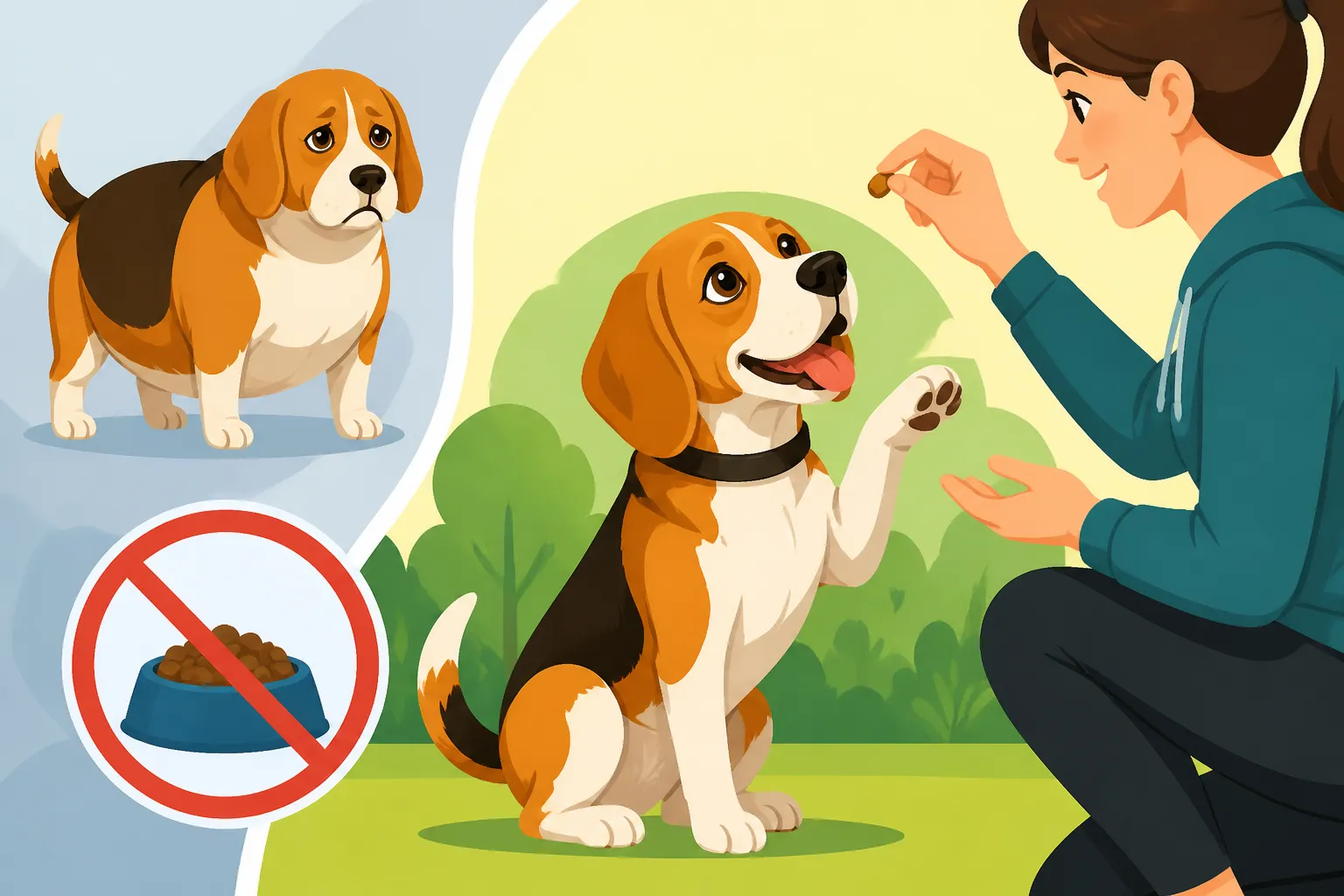
Training a Beagle Without Making It Fat
One of the biggest joys, and sometimes the biggest headaches, of living with a Beagle is their incredible love for food. It makes them superstars in training because they'll do just about anything for a tasty morsel, but it also means we're constantly battling the bulge. Many of us find ourselves in a tricky spot: we want to train our Beagles effectively, but we don't want to accidentally turn them into little furry sausages by overdoing it on the treats. This guide is all about showing you how to harness that amazing food drive for training success without letting your beloved hound pile on the pounds.
Understanding the Beagle's Food-Driven Nature
If you've ever watched a Beagle inhale a dropped crumb before you even registered it was there, you know exactly what I mean by "food-driven." This isn't just a quirky personality trait; it's deeply ingrained in their history and biology.
Why Food is Such a Powerful Motivator for Beagles
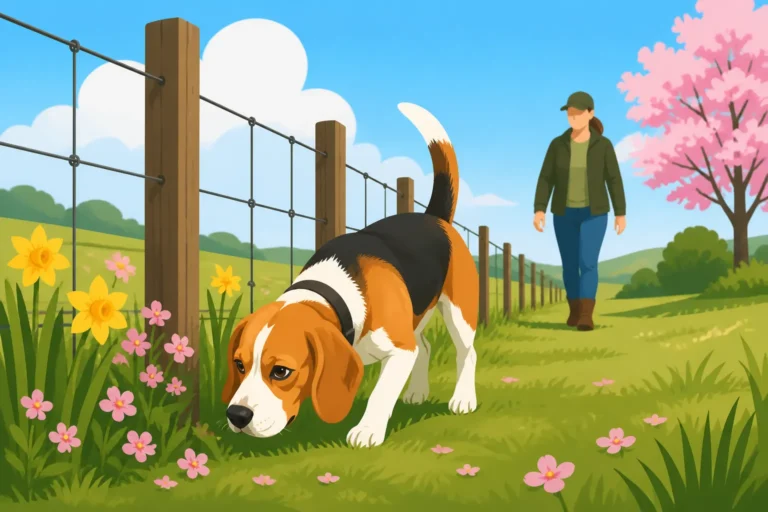
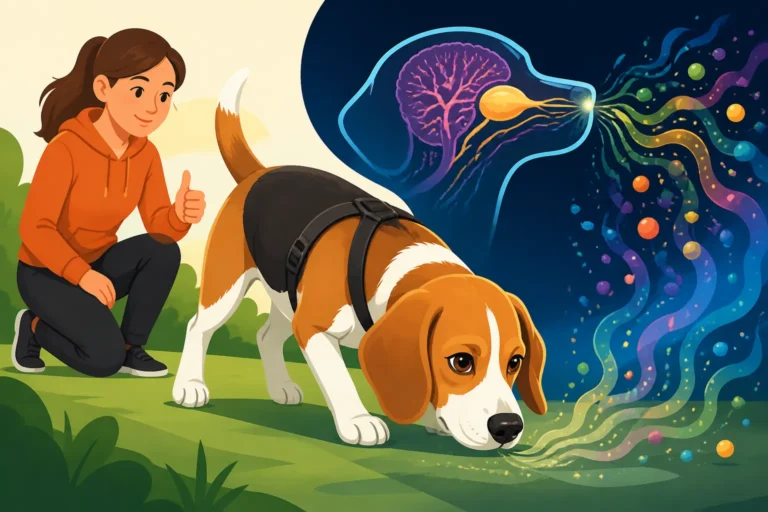
Beagles were bred for centuries to hunt small game, primarily rabbits and hare, by following a scent trail. In their original working lives, finding food, whether it was the game they were tracking or something edible they stumbled upon, was a matter of survival. This means they have an incredibly strong drive to find, consume, and hoard calories. Their sense of smell is legendary, far surpassing ours, which makes them expert scavengers. Imagine being able to detect a tiny piece of dried kibble from across the room, or that forgotten cracker under the sofa – it's an irresistible siren call for a Beagle. This intense connection to scent and food means that for a Beagle, food isn't just fuel; it's discovery, reward, and pure joy. It’s what makes them so good at Why a Beagle Walks With Its Nose to the Ground and why they struggle with Beagle Scavenging on Every Walk.
Their evolutionary history has wired them to be opportunistic eaters. In the wild, you eat when you can, and you eat as much as you can, because you never know when the next meal will come. This "feast or famine" mentality, even in our well-fed modern homes, is why a Beagle will try to eat every single thing in sight, from your dropped sandwich to a discarded tissue. It’s not naughtiness; it's instinct.
The Double-Edged Sword of Food Motivation
This powerful food drive is a trainer's dream, no doubt about it. A Beagle will focus with laser-like intensity when a high-value treat is on offer. Need to teach "sit"? Show a treat. Want to nail "come"? A tasty reward makes all the difference. Their desire for food means they are often highly trainable, eager to please, and quick to form associations between actions and delicious outcomes. This makes them fantastic candidates for positive reinforcement training methods.
However, this incredible asset quickly becomes a liability when we consider their waistlines. Beagles are notoriously prone to obesity. Their small to medium size means extra calories add up quickly, and those round little bodies can become genuinely unhealthy if we're not careful. An overweight Beagle faces a higher risk of joint problems like Beagle Arthritis That Starts in Middle Age, diabetes, and even exacerbation of conditions like Beagle Disc Disease and That Slightly Long Back. The very tool that makes training so easy can, if misused, lead to significant health problems down the line. It's a constant balancing act to keep them motivated without overfeeding.
Smart Strategies for Treat-Based Training
So, how do we use food effectively without turning our Beagles into couch potatoes? It's all about being smart and strategic with our treat choices and delivery.
Choosing the Right Treats
This is probably the most crucial step. Forget the big, sugary biscuits. For training, we need tiny, high-value, low-calorie options. Think of them as sprinkles of motivation, not full meals.
- Size Matters Immensely: Cut treats into pea-sized (or even smaller!) pieces. For a Beagle, the idea of a treat, the act of receiving it, and the flavor burst are often more important than the sheer volume. A single hot dog cut into 50 tiny pieces can fuel an entire training session!
- Low-Calorie, High-Flavor: Boiled chicken breast, lean roast beef, or even plain cooked carrots or green beans can be fantastic. You can also find commercially prepared training treats that are specifically designed to be small and low in calories. Just be sure to read the ingredient list carefully and avoid anything with excessive fillers or questionable additives. Zuke's Mini Naturals or Wellness Soft Puppy Bites (even for adults) are popular choices, but always check the label for calorie count.
- High-Value for Tougher Lessons: For challenging behaviors or distracting environments, you might need something truly irresistible, like small pieces of cheese, salmon, or liverwurst. Just use these sparingly and account for their higher calorie content.
- Rotate Your Treats: Keep your Beagle guessing and excited by rotating different high-value treats. What's novel often feels more valuable.
Integrating Treats into Daily Calorie Intake
This is where many owners go wrong. Every single calorie your Beagle consumes needs to be factored into their daily allowance. If you're giving 50 training treats in a day, those calories add up!
- Reduce Meal Portions: If you're doing a lot of treat-based training, you must reduce the amount of food you put in their regular dinner bowl. This isn't about depriving them; it's about ensuring their total daily intake remains appropriate for their ideal weight. You can't add calories without taking some away elsewhere. Learn how to gauge this with Feeling for a Beagle's Ribs and Waistline.
- Keep a Treat Diary: Seriously, this sounds intense, but it works! Especially if you're struggling with weight. Jot down how many treats you've given throughout the day. This visual reminder can help you stay accountable and adjust meal sizes accordingly.
- The 90/10 Rule: Aim for 90% of their daily calories to come from their regular, balanced meals, and no more than 10% from treats. This ensures they're getting all their necessary nutrients from their primary food source.
- Check Daily Calorie Targets: Know what your Beagle's ideal daily calorie intake should be. This varies by size, age, activity level, and whether they are spayed or neutered. Your vet is the best resource for determining The Daily Calorie Target for a Twenty Pound Beagle or Daily Calories for a 13-Inch Against a 15-Inch Beagle.
Alternative Rewards Beyond Food
Food is fantastic, but it shouldn't be the only motivator. Relying solely on food can make training less flexible and doesn't build intrinsic motivation.
- Praise and Affection: A happy, enthusiastic "Good boy!" or "Yes!" followed by a scratch behind the ears or a belly rub can be incredibly rewarding for many Beagles. Make your praise genuine and exciting!
- Toys: For some Beagles, a quick game of tug or chase with a favorite toy is just as motivating as a treat. Use this as a reward for a job well done, especially after practicing a tricky recall or a "stay."
- Life Rewards: This is a big one. Think about what your Beagle wants to do. Do they want to go outside? Make them sit politely at the door first. Do they want to greet a friend? Ask for a "four on the floor" sit before allowing it. Want to sniff that interesting bush? Ask for a quick "look at me" first. These "life rewards" leverage natural desires as motivators.
- Sniff Breaks: For a Beagle, sniffing is paramount. Use a short "go sniff!" command as a reward. After a minute or two of focused training, releasing them to explore a scent-rich area for a short time can be a huge reward. This aligns with Sniffing Walks and Why They Tire a Beagle Out.
- "Yes!" and a Pet: Sometimes, the verbal marker "Yes!" (or a clicker) followed by just a pet is enough. The "Yes!" marks the exact moment of correct behavior, and the pet is a physical affirmation. This works wonderfully once your Beagle understands that "Yes!" predicts a reward.
Practical Tips for Weight Management During Training
Beyond just choosing the right treats, managing your Beagle's weight during training requires a holistic approach. It’s about more than just the training session itself; it’s about their whole lifestyle.
Measuring and Monitoring Food Portions
This cannot be stressed enough: free-feeding a Beagle is a recipe for disaster. Why Free Feeding Fails Badly With a Beagle. Their instinct to eat everything means they will simply gorge themselves.
- Use a Kitchen Scale: Measuring kibble by volume (cups) can be wildly inaccurate due to variations in kibble density and how tightly packed it is. Invest in a simple kitchen scale and measure your Beagle's food by weight. This is the most accurate way to control their calorie intake.
- Split Meals: Instead of one large meal, split their daily ration into two smaller meals. This can help with satiety, prevent rapid gulping that can lead to gas, and give you more opportunities to use their actual kibble as training rewards throughout the day.
- Regular Weigh-Ins: Weigh your Beagle regularly, perhaps once a week or every two weeks at home. A sudden upward trend can signal you need to adjust their food or increase their exercise. You're looking for Safe Weekly Weight Loss for an Overweight Beagle if they are already above their ideal weight.
- Body Condition Scoring: Learn how to body condition score your Beagle. You should be able to easily feel their ribs, but not see them prominently. They should have a clear waist when viewed from above and a tuck-up when viewed from the side. This is more reliable than just the number on the scale, especially if your Beagle's weight fluctuates slightly.
Incorporating Exercise That Isn't Just "Walkies"
Physical activity is crucial for burning calories and keeping your Beagle fit, but not all exercise is created equal for weight management.
- Scent Work and Nose Games: This is where Beagles truly shine! Scent work, whether formal nose work classes or simple "find it" games in the house or yard, engages their powerful nose and mind, burning mental and physical energy without requiring excessive running. It’s a fantastic way to tire them out. Check out online resources or local trainers who offer scent work classes. Getting a Beagle Started in Nose Work Classes can be a game-changer.
- Interactive Play: Fetch (if your Beagle enjoys it), flirt poles, or even a good game of hide-and-seek in the house can get their heart rate up. Twenty minutes of vigorous play can be more effective than a slow, distracted walk.
- Structured Walks: Instead of just letting them meander, incorporate intervals of brisk walking or jogging, followed by sniff breaks. Vary your routes to keep things interesting. A long line can give them more freedom to explore scents safely in an open area, providing more exercise than a short leash walk. The Long Line Length a Beagle Actually Needs.
- Swimming (If They Like It): Some Beagles enjoy swimming, and it's a fantastic low-impact exercise for burning calories without stressing joints. Always supervise them closely and ensure safety.
Getting the Whole Household on Board
If only one person is managing the Beagle's diet and training, it's a losing battle. Beagles are master manipulators when it comes to food, and they'll quickly figure out who the "soft touch" is.
- Communicate Clearly: Everyone in the house needs to understand the feeding and treat rules. Post a clear schedule or a daily treat allowance.
- Educate Children: Teach children that sharing human food with the dog is not kind, and that treats should only be given as part of a training session or a specific reward, never just "because."
- Mealtime Discipline: No begging at the table. Your Beagle should be in their crate or on their mat during human mealtimes. This prevents accidental drops and stops them from learning that persistence at the table pays off. This also helps with Beagle Counter Surfing and Trash Raiding.
- Visitor Briefing: Inform guests about your Beagle's diet. A polite "Please don't feed him anything, he's on a special diet" goes a long way.
Productive Training Methods That Minimize Extra Calories
Beyond the what and how much of treats, the how of training itself can make a big difference in managing your Beagle's weight.
Using a Beagle's Own Meal as Training Rewards
This is perhaps the single most effective strategy for preventing weight gain during intense training periods. Your Beagle still gets all their necessary calories, but they earn them through productive work.
- Kibble as Currency: Instead of putting all their breakfast or dinner in a bowl, portion out a good chunk of it (or even all of it!) to use for training sessions throughout the day. Every "sit," "stay," or successful recall earns a piece of their regular kibble.
- Meal-Based Training Sessions: Dedicate specific times of the day to training using their meal. Instead of a bowl being placed down, you become the "kibble dispenser." This makes you incredibly valuable and engaging to your Beagle.
- Puzzle Feeders and Snuffle Mats: Any kibble not used for active training can go into a puzzle feeder or a snuffle mat. This makes mealtime a mental workout, slows down eating (which can help digestion and satiety), and prevents them from simply inhaling their food in seconds. There are many great options available on Amazon for these types of feeders. Puzzle Feeders That Genuinely Slow a Beagle.
Puzzle Feeders and Snuffle Mats
These aren't just for mealtime, they are fantastic training tools in themselves, especially for a scent-driven breed like a Beagle.
- Mental Enrichment: Beagles thrive on mental stimulation, and puzzle feeders challenge their problem-solving skills and incredible noses. They have to work for their food, which is far more satisfying than just having it handed to them.
- Slow Down Eating: If your Beagle gulps food, these tools force them to slow down, which can aid digestion and reduce the risk of bloat (though Beagles aren't as high-risk as some deep-chested breeds, it's always good practice).
- Independent Play: They provide an excellent outlet for independent play and can keep your Beagle occupied when you can't actively engage with them. This is especially helpful if you're trying to manage Beagle Separation Anxiety in a Pack Breed.
- Training Aid: You can teach your Beagle to "find it" with small portions of their meal hidden in a snuffle mat, turning mealtime into a fun scent game.
Short, Frequent Training Sessions
Beagles have a fantastic work ethic for food, but their attention spans can be surprisingly short, especially for repetitive tasks.
- Five-Minute Bursts: Instead of one long, arduous training session, aim for multiple short, energetic bursts of 5-10 minutes each throughout the day. This keeps your Beagle engaged, prevents boredom, and maximizes learning without needing a huge volume of treats in one go. Five-Minute Beagle Sessions Between Sniff Breaks.
- End on a High Note: Always finish a training session on a positive note, with a success, leaving your Beagle wanting more. This builds enthusiasm for the next session.
- Vary the Location: Keep training interesting by moving to different rooms of the house, the backyard, or even a quiet park. New environments offer new challenges and keep your Beagle mentally stimulated.
- Focus on Core Commands: Prioritize commands like "sit," "stay," "come," and "leave it." These are not only useful for good manners but can also be life-saving. A strong "leave it" is invaluable for a Beagle who is constantly A Beagle Vomiting After Eating Something Outside.
Training a Beagle without making them fat is entirely possible, but it requires diligence, smart choices, and consistency. By understanding their inherent food drive, making wise treat selections, integrating training into their regular meals, and providing plenty of mental and physical exercise, you can have a well-trained, lean, and happy Beagle by your side. Resources like BAXTER & Bella often offer online programs that emphasize positive reinforcement and mindful treat usage, which can be a great way to structure your training approach. It’s all about working with their nature, not against it!
Disclaimer
This article is for general informational purposes only and does not constitute professional advice. Laws, prices and regulations vary by location and change over time. Consult a qualified professional for guidance on your specific situation.