A Beagle Puppy Chewing Through Everything
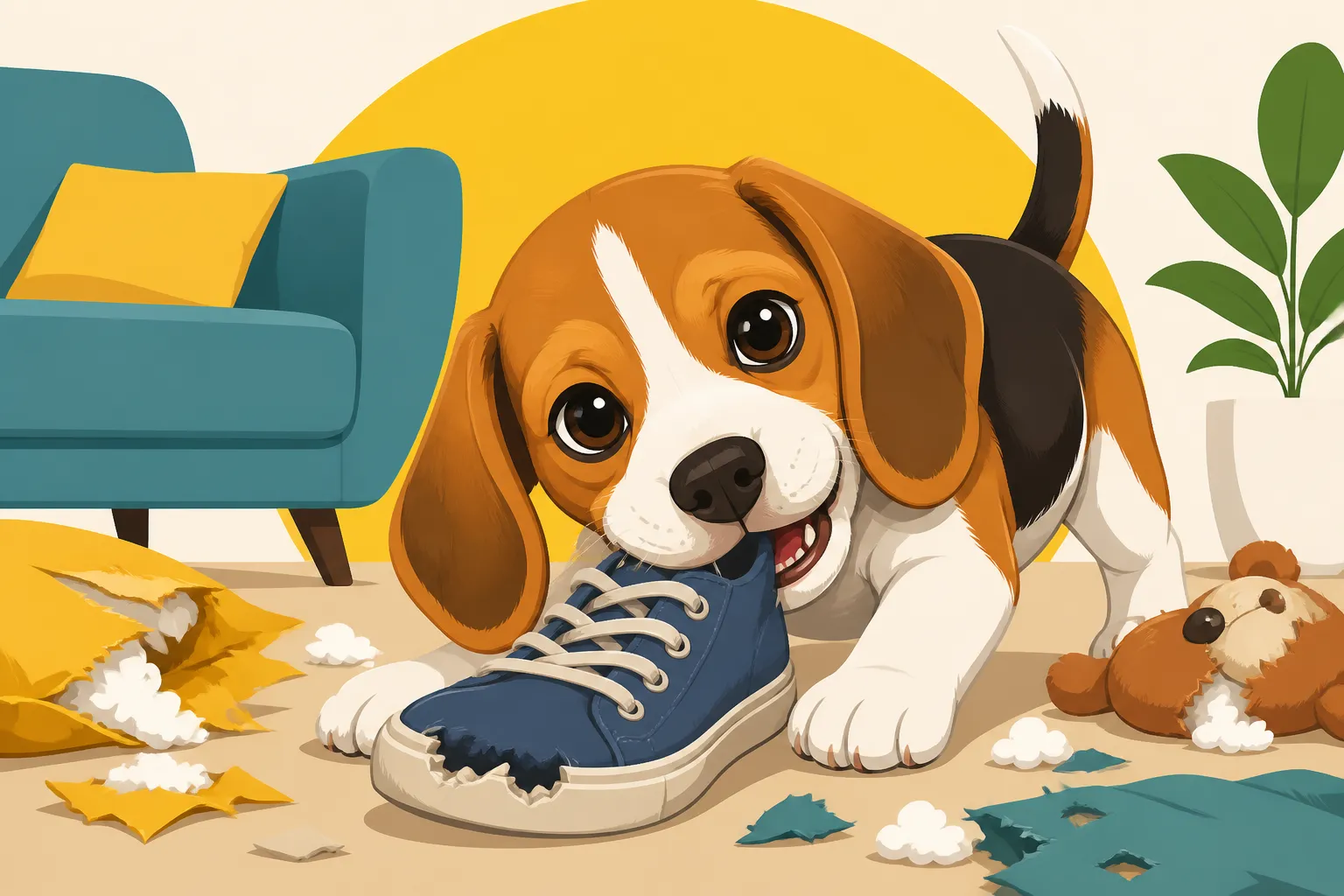
Oh, the joys of a new Beagle puppy! You bring home that adorable, floppy-eared bundle of joy, full of snuggles and boundless energy, only to find that within days, your slippers are shredded, the corner of your rug looks like a badger attacked it, and even your wooden chair legs are suddenly fair game. It’s frustrating, bewildering, and sometimes a little bit heartbreaking when something you cherish becomes a casualty of tiny, sharp puppy teeth. This guide is here to help you understand why your sweet Beagle puppy is turning into a chewing machine and, more importantly, how to redirect that natural instinct toward appropriate outlets, saving your sanity and your household items in the process.
Understanding Why Your Beagle Puppy Chews
It's easy to take destructive chewing personally, or to think your puppy is just being "bad." But for a Beagle puppy, chewing is rarely malicious. It's a deeply ingrained, natural behavior that serves several important purposes in their development. Understanding these reasons is the first step toward effectively managing and redirecting the behavior.
Teething: The Natural Urge to Chew
Just like human babies, puppies go through a teething phase, and it’s arguably the most common reason for intensified chewing. Your Beagle puppy is born with no teeth, but by around 2-3 weeks, their tiny needle-sharp deciduous (or "puppy") teeth start erupting. Then, between 12 and 24 weeks (roughly 3 to 6 months), these puppy teeth fall out to make way for their permanent adult teeth.
This entire process can be quite uncomfortable for them. Imagine the ache and pressure of new teeth pushing through gums, or the irritation of old teeth wobbling before they finally come out. Chewing provides immense relief by massaging their gums, helping to loosen stubborn puppy teeth, and alleviating the discomfort. They're not trying to destroy your favorite book; they're trying to make their mouth feel better! This is why you'll often see them gravitating towards hard or textured objects. Offering appropriate items like cold or Frozen Chews for a Beagle Puppy can be a game-changer during this time. For more on this stage, check out Beagle Puppy Teething and Hard Mouthing.
Exploration and Sensory Learning
Beagles, with their incredible noses, are natural explorers. But before their sense of smell fully develops into the powerful tool we know, puppies use their mouths to learn about the world around them. Think of it as their hands. They pick things up, mouth them, taste them, and feel their texture. Is it soft? Hard? Edible? Dangerous? Their mouth is their primary tool for gathering information.
So, when your puppy nips at your fingers or grabs a loose sock, it’s not always about chewing per se, but about exploring. They’re trying to understand what this new object is. This exploratory chewing usually lessens as they mature and develop other ways to interact with their environment, but it's a vital part of their early learning process. This is also why early socialization and appropriate play, as discussed in Beagle Puppy Sound Exposure Before Sixteen Weeks, are so important for developing a well-rounded puppy.
Boredom and Excess Energy
Beagles are intelligent, energetic dogs bred for stamina and purpose. A bored Beagle is a destructive Beagle, pure and simple. If your puppy isn't getting enough mental and physical stimulation, they will find their own entertainment – and that often comes in the form of chewing things they shouldn't. They have an innate need to do something, and if you haven't given them a job, they'll invent one.
A lack of exercise means pent-up energy, and chewing is a fantastic way for them to burn off some of that physical and mental steam. A long walk that lets their nose explore (a "sniffari"), some vigorous play in the yard, or even just engaging in short training sessions can make a huge difference. Think about it: if they're too tired to be mischievous, they'll likely nap instead of gnawing on your baseboards. Puzzle feeders, for example, can be an excellent way to provide Indoor Games for a Beagle on a Rainy Day and burn off some of that energy.
Anxiety and Stress Chewing
Sometimes, chewing can be a coping mechanism for stress or anxiety. A common culprit is separation anxiety, especially in a breed like the Beagle that was historically bred to live and work in packs. When left alone, a puppy might feel vulnerable, fearful, or even panicky. Chewing releases endorphins, which can help calm them down and make them feel a bit better.
If your puppy's destructive chewing consistently happens when you leave them alone, and is accompanied by other signs like howling, barking, pacing, or house-soiling, it might be a sign of separation anxiety. This can be a tough one to tackle alone, as discussed in Beagle Separation Anxiety in a Breed Bred for Packs. A properly crate-trained Beagle often feels more secure when you're away, but if the chewing is focused on trying to break out of the crate, you might be dealing with Beagle Crate Anxiety Against Crate Comfort.
Puppy-Proofing Your Home to Prevent Destruction
Once you understand why your Beagle puppy is chewing, the next logical step is to make your environment less appealing for inappropriate chewing and safer for your pup. Puppy-proofing isn't just about protecting your belongings; it's about protecting your puppy from ingesting something harmful. Trust me, a trip to the emergency vet for swallowed objects is not how you want to spend your Saturday night.
Securing Valuables and Dangerous Items
This might sound obvious, but it's amazing what gets overlooked. Get down on your hands and knees and look at your home from a puppy's perspective. What's at mouth-level?
- Electrical Cords: These are a huge danger. They look like fun chew toys, but chewing live wires can lead to electrocution or burns. Use cord covers, tuck them away behind furniture, or use heavy-duty cable management systems. You can find many effective options on Amazon.
- Shoes, Clothes, and Personal Items: Keep these put away in closets or drawers. Beagles love to grab things that smell like their people, so your favorite running shoes are prime targets.
- Trash Cans: Invest in sturdy, lidded trash cans that your Beagle can't tip over or chew through. Beagles are master scavengers, and leftover food, sharp objects, or toxic items in the trash are extremely tempting.
- Plants: Many common houseplants are toxic to dogs. Research any plants you have and move them out of reach, or consider removing them entirely. Even non-toxic plants can cause an upset stomach if eaten in large quantities.
- Chemicals and Medications: Store all cleaning supplies, medications, and household chemicals in high, locked cabinets. A curious Beagle can easily sniff out and access these dangers.
- Small Objects: Anything small enough to be swallowed is a choking hazard or can cause an internal blockage. This includes children's toys (especially small building blocks or doll parts), coins, batteries, rubber bands, and even some decorative items. Pick up everything from the floor!
Making your home a "puppy safe zone" gives you peace of mind and significantly reduces opportunities for destructive chewing.
Creating a Safe Chewing Zone
Your puppy needs a dedicated space where they can be themselves without getting into trouble. This is often a crate or a puppy-proofed playpen. This "safe zone" isn't a punishment; it's their den, their secure retreat.
- Crate Training: A properly introduced and positive crate is invaluable. Your puppy should view their crate as a comfortable place to rest, sleep, and chew on their toys. Never use the crate for punishment. Ensure the crate is the correct size – big enough for them to stand, turn around, and lie down comfortably, but not so big that they can potty in one corner and sleep in another. For more tips, refer to Beagle Crate Size and Crying Through the Night.
- Playpens/Gates: For times when you can't actively supervise but want your puppy to have more space than a crate, a puppy playpen or baby gates can create a secure chewing zone in a specific room. Make sure the area is completely cleared of forbidden chewables.
Within this safe zone, always provide appropriate chew toys to redirect that natural chewing instinct. When they are in their safe space, they know what is theirs and what is off-limits.
Using Deterrents and Barriers
Sometimes, simply moving things isn't enough, especially for persistent chewers. That's where deterrents and barriers come in handy.
- Taste Deterrents: There are bitter-tasting sprays available that you can apply to furniture legs, electrical cords, or other items you want your puppy to leave alone. These sprays are harmless but have an unpleasant taste that most dogs dislike. Always test on an inconspicuous area first to ensure it doesn't stain. Reapplication may be necessary as the taste wears off.
- Physical Barriers: If your puppy insists on chewing a specific piece of furniture, you might need a temporary physical barrier. This could be a small baby gate blocking access to an armchair, or even wrapping certain legs in thick, chew-resistant tape or material.
- Supervision: The best deterrent is always direct supervision. When your puppy is out of their safe zone, they should be either on a leash tethered to you, or within your direct line of sight. This allows you to interrupt inappropriate chewing immediately and redirect them to an approved toy.
Remember, deterrents are temporary tools to help create good habits. The goal is to teach your puppy what is acceptable to chew on, not just what isn't.
Guiding Your Beagle Puppy Towards Appropriate Chewing
The core of managing puppy chewing isn't just about stopping the "bad" chewing, but actively teaching and reinforcing the "good" chewing. Your Beagle needs to chew, so your job is to provide satisfying, safe alternatives and clearly communicate what those alternatives are.
Offering a Variety of Safe Chew Toys
This is where you become your puppy's personal chew toy curator! Not all chew toys are created equal, and what one Beagle loves, another might ignore. The key is variety and safety.
- Texture Variety: Offer toys with different textures – soft rubber, hard nylon, rope, textured dental chews. Some puppies love the challenge of a tough chew, while others prefer something that gives a little.
- Type Variety:
- Rubber Chew Toys: Brands like Kong offer durable rubber toys that can be stuffed with treats (peanut butter, plain yogurt, or even their kibble mixed with water and frozen) to provide long-lasting mental stimulation. These are fantastic for keeping a Beagle puppy occupied, especially when left alone. Many Beagle owners swear by these.
- Nylon Chews: These are very hard and long-lasting, great for strong chewers and helping with adult teeth eruption. Just ensure they aren't so hard they might chip a tooth, and supervise to ensure no large pieces are broken off and swallowed.
- Edible Chews: Dental chews, bully sticks, or natural chews (like deer antlers, if appropriate for your puppy's age and chewing style – always consult your vet) can be excellent, but always supervise their use and consider calorie intake.
- Puzzle Toys: These aren't just chews, but they engage your Beagle's mind and food drive, which is incredibly strong. Puzzle Feeders That Genuinely Slow a Beagle can turn mealtime into a mental workout, reducing boredom chewing.
- Rotation: Keep a selection of 3-4 toys out at a time, and rotate them every few days. This keeps them "new" and exciting, preventing your puppy from getting bored with the same old things.
- Safety First: Always choose toys appropriate for your puppy's size and chewing strength. Avoid anything that can be easily shredded and ingested, or toys with small parts that can break off. Regularly inspect toys for wear and tear and discard anything damaged.
Teaching "Leave It" and "Drop It"
These two commands are absolute lifesavers for any puppy owner, especially with a curious Beagle who will pick up things they shouldn't.
- "Leave It": This teaches your puppy to ignore an item, even if it's tempting. Start with a low-value treat in your hand. Say "Leave It" and close your hand. When your puppy looks away from your hand, reward them with a different, higher-value treat from your other hand. Gradually increase the difficulty, placing the treat on the floor, then adding distractions. This skill is critical for walks too, helping your Beagle ignore tempting smells or dangerous items on the ground, as detailed in Beagle Leave It Training With Real Food Down.
- "Drop It": This teaches your puppy to release an item they already have in their mouth. Start by offering a high-value treat in exchange for a low-value item they are holding. As they open their mouth to take the treat, say "Drop It." When they release the item, give them the treat. Gradually move to higher-value items they might be chewing. This is invaluable if your puppy grabs something dangerous, as discussed in Teaching Drop It Before a Beagle Swallows.
Practice these commands often in short, fun sessions. Always make it a positive experience – never snatch items from your puppy's mouth, as this can lead to resource guarding or them swallowing items quickly to avoid losing them.
Providing Ample Mental and Physical Stimulation
A tired Beagle is a good Beagle, and that means tired both in body and mind.
- Daily Exercise: Beagles need regular, consistent exercise. This isn't just a quick trip to the backyard. They thrive on walks where they can sniff and explore, engage in playtime, and even short bursts of running. The amount of daily exercise a Beagle truly needs is covered in How Much Daily Exercise a Beagle Really Needs. Remember, physical exercise helps burn off that pent-up energy that can fuel destructive chewing.
- Scent Work and Training: Tap into your Beagle's natural instincts! Their nose is their superpower, so activities that engage their sense of smell are incredibly enriching.
- Scent Games: Hide treats around the house and encourage them to find them. Use snuffle mats or scatter their kibble in the yard, turning mealtime into a fun hunt, as explored in Snuffle Mats and Scatter Feeding for a Beagle.
- Training Classes: Enroll in puppy classes or basic obedience. The mental effort required to learn new commands and cues is exhausting for a puppy. Positive reinforcement training, perhaps through a program like BAXTER & Bella, can teach them manners and give them a "job" to do, reducing boredom and anxiety. Learning The Treats a Beagle Will Work Hardest For can also make training more effective.
- Interactive Play: Play games like fetch, tug (with rules, like "drop it" on command), or even just engaging with them with a flirt pole. This not only burns energy but also strengthens your bond.
Consistency is key here. A predictable routine with plenty of exercise and mental stimulation will go a long way in curbing destructive chewing.
When to Seek Professional Help for Excessive Chewing
Most puppy chewing can be managed with consistency, proper puppy-proofing, and appropriate chew toys. However, there are times when a puppy's chewing behavior goes beyond normal puppy antics and warrants professional intervention. Knowing when to call in the cavalry can save you a lot of grief (and potentially a vet bill for an ingested foreign object!).
Persistent Destructive Chewing
If you've diligently applied all the tips above—you've puppy-proofed your home, provided a wide array of safe and enticing chew toys, consistently redirected inappropriate chewing, and ensured your Beagle puppy is getting ample mental and physical stimulation—but the destructive chewing persists or even worsens, it's time to consider getting professional help.
This isn't about blaming you; it's about recognizing that some behaviors can be deeply ingrained or have underlying causes that are difficult for an average owner to diagnose and treat alone. Persistent destructive chewing, especially if it's targeting dangerous items (like electrical cords or furniture that could splinter), is a serious safety concern for your puppy. A professional trainer or behaviorist can offer a fresh perspective and tailored strategies that you might not have considered. They can also observe your puppy's behavior in ways you might not be able to, identifying subtle cues or patterns.
Chewing as a Symptom of Underlying Issues
Sometimes, chewing isn't just a standalone behavioral problem; it's a symptom of a deeper issue.
- Severe Separation Anxiety: As mentioned earlier, Beagles can be prone to separation anxiety. If your puppy chews destructively only when left alone, and shows other signs like excessive vocalization, house-soiling, or frantic escape attempts, it's likely more than just boredom. A certified professional dog trainer or veterinary behaviorist specializes in these complex issues and can help develop a comprehensive plan. This often involves a combination of behavior modification, specific enrichment, and sometimes even medication in severe cases.
- Medical Issues: While less common, certain medical conditions can sometimes manifest as unusual chewing. Gastrointestinal discomfort, dental pain beyond normal teething (e.g., fractured teeth, gum infections), or even nutritional deficiencies could potentially contribute to obsessive chewing. If your puppy's chewing seems unusual, suddenly starts, or is accompanied by other concerning symptoms like lethargy, loss of appetite, vomiting, or diarrhea, a vet visit is always the first step to rule out any underlying health problems. A clean bill of health means you can focus purely on behavioral solutions.
- Obsessive-Compulsive Behaviors: In rare cases, chewing can escalate into an obsessive-compulsive disorder (OCD) in dogs, where the behavior becomes repetitive, intense, and difficult to interrupt. This is typically diagnosed and managed by a veterinary behaviorist and often requires a multi-faceted approach, including environmental management, behavior modification, and sometimes pharmacological intervention.
Don't hesitate to reach out to a professional if you're feeling overwhelmed or if your puppy's chewing is proving unmanageable. A good trainer or behaviorist can provide invaluable guidance, help you understand your Beagle better, and set both of you up for success.
Disclaimer
This article is for general informational purposes only and does not constitute professional advice. Laws, prices and regulations vary by location and change over time. Consult a qualified professional for guidance on your specific situation.