Beagle Scavenging on Every Walk
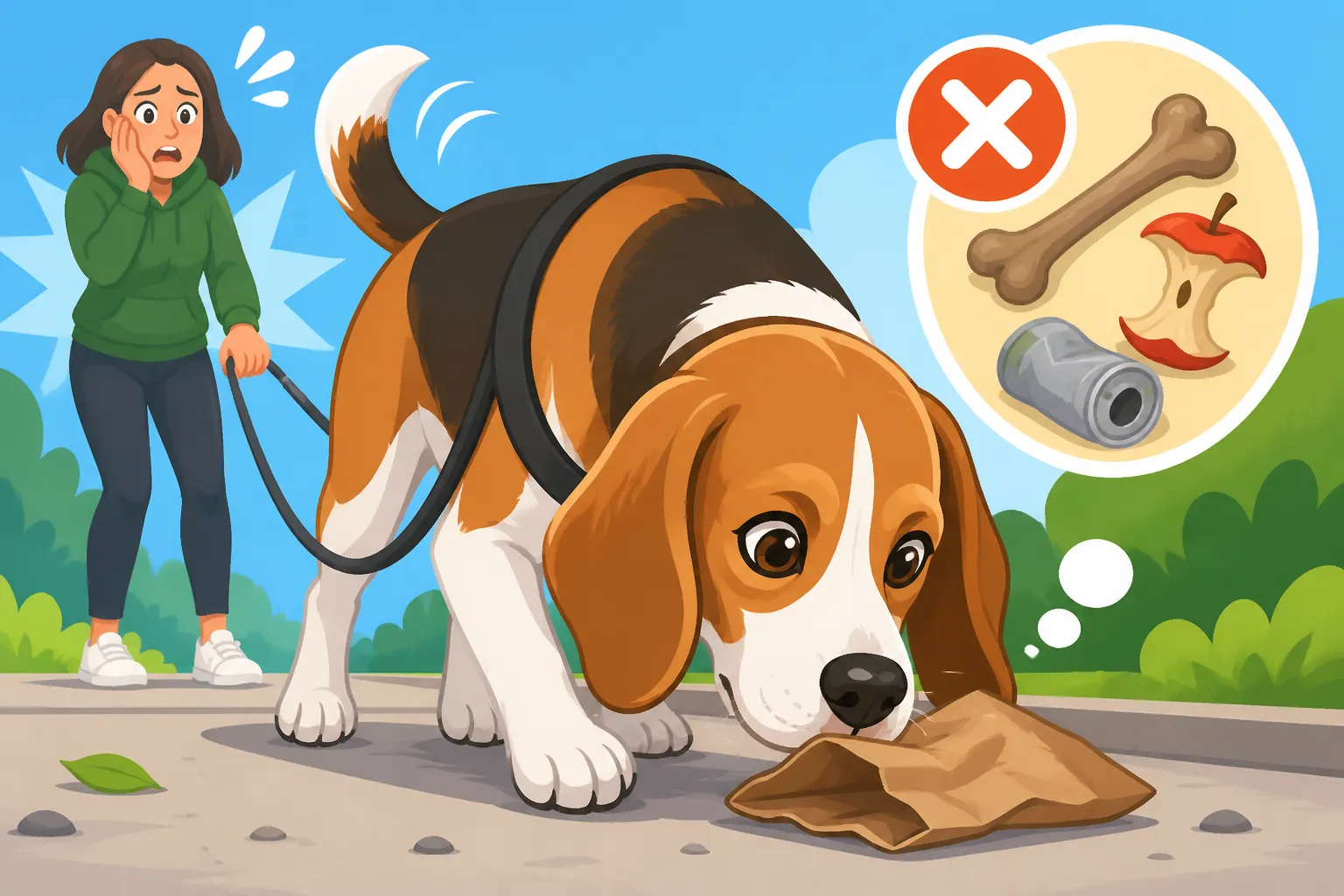
Oh, the sheer frustration of walking a Beagle! You're out there, trying to enjoy a pleasant stroll, perhaps even working on some loose-leash skills, and then suddenly, wham! Your dog's nose is glued to the pavement, they're inhaling some questionable debris before you can even react, and your peaceful walk turns into a constant battle against their internal vacuum cleaner. If you're tired of pulling mystery objects from your Beagle's mouth and worrying about what they might ingest, this guide is for you. We're going to dive deep into why your Beagle scavenges on every walk and, more importantly, equip you with the strategies to manage this very common, and often dangerous, behavior.
The Deep-Rooted Instinct Behind Beagle Scavenging
Understanding why your Beagle is so obsessed with hoovering up every crumb, leaf, or unidentifiable bit of matter on a walk isn't just about curbing a bad habit; it's about appreciating the very essence of their breed. Beagles aren't just being naughty; they're fulfilling a primal urge that's been hardwired into them for centuries.
A Nose Like No Other: Understanding the Beagle's Olfactory World
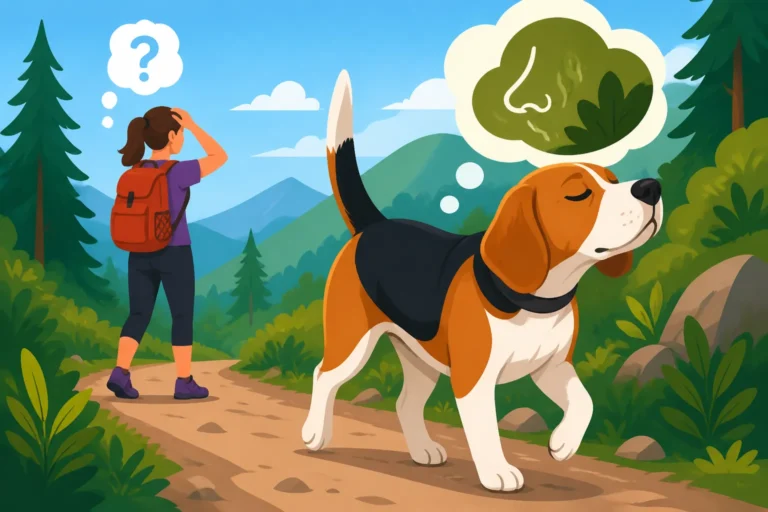
Let's face it, a Beagle's nose isn't just good; it's legendary. We talk about their 220 million scent receptors, compared to our mere 5 million, and it's easy to intellectualize, but what does that actually mean for their daily experience? It means that every walk for a Beagle is an overwhelming symphony of smells, a rich tapestry of information that we can barely comprehend. The sidewalk isn't just concrete; it's a history book of every dog, human, squirrel, and dropped snack that has passed by. Every gust of wind carries stories, and every patch of grass holds secrets.
For a Beagle, ignoring these potent scent signals is akin to us trying to ignore a blaring fire alarm or someone shouting our name. Their world is dictated by scent, and their brain is constantly processing these powerful inputs. When they drop their head to the ground and start "vacuuming," they're not consciously defying you; they are, in that moment, utterly consumed by the information their nose is feeding them. It's a primal, almost trance-like state where the human on the other end of the leash often fades into the background. Their historical purpose, chasing rabbits and hares by scent, means they were quite literally bred to put their nose down and follow a trail, regardless of distraction.
The Hunter-Gatherer Mentality: Why Food is Everything
Beyond just the sheer power of their nose, Beagles possess an incredibly strong food drive. This isn't just a preference for tasty treats; it's a fundamental part of their genetic makeup. As hounds, they were bred to work in packs, often in competitive environments where finding and consuming food quickly was essential for survival. This has translated into a breed that often acts as if every meal might be their last, and every discarded morsel found on a walk is a priceless treasure.
This deep-seated food drive means that anything remotely edible, or even just smelling edible, becomes an irresistible lure. When they scavenge, they're not just sniffing; they're often trying to ingest the item as fast as possible, anticipating that another pack member (or in your case, you, the owner) might try to snatch it away. This instinct is incredibly powerful and can often override any training or commands you've given them, especially if they're not fully proofed on their "leave it" command in high-distraction environments. It's a frustrating reality for many Beagle owners: you might feel like your dog is ignoring you, but in their mind, they're just doing what Beagles do – seeking out potential food sources to fuel their endless energy. This persistent drive makes walks a constant exercise in vigilance and management.
Common Scavenging Targets and Their Dangers
While your Beagle's relentless scavenging can be a nuisance, the true danger lies in what they might find and ingest. The world outside is a minefield of potential hazards, both obvious and surprisingly subtle.
The Urban Jungle: Sidewalk Surprises and Street Snacks
City streets and suburban sidewalks, while seemingly tame, are often the most dangerous places for a scavenging Beagle. Think about what people drop: half-eaten sandwiches, dropped cookies, discarded fast-food wrappers with tantalizing remnants, even pieces of chicken bones. These might seem like minor finds, but they pose significant threats. Bones, especially cooked chicken bones, can splinter and cause internal injuries, choking, or blockages in your Beagle's digestive tract. Even seemingly harmless bread or pastry can be risky due to high fat content, yeast, or toxic ingredients like xylitol (an artificial sweetener deadly to dogs), chocolate, or raisins.
Beyond human food, there's the gross stuff: cigarette butts, chewing gum, discarded sanitary items, plastic, glass shards, or even medical waste. These can lead to anything from nicotine poisoning to severe internal lacerations or foreign body obstructions that require emergency surgery. The speed at which a Beagle can vacuum up these items is astounding, often leaving you with mere seconds to react. It's a constant source of anxiety, knowing that a single lapse in vigilance could lead to a costly and terrifying vet visit.
Park and Trail Treasures: Nature's Hidden Hazards
Venturing into parks, nature trails, or even your own backyard doesn't necessarily make scavenging safer; it just changes the nature of the risks. In these environments, your Beagle might encounter a whole new array of dangerous "treasures." Wild mushrooms are a huge concern; many are highly toxic and can cause severe liver failure, neurological damage, or even death, and it can be incredibly difficult to identify safe mushrooms from dangerous ones on the fly. Animal feces, whether from wildlife like deer, rabbits, or even other dogs, can transmit a host of parasites, including giardia, roundworms, hookworms, and whipworms.
Then there are the less obvious natural hazards: discarded fishing lines with hooks still attached, rodenticides (rat poison) that can be devastating, antifreeze spills, toxic plants (like sago palm, azaleas, or lilies), or even dead animals. A Beagle's instinct to investigate and consume anything intriguing means they are highly susceptible to these dangers. Even if you're hiking on a well-maintained trail, their nose will lead them off the path to investigate every interesting smell, potentially exposing them to these hidden threats. It really highlights why even a seemingly benign environment demands constant supervision and proactive training.
Proactive Strategies to Manage Scavenging
Managing a Beagle's scavenging isn't about eradicating their natural instincts; it's about redirecting them and teaching them what's acceptable to investigate and what isn't. It requires patience, consistency, and a multi-faceted approach.
Harnessing the Power of "Leave It" and "Drop It"
These two commands are your absolute best friends when dealing with a scavenging Beagle. "Leave It" prevents them from picking something up, and "Drop It" gets them to release something they've already grabbed.
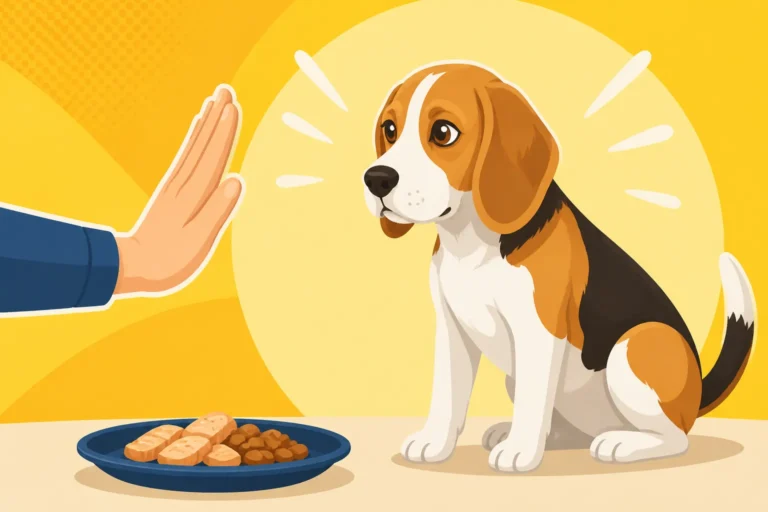
Let's start with "Leave It." Begin indoors with low distractions.
- Start simple: Place a low-value treat (like a regular kibble piece) on the floor and cover it with your hand. When your Beagle shows interest, say "Leave It!" The moment they look away from the treat and at you, even for a split second, say "Yes!" or click, and reward them with a different, higher-value treat from your other hand. This teaches them that "leaving" the item results in something better from you.
- Increase distance: Once they reliably leave the covered treat, try placing it on the floor without covering it, standing over it with your foot, ready to cover if needed. Repeat the "Leave It!" and reward when they look away.
- Add movement: Practice walking past the treat on the floor, saying "Leave It" as you approach.
- Introduce distractions: Gradually move to higher-value items, and then take the training outdoors to less distracting environments like your quiet backyard. Finally, venture into busier areas, always ready to intervene if they struggle. Remember, consistency is key, and every successful "leave it" builds their understanding. You'll find more detailed guidance on Beagle Leave It Training With Real Food Down.
For "Drop It," it's all about positive trade. You want your Beagle to want to give things to you.
- Practice indoors: Offer your Beagle a low-value chew or toy. While they're holding it, offer a super high-value treat right to their nose. As they open their mouth to take the treat, say "Drop It!" and praise them.
- Trade up: Once they consistently drop the item for the treat, immediately pick up the original item (or another toy) and offer it back, or play a quick game. This teaches them that dropping something doesn't mean it's gone forever, but rather leads to something better.
- Proofing: Practice with various items, ensuring the "trade" is always more appealing than what they have. This command is crucial for those times when they do manage to snatch something dangerous. You can explore Teaching Drop It Before a Beagle Swallows for more in-depth techniques.
Equipment and Management: Tools for Safer Walks
While training is paramount, certain tools can make walks much safer and more manageable, especially during the learning phase.
One of the most effective tools for a scavenging Beagle is a good front-clip harness. Unlike a collar that can put pressure on their delicate neck and trachea when they lunge for something, a front-clip harness gives you better leverage. When your Beagle pulls to the side or down towards a scent, the leash attachment on their chest gently redirects their body back towards you, making it harder for them to plant their nose on the ground and scoop something up. This redirection is much more comfortable for your dog and offers you significantly more control, transforming a pull-heavy walk into a more cooperative experience. Check out Front-Clip Harnesses for a Beagle That Pulls Toward Scent for more information on how these work.
Using a shorter leash, generally a 4-foot leash instead of a 6-foot, can also be incredibly helpful. This keeps your Beagle closer to your side, giving you less reaction time but also less room for them to veer off course into tempting debris. You can always find a variety of leashes and harnesses suitable for Beagles on platforms like Amazon. For severe scavengers, or Beagles who seem determined to eat absolutely everything, a basket muzzle can be a temporary but effective management tool. It allows them to pant, drink water, and even take small treats from your hand, but prevents them from picking up undesirable items from the ground. It's a tool for safety, not punishment, and should be introduced gradually and positively so your Beagle associates it with good things like walks. Beagle Harness and Long Line Prices might also be a helpful resource as you consider your equipment options.
Environmental Management and Enrichment
Sometimes, the best offense is a good defense. Thoughtful environmental management can greatly reduce scavenging opportunities.
First, be mindful of where you walk your Beagle. While it's tempting to hit popular trails or busy urban parks, these areas often have the highest concentration of dropped food and hazardous items. Seek out quieter, cleaner paths or areas that are regularly maintained. If you know a particular block is prone to litter, consider taking a different route that day. It might seem like a small thing, but avoiding known hotspots can prevent many close calls.
Next, adopt an "eyes on the Beagle" policy. It's easy to get distracted by your phone, chat with a friend, or simply zone out during a walk. But with a Beagle, you need to be constantly scanning the ground ahead of them, anticipating what they might find before their nose does. Learning to read their body language – the sudden head drop, the increased sniffing intensity, the shift in pace – can give you precious seconds to deploy a "Leave It" command or physically block them.
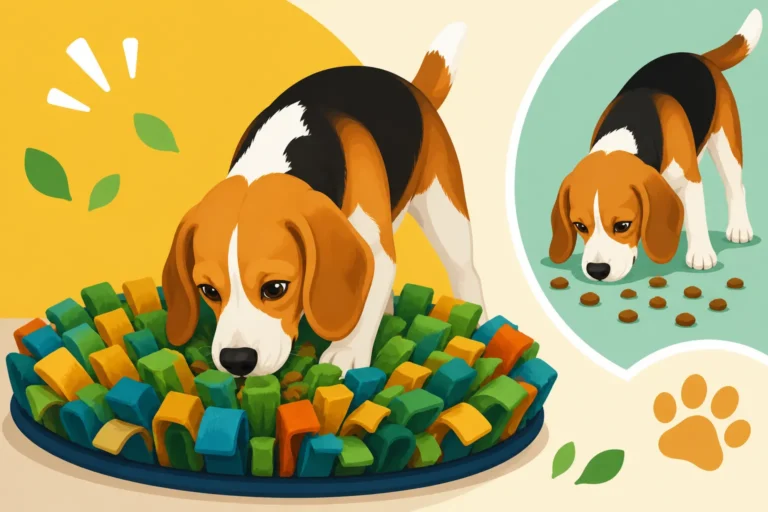
Finally, offer approved sniffing opportunities. Beagles need to sniff; it's how they explore and process the world, and it's incredibly mentally tiring for them. Denying them all sniffing isn't fair or realistic. Instead, choose designated "sniff spots" in safe areas, perhaps a patch of grass in your yard or a clean, empty field. Give them a "Go Sniff!" cue, let them thoroughly explore for a few minutes, then move on. This allows them to satisfy that powerful urge in a controlled way. Engaging in structured scent work games at home, like hiding treats or playing "find it" in a snuffle mat, can also provide a healthy outlet for their incredible nose, reducing the intensity of their drive to scavenge outdoors. For more on this, check out Sniffing Walks and Why They Tire a Beagle Out and Getting a Beagle Started in Nose Work Classes.
Diet, Training, and Professional Help
While instinct and environment play a huge role in scavenging, a holistic approach that considers diet, consistent training, and even professional intervention is often the most effective way to manage this persistent behavior.
Addressing the Root of the Hunger Drive
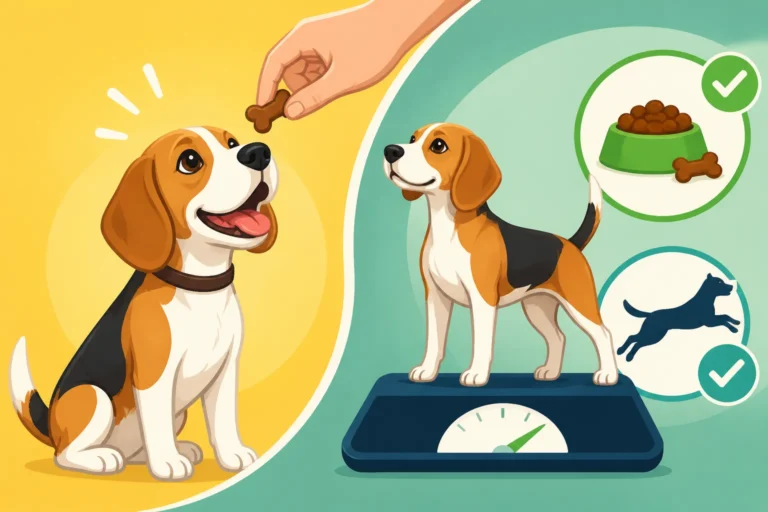
Sometimes, a Beagle's relentless scavenging can stem from more than just instinct; it can be influenced by their diet and overall feeling of satiety. First and foremost, ensure your Beagle is on a balanced, high-quality dog food appropriate for their age, activity level, and weight. Sometimes, if a dog isn't getting enough calories or isn't feeling satisfied by their meals, they might be more driven to seek out additional food sources. Review your feeding routine: are you feeding enough? Are you measuring their food accurately (by weight is often more precise than cups)? While Beagles are notoriously food-motivated, an appropriate diet can help mitigate some of the extreme hunger signals.
Beyond basic nutrition, consider how quickly your Beagle eats their meals. If they're inhaling their food in seconds, they're likely not experiencing the mental satisfaction that comes with eating. Slow feeder bowls or puzzle feeders can extend mealtime, making them work for their food and providing mental enrichment. This can lead to a more satiated feeling, reducing the urgency to find extra snacks on walks. Read more about how to approach this in Feeding a Beagle That Would Happily Eat All Day and Puzzle Feeders That Genuinely Slow a Beagle.
Consistent Training and Positive Reinforcement
Training is an ongoing conversation with your Beagle, not a one-time lesson. The key to tackling scavenging is consistency and making you more rewarding than the ground. Keep training sessions short, fun, and frequent. A few five-minute sessions throughout the day are far more effective than one long, boring one. Always use high-value treats for training, especially when working on "Leave It" and "Drop It" outdoors. What's a high-value treat for a Beagle? Think cooked chicken, cheese, or specialized training treats they rarely get otherwise. These are the rewards that can truly compete with the allure of a discarded hot dog bun. For ideas on what really motivates them, explore The Treats a Beagle Will Work Hardest For.
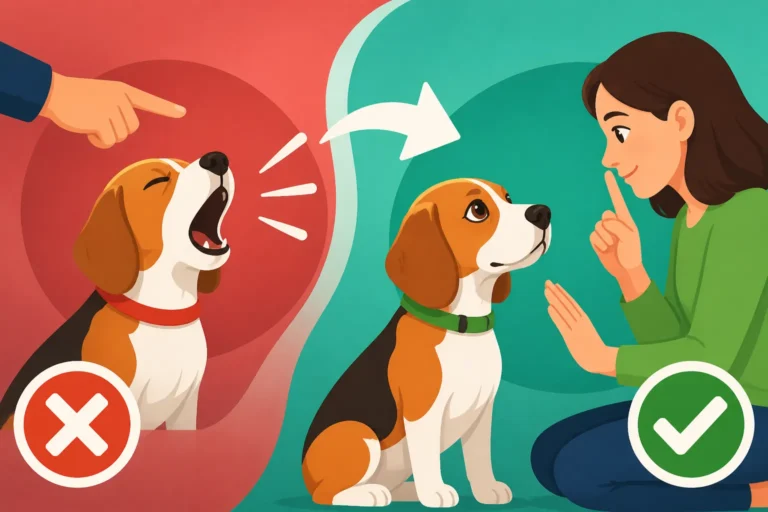
Building focus is another critical aspect. Teach your Beagle a "check-in" cue, where they voluntarily look up at you for a reward. Start this indoors and gradually introduce it outdoors. Every time they make eye contact, even for a second, reward them. This teaches them to pay attention to you even amidst distractions. For structured training, especially for those who need a comprehensive guide, programs like those offered by BAXTER & Bella can provide step-by-step instructions and support to help build these crucial skills and integrate them into your daily routine. The more you reinforce positive attention and obedience, the more your Beagle will naturally look to you for guidance rather than the ground for sustenance.
When to Seek Professional Guidance
For many Beagle owners, consistent training and management will make a huge difference. However, there are times when scavenging becomes an extreme, relentless, or even obsessive behavior that goes beyond typical Beagle antics. If you've tried all the strategies and your Beagle is still managing to ingest dangerous items regularly, or if their scavenging is accompanied by other concerning behaviors like extreme food guarding or anxiety, it might be time to seek professional help.
A certified professional dog trainer, especially one experienced with scent hounds, can assess your specific situation, identify any underlying issues, and provide tailored training plans. They can help you fine-tune your "Leave It" and "Drop It" commands in real-world scenarios and introduce more advanced techniques. In some cases, a veterinary behaviorist might be needed, especially if the scavenging seems compulsive, anxious, or if there are health concerns. They can rule out medical conditions that might be increasing hunger or pica (the ingestion of non-food items) and can prescribe medications if necessary to help manage anxiety or obsessive behaviors. Don't feel like a failure if you need to call in the experts; some behaviors are deeply ingrained, and an extra set of experienced eyes can make all the difference, ensuring your Beagle stays safe and healthy. Learning about Private Trainer Rates for a Beagle can give you an idea of what to expect if you decide to go this route.
Scavenging Management Tools Compared
Here's a quick comparison of some common tools and strategies for managing a scavenging Beagle on walks:
| Strategy/Tool | Description | Pros | Cons | Best Use Case |
|---|---|---|---|---|
| "Leave It" Command | Teaches dog to ignore an item on the ground. | Prevents ingestion, builds impulse control. | Requires consistent training, high-value rewards. | Preventing picks before they happen. |
| "Drop It" Command | Teaches dog to release an item from their mouth. | Essential for emergencies, saves swallowed items. | Requires positive trade, can be tricky with high-value finds. | Retrieving dangerous items already in mouth. |
| Front-Clip Harness | Leash attaches at the chest, redirects pulling. | Better control, reduces forward pulling. | Requires correct fit, not a training solution on its own. | Improving leash manners, gaining control over head direction. |
| Shorter Leash (4ft) | Keeps dog closer to the handler. | Less room for dog to veer off and scavenge quickly. | Can feel restrictive, less sniffing freedom. | High-traffic areas, initial training phases. |
| Basket Muzzle | Allows panting/drinking but prevents ingesting items. | Highly effective for safety, prevents all ingestion. | Requires positive introduction, can draw attention. | Extreme scavengers, high-risk environments, during rehabilitation. |
| Approved Sniffing | Designating safe areas for controlled sniffing. | Satisfies natural instinct, mentally stimulating. | Requires planning, doesn't prevent scavenging in other areas. | Providing an outlet for their nose, mental enrichment. |
Disclaimer
This article is for general informational purposes only and does not constitute professional advice. Laws, prices and regulations vary by location and change over time. Consult a qualified professional for guidance on your specific situation.