The Beagle Food Drive That Empties Your Counters
If you’ve ever owned a Beagle, you know the struggle: you turn your back for a second, and suddenly that freshly baked loaf of bread has vanished from the counter, or the trash can has been expertly raided, its contents strewn across the kitchen floor. It’s a frustrating, sometimes alarming, aspect of living with this wonderful breed, but it's deeply rooted in their instincts. This guide will help you understand why your Beagle is so obsessed with food, and more importantly, how you can manage this powerful drive to protect both your sanity and your beloved hound’s safety.
Understanding the Beagle's Epic Food Drive
Let's be honest, few dogs have a food drive quite like a Beagle. It's not just a love for treats; it's a deep, almost primal obsession that guides much of their behavior. This isn't a flaw in their personality; it's a feature of their breed, honed over centuries of selective breeding. Understanding this foundational aspect of your Beagle is the first step toward living harmoniously with their insatiable appetite.
A Nose Built for Finding Sustenance
Imagine a world where every single scent is a vibrant, compelling story. That's a little bit like what life is for a Beagle. Their noses are truly extraordinary, boasting an estimated 220 million scent receptors, far outstripping ours. This incredible olfactory capability means they can detect even the faintest whiff of food, crumbs, or forgotten morsels that are utterly invisible and undetectable to human senses. The 220 Million Receptors Behind a Beagle's Nose isn't just a fun fact; it's the core of their being.
This isn't merely about finding their next meal. Historically, Beagles were bred to hunt small game like rabbits and hares. Their job was to follow faint scent trails over vast distances, often for hours on end, until they tracked down their quarry. This required an unwavering focus on scent and an intense drive to find the source. In a modern home, that "source" often translates to the forgotten sandwich on the coffee table, the tantalizing aroma wafting from a closed pantry door, or the microscopic drop of gravy on the floor you swore you cleaned. For your Beagle, that faint scent isn't just a suggestion; it's a command, a challenge, an irresistible summons to investigate and, ideally, consume. It’s not "naughty" behavior; it’s instinct manifesting in a domestic setting. They are simply doing what their genes tell them to do, which is to find food, wherever it may be hiding.
The "Always Hungry" Mentality
Beyond their incredible noses, Beagles also possess a remarkable "always hungry" mentality. If you’ve ever watched your Beagle inhale their dinner in under a minute, then look at you with mournful, starving eyes, you know exactly what I mean. This trait also stems from their history as pack hounds. In a pack environment, competition for food was fierce. The dogs that ate quickly and sought out every possible scrap were the ones most likely to survive and thrive. There wasn't time for polite dining; it was a race to get as much as possible before it was gone.
This competitive eating instinct means that many Beagles don't truly register feeling "full" in the same way a less food-motivated breed might. Their bodies are wired to consume calories whenever they are available, a holdover from times when food sources were unpredictable. This can be incredibly frustrating for owners who meticulously measure out meals, only to be met with constant begging or relentless attempts to find more food. You might feel like you're failing them, or that they're never satisfied. It’s important to understand that this isn’t a reflection of your care, but rather a deeply ingrained behavioral pattern. They're not being manipulative; they're simply being Beagles. They'll eat until they're uncomfortably stuffed, and then they'll probably still look for more, because in their ancestral minds, you never know when the next meal will come.
Common Manifestations of the Food Drive
The Beagle's intense food drive doesn't just present as begging at the dinner table. It manifests in a variety of behaviors that can be both endearing and exasperating, often leading to potential hazards in the home. Recognizing these common behaviors is crucial for managing them effectively and keeping your Beagle safe.
The Art of Counter Surfing
Counter surfing is perhaps one of the most infamous Beagle behaviors. Your Beagle might appear perfectly innocent and calm one moment, and the next, they've launched themselves onto the kitchen counter, paws braced, nose vacuuming up whatever edible delights were left within reach. They are remarkably adept at this, often working silently and with surprising agility. Many Beagles learn to use chairs, low tables, or even human legs as launchpads to reach higher surfaces. They observe, they plan, and they execute with precision that would make a seasoned burglar proud.
I've heard countless stories, and lived a few myself, of Beagles making off with entire roast chickens, fresh loaves of bread, sticks of butter, or even a child's forgotten plate of dinner. The speed at which they can consume large quantities of food is astounding. But beyond the annoyance of lost food, counter surfing poses serious dangers. Beagles might ingest items that are toxic to dogs, such as chocolate, onions, or grapes. They could also swallow non-food items like plastic wrap, foil, wooden skewers, or even sharp cutlery, leading to choking, internal injuries, or gastrointestinal blockages. The small moment you turn your back, the time it takes to grab a drink from the fridge, can be all a determined Beagle needs to execute a successful counter raid, leaving behind only crumbs and a deep sense of betrayal.
The Allure of the Trash Can
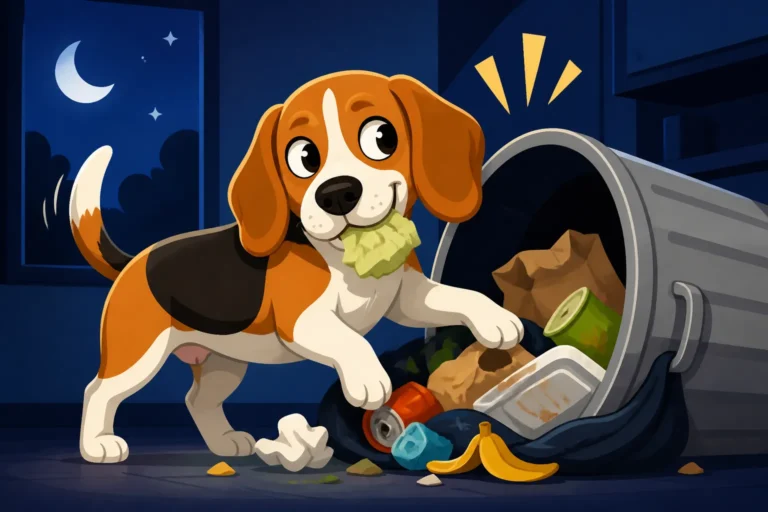
If there's one thing almost as appealing as counter-level food to a Beagle, it's the treasure trove of smells emanating from the trash can. For their super-sensitive noses, a trash can isn't a receptacle for waste; it's a culinary advent calendar, full of yesterday's delicious aromas and potentially forgotten scraps. Even supposedly "secure" trash cans often fall victim to a persistent Beagle. They'll gnaw through plastic, pry open lids, or even tip over heavy cans to get to the aromatic bounty inside.
The risks associated with trash raiding are immense. Beyond the obvious mess, Beagles can ingest a wide array of dangerous items. Leftover bones can splinter and cause internal damage or blockages. Moldy food can contain mycotoxins, which are highly poisonous. Plastic wrappers, aluminum foil, and coffee grounds can also cause issues. Furthermore, many household cleaning products, batteries, or other toxic substances might find their way into the trash, creating a lethal cocktail for a curious hound. The Foods That Are Toxic to a Beagle extend far beyond just human snacks, and trash often contains many such hidden dangers. Imagine waking up to a kitchen that looks like a war zone, not just from scattered trash, but from the terrifying realization that your Beagle might have swallowed something truly harmful.
Scavenging on Walks and in the Yard
The Beagle's food drive doesn't switch off when you step outside the house. In fact, it often intensifies. With their noses glued to the ground, they are constantly scanning for interesting scents, and "interesting" almost always means "edible." Every walk becomes an exercise in vigilance, as your Beagle attempts to hoover up discarded food, fallen fruit, animal feces (a surprisingly common and tempting treat for many dogs), dead critters, or even toxic plants. This incessant ground-sniffing and attempting to eat anything they find is often referred to as scavenging, and it's a powerful force.
The dangers of outdoor scavenging are manifold. Eating discarded human food can lead to gastrointestinal upset, or worse, expose them to toxins or spoiled ingredients. Ingesting animal feces (coprophagia) can transmit parasites, and dead animals can carry diseases. They might also come across rat poison, antifreeze, or other chemicals intentionally or accidentally spilled in yards or public spaces. Many common garden plants are also toxic to dogs. Stopping a Beagle From Eating Things It Finds becomes a full-time job for owners, requiring constant attention and quick reflexes. It's frustrating to constantly pull your dog away from tempting smells, but it's a critical part of keeping them safe in a world not designed for their powerful noses.
Protecting Your Home from a Food-Driven Beagle
Living with a Beagle means you need to adopt a proactive approach to household management. It's not about punishing them for their instincts, but about setting them up for success by removing temptation and creating an environment where their powerful food drive doesn't lead to trouble. This means becoming a master of "Beagle-proofing."
Beagle-Proofing Your Kitchen and Pantry
The kitchen is ground zero for a food-driven Beagle. It's where all the magic happens, and for them, all the potential meals. To truly protect your home and your Beagle, you need to think like a Beagle – what can they reach, what can they smell, and what looks tempting? The first and most critical rule is: never leave food unattended on counters or low surfaces. This includes fresh produce, baked goods cooling on racks, or even dirty plates that haven't been loaded into the dishwasher yet. A Beagle’s opportunistic nature means that even a two-second distraction is an open invitation.
Consider securing your pantry and lower cabinets with child-proof locks or latches. Many Beagles are clever enough to figure out cabinet handles. Keep all food items, especially treats, in airtight containers and stored on high shelves that are truly out of reach. Remember that Beagles can often get creative, using chairs, stools, or even the dog kennel as a stepping stone. Beagle-Proofing a Kitchen Counter requires a vigilant eye and consistent effort. If you have open shelves, consider adding tension rods or small gates to prevent access. It’s an ongoing battle, but with strict management and removal of temptation, you can significantly reduce the chances of a culinary catastrophe.
Securing Trash and Other Temptations
The trash can is another prime target for a Beagle's investigative nose. Standard pedal bins or open-top cans simply won't cut it. You need a trash can with a truly secure, Beagle-proof lid. Look for cans that latch tightly or have a mechanism that prevents them from being tipped over easily. Some owners even resort to keeping their trash cans inside a closed pantry, a mudroom, or even locked in the garage, especially after meals containing particularly aromatic items like meat bones or greasy wrappers.
But don't stop at the kitchen trash. Beagles will explore any interesting scent. This includes bathroom trash cans (where they might find tissues, cotton balls, or hygiene products), laundry hampers (socks and underwear are surprisingly appealing chew toys), and even cat litter boxes (a universally disgusting yet irresistible snack for many dogs). Make sure these areas are also secured or inaccessible. Any strong smell can pique their interest, so consider what other seemingly innocuous items might become a target for their relentless curiosity and stomach. For instance, used coffee filters or tea bags are also surprisingly tempting and potentially harmful.
Managing Food Around Children and Guests
This is where Beagle-proofing gets really tricky. While you can control your own habits, it's harder to manage others, especially small children or well-meaning but oblivious guests. Children, by their nature, are messy eaters and often leave plates or snacks unattended on low tables, or drop food on the floor without realizing the immediate danger it poses. Explaining to a child that their snack disappearing in a flash could make their beloved dog very sick is tough, but necessary. Establishing strict "no food on the floor" rules and teaching children to put their plates directly into the sink is vital.
When you have guests over, a brief but firm explanation about your Beagle's food drive is usually in order. Let them know that your dog is an expert scavenger and that leaving food unattended, even for a moment, is risky. You might need to manage your Beagle’s access to the dining area during meals or when snacks are out. This could mean using a baby gate to keep them in a separate, safe room, or having them on a leash tethered nearby under direct supervision. It's far better to be explicit than to deal with a sick dog or a ruined meal. Consider a visible sign or a gentle reminder to guests to avoid feeding table scraps, no matter how much those big, brown eyes plead.
Training Strategies for a Food-Obsessed Beagle
While physical barriers are essential, training provides the crucial layer of communication and control that empowers your Beagle to make better choices, even when temptation is high. Leveraging their powerful food drive for training, rather than against it, can be incredibly effective.
The Power of "Leave It" and "Drop It"
These two commands are absolute lifesavers for a food-driven Beagle and should be prioritized in their training. "Leave It" teaches your Beagle to ignore an appealing item, while "Drop It" teaches them to release something they already have in their mouth. Start teaching "Leave It" in a low-distraction environment, like your living room. Place a low-value treat on the floor, cover it with your hand, and say "Leave It." As soon as your Beagle looks away from the treat (even for a split second), mark the behavior with a verbal cue like "Yes!" or a clicker, and then immediately reward them with a different, higher-value treat from your other hand. This teaches them that ignoring the forbidden item leads to an even better reward. Gradually increase the difficulty by making the initial treat higher value, uncovering it, and eventually practicing with real-world distractions outside. Beagle Leave It Training With Real Food Down is a skill that takes consistent practice to master.
"Drop It" can be taught similarly. Offer your Beagle a toy they enjoy, and once they've taken it, hold a high-value treat to their nose. As they open their mouth to investigate the treat and drop the toy, say "Drop It," mark the behavior, and give them the treat. Once they've taken the treat, you can then give them their toy back, teaching them that dropping an item doesn't mean it's gone forever. Practice these commands frequently, making them fun and rewarding. Consistency is key, and the rewards for success must always be worth their effort to overcome their powerful instinct.
Using Their Food Drive for Good: Positive Reinforcement
It might seem counterintuitive to use food to train a food-obsessed dog, but it's incredibly effective because it speaks directly to their primary motivation. Beagles are highly food-motivated, which means they are often eager to work for a treat. This makes positive reinforcement training an ideal approach. Every desired behavior – a sit, a stay, a loose-leash walk – can be rewarded with a small, high-value treat, reinforcing the idea that good things happen when they listen to you. Keep training sessions short, frequent, and fun, around 5-10 minutes, multiple times a day. This prevents boredom and keeps them engaged.
A fantastic way to incorporate this is by using a portion of their daily meal as training rewards. Instead of putting their entire dinner in a bowl, use half of it for mini-training sessions throughout the day. This way, you're not adding extra calories, but you're still getting the benefit of their food motivation. Training a Beagle With Its Own Meal Instead of Treats makes every kibble count and teaches them that good things come from cooperation. Many online training programs, like those offered by BAXTER & Bella, emphasize positive reinforcement and leverage a dog's natural drives, including food motivation, to build a strong bond and teach essential skills. Remember, the treat isn't a bribe; it's a paycheck for a job well done.
Impulse Control Exercises
Beyond specific commands, teaching your Beagle general impulse control is crucial for managing their food drive. Impulse control helps them learn to pause, think, and wait for your cue rather than immediately acting on their instincts. A classic exercise is teaching them to wait for their food bowl. Instead of setting it down immediately, make them sit and stay for a few seconds before giving a release cue like "Okay!" or "Eat!" Gradually increase the duration of the wait. This teaches patience and that good things come to those who wait for permission.
Another great impulse control game is "It's Yer Choice." Hold a treat in your closed fist. Your Beagle will likely sniff, paw, or lick your hand. Ignore all these attempts. The moment they pull their nose away or offer even a brief look at you, open your hand and give them the treat. Repeat this, gradually making them wait longer or look at you more explicitly before earning the treat. This teaches them that engaging with you, not the object of desire, is the pathway to reward. Incorporating these simple exercises into daily routines transforms mealtime from a free-for-all into a structured, rewarding experience, reinforcing the idea that you control the valuable resources.
Enriching Your Beagle's Life Beyond Just Eating
While managing their food drive is paramount, it's equally important to enrich your Beagle's life in ways that go beyond just thinking about their next meal. A bored Beagle is often a destructive Beagle, and their intense scent drive, if not channeled, can lead to undesirable behaviors. Providing mental and physical outlets helps satisfy their natural instincts in constructive ways.
Puzzle Feeders and Slow Bowls
One of the best ways to manage a Beagle's tendency to inhale food is to make mealtime a challenge. Puzzle feeders and slow feeder bowls transform eating into a mentally stimulating activity, slowing down their consumption and engaging their brain. Instead of a quick gulp-and-gone meal, your Beagle has to problem-solve, sniff, and manipulate the feeder to get their kibble. This not only prevents indigestion and bloat from eating too fast but also provides a satisfying "job" for their mind.
There's a vast array of options available, easily found on platforms like Amazon. Snuffle mats, for example, are fabric mats with many folds where you can hide kibble, forcing your Beagle to use their nose to find each piece. KONGs and other stuffable toys can be filled with their regular kibble (perhaps moistened and frozen for an extra challenge), turning a meal into a long-lasting project. Slow feeder bowls have raised ridges or mazes that force your Beagle to eat around obstacles, preventing them from gulping down large mouthfuls. Puzzle Feeders That Genuinely Slow a Beagle are an investment that pays off in both behavioral enrichment and digestive health. They turn frantic eating into a calm, engaging activity, satisfying their drive in a healthy way.
Scent Work and Nose Games
Beagles were quite literally bred for their noses. Denying them the opportunity to use this incredible sense is like asking a bird not to fly. Channeling their natural scenting abilities into organized games and activities is a phenomenal way to provide mental enrichment and tire them out more effectively than purely physical exercise. A fifteen-minute scenting session can be as mentally exhausting as a much longer walk, simply because it engages their most powerful sense so deeply.
You can start with simple "find it" games at home. Hide a few high-value treats around a room (initially in obvious spots, then progressively harder) and encourage your Beagle to sniff them out. The "shell game" where you hide a treat under one of three cups is another great beginner nose work game. For a more structured approach, consider enrolling in scent work or nose work classes. These classes teach dogs to find specific target odors, much like detection dogs, and can be incredibly rewarding for both dog and owner. Scent Work as the Job a Beagle Was Built For is not just a pastime; it's fulfilling their deepest purpose. Brands like BAXTER & Bella also offer resources that can help you get started with enriching activities that tap into your Beagle's natural instincts, creating a happier, more fulfilled companion.
Appropriate Chews and Dental Care
Beagles love to chew, and providing appropriate, safe chews is another way to satisfy their oral fixation and redirect their chewing impulses away from your furniture or, worse, dangerous items they find. Chewing is a natural, stress-relieving activity for dogs, and for Beagles, it's often tied into their food drive—if they can't eat it, they'll often try to chew it. Choose chews that are appropriately sized for your Beagle, durable, and pose minimal choking risk. Avoid anything too hard that could break teeth, or too small that could be swallowed whole.
Look for long-lasting chews like bully sticks, natural dental chews, or even certain brands of durable rubber chew toys (often found on Amazon) designed to withstand powerful chewers. Always supervise your Beagle with new chews to ensure they are safe. Beyond satisfying their urge to chew, these items also contribute to their dental health by helping to scrape away plaque and tartar. Chews a Beagle Cannot Swallow in One Go are a much safer alternative to bones or sticks found outside. Regular dental care, including brushing their teeth, is also crucial, as Beagles can be prone to Beagle Dental Care Across Fifteen Years. A good chew routine can be a valuable part of both their mental enrichment and their oral hygiene.
Managing a Beagle's Weight with a High Food Drive
One of the biggest challenges for Beagle owners is keeping their beloved hounds at a healthy weight. Their insatiable food drive, combined with their propensity for rapid weight gain, makes obesity a constant threat. Managing their weight requires a dedicated, consistent approach to diet and exercise.
Precise Portion Control and Calorie Management
Given their "always hungry" mentality, free-feeding a Beagle (leaving food out all day) is almost guaranteed to lead to obesity. Instead, precise portion control is essential. This means measuring your Beagle’s food accurately, not just by volume (cups) but ideally by weight using a kitchen scale. Different kibbles have different calorie densities, and a measuring cup can be notoriously inaccurate. Measuring Beagle Food by Weight Rather Than Cups ensures that you are giving them the exact amount of calories they need.
Your Beagle’s daily calorie needs will depend on their age, activity level, and whether they are spayed or neutered. Adult Beagles generally need fewer calories than intact ones, and less active seniors need less than a playful youngster. Consult your veterinarian for an ideal target weight and daily calorie intake. Once you have that number, stick to it rigorously. Split their daily allowance into two smaller meals to help manage hunger pangs throughout the day. It might feel like you're starving them when they give you those sad, pleading eyes, but you are actually doing them a great service by preventing obesity, which can lead to a host of health problems.
Healthy Treat Alternatives and Low-Calorie Fillers
Training a Beagle often involves many repetitions and many treats. If you're using high-calorie treats, those extra calories can quickly add up and sabotage your weight management efforts. Look for tiny, low-calorie training treats – the smaller, the better. Many brands offer "mini" or "training" specific treats. Better yet, consider using healthy, low-calorie human foods as treats. Small pieces of carrots, green beans, or plain, cooked pumpkin are often enthusiastically accepted by Beagles and add very few calories. Treats Small Enough for a Hundred Beagle Repetitions allow you to reward frequently without overfeeding.
You can also use low-calorie fillers to bulk out their regular meals, making them feel more satisfied without adding excessive calories. For example, adding a tablespoon of plain canned pumpkin (not pie filling!) or steamed green beans to their kibble can add fiber and volume. This can trick their brain into feeling fuller, longer. It's about being creative and strategic with every calorie they consume. Always remember, every treat counts towards their total daily calorie intake, so budget accordingly.
Consistent Exercise for Energy Expenditure
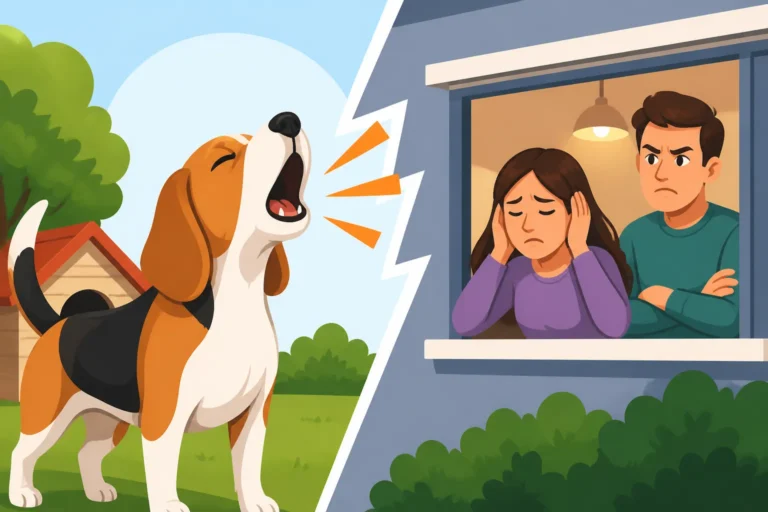
Diet alone isn't enough for a Beagle; consistent, engaging exercise is equally vital for managing their weight and their abundant energy. Beagles are active dogs, bred for endurance, and they need more than a quick stroll around the block. Without sufficient exercise, they not only gain weight but can also become bored and destructive, channeling their pent-up energy into unwanted behaviors like excessive baying or chewing.
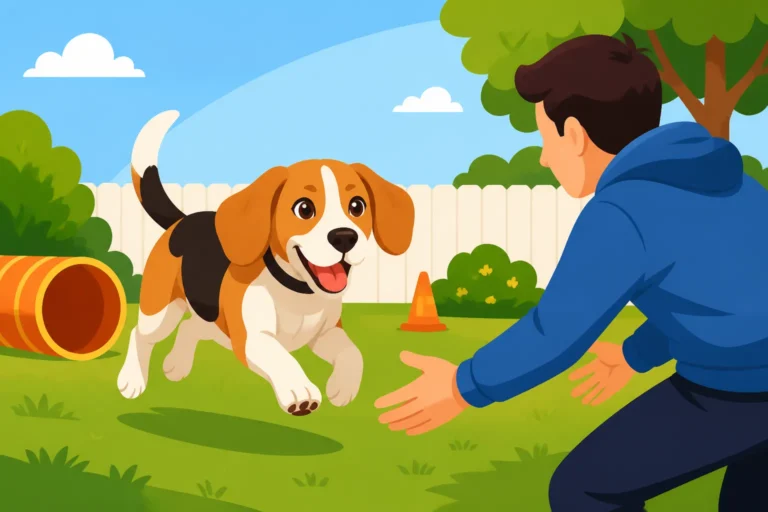
Aim for at least 60-90 minutes of moderate to vigorous exercise daily, broken into multiple sessions. This can include brisk walks, controlled off-leash play in a securely fenced area, or interactive games like fetch. However, for a Beagle, nothing truly tires them out like using their nose. Scent Walks That Wear a Beagle Out are incredibly effective. Letting them sniff and explore on a long line in a safe area provides immense mental stimulation alongside physical activity. This type of exercise is crucial for preventing obesity, which is a major contributing factor to serious health issues such as Beagle Arthritis That Starts in Middle Age, Beagle Diabetes and Blood Sugar Control, and puts extra strain on their spine. Making exercise a consistent, joyful part of their day is key to a healthy, happy Beagle.
When the Food Drive Becomes a Health Risk
While managing a Beagle's food drive is often about preventing minor annoyances, there are critical times when their indiscriminate eating habits can pose severe, even life-threatening, health risks. Knowing the warning signs and emergency protocols is crucial for any Beagle owner.
Recognizing Signs of Ingestion and Obstruction
Beagles are notorious for eating things they shouldn't, from socks to rocks, corn cobs to peach pits. When they swallow something indigestible, it can lead to a foreign body obstruction, a medical emergency. Signs of an obstruction can vary depending on where the item is lodged and how long it's been there, but they typically include:
- Repeated vomiting, especially if it's projectile or your Beagle is trying to vomit but nothing comes up.
- Lethargy and unusual weakness.
- Loss of appetite and refusing even favorite treats.
- Abdominal pain or tenderness (your Beagle might resist being touched around their belly).
- Straining to defecate or producing little to no stool.
- Changes in behavior, such as hiding or whimpering.
If you suspect your Beagle has swallowed something dangerous, do not wait. Foreign bodies can cause severe damage to the digestive tract, lead to perforations, or cut off blood supply to parts of the intestine, quickly becoming fatal. Beagle Emergency Signs That Cannot Wait Until Morning should prompt an immediate call to your veterinarian or an emergency veterinary clinic. Time is of the essence in these situations.
Toxic Foods and Emergency Protocols
Beyond indigestible objects, many common human foods and household substances are highly toxic to dogs, and a Beagle's food drive makes them particularly vulnerable. It's not just the obvious things like chocolate and xylitol (found in many sugar-free products); grapes, raisins, onions, garlic, macadamia nuts, avocado, and even certain common houseplants can be poisonous. While we covered some The Foods That Are Toxic to a Beagle earlier, it bears repeating the importance of vigilance.
If you know or suspect your Beagle has ingested a toxic substance, act immediately. Do not wait for symptoms to appear. The first step is always to call your veterinarian or a pet poison control hotline (like the ASPCA Animal Poison Control Center). They can provide specific instructions based on what was ingested, how much, and your dog's size. They may advise you to induce vomiting at home (only if instructed, as it can be dangerous with certain toxins) or to bring your Beagle in for immediate treatment. Having these emergency numbers readily available and being able to calmly explain the situation can make a critical difference in the outcome. What to Do When a Beagle Eats Something Toxic is information every Beagle owner should be prepared to act upon.
Understanding Resource Guarding
In some cases, a Beagle's intense food drive can extend beyond simply seeking food to aggressively protecting it. This behavior is called resource guarding, and it's when a dog perceives a threat to a valuable item (food, toys, a favorite sleeping spot) and reacts with growling, snapping, or even biting to keep others away. For a food-driven Beagle, their food bowl, a high-value chew, or even a dropped crumb can become a fiercely guarded resource.
Signs of resource guarding can include freezing over food, growling when approached while eating, stiffening their body, eating faster when someone comes near, or even snapping at a person or another pet who gets too close to their perceived treasure. This behavior is serious and should not be ignored or punished aggressively, as it can escalate the problem. Instead, seek guidance from a professional dog trainer or veterinary behaviorist. They can help you implement safe, positive reinforcement strategies to desensitize your Beagle and teach them that human approach means good things (like more food or trading for an even better treat), rather than a threat. Beagle Resource Guarding at the Food Bowl is a complex issue, but with expert help, it can often be managed safely, ensuring a secure environment for both your Beagle and your family.
Disclaimer
This article is for general informational purposes only and does not constitute professional advice. Laws, prices and regulations vary by location and change over time. Consult a qualified professional for guidance on your specific situation.