Testing a Beagle Thyroid at Two Years Old
It's a familiar scenario for many Beagle owners: your lively, food-motivated companion seems to be thriving, perhaps a little chunky, but otherwise full of mischief and sniff-driven adventures. Yet, as they approach their second birthday, you might start hearing about the importance of thyroid testing. It can feel confusing or even unnecessary if you don't see any obvious problems, but many subtle changes can begin around this age that hint at underlying issues. This guide will walk you through why testing your Beagle's thyroid around two years old is a proactive and often crucial step, what that testing entails, and how to interpret the results for your beloved hound.
Why Two Years Old is a Critical Thyroid Testing Window for Beagles
Many Beagle parents scratch their heads when their vet suggests thyroid testing for a seemingly healthy two-year-old. After all, two years isn't exactly "senior" age for a Beagle, right? But for Beagles, this age often marks a significant period when certain breed-specific health concerns, particularly hypothyroidism, can start to manifest, even subtly. It's a sweet spot for early detection that can make a world of difference in your dog's long-term health and quality of life. Beagles are, unfortunately, predisposed to thyroid issues, and catching these conditions early means you can start managing them before they seriously impact your dog.
Understanding Beagle Hypothyroidism
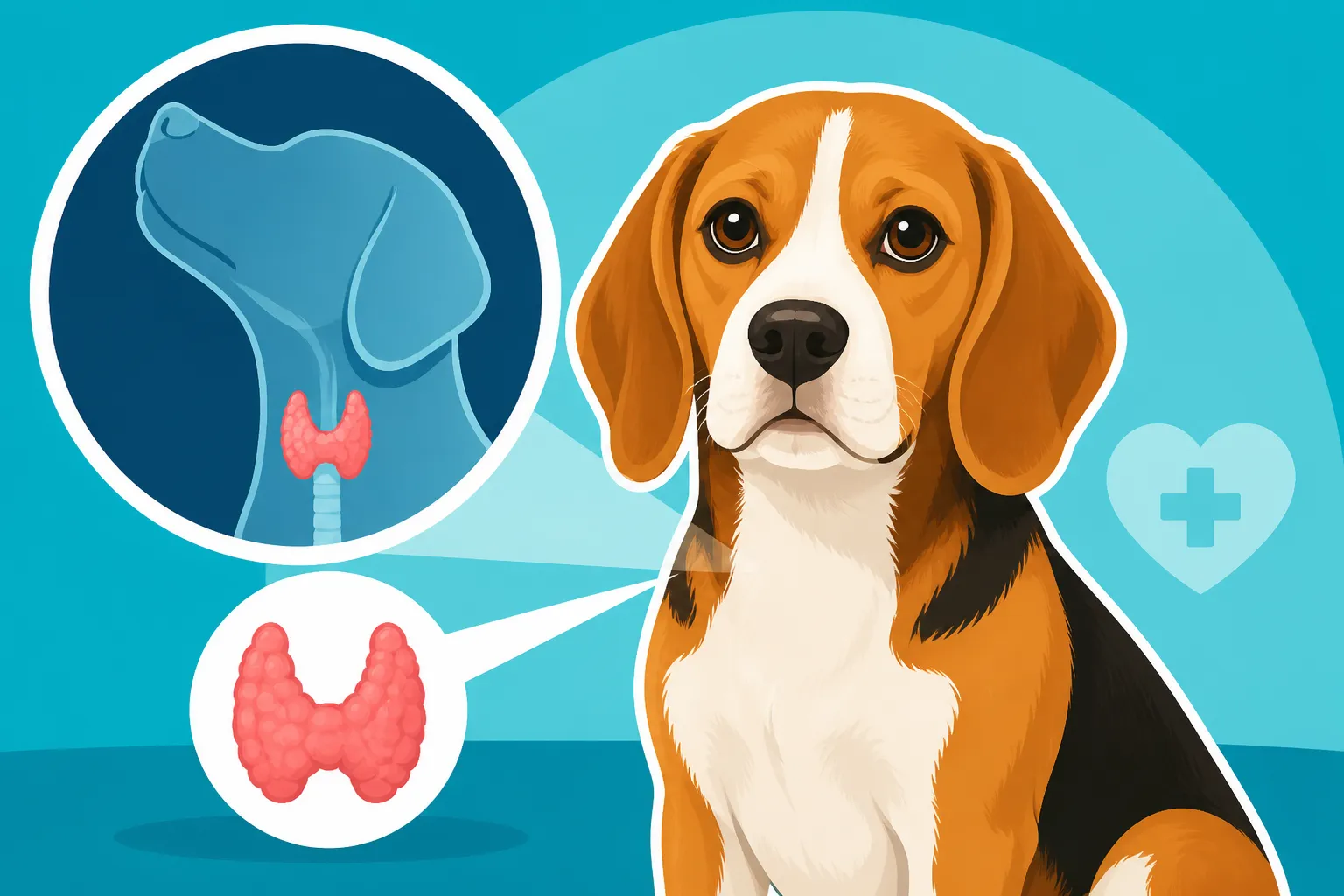
Hypothyroidism in Beagles is a condition where the thyroid gland, located in the neck, doesn't produce enough thyroid hormones. These hormones are absolutely vital for regulating metabolism, energy levels, body temperature, and even skin and coat health. When there aren't enough, everything starts to slow down. While a full-blown case with classic symptoms might not appear until later, the underlying hormonal imbalance can begin much earlier. Imagine your Beagle's internal systems running on low battery – that's essentially what happens with hypothyroidism. They might not seem overtly sick, but their body isn't functioning optimally.
For a breed as famously energetic and food-driven as a Beagle, a subtle dip in metabolism can initially be dismissed as just "getting older" or "being a little lazy today." Owners might attribute a slight weight gain to overfeeding or a less shiny coat to seasonal changes. However, these seemingly minor shifts can be the early whispers of a thyroid problem. Because the signs are often vague in the early stages, relying solely on observable symptoms can delay diagnosis and treatment. Early intervention is key, as untreated hypothyroidism can lead to a host of more severe health problems down the line, affecting everything from heart health to neurological function. Understanding this predisposition is why proactive testing at two years old isn't just a suggestion; it's a strategic move for your Beagle's well-being. You can learn more about this by reading our article on Beagle Hypothyroidism and the Weight It Puts On
The Genetic Component and Early Detection
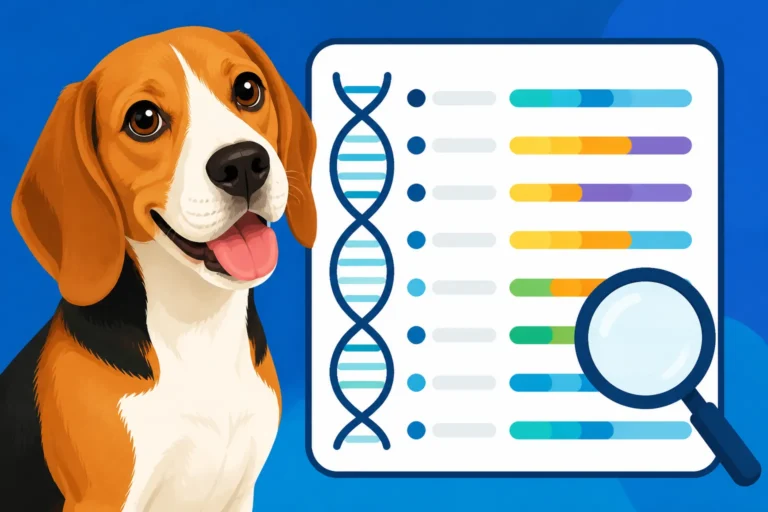
The reason two years old is often highlighted for thyroid testing in Beagles isn't arbitrary; it ties directly into the genetic components of the disease. Hypothyroidism in Beagles often has an inherited basis. Certain genetic markers and predispositions mean that while not every Beagle will develop it, those who carry the genes are at a higher risk. This is why responsible breeders often screen their breeding stock for thyroid issues, as part of comprehensive Beagle Health Testing Under CHIC Even with careful breeding, the condition can emerge.
At around two years of age, Beagles are typically past their rapid growth phase and settling into adulthood. Their endocrine system, including the thyroid, is generally mature enough that if an underlying genetic predisposition is going to manifest as a hormonal imbalance, it often starts to become detectable in blood work. Testing at this stage provides a baseline and can flag issues before they become clinically obvious. It's a proactive measure, much like getting regular check-ups for ourselves, even when we feel fine. Catching it early allows for a smoother transition to medication if needed, preventing potential organ damage or more pronounced clinical signs. This early detection helps manage the disease effectively, keeping your Beagle feeling its best and extending their healthy lifespan.
What a Thyroid Test Involves and What the Results Mean
So, you've decided to move forward with thyroid testing. What does that actually look like for your Beagle, and what on earth do all those numbers on the report mean? It's much simpler than it sounds, and your vet will guide you through the process. Essentially, it involves a routine blood draw, but the interpretation requires a good understanding of what the different thyroid hormones do and what their levels signify.
The Bloodwork Breakdown: T4, Free T4, and TSH
When your vet runs a thyroid panel for your Beagle, they're typically looking at a few key hormones in the blood. The most common are Total T4 (Thyroxine), Free T4, and TSH (Thyroid-Stimulating Hormone). Each tells a slightly different part of the story about your Beagle's thyroid function.
- Total T4 (Thyroxine): This is often the first test run. T4 is the main hormone produced by the thyroid gland. A low T4 level can suggest hypothyroidism, but it can also be influenced by other non-thyroid illnesses, certain medications (like steroids), or even diet. It's a good starting point but rarely tells the whole story on its own.
- Free T4: This measures the amount of T4 that is "free" or unbound in the blood, meaning it's biologically active and available to the body's tissues. Unlike total T4, Free T4 is less affected by non-thyroid factors and is generally considered a more accurate indicator of actual thyroid function. If your vet suspects hypothyroidism, a low Free T4 is a stronger indicator.
- TSH (Thyroid-Stimulating Hormone): Produced by the pituitary gland in the brain, TSH tells the thyroid gland when to produce and release more T4. In cases of primary hypothyroidism, where the thyroid itself isn't working properly, the pituitary gland will produce more TSH in an attempt to kick the sluggish thyroid into action. So, a high TSH level, especially in combination with a low T4 and/or Free T4, is a strong indicator of hypothyroidism.
Together, these values give your vet a comprehensive picture. Think of it like a conversation: T4/Free T4 is what the thyroid is saying, and TSH is what the brain is telling the thyroid to say. If the thyroid is quiet (low T4/Free T4) and the brain is yelling (high TSH), then there's likely a problem with the thyroid itself.
Here's a simplified look at what these values typically mean:
| Hormone | Low Level Signifies | Normal Level Signifies | High Level Signifies |
|---|---|---|---|
| Total T4 | Potential Hypothyroidism (or non-thyroid illness/meds) | Healthy Thyroid Function | Possible Hyperthyroidism (rare in dogs) or other issues |
| Free T4 | Stronger Indicator of Hypothyroidism | Healthy Thyroid Function | Possible Hyperthyroidism (rare in dogs) |
| TSH | Rare (often hyperthyroidism if T4 is high) | Healthy Thyroid Function | Primary Hypothyroidism (pituitary compensating for underactive thyroid) |
Interpreting Borderline or Abnormal Results
Sometimes, the results aren't a clear-cut "yes, your Beagle has hypothyroidism" or "no, everything's perfectly fine." You might get what's called a "borderline" result, or one value might be off while others are normal. This is where your vet's expertise truly shines.
- Borderline Low T4/Free T4 with Normal TSH: This can be tricky. It might mean very early stages of hypothyroidism, or it could be a transient issue. Your vet might suggest retesting in a few months, or perhaps running additional tests like a thyroid antibody test (TgAA, for thyroglobulin autoantibodies) to see if the body is attacking its own thyroid gland, which is common in autoimmune thyroiditis – the most common cause of canine hypothyroidism.
- Low T4/Free T4 with High TSH: This is usually a definitive diagnosis of primary hypothyroidism. The high TSH indicates that the pituitary gland is working overtime to stimulate a thyroid that simply isn't responding adequately. In this case, medication is almost certainly recommended.
- Low T4/Free T4 with Normal or Low TSH: This can indicate what's called "secondary hypothyroidism" (a problem with the pituitary gland, which is rare) or "euthyroid sick syndrome," where a non-thyroid illness is temporarily suppressing thyroid hormone levels. Your vet would then investigate other health issues your Beagle might have.
It's important not to jump to conclusions based on one number. Your vet will consider the entire picture: your Beagle's age, breed, any subtle symptoms you might be noticing (even if you haven't explicitly linked them to thyroid issues), and the overall health assessment. If a diagnosis is made, don't panic! Hypothyroidism is highly manageable with daily oral medication, typically levothyroxine. Your Beagle will likely need lifelong medication and regular blood tests to monitor their levels and adjust the dosage, but with proper care, they can live a full, happy, and healthy life. This is also where an investment in pet insurance, like a plan from Healthy Paws, can really make a difference, as long-term medication costs can add up.
Beyond the Test: Recognizing Hypothyroidism Symptoms in Beagles
Even with proactive testing, it's crucial for Beagle owners to be keenly aware of the subtle signs that can point towards hypothyroidism. These symptoms can be insidious, creeping in so slowly that you might not even realize they’re happening until they’re quite advanced. Since Beagles are naturally hearty and often quite stoic, they might not outwardly show discomfort until a condition is well-established. Paying attention to these often-missed cues, especially around the two-year mark, can help you advocate for your dog's health. You can find more comprehensive information on this topic in our guide Beagle Hypothyroidism Symptoms Owners Notice First.
Subtle Behavioral and Energy Changes
One of the trickiest aspects of detecting early hypothyroidism in Beagles is that the first signs are often behavioral and can easily be mistaken for normal aging, laziness, or just a shift in personality. Remember that two-year-old Beagles are still relatively young, often full of zest.
- Lethargy and Decreased Activity: Is your typically energetic Beagle suddenly less enthusiastic about walks? Are they sleeping more than usual, even after adequate rest? Do they seem to tire out more quickly during play? While all dogs slow down a bit as they mature, a marked decrease in energy that seems out of character could be a red flag. They might not want to chase that squirrel quite as vigorously or might abandon a scent trail sooner than they used to. This isn't just about being "lazy"; it's about their body not having the metabolic energy to sustain their usual Beagle enthusiasm. This Beagle Lethargy That Turns Out to Be Thyroid guide offers more insights.
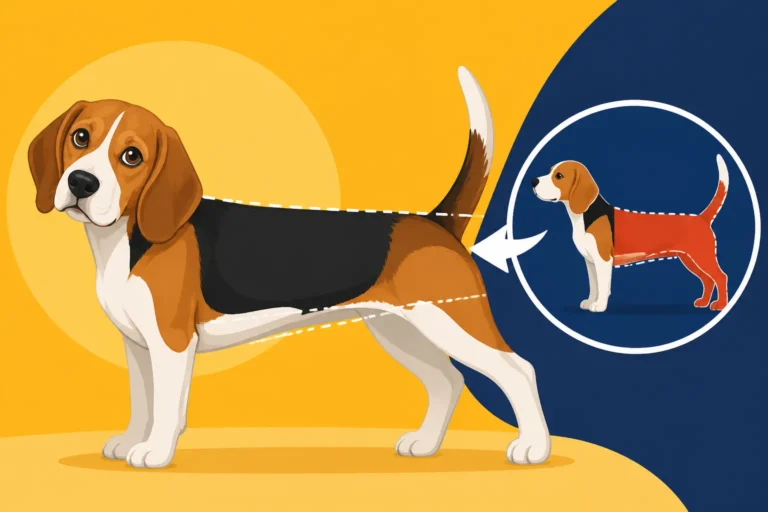
- Weight Gain Without Increased Food Intake: Beagles are notorious for their love of food, so weight gain is often attributed to simply "eating too much." However, if your Beagle starts packing on pounds despite their diet and exercise routine remaining consistent (or even if you've already started to cut back slightly), it’s a significant warning sign. Their metabolism is slowing down, meaning they're burning fewer calories. You might notice them looking a bit rounder, or their harness fitting a little tighter. This isn't just a cosmetic issue; Beagle Obesity Treated as a Health Problem can lead to a host of other serious conditions.
- Mental Dullness or Reduced Alertness: Hypothyroidism can affect neurological function. You might notice your Beagle seems a bit "off" – less responsive to commands, slower to react, or not as sharp as they once were. Their famous Beagle curiosity might diminish, or they might seem less engaged with their environment. While this can be a difficult symptom to pinpoint, especially if it develops slowly, a discerning owner might notice a subtle shift in their dog's usual bright-eyed, bushy-tailed demeanor.
These changes are often so gradual that they become the "new normal" before an owner realizes something is truly amiss. That's why being proactive with testing and keeping a keen eye on even minor shifts in behavior is paramount.
Physical Clues: Coat, Skin, and Weight
Beyond the behavioral changes, hypothyroidism often leaves its mark on a Beagle's physical appearance, particularly their skin and coat. These are often some of the most visible, albeit still subtle, indicators.
- Coat and Skin Changes: One of the hallmark signs of hypothyroidism is a dull, dry, brittle coat that may thin out, particularly on the flanks, tail, and back of the thighs. You might notice Beagle Hair Loss Traced Back to the Thyroid, especially in areas of friction or pressure points. Some Beagles might develop what's called a "rat tail" or "bald tail," where the hair on the tail thins dramatically. While Beagles do shed, excessive or unusual shedding, or a coat that simply doesn't feel or look as healthy as it used to, warrants investigation.
- Puffy Face or "Tragic Expression": In more advanced cases, some hypothyroid Beagles develop a characteristic puffiness or swelling, particularly around the face and eyes, leading to what some describe as a "tragic" or "sad" expression. This is due to a buildup of mucin under the skin. While less common in the early stages, it's a distinct physical change that can develop over time.
- Intolerance to Cold: Thyroid hormones play a crucial role in regulating body temperature. A hypothyroid Beagle might become more sensitive to cold, seeking out warm spots or shivering more easily than usual, even in moderately cool temperatures. This might manifest as them being more reluctant to go outside on chilly days or burrowing under blankets more often.
- Brittle Nails: Some owners report that their hypothyroid Beagle's nails become more brittle or grow more slowly. While this is a less common or specific sign, it can be another piece of the puzzle when combined with other symptoms.
It's vital to remember that these symptoms can also be indicative of other health problems. However, when multiple subtle signs start to align, especially in a two-year-old Beagle, it strongly suggests the need for thyroid testing. Early recognition combined with timely veterinary care ensures that if it is hypothyroidism, your Beagle can get the treatment they need to reverse these uncomfortable and unhealthy changes.
Proactive Thyroid Care and Management for Your Beagle
Getting a thyroid diagnosis for your two-year-old Beagle can feel daunting, but it's important to remember that hypothyroidism is one of the most manageable chronic conditions in veterinary medicine. The key is consistent, proactive care. Once diagnosed, your vet will work with you to create a management plan that typically involves medication and regular monitoring. This isn't just about managing symptoms; it's about restoring your Beagle's metabolic balance and preventing future health complications.
Long-Term Monitoring and Follow-Up
A diagnosis of hypothyroidism means your Beagle will likely need lifelong medication, usually a synthetic thyroid hormone called levothyroxine. The initial dosage is often an educated guess based on weight, and then it's fine-tuned through careful monitoring.
- Initial Follow-Up Tests: Typically, your vet will want to recheck your Beagle's thyroid levels (often a T4 or Free T4) about 4-8 weeks after starting medication or after any dosage change. This blood test is crucial to ensure the medication is bringing their hormone levels back into the normal range. Often, it's timed a few hours after their morning dose to check "peak" levels.
- Regular Maintenance Checks: Once stable, your Beagle will still need routine blood tests, usually every 6-12 months, to ensure their dosage remains appropriate. Factors like age, weight changes, or other health issues can affect how much medication they need. These regular checks are vital for maintaining optimal health and preventing hormone levels from drifting too low or too high again.
- Symptom Awareness: Even with regular testing, continue to be vigilant for any return of symptoms. If your Beagle starts to gain weight, seems more lethargic, or their coat dulls, it could mean their medication needs adjustment, and an earlier retest might be in order. What Happens If a Beagle Stops Thyroid Medication can give you a clear picture of how quickly symptoms can return if treatment is interrupted.
Long-term management also means keeping clear records of your Beagle's medication schedule, dosage, and any observed changes in behavior or physical condition. This information is invaluable to your vet in making informed decisions about their care.
Lifestyle Adjustments and Medication Considerations
Managing hypothyroidism goes beyond just popping a pill; it often involves some practical lifestyle adjustments to support your Beagle's overall health, especially since Beagle Obesity and the Diseases It Brings On is a common companion to this condition.
- Medication Administration: Levothyroxine is typically given once or twice a day, usually on an empty stomach, to ensure proper absorption. Your vet will advise on the best timing. Consistency is key – try to give it at the same time every day. Never skip doses or change the dosage without consulting your vet.
- Weight Management: If your Beagle gained weight due to hypothyroidism, addressing that is a critical part of their recovery. Even with medication, if calorie intake isn't managed, the weight won't magically disappear. Work with your vet to establish a healthy weight goal and a feeding plan. This might involve switching to a lower-calorie food, carefully measuring portions, and increasing exercise. Remember, Beagles are highly food-motivated, so incorporating puzzle feeders and healthy, low-calorie treats can make this easier.
- Exercise Routine: As their energy levels return, ensure your Beagle gets plenty of appropriate exercise. This will help with weight management, muscle tone, and mental stimulation. Regular walks, sniffari opportunities, and playtime are crucial.
- Nutritional Support: While medication is the primary treatment, a balanced, high-quality diet is always beneficial. Discuss any dietary concerns with your vet, especially if your Beagle has other health issues.
- Financial Planning: Lifelong medication and regular vet visits can add up. Understanding The Yearly Cost of Keeping a Beagle will help you budget effectively. This is where pet insurance, like a comprehensive plan from Healthy Paws, can provide significant financial relief. If you enroll your Beagle before a diagnosis, the policy would typically cover the ongoing costs of medication and monitoring, turning a potentially large expense into a manageable monthly premium and deductible. This proactive financial planning ensures you can always afford the best care for your Beagle, from initial diagnosis through their senior years, which are covered in our Senior Beagle Care After the Age of Ten article.
In essence, testing your Beagle's thyroid at two years old is an act of love and responsible pet ownership. It's about looking ahead, preparing for potential challenges, and ensuring your beloved hound has every opportunity to live a long, happy, and healthy life free from the subtle, yet pervasive, effects of untreated hormonal imbalances.
Disclaimer
This article is intended for informational purposes only and is not a substitute for professional veterinary advice. Always consult with a qualified veterinarian regarding any health concerns or before making any decisions about your pet's medical care or treatment plan.