A Beagle Walking Wobbly and What It Means
It's incredibly unsettling to watch your usually spirited Beagle suddenly struggle to walk, appearing wobbly or uncoordinated. One moment they're chasing a scent with their usual boundless energy, and the next, they're stumbling, swaying, or even dragging their paws. This guide will walk you through understanding what a "wobbly walk" can signify in a Beagle, exploring the common causes behind it, and most importantly, when you need to drop everything and head straight to the vet.
Decoding Your Beagle's Wobbly Walk: What It Looks Like and What It Means
When we talk about a "wobbly walk," it's a broad term that can encompass a lot of different movements, or lack thereof. As pet parents, we often just know something isn't right, but being able to describe it accurately to your vet can make a huge difference in pinpointing the issue quickly. Beagles are typically agile and move with purpose, their noses guiding them, so any noticeable deviation from this can be a real alarm bell.
Identifying Different Types of Wobbly Gait Ataxia, Weakness, Proprioceptive Deficits
A "wobbly walk" isn't a single condition, but rather a symptom that can manifest in several distinct ways, each pointing to different underlying problems. Understanding these nuances can help you describe what you're seeing to your veterinarian with greater accuracy.
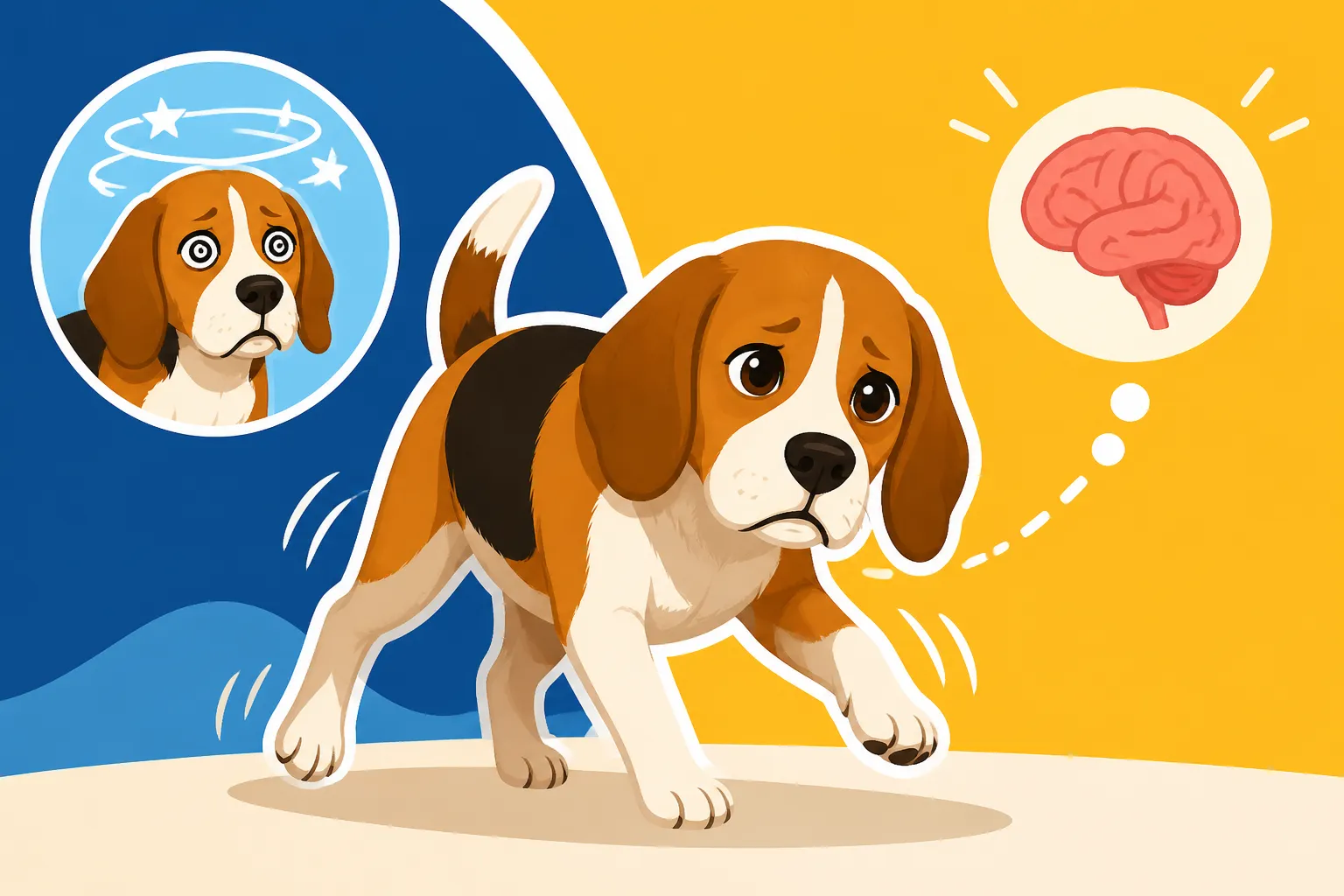
Firstly, there's ataxia, which is essentially a lack of voluntary coordination of muscle movements. If your Beagle has ataxia, they might look like they're drunk. Their steps could be exaggerated, uneven, or they might swing their limbs wide. You might notice them losing balance easily, swaying from side to side, or having trouble judging distances, perhaps bumping into furniture. Ataxia typically points to issues within the nervous system—specifically the cerebellum (which controls coordination), the vestibular system (which controls balance), or the sensory nerves that tell the brain where the body is in space. It's a significant red flag because it often indicates a neurological problem.
Then there's general weakness, which is different from ataxia. A weak Beagle might simply struggle to lift their paws, drag their feet, or have difficulty supporting their own weight. They might stumble not because they're uncoordinated, but because their muscles just don't have the strength to complete the movement. This often presents as hind leg weakness, making it hard for them to jump up onto the couch or climb stairs. This could be due to pain, muscle disease, or even something as common as arthritis. If you notice your Beagle's hind leg weakness, it's worth considering possibilities like Beagle Arthritis Arriving in Middle Age or other joint issues.
Finally, we have proprioceptive deficits. Proprioception is your dog's sense of where their body parts are in space without looking. If a Beagle has a proprioceptive deficit, they might knuckle over on their paws, especially the back ones, or not realize their foot isn't placed correctly. You might see them standing with their paws tucked under or dragging the tops of their nails on the ground, leading to scuffing. This type of wobbly gait specifically suggests a problem with the spinal cord or the nerves that send position information to the brain. It's a subtle sign but a crucial one for diagnosis.
The Urgency Scale: From Mild Wobble to Complete Loss of Coordination
It's natural to panic a little when you see your Beagle walking strangely, but recognizing the severity of the wobble can help you prioritize your next steps. Not all wobbly walks are immediate life-or-death emergencies, but all warrant a veterinary visit.
A mild, intermittent wobble might be something you notice after a particularly long walk, or when your Beagle first wakes up. Perhaps they take a few unsteady steps, then seem to "shake it off." This could be a sign of early arthritis, minor muscle strain, or even just fatigue. While it doesn't usually require an emergency visit, it certainly warrants a call to your regular vet to schedule an appointment soon. Keeping a journal of when these episodes occur, how long they last, and what might trigger them can be incredibly helpful for your vet.
On the other hand, a sudden, severe wobble where your Beagle can barely stand, is falling over, or can't move their limbs properly, is an immediate emergency. If they're disoriented, circling uncontrollably, or completely unable to bear weight, this isn't something that can wait. This level of unsteadiness could indicate a stroke, severe spinal cord injury, a vestibular crisis, or even poisoning. In such cases, time is of the essence, and you need to get your Beagle to an emergency vet clinic right away. Look for signs like a head tilt, involuntary eye movements (nystagmus), or sudden weakness in all four limbs.
Any progression from a mild wobble to a more pronounced, consistent unsteadiness also moves up the urgency scale. If your Beagle's condition is deteriorating over hours or days, even if it started mildly, it's important to get them seen quickly. Early intervention can often lead to better outcomes, especially with spinal or neurological conditions. Never underestimate the importance of your gut feeling – if something feels truly wrong, it probably is.
Potential Causes Behind Your Beagle's Unsteady Steps
The cheerful, tail-wagging Beagle is known for its robust constitution, but like all breeds, they are prone to certain health issues that can manifest as an unsteady gait. Their keen sense of smell often keeps their noses to the ground, and their energetic nature can sometimes lead to injuries. Understanding the various reasons why a Beagle might start walking wobbly can prepare you for discussions with your vet.
Neurological Culprits: Spine, Brain, and Nerve Issues
Many causes of a wobbly walk stem from problems within the nervous system, which is a complex network controlling everything from balance to muscle movement. For Beagles, some specific neurological conditions are more prevalent.
One of the most common and concerning causes for an unsteady gait, especially in their hindquarters, is Beagle Back Problems and Intervertebral Disc Disease (IVDD). Beagles are predisposed to disc problems due to their slightly longer backs. Imagine the discs between their vertebrae as tiny jelly donuts; if one ruptures or bulges, it can press on the spinal cord, causing pain, weakness, and loss of coordination in the legs. You might notice your Beagle moving stiffly, reluctant to jump, yelping when touched, or showing Beagle Neck Pain and a Head Held Low. The severity can range from mild wobbliness to complete paralysis, often starting with just a subtle unsteadiness.
Beyond the spine, issues in the brain or inner ear can also cause profound wobbliness. The vestibular system, located in the inner ear and parts of the brain, is responsible for balance. If this system goes awry, your Beagle might suddenly develop a head tilt, walk in circles, or appear very disoriented. This is often termed "canine idiopathic vestibular disease" when no other cause is found, and it can be quite alarming but often resolves. However, other conditions like ear infections (which Beagles are prone to due to their long, floppy ears), tumors, or even a stroke can also affect the vestibular system. In more severe cases, conditions like Beagle Epilepsy and Seizures From Six Months On might have post-seizure wobbliness, known as the post-ictal phase, where they appear confused and uncoordinated.
Other neurological issues, though less common, include tumors in the brain or spinal cord, inflammatory diseases like meningoencephalitis, or even certain toxins that affect the nervous system. These can all lead to varying degrees of ataxia, weakness, and disorientation. A skilled veterinary neurologist would be key in diagnosing these more complex conditions.
Musculoskeletal Troubles: Joints, Muscles, and Bones
Sometimes, the problem isn't the nerves controlling the movement, but the actual structures that are meant to move: the bones, joints, and muscles. These issues can be incredibly painful and directly impact a Beagle's ability to walk smoothly.
Arthritis is a leading culprit, especially as Beagles age. Just like in people, the cartilage in their joints can wear down, leading to pain, stiffness, and reduced range of motion. This often manifests as a subtle limp or stiffness that becomes more pronounced in cold weather or after rest. You might notice them being slower to get up, hesitant to jump, or developing a "swaying" gait as they try to shift weight off painful joints. While it's a natural part of aging, Beagle Arthritis Arriving in Middle Age can significantly impact their quality of life if not managed. Joint supplements, pain medication, and physical therapy can make a big difference.
Injuries are another common cause. A sprain, strain, or even a fracture in a leg, paw, or hip can make your Beagle reluctant to bear weight, leading to a visible limp or wobble. Beagles are curious and energetic, often running and jumping, which can sometimes lead to missteps or collisions. A torn cruciate ligament in the knee, for instance, can cause sudden lameness and instability in the affected leg. Even something as simple as a thorn in a paw pad can make them walk gingerly. Always check their paws after walks for any cuts or foreign objects.
Finally, less common but still possible are muscle disorders or bone diseases. These can cause generalized weakness, muscle tremors, or pain that results in an unsteady gait. Conditions like myopathies can affect muscle function, while certain bone infections or degenerative bone diseases can weaken the skeletal structure. Even severe dental disease can cause widespread inflammation that impacts overall well-being and willingness to move normally, so maintaining Beagle Dental Care Across Fifteen Years is important.
Systemic Health Conditions Affecting Mobility
Sometimes, a wobbly walk isn't due to a direct problem with the nerves or bones, but rather a symptom of a larger, systemic health issue affecting the entire body. These conditions can sap a Beagle's strength, impair coordination, or cause discomfort that translates into an unsteady gait.
Hypothyroidism is one such condition that can affect Beagles. When their thyroid gland doesn't produce enough hormones, it can lead to a host of symptoms, including lethargy, weight gain, and sometimes, even neurological signs like weakness or incoordination. Beagle Hypothyroidism Symptoms Owners Notice First often include a dull coat, unexplained weight gain, and a general lack of energy that can make them seem less steady on their feet simply because they're not as strong or alert. If you've noticed these other signs, a wobbly walk could be another piece of the puzzle, and a simple blood test can confirm a diagnosis.
Anemia, or a low red blood cell count, can also make a Beagle weak and unsteady. Red blood cells carry oxygen, and if there aren't enough, your dog's muscles and brain won't get the oxygen they need to function properly. This results in lethargy, pale gums, and a general weakness that can manifest as a wobbly, uncoordinated walk. Various underlying causes, from parasites to chronic illness, can lead to anemia, so it's a symptom that requires thorough investigation.
Furthermore, heart disease, such as Beagle Heart Disease and Murmurs, can reduce blood flow to the brain and muscles, leading to weakness, fainting spells, or an unsteady gait, especially after exertion. If your Beagle's heart isn't pumping efficiently, they might simply not have the stamina to maintain a steady walk. Other metabolic disorders like diabetes or kidney disease can also cause generalized weakness, electrolyte imbalances, and nerve damage (neuropathy) that could affect their coordination and strength, resulting in a wobbly appearance. It's truly amazing how interconnected all these body systems are.
Here's a quick overview of potential causes:
| Category | Common Conditions Affecting Beagles | Key Symptoms (Beyond Wobbliness) | Urgency (General) |
|---|---|---|---|
| Neurological | Intervertebral Disc Disease (IVDD), Vestibular Disease, Epilepsy, Tumors | Pain, head tilt, circling, seizures, disorientation, knuckling paws, dragging feet | High to Emergency |
| Musculoskeletal | Arthritis, Sprains/Strains, Cruciate Ligament Injury, Fractures, Hip Dysplasia | Limping, stiffness, reluctance to jump/climb stairs, swelling, visible pain, lameness | Moderate to High |
| Systemic | Hypothyroidism, Anemia, Heart Disease, Diabetes, Kidney Disease, Toxins | Lethargy, weight gain/loss, pale gums, coughing, increased thirst/urination, vomiting, tremors | Moderate to High |
When to Seek Immediate Veterinary Care for a Wobbly Beagle
It can be difficult to gauge the severity of an issue when your beloved Beagle is involved. Your gut feeling is usually a good indicator, but knowing specific "red flag" symptoms can help you make a swift and informed decision to seek emergency care. Delaying treatment for certain conditions can have irreversible consequences, so it's always better to err on the side of caution.
Red Flag Symptoms That Demand Emergency Attention
While a slight, occasional wobble might warrant a scheduled vet appointment, certain accompanying symptoms mean you shouldn't wait. These are the signs that indicate a potentially life-threatening or rapidly progressing condition.
If your Beagle's wobbliness is sudden and severe, meaning they can barely stand, are falling over repeatedly, or completely unable to use one or more limbs, this is an immediate emergency. This could indicate a spinal cord injury, a stroke, a severe vestibular event, or even an acute toxic ingestion. Watch for any signs of A Beagle Walking Wobbly and What It Means progressing quickly; if it goes from mild to severe in a matter of hours, that's a huge concern.
Other critical symptoms include disorientation, circling, or a severe head tilt that appears suddenly. This points to acute vestibular disease or brain issues, which need urgent diagnosis. If your Beagle seems confused, is bumping into things, or their eyes are darting back and forth uncontrollably (nystagmus), these are also emergency signs. Any vocalizations of severe pain (yelping, crying), especially when moving or being touched, coupled with wobbliness, could indicate a severe injury or an acute IVDD episode that requires immediate medical attention to prevent further spinal cord damage.
Furthermore, if the wobbliness is accompanied by difficulty breathing, pale gums, collapse, seizures, severe vomiting or diarrhea, or any signs of poisoning (like tremors or excessive drooling), do not hesitate. These are Beagle Emergency Signs That Cannot Wait Until Morning and require urgent intervention. Even if you're unsure, it's always safer to contact your emergency veterinarian. They can guide you on whether to come in immediately or if it's safe to wait for your regular vet.
Preparing for Your Emergency Vet Visit
When you're rushing to an emergency vet, especially in a stressful situation, it's easy to forget crucial details. Being prepared, even briefly, can significantly help the veterinary team quickly assess and treat your Beagle.
First, try to stay calm. Your Beagle will pick up on your anxiety, which can make their stress worse. Gently move your Beagle, especially if they are in pain or can't walk, using a blanket or a sturdy board to support their body, particularly their back. Avoid twisting or pulling them. If they are unable to stand, keep them as still and comfortable as possible during transport.
Before you leave, or as soon as you can, try to gather some key information. What precisely happened? When did you first notice the wobbliness? Has it worsened? Are there any other symptoms (vomiting, lethargy, pain, head tilt)? Has your Beagle eaten anything unusual, gotten into medications, or been exposed to anything toxic? What medications are they currently on (including flea/tick preventatives and heartworm medication)? Have they had any recent injuries or other health issues? This information is gold for the vet. If your Beagle is insured with a company like Healthy Paws, having your policy details on hand can also speed up the administrative process, allowing you to focus on your pet's care.
Finally, call the emergency clinic on your way. This allows them to prepare for your arrival, ensuring staff and equipment are ready. They can also give you specific instructions for transport or initial first aid if needed. Don't worry if you don't have all the answers; just provide what you can. The most important thing is getting your Beagle there safely and quickly.
Navigating Diagnostics and Treatment Options for Mobility Issues
Once you've arrived at the veterinary clinic, whether it's for an emergency or a scheduled appointment, the real work of diagnosing the cause of your Beagle's wobbly walk begins. It can be a multi-step process, requiring patience and collaboration with your veterinary team. Remember, a thorough diagnostic approach is key to effective treatment.
The Veterinary Examination and Initial Tests
Your veterinarian will start with a comprehensive physical and neurological examination. This isn't just a quick check; they'll carefully observe your Beagle's gait, posture, and reflexes. They'll test proprioception by flipping your Beagle's paws over to see if they correct them, check for pain responses, and assess muscle tone and symmetry. They'll also feel along their spine and limbs for any signs of pain, swelling, or instability. This initial exam provides a wealth of information and helps narrow down the potential problem areas.
After the physical exam, your vet will likely recommend some initial diagnostic tests. A blood panel (complete blood count and biochemistry profile) is standard. This can rule out systemic issues like anemia, thyroid problems (like Beagle Hypothyroidism and Sudden Weight Gain), kidney disease, or liver disease that might be contributing to weakness or neurological symptoms. For instance, if your Beagle is experiencing Beagle Lethargy That Turns Out to Be Thyroid, the blood work would confirm hypothyroidism. A urinalysis may also be performed to check for infections or metabolic abnormalities.
In many cases, especially if a musculoskeletal problem is suspected, X-rays are the next step. These images can reveal fractures, arthritis in joints (like Beagle Hip Dysplasia and Everyday Joint Wear), tumors in bones, or even changes in the spinal column that suggest disc disease. While X-rays can show bone structure well, they don't provide much detail on soft tissues like spinal cords or nerves. Depending on the findings and the suspected cause, your vet might discuss whether these initial costs are covered by your pet insurance, like a policy from Healthy Paws.
Advanced Imaging and Specialist Referrals
If initial tests don't provide a clear diagnosis or if a more serious neurological issue is suspected, your vet might recommend advanced imaging or a referral to a veterinary specialist. This can be a significant step, both in terms of diagnostics and cost, but it's often crucial for pinpointing complex problems.
MRI (Magnetic Resonance Imaging) and CT (Computed Tomography) scans are the gold standard for visualizing soft tissues, particularly the brain and spinal cord. An MRI can detect subtle changes in the spinal cord associated with IVDD, inflammation, tumors, or other neurological conditions that X-rays simply can't see. CT scans are excellent for bony structures and more acute traumas. These procedures require general anesthesia, adding to the complexity and expense, but they provide invaluable detailed images for accurate diagnosis and surgical planning. For a Beagle with potential Beagle Disc Surgery and the Odds of Recovery, an MRI would be a critical precursor.
A referral to a board-certified veterinary neurologist or orthopedic surgeon is common for complex cases. These specialists have advanced training and equipment to diagnose and treat intricate neurological and musculoskeletal conditions. They can perform more specialized tests, interpret advanced imaging, and offer specialized treatments, including surgery. While seeing a specialist might feel overwhelming, it often provides the best chance for an accurate diagnosis and effective long-term management of your Beagle's condition. Remember, pet insurance from providers like Healthy Paws can be a lifesaver when these specialized diagnostics and treatments are needed, helping to cover a significant portion of the costs associated with advanced care. For long-term health, understanding Beagle Health Testing Under CHIC can help prevent some of these genetic predispositions.
Treatment Pathways: From Medication to Physical Therapy
Once a diagnosis is made, your veterinary team will develop a treatment plan tailored to your Beagle's specific condition and needs. Treatment pathways can vary widely, from conservative management to surgical intervention, often involving a combination of approaches.
For many musculoskeletal issues like mild arthritis or muscle strains, conservative management is the first line of defense. This typically involves anti-inflammatory medications (NSAIDs), pain relievers, and restricted activity or crate rest. For conditions like IVDD, Crate Rest for a Beagle With a Disc Injury can be essential for healing by preventing further injury to the spinal cord. Your vet might also recommend specific joint supplements or dietary changes.
Physical therapy and rehabilitation are increasingly vital components of treatment, especially for Beagles recovering from injuries, surgery, or managing chronic conditions like arthritis. A certified canine rehabilitation therapist can develop exercises to improve strength, balance, and flexibility. This might include hydrotherapy (underwater treadmill), therapeutic exercises, massage, and even modalities like laser therapy. These interventions can significantly improve your Beagle's mobility and quality of life. For an aging Beagle, understanding Senior Beagle Care After the Age of Ten will often involve such supportive therapies.
For more severe conditions, particularly advanced IVDD or certain tumors, surgical intervention might be necessary. Spinal surgery for disc disease, for example, aims to remove the pressure on the spinal cord, restoring neurological function. While surgery can offer excellent outcomes, it also comes with risks and requires a dedicated post-operative recovery period, often involving intensive physical therapy. Throughout this journey, open communication with your vet about expected outcomes, potential complications, and financial considerations (where your Healthy Paws policy can really shine) is crucial. The goal is always to restore your Beagle's comfort and mobility as much as possible, allowing them to continue their happy, sniffy life.
Disclaimer
This article is intended for informational purposes only and does not constitute veterinary advice. If your Beagle is showing signs of illness, injury, or any concerning symptoms, please consult a qualified veterinarian immediately. Do not attempt to diagnose or treat your pet based solely on the information provided here.