Hind Leg Weakness in a Middle-Aged Beagle
It's incredibly distressing to watch your beloved Beagle, who once zoomed around with boundless energy, start to slow down, struggle with stairs, or show a subtle wobble in their hind legs. This shift, especially in a middle-aged dog, can spark a flurry of worry about what's going on and how you can help. This guide is here to walk you through understanding why your Beagle might be experiencing hind leg weakness, how to spot the signs, and what steps you can take to support their comfort and mobility.
Pinpointing the Roots of Hind Leg Weakness in Your Middle-Aged Beagle
When you notice your Beagle's back legs aren't quite as strong as they used to be, it's natural to jump to conclusions, and often, it feels like a sudden onset. But usually, these issues have been brewing for a while. Middle-aged Beagles, typically those between five and ten years old, are at a prime age for several conditions to begin manifesting. It's not about them "getting old" overnight, but rather the cumulative effect of wear and tear, genetics, and sometimes underlying health problems.
Common Orthopedic Issues and Their Impact
Orthopedic problems are often the first suspects when hind leg weakness appears. These involve the bones, joints, muscles, and ligaments, and they can range from degenerative conditions to injuries.
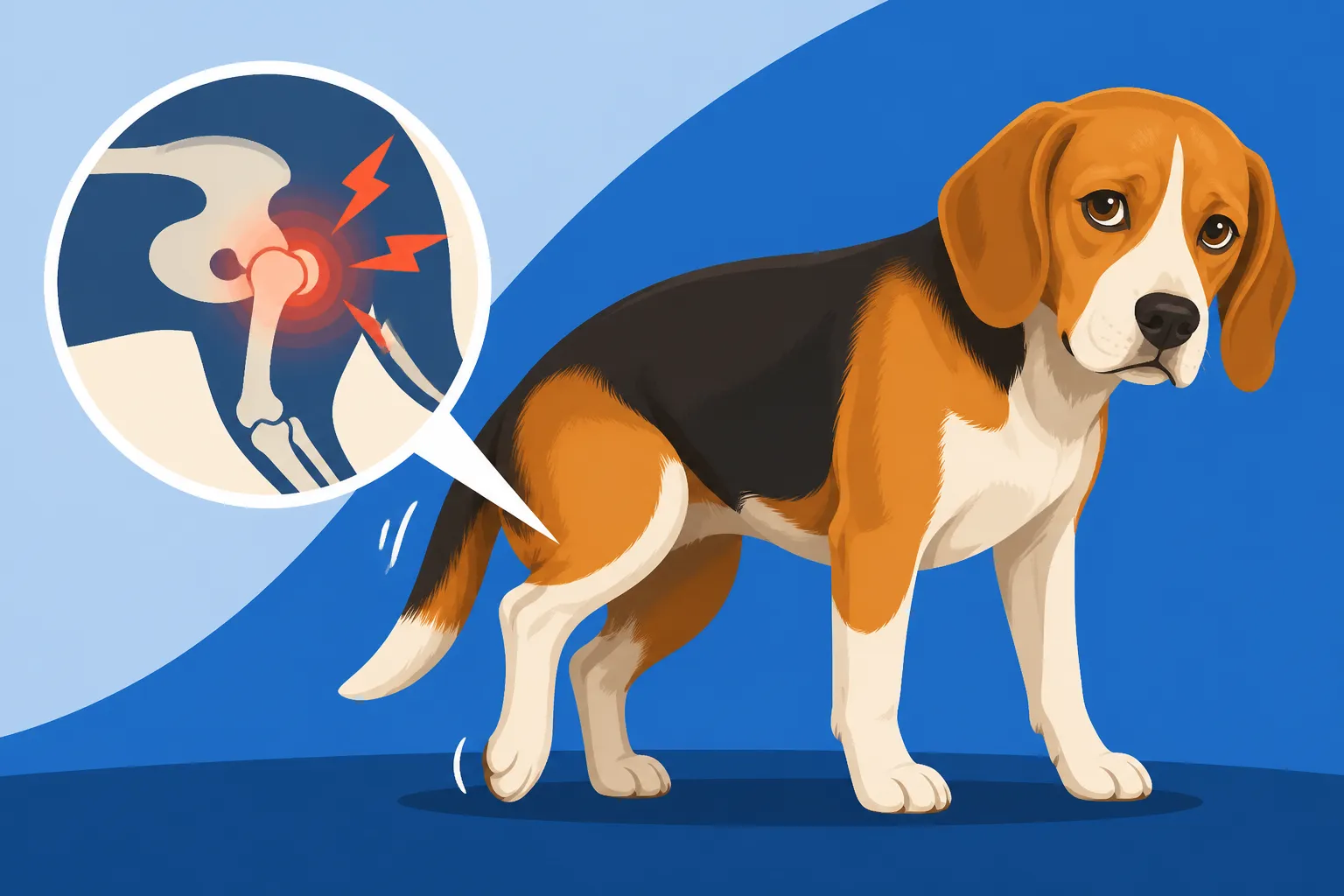
- Hip Dysplasia: While often associated with larger breeds, Beagles can indeed suffer from Beagle Hip Dysplasia and Everyday Joint Wear. This is a genetic condition where the hip joint doesn't form correctly, leading to a loose joint that rubs and grinds instead of sliding smoothly. Over time, this causes significant pain, inflammation, and the development of arthritis. A Beagle with mild hip dysplasia might initially just seem a little stiff after resting, or hesitant to jump onto the couch. As it progresses, you'll see more pronounced weakness, a "bunny hop" gait, and a noticeable decrease in muscle mass in their hindquarters because they're trying to shift weight away from the painful joint.
- Arthritis: Just like humans, dogs can develop Beagle Arthritis Arriving in Middle Age. This degenerative joint disease is incredibly common as Beagles get older, often secondary to conditions like hip dysplasia or previous injuries. It's essentially the breakdown of cartilage in the joints, leading to bone-on-bone friction, pain, and inflammation. You might notice your Beagle struggles to get up after a nap, seems stiff, or is generally less enthusiastic about walks. The weakness comes from the pain – they simply don't want to put full weight on those achy joints, leading to a reluctance to move and subsequent muscle atrophy. The hock joints (ankles) and knees are also common sites for arthritis in Beagles.
- Luxating Patella: Also known as a "slipping kneecap," this condition occurs when the patella (kneecap) moves out of its normal groove. While more common in smaller breeds, Beagles can be affected. When the patella luxates, the leg may temporarily 'lock' or cause the dog to skip a step or hold the leg up. Over time, this instability can lead to chronic pain and weakness in the affected hind leg, as the joint mechanics are compromised.
Neurological Conditions Affecting the Rear Quarters
Sometimes, the problem isn't in the legs themselves, but in the communication lines from the brain to the legs – the nervous system. Neurological issues can be particularly concerning because they can progress quickly and often require specialized care.
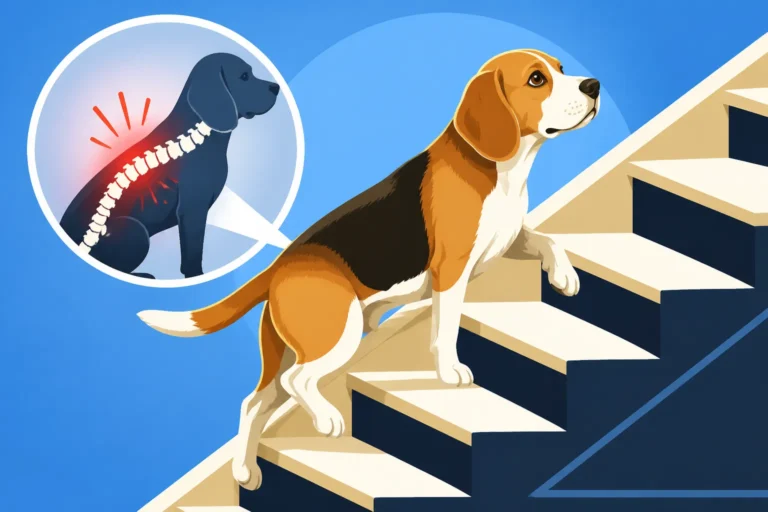
- Intervertebral Disc Disease (IVDD): This is a big one for Beagles, given their slightly longer backs. IVDD occurs when the cushioning discs between the vertebrae in the spine either bulge or rupture, pressing on the spinal cord. This pressure can cause mild pain, severe pain, or even paralysis, primarily in the hind limbs. Beagle Disc Disease and That Slightly Long Back is a real concern, and hind leg weakness is often one of the first signs. Your Beagle might start dragging a paw, or A Beagle Walking Wobbly and What It Means, as if they're a little drunk. They might also show signs of back pain, arching their back, shivering, or crying out when touched. Early intervention is crucial for IVDD.
- Degenerative Myelopathy (DM): While less common in Beagles compared to breeds like German Shepherds or Boxers, DM is a progressive disease of the spinal cord that leads to weakness and eventual paralysis in the hind limbs. It's painless, which can sometimes make it harder to catch early. The earliest signs are usually subtle wobbling, difficulty coordinating the hind legs, and "knuckling" (dragging the top of their paw). If you suspect DM, genetic testing can help confirm or rule it out.
- Lumbosacral Stenosis: This condition affects the lower back (lumbosacral region) and occurs when the spinal canal narrows, compressing the nerves that supply the hind legs. It can cause pain, weakness, and lameness in the hindquarters. You might see your Beagle hesitate to jump, struggle to climb stairs, or experience difficulty controlling their bladder or bowels in severe cases.
Systemic Illnesses Masking as Leg Weakness
It's not always just about the legs or the back. Sometimes, a general health problem can manifest as weakness that particularly affects the hind legs, simply because those are often the limbs bearing the most weight and exertion.
- Hypothyroidism: Beagles are unfortunately prone to Beagle Hypothyroidism and the Weight It Puts On. An underactive thyroid gland slows down the dog's metabolism, leading to a host of symptoms including lethargy, weight gain, hair loss, and sometimes, generalized muscle weakness. This weakness can make the hind legs seem less capable, especially when combined with increased body weight. If your Beagle is showing Beagle Hypothyroidism Symptoms Owners Notice First, like a dull coat, unexplained weight gain, and a reluctance to exercise, it's worth getting their thyroid checked.
- Diabetes: When a Beagle's body doesn't produce or properly use insulin, it can lead to diabetes. Uncontrolled diabetes can cause nerve damage (neuropathy), which might specifically affect the hind legs, leading to weakness and a plantigrade stance (walking with the hocks close to the ground). Coupled with generalized weakness from the illness, this can significantly impact mobility.
- Heart Disease: Conditions like Beagle Heart Disease and Murmurs can impact a Beagle's overall endurance and strength. If the heart isn't pumping blood efficiently, the muscles, especially those working hard in the hind legs during activity, won't receive enough oxygen. This can lead to quick fatigue, shortness of breath, and a general impression of weakness, even if the legs themselves aren't the primary problem.
- Cancer: Though a scary thought, certain types of cancer can cause weakness. Tumors in the bone, muscle, or even internal organs can cause pain, muscle wasting, or generalized malaise that presents as hind leg weakness. If a Beagle is experiencing unexplained weight loss, lethargy, and progressive weakness, cancer should always be on the differential list. This is especially true for Beagle Cancer Risks That Rise With Age.
Spotting the Subtle Signs Your Beagle's Legs Aren't Quite Right
Beagles are masters of masking discomfort, especially when they're middle-aged and still have that zest for life. It's often up to us, their devoted parents, to pick up on the subtle cues that something isn't quite right. These early signs can be incredibly easy to miss, particularly if your Beagle is still enthusiastic about food or a good sniff, but they are crucial indicators that warrant closer attention.
Behavioral Changes You Might Overlook
Sometimes, the first indication of hind leg weakness isn't physical but a change in their usual routines or personality. These might seem like minor quirks at first, but they can be red flags.
- Reluctance to Jump or Use Stairs: Your Beagle, who once launched onto the couch or bed with ease, might now hesitate, need a running start, or even avoid jumping altogether. Similarly, going up or down stairs might become a slow, deliberate process, or they might refuse entirely. This isn't just stubbornness; it's often a sign of discomfort or instability in their hindquarters. They might look at the obstacle, then back at you, as if asking for help.
- Decreased Playfulness and Enthusiasm: Has your Beagle's desire for chase or fetch waned? Are they less excited about their usual walks, or do they tire out much faster than before? If they used to greet you with exuberant jumps but now offer a more subdued wiggle, it could indicate pain or weakness. A Beagle's zest for life is legendary, so a noticeable dip in their energy or willingness to engage in beloved activities is a significant clue.
- Changes in Resting Positions: Observe how your Beagle lies down and gets up. Do they groan or struggle? Do they shift weight unusually, or avoid lying in certain positions? They might choose to lie down more slowly, or they might not fully stretch out their hind legs as they once did. If they previously curled up tightly but now sprawl out more, it could be an attempt to relieve pressure on sore joints.
- Increased Irritability or Quieter Demeanor: Pain can make even the "merry" Beagle a bit grumpy. If your usually friendly Beagle snaps when their back end is touched, or if they've become more withdrawn and quiet, it's a strong signal of discomfort. They might also seek more solitude, avoiding interactions that involve active play.
Physical Indicators of Developing Weakness
Beyond behavioral changes, there are several physical signs you can actively look for that point to hind leg issues. These often become more apparent as the condition progresses.
- A "Wobbly" Gait or Instability: This is one of the most classic signs of hind leg weakness. Your Beagle might start to sway a bit when they walk, particularly on slippery surfaces, or they might seem unsure of their footing. You might notice A Beagle Walking Wobbly and What It Means, a general lack of coordination in their back end, making them look clumsy.
- Knuckling Over: This is a very specific sign where your Beagle walks on the tops of their back paws instead of their pads, dragging their toes. This usually indicates a neurological issue where they're losing proprioception (the sense of where their body is in space). You might notice their nails on their back paws are worn down unusually quickly on the top.
- Muscle Atrophy: If your Beagle isn't using their hind leg muscles as much due to pain or weakness, those muscles will start to waste away. You might notice that their hindquarters look thinner, less muscular, or asymmetrical compared to their front end. Feeling along their thighs, you might detect a loss of bulk.
- Stiffness After Rest: After waking up from a nap or a night's sleep, does your Beagle struggle to get moving? Do they seem stiff and take a few minutes to "warm up"? This is a hallmark sign of arthritis or other joint pain, particularly in the hips or knees.
- Changes in Tail Carriage: A Beagle's tail is usually carried merrily, high like a flag. If you notice it's hanging lower, or if they seem reluctant to wag it with the same vigor, it could be a subtle sign of back pain or discomfort.
The Progression of Weakness and What to Watch For
Hind leg weakness rarely appears overnight in its severe form. It's usually a gradual progression, starting with subtle signs and escalating over time. Understanding this progression can help you intervene sooner.
- From Stiffness to Lameness: What starts as occasional stiffness might progress to a noticeable limp or favoring of one leg. This lameness might be intermittent at first, only appearing after strenuous activity, but then become more consistent.
- Increased Difficulty with Everyday Tasks: Tasks that were once simple, like standing up after lying down, navigating uneven terrain, or even just maintaining balance while eating, become increasingly challenging. They might need to brace themselves against furniture or use their front legs more forcefully to push themselves up.
- Incontinence: In severe cases of spinal cord compression (like advanced IVDD), a Beagle might lose control of their bladder or bowels. This is a critical sign and indicates significant neurological impairment, requiring immediate veterinary attention.
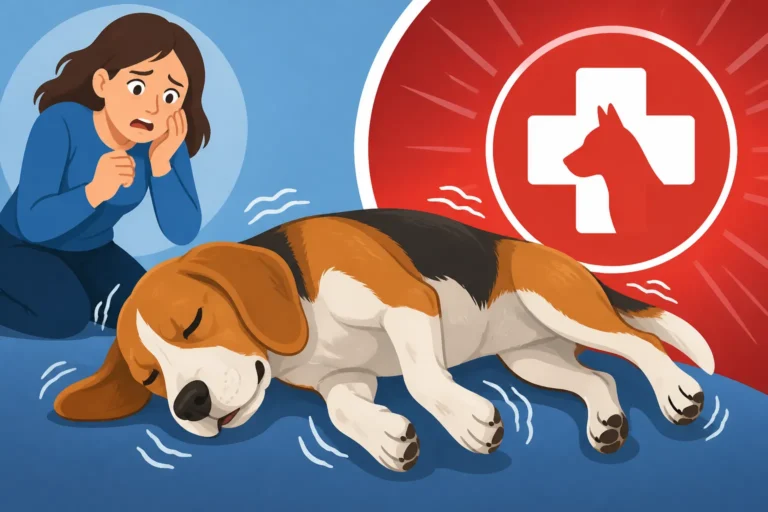
- When to Consider it an Emergency: If your Beagle suddenly collapses in their hind legs, experiences acute severe pain, or loses control of their bladder/bowels, it's an emergency. Don't wait; get them to an emergency vet immediately. These symptoms can indicate a severe disc rupture or other neurological crisis.
Navigating the Vet's Office: Diagnosis and Next Steps
The moment you notice hind leg weakness in your Beagle, your first step should always be a visit to your veterinarian. They are your best resource for accurately diagnosing the problem and guiding you through the treatment process. Don't try to guess or self-diagnose; early and accurate diagnosis can make a world of difference in your Beagle's prognosis and quality of life.
The Initial Examination and History Taking
When you bring your Beagle in, your vet will start with a comprehensive physical and neurological exam. This isn't just a quick once-over; it's a thorough investigation designed to pinpoint the source of the weakness.
- Your Role in History Taking: The vet will ask you a lot of questions, and this is where your observations become invaluable. Be prepared to discuss:
- When did you first notice the weakness? Was it sudden or gradual?
- What specific signs have you observed? (e.g., struggling with stairs, knuckling, pain when touched).
- Has it gotten worse, stayed the same, or improved?
- Are there any other symptoms? (e.g., changes in appetite, thirst, urination, bowel movements, energy levels).
- What is your Beagle's normal activity level?
- Have there been any recent injuries or changes in routine?
- Any family history of similar issues? (If you know your Beagle's lineage, this can be helpful).
- If you've been tracking changes in a seizure diary for an epileptic Beagle, for example, that level of detail is exactly what your vet needs.
- The Physical and Neurological Exam: Your vet will carefully palpate your Beagle's entire body, paying close attention to the spine, hips, knees, and all the leg joints. They'll assess muscle mass, range of motion, and look for any signs of pain or tenderness. The neurological exam involves a series of tests to check reflexes, proprioception (knowing where their paws are in space), and gait. They'll watch your Beagle walk, trot, and turn, observing for any subtle lameness, ataxia (incoordination), or scuffing of the paws. They might perform a "wheelbarrow" test or ask your Beagle to walk on a soft surface to highlight any issues.
Diagnostic Tools to Uncover the Cause
Based on their initial findings, your vet will recommend specific diagnostic tests to get a clearer picture of what's happening internally. These tests help confirm suspicions and rule out other conditions.
- Radiographs (X-rays): These are often the first line of diagnostic imaging. X-rays can reveal obvious bone fractures, severe arthritis, significant hip dysplasia, or changes in the spinal vertebrae that suggest disc disease. While X-rays don't show soft tissues like spinal discs directly, they can show changes in the spaces between vertebrae, indicating a problem. Your vet might take multiple views to get a comprehensive look at the affected areas.
- Blood Work and Urinalysis: These tests are crucial for ruling out systemic diseases. Blood panels can detect inflammation, infection, Beagle Hypothyroidism and Sudden Weight Gain, diabetes, kidney disease, or other metabolic imbalances that could contribute to generalized weakness. A urinalysis can check for infections or other issues. For instance, if hypothyroidism is suspected, specific thyroid hormone tests will be run.
- Advanced Imaging (MRI/CT Scans): If a neurological issue like IVDD or a spinal tumor is suspected, or if X-rays are inconclusive, your vet might recommend an MRI (Magnetic Resonance Imaging) or CT (Computed Tomography) scan. These advanced imaging techniques provide detailed cross-sectional views of soft tissues, including the spinal cord, discs, and nerves. An MRI is often considered the gold standard for diagnosing spinal cord compression, allowing vets to precisely locate the problem. These procedures usually require anesthesia and are often performed at a specialty veterinary hospital.
- Referral to a Specialist: In complex cases, or if your regular vet's clinic isn't equipped for advanced diagnostics or specific surgeries, they might refer you to a veterinary neurologist or orthopedic specialist. These specialists have extensive training and experience in diagnosing and treating specific conditions, providing the best possible care for your Beagle.
Understanding Your Beagle's Prognosis and Treatment Plan
Once a diagnosis is made, your vet will discuss the prognosis and lay out a tailored treatment plan. This plan can vary significantly depending on the underlying cause, severity, and your Beagle's overall health.
- Conservative Management: For many orthopedic issues like mild arthritis or early IVDD, conservative management is often the first approach. This typically involves rest, anti-inflammatory medications, pain relief, and sometimes muscle relaxants. Crate Rest for a Beagle With a Disc Injury can be critical for recovery in IVDD cases. This approach aims to reduce pain and inflammation, allowing the body to heal or the condition to be managed without invasive procedures.
- Surgical Options: For severe cases of hip dysplasia, luxating patella, or advanced IVDD where the spinal cord is significantly compressed and conservative management fails, surgery might be recommended. Beagle Disc Surgery and the Odds of Recovery can be quite good, especially when performed promptly. Your vet or specialist will explain the procedure, potential risks, and expected recovery time.
- Long-Term Care and Rehabilitation: Regardless of whether your Beagle undergoes surgery or not, long-term care and rehabilitation are often essential. This might include physical therapy, hydrotherapy, acupuncture, specific exercises to build muscle, and ongoing medication or supplements. Discussing options with your vet about things like pet insurance from providers like Healthy Paws can also be helpful, as these long-term treatments can add up. Beagle Physical Therapy After a Back Injury can significantly improve outcomes and help your Beagle regain strength and mobility.
Supporting Your Beagle Through Hind Leg Weakness: Treatment and Home Care
Discovering your middle-aged Beagle has hind leg weakness can feel overwhelming, but the good news is that there are many ways to manage their condition, alleviate pain, and improve their quality of life. It’s a team effort between you, your vet, and sometimes a rehabilitation specialist. The goal is always to keep your beloved companion as comfortable and mobile as possible for years to come.
Medical Management and Pain Relief
Managing pain and inflammation is paramount when dealing with hind leg weakness. Your vet will prescribe medications tailored to your Beagle’s specific diagnosis and needs.
- Non-Steroidal Anti-Inflammatory Drugs (NSAIDs): These are commonly prescribed to reduce pain and inflammation associated with conditions like arthritis or disc issues. Brands like Rimadyl, Galliprant, and Metacam are frequently used. It's crucial to follow your vet's dosing instructions precisely and never give human NSAIDs, as they can be toxic to dogs. Regular monitoring, including blood work, may be recommended to ensure your Beagle tolerates the medication well.
- Pain Relievers: For more severe pain, or when NSAIDs aren't enough, your vet might prescribe additional pain medications such as Gabapentin (for neuropathic pain) or Tramadol. These work differently than NSAIDs and can be used in combination to provide more comprehensive pain control.
- Joint Supplements: Supplements containing glucosamine, chondroitin, and MSM can help support joint health and potentially slow the progression of cartilage degradation. Omega-3 fatty acids are also excellent anti-inflammatories and can be beneficial. While not a cure, they can offer significant support over time. Products like Cosequin or Dasuquin are often recommended.
- Alternative Therapies: Many owners find success with complementary therapies. Acupuncture can help alleviate pain and improve nerve function, particularly for conditions like IVDD. Laser therapy is another option that uses light to reduce inflammation and promote healing. Your vet might refer you to a certified veterinary rehabilitation specialist who offers these services.
Environmental Modifications for Easier Living
Making a few thoughtful changes around your home can significantly improve your Beagle’s comfort and mobility, helping them navigate their world with less strain on their weakened hind legs.
- Ramps and Steps: One of the simplest yet most effective changes you can make is to provide Ramps for a Beagle's Bed and Car or steps. This eliminates the need for jumping, which can put immense pressure on compromised joints and spines. Place ramps or steps near couches, beds, and anywhere your Beagle loves to relax. For cars, a portable ramp makes getting in and out much safer and easier.
- Non-Slip Surfaces: Slippery floors (hardwood, tile, laminate) are a huge challenge for Beagles with hind leg weakness. They struggle to get traction, increasing the risk of slips, falls, and further injury. Lay down non-slip rugs, runners, or carpet tiles in high-traffic areas. Even dog socks with traction grips can make a difference.
- Supportive Bedding: A high-quality orthopedic dog bed provides crucial support for aching joints and can help your Beagle get a more comfortable rest. Look for beds with memory foam or dense, supportive filling that cradles their body and prevents pressure points. Raised beds can also make it easier for them to get up and down.
- Assistive Devices: For Beagles with significant weakness, a supportive harness can be invaluable. A Why a Harness Protects a Beagle's Neck is often recommended over collars for general walking, but a rear-support harness, or even a full-body mobility harness, can help you gently assist your Beagle when they need to stand, walk, or go up/down stairs. There are also dog booties that offer better grip and protect paws from dragging. In extreme cases, a dog wheelchair can give your Beagle incredible freedom and mobility.
Maintaining Quality of Life and Emotional Well-being
Beyond physical care, it’s vital to remember your Beagle’s emotional health. They still need mental stimulation and loving interaction, perhaps even more so when they’re not as physically active.
- Balanced Exercise: While strenuous activity might be off-limits, appropriate, gentle exercise is still important to maintain muscle tone and joint flexibility. Your vet or a physical therapist can recommend a tailored exercise program. This might include short, leashed walks on soft surfaces, slow swimming (if they enjoy it and it’s safe), or controlled range-of-motion exercises. Scent work, which uses their incredible nose, is a fantastic way to provide mental and physical exercise without high impact, like a Why a Scent Walk Tires a Beagle Faster Than Running. Even short, frequent sniff walks are hugely enriching.
- Mental Stimulation and Enrichment: A Beagle's brain is just as important as their body. When physical activity is limited, puzzle toys, snuffle mats, and obedience training (focusing on low-impact commands) can keep their minds sharp and prevent boredom. This is a great time to lean into their innate "Beagleness" – their love for food and scent. Engaging them with hidden treats around the house or simple scent games can be incredibly rewarding.
- Weight Management: Keeping your Beagle at a healthy weight is absolutely critical, especially with hind leg weakness. Every extra pound puts additional strain on already compromised joints and the spine. If your Beagle is overweight, work with your vet to develop a safe and effective weight loss plan. This often involves precise food portioning and incorporating low-impact exercise. Remember, Beagle Obesity Treated as a Health Problem can exacerbate existing orthopedic issues.
- Regular Vet Check-ups: Even with a diagnosis and treatment plan, ongoing monitoring is essential. Regular vet visits allow your vet to assess the progression of the condition, adjust medications as needed, and address any new concerns. This proactive approach helps ensure your Beagle remains as comfortable and happy as possible as they age, supporting their overall Senior Beagle Care After the Age of Ten. Many pet parents find that having pet insurance, like a plan from Healthy Paws, can help manage the costs of these necessary ongoing treatments and specialist visits.
Disclaimer
This article is for general informational purposes only and does not constitute professional advice. Laws, prices and regulations vary by location and change over time. Consult a qualified professional for guidance on your specific situation.