Beagle Packs and How a Hunt Was Run
If you've ever heard a Beagle's signature bay, you've heard the echoes of centuries of selective breeding for a specific purpose: pack hunting. It's easy to picture a single, adorable Beagle trotting through your park, but their true heritage lies in working together, nose to the ground, to track quarry for their human companions. This guide will take you back in time and into the field to understand the intricate workings of a traditional Beagle hunt and how these remarkable dogs operated as a cohesive unit.
The Historical Role of Beagle Packs in Hunting
For generations, the Beagle wasn't just a pet; it was an indispensable tool for sustenance and sport. The concept of a pack wasn't just about having multiple dogs; it was about leveraging each dog's innate abilities to form a highly efficient hunting machine. To truly appreciate our modern Beagles, we have to look back at how their ancestors earned their keep.
The Genesis of Pack Hunting with Beagles
The idea of hunting with dogs in groups dates back thousands of years, but the specific development of the Beagle as a pack hunter began in earnest in England centuries ago. These hounds were bred to work cooperatively, their individual voices and tracking skills combining into a formidable force. Unlike larger hounds that might chase deer or fox, Beagles were meticulously developed for hunting smaller game, primarily hares and rabbits. They weren't meant to bring down large animals; rather, their role was to systematically follow a scent trail, driving the quarry out into the open or into a net, while the human hunters followed on foot. This required a certain kind of temperament and a specific set of skills that made the Beagle perfectly suited for its task. The careful selection of breeding stock over hundreds of years cultivated dogs that were naturally inclined to work in harmony, with a strong prey drive but also a trainable disposition that allowed them to respond to their human partners. You can learn more about their long history in Beagle-Type Hounds Across Twenty-Five Centuries.
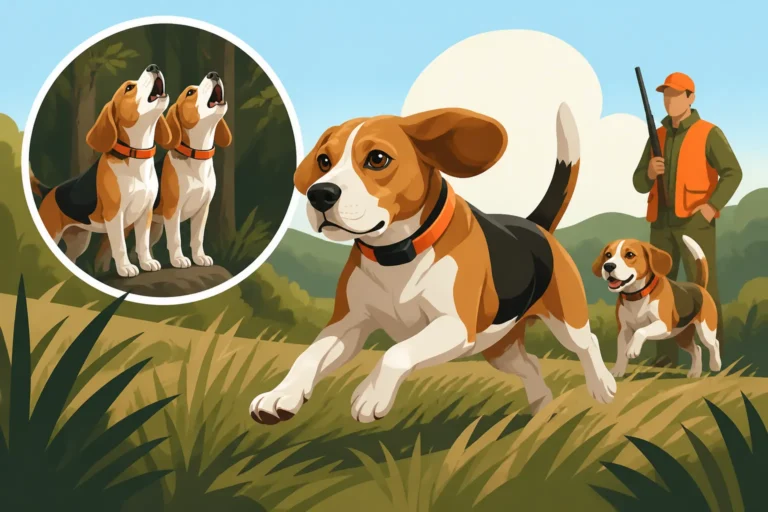
For a pack to function, each dog needed to understand its role and communicate with the others. This wasn't just about following the leader; it was about a constant dialogue of scent, sound, and movement. When one Beagle picked up a hot trail, its distinctive bay would alert the rest of the pack, drawing them in to help confirm and push the chase forward. Imagine a symphony of barks, howls, and bays, each note telling a story to the other dogs and to the hunters. This communal aspect of hunting made it both effective and, for many, an engaging social event.
Why a Small Hound for Hare Hunting?
It might seem counterintuitive to use smaller dogs for hunting, especially when larger hounds were available, but there was a very practical reason Why Hare Hunting Needed a Small Hound. Hares, while fast, are also agile and tend to double back on their tracks, making their pursuit challenging. A smaller, more compact dog like the Beagle was perfectly adapted for navigating dense undergrowth and following the intricate twists and turns of a hare's escape route. Their low stature meant they could push through thickets where larger dogs would struggle, keeping their noses closer to the ground where the scent was strongest.
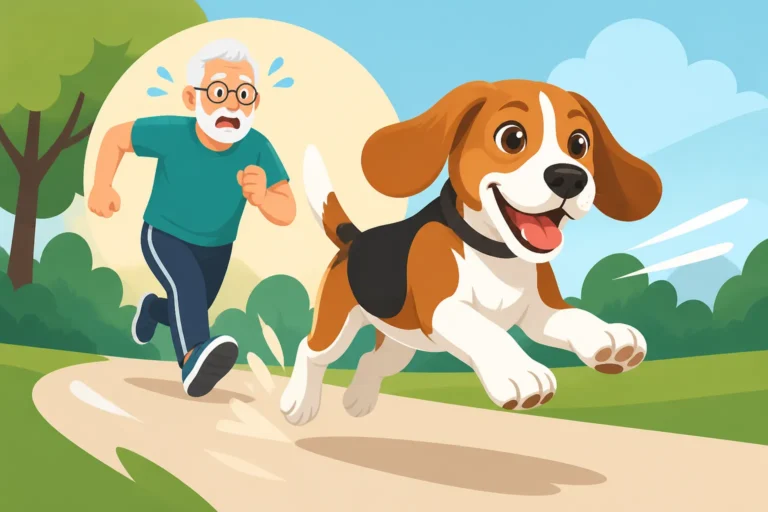
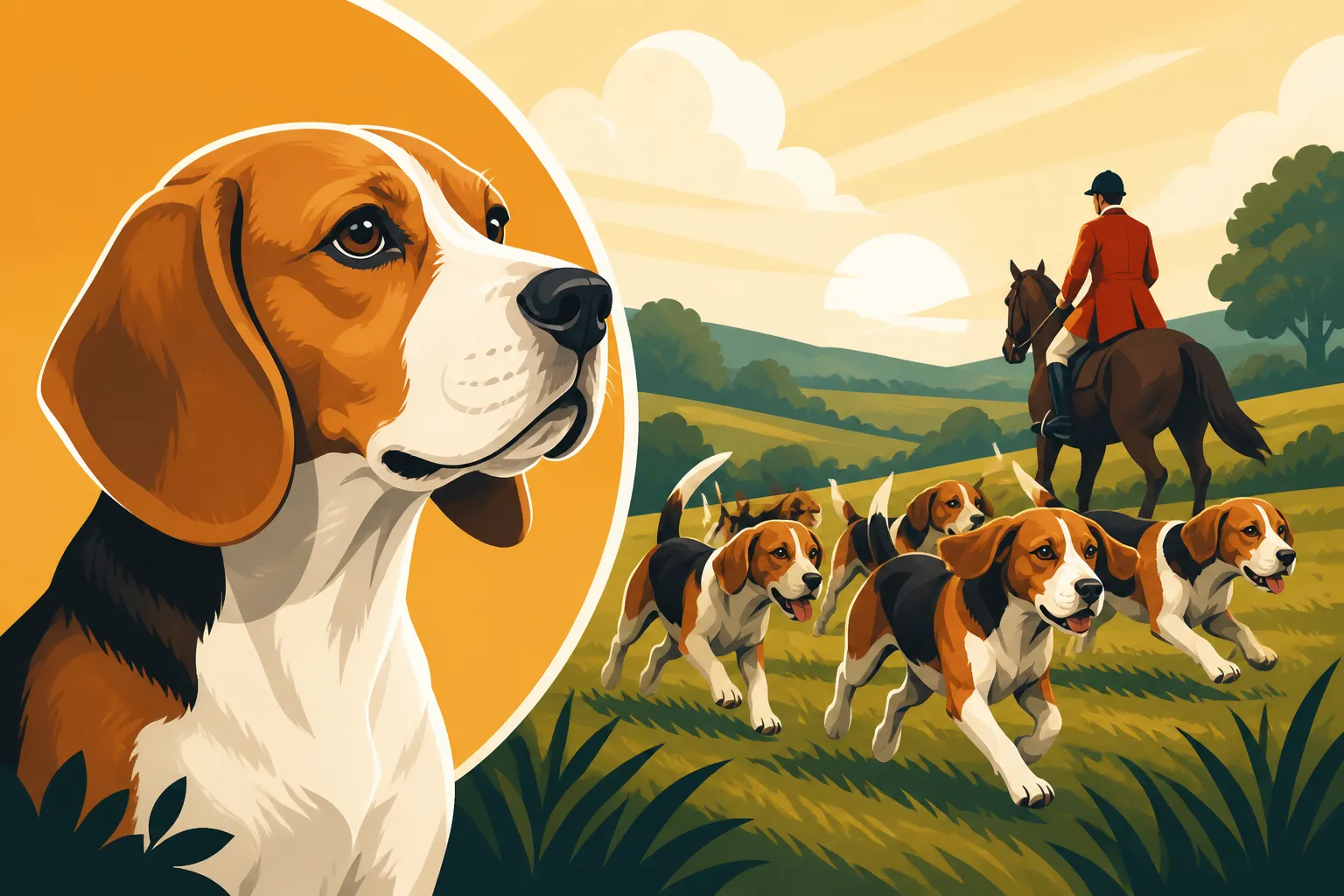
Furthermore, hare hunting was traditionally a sport followed on foot, known as "beagling." Hunters would literally run alongside their dogs, covering miles across fields and through woods. A pack of huge, fast hounds would quickly outstrip human endurance, making the chase impractical. Beagles, with their relatively slower but incredibly persistent pace, allowed the hunters to keep up, witness the entire spectacle, and direct the pack as needed. This intimate involvement made the sport accessible and enjoyable for many, solidifying the Beagle's place as the ideal companion for this type of hunt. This historical context is vital to understanding The Beagle From English Rabbit Packs to American Homes.
The Dynamics of a Traditional Beagle Hunt
To truly understand how a Beagle pack operated, you have to picture the scene: the crisp morning air, the eager hounds, and the anticipation of a good chase. It was a carefully orchestrated event, relying on the dogs' instincts, the hunter's knowledge, and a deep understanding of the local terrain.
The Hunter's Role and Communication Cues
In a traditional Beagle hunt, the hunters, often called "beaglers" or "whippers-in," played a critical role that went far beyond simply releasing the dogs. They were the conductors of this canine orchestra, guiding the pack and interpreting their every signal. This involved a combination of voice commands, horn calls, and an intimate knowledge of each individual dog in the pack. When a Beagle would momentarily lose the scent, a hunter might step in to "cast" the dog, directing it to widen its search pattern until the trail was rediscovered. It was a dance of trust and communication, honed over countless hours in the field.
The hunters were also responsible for managing the pack's enthusiasm. Beagles, with their high prey drive, could easily get carried away, particularly when a scent was hot. The whippers-in would ensure the pack stayed together, preventing individual dogs from breaking off on their own or chasing after unintended quarry. This discipline was crucial for a successful and safe hunt. They knew What a Beagle Was Originally Bred to Hunt and ensured they stayed on task. This role also included ensuring the safety of the dogs, watching out for hazards, and bringing any stragglers back into the fold.
Following the Pack on Foot: Beagling Defined
As mentioned earlier, Beagling as a Sport Followed on Foot is a defining characteristic of traditional Beagle hunting. Unlike fox hunting, which often involved horses, hare hunting with Beagles was a more grounded affair. The slower pace of the Beagle pack allowed human participants to keep up, experiencing the thrill of the chase firsthand. This wasn't just a leisurely stroll; it could involve covering significant distances over varied terrain, scrambling over fences, and pushing through brush. It was a physically demanding activity that brought hunters into close communion with nature and their hounds.
The experience of following the pack was deeply immersive. You wouldn't just hear the baying; you'd see the dogs working, noses down, tails wagging with purpose. You'd watch them navigate complex scent puzzles, witness their determination, and feel the excitement as the chase intensified. This direct engagement fostered a profound connection between the hunters and their Beagles, building bonds that extended beyond the hunting field. Many participants viewed it as a way to truly appreciate the dogs' natural abilities and the beauty of their teamwork.
The Scent Trail and the Beagle's Expertise
The heart of any Beagle hunt lies in the dogs' extraordinary sense of smell. Beagles possess an olfactory system that is truly remarkable, allowing them to detect and follow the faintest of scent trails, even hours after the quarry has passed. Their low-slung bodies and long, droopy ears actually aid in this process; their ears sweep the ground, stirring up scent particles and funnelling them towards their incredibly sensitive noses. This unique anatomy, combined with their relentless focus, makes them unparalleled scent hounds. It is Why a Beagle Walks With Its Nose to the Ground.
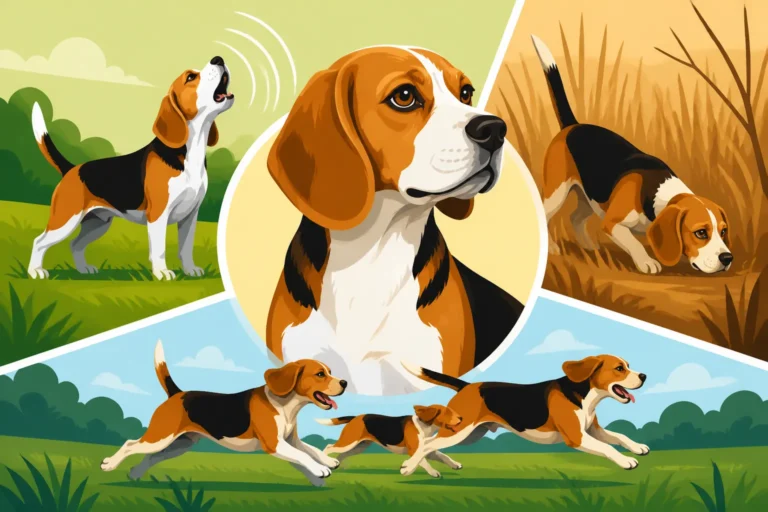
When a Beagle picks up a scent, its entire demeanour changes. Its tail will begin to wag furiously, often accompanied by an excited whine or bark, and then, the bay. This distinct, musical cry is the pack's way of communicating that a trail has been found and the chase is on. What a Beagle Bay Actually Sounds Like is a sound truly unique to the breed. Each dog might have a slightly different timbre to its bay, but together, they create a chorus that invigorates the hunt. The ability of Beagles to meticulously follow a "cold" (old) trail, as well as a "hot" (fresh) one, is what made them such effective hunters and is a testament to their incredible olfactory prowess.
Life in a Modern Beagle Pack and Ethical Considerations
While the traditional context of pack hunting has evolved significantly, the innate drive and ability of Beagles to work in a group remain strong. Modern practices often reflect a blend of historical tradition and contemporary animal welfare standards, leading to new ways for Beagles to express their natural instincts.
Continuing Traditions: Registered Beagle Packs Today
Even in an age where hunting for sport is often viewed differently, dedicated groups continue to maintain registered Beagle packs, particularly in the UK and parts of the United States. These The British Beagle Packs Still Running Today often operate under strict regulations, focusing on the pursuit and enjoyment of the chase rather than the capture of quarry. Many packs now engage in "drag hunting" or "trail hunting," where a human-laid scent trail is followed instead of a live animal, allowing the Beagles to perform their natural work without harm to wildlife. This preserves the historical tradition and allows the dogs to fully engage their incredible noses and pack instincts.
These packs uphold meticulous breeding standards, focusing on maintaining the Beagle's traditional conformation, temperament, and, crucially, its scenting ability and desire to work in a group. Owners of these Beagles understand the commitment required for such a lifestyle, from daily exercise to extensive training in pack manners and response to commands. These dogs are truly a different breed, in a sense, from the average family pet, though they share the same fundamental DNA. Their lives are centred around the pack and the field, providing an outlet for the drives that have been honed over centuries.
Field Trials: A Controlled Environment for Pack Instincts
For Beagles not involved in live or trail hunting, field trials offer a fantastic opportunity to showcase their abilities in a controlled, competitive setting. These events are designed to test a Beagle's hunting aptitude, scenting skills, endurance, and its ability to work cooperatively within a small "brace" or larger "pack." Beagles compete by tracking a rabbit or hare within a designated area, and judges evaluate their performance based on criteria like trailing accuracy, perseverance, and how well they "give tongue" (bay) on the scent. These trials celebrate the very instincts that make Beagles such unique dogs.
These trials are a serious sport for many owners and breeders. They provide a vital function in evaluating breeding stock, ensuring that the traits essential for a working Beagle are preserved. It's a testament to the Beagle's enduring appeal that these events continue to draw passionate participants who appreciate the breed's historical purpose. Whether you’re looking for high-quality food or specific training gear for a working dog or a beloved pet, resources like Chewy can help support these active lifestyles. It's a demanding activity, requiring significant training and conditioning, but for the right Beagle and owner, it's an incredibly rewarding experience that honours their heritage. Learning about Beagle Field Trials in the Nineteenth Century shows how long this tradition has been valued.
Ethical Discussions and Evolution of Hunting Practices
The conversation around hunting with dogs has certainly evolved, and with it, the practices of Beagle packs. There's a growing emphasis on animal welfare, sustainability, and respecting local wildlife populations. Many traditional hunting practices have either adapted or been replaced by non-lethal alternatives like drag hunting, as mentioned above, or scent work sports. This allows Beagles to engage their powerful noses and instinctual drives in a way that is both stimulating for them and acceptable to modern ethical standards.
The focus has shifted from the "kill" to the "chase" and the demonstration of the Beagles' incredible abilities. Organizations like the National Beagle Club of America continue to advocate for responsible practices, promoting the breed's health, temperament, and working abilities through ethical means. They provide guidelines for Beagle Hunting Licenses and Rabbit Seasons where still practiced. It's about finding a balance where the Beagle's historical role is acknowledged and celebrated, while also ensuring the well-being of the animals involved and the harmony with the environment. Even if your Beagle is purely a companion, understanding this heritage can deepen your appreciation for their unique behaviours and talents, reminding us why they are such remarkable dogs. Chewy often carries products that support the health and activity levels of Beagles, whether they're field dogs or couch companions.
The Unique Communication of a Beagle Pack
One of the most fascinating aspects of a Beagle pack is the intricate system of communication they employ, both among themselves and with their human companions. It's a language built on scent, sound, and body language, honed over generations of working together in the field. Understanding this unique dialogue can give us a deeper appreciation for the complex social structure and innate intelligence of these hounds.
The Symphony of Scent and Sound
Imagine a vast field or a dense forest. For a human, it might seem quiet, but for a Beagle pack, it's a cacophony of smells, each telling a story. When a Beagle picks up the faint scent of a rabbit, it's not just a random sniff; it's the recognition of a specific signature, a biological footprint. This initial discovery is then communicated to the rest of the pack, not through words, but through an immediate change in posture, an intensified tail wag, and that first, tentative whimper that soon builds into a confident bay. This is Why a Beagle Nose Beats Ours Ten Thousand Times Over.
The bay itself is a crucial element of this communication. It's not just noise; it's an information-rich signal. The pitch, intensity, and rhythm of a Beagle's bay can indicate whether the scent is fresh or old, whether the quarry is close or far, and even whether the dog is particularly excited or struggling to keep the trail. When multiple Beagles join in, their individual voices merge into a chorus, creating a localized sound beacon that draws the entire pack together, ensuring no dog is left behind and every segment of the trail is thoroughly worked. This collective vocalization is what makes the Beagle hunt so distinctive and audible from a distance.
Roles Within the Pack: Leaders and Followers
While often viewed as a single, cohesive unit, a Beagle pack can exhibit subtle individual roles, particularly during a hunt. There might be a "lead hound" – not necessarily a formal leader chosen by humans, but often the dog with the keenest nose or the strongest drive, who consistently picks up the initial scent and pushes the trail forward. Other Beagles might be "trackers" who excel at meticulously following the twists and turns, while some act as "helpers," simply adding their voice and energy to keep the momentum going. It's a fluid dynamic, where dogs might take turns in different roles depending on the situation and their individual strengths on that particular day.
The success of the pack hinges on this implicit understanding and cooperation. No single Beagle tries to outdo the others; instead, they instinctively work towards the common goal of maintaining the scent line. This collaborative effort is what differentiates a well-bred and well-trained pack from a group of individual dogs simply chasing a smell. The whippers-in also contribute to defining these roles, encouraging certain dogs when they excel and assisting others when they falter, thereby strengthening the pack's overall effectiveness. This synergy is deeply embedded in the breed's genetic makeup, a legacy of centuries of selective breeding for a specific purpose.
Ensuring the Well-being of a Working Beagle Pack
For those who maintain active Beagle packs, whether for traditional hunting or modern field trials, the health and welfare of the dogs are paramount. These are not just dogs; they are finely tuned athletes whose performance and longevity depend heavily on proper care, nutrition, and environmental management.
Tailored Nutrition and Conditioning
A working Beagle expends significant energy, often covering miles over varied terrain. Therefore, their diet must be carefully managed to meet these high caloric demands, while also providing the right balance of proteins, fats, and carbohydrates for sustained energy and recovery. Just like any athlete, a Beagle in a pack needs premium nutrition to perform at its best and maintain its health. Overweight Beagles will struggle in the field and face increased health risks. You can find specialized performance diets available from suppliers like Chewy, which cater to the needs of active dogs. It's not just about quantity; it's about quality and nutrient density.
Beyond diet, regular conditioning is essential. This means more than just casual walks; it involves structured exercise that builds stamina, muscle tone, and agility. Training for field trials or actual hunting requires consistent physical preparation to prevent injury and ensure the dogs can sustain their effort throughout a long day. This might include long runs, hill work, and drills that simulate the demands of following a scent trail. A well-conditioned Beagle is a healthy Beagle, less prone to injuries and more capable of enjoying its work.
Preventing Injuries and Maintaining Health
The rough and tumble nature of pack hunting or field trials means that Beagles are exposed to various risks, from cuts and scrapes to strains and sprains. Owners must be vigilant in checking their dogs after every outing, looking for any signs of injury. This includes thorough paw checks for thorns or cuts, examining ears for foreign bodies, and palpating limbs for any tenderness or swelling. Early detection and treatment are crucial to prevent minor issues from becoming serious problems that could sideline a valuable pack member.
Regular veterinary care is also non-negotiable. This includes routine vaccinations, parasite prevention (especially crucial for dogs spending time outdoors), and annual health checks. Given their long, floppy ears, Beagles are particularly susceptible to ear infections, which can be exacerbated by wet or muddy field conditions. Proactive ear cleaning and regular inspections are vital. These dedicated owners know the importance of a healthy dog, which is why investing in preventative care is a priority. Keeping an eye on Beagle Ear Infections Under Those Long Ears is a critical task for any Beagle owner.
Responsible Breeding and Genetic Health
The integrity of a working Beagle pack also relies heavily on responsible breeding practices. Breeders who supply working lines are focused on more than just appearance; they prioritize health, temperament, and, above all, innate working ability. This means extensive health testing to screen for common genetic conditions that could impact a Beagle's ability to perform or live a long, healthy life. Conditions like hip dysplasia, certain eye conditions, and heart issues are often screened for in responsible breeding programs.
A strong genetic foundation ensures that the desirable traits of scenting ability, endurance, and pack cohesion are passed down through generations. It's about selecting individuals who not only excel in the field but also contribute to the overall health and vitality of the breed. This dedication to genetic health ensures that the legacy of the Beagle as a capable and resilient pack hunter continues for future generations, allowing them to participate in activities that fulfill their intrinsic drives. The commitment to understanding Beagle Health Testing Under CHIC is a sign of a truly dedicated breeder.
Disclaimer
This article is for general informational purposes only and does not constitute professional advice. Laws, prices and regulations vary by location and change over time. Consult a qualified professional for guidance on your specific situation.