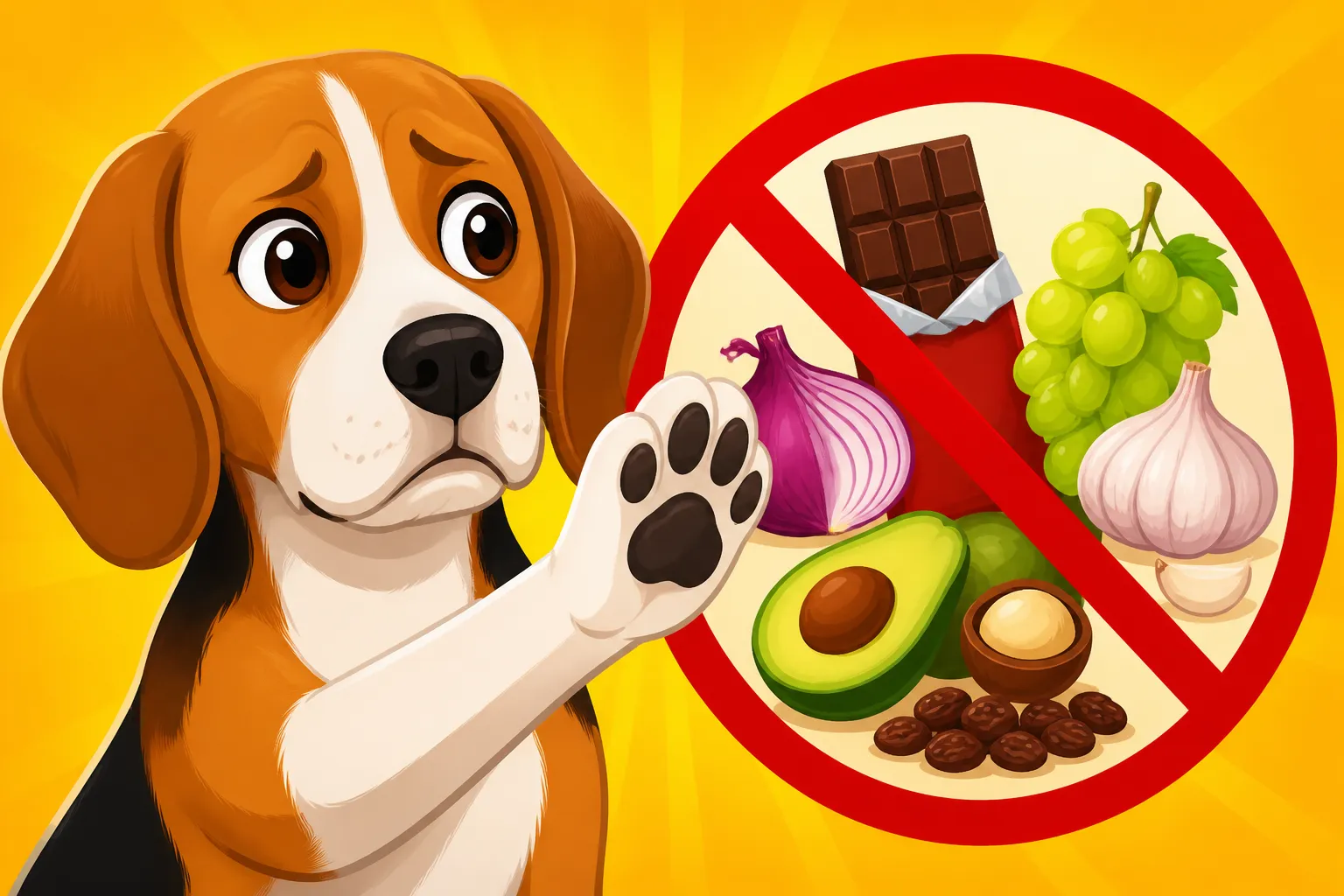
What a Beagle Should Never Be Allowed to Eat
As a Beagle parent, you know the struggle: your beloved hound has an uncanny ability to sniff out, reach, and devour anything remotely edible – and sometimes, things that aren't. This insatiable curiosity and legendary nose can lead them into some truly dangerous situations, especially when it comes to human foods or household items that are highly toxic. This comprehensive guide is here to help you navigate the minefield of what your Beagle should absolutely never be allowed to eat, detailing not just the culprits but also why they're so harmful and what immediate steps you need to take if an accident happens.
Why Beagles Are So Prone to Eating What They Shouldn't
Let's be honest, Beagles are notorious for their food drive and their "nose to the ground" approach to life. It’s not just a cute quirk; it’s deeply ingrained in their genetics and centuries of breeding. Understanding why they are such food sleuths can help you better protect them from accidental ingestions. It’s a constant battle against their instincts, and trust me, you are not alone in this particular frustration!
The Unbeatable Beagle Nose and Its Drive
Imagine a world where every single scent tells a story, where the faintest whiff of a dropped crumb from yesterday's toast is as clear as a billboard. That's your Beagle's reality. They possess an incredible sense of smell, with an estimated 220 million olfactory receptors – compare that to our paltry 5 million! This isn't just about sniffing out a rabbit in a field; it's about detecting that tiny piece of dropped chocolate under the couch or the discarded onion peel in the kitchen trash. Their nose is their primary tool for exploring the world, and unfortunately, it often leads them directly to things they absolutely shouldn't ingest. They are hardwired to follow a scent trail to its conclusion, and if that conclusion is a tasty (or seemingly tasty) morsel, they’re going for it. How Far a Beagle Can Actually Smell is truly astounding and a major factor in these incidents.
This powerful olfactory system means they often perceive things as food that we wouldn't. A dropped pill that smells vaguely sweet, a piece of plastic packaging that retains the scent of its contents, or even some garden compost – if it has an interesting aroma, it's fair game for investigation with their mouth. It’s not maliciousness; it’s pure, unadulterated Beagle instinct. You might have just cleaned the floor, but if a molecule of something delicious is left behind, your Beagle will find it. It's truly a marvel to witness, and equally frustrating when it puts them at risk.
A Bottomless Pit: The Beagle's Food Motivation
Beyond their nose, Beagles are incredibly food-motivated. This trait was selectively bred into them for hunting, where being rewarded with food or a strong desire for sustenance kept them focused on the task of tracking prey. For pet Beagles, this translates into an almost perpetual state of hunger. They often act as if they haven't eaten in days, even moments after finishing a full meal! This strong drive means they're not just looking for food, they're often desperate for it, making them less discerning about what they try to eat. The Beagle Food Drive That Empties Your Counters is a daily reality for many owners.
This food motivation can be a fantastic tool for training, as they'll often do almost anything for a high-value treat. However, it’s a double-edged sword. It means unattended plates, open pantry doors, or even garbage bins become irresistible challenges. They learn quickly where food might be found and develop impressive strategies to access it – whether it's counter surfing, nudging open cabinets, or tearing into trash bags. This combination of powerful nose and relentless food drive is precisely why Beagle owners need to be hyper-vigilant about what's accessible to their furry friends.
Pack Mentality and Competitive Eating
While most pet Beagles live as beloved family members rather than in large hunting packs, some of their ancestral instincts still linger, including a tendency towards competitive eating. In a pack environment, a dog that hesitated or was finicky wouldn't get enough to eat. Therefore, Beagles evolved to gobble food down quickly, often without much chewing, to ensure they got their share. This "eat it before someone else does" mentality is still present in many pet Beagles, even if they're the only dog in the house.
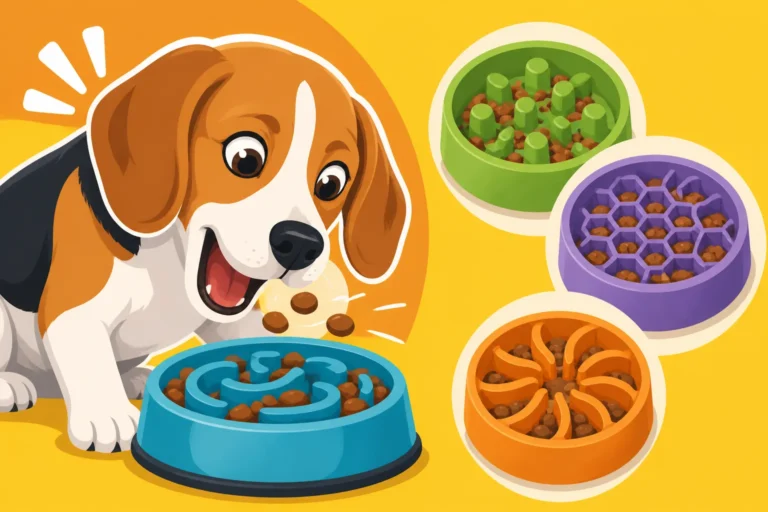
This rapid consumption is a significant concern when they get their paws on something toxic. They don't typically take small, cautious bites; they often swallow large quantities almost immediately. This reduces the window of time you have to intervene and can lead to a more severe toxic dose quickly entering their system. It also means they're more likely to swallow objects whole, leading to potential blockages. This inherent trait is why practices like slow feeders are so vital for Beagles to prevent gulping too fast, which can sometimes just encourage them to try to "beat" the feeder.
Common Human Foods That Are Highly Toxic to Beagles
Let's get down to the brass tacks: what are the absolute no-gos? These are the foods that, even in small amounts, can cause severe health crises and even be fatal for your Beagle. Every Beagle owner needs to have these committed to memory and ensure they are never, ever within reach.
The Silent Danger of Chocolate and Caffeine
Ah, chocolate. It's a beloved treat for humans, but it's pure poison for dogs, including our Beagles. The toxic culprits are the compounds theobromine and caffeine, both stimulants found in cacao beans. Dogs metabolize these substances much more slowly than humans do, allowing them to build up to toxic levels in their system. The darker and more bitter the chocolate, the higher the concentration of theobromine and caffeine, making baking chocolate and dark chocolate particularly dangerous. Even coffee beans, tea bags, and energy drinks contain these toxins.
Symptoms of chocolate poisoning can vary depending on the amount ingested and the type of chocolate. They often start with vomiting and diarrhea, restlessness, and increased thirst. As the toxicity progresses, you might see hyperactivity, tremors, seizures, elevated heart rate, and even heart arrhythmias. In severe cases, it can lead to coma and death. A small piece of milk chocolate might just cause an upset stomach for a larger Beagle, but a dark chocolate bar could be lethal for a smaller one. It's critical to treat any chocolate ingestion as an emergency and call your vet immediately. Don't wait for symptoms to appear; early intervention is key.
Grapes, Raisins, and the Mystery of Kidney Failure
This one often catches people by surprise because grapes and raisins seem so innocuous. However, they are highly toxic to dogs and can cause acute kidney failure. The exact toxic substance is still unknown, which makes it particularly frustrating for researchers and vets. What is known is that even a small amount can be dangerous, and the severity doesn't always correlate with the dog's size or the amount consumed. Some Beagles might eat a few grapes with no apparent issue, while others can suffer severe kidney damage from just one or two.
Symptoms typically appear within 6-12 hours of ingestion and include vomiting, diarrhea, lethargy, dehydration, loss of appetite, and abdominal pain. As kidney function declines, your Beagle might show increased thirst and urination, followed by a decrease in urine production, which indicates worsening kidney damage. If not treated quickly, kidney failure can be irreversible and fatal. Because the toxic dose is unpredictable, there is no "safe" amount of grapes or raisins for a Beagle. Keep all grape-containing products, including juice, trail mix, and baked goods, completely out of reach. If your Beagle eats even one, call your vet right away.
Xylitol: A Sweetener's Deadly Side
Xylitol is a natural sugar alcohol often used as a sugar substitute in "sugar-free" products. It's found in chewing gum, mints, some peanut butters, baked goods, toothpaste, mouthwash, and even some medications and vitamins. For humans, it's harmless, but for dogs, it's incredibly dangerous. When a dog ingests xylitol, their body mistakes it for actual sugar, triggering a rapid and massive release of insulin. This sudden insulin surge causes a precipitous drop in blood sugar (hypoglycemia), which can be life-threatening. Higher doses can also lead to severe liver damage and liver failure.
Symptoms of xylitol poisoning can appear as quickly as 15-30 minutes after ingestion, especially for hypoglycemia. These include vomiting, weakness, staggering, collapse, tremors, and seizures. If liver damage occurs, you might see jaundice (yellowing of skin/gums), dark tarry stools, and neurological signs. Even a small amount, like a few pieces of sugar-free gum, can be deadly for a Beagle. Always check ingredient labels on any human food you consider sharing, and specifically look for xylitol. If a product contains it, do not share it with your dog. Keep your purse or backpack secure, as many people carry xylitol-containing gum. If you suspect xylitol ingestion, emergency veterinary care is crucial.
Onions, Garlic, and Chives: More Than Just Flavor
Members of the Allium family – onions, garlic, leeks, shallots, and chives – are toxic to dogs. These vegetables contain compounds that can damage a dog's red blood cells, leading to hemolytic anemia. This means their body can't carry enough oxygen, causing weakness and potentially organ damage. All forms are toxic: raw, cooked, powdered, dehydrated, or even in baby food. Garlic is often touted as a "superfood," but for Beagles, it’s best avoided entirely.
Symptoms might not appear immediately, often taking a few days as the red blood cell damage accumulates. You might notice lethargy, weakness, pale gums, increased heart rate, rapid breathing, vomiting, diarrhea, and dark, reddish-brown urine. In severe cases, blood transfusions may be necessary. Given that many human dishes (like sauces, soups, and gravies) contain these ingredients, it's vital to never share table scraps that might contain even small amounts. It’s better to be safe than sorry; completely omit these from anything your Beagle might consume.
| Toxic Food Item | Primary Toxic Component(s) | Potential Symptoms | Urgency Level |
|---|---|---|---|
| Chocolate/Caffeine | Theobromine, Caffeine | Vomiting, diarrhea, hyperactivity, tremors, seizures, heart issues | High |
| Grapes/Raisins | Unknown | Vomiting, lethargy, dehydration, kidney failure | High |
| Xylitol | Xylitol (sugar alcohol) | Vomiting, weakness, staggering, seizures, liver damage | Critical |
| Onions, Garlic, Chives | Thiosulphates | Lethargy, pale gums, rapid breathing, dark urine, anemia | Moderate |
| Avocado | Persin | Vomiting, diarrhea (less severe in dogs than other animals) | Low-Moderate |
| Alcohol | Ethanol | Vomiting, disorientation, decreased coordination, coma, death | Critical |
| Macadamia Nuts | Unknown | Weakness, tremors, vomiting, fever | Moderate |
| Yeast Dough | Ethanol, expanding dough | Bloat, stomach pain, vomiting, alcohol poisoning | High |
| Fatty Scraps | High fat | Vomiting, diarrhea, pancreatitis | Moderate-High |
| Bones (cooked) | Splintering | Choking, internal punctures, blockages | High |
Household Items and Plants That Pose a Danger
It's not just food that can be harmful. Our homes are full of everyday items and decorative plants that, to a curious Beagle, might look or smell intriguing enough to sample. Their low-to-the-ground perspective and strong scavenging instinct mean they can easily access things we might overlook. Garden Plants a Beagle Should Never Reach is a good read for outdoor hazards.
Everyday Medications and Supplements
One of the most common and dangerous ingestions vets see is human medications. To a Beagle, a pill dropped on the floor might resemble a small treat, and the scent of a vitamin could be enticing. Over-the-counter pain relievers like ibuprofen (Advil, Motrin) and acetaminophen (Tylenol) are highly toxic and can cause liver and kidney damage, ulcers, and bleeding disorders. Prescription medications, especially antidepressants, heart medications, and ADHD drugs, can have severe neurological, cardiac, or systemic effects. Even seemingly innocuous supplements like Vitamin D or iron can be toxic in large doses.
The dosage meant for a human adult can be lethal for a much smaller dog. Always keep all medications, both prescription and over-the-counter, locked away in secure cabinets. If you drop a pill, find it immediately and dispose of it safely. Never leave pill bottles on counters or nightstands where a determined Beagle could knock them off and chew through the plastic. Child-proof caps are often no match for a Beagle's jaws and persistence. If your Beagle ingests any medication, call your vet or an emergency poison control hotline immediately; do not wait to see if symptoms develop.
Common Houseplants and Garden Varieties
Many common plants, both indoors and out, contain toxins that can harm your Beagle. A curious chew or a playful dig can lead to ingestion. Indoors, lilies (especially dangerous for cats, but can cause digestive upset and kidney issues in dogs), sago palms (highly toxic, causing liver failure), and even common houseplants like philodendrons and pothos (causing oral irritation, vomiting) are problematic. Outdoors, daffodils, tulips, azaleas, rhododendrons, and oleander are just a few examples of plants that can cause anything from mild gastrointestinal upset to severe cardiac issues or death.
It's essential to research any plants you bring into your home or plant in your yard. If you have a known toxic plant, consider removing it or placing it in an area that is absolutely inaccessible to your Beagle. For outdoor plants, supervise your Beagle closely, especially if they are prone to digging or nibbling on vegetation. Symptoms vary widely depending on the plant and amount ingested, but can include vomiting, diarrhea, drooling, lethargy, tremors, or difficulty breathing. If you suspect your Beagle has eaten a toxic plant, gather a sample of the plant if possible and contact your vet.
Cleaning Products and Pest Control
Our homes are often filled with chemicals designed to clean, disinfect, and control pests, and these are almost always dangerous if ingested by a pet. Cleaning products like bleach, toilet bowl cleaners, drain cleaners, and even some floor cleaners can cause severe chemical burns to the mouth, esophagus, and stomach. Detergents and laundry pods, with their concentrated formulas, are particularly risky, leading to excessive foaming and potential airway obstruction.
Pest control products like rodenticides (rat poison), insecticides (bug spray), and slug bait are formulated to be lethal to small creatures, and your Beagle is no exception. Rodenticides, in particular, often come in tempting flavors and can cause internal bleeding, neurological damage, or kidney failure depending on the type. Ant baits and fly strips, while often containing lower concentrations of toxins, can still cause upset stomachs or, if a large number are ingested, more serious issues. Always store these products in secure, locked cabinets that your Beagle cannot possibly access. Use pet-safe alternatives whenever possible, and if you must use conventional pest control, ensure your Beagle is completely separated from the treated area until it is safe. If you suspect ingestion, seek emergency veterinary care immediately, and bring the product's packaging with you if you can.
Foods That Are Not Strictly Toxic But Cause Big Problems
Beyond the outright poisons, there's a whole category of human foods that, while not inherently "toxic," can cause serious illness, extreme discomfort, or long-term health issues for your Beagle. These are often things we might innocently share, thinking they're harmless. But for a Beagle's sensitive system, they can spell trouble.
Fatty Foods and the Pancreatitis Risk
Beagles love food, and they particularly love rich, fatty foods. The problem is, their digestive systems aren't always equipped to handle them. Things like bacon grease, fatty trimmings from meat, fried foods, gravies, and even rich dairy products can trigger a painful and potentially life-threatening condition called pancreatitis. The pancreas is an organ that produces digestive enzymes and hormones. When it becomes inflamed (pancreatitis), these enzymes can start to digest the pancreas itself, causing severe pain and systemic inflammation.
Symptoms of pancreatitis include severe vomiting, diarrhea, loss of appetite, lethargy, abdominal pain (often leading to a "hunched" or "prayer" stance), and fever. Treatment usually involves hospitalization, intravenous fluids, pain medication, and a strict low-fat diet. It can be a very expensive and prolonged illness, and in severe cases, it can be fatal. While some Beagles might tolerate a small amount of fat occasionally, it's a huge risk. It's much safer to avoid giving your Beagle any fatty table scraps. Remember, Beagle Obesity and the Diseases It Brings On is a real concern, and pancreatitis can be one of them.
Bones, Corn Cobs, and Other Choking/Blockage Hazards
It might seem natural to give a dog a bone, but cooked bones are extremely dangerous for Beagles. Cooking makes bones brittle, causing them to splinter easily into sharp fragments. These fragments can cause choking, get lodged in the throat, puncture the esophagus or intestines, or cause a severe blockage in the digestive tract. Raw bones, while generally safer from splintering, still carry risks of choking, broken teeth, and bacterial contamination (like Salmonella).
Beyond bones, other common household items can pose significant choking or blockage risks. Corn cobs are a notorious culprit; a Beagle can chew off pieces that are too large to pass through their intestines, leading to a foreign body obstruction that almost always requires emergency surgery. Peach pits, avocado pits, and other fruit pits can also cause blockages and some contain cyanide. Even seemingly harmless items like golf balls, children's toys, or tough rawhide chews can cause problems if ingested whole or in large pieces. Remember Beagle Gulping Food and the Choking Risk is high due to their instinct to eat quickly. If your Beagle is known to swallow things whole, exercise extreme caution.
Dairy and Gluten Sensitivities
While not universally toxic, many Beagles (and dogs in general) can have sensitivities to dairy products and gluten. As puppies, they produce lactase, an enzyme needed to digest lactose in milk, but this production often decreases significantly after weaning. Ingesting dairy products like milk, cheese, or ice cream can then lead to lactose intolerance, causing gastrointestinal upset such as diarrhea, vomiting, and gas. While not life-threatening, it's certainly uncomfortable for your Beagle and unpleasant for you!
Similarly, some Beagles can develop sensitivities or allergies to gluten, a protein found in wheat, barley, and rye. This can manifest as digestive issues (chronic diarrhea, vomiting, irritable bowel), skin problems (itching, redness, ear infections), or a dull coat. If you notice these symptoms and your Beagle's diet includes grains, it might be worth discussing a limited ingredient or novel protein diet with your vet. Brands like Ollie often offer fresh food options with clearly defined ingredients, which can be helpful if you're trying to pinpoint sensitivities, but always consult with your vet before making major dietary changes. It's not about being "bad" food, but it's about what their individual system can handle.
Understanding Different Levels of Toxicity and Immediate Actions
When your Beagle eats something they shouldn't, panic is often the first reaction. But a clear head and quick, informed action can make all the difference. Not all ingestions are equal in terms of severity, but it’s always better to err on the side of caution.
Recognizing the Signs of Poisoning
Knowing what to look for can help you identify a problem early. Symptoms of poisoning can vary dramatically depending on the substance, the amount ingested, and your Beagle's individual sensitivity. They can range from mild to severe and may appear immediately or be delayed by hours or even days.
Common signs of poisoning include:
- Gastrointestinal upset: Vomiting (especially repeated vomiting), diarrhea (which may be bloody or tarry), excessive drooling, loss of appetite, abdominal pain, bloating.
- Neurological signs: Lethargy, weakness, disorientation, staggering, tremors, seizures, hyperactivity, unresponsiveness.
- Cardiovascular signs: Rapid or slow heart rate, irregular heart rhythm, pale or bluish gums, weakness, collapse.
- Respiratory signs: Difficulty breathing, coughing, sneezing.
- Other signs: Excessive thirst or urination, decreased urination, fever, hypothermia, jaundice (yellow skin/gums).
If you observe any of these symptoms after a suspected ingestion, or even if you just find evidence of your Beagle having eaten something suspicious, it's crucial to act. Remember Beagle Emergency Signs That Cannot Wait Until Morning for general guidance on when to rush to the vet.
When Every Second Counts: Urgent Situations
Some toxic ingestions are immediate life threats where delay can drastically worsen the outcome. These include:
- Xylitol: Causes rapid and severe hypoglycemia.
- Antifreeze: Even a small lick can cause acute kidney failure within hours.
- Rodenticides (rat poison): Can cause internal bleeding, often with delayed symptoms, but early intervention is key.
- High doses of certain human medications: Especially cardiac drugs, blood pressure medications, or large amounts of ibuprofen.
- Yeast dough: Can cause bloat and alcohol poisoning as it ferments.
- Large amounts of dark chocolate: Can lead to severe cardiac and neurological issues quickly.
In these "every second counts" scenarios, don't wait for symptoms. Call your emergency vet immediately, explain what happened, and follow their instructions precisely. Time is of the essence for decontamination and treatment.
Knowing When to Induce Vomiting (or Not)
This is a critical point: NEVER induce vomiting without explicit instructions from a veterinarian or a pet poison control center. While inducing vomiting can be effective in removing toxins from the stomach, it can also be dangerous if done incorrectly or for the wrong substance.
- When NOT to induce vomiting:
- If your Beagle is already vomiting, unconscious, convulsing, or showing signs of severe distress.
- If they ingested a corrosive substance (like bleach or drain cleaner), as vomiting could cause further damage to the esophagus.
- If they ingested a petroleum product (like gasoline or paint thinner), as aspiration into the lungs during vomiting can cause severe pneumonia.
- If it's been more than 1-2 hours since ingestion (most toxins are absorbed by then).
- If you don't know what they ate.
Your vet might instruct you to induce vomiting at home using hydrogen peroxide, but they will give you a specific dose and method. Always have their guidance. The best course of action is always to call your vet first.
Preventative Measures to Keep Your Beagle Safe
As the saying goes, an ounce of prevention is worth a pound of cure. For Beagles, this couldn't be truer. Their innate drive to explore with their nose and mouth means you need to be constantly one step ahead.
Beagle-Proofing the Kitchen and the Pantry
Your kitchen is ground zero for many potential ingestions. Beagles are master counter surfers and can easily open lower cabinets. Beagle-Proofing the Kitchen and the Pantry is an essential task for any Beagle owner.
- Secure your trash: Invest in a heavy, pet-proof trash can with a locking lid. One that tips over easily or has a simple step pedal is not enough for a determined Beagle. Consider a model with a foot pedal and an internal locking mechanism, or one that's simply too heavy to knock over.
- Cabinet and drawer locks: Use child-proof locks or magnetic safety latches on all lower cabinets and drawers, especially those containing food, medications, or cleaning supplies. Beagles are smart and persistent; they'll figure out how to open anything that's not truly secure.
- Countertops clear: Never leave food unattended on kitchen counters, even for "just a minute." A Beagle can clear a plate faster than you can blink. This includes cooling baked goods, bags of groceries, or even your morning coffee.
- Pantry safety: Ensure pantry doors latch securely. Store all pet-toxic human foods (chocolate, grapes, onions) on high shelves, out of reach. Consider using sturdy plastic containers for dry goods that are typically sold in bags or boxes, as these are easily torn into by a persistent Beagle.
- Dishwasher precautions: Keep the dishwasher closed, especially after loading it with dirty dishes. Residual food can be tempting, and your Beagle might try to lick dishes, potentially ingesting harmful detergents or sharp objects.
By creating a "Beagle-safe" environment, you significantly reduce the opportunities for dangerous accidents. This requires diligence and a realistic understanding of your Beagle's capabilities.
Training 'Leave It' and 'Drop It' for Life
While physical barriers are crucial, training is your next line of defense. The "Leave It" and "Drop It" commands are perhaps the two most important things you can teach your Beagle for their safety. Beagle Leave It Training With Real Food Down is a skill that takes consistent practice.
- "Leave It": This command teaches your Beagle to ignore an item, whether it's food on the ground, a dropped pill, or something interesting they've spotted on a walk. Start in a low-distraction environment with low-value items, gradually increasing the difficulty to high-value treats and outdoor distractions. The key is to reward them for ignoring the item, not for looking at it or moving away from it.
- "Drop It": This command teaches your Beagle to release something they already have in their mouth. This is invaluable if they pick up something dangerous. Practice with toys first, then with low-value treats. The goal is for them to drop the item in exchange for a higher-value reward from you, making it a positive experience.
Consistent practice, especially with high-value treats (think tiny pieces of cooked chicken or cheese), is vital. Your Beagle's powerful food drive can be leveraged here, turning training into a game where they learn that listening to you results in an even better reward than the forbidden item. Make these commands instinctual, so they respond even in high-stress situations.
Supervised Outdoor Time and Scavenging Prevention
The great outdoors, while wonderful for Beagles, is another potential hazard zone. Their nose will lead them to all sorts of interesting (and potentially dangerous) things.
- Leash walks are essential: Beagles should almost always be on a leash or in a securely fenced area. Their scent drive is so strong that if they catch a compelling smell, they will follow it, often ignoring your calls. Why a Beagle Should Never Be Off Leash Unfenced is a lesson many learn the hard way. On walks, they will be sniffing constantly.
- "Check-in" habit: Teach your Beagle to frequently check in with you on walks. This helps you monitor what they might be sniffing or attempting to eat. Keep them on a shorter leash in areas where you know there might be dropped food, trash, or toxic plants.
- Yard patrol: Regularly inspect your yard for anything that might have fallen (fruit from trees, toxic plants, dropped tools, or chemicals). If you use fertilizers or pest control in your yard, ensure they are pet-safe or that your Beagle is kept away until the area is safe.
- No foraging: Discourage foraging or scavenging on walks. This ties back to the "Leave It" command. If your Beagle is a notorious scavenger, consider a basket muzzle for walks to prevent them from eating things off the ground while still allowing them to pant and drink water. This might seem extreme, but for a Beagle with a severe scavenging habit, it can be a lifesaver.
Constant vigilance, especially during walks and outdoor play, is key to preventing your Beagle from ingesting something harmful from their environment.
What to Do If Your Beagle Eats Something Dangerous
Despite all your best efforts, accidents can happen. Beagles are resourceful, and sometimes they get into things you never thought possible. Remaining calm and knowing what to do next can be life-saving.
Gathering Information for Your Vet
If you suspect your Beagle has eaten something dangerous, the first and most important step is to call your veterinarian or a pet poison control hotline immediately. Before you call, try to gather as much information as possible:
- What did they eat? Be as specific as possible (e.g., "dark chocolate bar" not "some chocolate"). If it's a product, have the packaging ready to read off ingredients.
- How much did they eat? Estimate the quantity as accurately as you can (e.g., "half a bag of grapes," "about 10 ibuprofen pills," "a few bites of a corn cob").
- When did they eat it? Estimate the time of ingestion. This helps the vet determine how much time has passed and if inducing vomiting is still viable.
- Your Beagle's weight and age: This helps the vet calculate potential toxic doses.
- Any symptoms? Describe exactly what you are seeing, when it started, and how frequently it's occurring.
Having this information ready will allow your vet to quickly assess the situation and provide the most accurate advice or treatment plan. Don't waste time trying to "fix" it yourself; professional guidance is always best.
The Emergency Vet Visit Process
If your vet advises an immediate emergency visit, don't delay. Time is often critical.
- Transport safely: Secure your Beagle in their crate or with a harness in the car. Keep them as calm as possible.
- Upon arrival: Be prepared to provide the information you gathered to the veterinary staff. They will typically triage your Beagle, assessing their vital signs and stability.
- Diagnostics: The vet may recommend blood tests (to check organ function, blood cell counts), urine tests, or imaging (X-rays) depending on the suspected toxin or foreign body.
- Treatment:
- Decontamination: This might involve inducing vomiting (if appropriate and within the timeframe), gastric lavage (stomach pump), or administering activated charcoal to absorb toxins and prevent further absorption.
- Supportive care: Intravenous fluids to prevent dehydration and support organ function, medications to control symptoms like vomiting or seizures, pain relief, and possibly antidote medications if available for the specific toxin.
- Surgery: If your Beagle has ingested a foreign body (like a corn cob or a piece of bone) that causes an obstruction, emergency surgery may be required.
The vet's goal is to remove the toxin or foreign object, mitigate its effects, and support your Beagle's body through the recovery process. The cost for emergency care can be significant, so having an emergency fund or pet insurance (like those offered by providers you can research on Chewy or other pet supply sites) is highly recommended. What to Do When a Beagle Eats Something Toxic provides more detail on these critical moments.
Follow-Up Care and Monitoring
After an emergency, your Beagle will likely require follow-up care.
- Home monitoring: You'll need to closely monitor your Beagle for any lingering or new symptoms. Your vet will provide specific instructions regarding diet, medication, and activity levels.
- Medications: Your Beagle might be sent home with medications, such as anti-nausea drugs, gastroprotectants, or pain relief. Administer these exactly as prescribed.
- Dietary changes: A bland diet (boiled chicken and rice) is often recommended initially to soothe the digestive system.
- Recheck appointments: Your vet may schedule follow-up appointments and repeat blood tests to ensure organ function is returning to normal and there are no long-term complications.
Recovery time varies widely depending on the substance ingested and the severity of the reaction. It can be a stressful time, but diligent follow-up care is essential for a full recovery. And most importantly, learn from the incident and redouble your efforts to Beagle-proof your home and supervise them closely.
The Long-Term Impact of a Poor Diet on Beagle Health
Beyond acute toxic ingestions, a consistently poor diet can chip away at your Beagle's health over time, leading to chronic conditions that significantly impact their quality of life and lifespan. For a breed already prone to certain health issues, nutrition plays a crucial role.
Obesity and the Diseases It Brings On
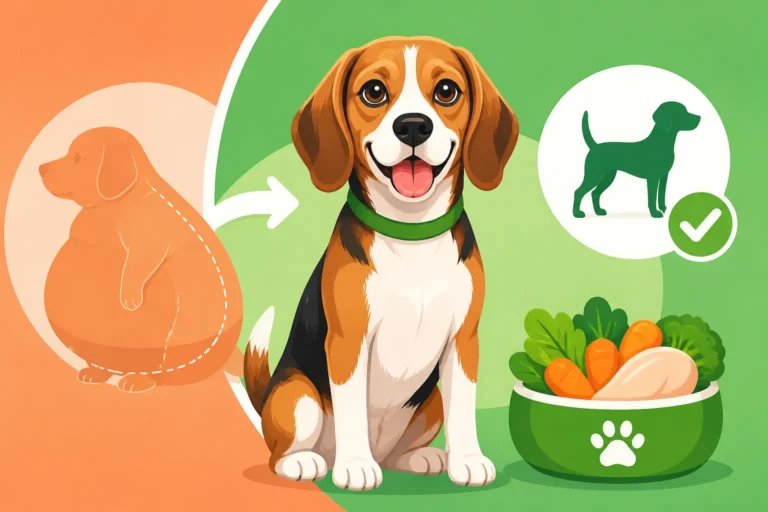
Beagles are poster children for obesity. Their strong food drive, combined with their adorable begging skills, makes it incredibly easy for owners to overfeed them. However, obesity is not just a cosmetic issue; it's a serious medical condition that predisposes your Beagle to a host of other health problems. Beagle Obesity and the Diseases It Brings On covers this in detail.
- Joint problems: Excess weight puts tremendous strain on joints, exacerbating conditions like Beagle Hip Dysplasia and Everyday Joint Wear and Beagle Arthritis Arriving in Middle Age. It speeds up the degeneration of cartilage and can make movement painful. How Extra Weight Raises Beagle Disc Pressure is another major concern, as Beagles are already predisposed to back problems.
- Diabetes: Just like in humans, obesity is a leading risk factor for type 2 diabetes in dogs. Beagle Diabetes and Blood Sugar Control becomes a daily battle if this occurs.
- Heart disease: Overweight Beagles are more prone to high blood pressure and heart disease, reducing their stamina and lifespan.
- Respiratory issues: The extra fat around the chest and neck can make breathing more difficult, especially in warm weather or during exercise.
- Reduced lifespan and quality of life: Overall, obese Beagles tend to live shorter lives and have a poorer quality of life due to chronic pain, reduced mobility, and other health complications.
Managing your Beagle's weight through appropriate portion control (many owners find pre-portioned fresh food services like Ollie helpful for this) and regular exercise is paramount. It’s a loving act to say "no" to that extra treat or table scrap.
Digestive Issues and Chronic Inflammation
A diet consistently high in processed foods, fillers, or ingredients your Beagle is sensitive to can lead to chronic digestive upset. This isn't just an occasional bout of diarrhea; it can be persistent loose stools, chronic vomiting, excessive gas, or even conditions like inflammatory bowel disease (IBD). These issues cause discomfort and can prevent proper nutrient absorption, leading to a dull coat, poor energy levels, and a weakened immune system.
Chronic inflammation throughout the body, often triggered by a poor diet, is also linked to a higher risk of various diseases, including certain cancers and autoimmune conditions. Providing a balanced, high-quality diet tailored to your Beagle's age, activity level, and any sensitivities is fundamental to long-term health. Avoid frequent changes in diet and introduce new foods slowly. If you suspect food sensitivities, work with your vet to explore elimination diets or novel protein sources.
Supporting Lifelong Health Through Proper Nutrition
Feeding your Beagle a high-quality, nutritionally complete and balanced diet is one of the most important things you can do to support their health and extend their happy years.
- High-quality ingredients: Look for dog foods where meat is the first ingredient, and avoid those with excessive fillers, artificial colors, or preservatives. There are many excellent brands available on platforms like Chewy or Amazon, ranging from kibble to fresh-frozen options.
- Portion control: Measure your Beagle's food carefully. Don't free-feed. Adjust portion sizes based on their activity level and body condition. Consult your vet for guidance on appropriate calorie intake.
- Appropriate treats: Choose healthy, low-calorie treats or use pieces of their regular kibble for training. Always factor treats into their daily calorie budget.
- Fresh water access: Ensure your Beagle always has access to fresh, clean water. Hydration is key for all bodily functions.
- Regular vet check-ups: Your vet can monitor your Beagle's weight and overall health, and provide personalized dietary recommendations. They can also screen for conditions like Beagle Hypothyroidism and the Weight It Puts On, which can be managed with diet and medication.
By prioritizing excellent nutrition and strict avoidance of harmful foods, you're not just preventing immediate dangers; you're building a strong foundation for a long, vibrant, and healthy life for your beloved Beagle. It's an investment that pays dividends in tail wags and happy bays for years to come.
Disclaimer
This article is for general informational purposes only and does not constitute professional advice. Laws, prices and regulations vary by location and change over time. Consult a qualified professional for guidance on your specific situation.