Teaching Drop It Before a Beagle Swallows
It’s a scenario every Beagle owner dreads: you’re out for a walk, enjoying the fresh air, when suddenly your beloved hound’s nose goes down, and before you can react, they’ve snatched something off the ground. Whether it’s a discarded chicken bone, a mysterious wrapper, or something far more concerning like a dropped pill, that split second can send your heart racing. Teaching your Beagle a reliable "Drop It" command isn't just about good manners; it's a critical, potentially life-saving skill that every Beagle, with their powerful noses and insatiable appetites, absolutely needs. This guide will walk you through how to teach your Beagle to release whatever treasure they've found, focusing on their unique drive and ensuring their safety.
The High Stakes of "Drop It" for a Beagle
For many dog breeds, "Drop It" is a useful command. For a Beagle, it's non-negotiable. Their entire existence revolves around scent, and their innate drive to find and consume anything that smells interesting puts them at a higher risk for ingesting dangerous items. Understanding this fundamental aspect of Beagle behavior is the first step in approaching this vital training.
Why a Beagle's Nose Makes "Drop It" So Challenging
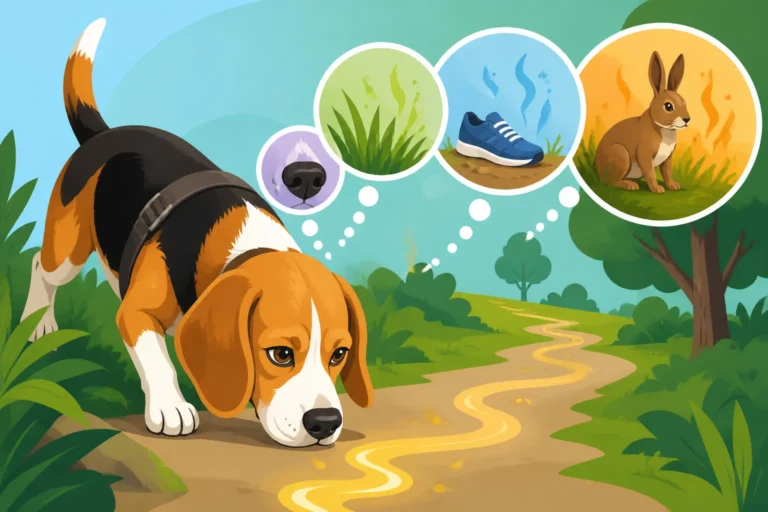
Beagles possess an astonishing sense of smell, boasting around 220 million scent receptors, compared to our mere 5 million. This isn't just a fun fact; it means their world is a vibrant tapestry of odors, and every walk is an overwhelming buffet of smells. When they latch onto a scent trail, their focus is absolute, often to the exclusion of everything else, including your voice. This intense focus, combined with their history as scent hounds bred to track and retrieve, means that once their nose leads them to something edible or intriguing, their instinct is to secure it quickly. Trying to simply pry something from a determined Beagle's mouth often backfires, leading to them swallowing it even faster, or even developing resource guarding tendencies. This is why a strategic, positive reinforcement approach to "Drop It" is so crucial. You need to make dropping the item more appealing than keeping it, which is no small feat when faced with a juicy find. Why a Beagle Nose Beats Ours Ten Thousand Times Over details just how powerful that sense of smell is.
Inherent Risks of Scavenging for Your Beagle
The world outside can be a hazardous place for a curious Beagle. The sheer variety of things they might try to ingest is staggering and often terrifying for owners. Consider common urban and suburban environments: discarded food items like chicken bones (which can splinter and cause internal damage), half-eaten sandwiches containing onions or grapes (toxic to dogs), or even chocolate left on the sidewalk. Beyond food, Beagles can pick up small toys, sharp plastic, medication dropped by accident, or even hazardous chemicals like antifreeze. In more rural areas, they might find dead animals, toxic mushrooms, or poisonous plants. Each of these carries a significant risk, ranging from gastrointestinal upset and choking hazards to severe poisoning and internal injury. Without a solid "Drop It" command, every walk becomes a minefield, and a trip to the emergency vet can become a regular (and expensive) occurrence. What a Beagle Should Never Be Allowed to Eat outlines many of these dangers.
Real-Life Scenarios Where "Drop It" Saves the Day
Imagine these situations:
- The Park Peril: You're at the dog park, and your Beagle sniffs out a half-eaten hot dog wrapper. Before you can even reach them, they have it. A quick, calm "Drop It!" followed by offering a high-value treat (more on this later) could prevent them from swallowing the plastic wrapper or the potentially spoiled contents.
- The Garden Gremlin: Your Beagle is pottering in a friend's garden and starts mouthing at a rhododendron bush, which is highly toxic. If they've learned "Drop It" reliably, you can intervene before they ingest any leaves.
- The Sidewalk Scare: A stray pill has been dropped on the sidewalk. Your Beagle's nose goes straight for it. This is where "Drop It" is an absolute life-or-death command. The faster they release it, the safer they are.
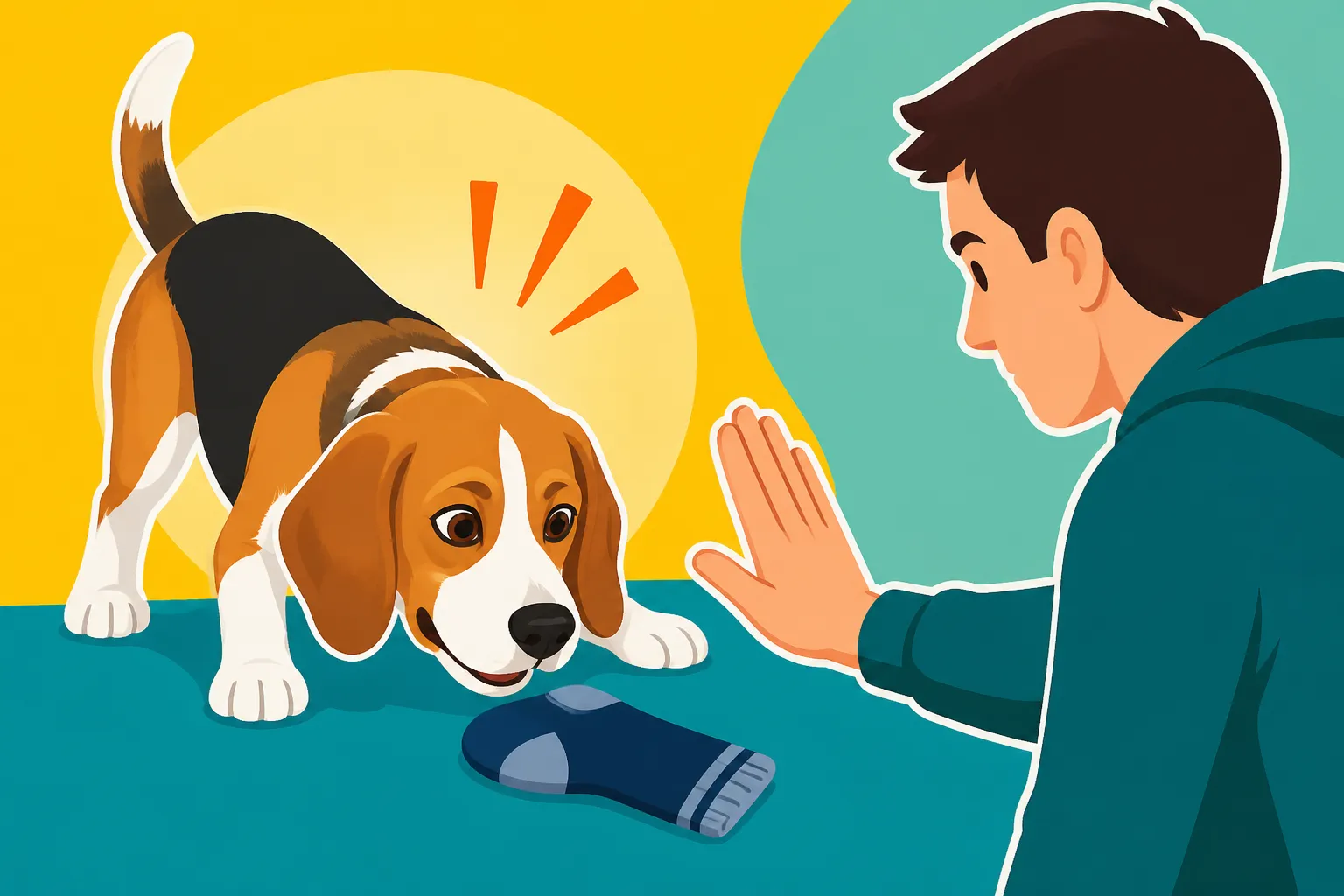
- The Home Hazard: Even inside, "Drop It" is useful. Perhaps your Beagle snatches a sock, a remote control, or a small child's toy. A reliable "Drop It" saves your belongings and, more importantly, prevents an intestinal blockage or choking incident. A Beagle Vomiting After Eating Something Outside can quickly escalate to an emergency vet visit if they swallow something truly problematic.
These scenarios highlight that "Drop It" isn't just a convenience; it's a fundamental safety net that empowers you to protect your Beagle from the myriad hazards their powerful nose might lead them to.
Laying the Foundation: Starting "Drop It" Indoors
Teaching "Drop It" effectively means starting in a controlled, low-distraction environment and making the act of letting go incredibly rewarding. We're essentially teaching an exchange: "Give me this less-exciting thing, and I'll give you something much better." This positive association is key for a Beagle.
The Power of the Exchange: Making "Drop It" Worthwhile
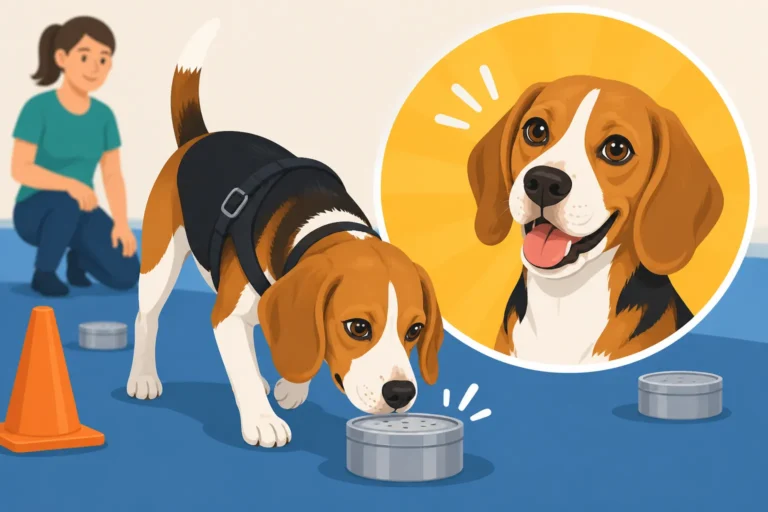
The core principle behind successful "Drop It" training is the "positive exchange." Your Beagle needs to learn that releasing an item doesn't mean losing it forever, but rather gaining something even more fantastic. This requires understanding what motivates your Beagle. For most Beagles, food is a massive motivator, so high-value treats are your best friend here. Think small pieces of cooked chicken, cheese, or even special training treats that they only get for this specific command. The goal is to make the reward so irresistible that dropping the current item becomes an easy choice. The Treats a Beagle Will Work Hardest For can give you ideas for what your Beagle considers a jackpot.
Here’s a step-by-step approach to get started:
- Choose a Safe, Low-Value Item: Start with something your Beagle isn't overly attached to, like a boring toy or a chew he's mostly finished with. Avoid anything super exciting or anything they might resource guard right away.
- Present and Entice: Let your Beagle mouth or gently hold the item. You're not asking them to give it up yet, just to have it in their mouth.
- Introduce the High-Value Treat: Hold a very enticing treat right to their nose. Most Beagles will immediately drop what they have to sniff and try to get the better treat.
- Mark and Reward: The instant their mouth opens and the item drops (even if it's just a slight release), say "Yes!" or click, then immediately give them the high-value treat. Pick up the original item. This swift timing creates a clear association: "Drop = Awesome Treat."
- Add the Verbal Cue: Once your Beagle reliably drops the item for the treat, start adding the verbal cue. As you bring the high-value treat to their nose, say "Drop It!" or "Leave It!" (choose one and stick with it). As before, mark and reward the moment the item is dropped.
- Repeat, Repeat, Repeat: Practice this in short, fun sessions several times a day. Keep it positive and upbeat. If your Beagle isn't dropping the item, your treat isn't high-value enough, or you're asking for too much too soon.
Many positive reinforcement programs, like those offered by BAXTER & Bella, advocate for this kind of reward-based training because it builds trust and makes the dog eager to participate, rather than fearful of losing something.
Gradual Progression: From Boring Toys to Tempting Finds
Once your Beagle consistently "Drops It" with a low-value toy indoors, it's time to gradually increase the challenge. This isn't a quick jump; it's a slow, methodical progression to ensure reliability.
- Vary the "Drop It" Items: Slowly introduce slightly more interesting, but still safe, items. Maybe a favorite toy, then a piece of kibble, then a small, safe chew. Always be ready with an even higher-value treat for the exchange.
- Introduce Mild Distractions: Practice in different rooms of your house. Then, try with a family member in the room, or with the TV on low. The goal is to build up their ability to focus on you despite minor ambient distractions.
- The "Two-Treat" Technique: For Beagles, who are notorious scavengers, a variation can be the "two-treat" technique. Have a pouch full of high-value treats. If your Beagle has something you need them to drop, approach calmly. Present a treat to their nose. The moment they drop the item, give them that treat, and then immediately give them another one for good measure. This reinforces that dropping leads to a double jackpot! Keeping a Beagle Lean While Training With Treats is important here – make sure these high-value treats are small!
Remember, you're always aiming for success. If your Beagle struggles, go back a step. Make it easier, increase the reward, and ensure they feel like they're winning.
Taking "Drop It" Outside: Real-World Scenarios
The real test for a Beagle's "Drop It" command comes when you step outside the door. The sheer volume of enticing scents and distractions can make your perfectly trained indoor Beagle seem like they've never heard the command before. This is where preparation, management, and patience become paramount.
Managing a Beagle's Powerful Nose in the Great Outdoors
When a Beagle's nose hits the ground, it's like a switch flips. Their world narrows to the scent trail, and everything else fades into the background. This is not stubbornness; it's instinct. Therefore, your outdoor training strategy must account for this powerful drive.
- Start with Controlled Outdoor Environments: Don't jump straight to a busy park. Begin in your own fenced yard, where you know what's on the ground. Gradually move to quieter, less stimulating outdoor areas, like a quiet cul-de-sac or a less-trafficked trail during off-peak hours.
- Use a Long Line as a Safety Net: A long line (15-30 feet) is invaluable for outdoor "Drop It" practice. It allows your Beagle some freedom to explore scents but keeps them safely connected to you. If they latch onto something inappropriate, you can gently guide them away or step in to offer the exchange. Make sure the long line is attached to a comfortable, secure harness, rather than just their collar, to protect their neck. You can find a huge variety of long lines and durable harnesses on platforms like Amazon, so you can pick one that's just right for your Beagle's size and your training needs. The Long Line Length a Beagle Actually Needs is a great resource.
- Anticipate and Intervene Early: Become a master of observation. Watch your Beagle's body language. The moment their nose becomes intensely focused, or their ears pin back slightly as they dive for something, you know they're onto a scent. This is your cue to intervene before they get the item in their mouth. A quick "Leave It!" (a related but distinct command) can be used here, followed by a redirect and reward if they disengage. If they do get it, immediately go into your "Drop It" routine.
- Constant Vigilance: This is the hard truth for Beagle owners. You simply cannot be passive on walks. Your eyes need to scan the ground ahead constantly, looking for potential hazards. It's exhausting, but it's part of the Beagle ownership experience.
Consistency and the Immediate Reward System
Outdoor "Drop It" success hinges on consistency and the immediacy of your reward. In a world full of interesting smells and potential "finds," your reward needs to be the absolute best thing going.
- Always Have High-Value Treats: This is not the time for plain kibble. Use your Beagle's absolute favorite, tiny, high-impact treats. Think freeze-dried liver, small pieces of cooked meat, or commercial soft training treats. These treats should only be used for high-stakes training like "Drop It" or Beagle Recall That Works Before the Nose Wins to keep their value sky-high.
- Practice with Real-World Temptations (Controlled): Once your Beagle is doing well in low-distraction environments, set up controlled "drop it" scenarios. For example, scatter a few pieces of a safe, but tempting, treat (like plain pasta or a few bits of safe fruit) on the ground in your yard. Walk your Beagle past them on leash. When they show interest, use your "Drop It" cue and be ready with your super-high-value treat for the exchange.
- Never Chase or Yell: If your Beagle gets something, avoid chasing them or yelling. This often turns it into a game for them or creates fear, both of which will make them less likely to "Drop It" in the future. Instead, approach calmly, get their attention with your high-value treat, and offer the exchange. Remember, the goal is to make dropping the item their idea because something better is coming.
- The "Jackpot" Reward: For truly challenging "Drop It" scenarios (like letting go of a whole discarded hamburger), be ready with a "jackpot" reward – multiple treats, or a treat dispenser that dispenses several small treats in a row. This makes the payoff immense and reinforces that cooperating with "Drop It" is always the best decision.
Troubleshooting Common "Drop It" Challenges
Even with the best intentions and consistent training, Beagles can throw curveballs. It's important to have strategies for when "Drop It" doesn't go according to plan and to understand underlying behavioral tendencies.
When Your Beagle Won't Let Go: Strategies for Stubborn Hounds
We've all been there: your Beagle has something, and they are absolutely not letting go. This can be frustrating, even alarming, especially if the item is dangerous.
- Higher Value Reward: The first and most common reason a Beagle won't drop something is that your offered reward isn't good enough. If they have a half-eaten hot dog, plain kibble isn't going to cut it. You need to pull out the big guns: a piece of cheese, cooked chicken, or a truly irresistible training treat. The more valuable the item they have, the more valuable your offered exchange must be.
- The Trade-Up Game: Instead of just offering one treat, offer a rapid succession of treats. "Drop it!" treat treat treat. This can overwhelm their desire to hold onto the original item with the sheer joy of multiple, delicious exchanges.
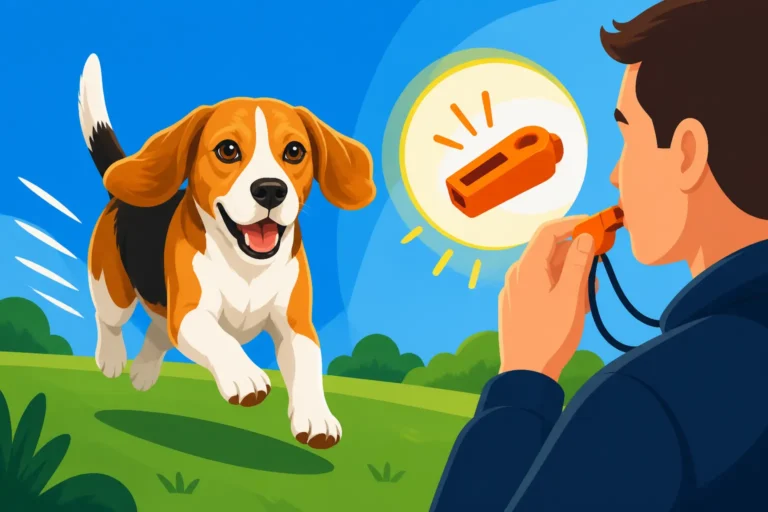
- Tempting Retreat (for non-dangerous items): If the item isn't immediately dangerous (e.g., a stick, a safe toy), you can try creating distance. Back away from your Beagle, acting excited. Most Beagles, being social, will follow you, often dropping the item in the process. When they do, reward heavily. This teaches them that coming to you and dropping the item is fun and rewarding.
- Avoid the Chase: As mentioned, never chase. This reinforces the idea that what they have is valuable and that keeping it is a fun game. It also teaches them to run away with found objects.
- Emergency Intervention (Last Resort): If your Beagle has something truly toxic or dangerous and will not release it, a calm, swift intervention might be necessary. This could involve gently holding their muzzle and prying it open while a second person offers a treat the moment it drops. This should only be used as a last resort for dangerous items, as it can be a negative experience and might lead to resource guarding if overused. It's far better to prevent the ingestion in the first place. What to Do While a Beagle Is Seizing sometimes requires similar quick action, highlighting how vital it is to handle urgent situations calmly.
Dealing with Resource Guarding Tendencies
Some Beagles, especially those with a strong food drive or a history of scarcity, might develop resource guarding – a defensive behavior where they try to protect items they perceive as valuable. This can manifest as growling, snapping, or trying to swallow items quickly when you approach. Resource guarding makes "Drop It" training more complex and requires a careful approach.
- Recognize the Signs Early: Pay attention to stiff body language, whale eye (showing the whites of their eyes), growling, or a quick gulp. These are all signs your Beagle might be guarding.
- Never Punish Guarding: Punishing a dog for guarding only teaches them to hide their warnings, making future bites more likely. Instead, focus on building positive associations.
- Build Positive Associations Around Valuables: For items your Beagle guards, approach and toss a high-value treat near them, then walk away. Repeat this often. This teaches them that your approach doesn't mean you're taking their item, but rather bringing more good things.
- Practice "Drop It" with Guarded Items Carefully: Once your Beagle associates your presence with good things, slowly re-introduce the "Drop It" exchange. Start with an item they guard only mildly. Offer the exchange, lavish praise, and move on. Never force the issue. If you're struggling with resource guarding, consulting a certified professional dog trainer specializing in positive reinforcement and behavior modification is highly recommended. Beagle Resource Guarding at the Food Bowl is a common expression of this issue.
Maintaining "Drop It" Through Adolescence and Beyond
Training isn't a one-and-done deal, especially with a Beagle's lifelong scent drive. Adolescence, in particular, can be a challenging period where previously reliable commands seem to vanish.
- Adolescence: The Re-Testing Phase: Beagles typically hit adolescence between 6 months and 2 years. During this time, they'll re-test boundaries and their newfound independence might make them "forget" commands. This is normal. Double down on your training during this period. Go back to basics if needed, increase treat value, and ensure consistency. Beagle Adolescence and Sudden Selective Hearing describes this phase perfectly.
- Regular Practice is Key: Even with a mature Beagle, occasional refreshers are beneficial. Incorporate "Drop It" into daily play by having them drop a toy, or practice it a few times a week with a safe, enticing item on the ground in your yard.
- Vary Rewards: Keep your Beagle engaged by occasionally surprising them with an even higher value reward than usual for a perfect "Drop It." This keeps them guessing and excited about the command.
- Keep it Positive: Always maintain a positive, encouraging tone. "Drop It" should be a fun game of exchange, not a demand accompanied by frustration. A happy, trusting Beagle is a more compliant Beagle.
"Drop It" is a fundamental cornerstone of a safe and happy life with your Beagle. It requires patience, understanding of their unique drives, and a commitment to positive reinforcement. By mastering this command, you're not just teaching obedience; you're building a vital safety net for your curious, scent-driven companion.
| Training Stage | Environment | Items to Practice With | Reward Strategy | Common Challenges | Solutions |
|---|---|---|---|---|---|
| Phase 1: Foundation | Indoors, low distraction | Boring toys, safe chew sticks (low value) | High-value treats, immediate delivery | Lack of interest in dropping | Ensure treat is truly high-value; make the original item even less appealing. |
| Phase 2: Progression | Indoors, mild distractions | Favorite toys, kibble, small safe chews (medium value) | High-value treats, varied location of reward | Distraction from TV/people | Increase reward value; reduce distractions; shorten training sessions; "two-treat" technique. |
| Phase 3: Outdoor Intro | Fenced yard, quiet outdoor areas | Safe, mild temptations (e.g., plain pasta on ground) | Super high-value treats (jackpot rewards) | Overwhelmed by scents, runs with item | Use a long line; anticipate dives; intervene early; avoid chasing; practice "Leave It!" |
| Phase 4: Real World | Busy parks, walking paths | Found objects (simulated in training), actual finds | Jackpot rewards, varied locations, positive praise | Stubbornness, resource guarding, "selective hearing" | Always have high-value treats; consult a professional for guarding; consistent practice; positive reinforcement. |
Disclaimer
This article is for general informational purposes only and does not constitute professional advice. Laws, prices and regulations vary by location and change over time. Consult a qualified professional for guidance on your specific situation.