Beagle Thyroid Medication Paid for Life
Discovering your beloved Beagle has hypothyroidism can feel like a punch to the gut. Beyond the worry for their health, the immediate thought often turns to "How much is this going to cost?" and "Is this a lifelong expense?" Many of us fret about the financial commitment that comes with a chronic condition. This comprehensive guide is here to shed light on exactly what to expect when it comes to managing your Beagle's thyroid medication and all the associated costs, helping you plan for their long, healthy life.
Understanding Beagle Hypothyroidism and Its Management
When your vet delivers a diagnosis of hypothyroidism, it means your Beagle's thyroid gland isn't producing enough thyroid hormones. This can lead to a whole host of symptoms, from unexplained Beagle Lethargy That Turns Out to Be Thyroid to Beagle Hypothyroidism and Sudden Weight Gain and even skin issues like Beagle Hair Loss Traced Back to the Thyroid. The good news is that for most Beagles, it's a very manageable condition, but it does require consistent, lifelong care.
The Diagnosis Process and Initial Costs
Before you even get to medication, there's the diagnostic journey. Often, owners bring their Beagles to the vet because they've noticed a change – perhaps they're not as bouncy, or their coat seems dull. The vet will likely perform a general exam and discuss your dog's symptoms. If hypothyroidism is suspected, blood tests are the next step. A basic thyroid panel will check T4 levels, but sometimes a more comprehensive panel, including free T4 and TSH (thyroid-stimulating hormone), is needed to get a definitive picture. These initial tests can range from $100 to $300, depending on your vet's pricing and the complexity of the panel. For a thorough understanding, you might find yourself asking What a Beagle Thyroid Panel Costs, which will give you a detailed breakdown of these diagnostic steps. It's a critical investment to confirm the condition and rule out other potential health issues.
The Role of Levothyroxine
Once hypothyroidism is confirmed, the treatment almost universally involves daily oral medication called levothyroxine (L-thyroxine). This medication is a synthetic form of the thyroid hormone your Beagle is lacking. It essentially replaces what their body isn't producing naturally. It's not a cure, but rather a replacement therapy that allows your Beagle to function normally. Think of it like a diabetic needing insulin; it's a vital, daily supplement for their system. This is why the term "paid for life" rings so true—your Beagle will need this medication every single day for the rest of their years to maintain their health and quality of life. Without it, the symptoms would return, and their health would decline. Understanding this commitment from the outset is crucial for managing expectations and budgeting.
Monitoring and Dosage Adjustments
Starting levothyroxine isn't a one-and-done deal. Your vet will prescribe an initial dosage, and then regular follow-up blood tests will be necessary to ensure the medication is working effectively and the dosage is correct. Typically, after starting medication, you'll have a recheck blood test in 4-8 weeks. Once a stable dose is found, these blood tests are usually recommended every 6-12 months. Each recheck blood test can cost anywhere from $50 to $150, primarily checking those T4 levels again. These monitoring costs are an ongoing part of managing the condition, ensuring that your Beagle isn't under or over-medicated. It's a delicate balance, and dosages might need to be adjusted over time as your Beagle ages or if other health issues arise. It's also vital to understand What Happens If a Beagle Stops Thyroid Medication, as consistency is key.
Breaking Down the Monthly Medication Costs
The thought of lifelong medication can be daunting, but thankfully, levothyroxine is generally quite affordable for dogs. The exact cost will vary based on several factors, including the dosage your Beagle needs, whether you opt for a generic or brand-name drug, and where you purchase it.
Levothyroxine Pricing and Variations
The monthly cost of levothyroxine for a Beagle typically ranges from $10 to $50. For a smaller Beagle, say around 25 pounds, a common dosage might translate to medication costing closer to the lower end of that spectrum. Larger Beagles or those requiring higher doses will naturally fall towards the higher end. Generic levothyroxine is almost always significantly cheaper than its brand-name counterparts, and for most dogs, it works just as effectively. Your vet will specify the exact strength (measured in micrograms, or mcg) and quantity your Beagle needs per day. For example, a bottle of 180 tablets (a 6-month supply) of a common strength might cost around $60-100 if purchased online or from a human pharmacy, breaking down to $10-17 a month.
Pharmacy Options and Savings
There are several avenues for purchasing your Beagle's levothyroxine, and exploring them can lead to considerable savings over the years.
- Your Veterinarian: The most convenient option, as you'll pick it up right after your visit. However, vet clinics often have a higher markup on medications than other sources.
- Human Pharmacies: Many human pharmacies, like CVS, Walgreens, or even grocery store pharmacies like those at Kroger or Walmart, carry canine levothyroxine. In many cases, it's the exact same medication used for humans, just in different strengths. They often offer competitive pricing, and you might even find discount programs or coupons.
- Online Pet Pharmacies: Online retailers like Chewy's pharmacy service, or sites like PetMeds, can be excellent sources for long-term prescriptions. They often offer bulk discounts and free shipping, making them very cost-effective. You'll need a prescription from your vet, which they can either send directly to the online pharmacy or provide to you to upload. This is often where you'll find the best deals for ongoing medications.
- Compounding Pharmacies: If your Beagle has a very specific dosage requirement that isn't available in standard tablets, or if they are difficult to pill, a compounding pharmacy can create custom formulations (like flavored liquids or smaller capsules). This option tends to be more expensive but can be a lifesaver for challenging cases.
Additional Supplements and Dietary Needs
While levothyroxine is the primary treatment, sometimes a holistic approach includes dietary adjustments or supplements. For instance, if your Beagle experienced Beagle Hypothyroidism and Sudden Weight Gain before diagnosis, managing their weight through a controlled diet becomes essential. Obesity can exacerbate other health issues, so focusing on appropriate portion sizes and healthy food choices is critical. Some owners might explore specialized diets, perhaps a fresh food option like those offered by Ollie, if their vet believes it could support overall wellness and weight management, although these generally come at a higher price point than conventional kibble. While not directly part of the thyroid treatment, these choices contribute to the overall cost of managing a hypothyroid Beagle and preventing complications. Omega-3 fatty acids, for example, are sometimes recommended for coat health, which can be affected by hypothyroidism. These additional supplements typically range from $10-$30 per month, but they are generally optional and should always be discussed with your vet.
Here's a quick comparison of potential levothyroxine costs:
| Source | Typical Monthly Cost (for common dosage) | Pros | Cons |
|---|---|---|---|
| Veterinary Clinic | $20 – $50+ | Convenient, immediate availability | Often highest price point |
| Human Pharmacy (e.g., CVS) | $10 – $30 | Accessible, potential for discount cards | May need to special order canine strengths |
| Online Pet Pharmacy (e.g., Chewy) | $10 – $25 (often for bulk supply) | Best for long-term savings, home delivery | Requires vet to send prescription |
| Compounding Pharmacy | $40 – $100+ | Custom dosages/formulations | Highest cost, specialized |
Note: These are estimated ranges and actual costs can vary significantly based on location, specific dosage, and pharmacy.
The Broader Picture: Associated Vet Visits and Blood Work
Managing hypothyroidism isn't just about the pill itself; it's about the ongoing veterinary care that ensures your Beagle stays healthy and the medication remains effective. These associated costs are a significant part of the "paid for life" equation.
Regular Check-ups and Blood Panels
After the initial stabilization period, your Beagle will need routine veterinary check-ups, usually once or twice a year, combined with blood tests to monitor their thyroid levels. These visits are crucial because thyroid hormone levels can fluctuate over time, and your Beagle's medication dose may need adjustment. A typical vet visit for a check-up might cost $50-$100, and the subsequent blood panel (T4, TSH) adds another $50-$150. So, you can expect to budget for an additional $100-$250 per year, at minimum, for these essential monitoring appointments. These costs are a non-negotiable part of responsible hypothyroidism management. These regular checks also allow your vet to spot any other emerging health concerns, such as Beagle Dental Disease and Tartar Buildup or other age-related changes.
Managing Side Effects or Complications
While levothyroxine is generally very safe, sometimes Beagles can experience side effects or develop other health issues that complicate their care. For example, if the dosage is too high, it can lead to symptoms like excessive thirst, restlessness, or increased heart rate. This would necessitate another vet visit and blood test to adjust the dosage. Furthermore, while treating hypothyroidism often resolves the initial symptoms, some Beagles might have concurrent conditions or develop new ones. For instance, an overweight Beagle with hypothyroidism is at a higher risk for conditions like Beagle Obesity and the Diseases It Brings On or Beagle Arthritis Arriving in Middle Age. Addressing these secondary issues will add to your overall veterinary expenses, potentially including different medications, special diets, or even physical therapy. These scenarios can quickly increase the "paid for life" cost beyond just the thyroid medication itself.
Emergency Visits and Unexpected Expenses
Life with Beagles, as we all know, is full of surprises. Even with diligent management of hypothyroidism, unforeseen emergencies can arise. Your Beagle might ingest something they shouldn't, get into a scuffle with another dog, or suddenly develop an unrelated health issue. While not directly tied to their thyroid condition, these emergencies contribute to the overall financial burden of pet ownership, and it's wise to have an emergency fund or pet insurance in place. Beagle Emergency Funds Worth Building is a fantastic resource to consider as part of your financial planning. An emergency vet visit can range from a few hundred dollars to several thousands, depending on the severity of the issue and the treatment required. Even a simple upset stomach might mean a trip to the emergency clinic if symptoms are severe, adding unexpected costs to your yearly budget.
The Impact of Pet Insurance and Wellness Plans
When facing a lifelong condition like hypothyroidism, many owners wonder if pet insurance can help ease the financial strain. The answer is, it depends largely on when you enroll your Beagle and the specifics of your policy.
How Insurance Handles Chronic Conditions
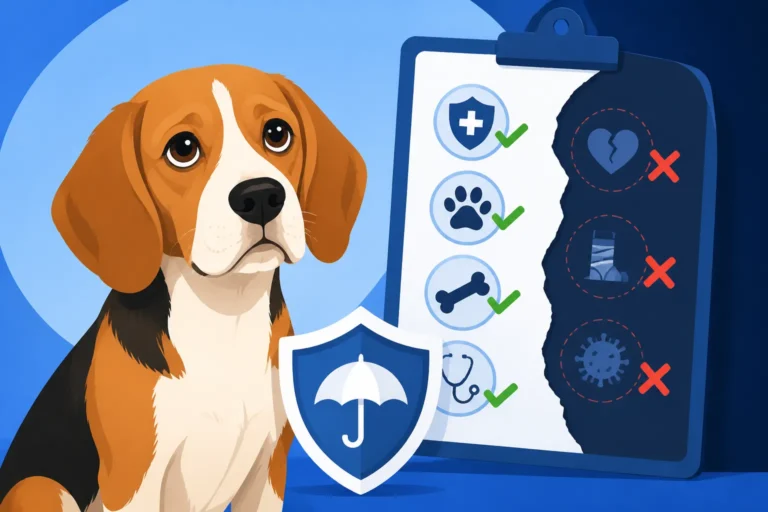
The key factor with pet insurance and chronic conditions like hypothyroidism is the concept of a "pre-existing condition." If your Beagle is diagnosed with hypothyroidism before you enroll them in a pet insurance plan, or even during the waiting period of a new policy, most insurance providers will consider it a pre-existing condition and will not cover the costs associated with its treatment (including medication and monitoring blood tests). This is a common frustration for pet parents. However, if you have a policy in place before your Beagle shows any symptoms or receives a diagnosis, and you maintain continuous coverage, the costs for hypothyroidism management would generally be covered under your accident and illness plan. This is why many experienced pet owners recommend enrolling puppies or young dogs, to ensure coverage for potential future chronic issues. You can compare different options by looking into Beagle Insurance Premiums Provider by Provider.
Weighing Deductibles and Reimbursement
Even with a policy that covers hypothyroidism, you'll need to understand your deductible and reimbursement rate.
- Deductible: This is the amount you pay out-of-pocket each year before your insurance coverage kicks in. Deductibles for pet insurance usually range from $100 to $1,000. For a lifelong condition, you'll likely hit your deductible fairly quickly each year with vet visits and medication.
- Reimbursement Rate: This is the percentage of eligible vet bills that the insurance company will pay after your deductible is met. Common reimbursement rates are 70%, 80%, or 90%.
For example, if your Beagle's annual thyroid-related costs are $500, and you have a $250 deductible and an 80% reimbursement rate:
- You pay the first $250 (your deductible).
- Of the remaining $250, the insurance covers 80%, which is $200.
- You still pay the remaining 20%, which is $50.
So, your total out-of-pocket for that $500 would be $300 ($250 deductible + $50 remaining). Companies like Healthy Paws offer various deductible and reimbursement options, so it's worth exploring their plans and understanding how they handle chronic care. Some insurance companies may also offer wellness plans as an add-on, which cover routine care like annual exams, but these usually don't extend to chronic medication.
Self-Funding vs. Insurance
Deciding whether to rely on pet insurance or to self-fund your Beagle's lifelong thyroid medication and care is a personal choice that depends on your financial situation and risk tolerance.
- Pet Insurance: Provides peace of mind that major unexpected costs or chronic illnesses (if covered) won't completely drain your savings. It essentially acts as a financial safety net. However, you pay a monthly premium regardless of whether you file a claim, and if hypothyroidism is pre-existing, it won't help with those specific costs.
- Self-Funding/Savings Account: You could choose to set aside a dedicated savings fund specifically for your Beagle's medical expenses. This gives you complete control over the money and ensures it's there for any medical need, not just covered conditions. The downside is that a sudden, very expensive emergency could quickly deplete your fund, leaving you vulnerable. For a chronic condition like hypothyroidism, where costs are predictable, having a savings account dedicated to Budgeting for a Senior Beagle's Medications can be a very sensible approach. Ultimately, the best strategy for your family and your Beagle will be one that ensures you can consistently provide the necessary care without undue financial stress.
Long-Term Financial Planning for Your Beagle's Care
A Beagle's average Beagle Lifespan and the Twelve to Fifteen Year Range means you're looking at a decade or more of care after a hypothyroidism diagnosis. This long-term commitment requires a thoughtful approach to financial planning.
Budgeting for a Lifelong Condition
Creating a specific budget category for your Beagle's ongoing medical needs is one of the smartest things you can do. Break down the costs:
- Monthly Medication: Estimate your average monthly cost for levothyroxine, factoring in any potential online pharmacy savings.
- Annual Blood Tests & Vet Visits: Calculate the yearly cost for monitoring and routine check-ups.
- Buffer for Incidentals: Add a small buffer for potential minor adjustments to medication, occasional supplements, or unforeseen, smaller vet needs related to their condition.
For example, if medication costs $20/month ($240/year) and annual blood work/vet visits are $150, you're looking at about $390 per year. Divide that by 12, and you need to budget roughly $32.50 per month, purely for thyroid management. This figure is separate from general costs like food, routine vaccinations, and parasite prevention. When thinking about Feeding a Senior Beagle Past the Age of Ten, you might also anticipate other dietary changes or supplements that add to the overall monthly spend. Knowing these numbers helps you allocate funds and avoid surprises.
Potential Price Changes Over Time
It's important to remember that medication prices can fluctuate. While generic levothyroxine is generally stable, prices for pharmaceuticals can change due to manufacturing costs, supply and demand, or changes in pharmacy agreements. Your Beagle's dosage might also need to increase as they get older, which would increase the cost of the medication. Additionally, vet visit fees and lab test prices tend to rise incrementally over time. Factor in a small percentage increase (e.g., 2-5% annually) when planning your long-term budget to account for these potential changes. Staying informed about pricing from different pharmacies and discussing generic options with your vet can help mitigate these increases.
Quality of Life vs. Cost Considerations
Ultimately, the goal of managing your Beagle's hypothyroidism is to ensure they live a full, comfortable, and happy life. While financial considerations are absolutely real and important, they should always be balanced against your Beagle's quality of life. An untreated or poorly managed hypothyroid Beagle will be lethargic, gain weight, have a poor coat, and simply not feel well. The relatively low cost of levothyroxine provides immense benefits in terms of their vitality and well-being. Regular monitoring and appropriate dosage adjustments mean your Beagle can thrive, enjoying their scent walks and playtime without the burden of untreated illness. Sometimes, in a senior Beagle, other health issues might arise that require significant financial outlay. At that point, difficult conversations about Judging Quality of Life in a Beagle's Last Year may be necessary, but when it comes to a treatable condition like hypothyroidism, ensuring consistent medication is a clear path to a good quality of life.
Disclaimer
The information provided in this article is for general informational purposes only and is not a substitute for professional veterinary advice, diagnosis, or treatment. Always seek the advice of your veterinarian or other qualified animal health provider with any questions you may have regarding a medical condition.