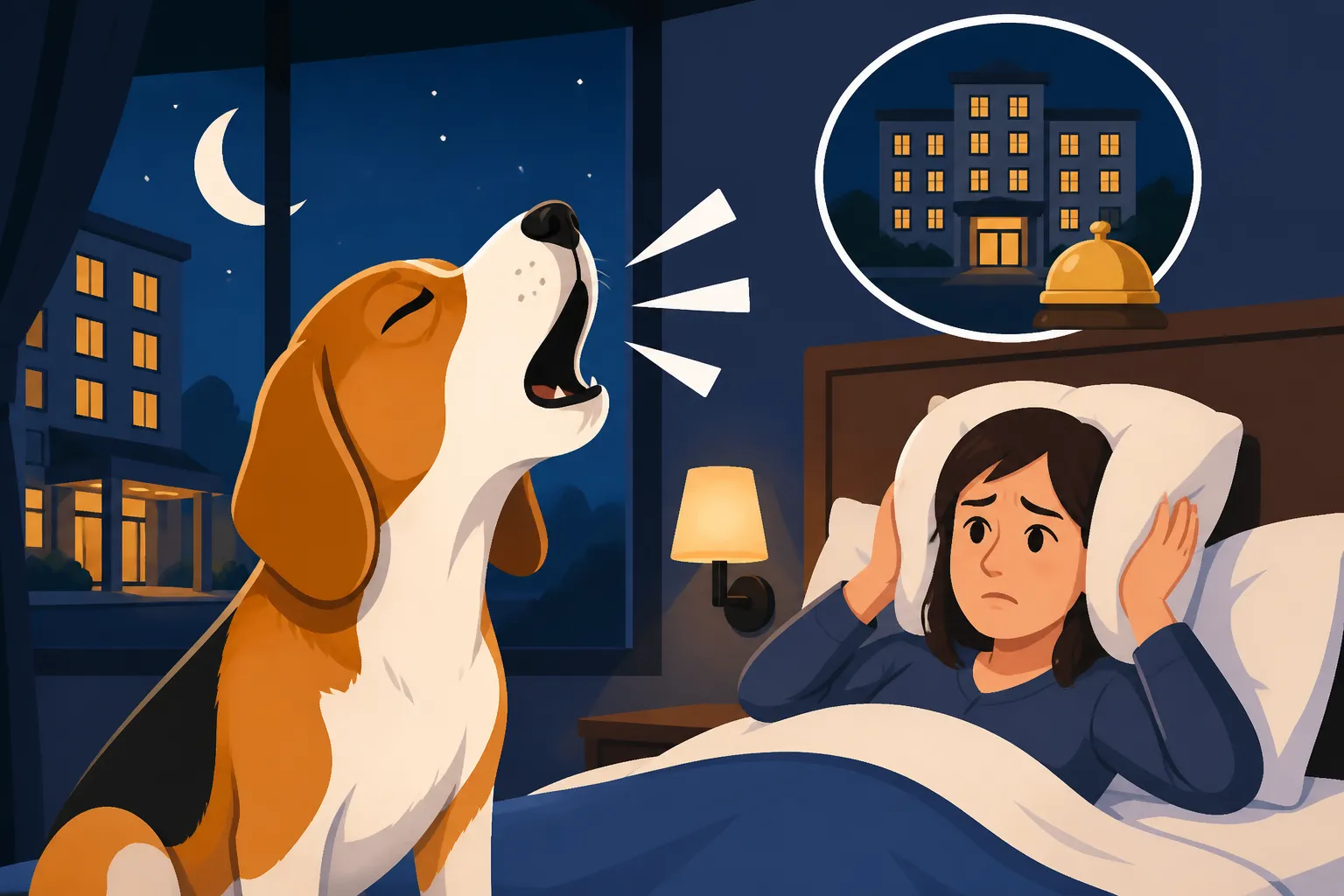
Hotel Stays With a Beagle That Bays at Night
There’s nothing quite like the excitement of a trip, especially when you get to bring your beloved Beagle along. But that excitement can quickly turn into a sinking feeling when, at two in the morning, your sweet hound decides the hotel room is the perfect place to practice their full-throated bay, echoing through the thin walls and into your neighbors' dreams. This guide is here to help you navigate those tricky overnight stays, offering practical strategies to keep your Beagle calm, quiet, and a welcome guest, not a noisy nuisance.
Understanding Why Your Beagle Might Bay in a Hotel at Night
Let's be honest, Beagles are vocal creatures. It's part of their charm, right? But what might be a happy 'woo-woo' in your backyard can become a full-blown crisis in a hotel. Understanding the root causes of their nighttime vocalizations is the first step toward managing them effectively. It's not usually out of spite; it's almost always an expression of discomfort, anxiety, or their innate instincts kicking in.
The Overwhelming New Environment
Imagine a Beagle, a creature with an olfactory bulb far larger than our own, suddenly dropped into a new, scent-rich environment. Hotel rooms, while seemingly clean to us, are a cacophony of smells to a dog: the faint lingering scent of the previous occupant's pet, the cleaning chemicals, the food from room service, the distant smell of other dogs down the hall. This sensory overload can be incredibly stimulating and unsettling. A Beagle's natural response to something new or unknown can often be to vocalize, attempting to alert their pack (you!) or just express their confusion. They might be trying to make sense of the new world through their nose, and when that world doesn't quite add up, the bay comes out.
Furthermore, the sounds are different. The familiar creaks of your home are replaced by elevator dings, muffled conversations, doors opening and closing, and even the sounds of traffic you might not hear at home. A Beagle's acute hearing, combined with their strong pack instinct, means they’re often more sensitive to changes in their immediate environment. What we perceive as background noise, they might interpret as a call to action or a potential threat, leading them to start What a Beagle Bay Actually Sounds Like in earnest.
Separation Anxiety and Loneliness
Beagles are historically pack animals, bred to work in groups. This ingrained instinct often translates into a strong desire for companionship, making them prone to Beagle Separation Anxiety in a Pack Breed. When you're in a new place, even if you're just across the room, the unfamiliarity can amplify any underlying anxiety. If you're used to your Beagle sleeping right next to your bed or even in it, then being confined to a crate or a different sleeping arrangement in a strange hotel room can trigger feelings of isolation.
The moment you close the bathroom door, step out for ice, or even just turn off the lights, their inherent need for contact can manifest as a bay or a howl. It's their way of saying, "Hey, where did everyone go? Is everything okay?" This is especially true if your Beagle is used to a lot of human interaction throughout the day and suddenly finds themselves in a quiet, unfamiliar room at night. For many Beagles, A Beagle That Howls the Second You Leave is a common problem, and a hotel room only exacerbates it.
Unmet Exercise and Mental Stimulation Needs
A long day of travel, perhaps spent mostly in a car or a carrier, can leave a Beagle with a lot of pent-up energy, both physical and mental. We often forget that while a Beagle might seem relaxed, their minds are constantly at work, processing scents and signals. If they haven't had adequate physical exercise to burn off steam or enough mental stimulation to engage their incredible noses, that excess energy has to go somewhere.
Come nightfall, when everything is quiet and they're expected to settle, they might be too wired. A simple walk around the hotel parking lot often isn't enough to satisfy a Beagle's deep-seated need to sniff and explore. Without a good, long "scent walk" or engaging playtime, they might resort to baying out of sheer boredom or restless energy. This isn't just about physical tiredness; it's about giving their minds the "job" they crave.
Proactive Steps Before You Even Check In
The key to a successful hotel stay with a vocal Beagle often lies in the preparation long before you ever pull into the parking lot. A little foresight can save you a lot of sleepless nights and awkward apologies.
Choose a Dog-Friendly Hotel Wisely
Not all "pet-friendly" hotels are created equal, especially when you have a breed known for its vocalizations. Look beyond just the allowance of dogs. Call ahead and ask specific questions:
- Are there designated pet floors or sections? This can sometimes mean you're surrounded by other dogs, which could either be comforting or over-stimulating for your Beagle.
- Are there rooms near exits or on lower floors? This can make late-night potty breaks much easier and quicker, reducing the chance of accidents or prolonged outdoor exposure that might trigger baying.
- Do they have any soundproofing measures or recommendations for vocal dogs? Some hotels genuinely understand the challenges.
- Are there any "quiet hours" that are strictly enforced? This is good for you and your neighbors.
Consider reading reviews from other pet owners, specifically looking for comments about noise or dog amenities. Sometimes, paying a little extra for a higher-rated, truly pet-inclusive establishment can be worth its weight in quiet sleep.
Crate Training as Your Best Friend
A well-established Crate Training a Beagle Bred to Sleep in a Pack routine is invaluable for travel. Your Beagle’s crate should be a safe, familiar den, not a punishment zone. Practice short stints in the crate at home, gradually increasing the duration, especially during nighttime hours.
When traveling, bring their usual crate, familiar bedding, and a shirt that smells like you. This consistency creates a portable "home" for them within the strange hotel room. The crate acts as a physical barrier against exploring new smells and sounds that might trigger a bay, and it provides a secure space where they feel less exposed. Remember, the goal is for the crate to be a source of comfort, a place they want to be, especially when resting in a new environment. If your Beagle has Beagle Crate Anxiety Against Crate Comfort, you'll want to address this well before your trip.
Pack the Essentials for Calmness
Think of your Beagle's hotel stay as an exercise in recreating their home environment as much as possible, with extra calming support.
- Familiar Smells: Bring their favorite blanket, bed, or a worn t-shirt that smells strongly of home. The scent of their "pack" provides immense comfort.
- Calming Aids: Consider natural calming supplements (discuss with your vet first) or pheromone diffusers/collars. You can also get calming sprays for their bedding.
- Enrichment Toys: Pack a variety of puzzle toys, KONGs stuffed with frozen peanut butter or wet food, and long-lasting chews. These can keep their minds occupied when you need them to settle, especially during those initial hours in the room or if you step out briefly. Items from Chewy can be a great way to stock up on these pre-trip, ensuring you have a fresh supply.
- Consistent Food & Water: Sudden dietary changes can upset a sensitive Beagle stomach, leading to discomfort that might manifest as restlessness. Stick to their usual food. If your Beagle is on a fresh food diet, pre-portioned meals from a service like Ollie can be a lifesaver, ensuring they get their usual nutrition without you having to measure or worry about refrigeration too much. Bring their own water bowls, too.
Managing the Baying During Your Hotel Stay
Despite your best efforts, your Beagle might still voice their opinions from time to time. The key is to respond effectively without inadvertently reinforcing the behavior.
Setting the Environment for Success
When you first arrive, resist the urge to immediately plop down on the bed. Instead, dedicate the first 30-60 minutes to settling your Beagle.
- Potty Break: Immediately take them out for a long potty break. Let them sniff around and relieve themselves fully.
- Exhaustion First: Back in the room, engage them in a good, energetic play session. This isn't just a quick toss of a toy; aim for 15-20 minutes of active play or a brisk walk outside. The goal is to get some of that pent-up travel energy out.
- Create a Den: Set up their crate in a quiet corner of the room, preferably away from the door or window where external stimuli might be highest. Cover the crate with a blanket to block out visual distractions and make it feel more secure.
- Scent and Sound: Place a familiar item in the crate and turn on a white noise machine or a quiet fan. This helps mask unfamiliar hotel sounds and provides a consistent, soothing background noise. Even a podcast or classical music played softly can help create a sense of normalcy and Soundproofing One Room for a Vocal Beagle effects.
Strategies for When the Baying Starts
It's 2 AM, and the "AWOOOO!" echoes. What now?
- Identify the Trigger: First, try to calmly assess what might have set them off. Did they hear something specific? Are they asking to go out? Is it just general anxiety?
- Address Basic Needs: If you suspect they need to go potty, take them out immediately, quietly, and with minimal fuss. Don't make it a playtime; it's a quick functional trip.
- Do Not Reward the Noise: This is crucial. If your Beagle is baying for attention, going to them, petting them, or letting them out of the crate will teach them that baying gets them what they want. It’s hard, but often the best response is no response, provided all basic needs are met. Wait for a lull, even a brief quiet moment, before interacting.
- Redirection and Distraction: If the baying is anxiety-driven or persistent, try a quiet redirection. Toss a high-value, long-lasting chew or a stuffed KONG into their crate from a distance. The idea is to redirect their focus to something positive and engaging without making a big deal out of the baying itself.
- Consult Your Vet (Virtually if Possible): If the baying is severe, persistent, and seems rooted in extreme anxiety or discomfort, a virtual vet consultation can be helpful. They might suggest temporary anti-anxiety medication for future trips or rule out any underlying medical issues. Some pet insurance providers, like Healthy Paws, might cover aspects of these consultations depending on your plan.
Remember, consistency is key. If you sometimes give in to the baying, your Beagle will learn that persistence eventually pays off, making the problem harder to solve in the long run.
Long-Term Training and Solutions for Future Trips
One successful hotel stay doesn't mean you can slack off on training. These adventures are ongoing lessons, and building a calm, confident traveler takes time and reinforcement.
Desensitization to New Environments
Start practicing with your Beagle by taking them to other new, less stressful environments that aren't your home. This could be a friend's house, a relative's place, or even just a different room in your own home where they don't usually spend time. The more positive experiences they have in varied settings, the more adaptable they'll become.
Focus on creating positive associations in these new places. Bring their favorite toys, give them high-value treats, and engage in calm, reassuring interactions. The goal is to teach them that "new place" equals "good things" and "safety," not "reason to worry and vocalize." Gradually introduce them to different sounds and smells in these places, building their resilience.
Reinforcing Quiet Time and Independence
At home, actively reward calm, quiet behavior. When your Beagle settles down in their bed or crate without being prompted, offer a quiet praise or a small, healthy treat. This teaches them that being quiet and relaxed is a desirable behavior. Work on increasing their periods of independence at home. This might mean having them relax in their crate in another room while you're still home, or practicing short departures and returns. The more comfortable they are being alone and quiet in a familiar setting, the better equipped they'll be to handle being alone and quiet in a new, unfamiliar hotel room. This is a crucial step to address the core of Beagle Separation Anxiety in a Pack Breed.
Consider incorporating more Indoor Enrichment for a Rainy Beagle Week activities into their daily routine, such as advanced puzzle toys, sniff games, or learning new tricks. A mentally tired Beagle is often a quieter Beagle, and these skills translate well to managing downtime in a hotel room.
Exploring Alternative Travel Accommodations
If hotel stays consistently prove too stressful for your vocal Beagle, it might be worth exploring other options for future trips.
- Vacation Rentals: Homes or apartments rented through services often offer more space, a private yard, and a more "home-like" environment. This can reduce the stress of unfamiliar noises and smells, and give your Beagle more freedom to roam (safely) indoors.
- Dedicated Pet Resorts/Boarding: Sometimes, the best solution for your Beagle, and for your own peace of mind, is to have them stay at a reputable pet resort or boarding facility. Many offer individual rooms, outdoor play areas, and experienced staff who understand how to manage vocal breeds. Researching Beagle Boarding and Daycare Rates can help you budget for this option.
- RV or Camper Travel: If you love road trips, an RV can be a fantastic solution. Your Beagle travels in their own familiar space, and their "home" comes with you, minimizing environmental changes.
Ultimately, traveling with a Beagle that bays at night requires patience, preparation, and a deep understanding of their unique breed characteristics. By being proactive and consistent, you can help your loyal companion become a more relaxed and quiet travel partner, ensuring enjoyable adventures for everyone.
Disclaimer
This article is for general informational purposes only and does not constitute professional advice. Laws, prices and regulations vary by location and change over time. Consult a qualified professional for guidance on your specific situation.