What a Beagle Insurance Policy Leaves Out
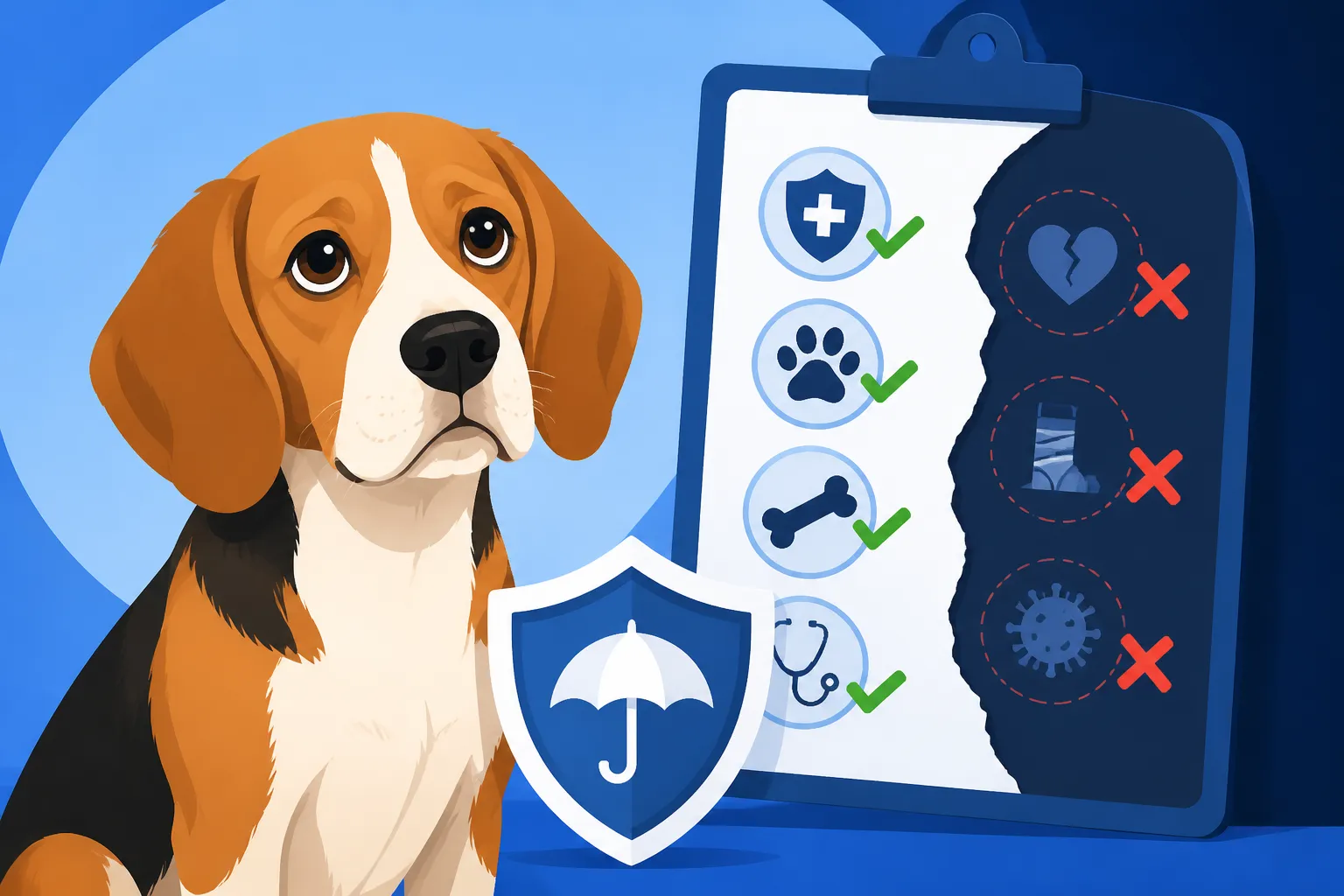
Bringing a Beagle into your life is a joyful experience, but the reality is that their curious noses and active natures can sometimes lead to unexpected bumps, scrapes, or more serious health issues. Many of us turn to pet insurance, hoping for a safety net, only to discover that not every scratch, sniffle, or inherited condition is covered. This guide will meticulously break down the often-overlooked exclusions in Beagle insurance policies, helping you understand the fine print so you can plan better for your furry family member's future.
Understanding the Basics of Pet Insurance for Beagles
Navigating the world of pet insurance can feel like trying to decipher a legal document written in a foreign language. It's not always straightforward, and what one policy covers, another might explicitly exclude. For Beagle owners, understanding these nuances is particularly important because our beloved hounds, despite their generally robust health, do have some predispositions that can lead to significant vet bills.
Why Beagles Need Insurance: Common Breed-Specific Concerns
Beagles are wonderful dogs, full of life, scent-driven, and often surprisingly sturdy. However, like any purebred, they come with a genetic blueprint that can predispose them to certain conditions. For instance, the breed is unfortunately prone to Beagle Epilepsy and Seizures From Six Months On, which can be a lifelong condition requiring ongoing medication and veterinary care. Imagine the shock and financial stress of a sudden cluster seizure event, only to find out your policy won't cover it.
Beyond seizures, Beagles are also susceptible to issues like Beagle Hypothyroidism and the Weight It Puts On, which, while manageable with medication, requires consistent monitoring. Their long backs, though not as exaggerated as some other breeds, can sometimes lead to Beagle Back Problems and Intervertebral Disc Disease later in life, potentially requiring expensive diagnostics and even surgery. And let's not forget those adorable, long, floppy ears that are so prone to Beagle Ear Infections Under Those Long Ears, which, if chronic, can really add up in vet visits and specialized treatments. Having a solid understanding of potential breed-specific issues helps you look for a policy that offers meaningful protection rather than just a basic plan.
The Core Coverage Most Policies Provide
When you sign up for pet insurance, the vast majority of policies, like those offered by Healthy Paws or similar providers, typically focus on accident and illness coverage. This means they're designed to help with unexpected events. If your Beagle decides to chew on a toxic plant it found on a walk, leading to an emergency vet visit, or if it suddenly develops a nasty stomach bug, these policies are generally there to cushion the blow. They cover things like diagnostic tests (X-rays, blood work), emergency treatments, surgery for injuries, hospitalization, and prescribed medications for new conditions.
This core coverage is incredibly valuable, as these unforeseen circumstances can often result in thousands of dollars in bills overnight. It’s what gives many pet parents peace of mind, knowing that if a car accident or a sudden illness strikes, they won't have to choose between their dog's life and their savings account. However, it’s crucial to remember that "new conditions" is a key phrase here. If your Beagle developed symptoms of a condition before your policy started or during a waiting period, it's very likely to be considered pre-existing, and that's where things get complicated.
Navigating Deductibles, Reimbursement, and Annual Limits
Before we dive into exclusions, it's essential to grasp how the financial side of pet insurance works, as these elements can significantly impact your out-of-pocket costs, even for covered events.
- Deductible: This is the amount you pay first before your insurance kicks in. Think of it like your car insurance deductible. If your policy has a $500 deductible, you'll pay the first $500 of eligible vet bills each year (or per incident, depending on the plan) before your insurer starts reimbursing you. Most providers, including those found on Chewy's insurance marketplace, offer various deductible options, allowing you to balance monthly premiums with potential out-ofpocket costs.
- Reimbursement Percentage: After your deductible is met, this is the percentage of the remaining covered costs that the insurance company will pay. Common percentages are 70%, 80%, or 90%. So, if a bill is $1,000, and you have a $250 deductible and 80% reimbursement, you'd pay $250, and then the insurance would cover 80% of the remaining $750 ($600), leaving you to pay the final $150.
- Annual Limit: This is the maximum amount your policy will pay out in a given year. Some plans offer unlimited annual coverage, which is a fantastic feature for chronic or catastrophic illnesses, while others might cap it at $5,000, $10,000, or more. If your Beagle has a severe illness requiring extensive treatment, hitting an annual limit could leave you footing the bill for the rest of the year. Always weigh the pros and cons of these limits when choosing a policy.
Here’s a quick overview of how these elements work together:
| Scenario | Vet Bill | Deductible ($500) | Remaining Eligible Cost | Reimbursement (80%) | Insurer Pays | Your Out-of-Pocket |
|---|---|---|---|---|---|---|
| First Incident of Year | $1,000 | -$500 | $500 | 80% of $500 | $400 | $600 |
| Second Incident of Year* | $700 | $0 (met) | $700 | 80% of $700 | $560 | $140 |
| *Assuming annual deductible is met |
Pre-Existing Conditions: The Big Exclusion
This is probably the most significant and often frustrating exclusion in pet insurance. It's a deal-breaker for many conditions and can lead to immense disappointment if you're not aware of how it works. Essentially, if your Beagle had any signs or symptoms of an illness or injury before your policy's start date, or during the waiting period, it's considered pre-existing and won't be covered.
Defining "Pre-Existing": What Qualifies
The definition of "pre-existing condition" isn't always as simple as a formal diagnosis. Insurers generally consider a condition pre-existing if:
- It was diagnosed before your policy's effective date or during the waiting period. This is the most straightforward scenario. If your Beagle was diagnosed with Beagle Arthritis Arriving in Middle Age last year, and you sign up for insurance today, that arthritis will almost certainly be excluded.
- Your pet showed symptoms of the condition before your policy's effective date or during the waiting period, even if not formally diagnosed. This is where it gets tricky. Let's say your Beagle started limping slightly for a week, you took him to the vet, and they suggested "rest." A month later, you get insurance. Then, six months after that, the limp returns, and your vet diagnoses him with hip dysplasia. The insurer might look back at his medical records and see the previous limp, declaring the hip dysplasia a pre-existing condition, even though it wasn't diagnosed as such initially. This is why getting a full medical history check from your vet before applying for insurance can be so enlightening.
- It's a bilateral condition. Some conditions, like hip dysplasia or luxating patellas, can affect both sides of the body. If your Beagle was diagnosed with hip dysplasia in one hip before or during the waiting period, many policies will consider any future hip dysplasia in the other hip to be pre-existing as well, even if it hasn't shown symptoms yet. This is an important consideration for breeds prone to Beagle Hip Dysplasia and Everyday Joint Wear.
How Chronic Beagle Conditions Become Pre-Existing
For Beagles, several conditions commonly fall into the pre-existing trap. As mentioned, epilepsy is a prime example. If your Beagle has its first seizure at 8 months old, and you then try to get insurance, it will be considered pre-existing. This is why it’s so critical to consider Insuring a Beagle Before an Epilepsy Diagnosis or other potential breed-specific issues. The same goes for hypothyroidism; if your vet noted symptoms like lethargy or weight gain, even without a formal diagnosis of Beagle Hypothyroidism and the Weight It Puts On, it could be flagged.
Chronic ear infections are another common one. Those adorable floppy Beagle ears are notorious for trapping moisture and debris, leading to recurring infections. If your Beagle has had a history of ear infections before you get insurance, those future infections will likely be excluded. This can be incredibly frustrating if you're dealing with a dog that constantly needs vet attention for its ears. It's a perfect example of a manageable, but recurring, issue that can quickly rack up costs if not covered.
Waiting Periods and Their Impact on Coverage
Beyond the pre-existing clause, every pet insurance policy has waiting periods. These are specific lengths of time (e.g., 2 days for accidents, 14 days for illnesses, sometimes longer for orthopedic conditions) that must pass after your policy's effective date before coverage for specific events begins. If your Beagle gets into an accident on day 1 of a 2-day waiting period for accidents, that claim will be denied.
Orthopedic waiting periods are particularly important for Beagles, especially if you're concerned about joint issues. Many policies have waiting periods of 6 months or even a year for conditions like hip dysplasia or cruciate ligament tears. This means if your Beagle tears its ACL three months after you enroll, it likely won't be covered. Always check these waiting periods carefully. If you're getting a young puppy, you might be able to get ahead of some of these issues, but for an adult Beagle, it's a critical factor.
Routine Care and Wellness: Often Optional Add-Ons
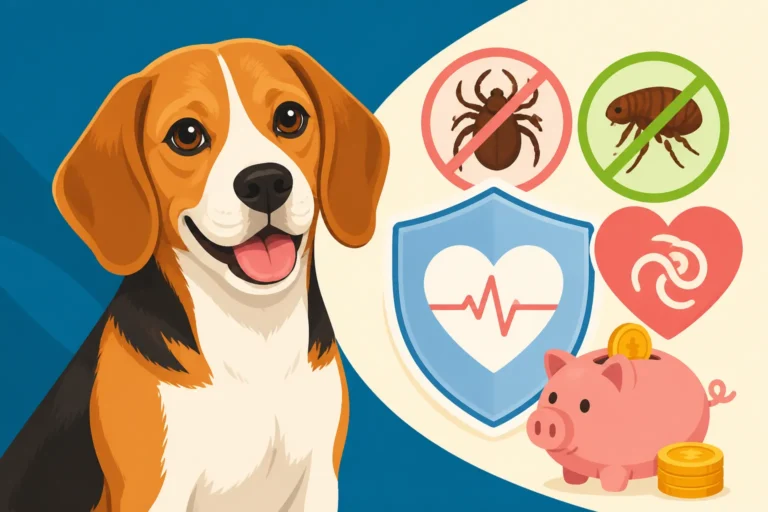
Many new pet owners assume that their insurance policy will cover routine vet visits, vaccinations, and flea prevention. Unfortunately, this is rarely the case with standard accident and illness policies. These "wellness" items are typically separate, optional add-ons.
The Difference Between Accident/Illness and Wellness Plans
The core pet insurance policy is designed for the unexpected – the broken leg, the sudden illness, the emergency surgery. It protects you from large, unforeseen expenses. A wellness plan, on the other hand, is designed to cover the predictable, routine costs of pet ownership. Think of it more like a budget plan or a discount program rather than true insurance against catastrophic loss.
Some insurance providers, like Ollie or others found through Chewy, might offer "wellness packages" or "preventative care" add-ons. These are separate from your main policy and come with their own monthly premium. They exist to help manage the cost of things like annual exams, vaccinations, heartworm medication, and sometimes even a routine dental cleaning.
Typical Wellness Exclusions and Limitations
Even with a wellness plan add-on, there are often limitations. These plans usually cover a set amount for specific services or a fixed number of services per year. For example, a wellness plan might cover one annual exam, two sets of vaccinations, and a fecal test. If your Beagle needs additional boosters or a second exam for a minor issue that isn't an illness, it might not be covered by the wellness plan, and certainly wouldn't be by the core accident/illness policy.
Furthermore, these plans rarely cover the full cost of all routine care. They are designed to help offset expenses, not eliminate them. You might get $50 towards a dental cleaning that costs $500, or a set allowance for parasite prevention that doesn't quite cover a full year's supply of the specific product your vet recommends. It's crucial to read the fine print and compare the annual cost of the wellness add-on to the actual savings you'd get from the covered services. Sometimes, simply putting that extra monthly premium aside into a savings account can be more financially beneficial.
Deciding if a Wellness Plan is Right for Your Beagle
Deciding whether to add a wellness plan really depends on your budget and how you prefer to manage predictable costs. If you appreciate the budgeting aspect and the slight discount, it might be a good fit. However, for a healthy, young Beagle, the cost of a wellness plan can sometimes outweigh the benefits. You might pay $30 a month, totaling $360 a year, only to get $250 back in covered services.
Consider your Beagle's age and health. A young puppy requires several rounds of vaccinations and check-ups, so a wellness plan might be more valuable in the first year. A senior Beagle might benefit from more frequent blood work or specific dental coverage, which some higher-tier wellness plans might offer. However, for a middle-aged, healthy Beagle, you might find that the regular accident/illness policy is where your money is best spent, focusing on protection against the truly unpredictable and expensive health crises.
Behavioral Issues and Training: A Common Gap
Beagles are charismatic, but they also come with a strong-willed, scent-driven temperament that can lead to unique behavioral challenges. Many owners seek professional help for things like excessive howling, destructive chewing, or difficulty with recall. Unfortunately, pet insurance often draws a hard line when it comes to covering these types of issues.
Why Behavioral Treatments Aren't Always Covered
The primary reason most pet insurance policies do not cover behavioral treatments is that they are often seen as "training" rather than medical issues. While we know that behavioral problems can stem from anxiety, fear, or even underlying medical conditions, insurers typically categorize them differently from physical illnesses or injuries. They often consider behavior modification, obedience classes, or consultations with dog trainers to be the owner's responsibility, not a medical expense.
This can be a significant point of frustration for Beagle owners. For example, a Beagle with severe separation anxiety might chew through drywall or bark incessantly, leading to property damage and neighbor complaints. While a vet might prescribe anti-anxiety medication, the root cause often requires extensive behavioral therapy or modifications to the home environment, which typically aren't covered. If your Beagle needs help with Beagle Separation Anxiety in a Pack Breed, you'll likely be footing the bill for a certified professional dog trainer out of pocket.
When Behavioral Care Might Be Included
There are, however, some exceptions and nuances to this exclusion. Some premium pet insurance plans, or those with specific add-ons, might offer limited coverage for behavioral issues. This usually applies when the behavioral problem is diagnosed by a licensed veterinarian as a medical condition rather than simply a training deficiency. For instance, if a board-certified veterinary behaviorist diagnoses clinical anxiety or a compulsive disorder, some policies might cover the consultation fees or prescription medications related to that diagnosis.
However, even in these cases, the coverage is usually limited. It might cover the initial consultation but not ongoing therapy sessions, or it might cover medication but not the actual training protocols recommended by the behaviorist. It's rare to find a policy that covers the full spectrum of behavioral intervention, especially when it involves working with a non-veterinary professional. Always check the policy details for any mention of "behavioral therapy," "psychological disorders," or "counseling" and understand the specific conditions for coverage.
Training Costs and Insurance Realities
Beyond behavioral issues, standard obedience training, puppy classes, or specialized training like scent work are almost universally excluded from pet insurance. This includes the cost of classes, private trainers, or training equipment. While these investments are crucial for raising a well-adjusted Beagle and can even prevent future problems, insurers view them as part of responsible pet ownership, not medical care.
So, if you're planning to enroll your Beagle in classes to improve Beagle Recall and Why Your Voice Stops Registering or to prevent common issues like Beagle Counter Surfing and Trash Raiding, budget for these expenses separately. Many trainers, especially those specializing in working with scent hounds, can be quite expensive. It’s an investment that pays dividends in a well-behaved dog, but it's not one you should expect your insurance to cover. Even some of the more comprehensive policies, like those from Healthy Paws, are primarily focused on unexpected medical costs, not routine training.
Elective Procedures and Cosmetic Surgeries
Just like human health insurance, pet insurance generally distinguishes between procedures deemed medically necessary and those considered elective or cosmetic. This can be a point of confusion and sometimes contention for pet owners.
Distinguishing Between Medical Necessity and Elective Choices
A "medically necessary" procedure is one that a veterinarian determines is essential for your Beagle's health, to treat an illness, or to resolve an injury. For example, if your Beagle breaks a leg, the surgery to repair it is medically necessary. If your Beagle develops glaucoma and needs eye surgery to prevent blindness, that's medically necessary. Insurance is designed to cover these types of events.
Elective procedures, on the other hand, are typically performed for non-medical reasons, such as improving appearance, preventing potential (but not current) problems, or for convenience. Cosmetic surgeries, like tail docking or ear cropping (though not common for Beagles), would fall into this category. Even procedures that seem beneficial, if not deemed critical by your vet for an existing condition, might be considered elective.
Common Beagle Procedures That Might Be Deemed Elective
While Beagles aren't typically associated with extensive cosmetic surgeries, there are a few scenarios where a procedure might be deemed elective and thus excluded from coverage:
- Preventative Gastropexy: Some deep-chested breeds undergo a preventative gastropexy to tack their stomach to their abdominal wall, reducing the risk of bloat (GDV). While bloat is life-threatening, if your Beagle hasn't experienced it, a preventative gastropexy performed during a spay or neuter might be considered elective. However, if your Beagle has a history of bloat and undergoes the surgery to treat it, that would be covered.
- Dewclaw Removal: While some puppies are born with dewclaws that are removed shortly after birth, adult dewclaw removal for reasons other than injury or infection (e.g., if they are constantly getting snagged) might be considered elective.
- Dental Cleanings (without existing disease): While a wellness plan might offer a small allowance for a routine cleaning, your core accident/illness policy typically won't cover annual dental cleanings unless there's an active, covered dental disease requiring treatment, such as an infection or extraction. The prevention of Beagle Dental Disease and Tartar Buildup is usually an out-of-pocket expense.
Always discuss with your vet why a procedure is being recommended. If it's purely for aesthetic reasons or broad prevention without a specific medical indication, be prepared for it to be an out-of-pocket expense.
Addressing Breed-Specific Cosmetic Concerns
Beagles generally don't have many cosmetic concerns that would lead to elective surgeries. Their natural look is part of their charm! However, for some breeds, procedures like entropion or ectropion surgery (eyelid corrections) might be necessary to prevent irritation and infection. For Beagles, issues like Beagle Cherry Eye and Glaucoma are usually considered medically necessary if they're causing problems, but subtle eyelid changes that aren't yet causing medical issues might fall into a gray area of being deemed elective by some insurers.
It's vital to remember that the line between "cosmetic" and "medically necessary" can sometimes feel blurry, but it's ultimately determined by the insurance provider's policy wording and the veterinary diagnosis. If you're ever in doubt, contact your insurance provider directly before scheduling any procedure to clarify coverage.
Hereditary and Congenital Conditions: A Tricky Area
This is another complex area where pet insurance policies can differ significantly, and it’s especially important for purebred dogs like Beagles. Hereditary and congenital conditions are not the same as pre-existing conditions, but they can still be subject to specific exclusions or limitations.
The Fine Print on Genetic Conditions
Hereditary conditions are those passed down through genes from a parent to offspring. For Beagles, examples include certain forms of epilepsy, Musladin-Lueke Syndrome and the Beagle DNA Test, or potentially hip and elbow dysplasia. Congenital conditions are present at birth, often due to developmental issues in the womb, but not necessarily genetic (though many are both). Examples might include a heart murmur that is present from birth, or a portosystemic shunt.
Many modern pet insurance policies do cover hereditary and congenital conditions, which is a huge benefit, especially for breeds known for certain genetic predispositions. However, this coverage usually comes with caveats:
- Not Pre-Existing: The condition must not have shown any signs or symptoms before the policy's effective date or during the waiting period. If your Beagle puppy had a heart murmur noted by the breeder's vet at 8 weeks, and you get insurance when the puppy is 10 weeks old, that murmur would likely be considered pre-existing, even if it's congenital.
- Specific Waiting Periods: Some policies have extended waiting periods for hereditary conditions, or for specific orthopedic conditions that are often hereditary (like hip dysplasia). You might have a 6-12 month waiting period for these.
- Policy Limits: While the condition might be covered, there could be specific sub-limits on the amount paid out for hereditary conditions within the annual limit.
It's critical to review the policy wording carefully. Some older or more basic policies might still exclude hereditary conditions entirely, leaving you completely exposed to the costs of managing conditions like epilepsy or MLS.
Waiting Periods for Hereditary Conditions
As mentioned, waiting periods are a major factor here. For a Beagle puppy, even if you secure pet insurance the day you bring them home, there will still be waiting periods before coverage for illnesses or hereditary conditions kicks in. For example, if your puppy develops signs of a hereditary condition like Musladin-Lueke Syndrome (MLS) during the 14-day illness waiting period, it will likely be excluded. This is why getting insurance as early as possible is always recommended, to try and "outrun" the manifestation of these conditions, which often appear as puppies or young adults.
It's also worth noting that some policies have a longer waiting period specifically for orthopedic conditions (e.g., 6 months). This is designed to prevent people from signing up only when their dog starts showing signs of lameness or joint pain. If your Beagle is prone to joint issues, understanding these specific waiting periods for hereditary conditions like hip dysplasia is key.
How Reputable Breeders Help Mitigate Risks
While pet insurance can help manage the financial impact of hereditary conditions, choosing a reputable breeder is your first and best line of defense. Reputable Beagle breeders are committed to the health of their lines and will perform comprehensive Beagle Health Testing Under CHIC on their breeding dogs. This includes screening for conditions common in Beagles, such as MLS, hip and elbow dysplasia, and certain eye conditions.
A responsible breeder will openly share the results of these genetic tests and health clearances. While no breeder can guarantee a puppy will never develop a health issue, choosing a puppy from parents with clear health screenings significantly reduces the likelihood of encountering severe hereditary conditions down the line. When interviewing a breeder, always ask about specific genetic tests performed, such as the required The MLS DNA Test Required for Beagle CHIC. This proactive approach to health can save you heartache and significant veterinary expenses, regardless of your insurance coverage.
Other Common Exclusions and Considerations
Beyond the major categories, there are a few other common exclusions and factors that might influence your Beagle's insurance coverage.
Experimental or Alternative Treatments
The world of veterinary medicine is constantly evolving, with new treatments and therapies emerging regularly. However, many pet insurance policies will only cover treatments that are considered "standard" or "proven" within the veterinary community. Experimental treatments, therapies that are not widely accepted, or alternative treatments like acupuncture, chiropractic care, or herbal remedies might be excluded or require a specific endorsement or rider on your policy.
If you're interested in exploring these options for your Beagle, especially for chronic pain or mobility issues related to conditions like Beagle Back Problems and Intervertebral Disc Disease or Beagle Arthritis Arriving in Middle Age, check with your insurer beforehand. Some policies are more progressive and will cover certain alternative therapies if they are recommended and performed by a licensed veterinarian. Others, like many Healthy Paws plans, might have specific guidelines for what alternative therapies are covered.
Administrative Fees and Non-Medical Expenses
It might seem obvious, but insurance policies are strictly for medical expenses. They will not cover non-medical costs associated with your Beagle. This includes things like:
- Administrative Fees: Any fees charged by your vet clinic for paperwork, records transfer, or billing.
- Grooming: Routine grooming, nail trims, ear cleaning supplies (unless part of a specific wellness plan), or specialty shampoos for Beagle Skin Allergies and Constant Itching are generally not covered.
- Food and Supplements: Unless it's a prescription diet specifically to treat a covered medical condition (and even then, coverage is often limited), regular dog food, treats, and most over-the-counter supplements are excluded. This means if you're feeding your Beagle a special food for Beagle Obesity Treated as a Health Problem or for sensitive stomachs, it typically won't be covered.
- Boarding or Daycare: If your Beagle needs to be boarded while you're away, or if you use daycare services, these are personal expenses and not covered by insurance. Even if your vet recommends boarding for a medical reason, it's usually excluded.
The Lifetime Cost of a Beagle: Beyond Insurance
Ultimately, pet insurance is a fantastic tool for managing unexpected, large veterinary bills, but it's not a magical solution for all pet expenses. Owning a Beagle, especially one that lives a full Beagle Lifespan and the Twelve to Fifteen Year Range, involves significant financial commitment. The average The Yearly Cost of Keeping a Beagle often includes food, routine vet care, grooming, training, and supplies. Insurance addresses only a portion of this, albeit a very important one.
It’s prudent to build an emergency fund for your Beagle in addition to having insurance. This fund can cover deductibles, reimbursement gaps, and any uncovered expenses like behavioral training, prescription foods, or alternative therapies. Companies like Ollie, for example, offer high-quality food, which is an ongoing cost outside of insurance, but a crucial part of your Beagle's overall health budget. Planning for the full The Lifetime Bill for a Beagle That Reaches Fifteen years will give you the most comprehensive peace of mind.
Final Thoughts and Recommendations
Navigating pet insurance is undoubtedly complex, and understanding what a Beagle insurance policy leaves out is just as important as knowing what it covers. The goal isn't to discourage you from getting insurance – quite the opposite! It's to empower you to make an informed decision so you're not caught off guard when a claim is denied. For Beagles, with their specific breed predispositions, this knowledge is invaluable.
Always read the policy's terms and conditions thoroughly, specifically looking at sections on pre-existing conditions, waiting periods, hereditary conditions, and exclusions. Don't hesitate to call the insurance provider directly with questions, especially concerning any health issues your Beagle may have already experienced. The more proactive you are in understanding your policy, the better prepared you'll be to provide your beloved Beagle with the best possible care throughout their happy, healthy life.
Disclaimer
This article is intended for informational purposes only and does not constitute professional veterinary or financial advice. Pet insurance policies vary widely, and coverage details, exclusions, and terms are subject to change. Always consult with a qualified veterinarian for any health concerns regarding your Beagle and refer directly to your chosen pet insurance policy documents for precise coverage information.