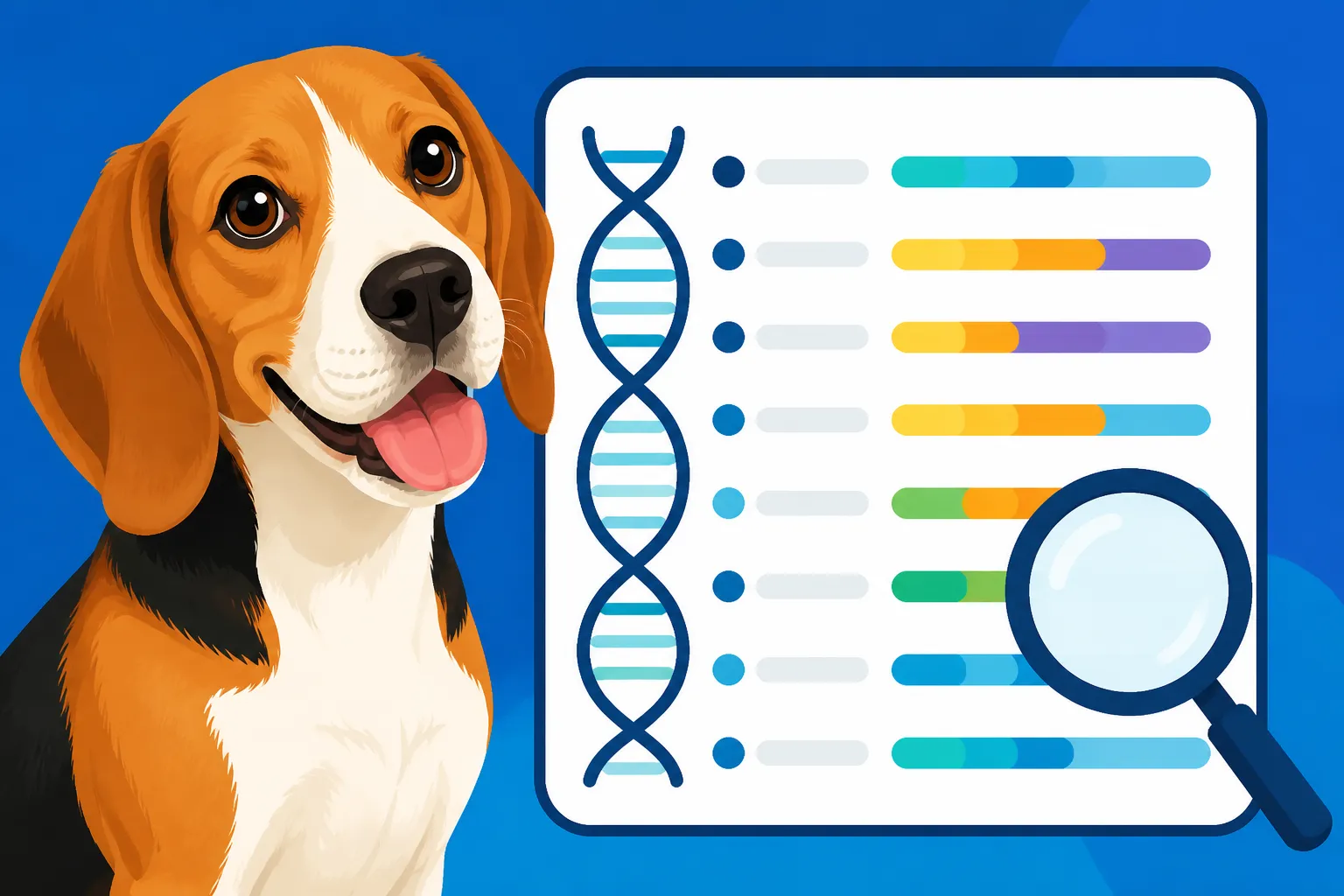
Reading a Beagle DNA Panel Result Line by Line
It's completely normal to feel a bit overwhelmed when that email pops into your inbox, announcing that your Beagle's DNA test results are ready. You click it open, and suddenly you're staring at a screen full of scientific terms, percentages, and three little words: "clear," "carrier," or "affected." It can feel like you've been handed a complex medical chart without a guide, leaving you wondering what any of it actually means for your beloved hound. This guide is here to walk you through exactly how to read a Beagle DNA panel result, line by line, so you can understand its implications for your dog's health and future.
Understanding Why DNA Testing Matters for Your Beagle
Getting a DNA test for your Beagle isn't just about curiosity; it's a profound step in proactive pet care. We want our Beagles to live their best lives, full of sniffing adventures and endless cuddles, and understanding their genetic blueprint is a huge part of making that happen. It can feel a bit scary to look under the hood, so to speak, but knowledge truly is power when it comes to their health.
The Anxiety of Not Knowing Your Beagle's Genetic Risks
Many of us Beagle parents have experienced that nagging worry in the back of our minds. Maybe you've seen a friend's dog struggle with a sudden, devastating illness that seemed to come out of nowhere. Or perhaps you've heard about common Beagle ailments, like certain types of epilepsy or joint issues, and you can't help but wonder if your own furry family member is quietly carrying a predisposition. This not-knowing can create a subtle, constant anxiety. You might notice a slight tremor, a different bark, or a moment of hesitation on the stairs, and suddenly your mind races, connecting it to every possible worst-case scenario. This is a perfectly natural reaction when you care so deeply for your dog. You’re not just imagining things; Beagles, like all purebreds, do have predispositions to certain genetic conditions that might not be immediately obvious.
How a DNA Panel Provides Peace of Mind (or a Roadmap)
A comprehensive DNA panel can alleviate a lot of that worry by giving you concrete information. Instead of guessing, you get data. This data can offer immense peace of mind if your Beagle comes back clear for major breed-specific conditions. But even if the results indicate a carrier status or, more rarely, an affected status, it’s not a sentence of doom. Far from it, actually! It’s a roadmap. It tells you exactly where to focus your attention, what symptoms to watch for, and what preventative measures you might discuss with your veterinarian. For example, if your Beagle carries a gene for a condition that might affect their joints, you can be proactive about supplements or certain types of exercise from a younger age, rather than waiting for symptoms to appear. This early insight can make a monumental difference in their quality of life and potentially save you from urgent, expensive treatments down the line. It's about empowering you to be the best advocate for your Beagle's long-term health.
Deciphering the Common Sections of a Beagle DNA Panel
When you get your Beagle’s DNA results, they’re usually divided into several key sections. It's not just a single, overwhelming block of text; think of it as a series of chapters, each revealing a different aspect of your dog’s genetic makeup. Understanding what each section is trying to tell you is the first step in making sense of the entire report. Most reputable testing companies like Embark, Wisdom Panel, or even tests offered directly by your veterinarian will present this information in a clear, albeit detailed, format.
Breed Confirmation and Ancestry Details
The first thing many people look for, especially with a rescue dog or one with an unknown background, is breed confirmation. For a purebred Beagle, this section will usually confirm 100% Beagle. But sometimes, even with purebreds, a tiny percentage of something else might show up if a distant relative was a different breed. This isn't usually a cause for concern for health, but it can be a fun conversation starter!
Beyond simple confirmation, many panels offer a deeper dive into ancestry. This might show you the specific genetic groups or "lines" your Beagle descends from, tracing back to certain geographic regions or types of Beagles. While this is primarily for interest and not directly health-related, it paints a more complete picture of your dog's heritage. For instance, you might see connections to specific working lines or show lines. This information is a neat insight into the history embedded in your dog's DNA, reminding us that our Beagles carry generations of lineage within them.
Genetic Health Conditions Specific to Beagles
This is often the most important, and sometimes most intimidating, section of the report. Here, the panel screens for a multitude of genetic conditions known to affect the Beagle breed. These can range from metabolic disorders to neurological conditions, and some have a significant impact on Beagle Lifespan and the Twelve to Fifteen Year Range. Each condition listed will typically have a result: "Clear," "Carrier," or "Affected."
Let's look at some of the most common ones relevant to Beagles:
- Musladin-Lueke Syndrome (MLS): This is a serious connective tissue disorder unique to Beagles. The DNA test for MLS is actually one of the health screenings recommended and often required for Beagles to obtain a CHIC number, a certification of health testing. Understanding Musladin-Lueke Syndrome and the Beagle DNA Test is crucial for breeders and owners.
- Factor VII Deficiency: This is a bleeding disorder, meaning the blood doesn't clot properly. Knowing if your Beagle is a carrier or affected is vital before any surgery or injury. Factor VII Deficiency in Beagles can lead to significant complications if not properly managed.
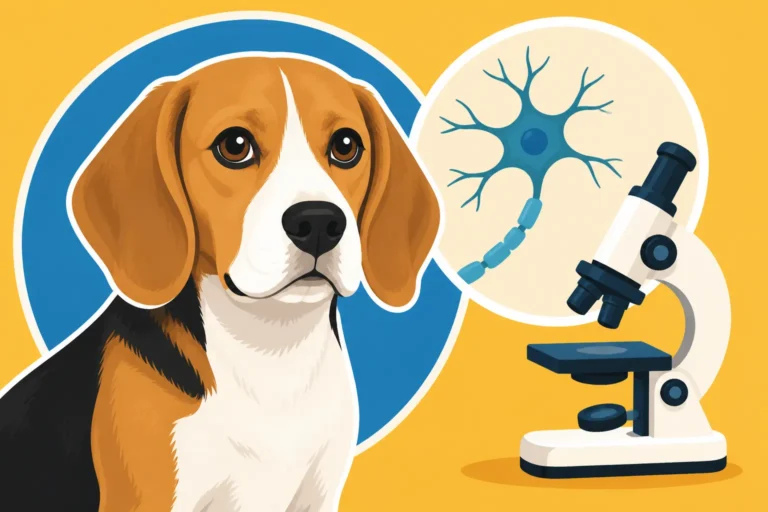
- Lafora Disease: A type of late-onset epilepsy that is particularly severe in Beagles. Unlike typical idiopathic epilepsy, Lafora has a specific genetic marker. You can learn more about Lafora Disease and Late-Onset Beagle Epilepsy and how different it is from other seizure types.
- Certain forms of Epilepsy: While idiopathic epilepsy (epilepsy of unknown cause) is common in Beagles and cannot be specifically identified by DNA test, some panels might screen for specific genetic markers associated with particular forms of epilepsy or seizure disorders that can be identified. If your Beagle's panel shows any genetic predisposition to seizures, it’s worth a deep dive into topics like Beagle Epilepsy and Seizures From Six Months On with your vet.
- Hypothyroidism: While often acquired, there are genetic components that can predispose Beagles to this condition. If indicated, you might want to pay close attention to Beagle Hypothyroidism Symptoms Owners Notice First.
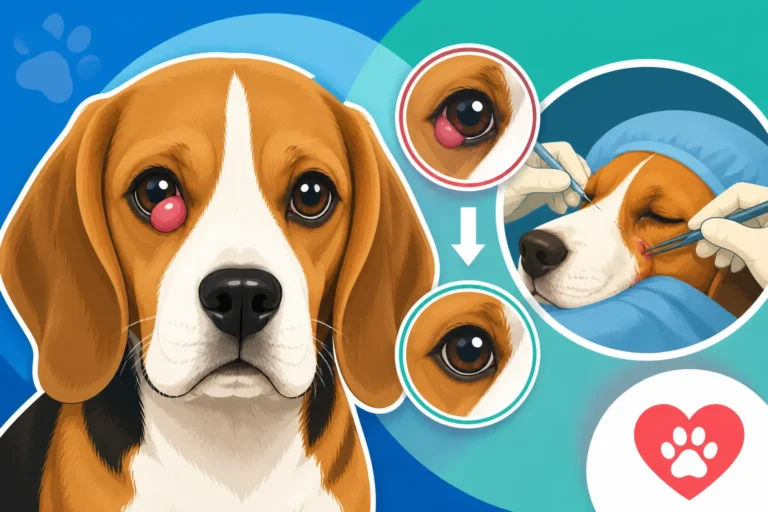
- Eye Conditions: Some genetic tests can identify predispositions to conditions like primary open-angle glaucoma or certain retinal dysplasias, though a full Beagle Eye Conditions and the Board-Certified Exam by a veterinary ophthalmologist remains paramount.
When you see a condition listed, note its status. For instance, if your Beagle is "Clear" for MLS, that's excellent news! If they are a "Carrier" for Factor VII deficiency, it means they won't typically show symptoms themselves but could pass it on if bred. If they are "Affected" by a condition, it means they have two copies of the faulty gene and are expected to develop the disease, or are already showing symptoms. This is where Beagle Health Testing Under CHIC becomes so important, as responsible breeders aim to eliminate these known genetic risks.
This section can also help you understand potential future costs. Knowing a predisposition to a serious condition might prompt you to consider pet insurance providers like Healthy Paws. While pre-existing conditions are typically excluded, having this genetic information before a diagnosis could mean better coverage for your Beagle should symptoms arise later. It’s always smart to check with Healthy Paws directly about their specific policies regarding genetic predispositions and how they relate to the waiting period for certain conditions.
Trait Information and What It Can Tell You
Beyond health, DNA panels often delve into physical traits. This is the fun part for many owners! This section predicts things like:
- Coat Color and Pattern: Will your Beagle always be a classic tri-color, or does it carry genes for lemon, blue tick, or other less common patterns? This can explain why your "black and tan" puppy is actually turning into a "chocolate tri-color" as they grow.
- Coat Type: While Beagles generally have short, dense coats, some lines might carry genes for longer hair or other texture variations, though these are less common and often considered breed faults for purebred Beagles.
- Body Size: While the Beagle breed standard defines two size varieties (under 13 inches and 13-15 inches), genetic markers can offer insights into the upper or lower end of that range, or even explain why your Beagle might be a little larger or smaller than typical.
- Ear Set: Again, Beagles have distinctive long, floppy ears. Genetic markers for ear set might confirm this or indicate if there are genes for a different ear carriage.
- Other Physical Peculiarities: Some tests might even predict things like natural bobtail (not relevant for Beagles, who should have full tails with a white tip) or other minor physical traits.
This information is generally for novelty and interest and rarely has direct health implications. However, understanding your Beagle's genetic traits can sometimes explain minor quirks you observe. It’s a fascinating glimpse into the genetics that make your Beagle uniquely them.
What 'Clear', 'Carrier', and 'Affected' Really Mean for Your Beagle
These three terms – Clear, Carrier, and Affected – are the bedrock of understanding any genetic health panel. They indicate your Beagle’s status regarding specific inherited conditions, and each carries different implications for their health, management, and even potential breeding, should that be relevant. It’s vital to grasp the distinction, as misinterpreting them can lead to unnecessary worry or, conversely, a dangerous lack of caution.
Clear: A Breath of Relief
When your Beagle's DNA panel shows "Clear" for a particular genetic condition, it means your dog does not have the gene mutation associated with that disease. In simpler terms, they don't carry any copies of the specific faulty gene that the test screens for, and therefore, they cannot develop that specific genetic disease. This is typically the best-case scenario and certainly offers a significant sense of relief for owners.
For example, if your Beagle is listed as "Clear" for Musladin-Lueke Syndrome, it means they are completely free of the MLS mutation. They will not develop MLS due to genetics, and they cannot pass the MLS gene on to any offspring. This kind of "clear" result is something reputable breeders actively strive for, as it ensures they are producing healthy puppies without known genetic risks for that particular condition. While being "Clear" doesn't mean your Beagle is immune to all health problems – environmental factors, diet, and other non-genetic issues still play a huge role – it does remove a significant piece of the genetic puzzle from your worry list.
Carrier: Not Always a Cause for Alarm
Seeing "Carrier" next to a condition can sometimes be startling, but it's important to understand it doesn't necessarily mean your Beagle will get sick. A "Carrier" status indicates that your dog has inherited one copy of the gene mutation for a particular condition, but they also have one normal, functional copy of the gene. For most genetic diseases, particularly those inherited in an autosomal recessive pattern (which many Beagle genetic conditions are), having one normal copy is enough to prevent the dog from developing the disease itself. They are, for all intents and purposes, healthy.
The main implication of a "Carrier" status is for breeding. If a carrier Beagle is bred with another carrier of the same condition, there's a 25% chance their puppies could inherit two copies of the faulty gene and be "Affected." This is why genetic testing is so critical for responsible breeding programs. For a pet Beagle that is spayed or neutered, a carrier result often means very little for their day-to-day health. For example, knowing What an MLS Carrier Result Means for a Beagle is crucial information for breeding decisions, but for a pet Beagle, it just means they're healthy and can't pass it on to future generations anyway. It's still wise to discuss any "Carrier" results with your vet, just to ensure there are no subtle, less common implications or monitoring recommendations for that specific condition.
Affected: Preparing for the Road Ahead
An "Affected" result means your Beagle has inherited two copies of the gene mutation, one from each parent, and is therefore at a very high risk of developing the associated genetic disease, or may already be showing symptoms. This is the most serious outcome of a genetic test, but as mentioned earlier, it’s a roadmap, not a dead end.
Upon receiving an "Affected" result, your immediate next step should be a thorough consultation with your veterinarian. They can help you understand the typical onset, progression, and management options for that specific condition. For some conditions, like Lafora Disease and Late-Onset Beagle Epilepsy, early diagnosis can allow for proactive symptom management, though a cure might not be available. For others, like certain forms of Beagle Hypothyroidism and the Weight It Puts On, medication can effectively manage the disease and allow your Beagle to live a full life.
This is also where pet insurance can be a lifesaver. If you had pet insurance like Healthy Paws in place before receiving an "Affected" diagnosis and before any symptoms were noted, the costs associated with managing the condition might be covered. It highlights the importance of getting pet insurance early in a dog's life, before any genetic predispositions manifest as diagnosable conditions. Healthy Paws, like other insurers, typically considers conditions diagnosed before enrollment or during a waiting period as pre-existing, so timing is key. Being "Affected" means you have the knowledge to work closely with your vet, implement preventative strategies, monitor diligently, and provide the best possible supportive care for your Beagle, often extending their happy and comfortable years.
Taking Action After Receiving Your Beagle's DNA Results
Getting your Beagle’s DNA results is a significant step, but the real value comes from what you do with that information. It’s not just a report to file away; it’s a living document that can guide your decisions and enhance your Beagle’s well-being for years to come. The goal is to move from understanding to action, making informed choices that positively impact your furry friend.
Consulting with Your Veterinarian
This is, without a doubt, the most crucial next step. Schedule an appointment with your veterinarian to go over the entire DNA panel report, line by line. Even if you've done your research, your vet has the medical expertise to interpret the results in the context of your specific Beagle's health history, age, and lifestyle. They can clarify any confusing terms, explain the clinical significance of each finding, and advise on any necessary follow-up diagnostics.
For example, if the panel indicates a carrier status for a condition that rarely affects carriers, your vet can reassure you. If it flags a predisposition for something like Beagle Hypothyroidism and the Weight It Puts On, they might recommend baseline thyroid testing at a specific age, or suggest what specific physical signs of a problem to monitor. This personalized guidance is invaluable. Don't hesitate to ask every question that comes to mind; it's their job to help you understand and plan.
Adjusting Care and Lifestyle Based on Findings
The insights from your DNA panel can lead to tangible adjustments in your Beagle's daily care. This isn't about radically changing everything overnight, but rather fine-tuning your approach to support their unique genetic makeup.
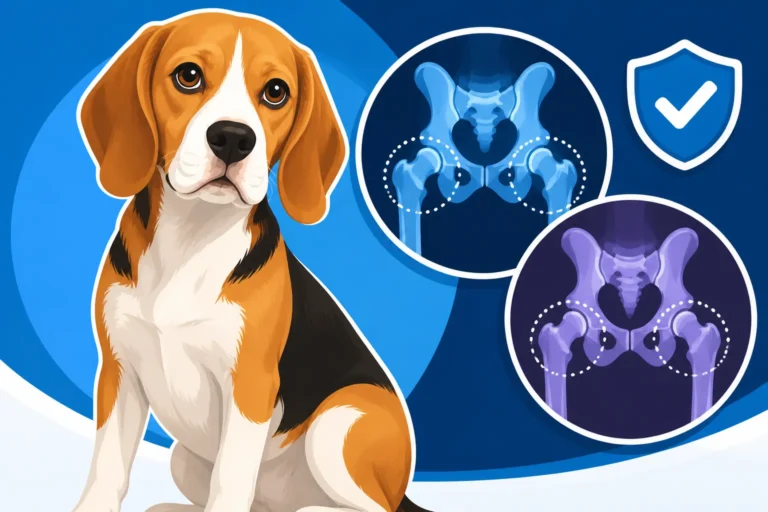
- Dietary Choices: If your Beagle shows a predisposition to certain metabolic issues or sensitivities, your vet might recommend a specific diet or supplements. For instance, if there's any indication of a tendency toward weight gain (which can exacerbate conditions like Beagle Hip Dysplasia and Everyday Joint Wear or back problems), you might become even more diligent about portion control and choosing appropriate, lean treats.
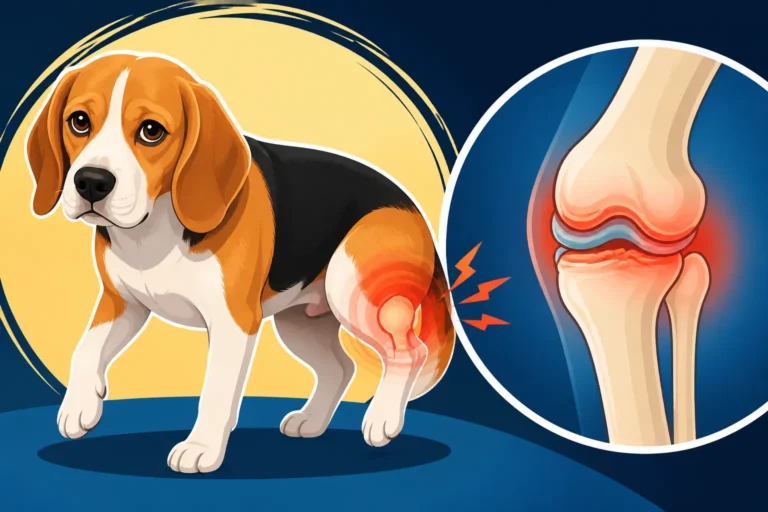
- Exercise Regimen: While Beagles generally need plenty of exercise, if there’s a predisposition to joint issues, your vet might advise on types of exercise that are low-impact, or recommend specific supplements from a young age to support joint health. Similarly, if neurological conditions are flagged, ensuring a safe exercise environment becomes even more important.
- Monitoring and Early Intervention: Knowing specific genetic risks means you can be proactive about monitoring for early signs of disease. If your Beagle carries a gene for Lafora Disease and Late-Onset Beagle Epilepsy, you’ll be more attuned to subtle muscle jerks or behavioral changes. If there's a risk for certain eye conditions, consistent monitoring of their vision and regular check-ups become paramount. This heightened awareness allows for earlier intervention, which often leads to better outcomes and a higher quality of life for your Beagle.
- Preventative Measures: For some conditions, preventative measures might be possible. For example, if your Beagle has a known risk for Beagle Dental Disease and Tartar Buildup (though this is more common than specific genetic markers, some may exist), you might be even more diligent about daily tooth brushing and professional dental cleanings.
This information can lead to significant peace of mind. For example, knowing that your Beagle is genetically clear for certain serious conditions can help you focus your energy on ensuring they get enough physical exercise and mental enrichment through activities like Scent Work as the Job a Beagle Was Built For, rather than worrying about unseen health threats.
Making Informed Breeding Decisions (If Applicable)
If your Beagle is unspayed or unneutered and you're considering breeding, the DNA panel results become absolutely critical. Responsible breeding hinges on minimizing the risk of passing on genetic diseases.
- Avoiding Affected Offspring: A "Carrier" Beagle should only be bred with a "Clear" mate for the same condition to ensure no "Affected" puppies are produced. This also means that some Beagles, particularly those that are "Affected" by a serious genetic condition, should not be bred at all. This responsible approach helps to improve the overall health of the Beagle breed and prevent unnecessary suffering. Understanding your Beagle’s genetic profile is a cornerstone of ethical breeding practices, which helps to maintain the integrity of the breed standard while prioritizing health. The article Breeding Away From Epilepsy in Beagle Lines provides valuable insight into this ethical responsibility.
- Transparency: Reputable breeders are transparent about their dogs’ genetic health testing results, often providing copies of DNA panels and CHIC numbers to prospective puppy buyers. Don't be afraid to ask What to Ask a Beagle Breeder About Genetics before bringing a puppy home; they should be able to show you the results for both parents. The more information breeders and owners have, the better choices they can make for the health of individual dogs and the future of the breed.
Ultimately, your Beagle's DNA panel is a powerful tool. It arms you with knowledge, allowing you to partner with your vet to craft the most informed and proactive health plan possible, ensuring your cherished companion lives the happiest, healthiest life they can.
Disclaimer
Please remember that this article is intended for informational purposes only and is not a substitute for professional veterinary advice. Always consult with a qualified veterinarian for any health concerns or before making any decisions about your Beagle's medical care or treatment.