Crate Rest for a Beagle With a Disc Injury
Finding out your beloved Beagle has a disc injury can be absolutely terrifying and incredibly frustrating. One minute they're romping around, nose to the ground, and the next they're yelping in pain, barely able to move. This guide is here to help you navigate the often overwhelming journey of crate rest, a critical component in helping your Beagle recover from a disc injury.
Understanding Beagle Disc Injuries and Why Crate Rest is Crucial
It's heartbreaking to see your usually vibrant Beagle in pain, especially when it involves something as fundamental as their ability to move. Disc injuries, medically known as Intervertebral Disc Disease (IVDD), are unfortunately common in Beagles, and understanding why and how to approach them is the first step toward recovery.
The Anatomy of a Beagle's Spine and IVDD
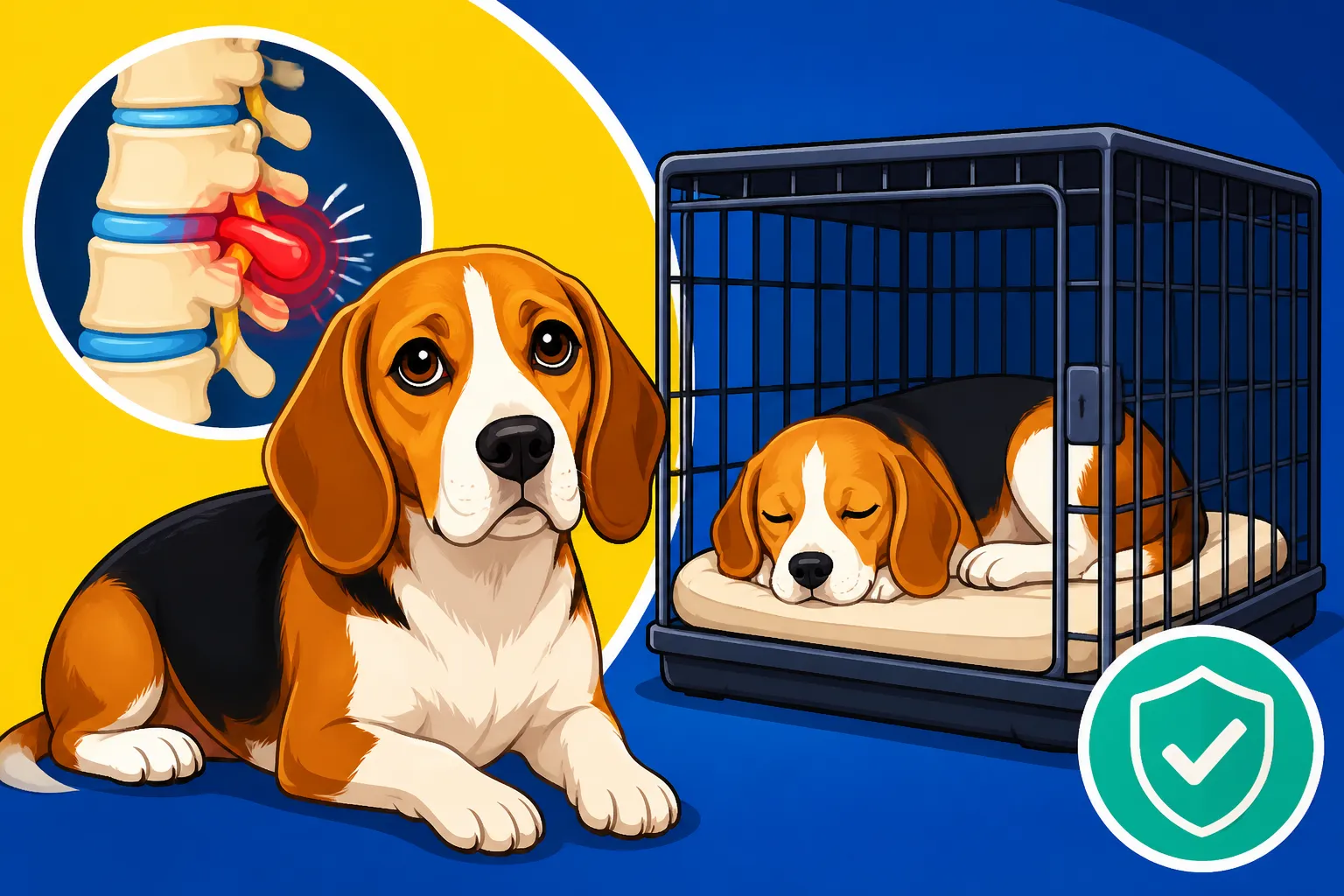
Beagles, like many other chondrodystrophic breeds (those with abnormally developed cartilage), are predisposed to IVDD. This means their intervertebral discs – the jelly-filled cushions between the bones of their spine (vertebrae) – can degenerate prematurely. Imagine these discs as tiny shock absorbers that allow the spine to bend and flex smoothly. When they degenerate, they can either bulge (protrusion) or rupture (extrusion), pressing on the spinal cord. This pressure is what causes pain, weakness, and, in severe cases, paralysis.
The Beagle's characteristic long back, while not as exaggerated as a Dachshund's, still contributes to this vulnerability. Everyday activities like jumping off furniture, roughhousing, or even just twisting awkwardly can put sudden stress on these already compromised discs, leading to an injury. When a disc injury occurs, the inflammation and swelling around the spinal cord can be just as damaging as the initial compression, making every movement a potential risk for further trauma.
Why Immediate and Strict Crate Rest is Non-Negotiable
When a disc injury is suspected or diagnosed, the absolute cornerstone of conservative treatment is strict crate rest. This isn't just about giving them a quiet place; it's about immobilizing the spine to prevent any further movement that could worsen the injury. Think of it like a cast for a broken arm – you wouldn't let someone wiggle a broken arm around, and the same principle applies to a damaged spine.
Every jump, twist, or even a sudden shift in position can cause the compromised disc material to press harder on the spinal cord, leading to increased pain, more inflammation, or even permanent neurological damage. Strict crate rest aims to reduce this pressure, allow the inflammation to subside, and give the disc time to heal. It's often the first course of action unless your Beagle shows severe neurological deficits, such as complete paralysis, loss of deep pain sensation, or a rapid decline, which might indicate that Beagle disc surgery and the odds of recovery is a more immediate and necessary path. For many Beagles, especially with early detection and diligent adherence, crate rest can be incredibly effective.
Setting Up the Perfect Crate Rest Environment for Your Injured Beagle
Crate rest, while essential, can be a challenge for an active, scent-driven Beagle. Creating an environment that is both safe and as comfortable as possible will make the process smoother for everyone involved. It's not just about tossing them in a crate; it's about crafting a haven where they can truly heal.
Choosing the Right Crate Size and Location
The first step is selecting the correct crate. For crate rest, the goal is to limit movement, not to provide ample space for stretching out or pacing. Your Beagle's crate should be snug enough that they can stand up, turn around, and lie down comfortably, but not much larger. This minimal space discourages excessive movement and prevents them from jumping up or twisting. For instance, a 24-inch or 30-inch wire crate is usually sufficient for most Beagles, depending on whether you have a 13-inch or 15-inch variety.
The location of the crate is equally important. Choose a quiet, low-traffic area of your home where your Beagle can feel secure and relax without constant stimulation. However, avoid isolating them completely. Beagles are pack animals, and they thrive on being near their family. Placing the crate in your living room, family room, or even your bedroom (if space allows) will help reduce anxiety. Make sure it's away from direct drafts, loud noises, or areas where children might accidentally disturb them. A cover over the crate can also provide a den-like feel, promoting a sense of security and encouraging rest.
Essential Crate Accessories for Comfort and Support
Once you have the right crate and location, it's time to make it inviting and supportive. A good bed is paramount. Since your Beagle is recovering from a back injury, a supportive, orthopedic bed is ideal. Look for beds made with memory foam or a firm, high-density foam that provides even support without sagging. This helps keep their spine aligned and reduces pressure points. Ensure the bed is also easy to clean, as accidents can happen during recovery. Brands like Big Barker or K&H Pet Products often offer good orthopedic options.
Beyond the bed, consider non-spill food and water bowls that can be easily accessed without your Beagle having to twist or bend too much. Raised bowls can sometimes help, but ensure they don't encourage your Beagle to stand more than necessary. A favorite blanket or a safe chew toy can offer comfort and a sense of familiarity, but avoid toys that encourage vigorous play or twisting. Remember, the goal is minimal movement. Many Beagles love to burrow, so a soft blanket draped over part of their bed can be a welcome addition, provided it doesn't encourage them to dig or rearrange too much. When your Beagle is in pain, activities like jumping on or off furniture become impossible, and if you've ever seen A Beagle that suddenly will not jump on the couch, you know how heartbreaking it is. The crate needs to be a safe haven where all such stressors are removed.
Navigating the Daily Challenges of Strict Crate Rest
Crate rest is not just about keeping your Beagle still; it's a comprehensive approach that requires diligent management of their daily needs, mental well-being, and medication schedule. This can be particularly tough for a high-energy, inquisitive breed like a Beagle.
Managing Potty Breaks and Limited Movement
This is perhaps one of the most challenging aspects for both you and your Beagle. Potty breaks must be strictly controlled and limited to an absolute minimum. Your Beagle should always be on a leash, even in a fenced yard, to prevent any sudden bursts of speed, jumping, or twisting. The routine should be simple: out to potty, straight back inside. No sniffing around, no meandering, and absolutely no running or playing. You'll need to support their back by holding the leash close or even using a belly sling or support harness if they're particularly wobbly or weak in the hindquarters. This prevents them from slipping or putting undue strain on their spine.
For some Beagles, especially those struggling with mobility, lifting them in and out of the crate may be necessary. Always lift them carefully, supporting their entire body, particularly their back and hindquarters, to avoid any twisting motion. You might find you need to take them out more frequently at first, especially if they are on medication that increases urination. This is also important for Senior Beagle care after the age of ten, as older Beagles may have less bladder control and more difficulty holding it. The frequency of these outings will be determined by your vet, but typically, short, controlled trips every 3-4 hours during the day and once overnight may be necessary.
Keeping Your Beagle Mentally Stimulated and Calm
A Beagle on crate rest is a frustrated Beagle. Their innate drive to sniff, explore, and move is suddenly curtailed. This can lead to barking, whining, destructive chewing, or even anxiety. Mental stimulation is key to keeping them calm without allowing physical movement. Puzzle toys that dispense treats slowly, like Kongs stuffed with frozen peanut butter or wet food, can keep them occupied for extended periods. There are also puzzle feeders from brands like Outward Hound or Nina Ottosson that are designed for mental engagement.
Gentle interaction is also vital. Spend quiet time with your Beagle, petting them softly, talking to them in a soothing voice, or simply sitting near their crate. Avoid anything that might get them overly excited or cause them to jump. You might also consider low-key scent games within the crate using very small, high-value treats, if your vet approves, to tap into their natural instincts without physical exertion. Beagles are notoriously food-motivated, so this can be a powerful tool, but be mindful of their overall calorie intake, especially since their activity level is so low. Managing their typical Beagle food budgets for a dog that never stops eating becomes even more critical to prevent unwanted weight gain, as How extra weight raises Beagle disc pressure is a significant concern during recovery. If your Beagle exhibits signs of Beagle separation anxiety in a pack breed, keeping them close to you and providing consistent, calm reassurance can help tremendously.
Administering Medications and Monitoring Progress
Your veterinarian will prescribe a regimen of medications, typically including pain relievers, anti-inflammatory drugs (NSAIDs or steroids), and sometimes muscle relaxants. It is absolutely crucial to administer these medications exactly as prescribed, on schedule, and to complete the entire course. Do not stop medication just because your Beagle seems to be feeling better; this can lead to a relapse.
Keep a detailed log of your Beagle's progress. Note down when you give medications, when they have potty breaks, any changes in their pain level (e.g., yelping, reluctance to move, shivering), changes in their gait or hind leg strength, and any other observations. This "Crate Rest Diary" will be invaluable for your vet appointments. You should be looking for gradual improvements: reduced pain, better mobility during controlled potty breaks, and a calmer demeanor. However, if your Beagle's condition worsens, they become more painful, or develop new neurological deficits (like toe dragging, increased weakness, or incontinence), contact your vet immediately. The costs associated with these medications and frequent vet visits can add up quickly, which is why considering Beagle pet insurance and what it runs a month can provide significant peace of mind. Many pet insurance providers, such as Healthy Paws, offer plans that cover these unexpected medical expenses, helping you focus on your Beagle's recovery without the added financial stress.
Here’s a quick checklist for daily crate rest management:
| Task | Description | Frequency | Notes |
|---|---|---|---|
| Medication Admin. | Give all prescribed pain relievers, anti-inflammatories, and muscle relaxants exactly as directed. | As prescribed | Do not skip doses or stop early. |
| Potty Breaks | Short, leashed trips directly outside for elimination. No sniffing, running, or playing. Support back if needed. | Every 3-4 hours | Carry small dogs if necessary. Watch for signs of worsening pain during these times. |
| Crate Cleaning | Spot clean accidents immediately. Replace soiled bedding to maintain hygiene and comfort. | As needed | Keep extra bedding handy. |
| Mental Enrichment | Offer puzzle toys with frozen treats, Kongs, or gentle scent games (vet permitting). Soft petting and quiet talking. | Several times daily | Avoid activities that cause excitement or physical movement. |
| Water Refill | Ensure fresh water is always available in a non-spill bowl. | Daily | Check frequently, especially if on steroids which can increase thirst. |
| Observation & Diary | Monitor for changes in pain, mobility, appetite, urination/defecation. Record all observations and medication times. | Ongoing | Crucial for vet updates and tracking progress. |
| Crate Check | Ensure the crate is secure, comfortable, and free of hazards. | Daily | Check for bent wires or potential escape routes from a frustrated Beagle. |
The Road to Recovery: Post-Crate Rest and Long-Term Prevention
Surviving strict crate rest is a huge accomplishment, but it's only one part of the journey. The period immediately following crate rest, and the long-term changes you implement, are just as vital for your Beagle's sustained health and preventing future injuries.
Gradual Reintroduction to Activity and Physical Therapy
Once your vet gives the all-clear to slowly ease out of strict crate rest, the keyword is gradual. Do not rush this phase. Jumping back into old routines too quickly is a recipe for relapse. This might involve starting with very short, controlled leash walks (5-10 minutes) several times a day, slowly increasing the duration and distance over weeks or even months. Your vet will provide a specific schedule tailored to your Beagle's recovery.
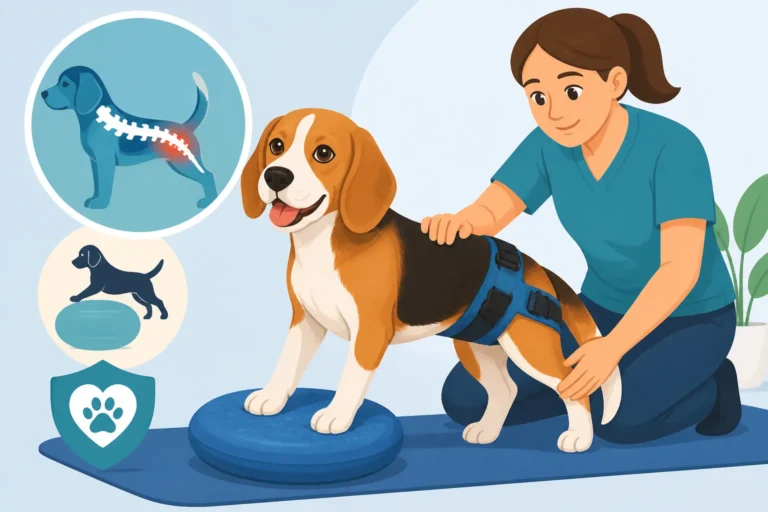
Beagle physical therapy after a back injury is often highly recommended and can significantly improve outcomes. A certified canine rehabilitation therapist can guide you through exercises that help strengthen core muscles, improve balance, and increase range of motion, all without putting undue stress on the healing spine. This might include gentle stretches, passive range of motion exercises, controlled walks on an underwater treadmill (hydrotherapy), or balance exercises. These therapies aren't just for surgical cases; they are incredibly beneficial for Beagles recovering conservatively as well.
Preventing Future Disc Injuries
The unfortunate truth is that once a Beagle has experienced one disc injury, they are at a higher risk for future incidents. Prevention is paramount.
- Weight Management: This cannot be stressed enough. Beagle obesity treated as a health problem is a serious concern, and extra weight puts immense strain on the spine and joints. Keep your Beagle at a lean, healthy weight, even if it means being extra vigilant with their food intake and treats.
- Ramps and Steps: Eliminate jumping, especially on and off furniture or into and out of cars. Invest in Ramps and steps that protect a Beagle spine for beds, couches, and vehicles. Train your Beagle to use them consistently.
- Harnesses over Collars: Avoid neck collars, especially for Beagles who pull on leash. Pressure on the neck can transfer down the spine. A well-fitting harness, particularly a Y-front or front-clip style, distributes pressure more evenly across the chest and shoulders, protecting their neck and back. This directly relates to Why a harness protects a Beagle's neck.
- Controlled Activity: While exercise is important, avoid high-impact activities like excessive jumping, twisting, or prolonged rough play. Stick to controlled leash walks, sniff walks, and perhaps swimming (with a life vest) if your Beagle enjoys it and your vet approves.
- Regular Vet Check-ups: Maintain a schedule of regular veterinary visits to monitor their overall health and address any subtle changes promptly.
Remember, pet insurance can be a huge asset in managing the long-term care and potential future expenses. Providers like Healthy Paws are there to help cover the costs of physical therapy, medications, and even potential future diagnostics or surgeries, ensuring you can always make the best health decisions for your furry family member.
When Crate Rest Isn't Enough: Considering Surgery
Despite everyone's best efforts, conservative management with crate rest isn't always successful, or the injury might be too severe to begin with. If your Beagle's condition worsens, they develop severe neurological deficits (like inability to move their hind legs or loss of bladder/bowel control), or they show no improvement after a reasonable period of strict crate rest, your veterinarian will likely discuss surgical intervention.
Surgery for IVDD typically involves removing the offending disc material that is compressing the spinal cord. This is a specialized procedure often performed by a veterinary neurologist or orthopedic surgeon. While daunting, Beagle disc surgery and the odds of recovery can be very good, especially if performed promptly after severe symptoms appear. It's a significant financial undertaking, but this is another area where a comprehensive pet insurance plan from a provider like Healthy Paws can be a lifesaver. Facing Emergency vet costs every Beagle owner should expect without insurance can be devastating, but knowing you have support allows you to prioritize your Beagle's health above all else. Your vet will help you understand the risks, benefits, and prognosis for surgery, helping you make an informed decision for your beloved Beagle.
Disclaimer
This guide is intended for informational purposes only and does not substitute professional veterinary advice. Always consult with a qualified veterinarian for any health concerns or before making any decisions about your Beagle's medical care.