Beagles With Children and With Other Dogs
Bringing a new Beagle into a home with existing children or other pets can feel like navigating a joyful but sometimes chaotic labyrinth. You envision heartwarming scenes of your Beagle snuggling with the kids or playing happily with the resident cat, but the reality can often involve a lot of noise, boundless energy, and the occasional squabble over a favorite toy. This guide aims to prepare you for these delightful, and sometimes demanding, dynamics, offering realistic advice on how to foster harmony and ensure everyone, two-legged and four-legged alike, thrives together.
Understanding the Beagle Temperament Around Family
Beagles are known for their merry dispositions, their incredible noses, and their vocal nature. These traits, while endearing, play a huge role in how they interact with everyone in the household, from the tiniest human to the most aloof feline. Understanding their core temperament is the first step to building a truly integrated family unit.
The Beagle's Merry Disposition and Pack Instincts
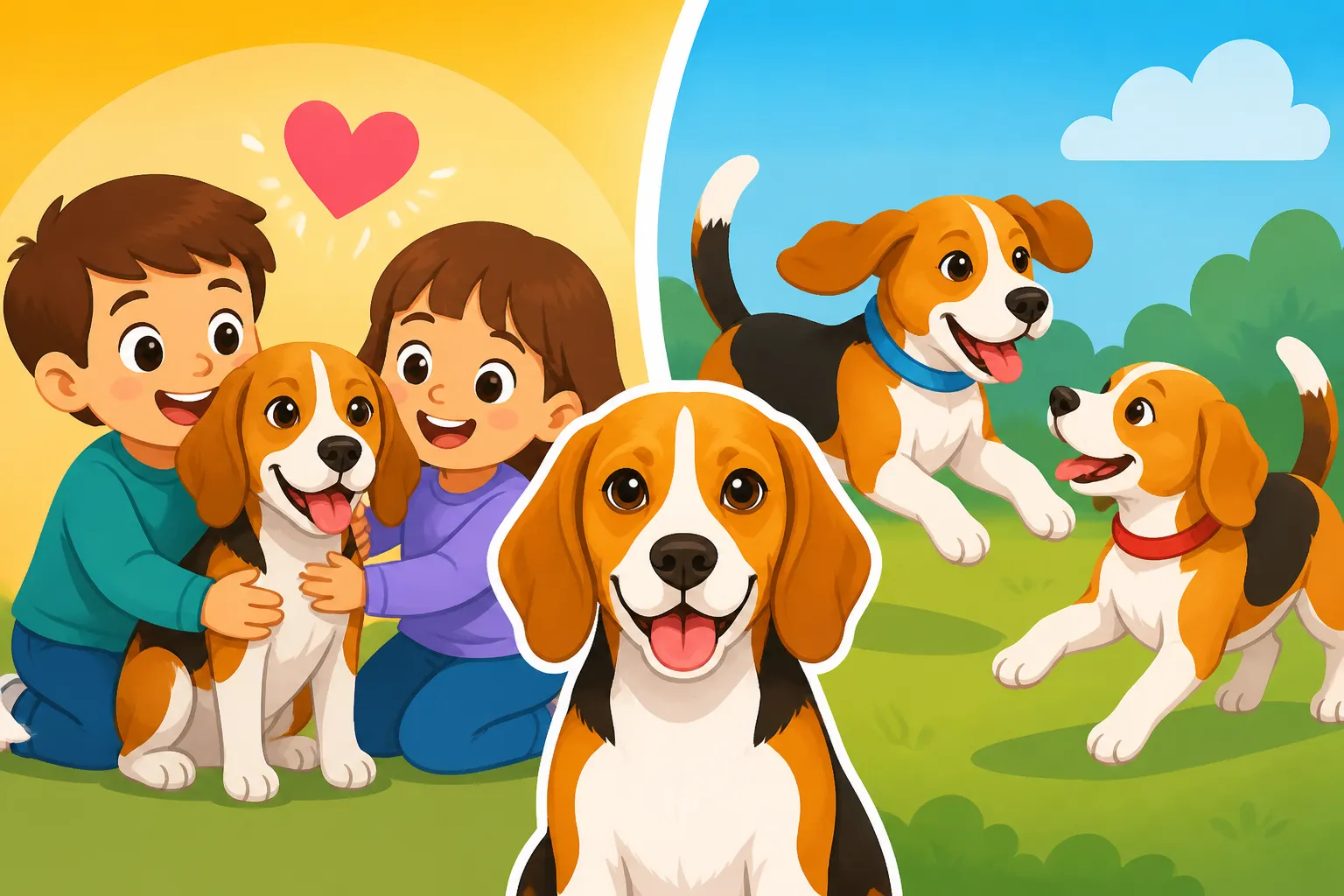
Beagles were originally bred to hunt in packs, which means they come pre-programmed with a strong desire for companionship and a keen understanding of social hierarchy. They thrive on being part of a group, and to them, your family is their pack. This is generally wonderful for homes with children, as Beagles tend to be tolerant, playful, and genuinely enjoy being involved in family activities. They're often described as "merry" because they approach life with an infectious enthusiasm and an almost perpetual wagging tail. They love to follow you from room to room, curl up on the couch during movie night, and generally be in the thick of whatever is happening.
However, this pack instinct also means they can struggle with being left alone. If they perceive themselves as separated from their pack, their ingrained need for companionship can quickly manifest as anxiety. This isn't stubbornness; it's a deep-seated behavioral trait that stems from centuries of working alongside other hounds and hunters. This desire for constant connection makes them excellent family dogs, but it requires intentional management, especially if your household has varying schedules or times when the Beagle might be the only canine around. Their natural tendency to seek connection makes them generally forgiving and patient companions for children, often taking the playful antics of little ones in stride, as long as boundaries are properly set. It’s also why they often do well in homes with other dogs – they instinctively understand how to interact within a canine social structure.
High Energy Levels and Playfulness
Don't let their relatively small size fool you; Beagles are bundles of energy. They were bred for endurance, to follow a scent trail for miles, and that drive is still very much alive in the modern pet Beagle. A bored Beagle is a destructive Beagle, and their energy needs to be channeled constructively. This high energy means they are fantastic playmates for active children, often willing to chase a ball or romp in the yard for as long as the kids can keep up. They thrive on games and structured activity, making them a great fit for families who enjoy outdoor adventures.
However, this energy also means that they aren't content to just sit quietly for hours. They need regular, stimulating exercise that engages both their bodies and their incredible noses. Think long walks where they can sniff to their heart's content, games of fetch, or even structured training sessions. If their energy isn't properly managed, it can lead to zoomies through the house, jumping on furniture, or even unintentional bumps and knocks with smaller children. It's a double-edged sword: their playfulness is endearing, but their stamina demands a consistent outlet. Investing in durable toys and interactive feeders from places like Chewy can help channel some of that energy indoors when outdoor play isn't possible.
The Beagle's Noise Factor and How it Impacts Family Life
Ah, the Beagle voice! It’s iconic, charming to some, and a potential challenge for others. Beagles are hounds, and hounds vocalize. They bark, they howl, and most distinctly, they bay. This deep, melodious sound was invaluable for hunters tracking their dogs in the field, but it can be less appreciated by neighbors or during quiet family time at home. Understanding Telling a Beagle Bark From a Bay From a Howl is key to appreciating their communication.
Their vocal nature can be triggered by a myriad of things: a squirrel in the yard, the mail carrier, another dog walking by, or even just boredom or a strong desire for attention. While you can certainly train a Beagle to be quieter, it's unrealistic to expect them to be silent like some other breeds. Their vocalizations are a fundamental part of who they are. This means that families considering a Beagle, especially those with infants or light sleepers, need to be prepared for the sound. It can also be a point of contention with neighbors, so early training and management are crucial. Learning to identify why your Beagle is being vocal can help you address the root cause, whether it's a need for more exercise, mental stimulation, or simply a response to an outdoor trigger.
Introducing Beagles to Children Successfully
Bringing a Beagle into a home with children, or introducing a baby to an existing Beagle, requires patience, consistency, and a clear understanding of boundaries. The goal is to create a safe and respectful environment for everyone.
Setting the Foundation with Early Socialization
From the moment you bring a Beagle puppy home, or even before, if you're selecting from a breeder, consider how they've been socialized. A well-socialized puppy will have been exposed to a variety of sights, sounds, people, and experiences in a positive way. For Beagles and children, this means early, positive interactions with kids of different ages. Introduce your puppy to calm, gentle children under close supervision. Let them offer treats gently and engage in appropriate play. This helps the puppy associate children with positive experiences. For an adult Beagle, socialization involves controlled introductions to respectful children.
The lack of proper socialization can lead to apprehension or over-excitement around children, neither of which is ideal. A Beagle that hasn't learned appropriate manners around kids might jump up, mouth, or get underfoot, simply because they haven't learned how else to interact. Equally important is exposing your Beagle puppy to various household noises and routines, including the sounds of children playing, crying, or laughing. This helps build a resilient temperament. Remember, the earlier and more consistently you expose them to positive, supervised experiences, the more comfortable and confident they will be around the youngest members of your family. You can find more helpful tips in Socializing a Beagle Puppy for Pack Life.
Teaching Children How to Interact Respectfully
This is just as important as training the dog. Children, especially young ones, often don't understand how their actions impact a dog. They might pull ears, grab tails, try to ride the dog, or get too close to their face. It’s crucial to teach children the "rules" for interacting with your Beagle:
- Gentle Hands: Show them how to pet gently, avoiding pulling or hitting.
- Respectful Space: Teach them not to disturb the Beagle when it's eating, sleeping, or in its crate. This is the dog's safe zone.
- Reading Body Language: As children get older, teach them to recognize signs that the Beagle is uncomfortable (e.g., lip licking, yawning, turning away, growling). A growl is a warning, not an aggression to be punished.
- No Face-to-Face: Teach children not to put their faces close to the dog's face, no matter how friendly the dog seems.
- Sharing Responsibilities: Even young children can help with dog care, like refilling the water bowl or helping to dispense treats during training. This builds a positive relationship.
Consistency from parents is vital. Never leave young children unsupervised with any dog, regardless of the dog's temperament. By teaching children respect, you're not only protecting the dog but also teaching your children valuable lessons about empathy and responsibility. This balanced approach helps prevent misunderstandings that could lead to negative interactions.
Supervising Playtime for Everyone's Safety
Supervision isn't just about preventing negative incidents; it's about guiding positive interactions. During playtime between your Beagle and children, always be present and actively engaged. This means you're watching for signs of over-excitement in the dog, or unintentional rough play from the children. A Beagle's play can sometimes involve a fair bit of mouthiness, which for puppies is normal exploration, but needs to be managed around children. For example, Beagle Puppy Nipping and Where It Comes From can explain what you're seeing.
Direct the play to be appropriate:
- Toy-based games: Encourage games like fetch or tug-of-war (with clear rules, like "drop it") rather than wrestling games that can escalate.
- Calm-down cues: Teach both the dog and the children a "break" or "calm down" cue to use when play gets too rambunctious.
- Safe spaces: Ensure the Beagle has a crate or designated quiet spot where it can retreat if it feels overwhelmed, and teach children that this space is off-limits.
- Structured walks: Family walks where the children participate in walking the Beagle (with adult supervision and control of the leash) can be a great way to bond and burn off energy together.
By actively managing these interactions, you ensure that both your Beagle and your children learn how to safely and joyfully coexist, building a bond based on mutual respect and understanding. This proactive approach minimizes stress for all involved and creates lasting positive memories.
Integrating Beagles with Other Dogs
Beagles are generally fantastic with other dogs, given their pack heritage. However, simply throwing two dogs together and hoping for the best isn't a strategy. A thoughtful, structured introduction and ongoing management are key to a harmonious multi-dog household.
The Importance of a Structured Introduction
Whether you're bringing a new Beagle into a home with an existing dog, or adding a second dog to a Beagle household, the first impressions matter immensely. Avoid just letting them meet in a small, confined space like your living room. Instead, opt for neutral territory for their initial meeting.
A nearby park or a quiet street walk is ideal. Both dogs should be on leash, handled by separate people. Allow them to walk parallel to each other at a comfortable distance, sniffing the same areas. This "parallel walk" helps them acclimate to each other's presence without the pressure of direct interaction.
Once they seem relaxed, you can allow brief, supervised sniff greetings. Watch their body language closely. Look for loose, wagging tails, relaxed ears, and soft eyes. Avoid stiff body language, growling, lunging, or excessive barking. Keep these initial meetings short and positive, ending on a good note. Gradually increase the duration of these interactions. Only once they've had several positive, neutral territory encounters should you bring them into the home, again, supervised and on leash initially if there's any uncertainty. Remove high-value items like toys or food bowls to prevent any immediate conflict over resources. This slow, deliberate process significantly increases the chances of a successful long-term relationship.
Managing Resource Guarding in a Multi-Dog Home
Beagles, with their strong food drive and historical need to compete for scraps in a pack, can sometimes exhibit resource guarding. This is when a dog becomes protective of food, toys, sleeping spots, or even people. In a multi-dog household, this needs careful management to prevent conflict. Beagle Resource Guarding at the Food Bowl is a common scenario.
Here are some strategies:
- Separate Feeding: Always feed dogs in separate rooms or crates to eliminate competition over food. Once they're done eating, pick up bowls immediately.
- High-Value Items: Manage access to high-value toys or chews. Offer them when dogs are separated or rotate them so one dog doesn't always have the "best" item. Supervise closely if they are allowed to enjoy them together, and intervene before any tension escalates.
- Designated Spots: Ensure each dog has its own bed, crate, or resting spot where they feel secure and won't be bothered.
- Training: Reinforce "drop it" and "leave it" commands with both dogs, using lower-value treats initially, then gradually increasing the value of the items they're asked to leave. Use positive reinforcement consistently.
- Observation: Pay attention to subtle body language that indicates guarding, such as freezing, hard stares, growling, or moving between another dog and an object. Intervene calmly before a full-blown fight occurs.
Proactive management is key. It's much easier to prevent resource guarding from escalating than to try and stop it once it's become ingrained. By being mindful of potential triggers and structuring interactions, you can minimize stress and promote a more harmonious environment for all your furry family members.
Space and Boundaries for Harmonious Living
Even in the most compatible multi-dog homes, dogs need their own space and clear boundaries to feel secure. This is especially true for Beagles, who, despite their pack nature, benefit from knowing what's expected of them and having a safe retreat.
Consider these aspects:
- Crates: Crates can be invaluable in a multi-dog household. They provide each dog with a private den where they can rest undisturbed. This is particularly useful during meal times, when you're out of the house, or when one dog needs a break from the others. Make sure each dog views their crate as a positive, safe haven.
- Rotation: If certain items (like favorite beds or specific toys) are hot commodities, consider rotating their availability or having enough identical items for everyone.
- One-on-One Time: Ensure each dog gets individual attention, training time, and walks. This strengthens your bond with each dog and prevents jealousy or feelings of being overlooked. A simple walk around the block alone with you can do wonders for their individual well-being.
- Training: Consistent training applies to all dogs in the household. Everyone should know basic commands like "sit," "stay," "come," and "place." This helps manage interactions and provides structure, reducing ambiguity that can lead to tension.
- Supervised Play: While group play is great, always supervise it. Intervene if play becomes too rough or one dog is consistently being picked on. Learning The Seizure Triggers Beagle Owners Report Most can help you recognize when a dog might be stressed and needs a break, even if it's not directly related to aggression.
By providing ample personal space and establishing clear expectations, you foster a sense of security and respect among your dogs. This structured approach helps prevent conflicts and allows each Beagle (and any other dog in the home) to feel comfortable and valued within the family unit.
Common Challenges and How to Address Them
Life with a Beagle and multiple family members isn't always a walk in the park. There are specific challenges that often arise due to their inherent traits. Recognizing these issues and having strategies to address them can save a lot of frustration.
Managing the Beagle's Prey Drive Around Smaller Pets
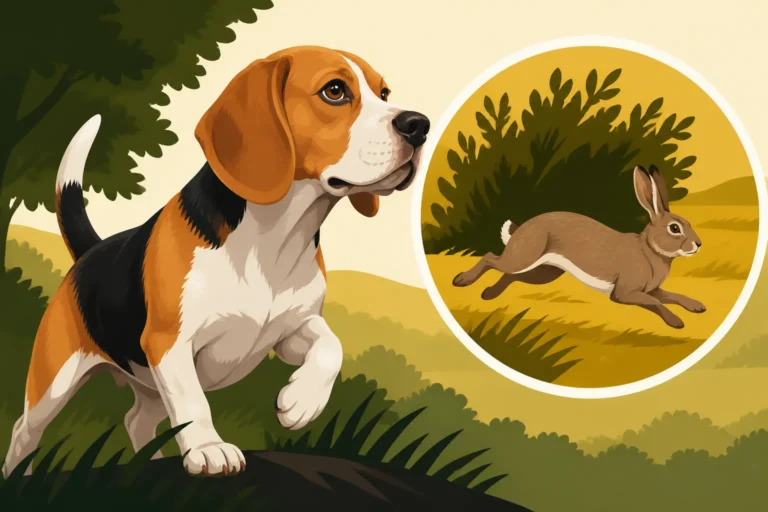
Beagles were bred to hunt small game, and that strong prey drive is still very much alive, even in the most pampered pet. This can become a significant challenge if you have smaller pets like cats, rabbits, guinea pigs, or even birds. A Beagle might not intend to harm a smaller animal, but their instinct to chase, sniff out, and even mouth can be overwhelming or dangerous for a tiny critter.
- Never Unsupervised: This is the golden rule. Never leave your Beagle unsupervised with smaller, non-canine pets. A quick chase can turn into an accidental injury in a split second.
- Controlled Introductions: If you're introducing a Beagle to a cat, for example, do it slowly and carefully. Use gates or crates to create safe barriers. Allow them to see and smell each other without direct physical contact initially. Reward calm behavior from both animals.
- Separate Spaces: Ensure your smaller pets have safe, Beagle-proof zones they can retreat to, high places that a Beagle can't reach, or rooms with baby gates that the Beagle can't get past.
- Redirection and Training: Use positive reinforcement to teach your Beagle to "leave it" when it focuses on a smaller pet. Redirect their attention to a toy or a training exercise. Engage them in plenty of scent work or fetch to burn off that prey-drive energy in an appropriate way. A well-exercised and mentally stimulated Beagle is less likely to fixate on the cat.
- Muzzle Training: For Beagles with a particularly strong prey drive and a history of rough play or chasing, muzzle training can be a responsible safety measure during supervised interactions, especially in the early stages.
It's important to be realistic. While some Beagles can learn to coexist peacefully with cats or other small animals, it's often a lifelong management process. It takes immense patience and vigilance, and for some Beagles, a multi-species household simply isn't a safe option for the smaller critters.
Addressing Separation Anxiety in a Pack-Oriented Breed
As we discussed, Beagles are pack animals. They thrive on companionship, and being left alone can be a source of significant distress for many. This can manifest as barking, howling, destructive chewing, inappropriate urination or defecation, or even frantic attempts to escape. The Howling That Means Beagle Separation Anxiety is a distress signal, not an act of defiance.
Here's how to tackle it:
- Gradual Departures: Don't just leave for hours. Start by leaving for a few minutes, then return. Gradually increase the duration. Practice "fake" departures where you pick up your keys, go to the door, then sit back down.
- Mental Stimulation: Before you leave, provide your Beagle with a mentally engaging toy like a puzzle feeder stuffed with treats (Chewy has a great selection). This can distract them and associate your departure with a positive experience.
- Crate Training: A properly introduced and positively reinforced crate can become a safe den for your Beagle, reducing the urge to destroy the house and often making them feel more secure when alone. Never use the crate as punishment.
- Exercise Before You Leave: A tired Beagle is a calmer Beagle. A vigorous walk or a good play session before you leave can help them settle down.
- Avoid Emotional Goodbyes/Hellos: Don't make a big fuss when you leave or return. Keep hellos and goodbyes low-key to reduce the emotional intensity around your departures.
- Consider a Second Dog: For some Beagles, the presence of another dog can alleviate separation anxiety, as it fulfills their pack instinct. However, this isn't a guaranteed fix and could lead to two anxious dogs. Whether a Second Dog Calms an Anxious Beagle explores this more deeply.
- Professional Help: If separation anxiety is severe, consult with a certified professional dog trainer or veterinary behaviorist. They can help develop a tailored desensitization and counter-conditioning program.
Addressing separation anxiety requires commitment and understanding. It's not about punishing the behavior, but about helping your Beagle cope with being alone.
When to Seek Professional Guidance for Behavior Issues
Sometimes, despite your best efforts, certain behaviors just don't improve, or they escalate to a point where you feel overwhelmed. This is when it's absolutely crucial to seek professional guidance. It's not a sign of failure; it's a sign of a responsible pet parent recognizing the need for expert help.
You should consider professional intervention if you notice:
- Aggression: Any signs of aggression towards children, other pets, or even adults (growling, snapping, biting, lunging). This requires immediate, professional attention from a veterinary behaviorist or a certified professional dog trainer specializing in aggression.
- Severe Anxiety: If your Beagle's separation anxiety is causing significant self-harm, house destruction, or is deeply impacting their quality of life (and yours).
- Unmanageable Resource Guarding: If resource guarding leads to frequent fights or injuries between pets.
- Excessive Vocalization: If the baying and howling are constant and disruptive, and your own management strategies aren't working.
- Sudden Behavioral Changes: Any abrupt, unexplained shifts in your Beagle's behavior could indicate an underlying medical issue, so a vet check-up should always be the first step.
- Safety Concerns: If you worry about the safety of children or other pets in your home due to your Beagle's behavior.
Look for certified professional dog trainers (CPDT-KA), canine behavior consultants (CBCC-KA), or veterinary behaviorists (DACVB). These professionals use humane, science-based methods. They can help you understand the root cause of the behavior and develop a tailored plan to modify it. Remember that addressing behavioral issues early is almost always more effective than waiting until they become deeply ingrained. Investing in Beagle Training Class Fees for a qualified professional can be one of the best investments you make in your family's harmony.
Creating a Harmonious Home Environment
A well-adjusted Beagle, living peacefully with children and other pets, doesn't happen by accident. It's the result of intentional effort, consistency, and a deep understanding of their needs. Establishing a stable environment is paramount for this pack-oriented breed.
Consistent Training and Routine for Stability
Beagles thrive on predictability and clear expectations. A consistent routine provides a sense of security, reduces anxiety, and helps them understand their place within the family structure. This is especially true in a busy household with children and other pets, where things can sometimes feel chaotic.
- Daily Schedule: Try to maintain a consistent schedule for feeding, walks, potty breaks, and playtime. Dogs are creatures of habit, and knowing what to expect reduces stress. If their meal times, for instance, are always around 7 AM and 5 PM, they won't feel the need to beg constantly or worry about when their next meal is coming.
- Basic Obedience: Every Beagle, regardless of age, benefits from ongoing obedience training. Commands like "sit," "stay," "come," "leave it," and "drop it" are not just tricks; they are vital tools for safety and communication. "Leave it," in particular, is invaluable when your Beagle is sniffing out something questionable on a walk or showing too much interest in a child's toy. Short, frequent training sessions using high-value treats (like the ones you can find at Chewy) are far more effective than long, infrequent ones. Consistent application of these commands by all family members helps solidify the Beagle's understanding.
- Clear Rules: Everyone in the family needs to be on the same page regarding the Beagle's rules. Is the Beagle allowed on the furniture? Who feeds them? Who is responsible for their walks? Consistency across all family members prevents confusion and avoids the Beagle learning that rules are flexible. If Dad lets them on the couch but Mom doesn't, it creates inconsistency and makes it harder for the dog to understand boundaries.
A consistent approach to training and routine provides the framework for a happy, well-behaved Beagle and a peaceful home for everyone. It helps them build trust in you as their leader and feel secure in their environment.
Providing Ample Mental and Physical Enrichment
A physically tired and mentally stimulated Beagle is a happy Beagle, and far less likely to develop behavioral issues that impact family harmony. Their incredible noses and historical work ethic mean they need more than just a quick walk around the block.
- Scent Work: This is where Beagles truly shine. Incorporate daily scent games into their routine. Hide treats around the house or yard and let them sniff them out. Puzzle toys that require them to figure out how to get food are fantastic mental exercise. Getting a Beagle Started in Nose Work Classes can be a great outlet for their natural talents. Even simple sniff walks, where you let them explore and follow scents at their own pace, are immensely enriching.
- Physical Exercise: Beyond scent work, Beagles need vigorous physical exercise. This could be long walks, runs (if they are conditioned for it and past puppyhood), or playtime in a securely fenced yard. For active families, hiking with a Beagle on a long line is a wonderful way to burn energy together. Remember their endurance; a twenty-minute stroll probably isn't enough.
- Interactive Toys: Provide a variety of toys that encourage independent play. Chew toys, ropes, and puzzle toys help keep them entertained when you're busy. Ensure these toys are durable enough to withstand a Beagle's enthusiastic chewing.
- Training for Fun: Continue training beyond basic obedience. Teach them new tricks, try a dog sport like Rally or Agility (with vet clearance), or expand their scent work skills. Learning is enriching and strengthens your bond.
Without sufficient physical and mental outlets, Beagles can become restless, destructive, or excessively vocal, which can strain relationships within the home. Meeting these needs proactively is an investment in your Beagle's well-being and your family's peace.
The Role of the Human 'Pack Leader'
In a multi-human and multi-animal household, your role as the consistent, calm, and fair leader is paramount. While the term "pack leader" can sometimes be misunderstood in dog training circles, it essentially means you are the one who provides structure, security, and guidance. Your Beagle, along with other pets and even children, looks to you for direction.
- Calm Assertiveness: This isn't about dominance or punishment, but about clear communication and confidence. When you set rules, enforce them calmly and consistently. When situations arise (e.g., two dogs squabbling over a toy, or a child getting too rough), you step in and redirect effectively.
- Resource Control: You control access to resources (food, treats, toys, attention). This doesn't mean withholding; it means asking for a "sit" before a meal or a treat, or making them "wait" at the door. This reinforces your role as the provider and decision-maker.
- Teaching and Guiding: Think of yourself as the teacher. You guide your Beagle through learning new behaviors, help them understand boundaries, and provide reassurance when they're unsure. This applies to children too, teaching them how to interact properly.
- Advocate for Your Dog: You are your Beagle's advocate. This means ensuring they get enough exercise, mental stimulation, proper nutrition, and vet care. It also means protecting them from overwhelming interactions, whether from overzealous children or other dogs.
A clear, confident, and consistent leader creates a stable environment where everyone knows their place and feels secure. Without this clear leadership, Beagles, with their strong pack instincts, can sometimes feel the need to take on that role themselves, leading to unwanted behaviors. By embracing your role as the guiding presence in the home, you lay the foundation for a truly harmonious family life, understanding that What Nobody Tells You Before Getting a Beagle often revolves around this consistent effort.
Disclaimer
This article is for general informational purposes only and does not constitute professional advice. Laws, prices and regulations vary by location and change over time. Consult a qualified professional for guidance on your specific situation.