Feeding a Beagle That Would Happily Eat All Day
If you're living with a Beagle, you know the struggle: they act like they haven't eaten in a week, even after finishing a hearty meal. This insatiable appetite isn't just a quirky trait; it's a fundamental part of their being that can easily lead to serious health issues like obesity if not managed carefully. This guide is here to walk you through everything you need to know about feeding your perpetually hungry Beagle, from understanding their deep-seated food drive to practical strategies for keeping them healthy, happy, and well-fed without them becoming overweight.
Understanding the Beagle's Relentless Appetite
Ask any Beagle owner, and they'll tell you: their dog thinks with its stomach. That sweet, pleading face that looks up at you while you're eating? It's not just a cute act; it's backed by centuries of instinct and an incredibly powerful nose. Understanding why your Beagle always seems ready for another meal is the first step in managing their diet effectively.
The Evolutionary Roots of Hunger
To really grasp your Beagle's profound food motivation, we have to look back at their history. Beagles were, and in many places still are, working scent hounds. They were bred to hunt in packs, following a scent trail for hours, sometimes days, to track small game like rabbits and hares. In this environment, food wasn't guaranteed. When a kill was made, a dog that ate quickly and efficiently, perhaps even storing a little extra in its system, was a dog more likely to survive and thrive. This is the genetic blueprint we're dealing with.
Imagine a pack of dogs, all vying for their share of a meal. The slower eater might go hungry. This competitive eating ingrained a drive to consume whatever was available, whenever it was available. So, when your Beagle inhales its dinner in under a minute, it's not being rude; it's following a deeply embedded survival strategy. Furthermore, their extraordinary sense of smell, boasting around 220 million scent receptors, constantly bombards them with information about potential food sources in their environment. Every crumb under the couch, every discarded snack on the sidewalk, every faint whiff of dinner cooking is a siren song to their olfactory system, reminding them that food is everywhere. This constant sensory input fuels their perception that food is always a priority, and they must be ready to acquire it. This instinct to scavenge, honed over generations, means they perceive even the smallest morsel as a valuable resource.
Why a Beagle Always Acts Starving
It can be truly exasperating, and a little heartbreaking, to watch your Beagle look at you with those mournful eyes as if they haven't seen a meal in days, moments after cleaning their bowl. It’s easy to feel like you’re not feeding them enough, or that they are genuinely suffering from hunger. However, it's important to distinguish between actual physiological hunger and their strong psychological drive for food. With regular, portion-controlled meals, your Beagle is highly unlikely to be truly starving.
Their "starving" act is often a combination of learned behavior, instinct, and boredom. They've learned that looking pitiful or being persistent often yields rewards from their humans. Who can resist those puppy dog eyes? This is reinforced every time a well-meaning family member slips them a treat or a bite from their plate. Their incredible nose is always working overtime, sniffing out new and exciting odors. These powerful scent receptors mean they’re constantly aware of potential food around them, making them feel like they're missing out if they're not eating. For a breed that was designed to be active and engaged, a lack of sufficient mental and physical stimulation can also manifest as an increased focus on food. A bored Beagle might turn to food as a form of entertainment or comfort, leading to persistent begging. This can be particularly challenging in a household with children, who might not understand the implications of constantly sharing their snacks.
Choosing the Right Food for Your Beagle
Navigating the vast world of dog food can feel overwhelming. With so many brands, formulas, and types available, how do you choose what's best for your eternally hungry Beagle? The goal is to provide balanced nutrition that supports their active lifestyle without contributing to weight gain.
Decoding Dog Food Labels for Beagles
Understanding what's actually in your Beagle's food is paramount. The packaging can be confusing, filled with buzzwords that don't always equate to quality. Start by looking for an AAFCO (Association of American Feed Control Officials) statement. This small paragraph, usually found on the back of the bag, confirms that the food provides complete and balanced nutrition for a specific life stage (e.g., puppy, adult, all life stages). Without this, you cannot be sure the food meets basic nutritional standards.
After that, scrutinize the ingredient list. The first few ingredients are the most abundant. You want to see a high-quality protein source listed first, such as "chicken meal," "lamb," "beef," or "salmon." "Meat meal" is often more concentrated protein than whole meat because the water has been removed. Be wary of ambiguous terms like "meat by-products" or generic "animal fat." While not necessarily bad, they can be inconsistent in quality. Carbohydrates provide energy, but look for wholesome sources like brown rice, oats, sweet potatoes, or peas, rather than excessive corn or soy. Healthy fats, like chicken fat or salmon oil, are essential for skin, coat, and overall health. Finally, ensure the food contains a balanced blend of vitamins and minerals. Regularly comparing labels helps you make informed choices, and understanding that ingredient quality can vary significantly between brands is key to providing optimal nutrition for your Beagle.
Popular Food Types: Kibble, Wet, and Fresh Options
When it comes to the form your Beagle's food takes, you have several choices, each with its own set of advantages and considerations.
Kibble, or dry dog food, is by far the most popular choice for many reasons. It's convenient to store, generally cost-effective, and its crunchy texture can sometimes help reduce plaque buildup on teeth, though it's never a substitute for regular dental care. Kibble also typically has a higher caloric density, which means smaller portions can provide adequate nutrition, making portion control easier. However, not all kibble is created equal; ensure you choose a high-quality brand with excellent ingredients.
Wet food (canned or pouched) is often highly palatable, which Beagles rarely need help with, but it can be beneficial for those with dental issues or who need extra hydration. Its higher moisture content can make a meal seem larger, which might psychologically satisfy a hungry Beagle, even if the calorie count is similar. The downside is that wet food is generally more expensive and doesn't offer the same dental benefits as kibble.
Fresh food options, whether home-cooked or delivered by services like Ollie, offer complete control over ingredients and can be highly palatable and digestible. This can be great for Beagles with sensitive stomachs or specific ingredient sensitivities. If you choose to home-cook, it is absolutely critical to work with a veterinary nutritionist to ensure the diet is perfectly balanced. Without expert guidance, you risk nutrient deficiencies or excesses that can harm your Beagle's health over time. Services like Ollie, which provide pre-portioned, vet-formulated fresh meals, can be a convenient alternative if you're looking for fresh food without the complexities of DIY.
While some owners opt for raw feeding, this approach carries inherent risks, especially for a breed like the Beagle known for its scavenging tendencies. Raw diets can introduce bacteria like Salmonella and E. coli, posing risks to both your dog and your household. If you are considering a raw diet, extensive research and consultation with a veterinarian experienced in raw feeding are absolutely essential to mitigate potential health hazards. Raw Feeding Risks for a Beagle That Scavenges
Considering Breed-Specific or Small Breed Formulas
You'll see a lot of dog food brands marketing "breed-specific" or "small breed" formulas. While these can sometimes be a good fit, they aren't always a necessity for your Beagle. Beagles are technically a medium-sized breed, often fitting into both "small" (for 13-inch Beagles) and "medium" (for 15-inch Beagles) categories depending on their exact height and weight.
"Small breed" formulas often feature smaller kibble sizes, which can be easier for smaller mouths to chew. They might also be slightly more calorie-dense to account for the generally higher metabolism of very small dogs. For a Beagle, particularly one on the larger side, a general high-quality adult formula might be perfectly adequate. The most crucial factor isn't necessarily a "Beagle-specific" label, but rather the quality of ingredients and, critically, the caloric density relative to your individual dog's energy needs. A highly active Beagle will naturally require more calories than a sedentary one, regardless of the formula's marketing. Ultimately, focusing on accurate portion control and a balanced diet suitable for their life stage and activity level will always trump a specific breed-labeled bag.
Portion Control and Meal Schedules
This is where the rubber meets the road for a hungry Beagle. Without strict portion control and a consistent feeding schedule, even the best food in the world won't prevent your Beagle from packing on the pounds. Their inherent food drive means they will eat far more than they need if given the opportunity.
Calculating Your Beagle's Daily Calorie Needs
Every Beagle is an individual, and their calorie needs will vary based on several factors: age, activity level, current weight, and whether they are spayed or neutered. While dog food bags provide general guidelines, these are just starting points. A 25-pound adult Beagle, for instance, has different needs than a growing puppy or a senior dog. It's easy to accidentally overfeed, especially since Beagles are so convincing in their "starving" act.
A great first step is to consult your veterinarian. They can help you determine an ideal weight for your individual Beagle and calculate a precise daily calorie target. Many online calculators can also give you a rough estimate, but nothing beats professional veterinary advice tailored to your dog's specific health profile. Remember, even a small excess of calories each day, say an extra handful of kibble or a few too many treats, can accumulate rapidly, leading to significant weight gain over weeks and months. The Daily Calorie Target for a Twenty Pound Beagle Being mindful of this daily budget is the cornerstone of keeping your Beagle at a healthy weight and preventing obesity-related health issues.
The Importance of Measured Meals
For a breed with an insatiable appetite, "free feeding"—leaving a bowl of food out all day for them to graze on—is a recipe for disaster. This approach virtually guarantees an overweight Beagle because they simply lack the self-control to stop eating when full. Why Free Feeding Fails Badly With a Beagle Instead, your Beagle needs strictly measured meals served at consistent times.
Using a standard measuring cup might seem accurate enough, but for precise calorie control, a kitchen scale is your best friend. Different kibble densities mean that a "cup" of one food can weigh significantly more or less than a "cup" of another, leading to unintentional over- or under-feeding. Weighing your Beagle's food ensures you're giving them the exact amount prescribed by your vet or calculated for their needs. Measuring Beagle Food by Weight Rather Than Cups It's also highly recommended to split their total daily calorie allowance into two or even three smaller meals. This helps manage hunger spikes, keeps their metabolism steady, and gives them the psychological satisfaction of "mealtime" more frequently throughout the day. Splitting a Beagle's Day Into Two Measured Meals Consistency is key: feed at roughly the same times each day so your Beagle learns the routine and isn't constantly begging for unscheduled snacks.
Using Slow Feeders and Puzzle Bowls
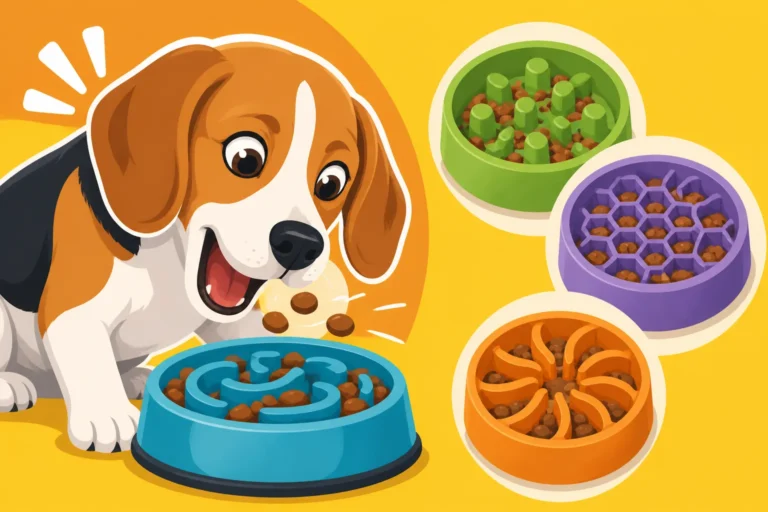
Because Beagles are notorious for "inhaling" their food—gobbling it down in mere seconds—they often don't register that they've eaten until it's long gone. This fast eating can lead to indigestion, gas, and even increase the risk of bloat in some dogs, though it's less common in Beagles than in deep-chested breeds. This is where slow feeder bowls and puzzle feeders become invaluable tools.
A slow feeder bowl typically has raised ridges or obstacles inside the bowl, forcing your Beagle to work around them to get to their kibble. This simple design can extend mealtime from a few seconds to several minutes, giving their brain time to process that they are actually eating. There are many designs available, from simple plastic inserts to more elaborate mazes, and you can find a wide variety on Amazon or Chewy. Slow Feeders for a Beagle That Inhales Food Beyond just slowing down eating, puzzle feeders offer a fantastic way to engage your Beagle's mind. These toys require your dog to manipulate them in some way—rolling, nudging, or problem-solving—to dispense their food. Not only does this extend mealtime significantly, but it also provides crucial mental stimulation, turning eating into a rewarding "job." This mental engagement can help reduce boredom and the feeling that they are constantly "starving" because they are actively working for their food.
Managing Treats and Training Rewards
Let's be realistic: living with a Beagle means using treats. Their incredible food drive makes them highly trainable, and treats are invaluable for positive reinforcement. However, this powerful motivation can also be a double-edged sword, easily leading to an overweight Beagle if treats aren't managed carefully.
Integrating Treats into the Daily Calorie Budget
The biggest mistake many Beagle owners make is forgetting that treats are food and contain calories. Those small bites add up quickly, especially when you're training regularly or have multiple family members slipping tidbits. To prevent unintentional weight gain, treats must be factored into your Beagle's total daily calorie allowance. This means if you're giving a certain amount of treats, you need to slightly reduce the portion of their regular kibble for that day to maintain their caloric balance.
Before you start a training session or hand out a chew, know the caloric content of your chosen treats. Many reputable treat brands list this information on their packaging. For training, opt for small, low-calorie options, or even use pieces of their regular kibble. Fitting Beagle Treats Inside a Daily Calorie Budget A good rule of thumb is that treats should make up no more than 10% of your Beagle's daily calorie intake. Being disciplined about this integration prevents those extra calories from creeping in unnoticed and helps maintain your Beagle's healthy weight.
High-Value Rewards for a Highly Motivated Beagle
Beagles are smart, but their focus is often on their nose and stomach. To truly capture and hold their attention during training, especially in distracting environments, you'll need high-value rewards. These are the treats that make their eyes light up and their tails wag uncontrollably, motivating them to perform even complex tasks.
Examples of high-value treats include tiny pieces of cooked chicken, cheese, hot dogs, or commercially available soft, meaty training treats. The key is "tiny" – we're talking pea-sized or smaller, especially if you're doing many repetitions. This allows you to reward frequently without overfeeding. You can find a vast selection of these on Chewy or Amazon. Treats Small Enough for a Hundred Beagle Repetitions It's also wise to vary your treat repertoire. Sometimes a simple piece of kibble might suffice for an easy command in a quiet room, but for a challenging new behavior or in a busy park, you'll need the "jackpot" reward to really make an impression. Understanding what truly motivates your individual Beagle and using it strategically will make your training sessions far more effective. The Treats a Beagle Will Work Hardest For
Healthy Chew Options for Satisfying Oral Fixation
Beagles love to chew. It's a natural behavior that helps keep their teeth clean, relieves stress, and simply provides entertainment. Without appropriate chew toys, your furniture, shoes, or even dangerous household items might become targets. Providing safe and healthy chew options is crucial for their well-being and for protecting your belongings.
Look for durable chews that are appropriately sized for your Beagle. Options like tough rubber toys, dental chews designed for long-lasting chewing, or natural chews like bully sticks (always supervised) can be excellent choices. Avoid anything that can easily splinter or be swallowed whole in large, choking-hazard pieces. Bones can be risky as they may fracture teeth or cause internal blockages if ingested. Chews a Beagle Cannot Swallow in One Go It's important to select chews that last a reasonable amount of time, preventing your Beagle from consuming too many calories too quickly. Always supervise your Beagle when they have a new chew toy to ensure it's safe and doesn't pose a choking risk. Regular rotation of chew toys also keeps things interesting, satisfying their natural urge to gnaw and preventing boredom that could lead to destructive chewing or excessive food-seeking behavior.
Dealing with Counter Surfing and Food Scavenging
The Beagle's nose isn't just a cute feature; it's a finely tuned food-finding instrument. This means that if there's food, your Beagle will find it. Counter surfing and scavenging on walks are common Beagle behaviors that require vigilance and consistent management to keep them safe and prevent accidental overeating or ingestion of toxic items.
Beagle-Proofing Your Home and Kitchen
Imagine coming home to find your carefully prepared dinner gone, or the trash can overturned with remnants scattered across the floor. This is a familiar scenario for many Beagle owners. Their determination, combined with their incredible scent detection abilities, means that if food is accessible, they will likely get to it. Prevention is truly the easiest and most effective strategy when it comes to a food-motivated Beagle.
Never leave food unattended on countertops, coffee tables, or dining tables. Even items that seem out of reach might be fair game for a clever Beagle who learns to push a chair over to gain access. Use childproof locks on pantry doors and lower cabinets where food is stored. Invest in a heavy-duty, Beagle-proof trash can with a secure lid that they cannot open or knock over. Consider a sturdy crate or a designated "safe room" for your Beagle when you're not able to supervise them, especially during meal preparation or when guests are over. Beagle-Proofing a Kitchen Counter It's a constant battle of wits, but by removing the temptation and making food completely inaccessible, you're not only protecting your food but also your Beagle from ingesting potentially harmful human foods or foreign objects.
Training "Leave It" and "Drop It" Commands
While Beagle-proofing is essential, life happens, and sometimes food or dangerous items end up on the floor. This is where the "Leave It" and "Drop It" commands become not just convenient, but potentially life-saving for a scavenging Beagle. These commands empower you to stop your Beagle from ingesting something harmful.
The "Leave It" command teaches your Beagle to ignore an item, even a highly tempting one, on command. Start training in a quiet environment with low-value treats. Place a treat on the floor, cover it with your hand, say "Leave It," and reward your Beagle with a better treat from your other hand when they look away from the covered treat. Gradually progress to leaving the treat uncovered, increasing distractions, and using real-world temptations. Beagle Leave It Training With Real Food Down The "Drop It" command is for when your Beagle already has something in their mouth. The goal here is to get them to release the item voluntarily. Start by offering a high-value trade: if they have a low-value toy, offer a high-value treat in exchange for dropping the toy. Say "Drop It" as they release it, then reward and return the toy (or don't, depending on the item). Consistency and making the "trade" rewarding are key. Teaching Drop It Before a Beagle Swallows These commands require ongoing practice in various environments to be truly reliable, but they are indispensable tools for any Beagle owner.
Managing Scavenging on Walks
A Beagle's walk isn't just about exercise; it's a highly immersive scent experience. Their noses are glued to the ground, constantly searching, which means every walk can turn into a potential scavenger hunt for discarded food, dead animals, or other unsavory items. Managing this behavior is crucial for preventing illness and accidental poisoning.
One strategy is to choose your walking routes carefully, opting for cleaner areas if possible, especially when your Beagle is highly focused on scent. Using a front-clip harness or a head halter can give you much better control than a standard collar, making it easier to redirect your Beagle's head away from tempting ground scores. Front-Clip Harnesses for a Beagle That Pulls Toward Scent This allows you to gently guide them past discarded chicken bones or dropped pastries. Reinforce the "Leave It" command relentlessly during walks, rewarding them heavily with high-value treats when they ignore something they’ve found. Carrying a small bag of their favorite high-value training treats is essential for these moments. Allowing your Beagle ample time for "sniffari" walks in safe, controlled environments, where they can explore scents without the constant worry of eating something dangerous, can also help satisfy their innate drive. Letting a Beagle Sniff on Every Single Walk
Addressing Special Dietary Needs and Sensitivities
While Beagles are generally a robust breed, like any dog, they can develop specific dietary needs or sensitivities. Being proactive and understanding these issues is vital for their long-term health and comfort.
Identifying and Managing Food Allergies
It's frustrating when your Beagle is constantly scratching, licking their paws, or having chronic ear infections, and you can't figure out why. While environmental allergies are common, food allergies can also be a culprit, and Beagles are not immune. Common signs of food allergies include persistent itching (often around the ears, paws, and rump), recurrent ear infections, skin rashes or "hot spots," and gastrointestinal upset like vomiting or diarrhea. Beagle Skin Allergies and Constant Itching
Diagnosing a food allergy usually involves a strict elimination diet, under the guidance of your veterinarian. This typically means feeding a novel protein diet (one your dog has never eaten before, like duck or venison) or a hydrolyzed protein diet (where the proteins are broken down so the immune system doesn't react to them) for at least 8-12 weeks. During this time, absolutely no other foods, treats, or flavored medications can be given. Running a Beagle Elimination Diet Properly It requires immense patience and strict adherence, but it's the most reliable way to identify the offending ingredient. Once the allergy is identified, managing it means permanently avoiding that ingredient in all food and treats. Many specialized diets are available on platforms like Chewy or through your vet to help manage these conditions long-term.
Weight Management for Overweight Beagles
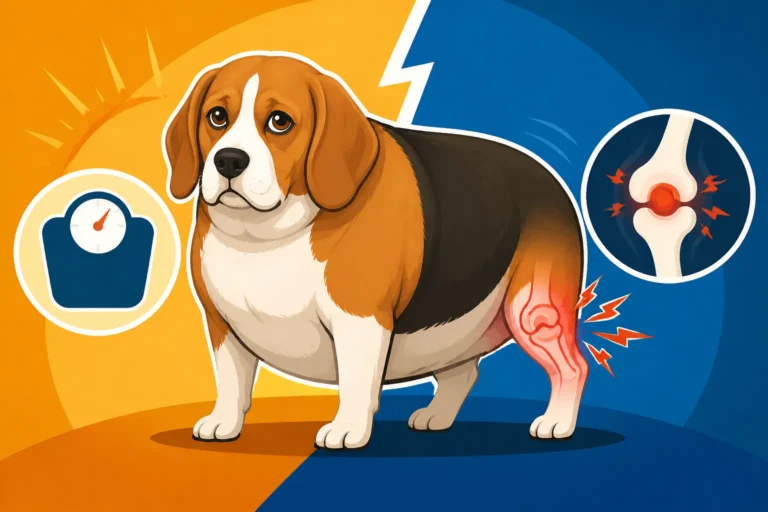
Sadly, obesity is one of the most common health problems facing Beagles. Their persistent hunger combined with a tendency for owners to indulge them makes it incredibly easy for them to become overweight or obese. Beagle Obesity Treated as a Health Problem And while a chunky Beagle might seem endearing, extra weight puts a significant strain on their joints, heart, and other organs, dramatically increasing their risk for conditions like arthritis, diabetes, and even certain cancers.
If your Beagle is overweight, the path to a healthier weight involves a multi-pronged approach, always supervised by your veterinarian. This typically includes a strict reduction in daily calorie intake, often by feeding a prescription weight-loss diet specifically formulated to be lower in calories but still provide essential nutrients. Prescription Weight Loss Diets Made for a Beagle Your vet can help you establish a safe and effective weight loss plan, including a target weight and realistic timeline. Increased exercise, tailored to your Beagle's current physical condition, is also crucial. This isn't just about longer walks; it's about making sure the activity is sustained and calorie-burning. Regular weigh-ins at home and follow-up appointments with your vet are essential to monitor progress and make adjustments. Seeing your Beagle shed those extra pounds and regain their youthful vigor is incredibly rewarding, and it directly contributes to a longer, healthier life. Getting a Beagle From Thirty-Five Down to Twenty-Five Pounds
Feeding Senior Beagles
As your beloved Beagle enters their golden years, usually around age 7-10, their dietary needs will shift. Just like humans, a senior Beagle's metabolism tends to slow down, and their activity levels often decrease. This means their calorie requirements will likely be lower, even if their appetite remains strong. Feeding a Senior Beagle Past the Age of Ten Continuing to feed the same amount of food as when they were a younger, more active adult can quickly lead to weight gain.
Many senior-specific dog food formulas are available, designed with lower calorie counts but often enriched with nutrients that support aging bodies. Look for foods that include joint supplements like glucosamine and chondroitin, as arthritis is common in older Beagles. Easily digestible ingredients are also beneficial for an aging digestive system. Dental health can become a significant concern for senior Beagles; if they have missing teeth or painful gums, you might need to switch to softer wet food or moisten their kibble to make it easier to eat. Feeding a Fourteen Year Old Beagle With Few Teeth Regular veterinary check-ups are especially important during these years, as your vet can recommend specific dietary adjustments based on any emerging health conditions, such as kidney disease or diabetes. Tailoring their diet to their changing needs will help your senior Beagle remain comfortable and healthy in their twilight years.
Hydration and Water Intake for a Healthy Beagle
While we focus a lot on what goes into the food bowl, what goes into the water bowl is equally, if not more, important for your Beagle's overall health. Proper hydration is fundamental to every bodily function, from digestion and nutrient absorption to temperature regulation and organ health.
Ensuring Constant Access to Fresh Water
It might seem like a given, but making sure your Beagle always has access to clean, fresh water is the most basic, yet critical, aspect of their hydration. Beagles are active dogs, even when just sniffing around the house, and they can easily become dehydrated if water isn't readily available.
Place multiple water bowls around your home, especially if you have a larger house or a multi-level dwelling. Have a bowl outside if your Beagle spends time in the yard. Choose bowls that are easy to clean, such as ceramic or stainless steel, and make sure to wash them thoroughly at least once a day, if not more, to prevent bacterial growth and keep the water appealing. Some Beagles are finicky about dirty water, so keeping it fresh encourages them to drink more. Consider a pet drinking fountain, which can entice some dogs to drink more due to the moving water. The goal is to make it as effortless as possible for your Beagle to quench their thirst throughout the day and night.
Monitoring Water Intake and Signs of Dehydration
While constant access is key, it's also a good idea to pay attention to your Beagle's drinking habits. Significant changes in water intake – either drinking much more or much less than usual – can be indicators of underlying health issues and warrant a call to your vet. Factors like hot weather, increased exercise, or certain medications can naturally increase your Beagle's water needs, so be mindful of these changes.
Recognizing the signs of dehydration in your Beagle is crucial. Mild dehydration might manifest as lethargy or dry, sticky gums. To check for skin elasticity, gently pinch the skin on your Beagle's back or shoulder. If it snaps back quickly, they're likely well-hydrated. If it stays tented or returns slowly, they could be dehydrated. Sunken eyes are another sign in more severe cases. If you suspect your Beagle is dehydrated, offer water immediately, and if they don't drink or show severe signs, contact your veterinarian without delay. Early intervention can prevent serious complications.
Portable Water Solutions for Walks and Travel
Beagles love their walks, and their keen noses keep them constantly moving and exploring. All that sniffing and trotting can make them thirsty, especially on longer outings or during warmer weather. Relying on finding public water sources isn't always feasible or safe, so a portable water solution is a must-have for any Beagle owner.
There are many convenient options available that make it easy to keep your Beagle hydrated on the go. Portable water bottles with attached drinking cups or collapsible silicone bowls are excellent choices, and you can find a wide range on Amazon or Chewy. These are lightweight, easy to carry, and ensure your Beagle always has access to clean water, even when you're far from home. Make it a habit to offer water frequently during walks, especially if you're out for more than 20-30 minutes, or if it's a particularly warm day. Carrying water for both you and your Beagle is a smart practice. Staying hydrated not only prevents dehydration but also helps maintain their energy levels, allowing them to fully enjoy their scent-filled adventures.
The Role of Enrichment and Mental Stimulation in Food Management
A Beagle's life isn't just about physical exercise; it's also profoundly influenced by mental engagement. For a breed so driven by their nose and an inherent need to work, simply providing food in a bowl twice a day can lead to boredom, which in turn can exacerbate their obsession with food. Engaging their minds and their powerful noses can be a game-changer in managing their relentless appetite.
Engaging the Beagle Nose Beyond the Food Bowl
Beagles are working scent hounds, and their noses are their greatest asset. If that incredible olfactory system isn't given a job, it will find its own, often leading to destructive behaviors or an even stronger focus on food. Harnessing their natural talent for scent work can be incredibly satisfying for them and profoundly tiring. Often, a good "sniffari" walk, where they are allowed to follow scents at their own pace, can be more mentally exhausting than a strenuous run. Why a Scent Walk Tires a Beagle Faster Than Running
Activities that engage their nose directly tap into their primal instincts and provide immense mental stimulation. Instead of feeding meals in a regular bowl, try scatter feeding their kibble in the yard, hiding it in various spots for them to sniff out. This turns mealtime into a fun treasure hunt. Snuffle mats, readily available on Chewy or Amazon, are another fantastic tool. These fabric mats have numerous pockets and strips where you can hide kibble or treats, forcing your Beagle to use their nose and paws to find their food. Snuffle Mats and Scatter Feeding for a Beagle This kind of enrichment not only burns mental energy but also slows down eating, making their meal last longer and reducing the feeling of instant gratification that fuels their constant hunger.
Puzzle Toys and Interactive Feeders
Beyond snuffle mats, there's a whole world of puzzle toys and interactive feeders designed to make your Beagle work for their food. These aren't just for treats; many can dispense portions of their regular kibble, transforming mealtime into an engaging mental workout.
Puzzle toys come in various shapes, sizes, and difficulty levels. Some require your Beagle to nudge, roll, or flip components to release food, while others involve more complex sequences of actions. Starting with simpler designs and gradually increasing the challenge keeps your Beagle engaged and prevents frustration. These toys serve multiple purposes: they slow down eating, provide mental stimulation, and combat boredom. If your Beagle is left alone for periods, a stuffed Kong or another favorite puzzle toy filled with a portion of their meal can keep them happily occupied and less likely to engage in undesirable behaviors like howling or counter surfing due to boredom. Rotating different types of puzzle toys also keeps things fresh and interesting, continually challenging their clever minds.
Training and Brain Games to Reduce Food Obsession
Consistent training sessions and brain games are excellent ways to provide mental stimulation and strengthen the bond with your Beagle, ultimately helping to redirect their focus away from constant food seeking. When a Beagle's mind is engaged, they are less likely to dwell on their stomach.
Teaching new tricks, practicing obedience commands in different environments, or even participating in organized dog sports like nose work classes can be incredibly beneficial. Getting a Beagle Started in Nose Work Classes These activities require concentration, problem-solving, and decision-making, which are all mentally taxing for a dog. Even short, five-minute training sessions several times a day can make a big difference. Use small portions of their daily kibble or very low-calorie treats as rewards during these sessions, integrating them into their overall caloric budget. By providing a consistent outlet for their intelligence and energy, you're helping to create a well-rounded dog who isn't solely driven by their appetite. The goal is to channel their natural drives productively, fostering a contented Beagle who understands that good things come from engaging with you, not just from constantly searching for food.
| Challenge | Description | Common Solutions |
|---|---|---|
| Constant Hunger Cues | Beagle acts perpetually starved, begging incessantly. | Strict portion control, consistent feeding times, multiple small meals daily. Redirect begging with affection or a brief training session not involving food. |
| Fast Eating/Gulping | Beagle finishes meals in seconds, potentially leading to indigestion or bloat. | Use slow feeder bowls, puzzle feeders, or scatter feed meals to extend eating time. |
| Counter Surfing | Beagle jumps on counters to snatch food, a safety risk. | Beagle-proof kitchen: never leave food unattended, secure trash, use child locks on cabinets. Train "Leave It." |
| Scavenging on Walks | Beagle's nose glued to the ground, eating discarded items. | "Leave It" and "Drop It" commands are essential. Use a front-clip harness for better control. Choose cleaner walking paths. Carry high-value treats for redirection. |
| Obesity/Weight Gain | Beagle's weight creeping up, impacting health. | Vet-supervised calorie reduction, prescription weight-loss food, increased controlled exercise. Factor ALL treats into daily calorie budget. |
| Food-Related Boredom | Beagle seeks food or chews destructively when under-stimulated. | Engage their nose and brain: snuffle mats, puzzle toys, scent games, regular training sessions. Provide appropriate, durable chew toys. |
| Food Allergies/Sensitivities | Itching, skin issues, chronic ear infections, or GI upset linked to diet. | Consult vet for an elimination diet using novel or hydrolyzed protein food. Once identified, strictly avoid the offending ingredient in all food and treats. |
Disclaimer
This article is for general informational purposes only and does not constitute professional advice. Laws, prices and regulations vary by location and change over time. Consult a qualified professional for guidance on your specific situation.