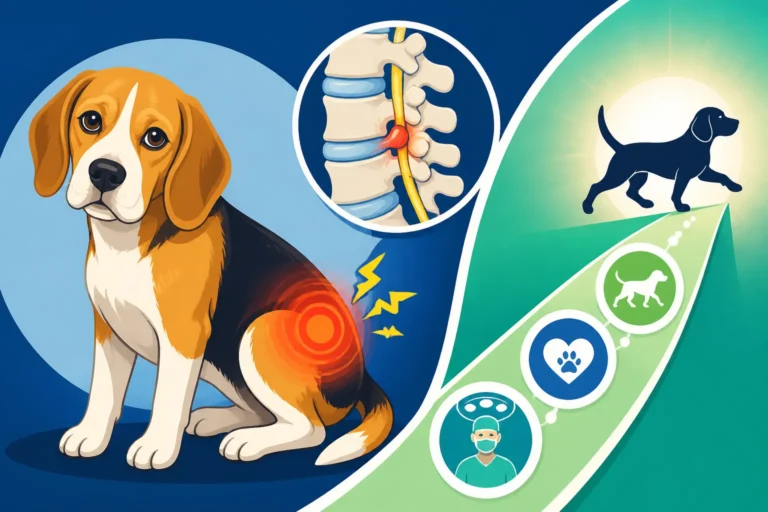
Cerebellar Degeneration in Newborn Beagle Puppies
Witnessing a newborn Beagle puppy struggle with basic movements, shaking, and appearing uncoordinated is one of the most heartbreaking and confusing experiences a new owner or breeder can face. It’s a situation that leaves you scrambling for answers, wondering what could possibly be wrong with such a tiny, innocent creature. This guide is here to unravel the complexities of cerebellar degeneration in newborn Beagle puppies, helping you understand what this condition entails, how to recognize its early signs, the genetic factors at play, and what supportive measures you can take.
Understanding Cerebellar Degeneration in Beagles
Cerebellar degeneration, particularly in its neonatal form, is a severe neurological condition that can affect Beagle puppies, casting a shadow over what should be a joyful start to life. It’s a term that describes the progressive loss or underdevelopment of cells in a crucial part of the brain, leading to devastating impacts on a puppy’s coordination and balance. For anyone passionate about Beagles, understanding this condition is vital for responsible breeding and compassionate care.
What is the Cerebellum and Its Role?
To truly grasp the impact of cerebellar degeneration, we first need to understand the cerebellum itself. Imagine your brain as the central command center, and the cerebellum as the highly specialized operations manager for movement. Located at the back of the brain, just above the brainstem, this intricate structure is responsible for coordinating voluntary movements, maintaining balance, posture, and motor learning. It’s what allows you to walk smoothly, catch a ball, or keep your balance on an uneven surface without even thinking about it.
In a healthy Beagle, the cerebellum acts as a fine-tuner, ensuring that every step, every wag of the tail, and every focused sniff is performed with precision and fluidity. It takes the rough commands from other parts of the brain and refines them into smooth, coordinated actions. When this vital organ is either underdeveloped from birth (cerebellar hypoplasia) or its cells begin to degenerate (cerebellar abiotrophy/degeneration), the entire system of movement breaks down. The messages from the brain to the muscles become garbled, resulting in the tell-tale signs of ataxia – a complete lack of muscle control and coordination. It’s why affected puppies might look clumsy, unbalanced, or struggle with movements that healthy puppies accomplish effortlessly.
How Cerebellar Degeneration Manifests in Newborns
The term "newborn" in this context is key, as cerebellar degeneration in Beagles often manifests very early in life, typically within the first few weeks or months. This is especially true for conditions like Neonatal Cerebellar Atrophy or Cerebellar Cortical Degeneration, which have been specifically identified in the breed. Unlike conditions that develop later in life, these forms present almost as soon as the puppy begins to attempt independent movement.
Initially, a breeder or owner might notice subtle differences in an affected puppy compared to its littermates. While healthy puppies are quickly gaining strength, learning to crawl, stand, and eventually walk with increasing confidence, a puppy with cerebellar degeneration might lag significantly. They might struggle to lift their head, have difficulty coordinating their legs to move forward, or exhibit tremors, particularly when trying to focus or move. As the puppies grow and are expected to become more mobile – wobbling around, exploring their surroundings, and playing – the signs become starker. The inability to stand or walk steadily, an exaggerated high-stepping gait, and frequent falls become painfully obvious. This isn't just a clumsy puppy phase; it's a persistent and often progressive neurological deficit. The cruel reality is that for many of these specific genetic forms, the degeneration continues, or the initial underdevelopment prevents the puppy from ever achieving normal motor function, making it an incredibly challenging journey for both the puppy and its caregivers.
Recognizing the Early Signs in Beagle Puppies
Spotting the signs of cerebellar degeneration early can be difficult, especially for first-time owners or even experienced breeders who haven't encountered it before. Puppies, by nature, are a bit wobbly as they learn to navigate the world. However, there’s a distinct difference between normal puppy clumsiness and the specific, often severe, symptoms associated with a neurological disorder affecting the cerebellum. Knowing what to look for can help you seek veterinary attention sooner.
Initial Observations: Tremors and Lack of Coordination
One of the most striking initial signs of cerebellar degeneration in newborn Beagle puppies is the presence of tremors and a profound lack of coordination. These symptoms typically become noticeable as the puppies transition from merely suckling and sleeping to attempting more independent movements. When a healthy puppy starts to lift its head, push itself up, or take its first wobbly steps, it does so with increasing control. A puppy with cerebellar degeneration, however, will often struggle immensely.
You might observe a distinct head tremor, particularly when the puppy tries to focus on something, like reaching for its mother or a toy. This intentional tremor, known as an "action tremor," is characteristic of cerebellar issues. Their entire body might appear unstable, swaying from side to side even when trying to sit still. When they attempt to move, their legs might splay out, making it impossible to stand or walk without falling over repeatedly. Instead of a smooth, developing gait, you'll see a wide-legged stance, almost as if they're trying to brace themselves against an invisible force. These puppies may also have significant difficulty latching onto their mother for nursing, or they might nurse inefficiently, leading to concerns about their growth and overall nutrition. Their movements are often jerky, ungraceful, and clearly lack the purposeful fluidity seen in their littermates. This isn't just a puppy who trips over its own feet occasionally; it's a puppy whose entire motor system is fundamentally compromised from the outset.
Progressive Symptoms as Puppies Grow
As Beagle puppies with cerebellar degeneration grow from a few weeks into months, their symptoms often become more pronounced and easier to distinguish from normal puppy behavior. The initial wobbliness gives way to a more dramatic presentation of ataxia. One of the classic signs is an exaggerated high-stepping gait, also known as dysmetria. Imagine a puppy trying to walk, but its legs lift much higher than necessary, and its paws come down with an almost stomping motion, often overshooting their intended landing spot. This can make them look like they are marching or prancing in an uncontrolled manner.
These puppies will frequently stumble, trip, and fall, especially when trying to change direction, navigate a corner, or climb over a small obstacle. Everyday activities that healthy puppies master, like walking across a room, playing with toys, or going outside to potty, become monumental challenges. You might notice they have trouble judging distances, making simple actions like stepping off a low curb or onto a small step extremely difficult and prone to falls. While the primary signs are motor-related, in some cases, severe cerebellar damage can also indirectly affect cognitive function or lead to secondary behavioral changes due to their frustration or inability to interact normally with their environment. Their world is literally off-balance, and their physical limitations are a constant source of struggle.
The Genetic Link: Why Beagles Are Prone
The discovery of a neurological condition like cerebellar degeneration in a beloved Beagle puppy naturally leads to the agonizing question: why? In many cases, especially when the condition manifests early in life, the answer lies in genetics. Beagles, like many purebred dogs, can carry specific genes that, when inherited in a particular way, predispose them to certain health issues, including some forms of cerebellar degeneration. Understanding this genetic component is crucial for both current owners and, critically, for responsible breeders aiming to prevent future cases.
Autosomal Recessive Inheritance Explained
Many hereditary diseases in dogs, including specific types of cerebellar degeneration in Beagles, are passed down through what's known as autosomal recessive inheritance. This scientific term might sound complicated, but the concept is fairly straightforward:
Every dog inherits two copies of each gene – one from its mother and one from its father. For an autosomal recessive disease to manifest, a puppy must inherit two copies of the defective gene, one from each parent.
- Clear dogs have two normal copies of the gene. They are not affected and cannot pass the defective gene to their offspring.
- Carrier dogs have one normal copy and one defective copy. They are perfectly healthy themselves – they do not show any symptoms of the disease – but they can pass the defective gene on to their puppies.
- Affected dogs have two copies of the defective gene. These are the puppies who will develop the symptoms of cerebellar degeneration.
The challenge with recessive conditions is that carrier parents are asymptomatic, meaning they appear perfectly healthy and can easily be bred together unknowingly. When two carrier Beagles are bred, there’s a 25% chance with each puppy born that it will inherit two copies of the defective gene and be affected, a 50% chance it will be a carrier like its parents, and a 25% chance it will be clear. This genetic lottery explains why a devastating condition can suddenly appear in a litter from seemingly healthy parents. For breeders, this highlights the immense responsibility of understanding the genetic background of their breeding stock and utilizing available screening tools to prevent this heartbreak.
Identifying Carrier Beagles Through DNA Testing
Thankfully, advancements in veterinary genetics have provided us with powerful tools to combat these inherited conditions. For specific forms of cerebellar degeneration, DNA tests are available that can definitively identify whether a Beagle is clear, a carrier, or affected. These tests are usually simple, often requiring just a cheek swab, and can be performed at any age. Knowing the genetic status of potential breeding Beagles is the most effective way to eliminate the risk of producing affected puppies.
For instance, if a specific gene mutation causing neonatal cerebellar atrophy in Beagles is identified, breeders can use a DNA test to screen all their breeding stock. If a dog tests as a carrier, ethical breeding practices dictate that it should only be bred to a dog that has tested as clear. This way, while some puppies might still be carriers, none will be affected by the disease. It’s a proactive step that protects future generations of Beagles and saves families from immense heartache. If you're looking into adding a Beagle to your family, especially from a breeder, always ask about health testing. What to Ask a Beagle Breeder About Genetics is crucial, and understanding Reading a Beagle DNA Panel Result Line by Line can help you interpret the results your breeder shares. While specific tests might not exist for every single variant of cerebellar degeneration, reputable breeders will strive to test for all known hereditary conditions relevant to the breed as part of their commitment to organizations like the Orthopedic Foundation for Animals (OFA) CHIC program. In fact, understanding Beagle Health Testing Under CHIC gives you insight into the comprehensive approach ethical breeders take to ensure the health of their lines. The goal is always to breed healthy puppies, and DNA testing is an invaluable part of that mission, far more reliable than just looking at the parents and assuming their health. Knowing Which Beagle Genetic Tests Are Optional versus highly recommended can also inform your discussions with breeders.
| Genetic Status | Genetic Makeup | Phenotype (Appearance) | Breeding Recommendation (to Clear dog) | Risk for Offspring (with Clear mate) |
|---|---|---|---|---|
| Clear | Two normal copies | Healthy | Can be bred to any dog | 0% Affected, 0% Carrier |
| Carrier | One normal, one defective | Healthy | Only breed to a Clear dog | 0% Affected, 50% Carrier |
| Affected | Two defective copies | Displays symptoms | Should not be bred | 100% Affected (if bred to carrier) |
This table illustrates the simple principles of autosomal recessive inheritance and how responsible breeding decisions can completely prevent the birth of affected puppies. If you are ever faced with a diagnosis like cerebellar degeneration, understanding its genetic basis can also provide a measure of peace, knowing that it’s not due to anything you did or didn’t do, but rather a roll of the genetic dice. It also empowers you to talk to your breeder about preventing future occurrences, highlighting the importance of genetic testing in eliminating such conditions from breeding lines, similar to how breeders work to manage conditions like How Musladin-Lueke Syndrome Passes Through Beagle Lines.
Diagnosis and Prognosis for Affected Puppies
When you have a Beagle puppy exhibiting signs of severe incoordination and tremors, the natural next step is to seek veterinary help. Getting a definitive diagnosis is paramount, not just for understanding the condition, but for making informed decisions about the puppy's future care. Unfortunately, with conditions like cerebellar degeneration, the prognosis can often be challenging, leading to difficult conversations about quality of life.
Veterinary Examination and Diagnostic Tools
The diagnostic journey for a puppy with suspected cerebellar degeneration typically begins with a thorough veterinary examination. Your vet will conduct a detailed neurological assessment, carefully observing the puppy's gait, reflexes, balance, and general motor control. They'll look for the characteristic signs we've discussed, such as dysmetria (exaggerated movements), intention tremors, and a wide-based stance. They might also check the puppy's menace response (blinking at an approaching object) and proprioception (awareness of limb position), which can be affected.
To confirm the diagnosis and rule out other neurological conditions that might present similarly – such as certain forms of epilepsy (though seizures manifest differently, they can be part of broader neurological issues), or even Beagle Pain Syndrome and the Meningitis Behind It – advanced diagnostic tools may be recommended. These can include:
- MRI (Magnetic Resonance Imaging) or CT (Computed Tomography) scans: These imaging techniques allow veterinarians to visualize the brain structure in detail. In cases of cerebellar hypoplasia, the cerebellum might appear significantly smaller than normal. In abiotrophy/degeneration, there might be signs of cell loss or atrophy.
- Cerebrospinal Fluid (CSF) analysis: This can help rule out inflammatory or infectious causes of neurological signs.
- Genetic Testing: If a specific genetic mutation for cerebellar degeneration is known for Beagles, a DNA test will provide a definitive diagnosis.
- Post-mortem Examination: Sadly, in some severe cases, a definitive diagnosis can only be made through a post-mortem examination (necropsy) and histopathological analysis of brain tissue, which can reveal the characteristic cellular changes of degeneration or underdevelopment.
These diagnostic steps can be emotionally and financially taxing. Diagnostic imaging, like an MRI, can be incredibly expensive, running into thousands of dollars. Having a robust pet insurance plan from a provider like Healthy Paws can certainly help mitigate some of these unforeseen costs, especially for non-genetic, acute issues that might arise in a puppy with compromised coordination, though genetic conditions are often pre-existing exclusions. Discussing all options and their implications with your veterinarian is essential before proceeding with extensive testing.
Living with Cerebellar Degeneration: Quality of Life
One of the hardest aspects of a cerebellar degeneration diagnosis is facing the reality of the prognosis. For many forms of inherited cerebellar degeneration, especially those presenting in neonates, there is currently no cure. The condition is often progressive, or the initial developmental deficit is permanent. This means treatment focuses on supportive care and management to maximize the puppy's quality of life, rather than reversing the disease.
Living with an affected Beagle puppy means committing to a life of extraordinary dedication and adaptation. The challenges are significant:
- Mobility: The puppy may never be able to walk normally, requiring assistance with slings, specially designed wheelchairs, or constant supervision to prevent falls and injuries.
- Feeding: Eating and drinking can be difficult due to poor coordination, potentially requiring elevated bowls or hand-feeding.
- Safety: The puppy's environment needs to be meticulously puppy-proofed to prevent injuries from their uncoordinated movements. Sharp edges, stairs, and slippery floors become major hazards.
- Hygiene: Potty training can be particularly challenging, as the puppy might struggle to get to appropriate areas or maintain balance while eliminating.
- Socialization: While Beagles are generally social, an affected puppy might struggle to interact normally with littermates or other dogs due to their physical limitations, which can impact their development.
The ethical considerations and decisions regarding quality of life are deeply personal and incredibly difficult for owners and breeders. It requires a realistic assessment of the puppy's comfort, ability to experience joy, and the extensive resources (time, financial, emotional) required for its care. While the love for such a puppy is boundless, sometimes the most compassionate choice is to prevent prolonged suffering, a decision that no one takes lightly. It's a journey filled with profound love, immense challenge, and often, heartbreaking choices. Even if cerebellar degeneration is excluded as a pre-existing condition, general pet insurance from companies like Healthy Paws can still provide a safety net for other illnesses or injuries that your Beagle puppy might encounter due to their compromised state.
Management and Supportive Care for Beagles with Cerebellar Degeneration
While a cure for inherited cerebellar degeneration in Beagles is not currently available, focusing on compassionate management and supportive care can significantly improve the quality of life for affected puppies. This approach is all about making their world as safe, comfortable, and functional as possible, allowing them to experience joy despite their physical limitations. It demands creativity, patience, and a deep commitment from their human companions.
Creating a Safe and Accessible Environment
One of the most immediate and impactful ways to support a Beagle puppy with cerebellar degeneration is to modify their living environment. Their lack of coordination makes them highly prone to accidents and injuries, so preventing these is paramount. Think of your home through the eyes of a constantly wobbly, falling puppy:
- Soft Landings: Replace hard flooring with carpets, rugs, or non-slip mats wherever possible. This provides better traction and cushions falls. Even soft dog beds and blankets around high-traffic areas can make a difference.
- Barrier Protection: Block off stairs or any areas where falls could lead to serious injury. Puppy gates can be incredibly useful here.
- Padded Surfaces: Consider padding sharp corners of furniture or low obstacles that the puppy might bump into.
- Assisted Mobility: For puppies who struggle to walk, a pet stroller or a cart designed for dogs can allow them to get out and about safely. Indoors, slings or harnesses can help you support them as they move.
- Elevated Bowls: Due to head tremors or difficulty bending, some puppies benefit from elevated food and water bowls. This can make eating and drinking less strenuous and messy.
- Accessibility Aids: While often thought of for older dogs, special ramps and steps can be crucial for a wobbly puppy to access furniture safely or get into a car without risky jumps. Protecting their back and joints from unnecessary strain is vital, even at a young age, so researching Ramps and Steps That Protect a Beagle Spine can be incredibly helpful. These modifications aren't just about preventing injury; they're about empowering the puppy to navigate its world with as much independence as possible.
Nutritional Support and Physical Therapy
Beyond environmental modifications, dedicated nutritional support and gentle physical therapy play crucial roles in managing cerebellar degeneration. Puppies with neurological conditions often burn more calories just trying to coordinate basic movements, making proper nutrition even more critical.
- Optimized Nutrition: Work closely with your vet to determine the ideal diet. This might mean higher-calorie foods, easily digestible formulations, or specific supplements to support overall health. For puppies struggling with coordination, soft foods or pureed meals might be easier to consume. Ensuring they get enough sustenance is vital for their growth and energy levels. Remember that Feeding a Beagle Puppy Before the Food Drive Sets In is critical for establishing healthy habits, and for these puppies, it's about making sure every calorie counts effectively.
- Hydration: Due to their struggles with movement, puppies might not always access water bowls easily. Ensure multiple, stable water sources are available, and consider offering water in different bowl types (e.g., heavy ceramic to prevent tipping) or even hand-feeding water if necessary. Dehydration can quickly exacerbate neurological symptoms.
- Gentle Physical Therapy: While physical therapy won't cure cerebellar degeneration, it can help maintain muscle tone, improve flexibility, and prevent secondary issues like muscle atrophy or joint stiffness. This could involve:
- Passive Range of Motion (PROM) Exercises: Gently moving the puppy's limbs through their natural range of motion.
- Balance Exercises: Under vet guidance, simple balance exercises on stable surfaces, or even using specialized balance balls, can help stimulate remaining cerebellar function.
- Massage: Gentle massage can improve circulation and reduce muscle tension.
Always consult with your veterinarian or a certified canine rehabilitation therapist before starting any physical therapy regimen. They can tailor exercises specifically to your puppy's needs and limitations, ensuring you're doing more good than harm. The goal isn't to make them run a marathon, but to enhance their comfort, mobility, and overall well-being within their unique capabilities. These supportive measures, though demanding, can make a profound difference in the daily life of a Beagle puppy living with cerebellar degeneration. If you notice any sudden worsening of symptoms, or new problems arising, don't hesitate to contact your vet; knowing Beagle Emergency Signs That Cannot Wait Until Morning is crucial.
Breeding Practices and Prevention
For those who love Beagles, the existence of conditions like cerebellar degeneration underscores the immense importance of responsible breeding practices. While providing compassionate care to an affected puppy is vital, the ultimate goal for the breed as a whole is prevention. This involves a collaborative effort from breeders, veterinarians, and the wider Beagle community to understand, identify, and ultimately reduce the incidence of such devastating inherited diseases.
The Breeder's Role in Eliminating the Gene
Ethical breeders are the frontline defense against inherited conditions like cerebellar degeneration. Their role is pivotal in safeguarding the health of future Beagle generations. This responsibility begins with a thorough understanding of canine genetics and a commitment to transparency and health testing.
- Mandatory Health Screening: Reputable breeders will meticulously screen all potential breeding stock for known genetic diseases relevant to Beagles. For conditions like cerebellar degeneration where a specific DNA test is available, testing is non-negotiable. They should be able to provide clear documentation of these test results for both parents. As mentioned, asking What to Ask a Beagle Breeder About Genetics is crucial. A good breeder will proactively share this information, including test results for conditions like Musladin-Lueke Syndrome, where understanding The MLS DNA Test Required for Beagle CHIC or How Musladin-Lueke Syndrome Passes Through Beagle Lines is essential.
- Avoiding Carrier x Carrier Matings: Once the genetic status of breeding dogs is known (clear, carrier, or affected), a responsible breeder will strictly avoid breeding two carriers together. If a valuable breeding dog is a carrier, it can still be safely bred, but only to a dog that has tested clear for the specific condition. This prevents any affected puppies from being born.
- Lineage Research: Beyond immediate health tests, ethical breeders delve deep into the pedigrees of their dogs, researching the health history of ancestors and relatives. They aim to avoid breeding dogs from lines known to have a history of producing affected puppies with specific conditions, even if their current stock tests clear for a known mutation. Sometimes, this involves making difficult decisions about particular dogs that might otherwise have desirable traits.
- Transparency and Education: Good breeders are open about their health testing practices and are willing to educate potential puppy buyers about inherited diseases. They understand that transparency builds trust and empowers new owners to make informed decisions. Understanding what a Beagle breeder must show you in terms of health clearances and genetic test results is vital for any prospective puppy owner.
The work of a responsible breeder is a continuous effort to improve the breed's health and vitality, making sure that future Beagle puppies have the best possible start in life. They often participate in comprehensive health programs like the AKC's Canine Health Information Center (CHIC), where the Beagle Health Testing Under CHIC requirements provide a standardized set of recommendations for health screening.
Supporting Research and Awareness
Beyond individual breeding practices, the fight against inherited diseases benefits immensely from collective efforts in research and awareness. Advancements in veterinary medicine and genetics don't happen in a vacuum; they rely on dedicated scientists, funding, and the participation of dog owners and breeders.
- Funding Research: Supporting organizations that fund canine health research is crucial. Many breed clubs and national organizations have health funds specifically dedicated to studying and finding cures or tests for diseases affecting their breed. These funds help scientists investigate the genetic basis of conditions like cerebellar degeneration, develop new diagnostic tools, and explore potential therapies.
- Participating in Studies: If you unfortunately have an affected puppy, your veterinarian might ask if you are willing to participate in research studies. This could involve providing DNA samples, medical records, or even post-mortem tissue samples. While emotionally challenging, your participation could provide invaluable data that helps scientists understand the disease better and develop solutions for future generations.
- Raising Awareness: Education is a powerful tool. By openly discussing inherited conditions like cerebellar degeneration, we can raise awareness among prospective puppy buyers, helping them choose reputable breeders who prioritize health testing. It also encourages more breeders to adopt stringent health screening protocols. Sharing information within the Beagle community, through breed clubs, online forums, and social media, helps to disseminate knowledge and best practices.
Ultimately, eliminating inherited diseases from Beagle lines is a long-term goal that requires dedication, scientific progress, and a shared commitment from everyone who loves this wonderful breed. It's about ensuring that the "merry Beagle" can truly lead a long, healthy, and unburdened life.
Disclaimer
The information provided in this article is for general informational purposes only and is not intended as a substitute for professional veterinary advice, diagnosis, or treatment. Always seek the advice of your veterinarian or other qualified animal health provider with any questions you may have regarding a medical condition or the health and welfare of your pet. Never disregard professional veterinary advice or delay in seeking it because of something you have read in this article.