Beagle Arthritis Arriving in Middle Age
It's heartbreaking to see our energetic Beagles, who once bounded through fields with boundless enthusiasm, start to slow down. That subtle stiffness after a nap, the hesitation before jumping onto the couch, or the slight limp that comes and goes – these are often the first quiet whispers that something might be changing in their joints. This comprehensive guide will help you understand, recognize, and manage arthritis in your middle-aged Beagle, ensuring they maintain the best possible quality of life as they gracefully age.
Understanding Beagle Arthritis: What It Is and Why It Happens
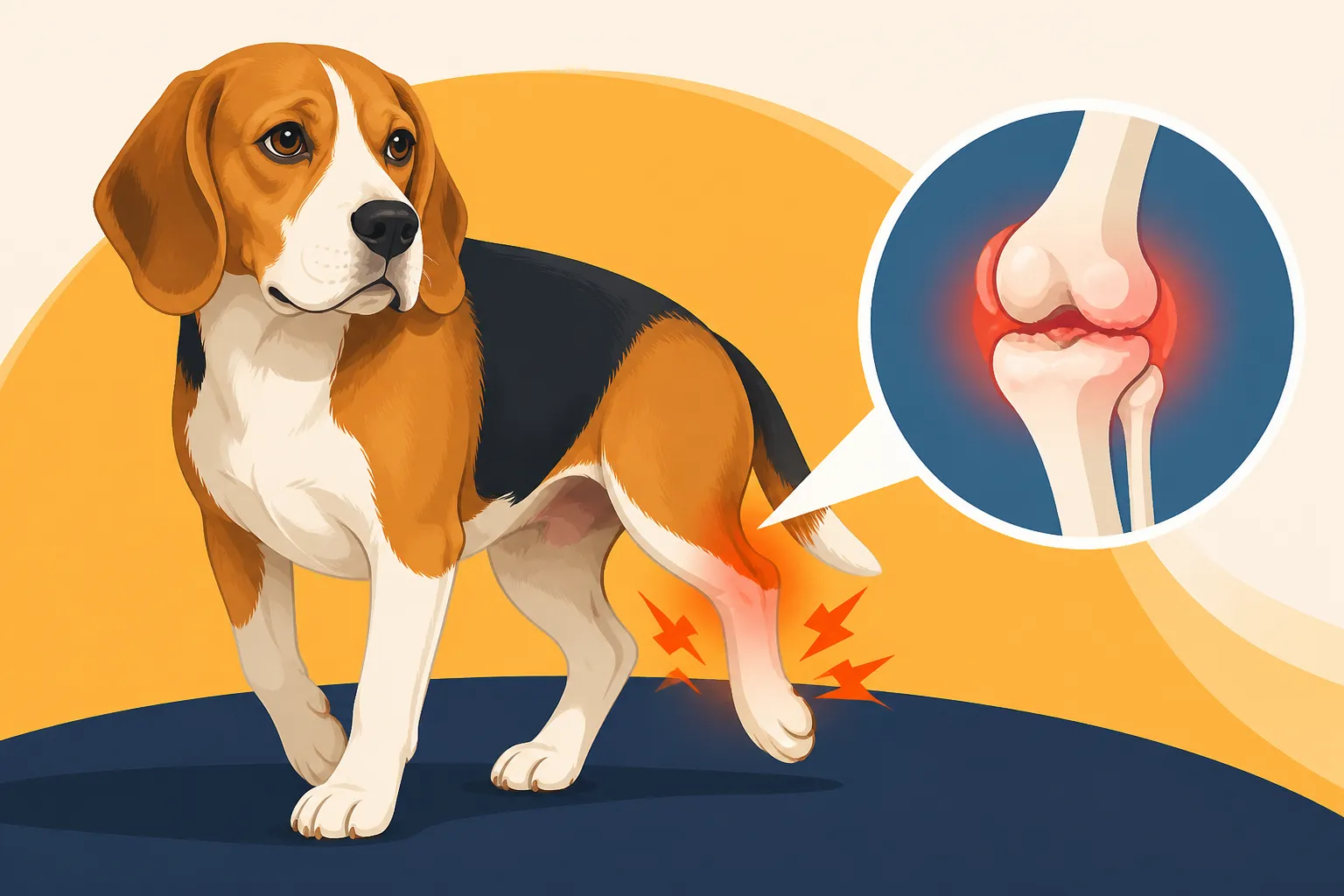
Arthritis, or osteoarthritis (OA) as it's formally known, is a degenerative joint disease that impacts countless dogs, and Beagles are certainly not immune. It's not just a condition of old age; often, the changes begin subtly in middle age, gradually worsening over time. Essentially, it's the progressive and permanent deterioration of the cartilage that cushions the ends of bones in a joint. Without that smooth, resilient cartilage, bones start to rub against each other, leading to inflammation, pain, and a reduced range of motion.
The Silent Onset: How Arthritis Develops in Beagles
The development of arthritis in Beagles is often a slow, insidious process. It usually doesn't hit overnight. What begins as minor wear and tear on joint cartilage from years of enthusiastic romping, chasing scents, and perhaps a few too many jumps off high places, can slowly escalate. Over time, the body tries to compensate for the damaged cartilage by forming bone spurs around the joint, which further stiffens the area and increases discomfort. This process can be accelerated by pre-existing conditions or certain lifestyle factors. For instance, an old injury that never quite healed right, or even simply the repetitive motion of their daily activities, can contribute. It's a continuous cycle of inflammation and damage that builds up over months and years, making it hard for owners to pinpoint an exact starting point.
A common precursor to arthritis in Beagles is underlying developmental conditions that might have gone unnoticed when they were younger. For example, some Beagles might have a mild case of hip or elbow dysplasia, even if they don't show overt lameness as puppies. This slight abnormality in joint formation means the joint surfaces don't fit together perfectly, leading to uneven weight distribution and increased friction. Over a lifetime, this accelerates the breakdown of cartilage and the onset of arthritis. This is why understanding Beagle Hip Dysplasia and Everyday Joint Wear is so important, as early signs of this can lead to later arthritis.
Common Joints Affected in Beagles
While arthritis can technically affect any joint in a Beagle's body, certain areas are more commonly impacted due to their structure, activity levels, and breed predispositions. The hips are a frequent target, often stemming from conditions like hip dysplasia. This can manifest as a swaying gait or reluctance to use stairs. The elbows are another primary concern, especially for those Beagles that love to dig or put weight on their front legs during play. You might notice them favoring a front leg or having trouble getting up.
The knees (stifles) can also be affected, sometimes due to previous ligament injuries, like a torn cranial cruciate ligament, which is more common in active dogs. Even the spine, particularly in the lower back, can develop arthritic changes, especially if your Beagle has carried extra weight for years, which places undue stress on the vertebral joints. This kind of chronic stress can contribute to issues like Beagle Back Problems and Intervertebral Disc Disease, which often present similar symptoms to arthritis.
Primary vs. Secondary Arthritis Causes
It's helpful to think about arthritis in two main categories: primary and secondary. Primary arthritis, also known as age-related or idiopathic arthritis, is essentially the "wear and tear" kind that develops naturally over a Beagle's lifetime without an obvious underlying cause. It's just the cumulative effect of gravity, movement, and the aging process on their joints. While it's true that any dog can develop primary arthritis, factors like genetics, breed conformation, and even their natural gait can influence how quickly it progresses.
Secondary arthritis, on the other hand, develops as a result of another pre-existing condition or injury. This is far more common in Beagles. As mentioned earlier, conditions like hip or elbow dysplasia, previous fractures, ligament tears (such as a torn ACL in the knee), or even certain metabolic diseases can destabilize a joint or alter its mechanics. This abnormal stress and movement then lead to accelerated cartilage degeneration and the onset of arthritis. This distinction is important because while we can't always prevent primary arthritis, addressing underlying secondary causes might offer opportunities for intervention or slowing progression. For example, managing Beagle Obesity Treated as a Health Problem early on can significantly reduce the load on joints and mitigate secondary arthritis.
Recognizing the Early Signs of Arthritis in Your Middle-Aged Beagle
One of the trickiest things about arthritis is that dogs are masters at hiding pain. They can't tell us directly, "My hip hurts today, Mom!" Instead, they communicate through subtle changes in behavior and movement that are easy to miss if you're not specifically looking for them. For Beagles, who are naturally stoic and often driven by their nose, they might try to push through discomfort for a long time before showing obvious signs. Catching these early cues is paramount for starting management sooner rather than later, which can make a huge difference in their comfort and mobility.
Subtle Behavioral Changes to Watch For
The earliest indicators of arthritis are rarely dramatic limps. Instead, they're often behavioral shifts. You might notice your Beagle being a little less enthusiastic about their morning walk, perhaps lagging behind more than usual, or not wanting to go as far. Their play style might change – less jumping, fewer abrupt turns, or preferring gentler games over rough-and-tumble wrestling. Getting up after a long nap might seem more labored; they might take a moment to "warm up" their joints before moving freely.
They might hesitate before tackling stairs, or even avoid them altogether. Jumping onto the couch or into the car, which was once an effortless leap, could become a careful, slow climb, or they might start asking for help. Some Beagles might become a bit more withdrawn or even a little grumpy, especially when touched in sensitive areas like their hips or back. If your usually social Beagle starts to snap or growl when another dog bumps into them during play, it could be a sign they're in pain. These subtle changes, observed consistently, are often the clearest early warnings.
Physical Clues You Might Overlook
Beyond behavior, there are several physical signs that can point to developing arthritis. One of the most common is stiffness, especially after rest or in colder weather. You might see a slight change in their gait, a subtle unevenness that wasn't there before. Perhaps one leg appears to take a shorter stride, or they shift their weight more to one side. Muscle atrophy, or loss of muscle mass, in the affected limb is another key indicator. If your Beagle is favoring one leg, the muscles in that leg won't be used as much and can start to shrink, making it appear thinner than the healthy leg.
Another physical clue is how they hold themselves. An arthritic Beagle might stand with its back arched, or carry its head lower, particularly if the pain is in the spine or neck. Sometimes, you might even notice joint swelling or warmth to the touch around the affected area, though this is less common in the early stages and more indicative of acute inflammation. Pay attention to how they lie down and get up; a dog with joint pain might groan or seem to brace themselves. If you notice your Beagle is suddenly reluctant to jump on the couch, or holds their neck pain and a head held low, it's time for a vet visit.
Differentiating Arthritis from Other Aches and Pains
It's easy to dismiss these early signs as just "getting old," but it's crucial to differentiate arthritis from other potential issues. Other conditions, such as soft tissue injuries (sprains, strains), nerve problems, or even certain medical conditions, can mimic arthritic pain. For example, a Beagle experiencing Beagle Lethargy That Turns Out to Be Thyroid could also be moving less, making it seem like joint pain. Cancer can also cause limping or reluctance to move.
The key difference with arthritis is its chronic and progressive nature. Soft tissue injuries usually have a more sudden onset and tend to improve with rest. Neurological issues often involve weakness, incoordination, or muscle twitching in addition to pain. If the discomfort is intermittent, worsens with activity, improves with rest (but they remain stiff after), and slowly progresses over months, arthritis is a strong contender. However, never self-diagnose. Any persistent change in your Beagle's mobility or behavior warrants a trip to the veterinarian for a proper diagnosis.
Diagnosing Beagle Arthritis: What to Expect at the Vet
When you suspect your Beagle might be dealing with arthritis, your veterinarian is your best resource. A thorough examination and diagnostic process are essential to confirm the diagnosis, assess the severity, and rule out other potential causes of pain. This isn't a quick in-and-out visit; expect your vet to take their time, ask lots of questions, and perform a comprehensive physical assessment. Don't be shy about describing every little change you've noticed, no matter how insignificant it seems, as these details paint a fuller picture for the vet.
The Importance of a Thorough Physical Exam
Your vet will start with a comprehensive physical examination. This typically involves observing your Beagle's gait – how they walk, trot, and turn – both on and off the leash. They'll likely palpate (feel) all the major joints, checking for swelling, warmth, pain responses, and any changes in the joint's range of motion. This can involve gently flexing and extending limbs, and rotating joints to see if there's any crepitus (a grinding or crackling sound or feel) or discomfort. Your vet will also assess your Beagle's muscle mass, looking for any asymmetry that might indicate disuse of a limb.
They'll also check your Beagle's overall body condition, as How Extra Weight Raises Beagle Disc Pressure and exacerbates joint pain is a significant factor. A full neurological exam might also be part of the process to rule out spinal issues, which can sometimes present similar symptoms. During this exam, your vet might ask you to describe when you first noticed symptoms, what makes them better or worse, and how they impact your Beagle's daily life. This detailed history is just as crucial as the physical findings.
Imaging and Other Diagnostic Tools
Once the physical exam points towards arthritis, your vet will likely recommend imaging to confirm the diagnosis and assess the extent of the joint damage. X-rays are the most common diagnostic tool for arthritis. They can reveal tell-tale signs like narrowed joint spaces, bone spurs (osteophytes), increased bone density around the joint, and changes in joint alignment. Often, X-rays are taken while your Beagle is sedated to ensure they remain still and to get clear, accurate images without causing them additional pain.
In some cases, especially if the X-rays are inconclusive or if a more detailed look at soft tissues is needed, your vet might suggest advanced imaging techniques like an MRI or CT scan. These provide much more detailed cross-sectional images of the joints and surrounding structures. While more expensive, they can be invaluable for identifying subtle soft tissue damage, early cartilage changes, or other conditions that might be contributing to the pain. Blood tests are usually not used to diagnose arthritis directly, but they might be performed to rule out other medical conditions, check organ function before starting medications, or assess for inflammatory markers. Many pet insurance providers, like Healthy Paws, often cover these diagnostic tests, which can be a huge relief given the potential costs.
Creating a Baseline for Monitoring Progression
Diagnosing arthritis is not just about identifying the problem; it's also about establishing a baseline. The initial physical exam, combined with the X-ray findings, provides a snapshot of your Beagle's joint health at that moment. This baseline is incredibly valuable for monitoring the progression of the disease and evaluating the effectiveness of treatment strategies over time. Your vet will recommend regular follow-up appointments, which may increase in Beagle Vet Visit Frequency After the Age of Ten.
During these follow-up visits, the vet can compare your Beagle's current mobility and comfort levels against the initial assessment. They can look at whether muscle atrophy has improved or worsened, if range of motion has changed, and if your Beagle's overall quality of life seems better or worse. Sometimes, repeat X-rays might be taken years down the line to visually track structural changes. Keeping a detailed journal of your Beagle's good days and bad days, their response to medication, and any new symptoms can significantly aid your vet in making informed decisions about their ongoing care.
Comprehensive Management Strategies for Arthritic Beagles
Managing Beagle arthritis is typically a multifaceted approach, often called multimodal therapy. There's no single cure, but by combining various strategies, we can significantly reduce pain, improve mobility, and enhance your Beagle's quality of life. The goal is not just to alleviate symptoms but also to slow the progression of the disease and address any contributing factors. This usually involves a combination of medication, lifestyle adjustments, and supportive therapies, all tailored to your individual Beagle's needs.
Pain Management: Medications and Supplements
When it comes to pain, non-steroidal anti-inflammatory drugs (NSAIDs) are often the first line of defense. Medications like carprofen, meloxicam, or galliprant work by reducing inflammation and pain, allowing your Beagle to move more comfortably. It's crucial to use only veterinary-prescribed NSAIDs, as human versions can be toxic to dogs. Your vet will determine the correct dosage and monitor your Beagle for any side effects, especially with long-term use. For more severe pain or when NSAIDs aren't enough, other pain medications like gabapentin or amantadine might be added to the regimen.
Beyond prescription medications, many owners explore joint supplements. Glucosamine and chondroitin sulfate are popular choices, believed to support cartilage health and reduce inflammation. Omega-3 fatty acids, especially EPA and DHA, also have potent anti-inflammatory properties and can be a fantastic addition to your Beagle's diet. Other supplements like green-lipped mussel, MSM, and turmeric are also gaining popularity. While supplements are generally safe, always discuss them with your vet to ensure they are appropriate for your Beagle and won't interact negatively with other medications. The market is full of options for Joint Supplements That Help an Aging Beagle, so careful selection is key.
Weight Management: Crucial for Joint Health
This cannot be stressed enough: maintaining a healthy weight is perhaps the single most impactful thing you can do for an arthritic Beagle. Every extra pound your Beagle carries puts immense pressure on their already compromised joints, exacerbating pain and accelerating cartilage damage. If your Beagle is overweight, even a modest weight loss of 5-10% of their body weight can lead to a dramatic improvement in comfort and mobility.
Your vet can help you determine your Beagle's ideal weight and create a calorie-controlled diet plan. This often involves reducing portion sizes, switching to a prescription weight-management food, or incorporating more low-calorie, high-fiber vegetables into their meals. It's not just about less food; it's about smart food choices and careful portion control. This ties directly into Beagle Obesity and the Diseases It Brings On, where arthritis is a major concern. Regular exercise, adapted to their comfort level, will also play a role in calorie burning and muscle maintenance.
Physical Therapy and Low-Impact Exercise
Physical therapy, often referred to as rehabilitation, can be incredibly beneficial for Beagles with arthritis. A certified canine rehabilitation therapist can develop a customized exercise program designed to strengthen supporting muscles, improve joint flexibility, and reduce pain. Techniques might include therapeutic exercises, hydrotherapy (swimming or underwater treadmill), massage, passive range of motion exercises, and even modalities like laser therapy or therapeutic ultrasound. These therapies can dramatically improve mobility and reduce reliance on medication.
Even at home, incorporating gentle, low-impact exercise is vital. Short, frequent walks on soft surfaces are preferable to long, strenuous ones. Regular, controlled movement helps keep joints lubricated and strengthens surrounding muscles. Activities like Scent Walks That Wear a Beagle Out can be excellent, as they engage your Beagle mentally without putting excessive strain on their body. Avoid high-impact activities like jumping, quick stops, or sharp turns, as these can aggravate inflamed joints. The key is consistent, gentle movement tailored to your Beagle's comfort level. If your Beagle needs more intensive recovery, consider options for Beagle Physical Therapy After a Back Injury, which shares many principles with arthritis rehab.
Home Modifications to Support Your Beagle
Making a few adjustments around your home can significantly improve your arthritic Beagle's comfort and safety. Non-slip rugs on slick floors (hardwood, tile) can prevent painful slips and falls, making it easier for them to get around. Providing comfortable, orthopedic dog beds with memory foam can reduce pressure on aching joints while they rest. Raised food and water bowls can make eating and drinking more comfortable by reducing strain on their neck and front legs.
For Beagles who struggle with jumping, ramps or steps can be invaluable for accessing furniture, beds, and even the car. Installing Ramps and Steps That Protect a Beagle Spine not only helps with existing arthritis but can also prevent further injury. Consider child gates to restrict access to stairs if they become too difficult or dangerous. Ensure their sleeping area is warm and draft-free, as cold can exacerbate joint stiffness. Simple changes can make a world of difference in their daily life.
Lifestyle Adjustments and Long-Term Care for Beagles with Arthritis
Living with an arthritic Beagle means embracing a long-term commitment to their comfort and well-being. It’s not just about treatments, but about adjusting their entire lifestyle to support their aging joints. This holistic approach ensures that while their bodies might be slowing down, their spirits remain bright and they continue to enjoy their golden years with as little pain as possible. Proactive management and regular check-ups become the cornerstone of their routine.
Dietary Considerations and Nutritional Support
Beyond just managing weight, the specific diet you feed your arthritic Beagle can play a significant role. Many high-quality senior dog foods are formulated with ingredients that support joint health, often containing higher levels of omega-3 fatty acids, glucosamine, and chondroitin. Some prescription diets are specifically designed for joint support, with carefully balanced nutrients and anti-inflammatory compounds. Discuss these options with your vet, especially if your Beagle has other health considerations.
Consider incorporating whole, unprocessed foods with natural anti-inflammatory properties into their diet, always in moderation and with veterinary approval. Things like blueberries, turmeric (in very small, vet-approved amounts), and leafy greens can offer additional nutritional benefits. However, remember that fresh food additions should complement, not replace, a balanced commercial diet. The goal is to provide nutrients that help reduce inflammation and support cartilage, creating a healthy internal environment for their joints.
The Role of Regular, Gentle Exercise
While intense activity is out, gentle and consistent exercise remains crucial for an arthritic Beagle. Movement helps maintain joint flexibility, strengthens the muscles that support the joints, and prevents further stiffness. Think of it as "use it or lose it" for their joints. Aim for several short walks throughout the day rather than one long one, especially if they stiffen up easily.
Walks on soft, even surfaces like grass or dirt trails are ideal, as they provide less impact than pavement. Letting your Beagle engage their incredible nose on these walks through dedicated "sniffari" sessions can provide immense mental enrichment and gentle physical activity without overexertion. Avoid strenuous running, jumping, or rough play that involves quick turns or hard landings. Listen to your Beagle; if they're showing signs of discomfort, it's time to rest. Even low-impact activities like a gentle swim in warm water can be incredibly therapeutic, as the buoyancy supports their weight and reduces joint stress.
Maintaining Mental Stimulation for an Aging Beagle
An arthritic Beagle might not be able to chase squirrels with the same vigor, but their minds are still as sharp as ever, and their noses just as powerful. Mental stimulation is vital to prevent boredom, frustration, and even cognitive decline. Scent work games, where they use their powerful nose to find hidden treats or toys around the house or yard, are perfect for Beagles with limited mobility. This taps into their natural instincts and provides a wonderful "job" that is physically low-impact but mentally exhausting.
Puzzle feeders and KONGs stuffed with healthy treats can keep them engaged and thinking. Teaching new, gentle tricks that don't strain their joints, or simply engaging them in short training sessions, can also keep their minds active. Social interaction with other calm, well-behaved dogs can be beneficial, provided the play is gentle and supervised. Ensuring your senior Beagle has a rich and stimulating environment helps them maintain a high quality of life, even as their bodies become less capable, which is a key aspect of Senior Beagle Care After the Age of Ten.
Disclaimer
This article is intended for informational purposes only and is not a substitute for professional veterinary advice, diagnosis, or treatment. Always seek the advice of your veterinarian or other qualified health provider with any questions you may have regarding a medical condition.