Ramps and Steps That Protect a Beagle Spine
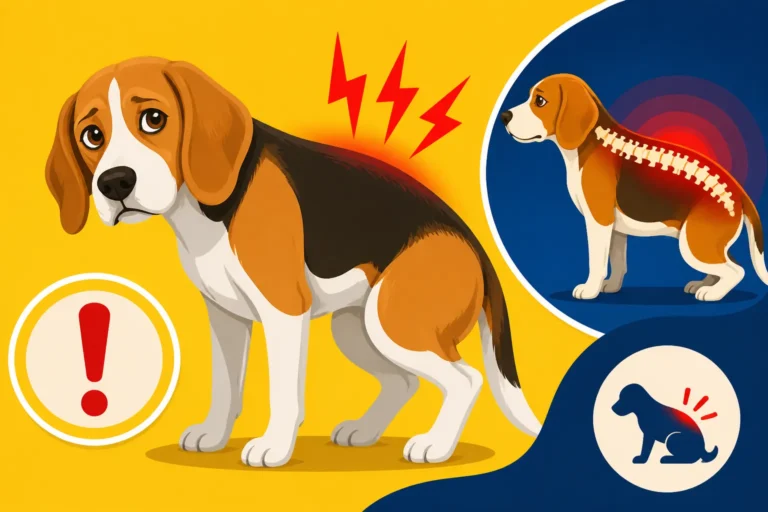
It’s a heart-wrenching moment for any Beagle owner: seeing their beloved hound struggle to jump onto the couch, hearing a yelp after a sudden leap off the bed, or watching them hesitate before hopping into the car. Our Beagles are robust and full of life, but their unique physique, particularly that long, expressive back, can make them surprisingly vulnerable to spinal injuries. This guide will dive deep into how strategically placed ramps and steps can become invaluable tools in protecting your Beagle’s delicate spine, ensuring their comfort and mobility for years to come.
Understanding the Beagle Spine and Its Vulnerabilities
Beagles are incredible dogs, known for their powerful noses, boundless energy, and those famously soulful eyes. However, their physical structure, particularly their back, isn't always as resilient as their spirit. Understanding these vulnerabilities is the first step in proactive care.
Why a Beagle's Back is Prone to Injury
The Beagle's characteristic build, with a slightly longer back relative to its leg length, makes it inherently more susceptible to certain spinal issues compared to breeds with more compact frames. While they might not be as overtly 'long-backed' as a Dachshund, the sheer force of their active lives puts significant stress on their intervertebral discs. Think about the countless times your Beagle launches off the sofa, twists mid-air during a zoomie, or scrambles to get into the car. Each of these actions, especially repeated over years, places repetitive trauma on the discs that cushion their vertebrae. These discs are essentially jelly-filled shock absorbers, and repeated impact can cause them to bulge, herniate, or even rupture. This condition, known as intervertebral disc disease (IVDD), is a major concern for many active breeds, and Beagles are certainly on that list.
Beyond IVDD, the energetic nature of a Beagle means they're constantly engaging in activities that involve twisting, jumping, and landing. A quick dart after a squirrel, an enthusiastic greeting that involves leaping onto you, or simply trying to navigate uneven terrain can all lead to sudden jarring movements. These movements can put immense pressure on the spinal column, leading to muscle strains, ligament sprains, or, in severe cases, acute disc herniations. The cumulative effect of these seemingly minor impacts builds up over a lifetime, often manifesting as pain or mobility issues as they age. It's not just about a single catastrophic jump; it's the sum of all the little jumps and twists that wear down the spine over time.
Common Spinal Injuries in Beagles
One of the most common and concerning spinal issues for Beagles is undoubtedly Beagle Back Problems and Intervertebral Disc Disease. This condition occurs when the cushions between the vertebrae (the discs) degenerate and rupture or bulge into the spinal canal, pressing on the nerves. Depending on where the injury occurs in the spine—cervical (neck), thoracic (mid-back), or lumbar (lower back)—the symptoms can range from mild pain and a reluctance to move, to severe weakness, paralysis, and loss of bladder/bowel control. Early signs might include a sudden aversion to jumping, a hunched posture, yelping when picked up, or walking with a subtle limp. Owners often report a change in their dog's willingness to go up or down stairs, or a sudden quietness that is very un-Beagle-like.
Another concern, though less common than IVDD, is Beagle Pain Syndrome and the Meningitis Behind It, an inflammatory condition that can cause severe neck and back pain. While not a mechanical injury like IVDD, it can present with similar symptoms of stiffness and reluctance to move, making it crucial for a vet to accurately diagnose the underlying cause. Beyond these specific diagnoses, Beagles can suffer from less dramatic but equally painful issues like muscle strains or chronic inflammation in the spinal region, often exacerbated by an active lifestyle without proper spinal protection. These chronic issues might contribute to Beagle Arthritis Arriving in Middle Age, making movement increasingly uncomfortable. Recognizing these signs early, such as a subtle A Beagle That Suddenly Will Not Jump on the Couch, can be crucial for intervention and preventing further damage.
The Case for Ramps: Gentle Inclines for Joint Protection
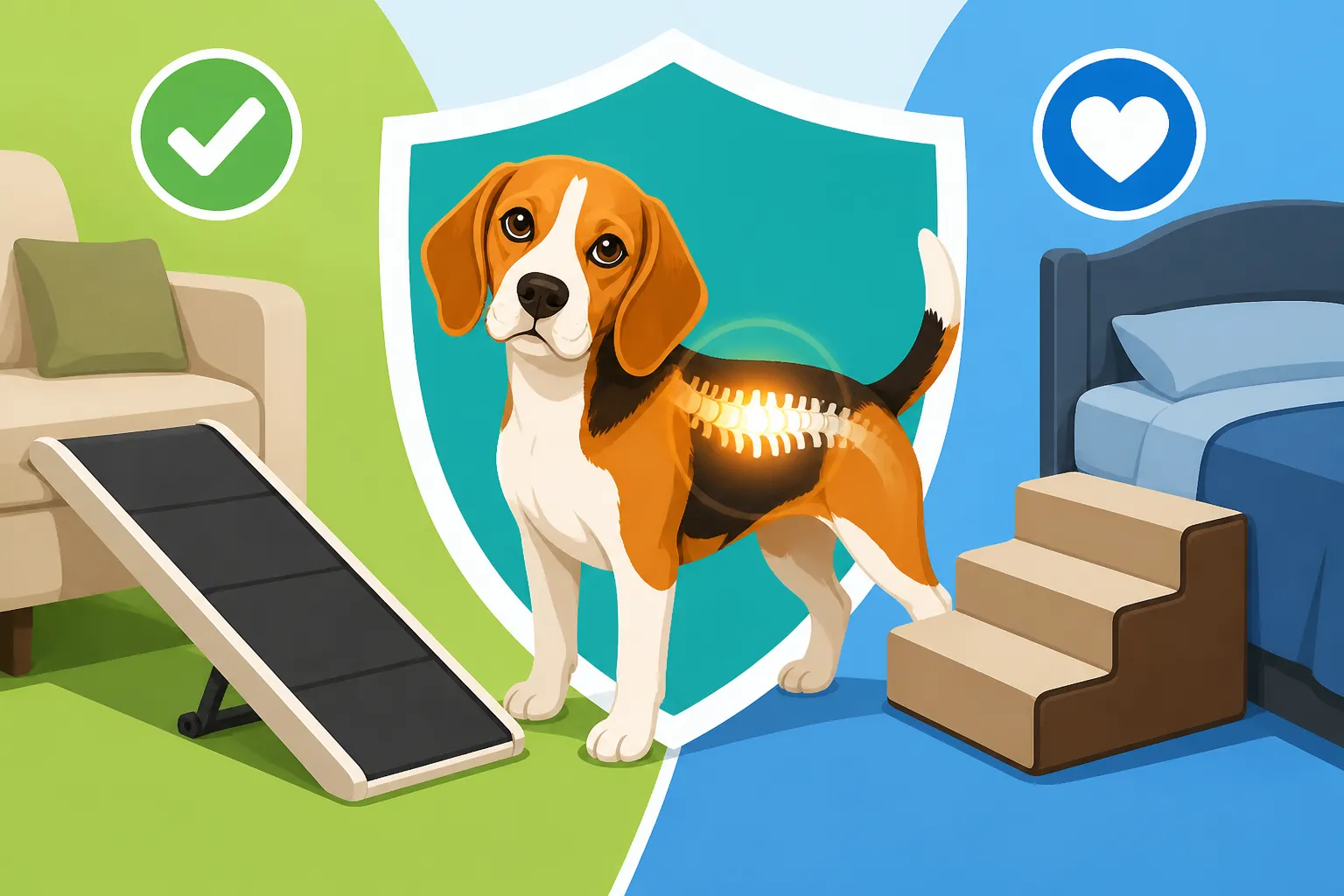
Ramps offer a smooth, continuous surface that allows your Beagle to move between different heights without any jarring impact. This is particularly beneficial for protecting their spine and joints from the cumulative stress of jumping.
Benefits of Ramps Over Jumping
The most significant benefit of using ramps for your Beagle is the elimination of the impact force associated with jumping. When a dog jumps off a couch, bed, or out of a car, their body absorbs a considerable amount of force upon landing. This impact travels directly through their joints and up their spine, acting like a series of mini-whiplashes and micro-traumas. Over time, these repeated impacts contribute to disc degeneration, joint wear, and the development of conditions like IVDD or arthritis. A ramp, by contrast, provides a gradual incline, allowing your Beagle to walk up and down smoothly, distributing their weight evenly and removing those damaging forces. This transition is gentle on their entire musculoskeletal system, from their paws and joints to their hips and, most importantly, their spine.
For Beagles, whose natural enthusiasm often overrides caution, ramps become a vital preventative measure. It's not always about preventing a single, dramatic injury, but about minimizing the daily wear and tear that can lead to long-term chronic pain and mobility issues. Imagine the hundreds, if not thousands, of jumps your Beagle makes over its lifetime. Each one, even if it doesn't result in an immediate injury, adds to the cumulative stress. By introducing ramps early, you are actively preserving the integrity of their spinal discs and joints, much like cushioning yourself from repeated blows. This proactive approach can significantly improve their quality of life, especially as they enter their senior years, ensuring they remain active and comfortable for as long as possible.
Choosing the Right Ramp for Your Home and Car
Selecting the perfect ramp involves considering a few key factors: length, surface, stability, and portability. For indoor use, such as accessing a couch or bed, look for ramps that are long enough to provide a gentle slope. A good rule of thumb is that for every foot of height your Beagle needs to reach, the ramp should be at least two to three feet long. So, if your couch is 18 inches (1.5 feet) high, a ramp of 3-4.5 feet would offer a comfortable incline. The surface is also crucial; it should be non-slip to provide secure footing, even for an excited Beagle. Carpeted surfaces or ramps with a textured grip are ideal. Materials like wood, plastic, or lightweight aluminum are common, with wood often preferred for indoor aesthetics.
For car travel, portability and durability become paramount. Car ramps, often foldable or telescopic, need to be sturdy enough to support your Beagle's weight repeatedly without wobbling, and they must have an excellent non-slip surface to prevent slips, especially when wet. Look for ramps with a raised edge or side rails to guide your Beagle and prevent them from stepping off. Brands like PetSafe and Solvit offer a range of well-regarded car ramps, from lightweight plastic options to more heavy-duty aluminum designs. Measure the height from your car's entry point (trunk or side door) to the ground, and choose a ramp that can extend to a sufficient length for a comfortable slope, usually 60-72 inches for most SUVs or trucks. Ensure it has a locking mechanism to prevent accidental collapse. You might even consider having specific Ramps for a Beagle's Bed and Car to cover all their needs.
Training Your Beagle to Use a Ramp
Introducing a ramp to your Beagle requires patience and positive reinforcement, as it’s a new experience for them. Start by placing the ramp flat on the ground, allowing your Beagle to walk across it and sniff it without any pressure. Use high-value treats and praise to make it a positive experience. Gradually, raise one end of the ramp just a few inches, encouraging them to walk over it. Do this in short, frequent sessions, always ending on a positive note. Never force your Beagle onto the ramp, as this can create a negative association. Luring them with treats, having another family member at the top, or placing their favorite toy at the top can be very effective.
Once they're comfortable with a slight incline, slowly increase the height to the actual furniture or car entry point. Continue to use a cheerful voice, lots of praise, and plenty of tasty rewards. For Beagles, who are incredibly food-motivated, this training often goes smoothly once they understand the routine. Some owners find success by having their Beagle follow them up the ramp, or by placing the ramp next to familiar steps they already use. Consistency is key; use the ramp every time they need to access the elevated surface. Within a few days or weeks, most Beagles will learn to use the ramp confidently, making it a natural part of their routine.
The Role of Steps: When a Shorter Climb is Better
While ramps are excellent for gentle inclines, pet steps can be a fantastic alternative for shorter heights or in spaces where a ramp's length is impractical.
Advantages of Pet Steps for Smaller Heights
Pet steps offer distinct advantages when dealing with smaller height differentials, like getting onto a lower couch or a favorite armchair. Unlike ramps, which require a significant footprint due to their gradual incline, steps are more compact and can fit into tighter spaces, making them ideal for smaller living areas or crowded rooms. For a Beagle, the individual steps mean less surface area to navigate at once, which some dogs find less intimidating than a long, continuous ramp. Each step provides a clear, defined platform, allowing them to pause and adjust their balance if needed. This can be particularly beneficial for Senior Beagle Care After the Age of Ten or Beagles with existing mobility issues who might find a long ramp more challenging to traverse in one go.
Steps can also feel more natural for Beagles who are accustomed to climbing human stairs. The motion is similar, but scaled to their size, reducing the strain on their joints that full-sized human stairs would cause. While they still involve some lifting motion, the height of each individual step is significantly less than a full jump, drastically cutting down on the impact forces. This reduction in impact is crucial for protecting their delicate spinal discs and preventing the wear and tear that leads to conditions like IVDD. For short, controlled climbs, pet steps offer a safer, more ergonomically sound solution than letting your Beagle launch themselves up or down.
Selecting Safe and Stable Steps
When choosing pet steps for your Beagle, stability is the absolute most critical factor. Beagles are enthusiastic, and a wobbly set of steps can easily lead to a fall and potential injury. Look for steps with a wide base and non-slip feet to prevent sliding on hard floors. The material should be sturdy—solid wood, dense foam, or durable plastic are common choices. Consider the weight capacity; it should comfortably support your Beagle plus a generous margin. The tread surface of each step should also be non-slip, ideally carpeted or textured, to ensure secure footing. The depth and height of individual steps are important; they should be shallow enough for your Beagle to comfortably climb without overstretching or straining their back, but deep enough to provide a secure landing platform.
Steps that are too narrow can also be a tripping hazard, so ensure they are wide enough for your Beagle to confidently place all four paws. For taller furniture, multiple steps are better than fewer, taller steps to keep the incline gentle. Just like with ramps, you want to avoid a steep climb. Some steps come with storage compartments, which can be a nice bonus for stashing toys or treats. Brands like PetSafe and Best Pet Supplies offer various options, from lightweight foam steps for easy repositioning to more robust wooden models. Remember to measure the height of the furniture your Beagle will be accessing to ensure the steps are tall enough without creating a final leap.
Introducing Steps to Your Beagle
Just like ramps, introducing steps requires a patient, positive approach. Begin by placing the steps against the furniture your Beagle wants to access. Start with lots of praise and treats. Lure your Beagle onto the first step with a treat, then the second, and so on, making each success a cause for celebration. Keep training sessions short and fun to prevent your Beagle from getting bored or frustrated. If your Beagle is hesitant, try placing a favorite toy on one of the steps to entice them. You can also lead them up yourself, using a leash if they're particularly unsure, always keeping it gentle and encouraging.
It’s important to associate the steps with good things. Place a cozy bed or their favorite person at the top. Never scold or force them to use the steps. Consistency is key; make it a rule that they must use the steps to get on and off the furniture. Over time, with enough positive experiences and rewards, your Beagle will come to view the steps as a natural and easy way to get to their favorite spots. This gentle introduction will help ensure they use the steps safely and willingly, protecting their spine from unnecessary strain.
Integrating Ramps and Steps into Daily Life
Making ramps and steps a seamless part of your Beagle's everyday routine is crucial for long-term spinal health. It's about proactive prevention, not just reacting to an injury.
Furniture Access and Placement
One of the most common scenarios for spinal stress in Beagles is jumping on and off furniture. Our furry friends love to snuggle on the couch, leap onto the bed for morning cuddles, or join us in our favorite armchair. Without proper aids, these daily acts become repetitive mini-traumas to their spine. Strategic placement of ramps and steps can mitigate this entirely. For the living room, place a ramp or set of steps directly against the sofa or armchair your Beagle frequents. If you have multiple seating areas, consider having dedicated ramps or steps for each, or easily movable lightweight options. Foam steps, for instance, are often light enough to be shifted from one end of a large couch to another, or from the couch to a chair, if your Beagle likes variety.
In the bedroom, a ramp or steps leading up to your bed is essential. This is especially true for senior Beagles or those predisposed to back problems. Imagine the vertical leap and subsequent landing from even a standard height bed – that’s a significant force on a Beagle’s spine multiple times a day. By making ramps and steps readily available, you encourage a safer method of access. It’s important that these aids are always in place and used consistently. If your Beagle is allowed to jump sometimes and use the ramp other times, they will likely opt for the quicker jump, undoing your preventative efforts. Making it a household rule, and gently guiding them to the ramp or steps every time, will solidify the habit.
Car Travel and Outdoor Adventures
Car travel presents a unique set of challenges for a Beagle's spine. Whether they're hopping into the back of an SUV, the backseat of a sedan, or the bed of a truck, the height difference can be substantial. Repeatedly jumping in and out of a vehicle, especially on uneven ground, can put immense strain on their back, hips, and knees. This is where a sturdy, portable car ramp becomes indispensable. These ramps, often foldable or telescopic, can be quickly deployed whenever your Beagle needs to enter or exit the vehicle. For a very active Beagle that loves to hike or visit different locations, using a car ramp for every trip helps maintain their long-term joint and spinal health.
Beyond standard car entry, consider other outdoor scenarios. If your Beagle is involved in activities like dock diving (though less common for Beagles) or needs to access raised platforms for training or grooming, portable ramps or steps can be invaluable. For instances where your Beagle enjoys a dip in a backyard pool or a lake with a dock, a ramp designed for water access can prevent them from struggling to climb out, which can be particularly strenuous on the back. Even in scenarios like accessing a raised dog wash station at a pet store, having a ramp can prevent you from having to lift them, which can also strain your back, not just theirs. Prioritizing gentle entry and exit methods during all their adventures can significantly reduce the risk of injury.
Senior Beagles and Mobility Support
As Beagles age, their joints naturally start to stiffen, and pre-existing conditions like arthritis or disc degeneration can worsen. Senior Beagle Care After the Age of Ten often involves managing mobility issues, and this is where ramps and steps transition from preventative tools to essential mobility aids. A senior Beagle might hesitate to jump, or worse, attempt a jump and fail, leading to injury. Ramps and steps provide a safe and comfortable way for them to continue enjoying their favorite spots—the warm patch of sun on the couch, the comfort of your bed, or the excitement of a car ride to the park—without pain or risk.
For an older Beagle, ramps should have an even gentler slope, and steps should have very shallow risers to accommodate their reduced flexibility and strength. Non-slip surfaces are even more critical, as their balance might not be as sharp as it once was. You might notice signs like Hind Leg Weakness in a Middle-Aged Beagle or A Beagle Walking Wobbly and What It Means, which are clear indicators that jumping is no longer safe. At this stage, it's not just about preventing injury, but about preserving their dignity and quality of life. Access to their favorite places without struggle contributes significantly to their mental well-being and sense of comfort. Even if your Beagle has a health insurance policy like those offered by Healthy Paws, preventative measures like ramps and steps can help reduce the frequency and severity of claims related to age-related mobility issues.
Beyond Ramps and Steps: Comprehensive Spinal Care
While ramps and steps are fantastic tools for spinal protection, they are just one piece of the puzzle. Comprehensive spinal care involves a holistic approach that includes diet, exercise, and regular veterinary oversight.
Maintaining a Healthy Weight
One of the most profound ways to protect your Beagle’s spine and joints is to ensure they maintain a healthy weight. Just like in humans, extra pounds in dogs place significant additional stress on their joints, ligaments, and crucially, their intervertebral discs. Think about it: every extra pound your Beagle carries translates to more force on their spine with every step, jump, and turn. This increased load accelerates the degeneration of spinal discs and exacerbates conditions like IVDD and arthritis. A study by Purina found that dogs maintained at an ideal weight lived, on average, two years longer than their overweight counterparts and experienced a delayed onset of osteoarthritis. For a breed like the Beagle, prone to spinal issues and obesity, this is a critical consideration.
It's easy for Beagles to become overweight because they are notorious food hounds, seemingly always hungry and incredibly good at begging. Their Beagle Food Drive That Empties Your Counters means careful portion control and resisting those pleading eyes are essential. Regularly assessing your Beagle's body condition score, not just their weight on a scale, is important because Why an Overweight Beagle Still Looks Normal can be deceiving due to their dense coat. You should be able to easily feel their ribs without pressing hard, and they should have a discernible waistline when viewed from above. If your Beagle is carrying extra weight, consult your vet about a safe and effective weight loss plan, which often involves adjusting their diet and increasing their activity levels. Addressing Beagle Obesity Treated as a Health Problem early can prevent a cascade of secondary health issues.
Exercise and Activity Modifications
Regular, appropriate exercise is vital for maintaining a strong core and healthy musculature that supports the spine. However, "appropriate" is the key word. High-impact activities like repetitive ball chasing, jumping off high surfaces, or agility training with sharp turns and jumps can put immense strain on a Beagle's back. Instead, focus on low-impact activities that build strength and flexibility. Long, leisurely sniff walks, where your Beagle can engage their powerful nose, are excellent. These walks allow them to move at their own pace, exploring scents while engaging their muscles in a natural way. Swimming is another fantastic low-impact exercise that strengthens core muscles without any jarring impact on the joints or spine.
For younger, highly energetic Beagles, structured play like flirt pole games (where they chase a lure on a stick) can provide mental and physical stimulation without excessive jumping or twisting. When training, always prioritize proper form and use aids like ramps and steps for all elevated surfaces. As Beagles age or if they have a history of spinal issues, activity modifications become even more crucial. Avoiding slippery surfaces, reducing strenuous play, and ensuring they have warm, comfortable bedding can all contribute to their comfort and spinal health. If your Beagle has experienced an injury, your vet might recommend Beagle Physical Therapy After a Back Injury to help them regain strength and mobility.
Regular Vet Check-ups and Early Detection
Consistent veterinary care is fundamental to catching and managing potential spinal issues early. Regular check-ups allow your veterinarian to monitor your Beagle's gait, posture, and overall musculoskeletal health. They can assess for any signs of pain or stiffness, examine their spinal alignment, and discuss any changes in your Beagle's activity levels or behavior that might indicate a problem. Beagles, being naturally stoic, often hide pain until it becomes quite severe, so a vet's trained eye is invaluable. Don't underestimate the subtle cues your Beagle might give: a slight reluctance to turn their head, a shift in how they sit, or even just being a little less enthusiastic on walks.
If your vet suspects a spinal issue, they might recommend further diagnostics such as X-rays, or in more complex cases, an MRI or CT scan. Early diagnosis of conditions like IVDD means earlier intervention, which can significantly improve outcomes. Treatment options can range from conservative management with rest, anti-inflammatory medications, and physical therapy, to more intensive measures like Beagle Disc Surgery and the Odds of Recovery in severe cases. Your vet can also advise on appropriate preventative care, including diet, exercise routines, and the judicious use of joint supplements if needed. For peace of mind, many owners invest in pet insurance policies from providers like Healthy Paws, which can help cover the costs of these diagnostic tests, medications, and potential surgeries if a spinal problem arises, allowing you to make medical decisions based on need, not just cost.
Table: Ramps vs. Steps for Beagle Spinal Protection
Choosing between ramps and steps often depends on the specific situation. Here’s a quick comparison to help you decide what’s best for your Beagle.
| Feature | Ramps | Steps |
|---|---|---|
| Best For | Higher furniture (beds, tall couches), cars, any situation requiring minimal joint impact. | Lower furniture (small couches, chairs), smaller spaces where a ramp is too long. |
| Spinal Impact | Virtually zero impact; smooth, continuous motion. | Minimal impact; less than jumping, but still involves lifting per step. |
| Space Required | More space needed due to length (longer ramp = gentler slope). | More compact; fits well in smaller areas. |
| Portability | Car ramps are often foldable/telescopic. Indoor ramps can be bulky. | Generally more portable; lightweight foam options available. |
| Ease of Use | Can be intimidating for some dogs initially; requires training for continuous motion. | More natural climbing motion; familiar to dogs used to stairs. |
| Stability | Needs to be very stable, especially car ramps. Can wobble if not well-designed. | High stability crucial; individual steps should be secure and non-slip. |
| Cost | Varies widely by material and length, generally comparable to steps. | Varies widely by material and number of steps, generally comparable to ramps. |
Disclaimer
The information provided in this article is for general informational purposes only and does not constitute veterinary advice. Always consult with a qualified veterinarian for any health concerns or before making any decisions about your pet's care or treatment.