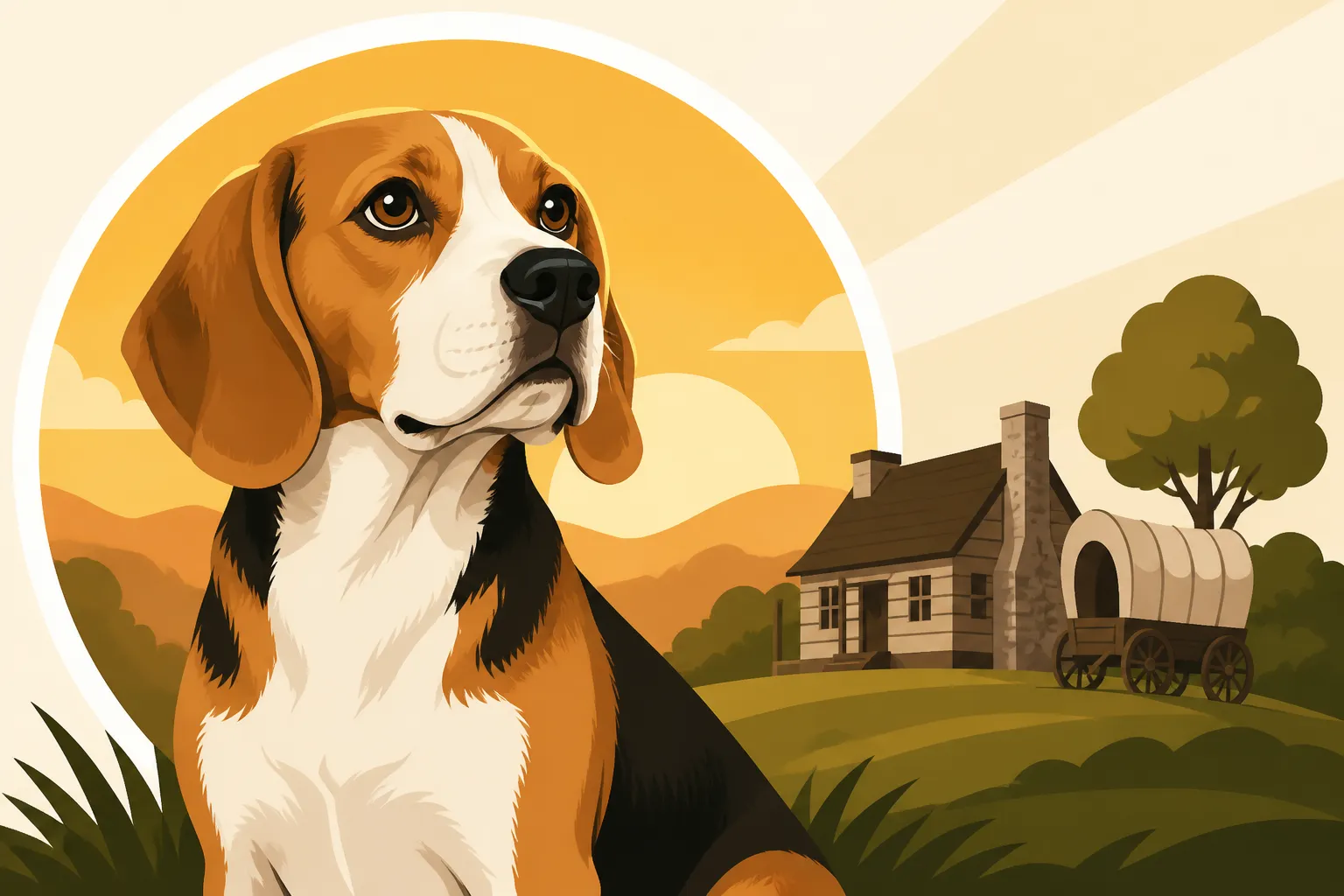
The Beagle Type That Settled in the 1840s
It can be incredibly confusing to look at our beloved Beagles today and wonder how they became such a distinct and recognizable breed. The truth is, the Beagle we know and love didn't just appear fully formed one day. This guide will explore that pivotal moment in time—the 1840s—when various small hound types began to coalesce into a more consistent and identifiable "Beagle" that laid the groundwork for the breed's future.
The Patchwork of Small Hounds Before the 1840s
Before the mid-19th century, the landscape of small hounds in Britain was far more diverse and less standardized than we might imagine. There wasn't a universally recognized "Beagle" as we understand it, but rather a collection of local strains, each adapted to specific hunting conditions and often named after their region or owner. These dogs shared some common ancestry but lacked the uniformity that would eventually define the breed.
Tracing Back to the Talbot and Southern Hounds
To understand the Beagle of the 1840s, we really have to go back centuries, peering into the mists of history to find its ancient ancestors. The earliest records speak of hounds like the Talbot, a large, slow, and deep-chested dog often depicted in medieval art. While quite different from the nimble Beagle, its influence on scent hound development is undeniable, contributing to the strong nose and persistence that Beagles are famous for. Then came the Southern Hound, a more direct predecessor, known for its deep voice and methodical tracking style. These were sturdy dogs, built for endurance over speed, tracing scent rather than relying on sight, a characteristic that remains a hallmark of the Beagle to this day. The Talbot Hound in a Beagle's Ancestry delves deeper into this ancient lineage.
Imagine a world where hounds weren't bred for a standard look but purely for their ability to follow a trail. The Southern Hound was a working dog, valued for its slow, deliberate hunting style, often described as "carrying a good head" – meaning it kept its nose to the ground, meticulously working the scent line. This wasn't about a fast chase, but a relentless, unwavering pursuit of game, which suited the terrain and hunting practices of the time. The qualities admired in these hounds—their vocalization, their exceptional noses, and their stamina—were selectively bred for, laying down the genetic blueprint for the little hounds that would eventually become Beagles. The Southern Hound and Its Slow Deliberate Trail provides more context on their specific hunting methods.
The Disappearing North Country Beagle and Regional Varieties
While the Southern Hound was prominent in the south of England, another type, the North Country Beagle, was developing in the northern regions. These dogs were generally quicker and lighter in build than their southern counterparts, perhaps better suited to the open moors and fells. However, as transportation improved and hunting practices began to shift, the distinct lines of these regional hounds started to blur. The North Country Beagle, for all its local prowess, gradually faded into obscurity as more standardized types began to emerge. It’s a fascinating, if a little sad, part of hound history to consider breeds that once thrived but eventually became absorbed or disappeared.
In the early 19th century, before the 1840s fully settled in, packs of "Beagles" might have looked incredibly different from one county to the next. Some were small, rough-coated dogs, while others were smoother and slightly larger. They were utility animals, bred by local farmers and landowners to hunt hare, often on foot, and their appearance was secondary to their working ability. This meant a lot of genetic diversity, but also a lack of cohesive identity. What Happened to the North Country Beagle sheds light on its decline and the reasons behind it. These were the days before formal dog shows and strict breed standards, when function truly dictated form, and regional isolation led to unique adaptations.
Early Beagle-Type Hounds and Their Diverse Jobs
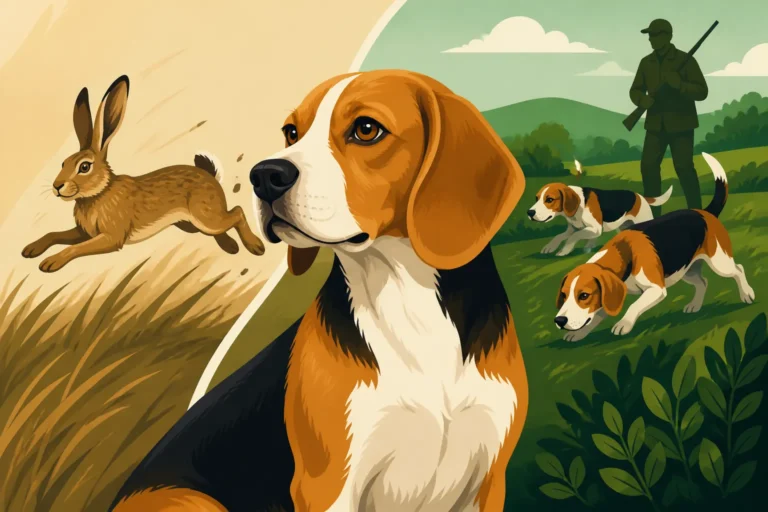
Before the 1840s, "Beagle" was often a generic term for any small hound used to hunt hare. These dogs weren't just for gentlemen on horseback; they were vital tools for farmers keeping rabbits out of crops and providing food for the table. Their jobs were varied, ranging from organized pack hunts where they worked cooperatively to individual pursuits of small game. This diverse usage meant that breeders weren't necessarily looking for a specific aesthetic, but rather for dogs that were hardy, intelligent, and possessed an insatiable drive to follow a scent.
The existence of "Pocket Beagles," though debated, illustrates the extreme variety within these early hound types. Some were reportedly small enough to fit into a hunter's saddlebag, used for hunting small game in dense cover. While the true Pocket Beagle as a recognized variety is mostly historical folklore now, the concept highlights the push for miniature hounds that could navigate challenging terrain and offer a more intimate hunting experience. All of this pre-1840s history points to a fluid, evolving canine population where the name "Beagle" was more of a descriptor than a defined breed. How Long Beagle-Type Hounds Have Existed gives us a broader historical context for these early hounds.
Influential Figures and Early Breeding Efforts
The stabilization of the Beagle type in the 1840s didn't happen by accident; it was the result of deliberate efforts by dedicated breeders and enthusiasts who saw the potential for a more uniform and refined small hound. These individuals, often working with their own specific visions, started to consolidate desirable traits and move away from the purely regional and diverse types of the past.
Reverend Honeywood's Essex Pack and the Idea of a "Beagle"
One of the most significant figures in early Beagle history, particularly for solidifying the "idea" of a Beagle, was Reverend Phillip Honeywood of Essex. Honeywood established a pack of Beagles around 1830 that became legendary for their working ability and consistent appearance. His focus wasn't just on function, but also on creating a pack that looked and behaved similarly. His pack was reportedly composed of very small, almost delicate hounds, often pure white, perfectly suited for hunting hare on foot. Reverend Phillip Honeywood and His Essex Pack goes into more detail about his influential contributions.
Honeywood's efforts were crucial because he brought a degree of intentionality to Beagle breeding that had often been absent. While other packs existed, his commitment to a specific type, even if tiny by today's standards, started the conversation about what a "Beagle" truly should be. His hounds were celebrated, and stories of their prowess spread, inspiring others to seek out and breed for similar qualities. This marked a significant step away from generic "small hound" and towards a distinct, recognized "Beagle" identity. It's thought that his pack might have included some of the very small dogs, giving rise to the notion of Why Honeywood's Beagles Stood Only Ten Inches.
Thomas Johnson's Role in Shaping a Consistent Look
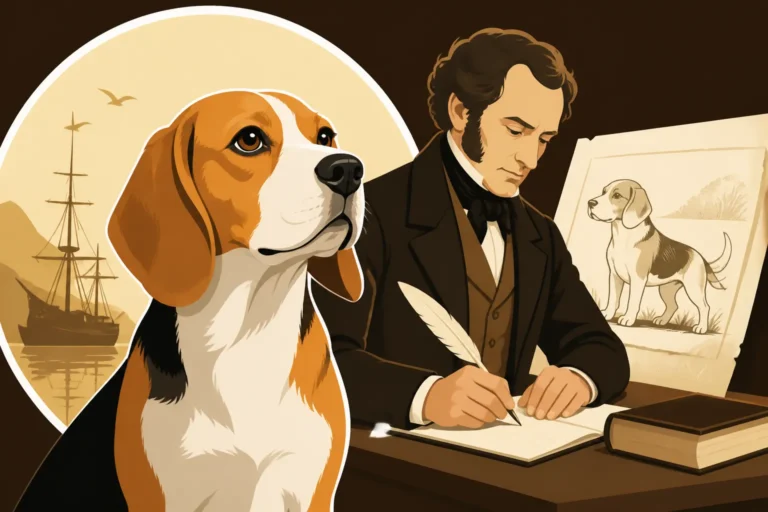
While Reverend Honeywood laid important groundwork, the push for a more aesthetically uniform Beagle also gained momentum through figures like Thomas Johnson. Johnson was instrumental in both exhibiting Beagles at early dog shows and meticulously documenting the breed. His writings and illustrations, particularly in the mid-19th century, helped to create a visual standard that breeders could aspire to. He championed a Beagle that was not only an excellent hunter but also possessed a pleasing and consistent appearance.
Johnson's influence meant that breeders started to pay more attention to conformation – the physical structure and appearance of the dog. While working ability remained paramount, the idea that a Beagle should look a certain way, with specific proportions, ear set, and tail carriage, began to take hold. This dual focus on form and function was key to the breed's eventual standardization. His efforts helped bridge the gap between purely working hounds and those that could also excel in the burgeoning world of dog shows, setting the stage for what Thomas Johnson and Beagles Bred to Look Right outlines in more depth.
The American Farmers Who Preserved the Rabbit Beagle
Across the Atlantic, American farmers also played a crucial, if less formalized, role in shaping the Beagle. When Beagles were first brought to America, they weren't primarily show dogs or aristocratic hunting companions; they were practical working dogs used for hunting rabbits and hare, often providing food for families. American breeders, far from the formal clubs and standards emerging in England, focused on maintaining the Beagle's innate hunting prowess and hardiness.
These American farmers, often in more rural settings, prized the Beagle's ability to hunt tirelessly and efficiently. They were less concerned with precise measurements or show-ring aesthetics and more interested in a dog that could put meat on the table. This practical approach helped to preserve the strong working instincts of the breed, ensuring that even as the breed became more standardized in England, the core "Beagleness" – that unwavering scent drive – remained. The Beagle found a practical niche in America, and these breeders kept the spirit of the rabbit hound alive. The Southern Farmers Who Kept Rabbit Beagles Going illustrates this vital role.
Defining Characteristics of the 1840s Beagle Type
By the 1840s, while still possessing some regional variations, a clearer "type" of Beagle was beginning to solidify. This emerging type shared certain physical and temperamental traits that distinguished it from its more diverse ancestors and set it on the path to becoming the recognizable breed we have today.
Size and Structure: The Emerging Thirteen and Fifteen Inch Varieties
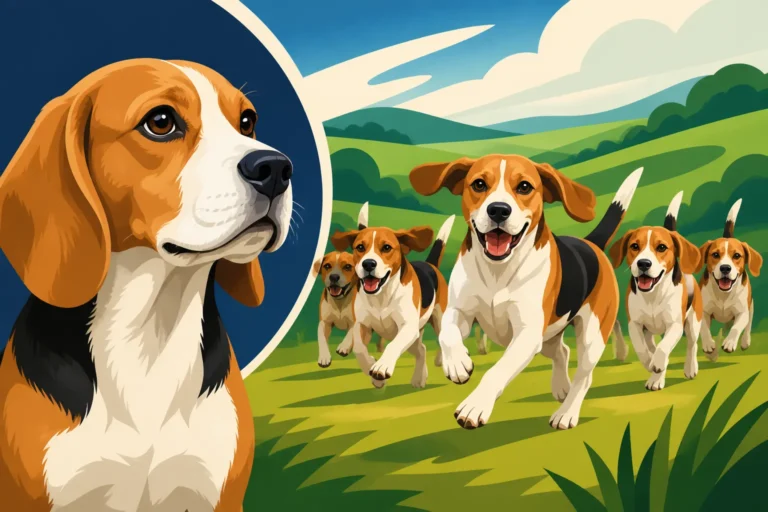
One of the most notable developments in the 1840s was the emergence of more distinct size categories, particularly what would become the 13-inch and 15-inch varieties. While not formally codified as they are today, breeders were increasingly focusing on producing hounds within these general height ranges. This was a direct response to evolving hunting preferences and the desire for more consistent pack composition. A pack of similarly sized hounds could work together more efficiently, covering ground at a uniform pace.
The "pocket" types were largely fading, and the focus shifted to a sturdier, yet still compact, hound. These Beagles were built for endurance, with strong, muscular bodies capable of navigating varied terrain for hours. Their short, dense coats protected them from brambles and weather, while their well-sprung ribs allowed for good lung capacity, essential for sustained vocalization and running. This period marked the clear delineation from the smaller, more varied "Beagles" of earlier times to the two main sizes we recognize in the modern breed standard. Even though formalization was still decades away, the physical parameters were starting to be defined. What Beagle Packs Still Varied On in the 1840s discusses the variations that were still present.
Coat and Color: Solidifying the Tricolor Standard
While earlier Beagles came in a bewildering array of colors and patterns, the 1840s saw a strong preference for what would become the iconic tricolor pattern. Black, white, and tan became the most sought-after combination, offering a striking and easily identifiable appearance. This standardization wasn't just for aesthetics; a consistent coat pattern helped with pack recognition in the field and contributed to the overall "look" that breeders were now actively cultivating.
Other colors, like lemon and white or blue tick, certainly existed, but the tricolor was quickly becoming the benchmark. The Beagle's short, dense coat was valued for its protective qualities and ease of maintenance, a practical consideration for a working dog spending hours in the brush. The distinctive white tip on the tail, often called "the flag," was also becoming a prized trait, serving a practical purpose by making the dog visible above tall grasses during a hunt. This period established the visual identity that would largely endure, making the Beagle a truly distinct and recognizable breed.
Temperament and Drive: The Persistent Scent Hound
Even in the 1840s, the Beagle's core temperament—merry, determined, and utterly driven by scent—was firmly in place. These dogs were bred for one purpose: hunting. This meant they possessed an incredible olfactory ability, an unwavering focus once on a trail, and a strong, melodious voice to signal their progress. While charming, this single-mindedness also meant they could be quite independent, a trait that continues to define them today. You could try to call them, but if a fascinating scent passed under their nose, your voice simply wouldn't register.
The Beagle of this era was a pack animal through and through. They were typically kept in kennels with other hounds, fostering a sociable nature with their own kind. This pack mentality meant they were generally good-natured with other dogs, but it also contributed to their potential for separation anxiety if left alone. Their merry disposition, combined with their incredible stamina and vocal prowess, made them perfect hunting companions on foot. The energetic, nose-to-the-ground dog that stole your sandwich off the counter was already in existence, though perhaps not stealing sandwiches as much as game. This inherent drive is why quality food and engaging toys are still so important for Beagles today; you can find excellent options like durable puzzle feeders on sites like Chewy to keep their minds engaged.
The Path Towards Formal Recognition and Clubs
The informal consolidation of the Beagle type in the 1840s laid the essential groundwork for what would become formal breed recognition. While breed clubs and strict standards were still some decades away, the shift in focus towards a consistent type during this period was a critical step in that direction.
The Struggle for Uniformity Amidst Regional Differences
Even as a more consistent "Beagle type" began to emerge in the 1840s, complete uniformity remained a distant dream. Regional preferences and differing hunting styles still meant that Beagle packs varied significantly from one locale to another. Some areas favored smaller dogs for dense undergrowth, while others preferred slightly larger, faster hounds for more open terrain. This meant that what constituted a "Beagle" to one breeder might differ considerably from another's interpretation.
The lack of centralized record-keeping or a formal breed standard exacerbated these differences. Breeders often worked in isolation, guided by their own experiences and the demands of their local environment. While figures like Thomas Johnson advocated for a more consistent look, enforcing it across a wide geographic area without modern communication or breed organizations was a monumental task. The 1840s were a period of convergence, but also one where the rich tapestry of local hound strains was still very much visible.
Early Show Rings and the Drive for Breed Standards
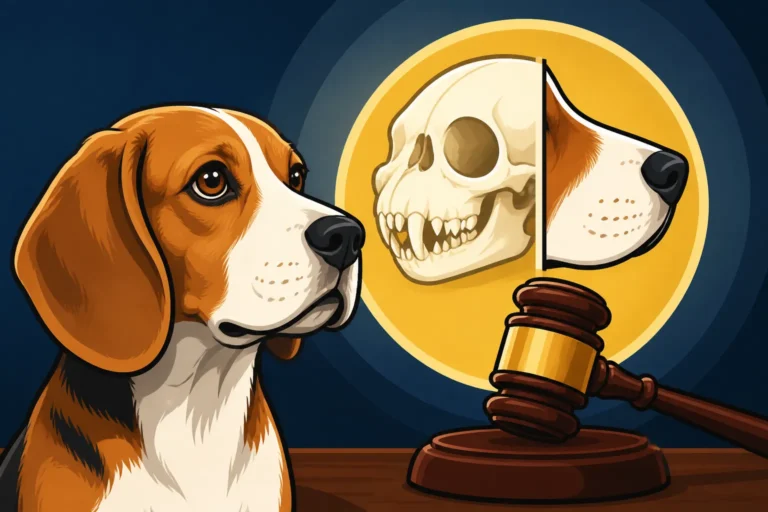
The growing interest in dog shows, even in their nascent forms during the mid-19th century, played a significant role in pushing for breed standardization. As people began to exhibit their dogs, there was a natural desire to compare them against an ideal. This created pressure on breeders to produce dogs that not only performed well in the field but also met certain physical criteria. Judges, even without formal written standards, began to favor dogs with specific proportions, coat types, and overall appearances that they considered "correct" for a Beagle.
These early shows, often small local affairs, were instrumental in shaping the collective consciousness of what a Beagle should look like. They encouraged breeders to exchange ideas, compare their stock, and ultimately work towards a common goal. This competitive environment, coupled with the desire for aesthetic appeal, slowly but surely nudged the diverse Beagle-type hounds towards a more unified breed standard. It's a testament to these early enthusiasts that their informal guidelines eventually led to the detailed standards we have today.
The Founding of the National Beagle Club in 1887
While the 1840s saw the emergence of a settled Beagle type, it was the formation of formal organizations in later decades that truly solidified the breed. The most significant of these was the founding of the National Beagle Club in 1887. This club was established with the explicit goal of promoting the welfare of the Beagle, encouraging responsible breeding, and—crucially—creating a definitive breed standard. This was the culmination of decades of informal evolution and the concentrated efforts of dedicated fanciers.
The National Beagle Club's standard, published shortly after its inception, provided a blueprint for breeders. It described the ideal Beagle in detail, from its height and weight to its head shape, ear set, and tail carriage. This document became the authoritative guide, ensuring that future generations of Beagles would conform to a consistent type. While the 1840s defined the look and feel of the emerging Beagle, it was the late 19th century that gave it its official status. The National Beagle Club and Its 1887 Founding highlights the monumental impact this club had. Without the groundwork laid in the 1840s, however, such a club would have had no cohesive breed to standardize.
Why the 1840s Were Pivotal for the Modern Beagle
The mid-19th century, particularly the 1840s, represented a crucial turning point in the history of the Beagle. It was the decade where the disparate threads of various small hound types began to weave together, forming a discernible pattern that would eventually become the breed we cherish today. This wasn't merely a period of transition, but one of foundational significance.
Solidifying Identity Beyond Mere Function
Before the 1840s, "Beagle" was often a descriptor for any small hound used for hunting. Function was king, and appearance varied wildly. The great shift of the 1840s was the growing emphasis on identity—the idea that a Beagle should not only do a specific job but also look a specific way. This wasn't about diminishing their working abilities, but about adding a layer of aesthetic consistency and breed pride. Breeders and enthusiasts began to actively select for uniform traits, creating a more cohesive visual and temperamental profile.
This meant moving beyond purely utilitarian breeding. While a farmer might still breed for a dog that was simply good at flushing rabbits, influential figures were looking at the overall package. They started to appreciate the Beagle's distinct "merry" expression, the way its tail flagged, and the specific proportions of its body. This newfound focus on identity transformed the Beagle from a generic hunting tool into a recognized "type," setting it apart from other hounds and paving the way for its future as a beloved breed.
The Foundation for Future Breed Development
The decisions and directions taken in the 1840s provided the essential genetic and cultural foundation for all subsequent Beagle development. By narrowing down the range of acceptable traits and favoring a more consistent type, breeders established a relatively stable genetic pool from which the modern Beagle would emerge. This period was like setting the cornerstones for a magnificent building; without them, the rest could not be constructed.
This consolidation meant that future generations of breeders had a clearer starting point. They weren't beginning from scratch with a heterogeneous group of dogs, but rather refining a type that already possessed many of the desired characteristics. The commitment to traits like the tricolor coat, specific height ranges, and the merry, scent-driven temperament became the non-negotiables that guided subsequent breeding programs. What the Beagle Standard Asked For a Century Ago shows how these early ideas became formalized. Today, we still see the echoes of these 1840s decisions in every Beagle we encounter.
From Hunting Tool to Companion (A Nascent Idea in the 1840s)
While the Beagle of the 1840s was still overwhelmingly a working dog, primarily employed in hare hunting, this period also saw the very first glimmerings of its future role as a companion animal. As the breed became more aesthetically pleasing and its temperament better understood, it started to gain admirers who appreciated it for more than just its hunting prowess. This was a subtle but significant shift.
The qualities that made Beagles excellent hunting companions—their cheerful demeanor, manageable size, and social nature—also made them appealing as pets, even if few were strictly kept as such at this time. The growing popularity of dog shows, where Beagles were admired for their conformation and presence, further highlighted their appeal beyond the field. While it would take many more decades for the Beagle to truly become a household pet on a widespread scale, the 1840s laid the emotional and cultural groundwork for this transition, making them not just effective hunting tools but also charming, captivating animals worthy of affection. Even today, they maintain that dual identity, cherished companions who are still incredible scent hounds at heart, always ready for a new adventure or a good treat from Chewy.
| Aspect of Beagle Type | Before 1840s (Diverse) | After 1840s (Settling) | Impact on Modern Beagle |
|---|---|---|---|
| Size & Variety | Highly variable, including "Pocket Beagles" | Emerging 13 & 15-inch types | Foundation of current AKC size standards |
| Coat & Color | Wide range, less consistent | Tricolor gaining dominance | Iconic tricolor established |
| Temperament | Strong hunting instinct, regional variations | Merry, scent-driven, persistent | Core breed temperament, strong nose |
| Breeding Focus | Primarily utilitarian, local | Aesthetic consistency, show potential | Dual focus on form and function |
| Identity | "Small hound" or regional names | "Beagle" as a distinct type | Clear breed identity formed |
Disclaimer
This article is for general informational purposes only and does not constitute professional advice. Laws, prices and regulations vary by location and change over time. Consult a qualified professional for guidance on your specific situation.