Appetite Changes in an Old Beagle
It's incredibly worrying when your senior Beagle, who once inhaled every meal in seconds, suddenly starts leaving food in the bowl or turning their nose up entirely. You might find yourself staring at them, trying to coax just one more bite, or wondering if it's just a "finicky" phase, even for a breed known for its relentless appetite. This guide is here to walk you through the nuances of appetite changes in older Beagles, helping you understand what's normal, what might signal a health concern, and how you can support your beloved companion through their golden years.
Distinguishing Normal Aging from Troubling Signs
As our Beagles age, just like us, their bodies change. It’s not always a dramatic shift, but rather a gradual slowing down that can manifest in many ways, including how they approach their food bowl. However, it’s crucial to know the difference between a natural slowdown and a potential red flag.
The Natural Slowdown of a Senior Beagle
Think about your own activity levels as you've gotten older; perhaps you don't run as many marathons or stay up as late as you once did. The same goes for your Beagle. As they move into their senior years, typically after the age of ten, their metabolism naturally slows down. They might not be tearing around the yard with the same puppy-like intensity, which means their caloric needs decrease. It’s simply a biological fact: less activity equals less energy burned, which often leads to a reduced demand for food.
This isn't necessarily a bad thing, provided they are maintaining a healthy weight. A slight decrease in the sheer enthusiasm for food might be observed, or they might not finish every single kibble like they used to. They might also take longer to eat, savoring their meal instead of gulping it down in a frenzy. This type of change is usually subtle, comes on gradually, and isn't accompanied by other concerning symptoms like lethargy, weight loss, or changes in stool. You might just notice that the regular amount of food you used to offer is suddenly a bit too much for them to finish comfortably, or that they prefer to graze a little more throughout the day. It’s a part of Senior Beagle Care After the Age of Ten that many owners encounter.
Red Flags That Signal a Problem
While some appetite changes are normal, others are definitely not and warrant your immediate attention. If your Beagle's appetite suddenly plummets, or they completely refuse to eat for more than 24 hours, that's a serious red flag. Beyond just not eating, look for these accompanying signs:
- Sudden or Significant Weight Loss: If their ribs start showing more prominently, or you notice a general wasting away, this is a major concern.
- Lethargy and Weakness: Are they sleeping more than usual, struggling to get up, or showing no interest in walks or toys?
- Vomiting or Diarrhea: These gastrointestinal issues can quickly lead to dehydration and indicate an underlying illness.
- Changes in Drinking Habits: Are they drinking excessively, or hardly at all? Both can be indicators of illness.
- Pain or Discomfort: Whining, panting, reluctance to move, or guarding their abdomen can all be linked to a loss of appetite if they're in pain.
- Food Aversion: Not just eating less, but actively turning away from food they usually love, or showing signs of nausea like excessive drooling or lip-licking.
These aren't just minor shifts; they are clear indicators that something more serious might be going on beneath the surface. Trust your gut as an owner – you know your Beagle best. If something feels "off," it probably is.
Common Health Conditions Affecting a Senior Beagle's Appetite
Many different health issues can cause a senior Beagle to lose interest in food. It's often not just one thing, and sometimes it's a combination of age-related ailments. Understanding these possibilities can help you provide your vet with comprehensive information.
Dental Disease and Oral Pain
Imagine trying to eat your favorite crunchy snack with a terrible toothache. It's simply not going to happen. The same applies to your senior Beagle. Beagle Dental Disease and Tartar Buildup is incredibly common as dogs age, often leading to painful infections, fractured teeth, or inflamed gums. If it hurts to chew, they'll avoid food, especially hard kibble.
You might notice them chewing on one side of their mouth, dropping food, or showing increased drooling. Sometimes, bad breath is the only obvious sign. Regular dental check-ups are vital, and your vet might recommend a professional Beagle Dental Cleaning Under Anesthesia to address any underlying issues. Sometimes, simply switching to softer food can make a world of difference until the dental pain is addressed.
Kidney Disease
This is a common and serious condition in older dogs. The kidneys play a crucial role in filtering waste products from the blood. As they decline, these toxins can build up, leading to nausea, vomiting, and a significant loss of appetite. Dogs with Kidney Disease in an Old Beagle may also drink and urinate excessively.
The appetite loss can be quite profound, as the feeling of nausea is constant. Your vet will diagnose this through blood and urine tests. Management often involves a special diet designed to reduce the workload on the kidneys, along with medications to control nausea and other symptoms.
Liver Disease
The liver is another vital organ responsible for numerous functions, including digestion and detoxification. When it's not working properly, a Beagle can become very ill, displaying symptoms like lethargy, vomiting, jaundice (yellowing of the skin or eyes), and, you guessed it, a decreased appetite.
Liver issues can make food unappealing and cause general malaise. Your vet will use blood tests, and possibly ultrasound, to diagnose liver disease. Treatment often includes dietary changes, supplements to support liver function, and medications.
Cancer and Tumors
It's a scary thought, but cancer is a leading cause of death in older dogs, and a loss of appetite can be one of the earliest warning signs. Whether it's a tumor in the digestive tract making eating painful or difficult, or cancer elsewhere in the body causing general malaise and cachexia (wasting), a decreased appetite is a common symptom. Cancer in a Beagle That Has Already Passed Twelve is unfortunately a risk factor.
Sometimes the loss of appetite is gradual, sometimes sudden. It might be accompanied by weight loss, vomiting, diarrhea, or simply a lack of energy. Early detection is key, so don't hesitate to discuss any suspicious changes with your vet.
Cognitive Dysfunction Syndrome (CDS)
Often called "doggy dementia," CDS can impact a senior Beagle's daily routines, including their eating habits. Dogs with Cognitive Decline in a Senior Beagle might forget where their food bowl is, become disoriented during meal times, or even develop anxiety that suppresses their appetite.
They might stare blankly, pace, or lose interest in activities they once enjoyed. While there's no cure for CDS, certain medications and enrichment strategies can help manage symptoms, and ensuring their eating environment is calm and predictable can sometimes improve appetite.
Other Conditions: Hypothyroidism, Diabetes, and Arthritis
- Hypothyroidism: While Beagle Hypothyroidism and Sudden Weight Gain is a more common symptom, some Beagles with an underactive thyroid might also experience a general lethargy that reduces their interest in food. Once diagnosed and treated with medication, their energy levels and appetite usually return to normal. Stopping medication, as covered in What Happens If a Beagle Stops Thyroid Medication, can lead to a resurgence of symptoms.
- Diabetes: This condition affects how a dog's body uses sugar. While increased appetite is often an early sign, as the disease progresses, or if it's poorly controlled, Beagles can develop nausea, vomiting, and a loss of appetite.
- Arthritis: Joint pain from Beagle Arthritis Arriving in Middle Age can make simply getting to the food bowl uncomfortable, or standing to eat a full meal excruciating. If your Beagle is struggling with mobility, they might eat less simply because the act of eating causes them discomfort. Elevated food bowls and comfortable, easily accessible feeding areas can sometimes help.
Strategies for Managing Appetite Changes in Your Senior Beagle
Even if an underlying health condition is being managed, or if your Beagle's appetite dip is simply due to age, there are many things you can do at home to tempt them and ensure they're getting the nutrition they need.
Making Mealtime More Appealing
This is where you can get a little creative! Sometimes, a small change can make a big difference.
- Warm it up: Just like human comfort food, warming your Beagle's wet food or adding warm water to kibble can release aromas that stimulate their appetite. It makes the food more palatable and easier to digest.
- Add tasty toppers: A little low-sodium chicken broth, a spoonful of plain canned pumpkin, or even a tiny bit of cooked, unseasoned chicken or fish can be irresistible. Be careful not to add too much and throw off their nutritional balance, especially if they are on a prescription diet.
- Switch textures: If kibble is suddenly too hard or unappealing, try a good quality wet food. Brands like Ollie offer fresh, human-grade food that can be very tempting for picky eaters, especially seniors. You can find a wide variety of excellent senior wet food options on Chewy or Amazon.
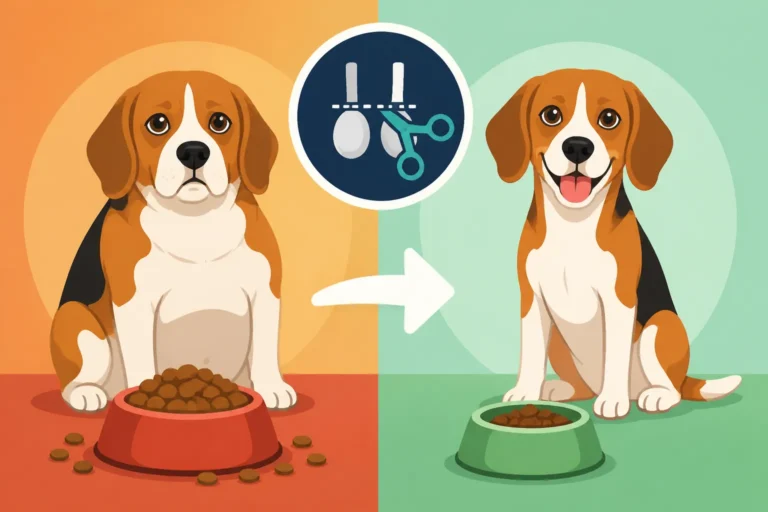
- Smaller, more frequent meals: Instead of two large meals, try offering three or four smaller portions throughout the day. This can be less overwhelming for a senior digestive system and keep their interest piqued.
- Elevated bowls: If your Beagle has arthritis or neck pain, bending down to eat can be uncomfortable. An elevated feeder can make mealtime much more accessible and pain-free.
Maintaining Hydration
Loss of appetite often goes hand-in-hand with reduced water intake, which can lead to dehydration and worsen any underlying health issues.
- Multiple water bowls: Place several fresh water bowls around the house, especially near their favorite napping spots.
- Water fountains: Some dogs prefer drinking from a flowing source. A pet water fountain can encourage them to drink more.
- Add water to food: As mentioned, adding warm water or broth to their meals can increase their fluid intake without them even realizing it.
- Ice cubes: For Beagles who enjoy them, ice cubes can be a fun way to get some extra hydration.
Creating a Stress-Free Feeding Environment
Senior Beagles can be more sensitive to their surroundings. A busy, noisy household might stress them out, making them less inclined to eat.
- Quiet space: Designate a quiet, calm area away from foot traffic, other pets, or loud noises for your Beagle to eat.
- Routine: Stick to a consistent feeding schedule. Beagles thrive on routine, and knowing when to expect their meals can help regulate their appetite.
- Comfort: Ensure their feeding area is comfortable. If they have joint pain, provide soft bedding nearby for them to rest before or after eating.
Here's a quick comparison of normal versus concerning appetite changes in senior Beagles:
| Feature | Normal Age-Related Appetite Change | Concerning Appetite Change |
|---|---|---|
| Pace of Change | Gradual, subtle, over weeks or months. | Sudden, drastic, over a day or two. |
| Amount Eaten | Eats slightly less, may leave a few pieces, might graze. | Refuses entire meals, eats very little, ignores favorite treats. |
| Enthusiasm | Still interested, might eat slower, less frantic. | Shows no interest, turns away, acts nauseous near food. |
| Weight | Stable or very slow, slight decrease, still within healthy range. | Sudden, noticeable weight loss. |
| Energy Level | Still active, just a bit slower; maintains interest in walks. | Lethargic, weak, unwilling to move, increased sleeping. |
| Other Symptoms | No other symptoms. | Vomiting, diarrhea, excessive thirst, pain, hiding, behavioral changes. |
| Duration of Food Refusal | May skip a small portion of a meal but generally eats within hours. | Refuses food for 24+ hours. |
When to Worry and Seek Veterinary Attention
As much as we want to manage everything at home, some situations absolutely require professional veterinary help. Ignoring significant appetite changes in a senior Beagle can have serious consequences.
When to Make That Urgent Call
You should call your vet immediately if your senior Beagle:
- Refuses to eat for more than 24 hours. This is especially critical for small dogs or those with underlying conditions.
- Is also vomiting or has severe diarrhea. This combination can lead to rapid dehydration and electrolyte imbalances.
- Shows signs of pain or distress. Whining, panting, a hunched posture, or reluctance to be touched.
- Becomes suddenly lethargic or weak. If they can't stand or seem disoriented.
- Has pale gums, difficulty breathing, or a distended abdomen. These are emergency signs.
- Is losing weight rapidly. Any unexplained, quick weight loss is a serious concern.
Even if they're not in a full-blown emergency, a prompt vet visit is always recommended for persistent appetite changes. Your vet can conduct a thorough examination, including blood work, urinalysis, and possibly imaging (like X-rays or ultrasound), to pinpoint the cause. This might also include checking for Beagle Hip Dysplasia and Everyday Joint Wear if mobility seems to be an issue influencing their ability to eat.
What to Expect at the Vet
When you take your senior Beagle to the vet for appetite issues, be prepared to provide a detailed history. This includes:
- When the change started: Was it sudden or gradual?
- How much they are eating (or not eating): Try to quantify it.
- Any other symptoms: Vomiting, diarrhea, coughing, sneezing, changes in thirst or urination, changes in behavior or energy.
- What you've tried: Any home remedies or food changes.
- Their current diet and medications: Bring labels if possible.
Your vet will likely perform a physical exam, checking their teeth, gums, abdomen, and overall body condition. They will then recommend diagnostic tests tailored to your Beagle's symptoms and history. These tests are crucial for identifying issues like kidney disease, liver disease, infections, or cancer. For example, a full thyroid panel may be recommended to assess for Thyroid Testing a Beagle at Twenty-Four Months if hypothyroidism is suspected.
Don't be afraid to ask questions and express your concerns. Your vet is your best partner in ensuring your beloved senior Beagle remains as comfortable and healthy as possible. While we love our Beagles for their seemingly endless appetites, understanding and responding to changes in their eating habits as they age is one of the most important ways we can show them how much we care.
Disclaimer
This article is for general informational purposes only and does not constitute professional advice. Laws, prices and regulations vary by location and change over time. Consult a qualified professional for guidance on your specific situation.