Beagle Health Testing Under CHIC
Bringing a new Beagle puppy home is an incredibly exciting time, full of dreams of wagging tails, happy adventures, and years of devoted companionship. But for many prospective owners, navigating the world of canine health and genetic testing can feel like trying to solve a puzzle written in a foreign language. It's truly disheartening to invest all your love and resources into a new family member, only to face a devastating diagnosis for an inherited condition that could have been screened for. This comprehensive guide is here to demystify Beagle health testing, focusing on the Canine Health Information Center (CHIC) program, so you can confidently choose a healthy puppy and understand the lifelong commitment to their well-being.
Why Health Testing Matters for Beagles
It’s easy to assume that if a puppy looks healthy and the breeder seems nice, everything must be fine. But with Beagles, and really any purebred dog, there’s a much deeper layer to consider when it comes to long-term health. These adorable, scent-driven hounds, much like us, carry genetic predispositions that can lead to significant health challenges down the line. Ignoring this reality is like building a house on a shaky foundation – you might not see the cracks immediately, but they’ll eventually appear.
Beyond a Vet Check: Understanding Genetic Predispositions
When you take a puppy for its initial vet check, usually within a few days of bringing it home, your veterinarian is primarily assessing its current physical health. They're checking for things like heart murmurs, clear eyes, proper bite, a healthy coat, and signs of parasites. This check is incredibly important for catching immediate issues, but it can’t tell you whether that sweet, energetic puppy carries the genes for hip dysplasia, certain eye conditions, or even epilepsy, which often don't manifest until much later in life.
Beagles, like many breeds, have a genetic blueprint that makes them more susceptible to certain conditions. For instance, while a puppy's hips might look perfectly fine at eight weeks, the genetic potential for them to develop Beagle Hip Dysplasia and Everyday Joint Wear could already be present. Similarly, conditions like certain eye problems or even Beagle Epilepsy and Seizures From Six Months On have a strong genetic component, meaning they can be passed down from parent to offspring. A simple physical exam, as thorough as it might be, just isn't designed to peer into that genetic future. That's where specialized health testing comes in, acting as an invaluable tool for responsible breeding and for giving you peace of mind.
The Ethical Breeder's Role in Health Testing
This brings us to the crucial role of an ethical breeder. A truly responsible Beagle breeder isn't just focused on producing cute puppies; they are committed to improving the health and longevity of the breed as a whole. This means they go far beyond simply breeding two Beagles together because they’re both "nice dogs." They meticulously research pedigrees, understand the genetic lines of their breeding stock, and most importantly, perform comprehensive health screenings on their adult breeding dogs.
Unfortunately, the opposite end of the spectrum exists with "backyard breeders" or puppy mills. These individuals often skip health testing entirely, either due to ignorance, cost-saving measures, or a lack of concern for the long-term well-being of the puppies they produce. They might offer vague assurances or claim their vet checks are sufficient, but without proper genetic and orthopedic testing, they are essentially rolling the dice with each litter. Supporting ethical breeders who invest in health testing is not just about ensuring your puppy's health; it's about making a stand for humane and responsible animal husbandry, directly contributing to a healthier future for Beagles everywhere.
What is CHIC and Why It's the Gold Standard
When talking about comprehensive health testing for Beagles, or any purebred dog, you’ll inevitably hear the acronym "CHIC." This isn't just another certification; it's a vital program that sets the bar for transparent and thorough health screening. Understanding what CHIC entails is fundamental for anyone looking to bring a healthy Beagle into their home. It's the difference between guessing about your dog's genetic future and having a clear, documented history that reduces risks.
Decoding the Canine Health Information Center (CHIC)
The Canine Health Information Center, or CHIC, is a program sponsored by the Orthopedic Foundation for Animals (OFA) and the AKC Canine Health Foundation (CHF). Its primary goal is to establish a centralized canine health database that provides a clear picture of the health status of breeding dogs. Think of it as a public library for canine health information. For each specific breed, national breed clubs (like the National Beagle Club of America) work with OFA to determine a set of health tests that are considered "mandatory" for that breed due to known genetic predispositions.
Once these required tests are identified, breeders can submit their dog’s results to OFA, which then stores them in the CHIC database. This system allows for transparency because the results, whether good or bad, are publicly accessible. This means that when you’re looking at a potential puppy, you can go to the OFA website and look up the health testing performed on the sire and dam, verifying their clearances. This level of transparency is incredibly empowering for prospective owners, taking much of the guesswork out of evaluating a breeder's claims.
The CHIC Number: A Mark of Comprehensive Testing
The ultimate achievement within the CHIC program is a dog earning a "CHIC number." A dog receives a CHIC number when it has undergone all of the breed-specific health tests recommended by its national breed club, and the results of those tests have been publicly submitted to the OFA database. It's important to clarify what a CHIC number doesn't mean. It does not mean the dog is "clear" of every single condition. For instance, a dog might have an OFA hip rating of "Fair" rather than "Excellent," but because the test was performed and the result was submitted, they still get a CHIC number.
What the CHIC number does mean is that the breeder has been diligent and transparent about performing the required health tests for their breed. It signifies a commitment to ethical breeding practices and a willingness to share that information publicly, regardless of the individual results. This transparency is crucial because it allows potential buyers to review the actual results and make informed decisions. When you see a CHIC number, it tells you that the breeder has gone the extra mile to provide a comprehensive health history for their breeding dog, giving you confidence in the efforts made to produce healthy puppies. When considering a puppy, ask specifically for the CHIC numbers of both parents, and then verify them on the OFA website. This is a foundational step in ensuring the health of your future companion.
Mandatory CHIC Health Tests for Beagles
For Beagles, the National Beagle Club of America, in conjunction with the OFA, has identified a specific set of health tests that are required for a Beagle to earn a CHIC number. These tests target conditions that are known to affect the breed and can significantly impact a dog's quality of life. Understanding each of these mandatory tests is paramount for anyone considering bringing a Beagle into their family, as they form the bedrock of responsible breeding.
Hip Dysplasia Screening (OFA/PennHIP)
Hip dysplasia is a malformation of the hip joint where the ball and socket don't fit together perfectly. Over time, this can lead to painful arthritis, lameness, and a reduced quality of life. While you might associate it more with larger breeds, Beagles are absolutely susceptible, and it's a significant concern, especially given their active, curious nature. Imagine your lively Beagle struggling to jump on the couch or enjoy their daily sniffari because of constant hip pain – it's a heartbreaking scenario that responsible testing aims to prevent.
The most common method for screening is through the Orthopedic Foundation for Animals (OFA). For OFA hip certification, a dog must be at least 24 months old. The process involves taking specific X-rays of the hips, which are then submitted to a panel of three independent, board-certified veterinary radiologists. These experts evaluate the X-rays for evidence of hip dysplasia and assign a rating (Excellent, Good, Fair, Borderline, Mild, Moderate, or Severe). Only dogs with hips rated Fair or better are considered free of hip dysplasia for breeding purposes. A breeder should always be able to show you the OFA certificate for both parents, demonstrating their hip status. You can learn more about the screening options in our guide, "Choosing OFA or PennHIP for a Beagle."
Another excellent option for hip screening is PennHIP. Unlike OFA, which uses a single radiograph, PennHIP involves three distinct radiographs and a specialized distraction index to quantitatively measure hip laxity, or looseness. The biggest advantage of PennHIP is that it can be performed on Beagles as young as 16 weeks, offering breeders earlier insight into a dog's hip health. This allows for more informed breeding decisions sooner in a dog's life. While the methodology differs, both OFA and PennHIP are highly respected screening tools that provide invaluable information about a Beagle's hip health. Ensuring your prospective puppy's parents have had their hips screened is one of the most important questions you can ask a breeder.
Eye Examination by a Board-Certified Ophthalmologist (CAER)
Beagles have those famously expressive, soulful eyes, and protecting their vision is crucial for their quality of life. Inherited eye conditions can range from mildly irritating to completely debilitating, causing pain, vision loss, or even blindness. The mandatory eye examination under CHIC aims to identify these conditions early, preventing them from being passed down through generations. It's a critical step to ensure your Beagle maintains those bright, curious eyes for as long as possible.
This examination is performed by a board-certified veterinary ophthalmologist, a specialist in animal eye health. The results are submitted to the OFA's Companion Animal Eye Registry (CAER). During the exam, the ophthalmologist will perform a thorough inspection of the entire eye structure, often using dilation drops to get a better view of the retina and optic nerve. They are looking for specific inherited conditions common in Beagles, such as glaucoma, cataracts, progressive retinal atrophy (PRA), and retinal dysplasia.
A passing CAER exam means the dog shows no evidence of inherited eye disease at the time of the examination. It’s important to note that some conditions can develop later in life, so ethical breeders will often re-certify their breeding dogs annually, especially as they age. Always ask to see the current CAER certificates for both parents. Our guide, "Beagle Eye Conditions and the Board-Certified Exam," delves deeper into what these exams cover and the conditions they aim to detect, as does "The Eye Exam Required Before Breeding a Beagle." This commitment to regular eye screening helps ensure that you're getting a puppy from a line where breeders are actively trying to preserve healthy vision.
Musladin-Lueke Syndrome (MLS) DNA Test
Musladin-Lueke Syndrome, or MLS, is a genetic connective tissue disorder that is unique to Beagles. It's not a condition you hear about in other breeds, which makes specific DNA testing for MLS all the more critical for Beagle breeders. This syndrome can cause a range of physical abnormalities, including a characteristic "tip-toe" gait, unusually thick and taut skin, and distinctive skull and eye shapes, such as slanted eyes and flattened skulls. Affected puppies often show signs early in life, and while many can live relatively normal lives, their condition can range from mild to severe, sometimes requiring ongoing management.
The good news is that MLS is a simple recessive genetic condition, meaning a dog must inherit two copies of the affected gene (one from each parent) to develop the syndrome. Dogs that inherit only one copy are "carriers" and show no symptoms themselves, but can pass the gene on to their offspring. This is why DNA testing is so vital. A simple cheek swab or blood sample can determine if a Beagle is clear, a carrier, or affected by MLS.
For a Beagle to receive a CHIC number, it is mandatory to have an MLS DNA test performed, and the results submitted to OFA. Reputable breeders will test all their breeding stock to ensure they are not breeding two carriers together, which would guarantee affected puppies. If a breeder has a carrier, they would only breed that dog to a "clear" dog, ensuring no affected puppies are produced, although some puppies could still be carriers. You can learn more about this condition and its testing in our comprehensive article, "Musladin-Lueke Syndrome and the Beagle DNA Test," as well as understanding "The MLS DNA Test Required for Beagle CHIC." This test is a fantastic example of how modern genetic science helps responsible breeders eliminate debilitating diseases from future generations.
Recommended Additional Health Tests for Beagles
While the CHIC program outlines the minimum required tests, many dedicated Beagle breeders go above and beyond, conducting additional screenings that are highly recommended by the national breed club or commonly seen in the breed. These extra tests provide an even more comprehensive picture of a breeding dog's health and reflect a breeder's deeper commitment to producing the healthiest puppies possible.
Thyroid Evaluation (OFA Thyroid Database)
Hypothyroidism, an underactive thyroid gland, is a condition that Beagles can be prone to. The thyroid gland plays a crucial role in metabolism, and when it's not functioning correctly, it can lead to a host of problems. Owners might notice symptoms such as unexplained weight gain despite no change in diet, a dull or sparse coat, hair loss (especially along the flanks), lethargy, and a general lack of energy. It's a frustrating condition for owners to diagnose, and even more so to manage if left unchecked.
Responsible breeders often include thyroid evaluation as part of their health screening protocol, submitting results to the OFA Thyroid Database. This involves a series of blood tests that measure various thyroid hormones (like T4, Free T4, TSH) and antibodies (like TgAA). These tests help determine if a dog's thyroid function is normal, or if there's evidence of autoimmune thyroiditis, which can eventually lead to hypothyroidism.
While hypothyroidism is manageable with daily medication, identifying affected dogs or those prone to the condition is important for breeding decisions. Breeders aim to select dogs with healthy thyroid function to minimize the risk of passing on this predisposition. If you're observing "Beagle Hypothyroidism Symptoms Owners Notice First" in your own dog, understanding the genetic link can be very helpful. Knowing that your puppy's parents had healthy thyroids adds another layer of confidence in your breeder's dedication to lifelong Beagle health. Our article on "Thyroid Testing a Beagle at Twenty-Four Months" provides further details on the timing and importance of this screening.
Cardiac Examination (OFA Cardiac Database)
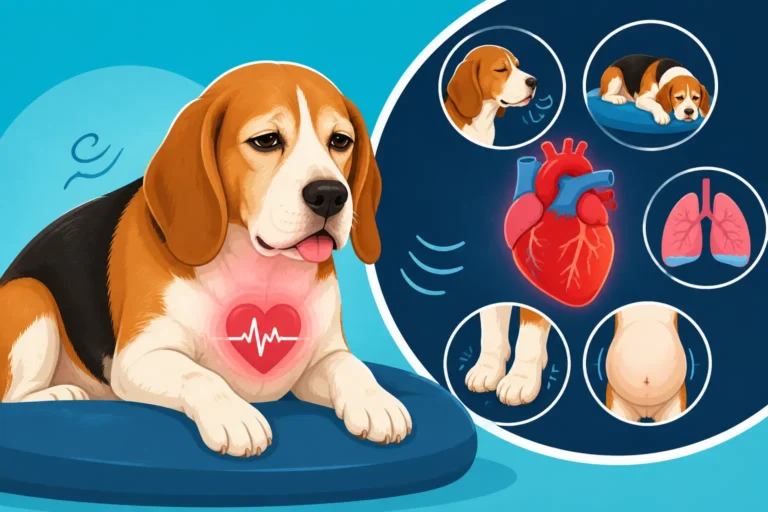
A Beagle's heart works tirelessly to fuel their boundless energy and scent-driven adventures, so ensuring its health is certainly a priority. While Beagles are generally a robust breed, certain cardiac conditions can occur, and identifying them in breeding stock is a proactive step to reduce their prevalence. Ignoring potential heart issues could lead to serious health complications for puppies down the line, affecting their stamina and overall lifespan.
Many conscientious breeders will have their Beagles undergo a cardiac examination by a board-certified veterinary cardiologist, with results submitted to the OFA Cardiac Database. The most basic level of screening involves auscultation, where a veterinarian listens to the heart with a stethoscope to detect any murmurs or abnormal rhythms. While a murmur doesn't always indicate a problem, it can be a sign of underlying structural heart disease, such as pulmonic stenosis, which has been identified in Beagles.
For a more in-depth assessment, an echocardiogram (an ultrasound of the heart) may be performed. This allows the cardiologist to visualize the heart's structure, measure chamber sizes, assess blood flow, and identify any congenital defects. By screening their breeding dogs, breeders aim to prevent the passing on of inheritable heart conditions, ensuring that future generations of Beagles have strong, healthy hearts. This can help in avoiding conditions that lead to "Beagle Heart Disease and Murmurs" later in life. Understanding "What Grade a Beagle Heart Murmur Has to Reach" is also important context for owners to have.
Epilepsy Screening (Not a direct OFA test but crucial)
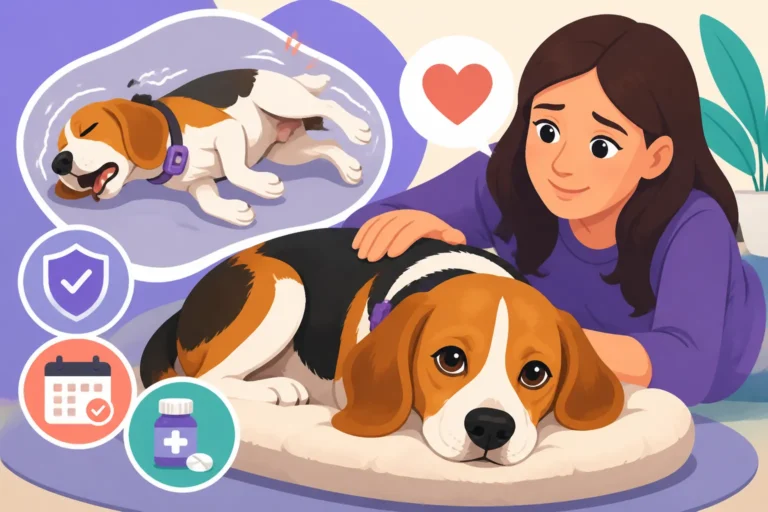
Epilepsy is a complex neurological disorder characterized by recurrent seizures, and unfortunately, Beagles have a higher predisposition to idiopathic epilepsy (epilepsy of unknown cause) than many other breeds. This can be one of the most frightening and heartbreaking conditions for an owner to witness, as seizures are distressing events. While there isn't a single, definitive genetic test that breeders can perform to simply "clear" a dog for epilepsy, responsible breeders still play a crucial role in minimizing its occurrence.
Because of the multi-gene nature of idiopathic epilepsy and the fact that it often doesn't manifest until a Beagle is between six months and six years of age, screening involves a meticulous approach to pedigree research and careful selection of breeding partners. Ethical breeders will be intimately familiar with the health history of their dog's lineage, looking for any incidence of epilepsy in grandparents, parents, and siblings. They maintain detailed records and openly discuss any history of seizures within their lines.
The goal is to "Breeding Away From Epilepsy in Beagle Lines" by making informed choices. This means avoiding breeding dogs with a strong family history of epilepsy, or pairing dogs from lines with minimal or no incidence of the condition. While it's impossible to guarantee a puppy will never develop epilepsy, as it can arise spontaneously, a breeder who actively tracks and screens for it through careful lineage management significantly reduces the risk. Understanding "Idiopathic Epilepsy in Beagles From Six Months to Six Years" is key for any Beagle owner, and knowing your breeder has taken steps to mitigate this risk offers genuine peace of mind.
Understanding Test Results and What They Mean
Getting your head around all the different health tests and their acronyms can be a lot, but understanding what the results actually signify is where the rubber meets the road. It’s not just about a breeder saying they've done the tests; it's about being able to interpret those results and verify them yourself. This transparency is the cornerstone of responsible breeding and empowered ownership.
Interpreting OFA Ratings and Clearances
When it comes to OFA certifications, particularly for hips, you'll encounter specific ratings that are crucial for understanding a dog's orthopedic health. The OFA uses a seven-point grading scale for hips: Excellent, Good, Fair, Borderline, Mild, Moderate, and Severe. For a dog to be considered suitable for breeding, its hips should ideally be rated Excellent, Good, or Fair. A "Borderline" rating suggests some minor changes that may or may not progress to dysplasia, and "Mild," "Moderate," or "Severe" indicate varying degrees of dysplasia. A reputable breeder will only use dogs with "Fair" or better hip ratings for breeding.
For other tests, like the eye (CAER) exam or thyroid panel, the results are typically "Normal" or "Affected," sometimes with specific details about the type or severity of the issue found. A "Normal" result means no evidence of the condition was found at the time of the exam. For DNA tests, such as the MLS test for Beagles, the results are usually "Clear" (meaning the dog does not carry the gene), "Carrier" (meaning the dog carries one copy of the gene but is not affected), or "Affected" (meaning the dog has two copies of the gene and will express the condition). Breeders can safely breed a "Carrier" to a "Clear" dog without producing affected puppies, but breeding two "Carriers" together should always be avoided. Understanding these ratings and what they imply is vital for evaluating a breeder's commitment to health.
How to Verify a Beagle's Health Testing Records
This is perhaps the most important takeaway for prospective puppy buyers: always verify the health testing yourself. A good breeder will be open and willing to share their dogs' registered names and OFA/CHIC numbers. With this information, you can easily access the public database on the Orthopedic Foundation for Animals (OFA) website, www.ofa.org.
On the OFA website, you can use the "Search OFA" function. You can search by a dog's registered name, its registration number (like an AKC number), or its CHIC number. When you input this information, you’ll see a list of all the health tests submitted for that specific dog, along with their dates and results. For example, you’ll see if the hips were rated "Good," if the eyes were "Normal," and the MLS status (Clear, Carrier, or Affected).
It's critical to cross-reference the sire and dam listed on your puppy's pedigree with the information on the OFA website. Don't just take a breeder's word for it; verify every claim. If a breeder is hesitant to provide this information or suggests that "their vet says they're fine," that's a significant red flag. Reputable breeders are proud of their health testing and understand the importance of transparency for their puppy buyers. This simple verification step can save you immense heartache and significant veterinary bills down the road.
The Lifelong Impact of Choosing a Health-Tested Beagle
Deciding to bring a Beagle into your life is a commitment for their entire Beagle Lifespan and the Twelve to Fifteen Year Range. That decision should be made with as much knowledge and forethought as possible, and choosing a health-tested Beagle has profound, positive impacts that resonate throughout your dog’s life and beyond. It’s not just about today; it’s about the years of joy and companionship you hope to share, free from preventable suffering.
Reducing the Risk of Inherited Conditions
The most direct and immediate benefit of choosing a Beagle from health-tested parents is the significantly reduced risk of them developing debilitating inherited conditions. While no amount of testing can offer a 100% guarantee against any health issue (dogs, like humans, can develop diseases for various reasons, including environmental factors or random mutations), it dramatically lowers the probability of those conditions known to be passed genetically within the breed. For instance, knowing both parents are clear of MLS means your puppy won't be affected by that particular connective tissue disorder. Similarly, parents with excellent hip and eye clearances mean a lower chance of your Beagle developing painful hip dysplasia or early-onset blindness.
This reduction in risk translates directly into a better quality of life for your Beagle. Imagine fewer trips to specialists, less chronic pain management, and more years of active, happy living. It also translates into less emotional strain and potentially lower financial burdens for you as an owner. While pet insurance, like plans offered by Healthy Paws, can certainly help cover unexpected medical costs, preventing a condition altogether is always the ideal scenario. Investing in a puppy from health-tested lines is an investment in their long-term well-being and your peace of mind.
Supporting Responsible Breeding Practices
Your choice to seek out a health-tested Beagle sends a powerful message to the breeding community. By prioritizing puppies from breeders who adhere to CHIC standards and conduct thorough health screenings, you are actively supporting and rewarding responsible breeding practices. This, in turn, discourages unethical breeding, where profit is prioritized over the health and welfare of the dogs. Every time a buyer insists on seeing verifiable health clearances, they are contributing to the betterment of the entire Beagle breed.
Responsible breeders put a tremendous amount of effort, time, and financial investment into their breeding programs. This includes not just the health testing itself, but also proper nutrition, early socialization, and ensuring their breeding dogs are wonderful representatives of the breed. By choosing to purchase a puppy from such a breeder, you're not just getting a healthier dog; you're becoming part of a community that values the integrity and future of the Beagle breed. It helps ensure that future generations of Beagles are born with the best possible genetic start, preserving the health, temperament, and wonderful qualities we all cherish in this charming hound.
Summary of Key Beagle CHIC Tests
To help you keep track of the essential health tests, here's a quick overview of the mandatory CHIC requirements for Beagles:
| Condition | Test Type | Required Age for OFA | What the Test Screens For | Common OFA Findings / Results |
|---|---|---|---|---|
| Hip Dysplasia | OFA Radiographs / PennHIP Radiographs | 24 months (OFA) | Proper formation of the hip joints | Excellent, Good, Fair (OFA) |
| Eye Disease | CAER Eye Examination (ACVO) | Annually | Inherited eye conditions (e.g., glaucoma, cataracts) | Normal / Affected |
| Musladin-Lueke Syndrome (MLS) | DNA Test | Any age | Genetic mutation causing connective tissue disorder | Clear / Carrier / Affected |
Note: While not mandatory for CHIC, thyroid and cardiac evaluations are highly recommended additional tests that many ethical breeders perform.
The Ongoing Commitment: Beyond Puppyhood
Even after you've done your due diligence and brought home a wonderfully health-tested Beagle puppy, your journey as a responsible owner is far from over. Health testing in breeding dogs provides a fantastic foundation, but a Beagle's health is a dynamic, lifelong process that requires ongoing attention, regular veterinary care, and your keen observation. It’s about building a partnership with your vet and understanding your individual dog.
Continued Veterinary Care and Early Detection
Just like humans, Beagles need regular check-ups to maintain optimal health, especially as they age. Even a dog from impeccably health-tested lines can develop issues over their lifetime due to age, environment, or simply bad luck. Routine veterinary visits allow your vet to monitor your Beagle’s overall health, catch potential problems early, and administer necessary vaccinations and parasite prevention. These visits are also a great opportunity to discuss any changes you've noticed in your Beagle's behavior, appetite, or activity level.
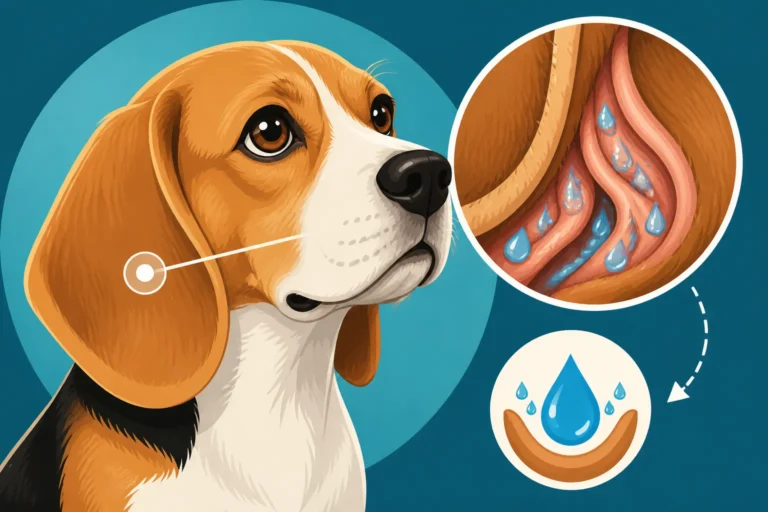
Being vigilant and observant at home is equally important. You know your Beagle best. Watch for subtle changes that might indicate a problem, such as a slight limp, excessive scratching, changes in urination or stool, or a sudden decrease in energy. Early detection is often key to successful treatment for many conditions. For instance, noticing early signs of a recurring Beagle Ear Infections Under Those Long Ears can prevent a more severe issue, or catching "Beagle Obesity Treated as a Health Problem" can help you adjust their diet and exercise before it leads to more serious metabolic issues. Regular vet visits, combined with your attentive care at home, form a powerful defense against health challenges. Pet insurance, like that offered by Healthy Paws, can be a valuable tool to help manage the costs of these ongoing vet visits and any unexpected health issues that might arise, providing a safety net for your Beagle's comprehensive care. Our guide on "Beagle Vet Visit Frequency After the Age of Ten" offers valuable insights as your furry friend enters their golden years.
Understanding Your Beagle's Individual Health Journey
Every Beagle is an individual, with its own unique personality, quirks, and indeed, its own health trajectory. While breed-specific information and health testing provide a generalized blueprint, your dog’s specific journey will unfold based on a multitude of factors including their diet, exercise, environment, and genetics. It’s important not to treat your Beagle as merely a collection of test results, but as a living, breathing being whose health needs may evolve.
For example, even if your Beagle’s parents had perfect hip scores, maintaining a healthy weight through proper "Beagle Food Budgets for a Dog That Never Stops Eating" and regular exercise is crucial to minimize strain on their joints over time. Similarly, while genetic testing for epilepsy helps, providing a low-stress environment and being aware of potential "The Seizure Triggers Beagle Owners Report Most" can contribute to managing or preventing seizures if your dog is predisposed. Your commitment extends beyond the puppy-choosing phase; it’s about continually educating yourself, partnering with your veterinarian, and providing the best possible care for your beloved companion throughout their entire life. By focusing on preventative care and prompt attention to any health changes, you help ensure your Beagle lives a long, happy, and healthy life. Understanding "What Shortens a Beagle's Twelve to Fifteen Years" also offers important context for owners.
Disclaimer
Please note that this guide provides general information and recommendations. It is not a substitute for professional veterinary advice. Always consult with a qualified veterinarian for any health concerns or before making any decisions about your Beagle's health care. Individual results from health tests can vary, and a CHIC number does not guarantee perfect health, but rather confirms that all required health screenings were performed and documented.