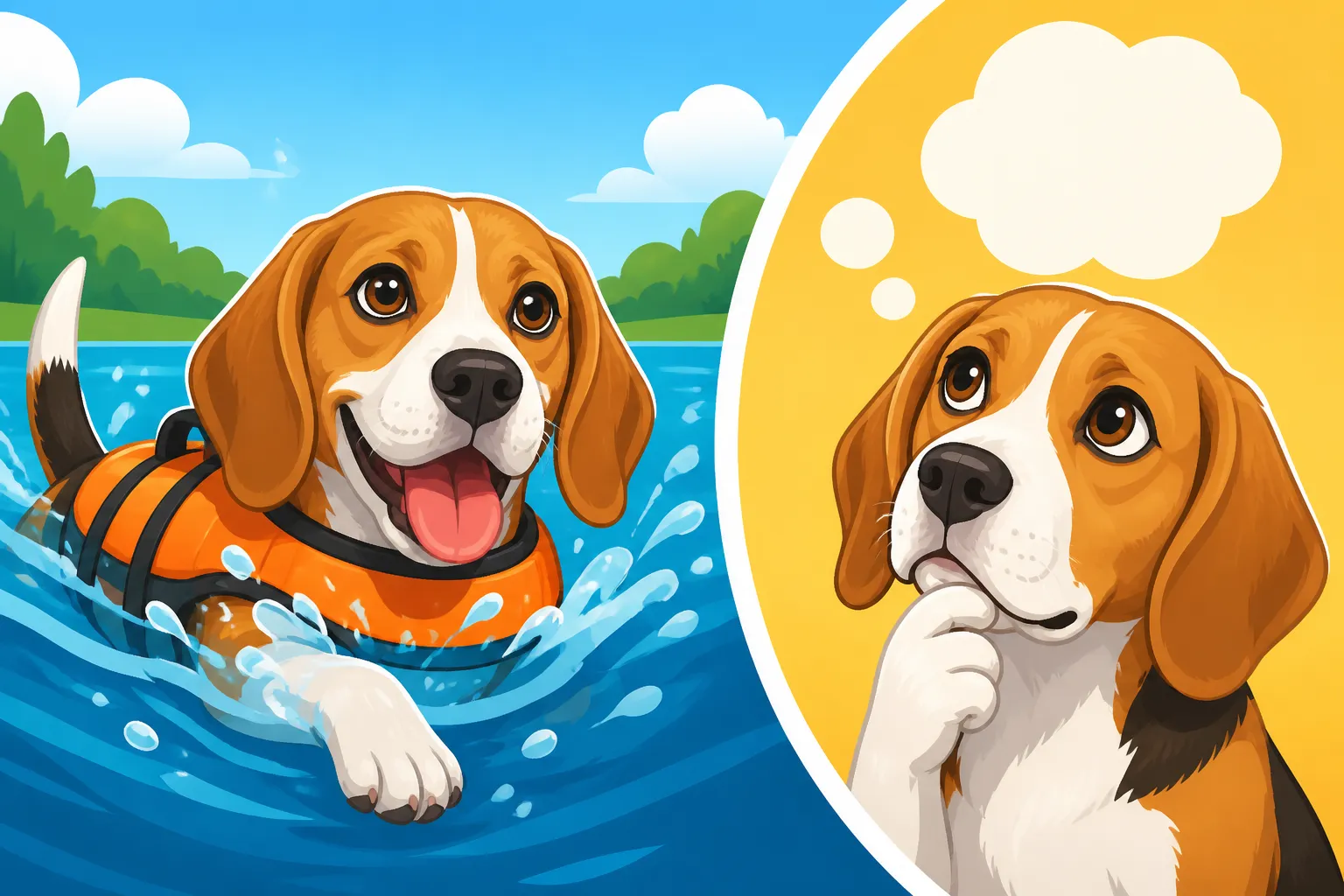
Beagle Swimming and Whether They Enjoy It
One of the great joys of summer, for many dog owners, is seeing their furry companions splash and play in the water. But if you're a Beagle owner, you might have noticed your hound isn't always rushing headfirst into the lake or pool. It's a common frustration, wondering if your sweet, scent-driven companion will ever enjoy a good swim, or if they're simply not built for it. This comprehensive guide will delve into Beagles and water, exploring their natural inclinations, how to introduce them safely, and what precautions you need to take to ensure any water activity is a positive, safe experience for your beloved hound.
Do Beagles Naturally Enjoy Water? Understanding Their Inclinations
When you think of a dog breed that loves water, retrievers, or perhaps even a confident Border Collie, often come to mind. Beagles, with their deep history as scent hounds, don't typically top that list. It's not that they can't swim, but their natural instinct isn't usually to dive in headfirst. Understanding their breed history and physical attributes can help explain why some Beagles are more hesitant than others.
Their Hunting History and Water (or Lack Thereof)
Beagles were originally bred in England for hunting hare, a sport known as beagling, which was primarily done on foot. Their job was to track scent low to the ground, using their incredible noses to follow a trail through fields, woods, and brush. This involved a lot of running, sniffing, and baying, but rarely did it require swimming through rivers or ponds. Unlike water retrievers, who were specifically developed to plunge into cold water to retrieve waterfowl, Beagles were bred for terrestrial pursuits. This means that generations of selective breeding focused on their scenting abilities, stamina on land, and vocalizations, not their affinity for swimming. So, while an individual Beagle might take to water, it's not a deeply ingrained genetic trait like it might be for a Labrador. Their instincts lead them to follow a captivating scent trail, which might occasionally lead near water, but not necessarily into it.
Individual Personality and Past Experiences
Just like people, every Beagle has a unique personality, and their past experiences with water can dramatically shape their comfort level. A Beagle puppy who was introduced gently to a shallow kiddie pool on a warm day, with lots of praise and tasty treats, is far more likely to develop a positive association with water than one who was accidentally knocked into a deep end or forced to swim. A traumatic first encounter can create a lasting aversion, making any future attempts at swimming a stressful ordeal for your dog. For instance, a Beagle from a puppy mill or rescue situation might have had very little exposure to varied environments, let alone water, and might approach anything new with extreme caution. Conversely, a Beagle raised in a home with a family who regularly swims might simply absorb that enthusiasm. Observing your dog's general reaction to new things and understanding their background can give you clues about how they might respond to water. Some Beagles are naturally more adventurous and less prone to fear, while others are cautious and prefer to observe from a safe distance.
The Beagle's Physical Build for Swimming
While Beagles can swim, their physical structure isn't perfectly optimized for it. They have a compact, muscular build, which is great for running and maneuvering through undergrowth, but not as streamlined for swimming as, say, a Greyhound or a sleek Pointer. Their short legs mean they have to work harder to propel themselves through water, and their deep chest can make floating a bit more challenging, especially if they're not holding their bodies correctly. Furthermore, those iconic long, droopy ears, while adorable, are prime candidates for trapping water. This makes Beagles particularly prone to ear infections if their ears aren't thoroughly dried after every splash or swim. Beagle Ear Infections and the Drooping Ear Flap is a constant concern for us Beagle owners. So, while they possess the basic canine ability to paddle, they aren't built like natural aquatic athletes. This isn't to say they can't enjoy it, but it does mean they might tire more quickly or require a bit more effort to stay afloat comfortably compared to breeds with webbed feet or a more buoyant frame.
Teaching a Beagle to Swim Safely and Positively
If your Beagle shows even a flicker of interest in water, fostering that curiosity in a safe, positive way is key. Remember, the goal isn't to turn them into an Olympic swimmer, but to allow them to enjoy water activities without fear, if that's what they want. Patience, positive reinforcement, and the right gear are your best friends here.
Starting Slow: Shallow Water Introduction
The absolute best way to introduce your Beagle to water is gradually, starting with very shallow depths. Think of a kiddie pool in your backyard, a gentle slope at a dog-friendly beach, or even just a garden sprinkler. The key is to let them explore at their own pace. Never force them into the water. Instead, entice them with their favorite floating toy or high-value treats. Toss a treat into the very edge of the water, just where their paws can touch. As they gain confidence, you can gradually increase the depth, but always keep it low enough that they can easily touch the bottom.
If you have a pool, start with the steps. Get in with them, holding them securely and calmly. Let them feel the water, and encourage them with happy talk and gentle splashes. The first few times, they might just want to wade. That's perfectly fine! Celebrate every small step, even if it's just dipping a paw. Remember, this isn't a race; it's about building positive associations. If they seem stressed or try to escape, immediately back off and try again another day with an even shallower approach. Consistency in positive experiences is far more important than speed.
Essential Gear: Life Vests and Leashes
Even if your Beagle seems to be a natural swimmer, a well-fitting life vest is non-negotiable, especially for open water or deeper pools. Beagles, as we discussed, aren't built for effortless swimming, and a life vest provides crucial buoyancy, reducing fatigue and making them feel more secure. This is particularly important for younger Beagles still building strength, senior Beagles, or any Beagle that might be less confident. Look for vests with a strong handle on the back, which allows you to easily guide your dog in the water or quickly lift them out if needed. Brands available on Chewy or Amazon offer a wide range of sizes and styles; just be sure to measure your Beagle carefully to get the right fit. A properly fitted vest shouldn't restrict their movement but should keep their head above water.
Using a long leash, even with a life vest, can also be beneficial, especially in open or unfamiliar waters. It allows you to maintain control and guide your Beagle without physically holding them, giving them a sense of independence while keeping them safe. A waterproof long line can be a great tool for practicing recall in the water, or for guiding a hesitant Beagle into slightly deeper areas while you wade alongside them. Just make sure the leash doesn't get tangled or become a hazard. Beagle Life Jackets Around Open Water are absolutely critical, especially if you're taking your hound somewhere new.
Positive Reinforcement and Patience
Beagles are incredibly food-motivated, which works wonders for training, including water introduction. Bring out the good stuff! High-value treats, like small pieces of cooked chicken, cheese, or even small kibble from a premium brand like Ollie, can be powerful motivators. Reward every step they take towards or into the water. A calm, encouraging tone of voice and enthusiastic praise are also vital. "Good boy, [Beagle's Name]! Such a brave swimmer!" can make a huge difference.
If your Beagle seems scared, never scold them or force them. This will only reinforce negative associations. Instead, take a break, try a different approach, or simply lower your expectations for that session. Maybe today is just about sitting by the edge of the water and getting a treat. And that's okay! Building a positive relationship with water might take several short, consistent sessions over days or weeks. Some Beagles may never truly love swimming, and that's also perfectly fine. The goal is a happy, confident Beagle, whether they're in the water or simply enjoying the sand on the shore. Remember, Beagles are smart, but their motivation often follows their nose or their stomach, so make it worth their while.
Water Safety Considerations for Beagles
While the idea of your Beagle frolicking in the water is lovely, responsible ownership means being keenly aware of the potential dangers. Water, whether it's a calm lake or a backyard pool, presents unique challenges for our scent-driven hounds.
Identifying Dangers: Pools, Lakes, and Currents
Each type of water environment comes with its own set of risks.
Pools: Private pools are often treated with chemicals like chlorine, which can irritate a Beagle's skin and eyes. Always rinse your Beagle thoroughly with fresh water after they've been in a chlorinated pool. More importantly, pools are typically designed with steep sides, which can make it difficult for a dog to exit, especially if they panic or become disoriented. Ensure your Beagle knows exactly where the steps or ramp are and can use them independently. You can even train them to exit at a specific point.
Lakes and Ponds: These natural bodies of water can harbor unseen dangers. Algae blooms, especially blue-green algae, are highly toxic and can be fatal if ingested. Always check local advisories before allowing your Beagle into still water. Hidden debris, sharp rocks, or sudden drop-offs can also be hazards. Wildlife, like snakes or snapping turtles, can also pose a threat. Always keep an eye on your Beagle and try to choose areas with clear visibility.
Rivers and Oceans: Currents are the biggest danger here. Even seemingly gentle currents can be surprisingly strong and quickly sweep a small Beagle away. Never allow your Beagle off-leash in areas with strong currents. Rip tides at the beach are also extremely dangerous. Also, saltwater can cause dehydration and stomach upset if ingested in large quantities. Offer plenty of fresh water during beach trips. If your Beagle is particularly keen on What a Beagle Vomiting After Eating Something Outside they'll likely drink plenty of water as well, so make sure it's clean and fresh.
Regardless of the water type, always supervise your Beagle closely. Their keen nose might lead them away from safety, following a scent into deeper water or towards a hazardous area.
Health Concerns: Ear Infections and Ingesting Water
As mentioned earlier, Beagles are particularly prone to ear infections due to their long, floppy ears. The ear canal under those adorable flaps can become a warm, moist environment perfect for bacteria and yeast to thrive after a swim. Beagle Yeast Ear Infections That Keep Returning are a common problem for our breed. After any water exposure, it is absolutely essential to thoroughly dry your Beagle's ears. Use a cotton ball or a soft towel to gently wipe the visible parts of the ear canal. You can also use a veterinarian-approved ear cleaning solution to help dry out the ear canal and prevent infection. If your Beagle is prone to ear issues, consider talking to your vet about preventative measures.
Ingesting water, especially from lakes or oceans, can also lead to health problems. Contaminated lake water can cause gastrointestinal upset, diarrhea, or even more serious infections. Saltwater ingestion can lead to "saltwater poisoning," characterized by vomiting, diarrhea, lethargy, and in severe cases, neurological symptoms. Always bring plenty of fresh water for your Beagle to drink, and encourage them to drink it frequently, to reduce their temptation to drink from the lake or ocean. If you notice any unusual symptoms after water play, contact your vet immediately.
Post-Swim Care and Cleanup
Beyond drying ears, a full post-swim routine is crucial. Rinse your Beagle thoroughly with fresh water to remove chlorine, salt, sand, or any potential irritants from their coat. Even if you've been in fresh water, rinsing helps remove any lingering mud, pollen, or environmental contaminants. Bathing a Beagle That Rolled in Something Dead might be an extreme example, but any time they get wet, a good rinse is a wise move.
After rinsing, towel dry them as much as possible, paying special attention to their underbelly, paw pads, and of course, those ears! If you have a Beagle with a denser coat, you might even consider a dog-specific blow dryer on a cool setting. Ensure they are completely dry, especially in warm, humid weather, to prevent skin irritations and hot spots. Check their paw pads for any cuts or abrasions from rough surfaces near the water. A good quality dog shampoo, perhaps one you ordered from Chewy, might be needed if they got particularly dirty. Regular Beagle Grooming and That Shedding Double Coat is important, but a good post-swim routine is essential for hygiene and preventing health issues.
Making Water Activities Enjoyable for Your Beagle
Not every Beagle will become a champion swimmer, and that’s perfectly okay. The key is to find water activities that your individual Beagle genuinely enjoys, respecting their comfort levels and preferences. There are plenty of ways to incorporate water fun without forcing a full-on swim.
Alternatives to Full-On Swimming
If your Beagle isn't keen on deep water, or if you simply don't have access to safe swimming spots, there are still many ways to let them enjoy water.
Kiddie Pools: A shallow plastic kiddie pool in the backyard is a fantastic option. Fill it with just a few inches of water and toss in some floating toys or treats. Many Beagles love to splash, wade, and cool off their paws without having to fully immerse themselves. It's a low-pressure environment where they can control their depth.
Sprinklers and Hoses: A gentle stream from a garden hose or a sprinkler can be incredibly entertaining for some Beagles. They might enjoy "chasing" the water, biting at the spray, or simply rolling around in the wet grass. Again, this offers a fun way to interact with water without the commitment of swimming. Just be mindful not to spray water directly into their face or ears, as this can be unpleasant or cause issues.
Wet Towel Fun: On really hot days, a damp, cool towel draped over their back or belly can provide welcome relief. Some Beagles enjoy having their paws soaked in a shallow pan of cool water. These simple acts can help them cool down and associate water with comfort.
Mud Puddles (supervised!): Okay, maybe not ideal for cleanliness, but some Beagles truly love a good mud puddle! Just be sure the puddle is free of harmful debris or chemicals, and that you're prepared for the cleanup afterward. Remember, your Beagle's nose drives them, and a muddy scent is often irresistible.
Fun Water Games for Beagles
For Beagles who do enjoy water, even if it's just wading, you can turn it into a game.
Bobbing for Treats: If your Beagle loves their food, try tossing a few buoyant, waterproof treats (like freeze-dried salmon or training kibble) into a kiddie pool or shallow pond. They'll have to "bob" for them, which can be a fun and rewarding activity. Just ensure the treats are safe for consumption and won't disintegrate too quickly.
Floating Toy Fetch: For Beagles who are confident enough to wade or swim, floating toys are a hit. Toss a durable, bright-colored toy a short distance into the water and encourage them to retrieve it. A Chuckit! Amphibious Bumper or similar floating toy, available on Amazon, can make fetch a whole new game. Make sure the toy is visible and easy for them to grab. Start close to shore and gradually increase the distance as their confidence grows.
Wading and Exploring: Sometimes, the best water activity is simply allowing your Beagle to wade along the edge of a shallow stream or lake, sniffing and exploring. Their noses are their world, and exploring new scents, even those around water, can be incredibly enriching. Letting a Beagle Sniff on Every Single Walk is important, and a water walk offers a whole new sensory experience. This kind of relaxed exploration can be just as satisfying for a Beagle as a full-on swim, if not more so, because it caters to their natural instincts.
Recognizing When Your Beagle Isn't Enjoying It
It’s crucial to pay attention to your Beagle’s body language and respect their cues. Signs that your Beagle isn't enjoying the water include:
- Excessive panting or yawning: These can be signs of stress or anxiety.
- Tail tucked: A classic sign of fear or discomfort.
- Reluctance to enter or immediately trying to exit: If they're constantly trying to get out, they're not having fun.
- Stiff body language or trembling: Clear indicators of fear.
- Whining or barking excessively: Can indicate distress or an attempt to get attention/help.
- Refusing treats: If your normally food-motivated Beagle is turning down goodies, something is definitely off.
If you observe any of these signs, stop the activity immediately. Pushing a frightened Beagle into water can create a lifelong phobia and damage your bond. Not every dog loves every activity, and that includes swimming. Some Beagles will be happy just splashing in a puddle, while others might prefer to sunbathe by the edge of the pool. The most important thing is your Beagle's comfort, happiness, and safety. There are countless ways to provide Exercising a Beagle Enough to Settle It that don't involve a deep dive. Enjoying time with your Beagle, whether it's on land or near water, is what truly matters.
| Water Body Type | Potential Benefits | Potential Risks | Safety Measures |
|---|---|---|---|
| Kiddie Pool | Controlled environment, cooling, easy introduction | Slipping on slick plastic, accidental tipping | Non-slip mat, shallow water, constant supervision |
| Swimming Pool | Clean water (usually), confined, good exercise | Chlorine irritation, difficult exit points, accidental falls | Rinse after, teach exit points, fencing, life vest |
| Lakes/Ponds | Natural environment, varied scents, often shallow | Toxic algae, hidden debris, parasites, wildlife | Check advisories, inspect area, life vest, provide fresh water |
| Rivers/Oceans | Large open space, exhilarating for some | Strong currents/rip tides, saltwater ingestion, waves | Life vest always, secure leash, avoid strong currents, plenty of fresh water |
Disclaimer
This article is for general informational purposes only and does not constitute professional advice. Laws, prices and regulations vary by location and change over time. Consult a qualified professional for guidance on your specific situation.