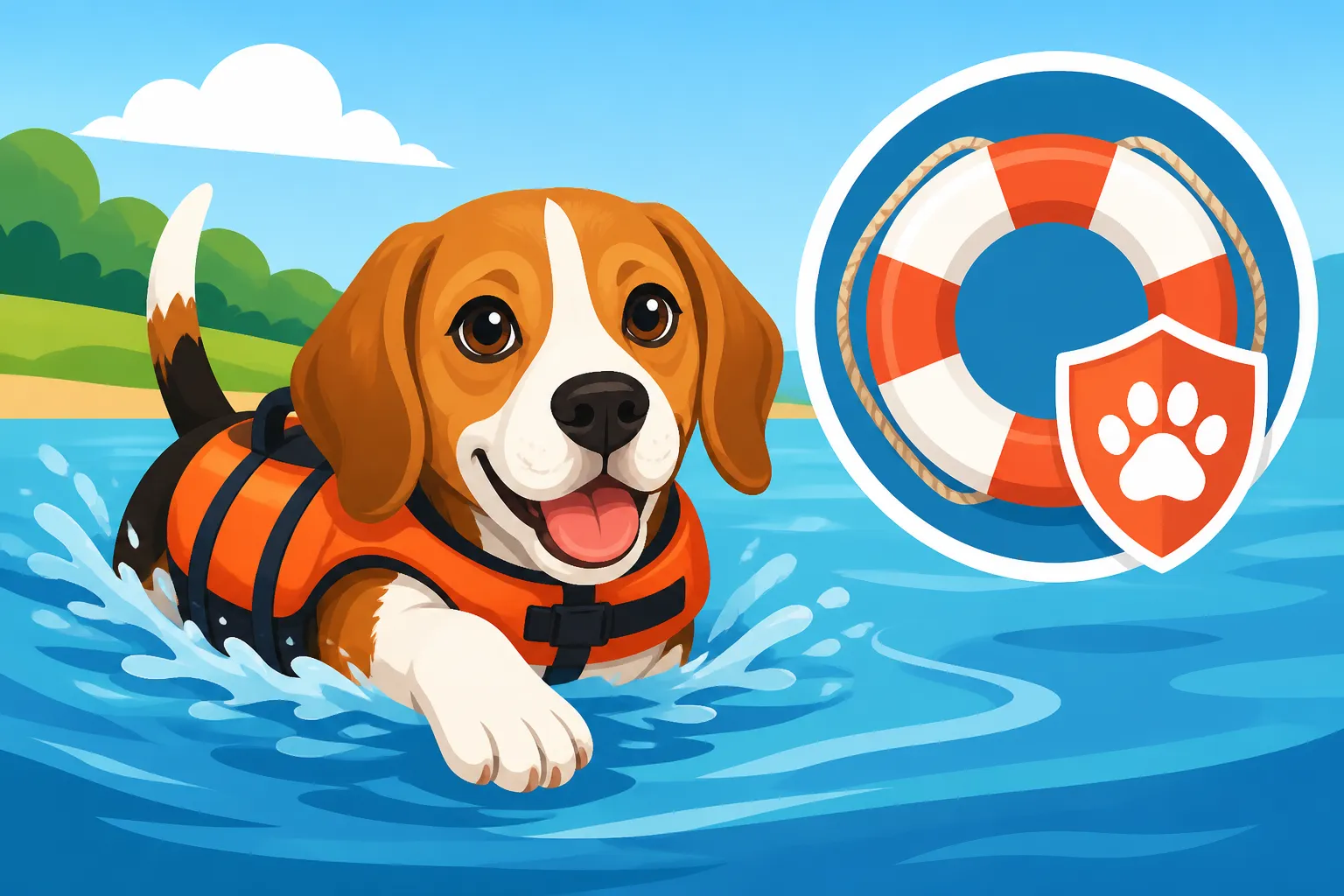
Beagle Swimming and Water Safety
Many Beagle owners find themselves wondering about their hound's relationship with water. While some dogs dive in without a second thought, our scent-driven Beagles often approach bodies of water with a mix of curiosity and caution, leaving us to wonder if they can even swim, let alone stay safe. This guide will help you understand your Beagle's natural aquatic abilities, how to introduce them to water safely, and crucial precautions to ensure their well-being near lakes, pools, and rivers.
Do Beagles Naturally Take to Water?
It's a common misconception that all dogs are natural swimmers. Many breeds, particularly those with a history of working in water, possess innate abilities. However, Beagles, with their unique build and heritage, often fall into a different category. Their relationship with water isn't quite as straightforward as, say, a Labrador Retriever's.
Their Land-Dwelling Heritage
To understand why your Beagle might not be a champion swimmer, it helps to look back at their history. Beagles were meticulously bred over centuries for one primary purpose: scent tracking. They were developed to hunt small game, particularly rabbits and hare, across fields, through brush, and over various types of terrain. This was largely a land-based pursuit. Their short, dense coats, sturdy legs, and incredible noses were all perfected for traversing solid ground, not for navigating open water.
Think about the traditional image of a Beagle pack: noses to the ground, tails wagging like flags, completely absorbed in a scent trail. Their ancestors spent their days meticulously following odors, often in packs, through forests and open countryside. You won't find many historical accounts of Beagles being used as water retrievers or accompanying fishermen into streams. Their instincts are geared towards the chase and the hunt on land, which is a big part of What a Beagle Was Originally Bred to Hunt. This deeply ingrained history means that while a Beagle can learn to swim, it's usually not a skill they are born with or instinctually drawn to in the same way a water dog might be. They lack the natural drive and often the physical comfort that comes with generations of aquatic work.
Physical Traits That Aren't Ideal for Swimming
Beyond their land-based heritage, the Beagle's physical characteristics also play a role in their swimming aptitude. While they are sturdy little dogs, they aren't built for efficient movement in water.
First, consider their dense, short coat. While it offers some protection from the elements on land, it's not particularly water-repellent or buoyant. Unlike breeds with oily, double coats designed for insulation and shedding water, a Beagle's coat can quickly become saturated, weighing them down and making it harder to stay afloat or move gracefully.
Secondly, their body shape, with relatively short legs and a deep chest, can make swimming a bit more challenging. Dogs with longer legs and more streamlined bodies tend to glide through the water more easily. A Beagle's proportions mean they might have to work harder to keep their bodies level and propel themselves forward. They tend to paddle vigorously, often in an upright "dog paddle" style, which can be exhausting over even short distances. Their short muzzle also means their nose is quite close to the water, which can make breathing less comfortable if they're struggling or nervous. These factors combined mean that if your Beagle does enter the water, they might tire more quickly than other breeds, increasing the risk of fatigue and potential danger.
Introducing Your Beagle to Water Safely
Even if your Beagle isn't a natural water enthusiast, a safe introduction can open up new avenues for exercise and fun, especially during warmer months. The key is patience, positive reinforcement, and ensuring their safety at all times.
Starting in Shallow, Calm Water
Never just throw your Beagle into deep water, no matter how tempting it might be to see if they'll "figure it out." This can be a terrifying experience that creates a lifelong aversion to water. Instead, begin in a very shallow, calm body of water where they can easily stand with all four paws on the bottom. A kiddie pool in your backyard, a shallow end of a calm lake, or even a gently sloping beach are ideal starting points. The water should be no deeper than their knees initially.
Encourage them to walk in on their own. You can entice them with their favorite floating toy or a few high-value treats tossed just a foot or two into the water. Walk in with them if you need to, making it a shared, positive experience. Keep your demeanor upbeat and relaxed; your calm energy will reassure them. Let them explore the edge, splash a bit, and get comfortable with the sensation of wet paws. Don't push them past their comfort zone. The goal here is to build positive associations, not to teach them to swim on day one. Repeat these shallow water sessions until they seem confident and happy to wade in.
Positive Reinforcement and Gentle Encouragement
Beagles are incredibly food-motivated, which makes positive reinforcement a powerful tool. Every step your Beagle takes willingly into the water, every splash they make, should be met with enthusiastic praise, a happy voice, and a tasty treat. If they seem hesitant, don't scold or drag them. Instead, take a step back and try again later, or make the entry point even shallower. You want them to associate water with good things.
If they are still reluctant, try playing "follow the leader" with another dog they trust and who loves the water. Sometimes seeing another dog enjoy themselves can be a huge motivator. You can also play simple retrieve games with a floating toy from the edge of the water. The moment they show curiosity, reward it. Remember, this isn't about forcing them to swim; it's about building confidence and making water a neutral, then positive, experience. This process can take time, but a foundation of trust and enjoyment is far more valuable than a rushed, fear-filled dip.
Beagle Life Jackets Around Open Water as a Must-Have
Once your Beagle is comfortable wading and you're ready to introduce them to slightly deeper water, a properly fitted life jacket is non-negotiable. For a Beagle, with their body shape and potential lack of natural buoyancy, a life jacket isn't just a good idea; it's an essential safety device. It provides crucial support, helps them stay afloat with less effort, and gives you a handle to easily guide or lift them if needed. This is so important that we have a whole article dedicated to Beagle Life Jackets Around Open Water.
When choosing a life jacket, look for one that fits snugly but comfortably, allowing a full range of motion. It should have a sturdy handle on the back and bright, visible colors. Brands widely available on platforms like Chewy or Amazon offer many reliable options. Even if your Beagle becomes a confident swimmer, a life jacket should always be worn in open water, strong currents, or on boats. It's an extra layer of protection against fatigue, unexpected currents, or accidental falls. Never assume your Beagle is a strong enough swimmer to forgo this vital piece of equipment, especially when near larger bodies of water.
Essential Gear and Precautions for Water Activities
Being prepared with the right gear and knowledge is paramount when introducing your Beagle to water. It's not just about the swim itself, but also about the before and after care that keeps them healthy and happy.
Choosing the Right Life Vest
As mentioned, a life vest is a critical piece of equipment for any Beagle venturing into water deeper than their knees. But not all life vests are created equal. You need one designed for dogs, with proper flotation distribution. Look for vests that provide buoyancy around the neck and under the belly, helping to keep their head above water and their body in a more natural swimming position. A good vest will have adjustable straps to ensure a snug fit, preventing it from slipping or chafing. The handle on the back is crucial for easy lifting and guiding, especially if they get tired or need assistance getting back into a boat or onto shore.
When you first get the vest, let your Beagle wear it around the house for short periods to get accustomed to it. Praise and treat them while they wear it, so they associate it with positive experiences. When shopping, check reviews for durability and how well it holds up to regular use. Popular online retailers like Chewy and Amazon offer a wide range of styles and sizes, often with detailed sizing guides based on weight and girth, making it easier to find the perfect fit for your specific Beagle. Remember, a life vest isn't a substitute for supervision; it's an added layer of safety.
Long Lines and Controlled Environments
Even with a life vest, a Beagle's powerful nose can lead them astray, especially near water. Their instinct to follow a scent trail is incredibly strong, and a captivating smell on the bank or across a shallow stream could override any training. This is where a long line comes in handy, especially if you're exploring new areas or bodies of water with varied terrain. A long line, typically 15 to 30 feet in length, allows your Beagle to explore safely while remaining tethered to you. You can find robust, waterproof long lines on sites like Amazon, often made from Biothane or similar materials that are easy to clean and don't absorb water.
Using a long line attached to a well-fitting harness (never a collar, as it can strain their neck if they pull suddenly or you need to grab them) ensures that if they suddenly catch a scent and bolt towards a dangerous area, you have control. Always be vigilant about where your Beagle is going, even on a long line. Understand the environment: are there strong currents, sharp rocks, steep drop-offs, or wildlife that could attract their attention? Keeping them in a controlled environment, such as a fully fenced area with water access or a designated dog beach, is always the safest bet. Remember, even the most well-behaved Beagle can become single-minded when a scent takes over, and that's why Beagle Microchips and Getting a Lost Dog Back are such important safety measures for any outdoor adventure.
Post-Swim Ear and Paw Care
After any water activity, thorough post-swim care is essential, especially for Beagles. Their long, floppy ears are beautiful, but they are also a perfect breeding ground for moisture-loving bacteria and yeast. This makes Beagles particularly prone to ear infections. After every swim, gently clean and dry your Beagle's ears. You can use a veterinarian-approved ear cleaning solution to flush out any water, debris, or bacteria, and then follow up with cotton balls to absorb excess moisture. Never use cotton swabs deep inside the ear canal. We have a detailed guide on Beagle Ear Infections Under Those Long Ears and Cleaning a Beagle Ear Before Infection Starts that can provide more in-depth advice on prevention and care. Regularly checking their ears for redness, odor, or discharge is crucial.
Don't forget their paws either! The pads of their feet can become soft and susceptible to injury from rough surfaces after prolonged water exposure. Check for any cuts, abrasions, or irritation. Rinse their paws thoroughly to remove any sand, salt, or chemicals, and dry them well, paying special attention between the toes. If you've been in a particularly wild area, it's also a good time to do a quick tick check, especially if you are familiar with Beagle Paw Care After a Field Walk. These simple steps can prevent uncomfortable and potentially costly health issues down the line, ensuring that their water adventures remain truly fun.
Understanding Water Hazards and Risks
While water can be a source of great fun and exercise for your Beagle, it also comes with inherent risks. Being aware of these dangers and knowing how to mitigate them is crucial for responsible pet ownership.
Strong Currents and Submerged Obstacles
Rivers, even seemingly calm ones, can have unpredictable currents that can quickly pull a small dog like a Beagle downstream. Lakes and coastal areas can also experience strong undertows or rip currents, especially near inlets or after heavy rainfall. A Beagle, even one wearing a life vest, may struggle to swim against such forces, leading to exhaustion and panic. Always assess the water conditions before allowing your Beagle anywhere near moving water. Look for calm, still areas, and if in doubt, keep them on a long line well away from the edge or opt for a safer alternative like a kiddie pool.
Beyond currents, hidden dangers lurk beneath the surface. Submerged logs, rocks, fishing lines, and discarded trash can cause serious injuries. Shallow areas might seem safe but can hide sharp debris. In murky water, these hazards are invisible. Teach your Beagle a strong "leave it" cue for anything they might try to investigate in the water. Avoid areas with heavy boat traffic, as propellers pose a significant threat. If you choose to go boating, ensure your Beagle has a properly fitted life vest and is secured on board, especially if the water is choppy or there's a risk of them falling overboard.
Cold Water Shock and Hypothermia
Just like humans, dogs can suffer from cold water shock and hypothermia. Even on a warm day, water in lakes, rivers, or oceans can be surprisingly cold, especially in spring or autumn, or at deeper levels. Cold water shock can cause a sudden gasp, hyperventilation, and disorientation, increasing the risk of drowning. Prolonged exposure to cold water, even if they're actively swimming, can lead to hypothermia, where their body temperature drops to dangerous levels.
Signs of hypothermia include shivering, lethargy, stiff muscles, pale gums, and cold skin. If you notice any of these symptoms, get your Beagle out of the water immediately, dry them thoroughly with towels, and wrap them in warm blankets. Get them to a vet right away. To prevent this, always monitor the water temperature. If it feels too cold for you, it's too cold for your Beagle. Keep swimming sessions short, especially in cooler water, and make sure they have a warm towel and a place to warm up afterward. Pay extra attention to these risks when considering Senior Beagle Care After the Age of Ten, as older Beagles may be more susceptible to the cold.
Ingesting Contaminated Water
One of the most insidious dangers in natural bodies of water is contamination. Beagles, with their drive to sniff and taste everything, are unfortunately prone to ingesting water while swimming or playing. This can expose them to a host of harmful substances and microorganisms.
Blue-Green Algae (Cyanobacteria): This is a serious concern, especially in warm, stagnant freshwater. It can produce toxins that are extremely dangerous, even lethal, to dogs. Look for blooms that appear like pea soup, spilled paint, or scum on the surface. If you suspect blue-green algae, keep your Beagle far away from the water.
Parasites: Giardia and Leptospira are common in contaminated freshwater. Ingesting water containing these can lead to severe gastrointestinal upset, kidney and liver damage, or other serious illnesses.
Chemical Runoff: Lakes and rivers near agricultural areas or urban development can contain pesticides, herbicides, and other chemicals that are toxic if ingested. Even swimming pools, if not properly maintained, can have chemical imbalances (too much or too little chlorine) that irritate skin, eyes, and can be harmful if swallowed.
Always provide fresh, clean drinking water for your Beagle to discourage them from drinking from the lake or river. If you notice them drinking questionable water, try to redirect them with a fresh water bottle or a portable bowl. If your Beagle has been in contact with any potentially contaminated water and shows symptoms like vomiting, diarrhea, lethargy, or weakness, seek veterinary attention immediately. Beagle Emergency Signs That Cannot Wait Until Morning covers situations that require immediate vet care.
Recognizing and Responding to Water Distress
Even with the best precautions, accidents can happen. Knowing how to recognize the signs of water distress in your Beagle and how to respond calmly and effectively can make all the difference.
Signs Your Beagle Is Struggling
It's easy to mistake a dog's excited splashing for strong swimming, but there are clear indicators that your Beagle is in trouble. If your Beagle is struggling, they might:
- Paddle frantically and inefficiently: Their head might be held high, but their hindquarters could be sinking, making their swimming efforts less effective. They'll be using a lot of energy just to stay upright.
- Gasp or cough for air: This is a clear sign that water is entering their airways, making it hard to breathe.
- Eyes wide with panic: Their body language will shift from playful to fearful, with tense muscles and a worried expression.
- Attempt to climb on you or other dogs: If they're panicking, they might try to scramble onto anything nearby for support, which can inadvertently push a human or another dog underwater.
- Show signs of exhaustion: Their paddling might become weaker, they may slow down, or simply appear too tired to continue. This is especially dangerous as Beagles can tire quickly in water.
- Whine or make distressed noises: While Beagles are known for their vocalizations, a high-pitched whine or yelp specifically related to their time in the water is a red flag.
Pay close attention to these cues. Early intervention is key to preventing a serious incident. Never ignore what seems like minor discomfort in the water.
Emergency Procedures and First Aid
If you see your Beagle struggling in the water, stay calm. Panicking will only escalate the situation.
- Maintain Your Own Safety: Never put yourself in danger to rescue your dog. If the water is too deep, the current too strong, or the situation too risky for you, call for professional help.
- Reach, Throw, Row, Go (Last Resort):
- Reach: If your Beagle is close enough, extend a hand, a stick, or a long-handled object for them to grab onto.
- Throw: Toss a floating device (like a life buoy or a rope with a float) within their reach.
- Row: If you have access to a boat, use it to get to them.
- Go: Only enter the water as an absolute last resort if it's safe for you to do so, and you are a strong swimmer.
- Use the Life Vest Handle: If your Beagle is wearing a life vest, use the handle on the back to lift or guide them safely back to shore. This is one of the most important features of a good dog life vest.
- Administer First Aid: Once on solid ground, check their breathing and pulse. If they are not breathing, be prepared to administer canine CPR if you are trained. Even if they appear to recover quickly, monitor them closely for signs of secondary drowning (which can occur hours later due to water in the lungs) or hypothermia. Keep them warm and dry.
When to Call the Vet
It’s always better to be safe than sorry when it comes to water incidents. Even if your Beagle seems fine after a scare, a vet visit might be necessary. You should call your vet immediately if your Beagle:
- Has prolonged coughing or difficulty breathing: This could indicate water in the lungs, leading to pneumonia or secondary drowning.
- Is lethargic or weak after being in the water: This could be a sign of exhaustion, hypothermia, or even a reaction to ingesting contaminated water.
- Vomits or has diarrhea: Especially if you suspect they ingested contaminated water, this could signal a parasitic or bacterial infection.
- Shows unusual behavior: Disorientation, stumbling, or changes in consciousness are serious and require immediate attention.
- Has sustained any physical injuries: Cuts, scrapes, or lameness from hitting submerged objects need evaluation.
Describe the incident in detail to your vet, including how long your Beagle was in the water, what kind of water it was, and any symptoms you’ve observed. Your vet can advise you on whether an immediate visit is needed or what to look out for. This is certainly a situation where you should familiarize yourself with Beagle Emergency Signs That Cannot Wait Until Morning.
Making Water Fun and Beneficial
Once your Beagle is comfortable and safe around water, it can become a fantastic source of physical exercise and mental enrichment. For a breed known for its energy and intelligence, incorporating water activities can be a game-changer.
Supervised Play and Training
For Beagles that enjoy the water, supervised play can be incredibly rewarding. Fetch games with floating toys are a great way to encourage swimming and build confidence. You can toss a durable, brightly colored floating toy just a short distance, encouraging them to retrieve it. Always keep sessions short and positive, ending before they get tired.
Water-based training can also be fun. Teaching them to "come" or "stay" even in shallow water can reinforce their obedience skills in a new, stimulating environment. This mental engagement, combined with physical activity, is excellent for a Beagle. Just remember to use their favorite, high-value waterproof treats for rewards. Beagles respond incredibly well to positive reinforcement, and making water games fun will strengthen your bond and make them look forward to their next dip.
Swimming for Exercise and Rehabilitation
Swimming offers a unique form of low-impact exercise that is incredibly beneficial for dogs, especially Beagles. While Beagle Exercise Needs at Every Age are high, traditional impact activities like running can sometimes be hard on joints. Swimming provides a full-body workout without the strain on their joints, making it an excellent option for:
- Weight Management: Swimming burns calories efficiently and can be a great way to help an overweight Beagle get back in shape without putting stress on their existing joint issues.
- Senior Dogs: For older Beagles who may have arthritis or other mobility challenges, swimming can provide gentle exercise that keeps their muscles strong and joints flexible. This is particularly relevant for Senior Beagle Care After the Age of Ten.
- Rehabilitation: After injuries or surgery, under veterinary guidance, hydrotherapy (therapeutic swimming) can be an effective way to rebuild strength and muscle mass. Swimming can be a wonderful, low-impact option to protect joints, especially when considering The Activities That Twist a Beagle Spine in daily life.
Always ensure swimming for exercise is supervised and in a safe, controlled environment. If you're considering swimming for rehabilitation, consult with your vet or a certified canine rehabilitation therapist to ensure it's appropriate for your Beagle's specific needs.
Creating Positive Water Associations
The key to a Beagle that enjoys water is consistent, positive association. This means making every experience around water enjoyable and stress-free.
- Bring Favorite Toys and Treats: Always have high-value rewards and fun, floating toys ready to make water time exciting.
- No Pressure: Never force your Beagle into the water. Let them explore at their own pace. A slow, gentle approach builds confidence.
- Short, Frequent Sessions: It's better to have several short, positive interactions with water than one long, exhausting, or scary one.
- Make it a Family Affair: If you and other family members get in the water and have fun, your Beagle is more likely to want to join in. Your enthusiasm is contagious.
- Celebrate Successes: Every time your Beagle shows curiosity or bravery around water, no matter how small, praise them lavishly.
By focusing on safety, positive reinforcement, and understanding your Beagle's unique needs, you can transform water from a potential hazard into a source of fun, health, and enrichment for your beloved hound.
Disclaimer
This article is for general informational purposes only and does not constitute professional advice. Laws, prices and regulations vary by location and change over time. Consult a qualified professional for guidance on your specific situation.