Slow Feeders for a Beagle That Inhales Food
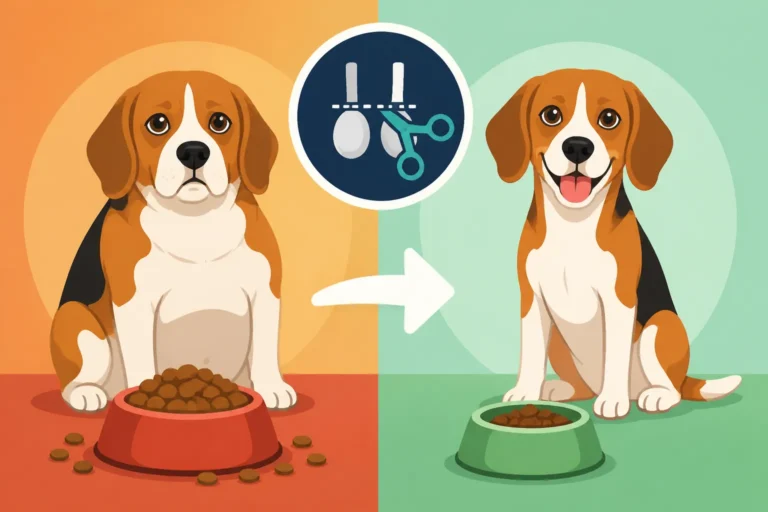
It's a common sight for Beagle owners: you put down a bowl of kibble, blink, and suddenly the bowl is sparkling clean, as if your beloved hound simply inhaled its entire meal. This isn't just a quirky habit; for Beagles, who are famously food-motivated and often eat with an alarming speed, this gulping behavior can actually lead to serious health issues and digestive upset. This guide will walk you through why your Beagle eats like there's no tomorrow and, more importantly, how slow feeders can be a game-changer for their health and mealtime enjoyment.
Why Beagles Eat So Fast It's Not Just Greed
Anyone who lives with a Beagle knows they have an unparalleled enthusiasm for food. It's not uncommon to hear a chuckle, or perhaps a sigh of exasperation, as an owner describes their Beagle emptying a bowl in mere seconds. While it might seem like pure greed, there's a deep-rooted history and biological wiring behind this rapid eating behavior that goes far beyond a simple lack of manners. Understanding this can help us be more empathetic and effective in managing their mealtimes.
The Ancestral Drive: Pack Dynamics and Scarcity Mindset
Think back to the Beagle's origins as a pack hound, bred for hunting in groups. In a pack environment, especially one where resources like food might be limited or unevenly distributed, eating quickly becomes a survival instinct. The dogs who ate fastest got the most, ensuring their sustenance and strength for the hunt. This instinct is still very much alive in our modern Beagles, even if they're the only dog in the house or have an abundance of food. When that bowl hits the floor, their primal brain might still be telling them, "Eat it before someone else does!" This scarcity mindset is powerful and can override any polite table manners we might try to instill. It's not about being naughty; it's about deeply ingrained behavior that has served their ancestors well for centuries.
When a Beagle is faced with a full bowl, especially after a period of hunger from their perspective, that ancestral drive kicks in hard. They aren't savoring the meal; they're securing it. This intense drive is something many owners grapple with, often feeling like their Beagle is never truly satisfied. It can be frustrating to prepare a carefully balanced meal only for it to vanish so quickly, leading to the dog looking up at you with those big, pleading eyes, as if they haven't eaten in days.
Nose to the Ground: Scent and Food Association
Beagles are scent hounds, through and through. They possess an incredible sense of smell, with around 220 million scent receptors, compared to our mere 5 million. This powerful nose isn't just for tracking rabbits; it's also highly attuned to food. When a Beagle smells food, their entire world narrows to that scent. It's an intoxicating, all-consuming experience. This intense focus on scent means that once they've located their meal, the drive to consume it is incredibly strong. They don't just see the food; they experience it through their nose in a way we can barely comprehend.
This heightened sensory experience, combined with their pack mentality, creates a perfect storm for fast eating. Imagine smelling something absolutely delicious and knowing it's right in front of you – wouldn't you want to get to it as quickly as possible? For a Beagle, this is amplified a thousandfold. Their nose doesn't just guide them to the bowl; it fuels their urgency to devour what's in it. This makes it particularly challenging to slow them down with just verbal cues or presence; their instincts are much stronger. If you've ever wondered Why a Beagle Walks With Its Nose to the Ground, you'll understand how powerful this drive is, even when it comes to their dinner.
Flat-Out Hunger: Calorie Needs vs. Perception
Beagles are active dogs, especially when they're young, and they burn a fair amount of energy. However, their perceived hunger often seems to outstrip their actual caloric needs. They often act as if they are perpetually starving, begging for scraps, counter-surfing, and generally campaigning for more food all day long. This isn't always because they are genuinely underfed; it's often a combination of their strong food drive and a lack of satiation from eating too quickly. When food is gulped down, the stomach doesn't get the proper signals to feel full as quickly as it would with slower, more deliberate eating.
Many owners struggle with managing a Beagle's weight because the dog always seems hungry. You might be feeding the recommended amount for The Daily Calorie Target for a Twenty Pound Beagle, but your Beagle might still stare at you like you're withholding essential nutrients. This constant seeming hunger can make it incredibly difficult to stick to a feeding plan, especially if family members are prone to slipping extra treats. This perpetual "hunger" can lead to significant issues like Beagle Obesity and the Diseases It Brings On, making slow feeding an important part of a holistic weight management strategy.
The Real Dangers of Rapid Eating for Beagles
While a Beagle's lightning-fast meal consumption might be amusing or frustrating, it's far from harmless. This behavior carries genuine health risks that every Beagle owner should be aware of. Understanding these dangers can provide the necessary motivation to implement changes and protect your furry friend. It's not just about neatness or manners; it's about their well-being.
Choking and Gagging Risks
When a Beagle inhales its food, it often means they're swallowing large chunks of kibble without proper chewing. This dramatically increases the risk of choking. Imagine a small piece of kibble getting lodged in their throat, causing them to gag violently or, even worse, obstructing their airway. It's a terrifying scenario no pet owner wants to face. This isn't just about whole pieces of food; sometimes, even if they chew a little, the sheer volume they try to swallow at once can be problematic.
Beyond outright choking, rapid eating can also lead to excessive gagging and coughing. This can be startling to witness, and while often a dog manages to clear their throat, it puts unnecessary strain on their respiratory system and can be quite uncomfortable. Over time, frequent gagging could also irritate the esophagus. Learning What a Beagle Gulping Food and the Choking Risk entails can truly highlight the importance of intervening with their eating habits. Having an emergency plan for what to do if your Beagle chokes is essential, but preventing the situation in the first place is always the best approach.
Bloat: A Silent Killer for Deep-Chested Breeds
Gastric Dilatation-Volvulus, commonly known as bloat, is a life-threatening condition where the stomach fills with gas and can twist, cutting off blood supply. While Beagles are not typically considered a deep-chested breed like Great Danes or German Shepherds, fast eating is still a significant risk factor for any dog. When a dog eats too quickly, they tend to swallow a lot of air along with their food. This excess air can contribute to the initial dilatation of the stomach, setting the stage for a potential twist.
Bloat is an emergency that requires immediate veterinary attention, often surgery. Symptoms can include a distended abdomen, retching without vomiting, restlessness, pain, and weakness. It progresses rapidly and can be fatal if not treated in time. Even if your Beagle isn't a poster child for bloat, why take the risk when a simple change in feeding habits can mitigate it? This is one of those silent dangers that lurks, and proactive measures are always better than reactive ones when it comes to your dog's health.
Indigestion, Vomiting, and Nutrient Malabsorption
Eating too fast prevents proper digestion from the very beginning. The enzymes in saliva don't get sufficient time to start breaking down the food, and the stomach is suddenly overwhelmed with a large, unchewed mass. This can lead to indigestion, characterized by discomfort, gas, and burping. Many Beagles who eat too fast will vomit shortly after their meal, not necessarily because the food is bad, but because their stomach simply can't handle the rapid intake. This is often followed by them re-eating the vomited food, which, while gross, further indicates their intense food drive.
Moreover, if food isn't properly chewed and digested, the body can't efficiently absorb all the vital nutrients from it. This means your Beagle might be eating a high-quality diet, but not getting the full benefit because the food is passing through their system too quickly or causing digestive upset. Over time, this could potentially lead to nutritional deficiencies, even if the food quantity seems adequate. Beagle Gulping Food and the Choking Risk also touches on these broader digestive problems, emphasizing that a happy tummy starts with a slower meal.
Introducing Slow Feeders: What They Are and How They Work
Given the inherent risks of rapid eating, slow feeders have emerged as an invaluable tool for Beagle owners. These aren't just fancy bowls; they are specially designed mealtime solutions that leverage obstacles and challenges to effectively slow down a dog's eating pace. For a food-driven breed like the Beagle, they turn a hurried gulp-fest into a more deliberate, and often more enjoyable, activity.
The Maze and Obstacle Design
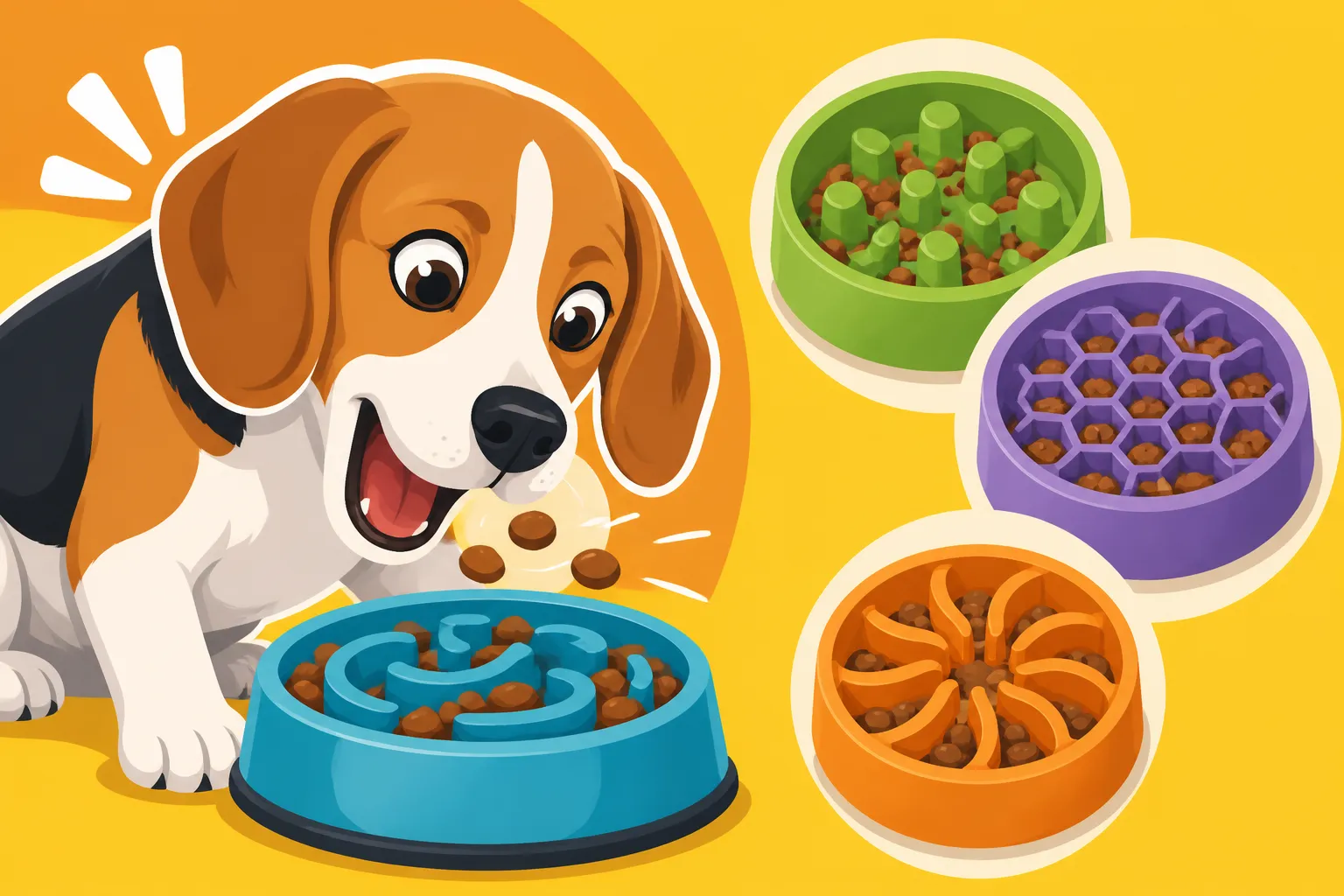
The most common type of slow feeder bowl features internal ridges, mazes, or raised sections that physically break up the eating surface. Instead of a wide-open bowl where a Beagle can shovel food in by the mouthful, these designs force them to navigate around the obstacles, picking up smaller portions of kibble at a time. Imagine trying to eat your dinner from a plate with several small walls in the middle – you'd naturally have to slow down and work around them. That's exactly how these bowls work for your Beagle.
These designs come in various patterns, from simple concentric circles to more intricate wavy lines and deep pockets. The principle is the same: reduce the direct access to large amounts of food. By doing so, they encourage more chewing and significantly extend mealtime, often turning a 30-second devour session into a 5-10 minute scavenger hunt. Many pet supply retailers, including Chewy and Amazon, offer a vast array of these bowls in different materials and designs to suit various dog sizes and eating speeds.
Puzzle Feeders for Mental Engagement
Taking the concept of slow feeding a step further, puzzle feeders introduce an element of mental stimulation alongside slowing down mealtime. These aren't just bowls with ridges; they are interactive devices that require your Beagle to solve a mini-puzzle to access their food. This might involve sliding compartments, lifting flaps, rotating sections, or even manipulating levers. The food isn't simply sitting there; it needs to be earned.
For an intelligent and energetic breed like the Beagle, puzzle feeders provide a "job" during mealtime, which can be incredibly enriching. It taps into their natural problem-solving abilities and scent-detection skills. Not only does it slow down their eating, but it also provides valuable mental exercise, which can help tire out an active Beagle. There are numerous puzzle feeders available, ranging from beginner levels with simple slides to advanced contraptions that can challenge even the cleverest of hounds. Look for options on platforms like Chewy or your favorite local pet store. For some great ideas, check out Puzzle Feeders That Genuinely Slow a Beagle.
DIY Solutions and Everyday Alternatives
You don't always need to buy a specialized slow feeder to achieve the desired effect. There are several creative and safe DIY methods you can try at home to slow down your Beagle's eating. One of the simplest involves placing a large, clean, non-toxic object in your Beagle's regular food bowl. A sturdy, clean tennis ball or a heavy, dishwasher-safe rock (too big to swallow, of course!) can serve as an obstacle that forces them to eat around it. Just ensure whatever you use is safe, won't splinter, and can't be swallowed or chewed into pieces.
Another excellent DIY approach is scatter feeding. Instead of putting all the food in a bowl, you can scatter your Beagle's kibble across a clean floor, a designated mat, or even outside in the grass (if safe and supervised). This makes them use their incredible nose to sniff out each piece, turning mealtime into a foraging game. This method offers both physical and mental stimulation and is highly effective at slowing down consumption. For more on this, consider Snuffle Mats and Scatter Feeding for a Beagle. You can also use a muffin tin, putting a small amount of food in each cup, forcing them to move from one section to another. The key is to make food acquisition more challenging and less direct.
Choosing the Right Slow Feeder for Your Beagle
Selecting the perfect slow feeder isn't a one-size-fits-all situation. What works wonders for one Beagle might be easily defeated by another. When shopping for a slow feeder, it’s important to consider various factors, from the material it’s made of to your Beagle's individual personality and eating habits. Making the right choice can ensure long-term success in managing their meal speed.
Material and Durability: Plastic, Ceramic, or Stainless Steel?
Slow feeders come in a variety of materials, each with its own set of advantages and disadvantages.
- Plastic: Often the most affordable and available in a vast array of designs and colors. However, plastic can scratch easily, creating microscopic grooves where bacteria can harbor, potentially leading to hygiene issues if not cleaned meticulously. Some Beagles are also strong chewers and might damage softer plastics. If you choose plastic, look for BPA-free, food-grade options.
- Ceramic: These feeders are heavier and more stable, making them harder for an enthusiastic Beagle to tip over. They are also non-porous and easier to keep clean, and they look quite nice in a kitchen. The main drawback is their fragility; a dropped ceramic bowl can chip or break, posing a hazard. They can also be a bit more expensive.
- Stainless Steel: Widely considered the most durable and hygienic option. Stainless steel is non-porous, rust-resistant, and very easy to clean. It's virtually indestructible, making it ideal for powerful chewers. Some stainless steel slow feeders might be a bit pricier and have fewer intricate maze designs compared to plastic, but their longevity and safety often outweigh the cost. You can often find a good selection across materials on Chewy or Amazon.
Consider your Beagle's chewing habits. If they tend to gnaw on their bowls, stainless steel is likely your best bet. If they're gentle eaters, ceramic or high-quality plastic might be suitable.
Difficulty Level and Your Beagle's Temperament
Slow feeders are not all created equal in terms of challenge. Some bowls have very shallow, wide ridges, offering a moderate slow-down. Others feature deep, intricate mazes that require more effort. Puzzle feeders, as discussed, range from simple slide-and-seek designs to complex multi-step problems.
It’s generally a good idea to start with an easier slow feeder and observe your Beagle’s reaction. If they master it too quickly, or if they get frustrated and give up, you'll know to adjust. A Beagle with a high food drive might initially become frustrated with an overly difficult puzzle, potentially trying to chew it or flip it rather than solve it. You want the feeder to be challenging enough to slow them down, but not so frustrating that it causes anxiety or disinterest in mealtime. Brands like Outward Hound (available through retailers like Chewy and Amazon) often categorize their feeders by difficulty, which can be a helpful guide. Remember, the goal is to make mealtime a positive, engaging experience, not a stressful one.
Size and Stability: Preventing Flipping and Spills
An excited Beagle attacking a bowl can easily push it around the floor, leading to spills and mess. Therefore, the size and stability of the slow feeder are crucial considerations. Choose a bowl that is appropriately sized for your Beagle's meal portion – you don't want food overflowing or being too tightly packed. If you typically feed Splitting a Beagle's Day Into Two Measured Meals, ensure the bowl can comfortably hold one of those portions.
Look for feeders with a wide base, non-slip rubber feet, or a heavy design (like ceramic or a weighted plastic). A feeder that constantly slides around will only frustrate your Beagle and make more work for you to clean up. Some designs are even specifically created to be anti-slip or have a suction base. The goal is for the feeder to stay put, allowing your Beagle to focus on extracting their food rather than chasing the bowl across the kitchen floor. If you're a multi-dog household, ensure each Beagle has its own appropriately sized and stable slow feeder to prevent further competition.
Maximizing the Benefits of Slow Feeding
Implementing a slow feeder is a fantastic first step, but to truly reap its rewards and ensure long-term success, it’s important to integrate it thoughtfully into your Beagle's routine. It's not just about the bowl; it's about the entire approach to mealtime. Consistency, combined with other smart feeding strategies, will help your Beagle adjust and thrive.
Consistency and Routine
Just like any training or behavioral change, consistency is paramount when using a slow feeder. If you only use it sporadically, your Beagle won't fully adapt to the new eating pace, and the fast-eating habit will persist whenever the regular bowl appears. Make the slow feeder your Beagle's primary (or only) eating vessel for all meals.
Establish a clear mealtime routine. Feed your Beagle at the same times each day, in the same location. This predictability can help reduce anxiety around food, which sometimes contributes to frantic eating. By consistently presenting them with the slow feeder, your Beagle will learn that this is the new normal, and that tasty food will always be available, just a little more challenging to access. This can help them settle into a calmer mealtime rhythm, understanding that there's no need to rush because the food isn't going anywhere.
Combining with Other Feeding Strategies
Slow feeders work best when they're part of a broader strategy to manage your Beagle's food drive. Consider splitting their daily food allowance into smaller, more frequent meals. For example, instead of two large meals, you might offer three smaller ones. This can help prevent them from becoming excessively hungry between meals, which often exacerbates rapid eating.
You can also incorporate a portion of your Beagle's daily kibble into training sessions, especially for teaching cues like "leave it" or "drop it," which are crucial given their scavenging tendencies. The Treats a Beagle Will Work Hardest For also speaks to using their regular kibble as a training reward. For the rest of the meal, you could combine the slow feeder with scatter feeding, as mentioned earlier. By using a slow feeder for part of their meal and scattering the rest on a mat or across the yard, you're providing variety and maximizing both the physical and mental effort involved in eating. Some fresh food brands, like Ollie, deliver portioned meals which can also be spread out, making the Beagle work a little longer, though they don't replace the need for an actual slow feeder device if gulping is the primary issue.
Monitoring and Adjusting
Every Beagle is an individual, and what works for one might not be ideal for another. It's important to monitor your Beagle's response to the slow feeder. How long does it take them to eat their meal? Do they seem frustrated or more relaxed? Are there still signs of indigestion or gulping?
If your Beagle is still finishing their meal too quickly, you might need a feeder with a higher difficulty level or more intricate design. If they seem overly frustrated, perhaps a simpler design is needed. Observe their body language – are they relaxed and engaged, or anxious and aggressive with the bowl? Over time, you may even notice a reduction in begging behaviors or counter-surfing, simply because they feel more satisfied and less frantic about food acquisition. Be prepared to upgrade or downgrade the feeder as needed, or to rotate between different types to keep them engaged. Regular observation allows you to fine-tune your approach and ensure the slow feeder is genuinely benefiting your Beagle.
Here's a quick comparison of common slow feeding options:
| Slow Feeder Type | Description | Pros | Cons | Best For |
|---|---|---|---|---|
| Traditional Slow Bowl | Features internal ridges, mazes, or raised obstacles. | Simple to use, wide variety of designs, easy to clean. | May not challenge highly motivated Beagles enough; some plastic options scratch. | Beginners, Beagles needing moderate slowdown. |
| Interactive Puzzle Toy | Requires dog to manipulate parts (slides, levers) to get food. | High mental stimulation, very effective at slowing down. | Can be frustrating for some dogs initially, harder to clean intricate parts, often more expensive. | Beagles needing mental challenge, high food drive, adaptable learners. |
| Snuffle Mat | Fabric mat with fringes or pockets where kibble is hidden. | Mimics natural foraging, good mental stimulation, machine washable. | Not ideal for wet food, can be chewed or destroyed by persistent diggers. | All Beagles, especially those who enjoy sniffing, adds enrichment. |
| Kibble Dispenser Ball | Ball with a hole that releases kibble as dog rolls it. | Combines exercise with feeding, engaging, good for small portions. | Can be loud on hard floors, some dogs get frustrated or ignore it, not for full meals. | Supplementing meals, mental breaks, Beagles who enjoy pushing objects. |
| Muffin Tin / Ice Tray | Food placed in individual cups. | Cheap, readily available, easy to clean, simple concept. | Very low difficulty, still allows some gulping if not enough cups are used. | Quick DIY solution, very mild slowdown needed. |
| Scattered Food | Kibble spread across a clean floor or yard. | Ultimate foraging experience, highly engaging, no equipment needed. | Requires clean space, not for wet food, potential for missed pieces or outdoor dangers. | Adding enrichment, Beagles with strong scent drive, supervised outdoor play. |
Disclaimer
This article is for general informational purposes only and does not constitute professional advice. Laws, prices and regulations vary by location and change over time. Consult a qualified professional for guidance on your specific situation.