Senior Beagle Care Once the Nose Slows Down
Watching our beloved Beagles enter their senior years can be a bittersweet journey. The boundless energy and indefatigable nose that once defined them might slowly, subtly, begin to change, leaving many owners wondering how best to support their aging companions. This guide aims to walk you through the compassionate and practical aspects of caring for a senior Beagle, focusing on how to maintain their comfort, health, and happiness as they gracefully age, even as that incredible nose might not be quite as quick on the uptake.
Understanding the Senior Beagle's Changing Needs
It’s a natural part of life, but it can still sneak up on you: one day your Beagle is a blur of energy, and the next, you notice they’re just a little slower to rise, a little less eager for that extra lap around the yard. Recognizing these shifts early on is key to providing the best possible senior care, allowing you to adapt before problems become ingrained.
When Does a Beagle Become a Senior?
For Beagles, the transition into their golden years typically starts around 7 to 8 years old. Now, this isn't a hard and fast rule, as some Beagles might still act like puppies well into their double digits, and others might show signs of aging a bit earlier. Factors like genetics, diet, exercise history, and overall health play a huge role. Generally, a 13-inch Beagle might show signs a little later than a larger 15-inch Beagle, simply due to the slightly different strains on their bodies, but it’s a rough guideline. Think of it less as a sudden switch and more as a gradual slide into a new phase of life, much like us humans approaching our own senior years.
It’s important not to rush to label them "old" just because they hit a certain age. Instead, observe their individual behaviors and physical condition. A fit and healthy eight-year-old Beagle might still be running and baying with the best of them, while another might already be dealing with Beagle Arthritis Arriving in Middle Age. The definition of "senior" is truly unique to each dog, reflecting their individual journey and health status, and it’s up to us as their caregivers to really tune into what they're telling us with their actions.
Subtle Behavioral Shifts to Watch For
As your Beagle matures, you'll start to notice subtle behavioral changes that might not immediately scream "old dog," but are indeed early indicators. Perhaps they’re less tolerant of boisterous puppy play at the dog park, preferring a quiet sniff around the perimeter. Maybe they sleep deeper and longer, sometimes even seeming a bit disoriented when they first wake up. You might notice they hesitate before jumping onto the couch, or seem a bit more particular about where they choose to lie down – always seeking out softer, warmer spots.
Another common shift is a change in their famous Beagle enthusiasm for food. While a young Beagle might inhale their dinner in seconds, a senior might approach their bowl with a touch more deliberation, or even leave a few kibbles behind. They might also become more vocal, or, conversely, less inclined to interact, seeking out solitude more often. These aren't necessarily signs of distress right away, but rather cues that their world, and their body, is changing, and they need a bit more understanding and patience from you.
The Gradual Slowing Down of a Once-Energetic Hound
One of the most noticeable changes for any Beagle owner is the gradual reduction in their dog's energy levels. The Beagle known for endless scent trails and zooming laps around the yard will eventually find more joy in a leisurely stroll, stopping to savor every interesting smell. Those bursts of frantic energy, often seen in younger Beagles when a squirrel dashes by, might become less frequent, or shorter-lived. This slowing down is a natural physiological process. Their joints might not be as flexible, their muscles might not have the same explosive power, and their cardiovascular system might not recover as quickly after exertion.
It’s not just physical, either; their mental processing might slow slightly. They might take a moment longer to respond to a command, or to navigate a familiar obstacle. This doesn't mean they're becoming "dumb" or difficult; it just means their internal clock is running at a different pace. Respecting this new rhythm is crucial. Pushing an older Beagle beyond their comfort level can lead to pain, anxiety, and even injury. Instead, embrace the slower pace, finding new ways to enjoy time together that align with their reduced capacity, perhaps exploring new, less strenuous walking routes where they can still indulge their powerful nose without overexertion.
Nutritional Adjustments for an Aging Beagle
Just like us, a Beagle's dietary needs change significantly as they age. What fueled their youthful exuberance might now contribute to weight gain or strain their internal organs. Adapting their diet is one of the most impactful ways to support their health and longevity.
Tailoring Diet for Reduced Activity and Metabolism
As your Beagle slows down, so does their metabolism. This means they require fewer calories to maintain a healthy weight. Continuing to feed them the same amount of food they ate as a young adult can quickly lead to Beagle Obesity Treated as a Health Problem, which in turn exacerbates joint pain, increases the risk of diabetes, and puts a strain on their heart. Look for senior-specific dog foods that are typically lower in calories and fat, but still rich in protein to help maintain muscle mass.
It's not just about less food, but the right kind of food. Portion control becomes even more critical. Instead of free-feeding, which is rarely a good idea for any Beagle given their penchant for eating everything, measure their meals precisely. Discuss appropriate portion sizes with your veterinarian, as their recommendations might differ based on your Beagle's current weight, body condition, and activity level. Remember, even a small reduction in daily calories can make a big difference over time, helping to prevent the creeping weight gain that often accompanies old age.
Supporting Digestion and Appetite Challenges
Aging can bring about changes in your Beagle's digestive system. Some senior Beagles might experience more frequent upset stomachs, constipation, or a decreased ability to absorb nutrients. Senior diets often include added fiber to promote healthy digestion and prebiotics/probiotics to support gut flora. If your Beagle is having digestive issues, a sensitive stomach formula or a switch to a fresh food diet could be beneficial. Brands like Ollie often offer fresh, gently cooked options that can be easier for older digestive systems to process and absorb, potentially improving stool quality and nutrient uptake.
Conversely, some senior Beagles might lose their appetite, especially if they have dental pain or other underlying health issues. If this happens, try warming their food slightly to enhance the aroma, or adding a small amount of low-sodium broth to make it more appealing. For Beagles with very few teeth, or sensitive mouths, consider soft or wet food options. Always consult your vet if your senior Beagle has a persistent loss of appetite, as it can be a sign of a more serious medical condition.
Essential Supplements for Senior Beagles
Supplements can play a vital role in bolstering your senior Beagle's health, targeting specific areas that naturally decline with age. Joint supplements are often at the top of the list. Glucosamine, chondroitin, and MSM can help support cartilage health and reduce inflammation, offering comfort to stiff joints. Omega-3 fatty acids, found in fish oil, are another powerhouse supplement, beneficial for joint health, skin and coat, and even cognitive function.
Many senior formulas also include antioxidants, which help combat cellular damage, and specific vitamins and minerals to support organ function. For cognitive support, some supplements contain ingredients like medium-chain triglycerides (MCTs) or s-adenosylmethionine (SAMe). Before adding any supplements to your Beagle’s diet, it's crucial to have a conversation with your veterinarian. They can recommend the most appropriate supplements and dosages based on your individual Beagle's health status and any existing medical conditions. Always choose high-quality supplements from reputable sources, perhaps found at pet retailers like Chewy or on Amazon, ensuring they are specifically formulated for dogs.
Maintaining Mobility and Joint Health
One of the most common challenges for senior Beagles is maintaining their mobility. Stiffness, pain, and reduced flexibility can significantly impact their quality of life. Proactive measures and supportive care can make a world of difference in keeping them comfortable and active.
Gentle Exercise Routines for Aging Beagles
While their pace may slow, Beagles still need exercise to maintain muscle tone, joint flexibility, and mental well-being. The key is adaptation. Instead of long, strenuous runs, opt for shorter, more frequent walks. These walks should still allow for plenty of sniffing opportunities – that nose is still a powerful tool for mental enrichment, even if the legs aren't as spry. Consider a couple of 15-20 minute leisurely strolls daily rather than one exhausting hour-long trek.
Swimming, if your Beagle enjoys it and has no underlying health issues, can be a fantastic low-impact exercise that supports muscles without straining joints. Gentle play in the yard, like a slow game of fetch or hide-and-seek with treats, can also keep them moving and engaged. Pay close attention to your Beagle's cues; if they seem tired or show signs of discomfort, it's time to rest. The goal is to keep them moving, but always within their comfort zone, ensuring they still enjoy their physical activity without exacerbating any existing conditions. Exercising a Beagle Past Ten Years Old requires this careful balance.
Physical Support and Therapeutic Options
As their mobility declines, senior Beagles can greatly benefit from physical aids and therapeutic interventions. Orthopedic dog beds provide crucial support for aching joints, cushioning pressure points and offering better sleep quality. For Beagles struggling to get up onto furniture or into cars, investing in Ramps for a Beagle's Bed and Car can prevent strain and injury. There are even harnesses designed to help you support their hindquarters if they struggle with weakness or balance.
Beyond aids, consider consulting with your vet about physical therapy, often called rehabilitation therapy, for dogs. This can include modalities like hydrotherapy (underwater treadmill), therapeutic exercises, massage, and even acupuncture. These treatments can improve strength, flexibility, and reduce pain. Laser therapy is another option that can help reduce inflammation and promote healing in sore joints or muscles. These therapies are often tailored to your Beagle's specific needs, working to restore function and comfort without relying solely on medication.
Managing Pain and Stiffness Effectively
Pain management is a cornerstone of senior Beagle care. Stiffness and discomfort can severely impact their happiness and willingness to move. Non-steroidal anti-inflammatory drugs (NSAIDs), prescribed by your veterinarian, are often the first line of defense for managing chronic joint pain. However, long-term use requires careful monitoring for side effects, particularly on the liver and kidneys, so regular blood work is essential.
Beyond NSAIDs, your vet might explore other pain relief options, such as gabapentin for neuropathic pain, or even newer injectable medications designed specifically for canine osteoarthritis. Joint Supplements That Help an Aging Beagle can also complement medication, helping to protect cartilage and reduce inflammation. Warm compresses on stiff joints, gentle massage, and keeping your Beagle warm and dry can also provide significant comfort. Never give human pain medication to your dog, as many are toxic. Always work closely with your veterinarian to develop a comprehensive pain management plan tailored to your Beagle, ensuring their comfort and well-being.
Keeping That Famous Beagle Nose Engaged (Even If It's Slower)
A Beagle's nose is their superpower, their primary way of experiencing the world. Even as they age and other senses or physical abilities might decline, their olfactory drive remains incredibly strong. Keeping that nose busy is vital for their mental stimulation and overall happiness.
Adapting Scent Work for Decreased Mobility or Vision
Just because your Beagle can't bound through a field like they used to doesn't mean their nose has to retire. You simply need to adapt the activities. Instead of large outdoor searches, create smaller, indoor "nose work" games. Hide treats in different rooms, under blankets, or inside puzzle toys. Start easy, making the hiding spots obvious, and gradually increase difficulty as your Beagle gains confidence. This not only engages their sniffing abilities but also encourages gentle movement and problem-solving.
For Beagles with Senior Beagle Vision and Hearing Loss, scent games become even more important as they rely more heavily on their nose. Use high-value, smelly treats to maximize their interest. You can even dab essential oils (dog-safe ones, diluted appropriately, like lavender or cedarwood) on cotton balls and hide them, encouraging them to find the specific scent. This keeps their mind sharp and provides a fulfilling "job," reinforcing their natural instincts and giving them a sense of purpose even in their slowing years.
Simple Indoor Enrichment for Mental Stimulation
Rainy days or days when your senior Beagle is feeling particularly stiff don't mean boredom has to set in. There are countless ways to provide mental enrichment indoors. Puzzle feeders, readily available on sites like Amazon or Chewy, are fantastic for Beagles. These toys require them to manipulate objects, solve small problems, or use their nose to get to their food, turning mealtime into a stimulating activity. Lick mats, smeared with peanut butter or plain yogurt, can also provide extended periods of calm, focused engagement.
Interactive toys that dispense treats when nudged or rolled are another great option. Even simple games like "find it" where you toss a treat a short distance and encourage them to sniff it out can be fun and engaging. Remember, mental exercise is just as important as physical exercise for an aging dog. It helps prevent cognitive decline, reduces boredom, and maintains their overall sense of well-being, keeping their minds sharp even if their bodies are slowing.
Rethinking Walks and Outdoor Adventures
The nature of walks will undoubtedly change for a senior Beagle, but their importance doesn't diminish. Instead of focusing on distance or speed, emphasize quality sniffing time. Let your Beagle set the pace, allowing them to thoroughly investigate every interesting scent patch. This "sniffari" approach is incredibly enriching, as it taps directly into their core identity as a scent hound. A ten-minute walk full of intense sniffing can be more tiring and satisfying for an older Beagle than a thirty-minute power walk with no stops.
If your Beagle has limited mobility, consider using a dog stroller for longer outings. This allows them to still be out in the world, taking in the sights and sounds (and smells!) without the physical exertion. Short car rides to a new park or a quiet walking path can also provide a change of scenery and new smells, even if they spend most of the time simply observing from a comfortable spot. The goal is to continue offering them opportunities to experience the world, even if the manner of that experience needs to evolve.
Addressing Common Senior Beagle Health Concerns
As Beagles age, they become more susceptible to a range of health issues. Being aware of these common conditions and recognizing their early signs is crucial for timely veterinary intervention and maintaining your Beagle's quality of life. Regular Beagle Vet Visit Frequency After the Age of Ten becomes even more critical.
Managing Weight and Preventing Obesity-Related Issues
Obesity is a widespread problem in Beagles of all ages, but it becomes particularly dangerous in their senior years. Extra weight puts immense strain on already aging joints, worsening conditions like arthritis and disc disease. It also increases the risk of Beagle Diabetes and Blood Sugar Control, heart disease, and can even complicate surgical procedures or anesthesia if needed. Monitoring your senior Beagle's weight religiously is paramount.
Weigh your Beagle regularly at home or at the vet's office. Adjust their food intake as needed, and be strict about treats – remember, every calorie counts. Consider replacing calorie-dense treats with low-calorie options like plain green beans or small pieces of carrot. If your Beagle is overweight, work with your vet to develop a safe and effective weight loss plan. This usually involves a combination of a calorie-restricted diet, often a prescription weight-loss food, and a tailored exercise regimen. Getting their weight to a healthy range can dramatically improve their comfort and extend their healthy lifespan.
Monitoring Vision and Hearing Loss
Just like humans, Beagles can experience a decline in their vision and hearing as they age. Senior Beagle Vision and Hearing Loss is common, and while it might not always be completely preventable, recognizing it early helps you adapt. Cloudy eyes, bumping into furniture, hesitation in dimly lit areas, or a reluctance to navigate stairs can indicate vision impairment. Hearing loss might manifest as not responding to their name, startling easily, or failing to hear household noises they once reacted to.
If you suspect vision or hearing loss, schedule a vet check-up. They can rule out treatable conditions like ear infections or cataracts that can be surgically corrected. For irreversible loss, you'll need to make adjustments at home. For vision loss, avoid rearranging furniture, maintain consistent routines, and use scent cues or textured mats to guide them. For hearing loss, switch to hand signals for commands. Patience and consistency are key. Always approach them gently so they aren't startled, and use vibrations (like stomping your foot) to get their attention if needed.
Dental Health and Its Impact on Overall Well-being
Dental disease is often overlooked in senior dogs, but it can significantly impact their overall health. Years of plaque and tartar buildup can lead to gingivitis, painful tooth decay, infections, and even tooth loss. These infections don't stay in the mouth; bacteria can spread to the heart, kidneys, and liver, causing serious systemic issues. Beagle Dental Disease and Tartar Buildup is a common problem in the breed.
Regular dental check-ups are essential, often including professional cleanings under anesthesia. While this can be daunting for an older dog, your vet will perform comprehensive blood work to ensure they are a good candidate. At home, continue to brush your Beagle’s teeth regularly, or use dental chews and water additives designed to reduce plaque. Even if your senior Beagle has lost some teeth, maintaining the health of the remaining ones and keeping their gums free from infection is vital for their comfort and long-term health. A healthy mouth contributes to a healthy body.
Recognizing Signs of Cognitive Decline
Just like people, Beagles can experience cognitive decline, often referred to as Canine Cognitive Dysfunction (CCD), similar to Alzheimer's in humans. This can be heartbreaking to witness, but early recognition allows for supportive care. Signs of Cognitive Decline in a Senior Beagle might include disorientation (getting "stuck" in corners, staring blankly), changes in interaction with family members (more clingy or more withdrawn), altered sleep-wake cycles (pacing at night, sleeping all day), and house-soiling accidents in previously reliably house-trained dogs.
If you observe these signs, talk to your veterinarian. They can rule out other medical conditions that might mimic CCD symptoms. There are prescription diets and medications available that can help manage the symptoms of CCD, as well as supplements like antioxidants and omega-3 fatty acids. Providing consistent routines, engaging them in gentle mental stimulation, and creating a calm, predictable environment can also help mitigate anxiety and disorientation associated with cognitive decline.
Adapting the Home Environment for an Older Beagle
As your Beagle ages, their home environment needs to evolve with them. What was once perfectly safe and easy to navigate might now present challenges. Thoughtful adjustments can significantly improve their comfort, safety, and independence.
Creating Safe and Accessible Spaces
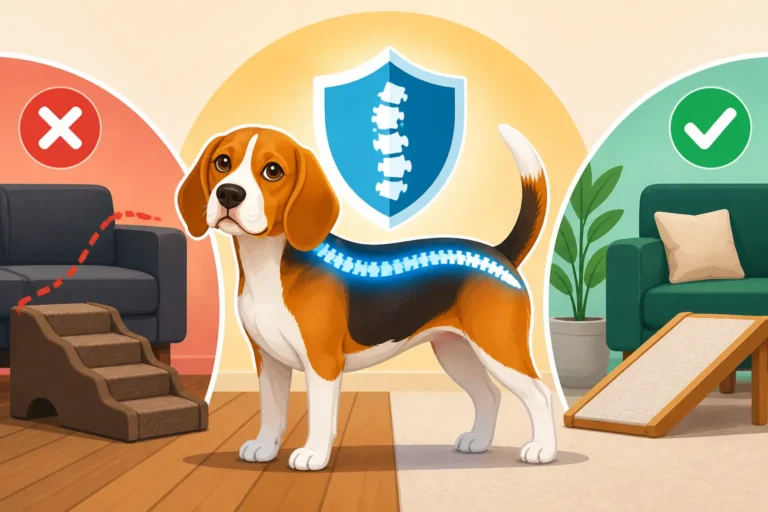
Your senior Beagle might struggle with slippery floors, stairs, or jumping onto favorite furniture. Non-slip rugs or runners, especially on hard surfaces, can provide much-needed traction and prevent slips and falls. If your home has stairs, consider restricting access with baby gates, or carrying your Beagle up and down if they are small enough and willing. For Beagles who love to be on the couch or bed, pet steps or ramps are invaluable, preventing them from straining their joints by jumping.
Ensure their walking paths are clear of clutter, especially if their vision is declining. Consider nightlights in hallways or common areas to help them navigate during darker hours. Their crate or designated sleeping area should be easily accessible, warm, and draft-free. The goal is to minimize obstacles and hazards, making their home a safe haven where they can move freely and confidently without fear of injury.
Ensuring Comfort and Warmth
Older Beagles often have less body fat and can feel the cold more acutely. They also spend more time resting, making their resting spots critically important. Invest in a high-quality orthopedic bed with thick, supportive padding that cushions their joints and insulates them from cold floors. Many senior Beagles appreciate a soft blanket to burrow into, especially during colder months. Heated pet beds, used safely and under supervision, can provide immense comfort for arthritic joints.
Ensure their sleeping area is away from drafts and in a consistently warm part of the house. During walks in cold weather, a dog sweater or coat can provide extra warmth for their shorter coat. While Beagles are tough hounds, their senior years require a bit more pampering when it comes to comfort and warmth, helping to alleviate stiffness and promote restful sleep.
Managing Accidents and Incontinence
Urinary and fecal incontinence can become issues for senior Beagles due to weakened bladder muscles, cognitive decline, or underlying medical conditions. This can be frustrating for owners, but it's important to remember it's not a behavioral issue but often a physical one. First, always consult your veterinarian to rule out treatable causes like urinary tract infections, kidney disease, or diabetes, which are common in older dogs.
If medical causes are ruled out or managed, you can make practical adjustments. Increase the frequency of potty breaks, taking them out more often, including right before bed and first thing in the morning. Doggy diapers or belly bands can be a lifesaver for managing indoor accidents, especially overnight. Protective waterproof covers for beds and furniture can also save your upholstery. Maintain a calm and understanding demeanor; scolding an incontinent senior Beagle only causes them distress and anxiety. Beagle Cognitive Decline in a Senior Beagle can contribute to these issues, so patience is paramount.
The Emotional Landscape of Senior Beagle Ownership
Caring for an aging Beagle isn't just about their physical needs; it's deeply emotional. Watching them slow down, change, and eventually face their final days can be one of the most challenging parts of pet ownership. Embracing this journey with love, presence, and realism is crucial.
Dealing with the Realities of Aging
It's tough to see our energetic, mischievous Beagles transform into slower, sometimes frailer, versions of themselves. You might grieve the loss of their youthful vigor, the endless games of fetch, or the long hikes you once shared. These feelings are normal and valid. It’s okay to feel sad, frustrated, or even overwhelmed at times. Acknowledging these emotions openly allows you to process them and better support your Beagle.
Instead of dwelling on what they can no longer do, shift your focus to appreciating what they can still do, and the unique joys of their senior companionship. Their calm presence, their deep bond, and the quiet comfort they offer become even more profound. Adjust your expectations, practice immense patience, and find new ways to connect and enjoy their company, celebrating every good day you have together.
Maintaining Quality of Life and Comfort
The ultimate goal for a senior Beagle is to maintain their quality of life and ensure their comfort. This means regularly assessing their physical and emotional well-being. Are they eating and drinking adequately? Are they comfortable when resting? Are they still engaging with you and their environment, even if in a more subdued way? Are they free from chronic pain or distress? Tools like a quality-of-life checklist, which many veterinarians can provide, can help you objectively evaluate their condition.
This isn't just about prolonging life, but enriching the time they have left. This might involve more frequent veterinary visits to manage chronic conditions, adjusting medications as needed, and providing extra comforts at home. It’s a constant balance of medical care, environmental adjustments, and, most importantly, showering them with love and affection. Every snuggle, every gentle brush, every quiet walk enriches their remaining days. Judging Quality of Life in a Beagle's Last Year is a very personal and often difficult assessment.
Saying Goodbye When the Time Comes
One of the hardest decisions any pet owner faces is knowing when to say goodbye. This is a deeply personal and often agonizing choice, made even more complex by the profound bond we share with our Beagles. It’s natural to question if it's the right time, if you're doing enough, or if you're making the decision too soon or too late.
Lean on your veterinarian during this time. They can help you understand your Beagle's medical condition, prognosis, and pain levels. They can offer an objective perspective and guide you through the process, helping you assess their quality of life. It’s about alleviating suffering, even if it means immense pain for us. Surrounding your Beagle with love and comfort in their final moments is the greatest gift you can give them. Remember the joy they brought into your life, and know that your decision, made with love, is the kindest one you can make for them. Saying Goodbye to a Beagle at Fourteen is a topic many of us face with heavy hearts.
Routine Vet Care and Health Monitoring
Regular veterinary care becomes even more critical for senior Beagles. Early detection of health issues can often lead to more effective treatment and better outcomes, helping to extend their comfortable years.
Comprehensive Senior Wellness Exams
For Beagles entering their senior years, annual vet visits should transition to bi-annual (every six months) comprehensive wellness exams. These appointments are more extensive than those for younger dogs. Your vet will perform a thorough physical examination, paying close attention to their joints, teeth, eyes, ears, and listening carefully to their heart and lungs. They'll also typically recommend a full blood panel, including a complete blood count (CBC) and chemistry profile, to check organ function (kidneys, liver) and screen for conditions like diabetes. A urinalysis is also common to assess kidney function and detect urinary tract infections.
These regular screenings are invaluable because many senior health issues, such as kidney disease, thyroid imbalances, or even some cancers, often show no outward signs until they are quite advanced. Detecting subtle changes in blood work or urine early on allows your vet to intervene proactively, sometimes with simple dietary changes or medications, before the condition becomes severe and more difficult to manage. This proactive approach is key to Beagle Health Testing Under CHIC recommendations for older Beagles.
Monitoring Chronic Conditions and Medications
Many senior Beagles will develop one or more chronic conditions that require ongoing management, such as arthritis, hypothyroidism, heart murmurs, or even Beagle Epilepsy and Seizures From Six Months On. Each of these conditions typically requires specific medications and regular monitoring. For example, a Beagle on thyroid medication will need periodic blood tests to ensure the dosage is correct, while a Beagle with heart disease might need regular cardiac evaluations.
It’s crucial to maintain a detailed record of your Beagle's medications, dosages, and any observed side effects. Don't hesitate to ask your vet questions about why a medication is prescribed, what to expect, and what warning signs to watch for. Consistency in administering medications is paramount, as skipping doses can undermine treatment effectiveness. Your veterinarian is your primary partner in managing these long-term health challenges, and open communication is essential for optimizing your senior Beagle's care.
When to Seek Emergency Care for a Senior Beagle
While regular check-ups help manage chronic issues, it's equally important to know when a situation warrants immediate emergency care. For a senior Beagle, some warning signs are particularly critical. These include sudden and severe lethargy, collapse, difficulty breathing (rapid, shallow, or labored), persistent vomiting or diarrhea (especially if it contains blood), sudden severe pain, inability to urinate or defecate, significant swelling in any part of the body, or an uncontrolled seizure.
Because senior Beagles often have underlying health issues, even seemingly minor symptoms can sometimes indicate a more serious problem than they would in a younger dog. If you are ever in doubt, it’s always best to err on the side of caution and contact your emergency veterinarian. Don’t wait until morning if your Beagle is displaying severe or rapidly worsening symptoms. Prompt veterinary attention can be life-saving and can prevent a condition from becoming irreversible.
Summary of Senior Beagle Care Considerations
To help visualize some of the key considerations for your aging Beagle, here's a table summarizing common changes and corresponding care adaptations:
| Aspect of Aging | Common Changes Noticed | Recommended Care Adaptations |
|---|---|---|
| Energy & Activity | Less endurance, more rest, slower pace | Shorter, more frequent walks; gentle play; mental enrichment |
| Metabolism & Weight | Slower metabolism, tendency to gain weight | Senior-specific food, measured portions, low-calorie treats |
| Joint & Mobility | Stiffness, reluctance to jump/climb | Orthopedic bed, ramps/steps, joint supplements, gentle exercise |
| Senses (Sight/Hearing) | Cloudy eyes, bumping, ignoring sounds | Consistent home layout, hand signals, scent games |
| Dental Health | Plaque, tartar, bad breath, painful teeth | Regular vet dental cleanings, home brushing, dental chews |
| Cognitive Function | Disorientation, altered sleep, accidents | Consistent routine, mental games, vet-prescribed support |
| Emotional State | More clingy/withdrawn, anxiety | Patience, quiet comfort, gentle interactions, observe body language |
| Veterinary Care | Increased risk of chronic disease | Bi-annual wellness exams, bloodwork, prompt attention to changes |
Disclaimer
This article is for general informational purposes only and does not constitute professional advice. Laws, prices and regulations vary by location and change over time. Consult a qualified professional for guidance on your specific situation.