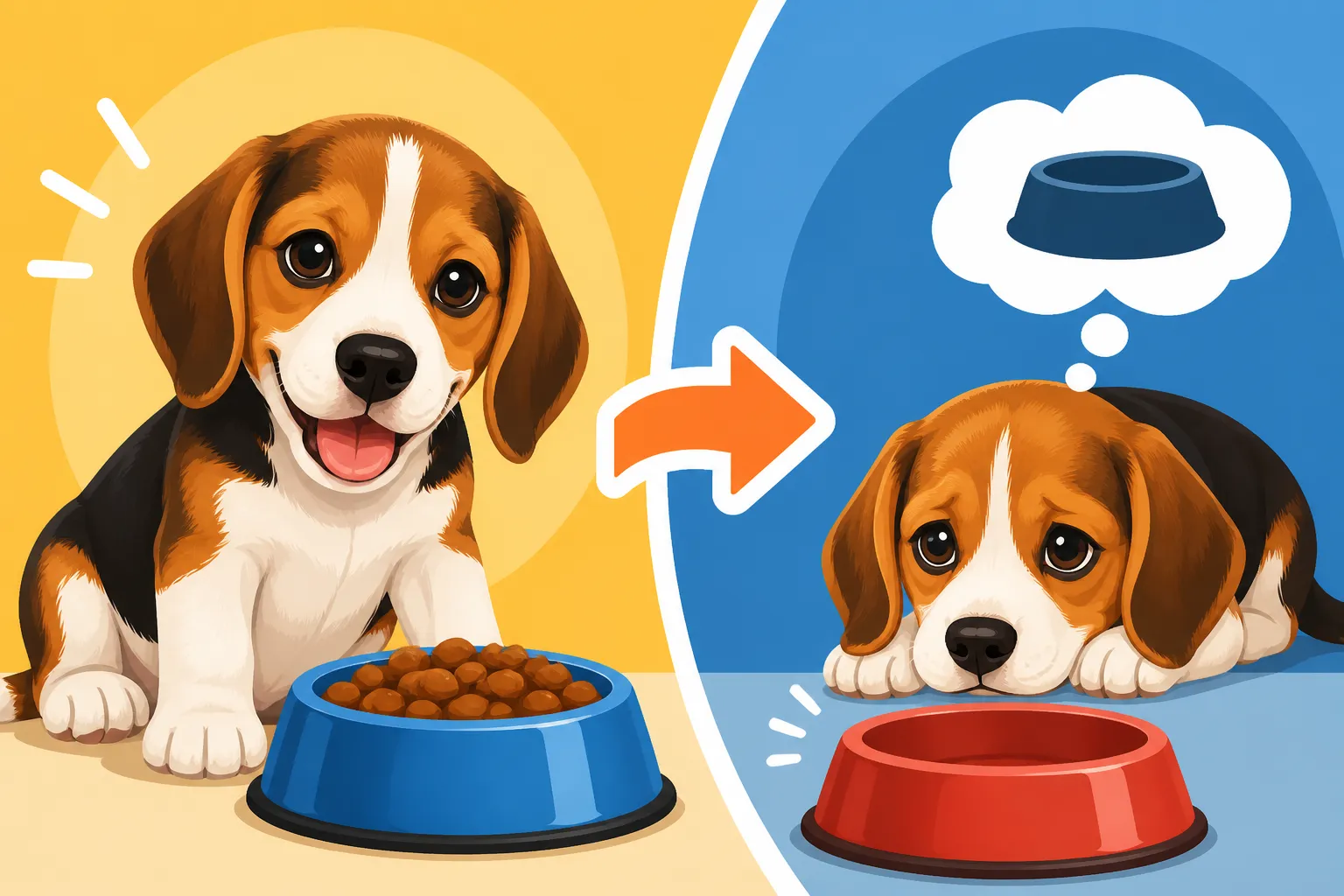
Feeding a Beagle Puppy Before the Food Drive Sets In
Bringing a new Beagle puppy home is an absolute joy, but it also comes with a lot of questions, especially when it comes to feeding. Before that notorious Beagle "food drive" fully kicks in and they become masters of counter-surfing and finding every stray crumb, establishing good eating habits is crucial. This guide will walk you through everything you need to know about nourishing your little hound, from picking the right food to managing their burgeoning appetite and ensuring they grow into a healthy, happy companion.
Understanding the Beagle Puppy's Unique Nutritional Needs
When you welcome a Beagle puppy into your family, you're bringing home a bundle of energy and curiosity. Those first few months are a whirlwind of growth and development, and their diet plays a monumental role in shaping their future health. It's not just about filling their bowl; it's about providing the right fuel for their tiny, rapidly developing bodies.
The Rapid Growth Phase and Energy Demands
Beagle puppies, like all puppies, go through an intense growth spurt in their first year. Their bones are lengthening, their muscles are strengthening, and their organs are maturing at an incredible pace. This rapid development requires a significant amount of energy and specific nutrients, far more than an adult Beagle needs per pound of body weight. Think of it like a human baby versus an adult – the baby needs more calories and nutrients for its size because it's constantly building and growing.
A growing Beagle puppy isn't just sleeping and eating; they're exploring, learning, and developing coordination. Every pounce, every sniff, every play session with a toy burns calories. Their metabolism is working overtime, which means they need frequent, nutrient-dense meals to sustain this energetic pace. If they don't get enough, their growth can be stunted, or they might not have the energy to learn and socialize properly. It’s a delicate balance, and understanding this foundational need is the first step in successful puppy feeding.
Balancing Protein, Fat, and Carbohydrates
Just like us, puppies need a balanced diet of macronutrients: protein, fat, and carbohydrates. But the ratios are different for a growing pup. Protein is the building block for muscles, tissues, and enzymes, and puppies need a higher percentage of it than adult dogs. Look for high-quality animal proteins as the first ingredients on a food label. This isn't just about quantity, but quality – easily digestible proteins from sources like chicken, turkey, lamb, or fish are ideal.
Fats are crucial for concentrated energy, healthy skin and coat, and the absorption of fat-soluble vitamins. Healthy fats, like those found in chicken fat or fish oil, are vital for a puppy's development. They also make food palatable, which is a bonus when you're trying to get a picky eater (though Beagles usually aren't picky, they can be distracted!). Carbohydrates provide readily available energy and fiber for digestive health. Whole grains like brown rice or oats, or vegetables like sweet potatoes, offer complex carbohydrates that sustain energy levels throughout the day. It's about finding a commercial puppy food that has already done the hard work of balancing these for optimal growth.
The Importance of DHA for Brain Development
Beyond the basic macronutrients, there are specific micronutrients that are incredibly important for a developing Beagle puppy. One of the most critical is Docosahexaenoic Acid, or DHA. DHA is an omega-3 fatty acid that plays a vital role in the development of a puppy's brain and vision. It's found naturally in mother's milk, which highlights its importance in early life. Commercial puppy foods often supplement with DHA to support cognitive development, helping your puppy learn and respond to training cues more effectively.
Think about all the new experiences your Beagle puppy is having: learning their name, figuring out house training, understanding what "sit" means, and navigating a brand new home. Their brain is a sponge, absorbing everything, and DHA helps optimize that process. When choosing a puppy food, always check for DHA listed in the ingredients, often sourced from fish oil or algae. This is one of those key ingredients that truly makes a difference in setting your puppy up for success, both physically and mentally.
Choosing the Right Puppy Food for Your Beagle
Walking down the dog food aisle or browsing online can feel completely overwhelming. There are so many brands, so many claims, and so many different types of food! For a Beagle puppy, making the right choice now can prevent a lot of health and behavioral issues down the line. It's worth taking the time to understand what you're really feeding your furry friend.
Decoding Dog Food Labels: A Beginner's Guide
Dog food labels are packed with information, but it can feel like reading a foreign language. The first thing to look for is an "AAFCO statement," which indicates the food meets nutritional standards for a specific life stage, such as "for growth and reproduction" or "for all life stages." For puppies, you absolutely want a food formulated specifically for growth. Next, scan the ingredient list. The first few ingredients are the most abundant. You want to see a named animal protein (e.g., "chicken meal," "deboned lamb," "salmon") rather than vague terms like "meat by-products." Whole grains, fruits, and vegetables are good signs, indicating a source of fiber and vitamins.
Avoid foods with excessive fillers, artificial colors, or vague "animal digest" ingredients if possible. Ingredients are listed by weight, so a food with "chicken" as the first ingredient sounds great, but remember chicken contains a lot of water. Once that water is removed during processing, it might actually be less dominant than "chicken meal," which is already dehydrated protein. It's a tricky game, but understanding these nuances helps you make a more informed choice. Many reputable brands offer detailed explanations on their websites, which can be a huge help when you're comparing options.
Dry Kibble vs. Wet Food vs. Fresh Food Options
The debate over dry kibble, wet food, and fresh food is ongoing, and each has its pros and cons for a Beagle puppy.
- Dry Kibble: This is the most common and often the most economical choice. Good quality kibble is nutritionally complete and balanced, and its crunchy texture can help with dental hygiene to some extent, though it's no substitute for brushing. For a Beagle puppy, dry kibble is convenient for portion control and can be used effectively in puzzle toys or for training rewards. A Beagle Puppy Growth Chart by Week might help you see how their needs change.
- Wet Food: Higher in moisture, wet food can be very palatable and appealing to puppies, especially during stressful times like moving to a new home or after A Beagle Puppy Stomach After a Kennel Diet Change. It can also aid hydration, which is a big plus. However, it's typically more expensive and doesn't offer the same dental benefits as kibble. It's often used as a topper or a special treat.
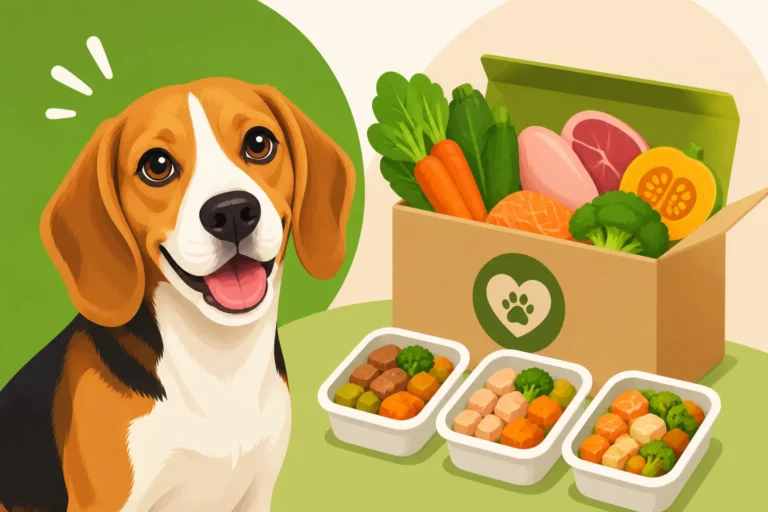
- Fresh Food (Home-cooked or Commercial): The appeal of fresh food is that you know exactly what's going into your puppy's bowl. Services like Ollie deliver pre-portioned, human-grade meals directly to your door, taking the guesswork out of balancing nutrients yourself. If you're considering home-cooked meals, it's absolutely critical to work with a veterinary nutritionist to ensure complete and balanced nutrition, as deficiencies can have serious long-term consequences for a growing puppy. Without proper balance, you risk nutrient imbalances that can harm bone development or organ function.
Many owners opt for a combination, perhaps a high-quality kibble as the base, supplemented with a little wet food or fresh food to increase palatability and variety. The key is consistency and ensuring the overall diet meets all your puppy's nutritional requirements.
Avoiding Common Puppy Food Pitfalls
It's easy to fall into traps when feeding a puppy, especially with a breed as food-motivated as a Beagle! One major pitfall is overfeeding. While puppies need a lot of calories for growth, giving them too much can lead to rapid weight gain, putting strain on developing joints and setting the stage for obesity later in life. Always follow the guidelines on the food packaging as a starting point, but adjust based on your puppy's individual activity level and body condition.
Another common mistake is switching foods too abruptly. A puppy's digestive system is sensitive. A sudden change can lead to an upset stomach, diarrhea, and a very messy situation for you! Always transition slowly over 7-10 days, gradually mixing the new food with the old. A Beagle Puppy Stomach After a Kennel Diet Change is a real issue. Giving too many treats or table scraps is also a no-no; these can throw off the nutritional balance of their diet and contribute to weight gain. Remember, what seems like a tiny bite to you can be a significant calorie load for a small puppy.
Establishing a Feeding Schedule and Portion Control
Beagles are creatures of habit, and establishing a consistent feeding schedule from day one is one of the best things you can do for your puppy's health, training, and overall well-being. It helps with house training, regulates their metabolism, and teaches them patience.
Puppy Meal Frequency Month by Month
A young Beagle puppy needs to eat frequently due to their small stomach capacity and high energy demands. Generally, puppies start on four meals a day. As they grow, this frequency gradually decreases.
- 8 to 12 weeks: Typically 3-4 meals a day. This is a critical period for growth and development, and frequent small meals help maintain stable blood sugar and energy levels.
- 3 to 6 months: Reduce to 3 meals a day. Your puppy is still growing rapidly, but their stomach can hold a bit more, and their energy needs might be slightly less intense per meal as they get bigger.
- 6 to 12 months: Reduce to 2 meals a day. Around this age, many Beagles are transitioning from puppy to junior food, and then eventually to adult food. Their growth rate starts to slow, and their digestive system is more mature.
This is a general guideline. Your vet will be your best resource for tailored advice based on your individual puppy's growth, activity level, and specific breed size (remember Beagles come in 13-inch and 15-inch varieties!). Sticking to a schedule means your puppy learns when to expect food, which can help reduce anxiety around meal times and prevent begging. Consistent mealtimes are also invaluable for house training, as you can predict when they'll need to go outside after eating.
Measuring Food Accurately for Healthy Growth
This might seem obvious, but simply "eyeballing" portions is one of the quickest ways to overfeed a Beagle, even as a puppy. Those cute, pleading eyes are hard to resist! Always use a dedicated measuring cup or, even better, a kitchen scale to ensure accuracy. Different brands of food have different densities, so one cup of Brand A might have significantly more calories than one cup of Brand B. It's far more accurate to portion by weight. Measuring Beagle Food by Weight Rather Than Cups ensures consistency and helps you truly control their calorie intake.
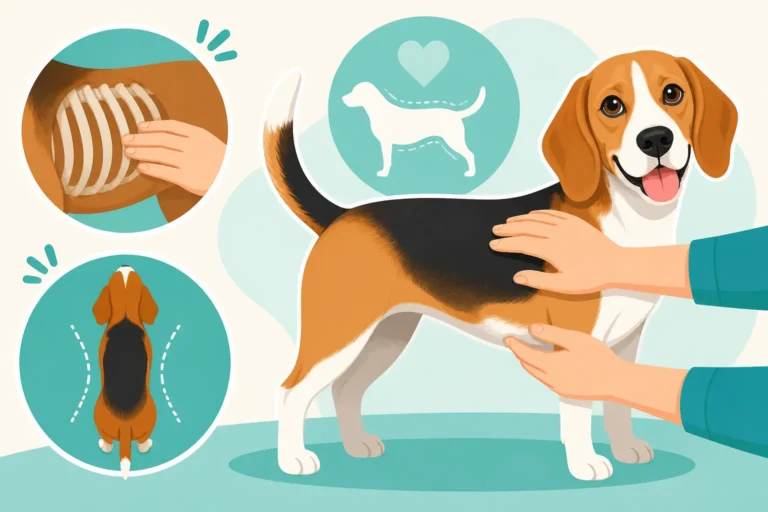
The feeding guidelines on your chosen puppy food package are a good starting point, but they are just that – guidelines. Factors like your puppy's activity level, metabolism, and whether they are spayed or neutered (which can reduce calorie needs) will influence their ideal portion. A highly active puppy might need slightly more, while a more sedentary one might need less. Regularly assess your puppy's body condition score. You should be able to feel their ribs easily without seeing them, and they should have a discernible waist when viewed from above. Adjust their portions gradually as needed. This meticulous approach in puppyhood sets the foundation for a healthy weight throughout their life.
The Risks of Free-Feeding a Beagle Puppy
Free-feeding, which means leaving food out all day for your puppy to graze on, is generally a bad idea for any dog, but it's particularly risky for Beagles. Beagles are notoriously food-driven; they rarely self-regulate their eating. If given unlimited access, most Beagles will eat until they are uncomfortably full, leading to rapid weight gain and potential digestive issues.
Beyond the weight gain, free-feeding can also:
- Hinder House Training: Without a predictable feeding schedule, bowel movements become unpredictable, making house training much harder.
- Encourage Picky Eating: If food is always available, it loses its value. A free-fed Beagle might become less enthusiastic about their meals, or worse, develop a habit of only eating certain parts of their food, leading to an unbalanced diet.
- Complicate Monitoring: If you have multiple pets, it's impossible to know how much each dog is eating with free-feeding. If your puppy suddenly stops eating, you might not notice as quickly, delaying recognition of potential health problems.
- Increase Risk of Bloat (GDV): While less common in Beagles than in deep-chested breeds, eating large quantities rapidly can be a risk factor for bloat, a life-threatening condition. Slow feeders or puzzle bowls can help mitigate this, even with scheduled meals.
Sticking to scheduled meals, even for a young puppy on four meals a day, is key to developing good habits, maintaining a healthy weight, and making house training and obedience much easier. Why Free Feeding Fails Badly With a Beagle explains this in more detail.
Introducing Treats and Training Rewards Wisely
Beagles are incredibly intelligent and, as we've established, intensely food-motivated. This makes treats an incredibly powerful tool for training! From potty training to basic obedience, a tasty reward can work wonders. However, it's a double-edged sword: too many treats can quickly derail your puppy's healthy diet and lead to unwanted weight gain.
High-Value Treats for Early Training
When you're trying to teach a young Beagle puppy something new, like "sit" or coming when called, you need a treat that really captures their attention and makes them think, "Wow, that was worth doing!" These are called "high-value treats." For many puppies, this means soft, small, smelly treats that they don't get all the time. Think small pieces of cooked chicken, cheese, hot dogs, or commercially prepared soft training treats.
The goal is to use these treats to create a strong positive association with the desired behavior. Because Beagles have such a powerful sense of smell, even a tiny crumb of a high-value treat can be incredibly motivating. Break treats into pea-sized pieces to avoid giving too many calories. As your puppy masters a command, you can start to phase out food rewards, replacing them with praise, petting, or a favorite toy, or using lower-value kibble. But in those early, critical training weeks, don't underestimate the power of a really good treat.
Keeping Treats within the Daily Calorie Budget
This is where many well-meaning puppy owners accidentally contribute to weight gain. Every treat, no matter how small, adds calories. If you're giving a dozen treats during a training session, those calories need to be accounted for in your puppy's daily food allowance. A good rule of thumb is that treats should make up no more than 10% of your puppy's total daily calorie intake.
To do this effectively, you have a few options:
- Reduce Meal Portions: If you know you're going to have a big training session, slightly reduce the amount of kibble in your puppy's next meal to compensate for the treats.
- Use Kibble as Treats: For many Beagles, their regular kibble is exciting enough to be used as a training reward, especially in a low-distraction environment. This is a fantastic way to reinforce good behavior without adding extra calories.
- Opt for Low-Calorie Options: Many brands offer specific low-calorie training treats. Also, small pieces of cooked vegetables like carrots or green beans can make excellent, healthy, low-calorie rewards once your vet approves.
Remember, the goal is to reinforce behavior, not to stuff your puppy. Consistency in tracking all food intake will keep your Beagle puppy at a healthy weight while still allowing you to leverage their food drive for effective training. Treats Small Enough for a Hundred Beagle Repetitions are ideal.
Safe Chews and Dental Health for Puppies
Puppies love to chew, and providing appropriate chew toys is essential for redirecting that natural instinct away from your furniture (and your hands!). Chewing also helps alleviate discomfort from teething and promotes good dental health by scraping away plaque. However, not all chews are safe for puppies.
- Avoid anything too hard: Bones (cooked or uncooked), antlers, or very hard nylon chews can break puppy teeth. Always choose chews that have some give when you press your fingernail into them.
- Supervise always: No chew is 100% safe. Always supervise your puppy with any chew to ensure they aren't breaking off and swallowing large pieces, which can lead to choking or intestinal blockages.
- Consider size: The chew should be too large for your puppy to swallow whole. As they grow, you'll need to upgrade the size of their chews.
- Teething aids: For a teething Beagle puppy, frozen carrots (supervised!), specific rubber teething toys that can be frozen, or even ice cubes can provide soothing relief. Frozen Chews for a Teething Beagle Puppy can be a lifesaver for sore gums.
Regularly inspecting your puppy's mouth for any broken teeth or gum irritation is important. While chews help, nothing beats regular tooth brushing for optimal dental health, which should start as early as possible.
| Chew Type | Pros | Cons | Puppy Safety Considerations |
|---|---|---|---|
| Soft Rubber Toys | Durable, stimulating, often freezable | Can be chewed through eventually | Choose appropriate size, supervise for ingested pieces |
| Bully Sticks | Edible, digestible, long-lasting | Can be calorie-dense, strong odor | Supervise to prevent swallowing large chunks, consider calories |
| Dental Chews | Formulated for dental health, appealing | Often high in calories, not a substitute for brushing | Check ingredients, factor into daily calorie intake |
| Frozen Carrots | Low calorie, soothing for teething | Can be a choking hazard if too small | Always supervise, offer appropriate size |
| Rawhide | Long-lasting (for some) | Poorly digestible, choking hazard, chemical processing | Generally not recommended due to high risks |
Managing the Transition to Adult Food
Your Beagle puppy won't be a puppy forever! As they mature, their nutritional needs change. The high calorie and nutrient density of puppy food becomes too much for a dog whose rapid growth has slowed. Knowing when and how to transition to adult food is important for maintaining their health and preventing weight gain.
When to Make the Switch: Age and Maturity
Generally, most Beagles are ready to transition from puppy food to adult food around 12 months of age. However, this isn't a hard and fast rule and can vary based on individual growth rate and size. For the smaller, 13-inch Beagles, it might be slightly earlier, while the larger 15-inch Beagles might need puppy food a little longer. The key indicator is when they reach approximately 80-90% of their adult size.
Your veterinarian can provide the best guidance on the exact timing for your specific Beagle. They'll consider your puppy's current weight, body condition, and overall development. Continuing to feed puppy food for too long can lead to obesity and unnecessary stress on developing joints once their growth plates have closed. On the flip side, switching too early might mean they miss out on crucial nutrients for optimal development. The Calorie Drop When a Beagle Leaves Puppy Food is significant, and understanding this helps prevent issues.
Gradual Transition to Avoid Upset Stomachs
Just like when you first brought your puppy home and they had A Beagle Puppy Stomach After a Kennel Diet Change, transitioning to a new food should always be done gradually. A sudden switch can upset your Beagle's digestive system, leading to diarrhea, vomiting, and discomfort. This is especially true as they move from the rich puppy formula to a less calorie-dense adult formula.
A typical transition schedule looks like this:
- Days 1-2: 75% old food, 25% new food
- Days 3-4: 50% old food, 50% new food
- Days 5-6: 25% old food, 75% new food
- Days 7+: 100% new food
Observe your Beagle during this period. If they show any signs of digestive upset (loose stools, gas, vomiting), slow down the transition. You might need to go back to a previous ratio for a few extra days or even extend the process over two weeks. The goal is a smooth, stress-free transition for their tummy. This is also a good time to consider what adult food brand you want to use; perhaps you'll stick with the same brand's adult formula, or explore options on platforms like Chewy that offer a wide range of choices.
Monitoring Weight and Body Condition During Transition
The transition period from puppy to adult food is a crucial time for monitoring your Beagle's weight and body condition. As their growth slows, their calorie needs will decrease, and it's easy for them to start putting on excess weight if their food intake isn't adjusted accordingly.
Continue to weigh your Beagle regularly, perhaps once a month, and perform weekly body condition checks. You should still be able to easily feel their ribs without seeing them, and they should have a visible waist. If you notice them gaining weight rapidly, don't just cut their food drastically. Consult your vet to adjust their portion size appropriately. Remember, a healthy adult Beagle typically weighs between 20-30 pounds, depending on their height. Establishing good weight management habits now will set them up for a long, healthy life, helping to prevent issues like Beagle Arthritis Arriving in Middle Age or Beagle Hip Dysplasia and Everyday Joint Wear.
Hydration and Water Intake for Growing Beagles
Food often gets all the attention, but water is just as, if not more, critical for your Beagle puppy's health. Staying properly hydrated is vital for every bodily function, from digestion and nutrient absorption to temperature regulation and organ health.
The Critical Role of Fresh Water
Water is essential for life, and this holds true for your growing Beagle puppy. It helps transport nutrients to cells, aids in flushing out toxins, lubricates joints, and even plays a role in brain function. Puppies are often more susceptible to dehydration than adult dogs because their bodies have a higher water content and they're expending a lot of energy.
Always ensure your Beagle puppy has constant access to fresh, clean water. Change their water bowl multiple times a day, and clean the bowl thoroughly to prevent bacterial growth. Just like you wouldn't want to drink stale, murky water, neither does your puppy. The cleaner the water, the more appealing it will be, encouraging them to drink more. This is particularly important after vigorous play sessions or on warm days, where they might lose more fluid through panting.
Signs of Dehydration in a Puppy
Recognizing the signs of dehydration early can be life-saving for a puppy. Since they can't tell you they're thirsty, you need to be vigilant.
Common signs of dehydration include:
- Lethargy and Weakness: They might be less active than usual or seem unusually tired.
- Dry Gums: Healthy gums are moist and pink. Dehydrated gums will feel dry and tacky to the touch.
- Sunken Eyes: Their eyes might appear sunken into their sockets.
- Loss of Skin Elasticity: Gently pinch the skin on their back or neck. If it doesn't snap back immediately, but rather stays tented for a moment, it's a sign of dehydration.
- Reduced Urination: You might notice fewer or smaller urine puddles.
If you suspect your Beagle puppy is dehydrated, contact your veterinarian immediately. Severe dehydration can quickly become a medical emergency, especially for young puppies. Offering small amounts of water or even unflavored Pedialyte (after vet consultation) might be suggested, but professional medical attention is often needed.
Keeping Water Bowls Clean and Accessible
Making water readily available and appealing is simple, but often overlooked.
- Multiple Bowls: Place several water bowls around your home, especially if you have a larger house or yard. This ensures that no matter where your puppy is playing or resting, water is within easy reach.
- Material Matters: Stainless steel bowls are often recommended because they are easy to clean, durable, and less likely to harbor bacteria than plastic. Ceramic bowls are also a good option, but can chip or break.
- Elevated Bowls: For larger Beagles as they grow, or if they have certain orthopedic issues, elevated bowls can make drinking more comfortable. However, for puppies, a floor-level bowl is usually fine.
- Outdoor Access: If your puppy spends time outside, make sure they have access to fresh water there too. Consider a sturdy, tip-proof bowl that won't easily spill.
- Travel Bowls: For car rides or trips to the park, a portable travel water bottle or collapsible bowl is invaluable. You can find many options on Amazon or Chewy.
Remember, a hydrated puppy is a healthy puppy!
What to Avoid: Toxic Foods and Dangerous Habits
Beagles are natural scavengers. Their powerful noses, bred for tracking game, mean they will find anything edible, or seemingly edible, in your home or yard. This incredible talent, while charming in some ways, also makes them particularly susceptible to ingesting toxic substances or developing dangerous habits. Puppyhood is the time to establish strict boundaries and Beagle-proof your environment.
Common Human Foods That Are Poisonous to Beagles
Many foods that are perfectly safe, or even healthy, for humans can be extremely dangerous, or even deadly, for dogs. Knowing these common culprits is essential for protecting your Beagle puppy.
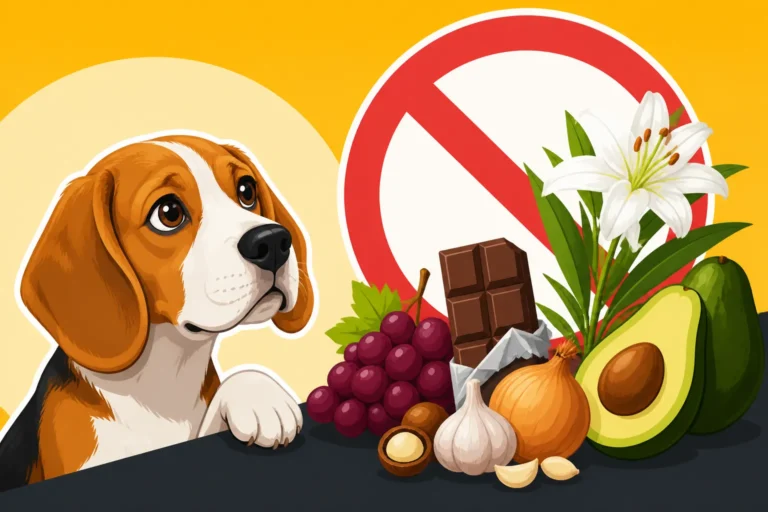
- Chocolate: Contains theobromine, which dogs cannot metabolize quickly. Dark chocolate and baking chocolate are most toxic.
- Xylitol: A sugar substitute found in many sugar-free gums, candies, peanut butters, and some baked goods. Even a small amount can cause a rapid and severe drop in blood sugar, liver failure, and death. Always check peanut butter labels!
- Grapes and Raisins: Can cause kidney failure in dogs, even in small amounts. The exact toxic mechanism is unknown.
- Onions, Garlic, Chives, Leeks: All members of the Allium family, they can cause damage to red blood cells, leading to anemia.
- Avocado: Contains persin, which can be toxic to some animals. While usually mild for dogs, it's best to avoid.
- Alcohol: Extremely toxic, even small amounts can cause vomiting, diarrhea, central nervous system depression, tremors, and even death.
- Caffeine: Found in coffee, tea, soda, and energy drinks, it can cause heart palpitations, tremors, and seizures.
- Macadamia Nuts: Can cause weakness, vomiting, tremors, and hyperthermia.
- Bones (Cooked): Cooked bones splinter easily, posing a risk of choking, internal punctures, or blockages.
- Fatty Foods: Gravy, bacon, excessive amounts of meat trimmings can lead to pancreatitis.
- Yeast Dough: Can rise in the stomach, causing bloating and potentially alcohol poisoning as the yeast ferments.
This list isn't exhaustive. If you're ever in doubt about a food, assume it's unsafe and consult your vet or a pet poison control hotline. The Foods That Are Toxic to a Beagle covers this in more detail.
Preventing Counter Surfing and Scavenging Habits Early On
Beagles are masters of using their noses to find forbidden treasures. Left unchecked, a Beagle puppy will quickly learn that counters, tables, and even trash cans are prime locations for delicious finds. Preventing these habits starts the moment you bring your puppy home.
- "Nothing on the Counters" Rule: This needs to be a strict rule for everyone in the household. Don't leave food, dirty dishes, or even food wrappers within a Beagle's reach. What's within reach for a puppy will be different for a full-grown Beagle.
- Secure Trash Cans: Invest in a sturdy, lidded trash can that your Beagle puppy cannot open or knock over. Many are available on Amazon or at pet supply stores.
- "Leave It" Training: Start practicing the "leave it" command early and consistently. This teaches your puppy to ignore tempting items on command. Practice with low-value items first, then gradually increase the distraction level. Beagle Leave It Training With Real Food Down is a great exercise.
- Supervision: The best prevention is supervision. Don't leave your Beagle puppy unsupervised in the kitchen or dining area until you are absolutely certain they understand the boundaries.
- Management: When you can't supervise, use management tools like crates or baby gates to restrict access to problem areas. Beagle-Proofing the Kitchen and the Pantry is an ongoing process.
It's far easier to prevent these habits from forming than to break them once they're ingrained. Remember, a Beagle's nose is a force of nature!
The Dangers of Inappropriate Chews and Toys
Just as with food, certain chews and toys can pose significant risks to your Beagle puppy. Their chewing drive is strong, and they're not always discerning about what they put in their mouths.
- Small or Easily Broken Toys: Anything small enough to be swallowed or easily chewed into small pieces can be a choking hazard or cause an intestinal blockage. Always ensure toys are appropriately sized for your puppy.
- Soft Plush Toys with Stuffing: While cute, many plush toys can be torn apart, and the stuffing (or squeakers inside) can be ingested, leading to blockages. Supervise play with these toys, and remove them if they start to break apart.
- Bones (Cooked or Raw): As mentioned, cooked bones splinter. Raw bones also carry risks of bacterial contamination, broken teeth, or internal damage from sharp edges. It’s generally safer to avoid them.
- Sticks and Rocks: While seemingly natural, sticks can splinter and cause internal damage or get lodged in the mouth or throat. Rocks can break teeth or cause blockages. Encourage your puppy to chew on appropriate toys instead.
- Strings, Ribbons, Tinsel: These can cause linear foreign bodies in the intestines, which is a very serious and often life-threatening condition requiring emergency surgery. Keep these items well out of reach.
Always choose durable, non-toxic toys designed specifically for puppies. Rotate their toys to keep them interesting, and inspect them regularly for damage. Discard any toy that starts to break apart. Investing in good quality, safe toys from reliable sources will protect your curious Beagle puppy.
Disclaimer
This article is for general informational purposes only and does not constitute professional advice. Laws, prices and regulations vary by location and change over time. Consult a qualified professional for guidance on your specific situation.