A Beagle That Bolts From an Open Car Door
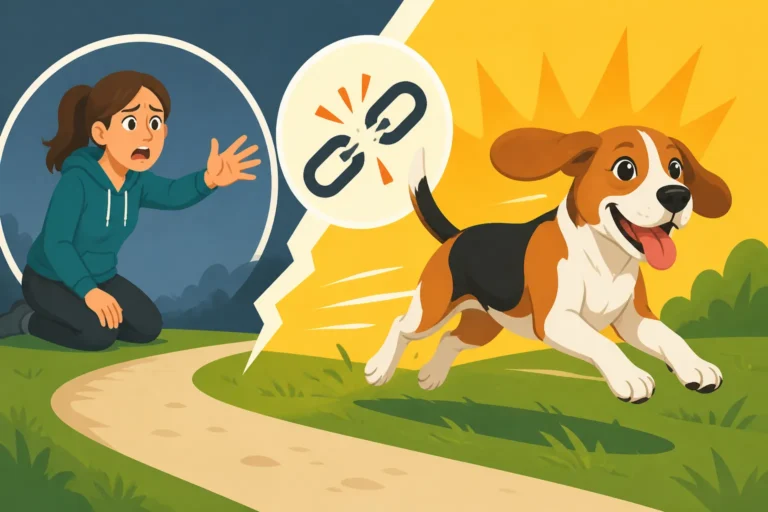
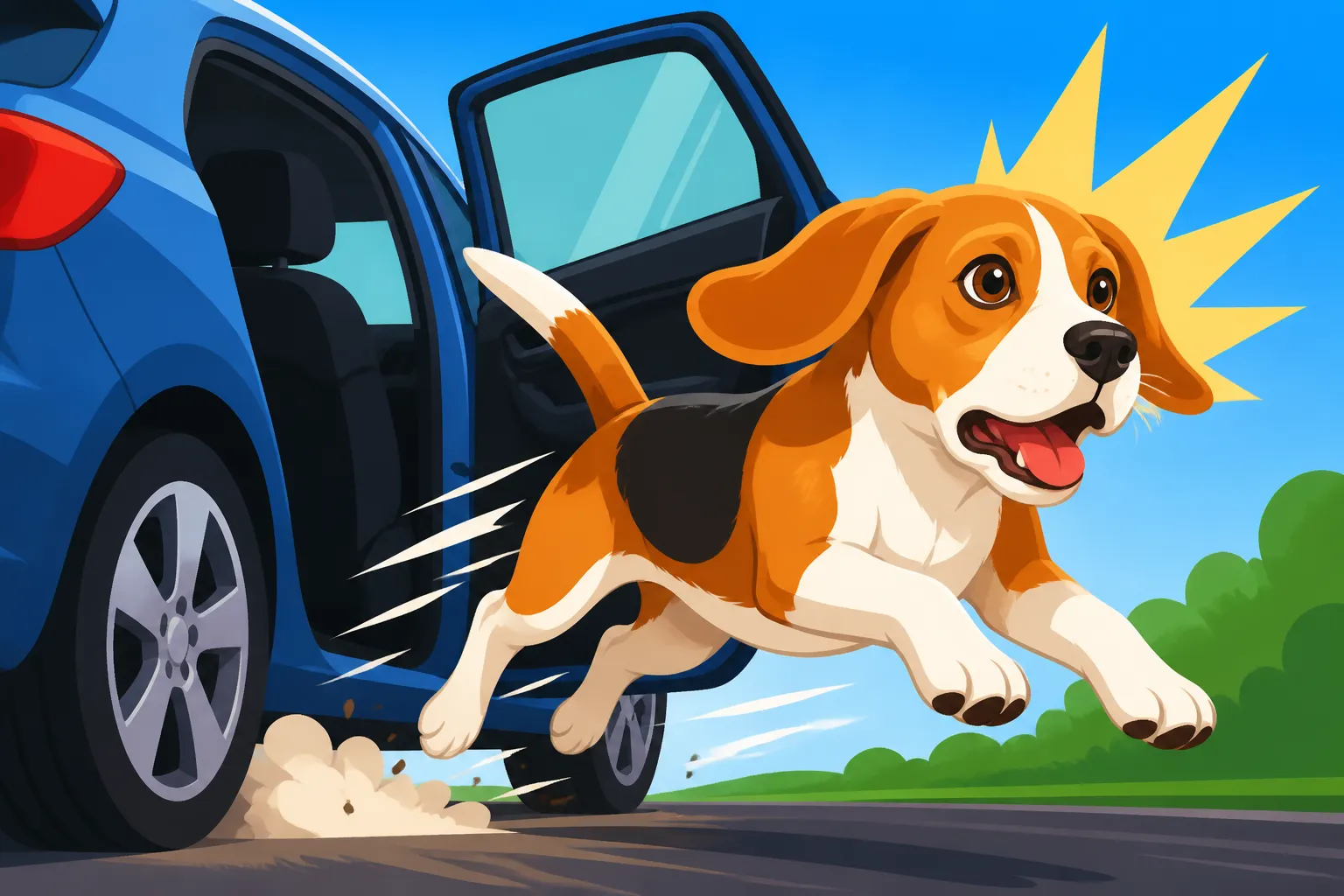
That heart-stopping moment when you open the car door, and your Beagle — bless its adventurous little nose — sees a squirrel, smells a tantalizing trail, or simply feels an overwhelming surge of "freedom!" and bolts like a rocket is every Beagle owner's nightmare. It’s terrifying, dangerous, and incredibly frustrating, but you're not alone. This guide will walk you through understanding why your Beagle might do this, how to prevent it, and what steps to take if it ever happens.
Understanding the Beagle's Instinct to Bolt
Beagles are incredible dogs, known for their merry dispositions, boundless energy, and, let's be honest, their legendary noses. What makes them such exceptional scent hounds also makes them incredibly prone to distraction when a promising smell hits the air. This isn't stubbornness; it's instinct.
The Call of the Wild: Scent Over Safety
Imagine having a superpower, but that superpower sometimes makes you utterly deaf and blind to everything else. That's a Beagle's nose. They possess around 220 million scent receptors, compared to our mere 5 million, and their olfactory bulb is significantly larger. When a Beagle catches a compelling scent – a rabbit track, a discarded sandwich, or even just the lingering smell of another dog – it's like a siren call that overrides all other commands and considerations.
This powerful drive is hardwired. For generations, Beagles were bred to follow scent trails for miles, often out of sight and hearing of their human companions, baying joyfully all the way. This means that when you open that car door, and a rich tapestry of outdoor smells washes over them, their primal instinct to investigate can take over. They aren't trying to defy you; they're simply following their biological imperative. This intense focus on scent is also why Beagle Recall and Why Your Voice Stops Registering can be such a struggle. It's not that they don't love you; it's that the scent world is just so much more compelling in that moment.
Excitement, Anxiety, or Lack of Training?
While scent is often the primary driver, other factors can contribute to a Beagle bolting from an open car door. Sometimes, it's pure excitement. For a Beagle that loves car rides and knows they're heading to a fun place like the dog park or a hiking trail, the open door is the green light for adventure. They might be so eager to start the fun that they can't contain themselves. This enthusiasm, while endearing, can quickly become a safety hazard if not managed.
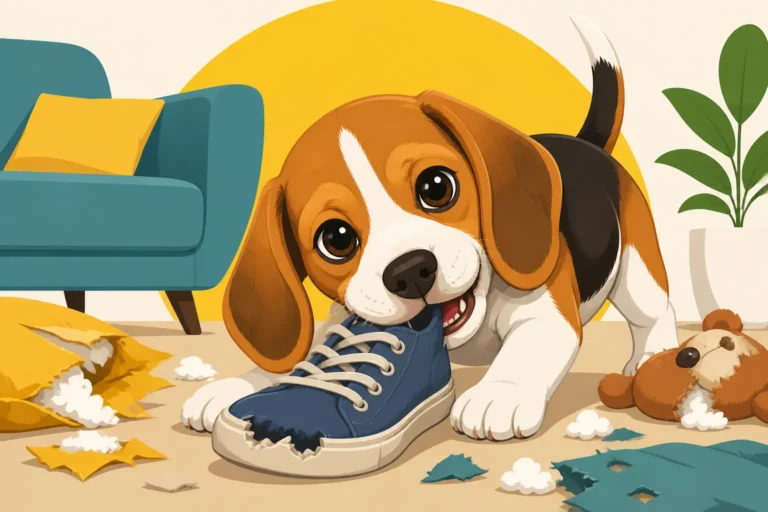
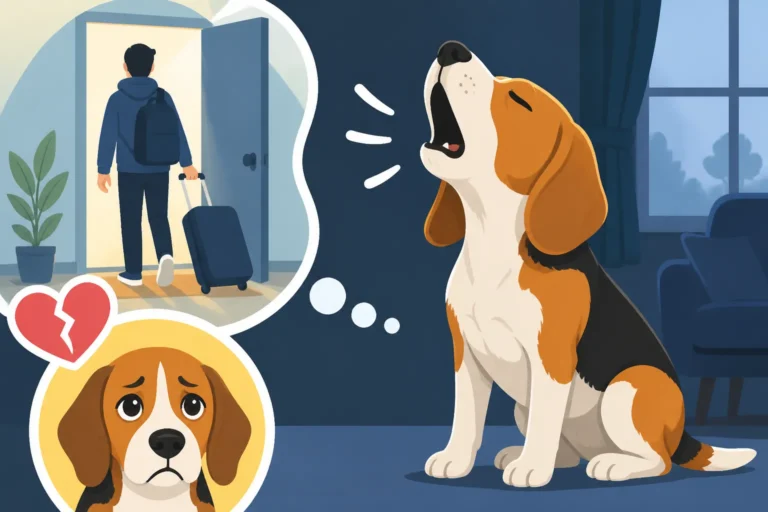
Conversely, a Beagle might bolt out of anxiety or fear. If car rides are stressful, or they're unsure about the destination (like the vet's office), they might try to escape the moment they see an opening. This reaction stems from a desire to get away from a perceived threat or unpleasant situation. Finally, a simple lack of consistent training around car manners plays a huge role. If your Beagle has never been taught to wait for a release cue before exiting, or if they've been allowed to rush out in the past, they won't know any better. They're just doing what they've learned is acceptable, or what feels natural in the moment. It's crucial to understand that their behavior is a response, not an act of malice.
Essential Safety Measures to Prevent Car Door Escapes
Prevention is always better than cure, especially when it comes to the safety of your beloved Beagle. Implementing a few key strategies can significantly reduce the risk of a car door bolt. These measures focus on both physical containment and consistent training.
The Power of a Reliable Harness and Leash
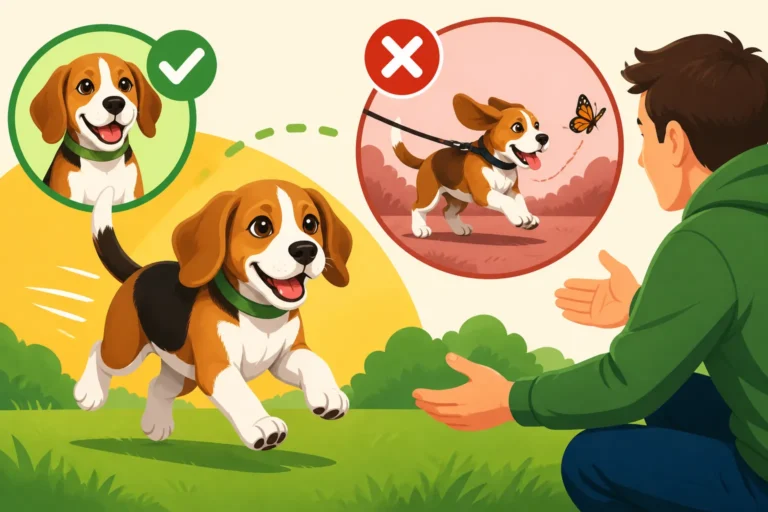
Before you even think about opening that car door, ensure your Beagle is securely attached to a well-fitting harness and leash. A standard collar, even a snug one, can be surprisingly easy for an excited or panicked Beagle to slip out of, especially if they back away or pull hard. A harness distributes pressure more evenly across their chest and shoulders, making it much harder to escape. Look for a harness that fits snugly but doesn't chafe, with multiple points of adjustment. Many owners find front-clip harnesses helpful for better control on a leash, but for car safety, the key is simply a secure fit.
The leash itself should be sturdy and long enough to allow some movement but short enough to keep your Beagle close once the door opens. Always make it a habit: leash on, harness secure, before the door is unlatched. This simple routine creates a vital safety barrier. For those curious about the implications of letting a Beagle off-leash, consider Why a Beagle Should Never Be Off Leash Unfenced as a further read, emphasizing their scent-driven nature.
Car Restraints and Containment Solutions
While a harness and leash are crucial for the moment of exit, what about during the drive? Unrestrained Beagles can become projectiles in a sudden stop or accident, and they can also be a dangerous distraction to the driver. This is where car restraints and containment come into play.
- Seatbelt Harnesses: These specialized harnesses connect directly to your car's seatbelt system, keeping your Beagle securely in place. They allow for some movement but prevent them from jumping around the car or bolting out an open door. Brands like Kurgo and Solvit offer excellent options you can find on Amazon.
- Carriers or Crates: A sturdy, well-ventilated travel crate or carrier is perhaps the safest option. If your Beagle is crate trained, this provides a familiar, secure space for them during travel. Make sure the crate is secured in the vehicle so it doesn't slide around. A crate not only prevents door dashing but also offers protection in case of an accident. If you're looking for guidance on initial crate training, you might find Beagle Crate Training From the First Day helpful.
- Car Seats/Boosters: For smaller Beagles, booster seats can lift them up to see out the window while keeping them secured with a tether. This can reduce anxiety for some dogs while providing a level of restraint.
- Cargo Area Barriers: If your Beagle rides in the cargo area of an SUV or hatchback, a sturdy barrier can keep them contained in that space, preventing them from accessing the passenger compartment and giving you more control over their exit.
Here's a quick comparison of common car restraint options:
| Restraint Type | Pros | Cons | Best For |
|---|---|---|---|
| Seatbelt Harness | Keeps dog secured, allows some movement, relatively affordable | Not all harnesses crash-tested, can still reach windows/doors | Dogs who prefer to see out, less anxious travelers |
| Travel Crate/Carrier | Highest safety in collision, prevents door dashing, familiar space | Takes up space, some dogs dislike crates, can be bulky | Anxious dogs, dogs needing maximum containment, small to medium Beagles |
| Booster Seat | Lifts dog for view, secured with tether, comfortable | Generally for smaller dogs, may not prevent determined bolters | Smaller Beagles, those prone to car sickness, dogs enjoying the view |
| Cargo Barrier | Keeps dog in designated space, allows freedom within cargo area | Requires cargo space, no direct restraint on the dog's body | Larger Beagles in SUVs/wagons, dogs comfortable in cargo area |
The "Wait" Command: Building Impulse Control
Training a rock-solid "wait" command is paramount for a Beagle that bolts from the car. This command teaches your Beagle to hold their position until released, overriding their impulse to rush out. The key is to start small and build up.
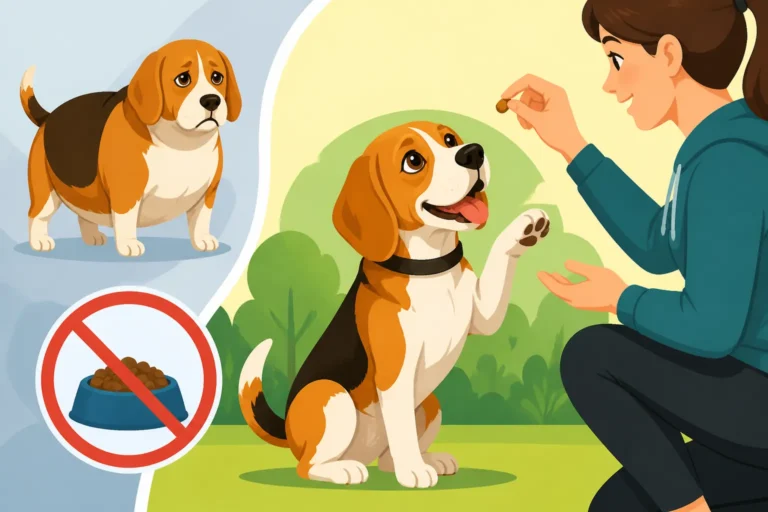
Begin practicing "wait" at home, away from the car. Ask your Beagle to sit or lie down, say "wait," and take one step back. If they hold, step forward and reward them generously with a high-value treat (the kind a Beagle will work hardest for, like those discussed in The Treats a Beagle Will Work Hardest For) and a cheerful "free!" or "okay!" Slowly increase your distance and the duration of the wait. Once they're consistent indoors, move to the front door, practicing opening it slightly while they wait, then fully. Only when they've mastered this should you move to the car.
In the car, with the leash on and harness secure, open the door just a crack while giving the "wait" command. If they stay, reward. Gradually open the door more, always rewarding for holding position. The ultimate goal is for you to be able to open the door fully, unclip their restraint, and they still wait until you give the release cue. This takes patience, consistency, and a lot of positive reinforcement. For further exercises, consider Impulse Control Exercises That Suit a Beagle which can complement this training beautifully.
Training Strategies for a Calm Car Exit
Beyond immediate safety measures, consistent training is the long-term solution to prevent your Beagle from bolting. This isn't a quick fix; it requires dedication and understanding of your Beagle's nature.
Starting with Stationary Practice
Before ever driving anywhere, practice car exits while the car is parked in your driveway or a safe, quiet area. With your Beagle harnessed and leashed, put them in the car. Close the door, walk around, open the door. The moment you open the door, give your "wait" command. If they try to push past, immediately and calmly close the door a little (not on them, just enough to block their exit). Don't scold, just block the escape. When they pause, even for a second, open the door slightly again and repeat "wait."
The goal is to teach them that the door opening does not mean immediate freedom. It means waiting for your signal. Once they are consistently waiting with the door fully open, introduce the next step: you getting out of the car. Again, "wait," you step out, keeping a hand on the leash. If they stay, reward. If they lunge, gently guide them back in and repeat. This stationary practice builds the foundation for calm exits under real-world conditions. This is a very similar principle to Teaching a Beagle to Wait at Every Doorway at home.
Gradual Exposure and Positive Reinforcement
Once your Beagle is solid with stationary waits, it's time for gradual exposure to real-world scenarios. Start with short, low-stress car rides to places that aren't overly exciting, like just around the block. When you arrive, practice your "wait" routine before exiting. The key is to make every car exit a structured, positive experience.
Always have high-value treats on hand. When your Beagle waits patiently for their release cue, reward them enthusiastically. If they do bolt, avoid chasing them immediately (unless they are in immediate danger). Chasing can often turn into a fun game for a Beagle. Instead, try to entice them back with excited noises, a favorite toy, or that irresistible treat. Once they come back, praise and reward them before securing them. It’s important not to punish them for returning, even if it took a while, as this will only teach them not to come back next time.
Utilize resources like online training programs, such as those offered by BAXTER & Bella. They often provide step-by-step guidance on impulse control and recall that can be directly applied to car safety. Their methods focus on positive reinforcement, which is incredibly effective for Beagles, who respond well to clear guidance and tasty rewards.
Addressing the "Why" Behind the Bolt
Sometimes, the bolting isn't just about a strong nose or excitement; it could be a sign of underlying issues. If your Beagle is particularly anxious in the car, consider addressing that anxiety directly. Gradual desensitization, starting with simply sitting in the car without driving, then short drives, can help. You might use calming pheromone sprays or comfortable car beds to make the experience more pleasant.
If the bolting is truly due to scent drive, recognize that you're working against millennia of breeding. While you can't eliminate the drive, you can teach them to defer to your commands first. Provide alternative outlets for their nose: regular scent walks where they are allowed to sniff to their heart's content, puzzle toys, and even formal nose work classes. A tired Beagle, especially a mentally stimulated one, is often a more compliant Beagle. If they've had plenty of appropriate sniffing time, the immediate lure of a new scent might not be as overwhelming.
What to Do If Your Beagle Does Bolt
Even with the best training and precautions, accidents can happen. A dropped leash, a fumbled car door, or an unexpected loud noise can trigger a bolt. Knowing how to react in that critical moment can be the difference between a swift reunion and a terrifying search.
The Immediate Reaction: Stay Calm, Act Fast
It’s natural to panic when your Beagle bolts, but losing your head won't help. Your immediate reaction should be to stay as calm as possible and assess the situation quickly. Yelling or screaming their name can often scare them further away or reinforce the idea that it's a game.
First, check for immediate dangers like oncoming traffic. If it's safe, get out of the car, but don't immediately give chase. Beagles are fast, and they'll likely outrun you, turning it into a game of chase that you'll lose. Instead, drop to one knee, open your arms, and use an excited, happy voice to call their name and use your recall cue. Make it sound like the most wonderful thing in the world is happening right where you are. Pat your leg, clap your hands, or show them a favorite toy or a highly irresistible treat. Many Beagles have a strong bond with their humans, and if you make coming back seem like the best decision, they're more likely to return. If they seem to be focused on a scent trail, try to get ahead of them if possible and lure them in that direction.
Utilizing Recall and Scent
A well-trained recall command is your best asset in this situation. If your Beagle is trained to an emergency recall (a special word or whistle used only for emergencies, always rewarded highly), use it. Shout it in your happiest, most excited voice. Even a Beagle with its nose to the ground might respond to a strong, positive recall cue if it's been consistently rewarded.
You can also use scent to your advantage. If you have a favorite toy or blanket with your scent, or even a treat pouch, hold it out. The familiar smell might help them orient themselves and come back to you. If your Beagle is particularly driven by scent, this can be a powerful motivator. If you've been working on Rewarding a Beagle Every Time It Checks In, they might be more likely to disengage from their current pursuit and look to you for a reward.
Preparing for the Worst: Microchips and ID
While we hope it never happens, every Beagle owner should be prepared for the possibility of a lost dog. This preparation starts long before a bolt occurs.
- Microchip: Ensure your Beagle is microchipped and that your contact information is always up-to-date with the microchip registry. This is crucial for identification if they are found by a shelter or vet.
- ID Tags: Your Beagle should always wear a collar with current ID tags. This includes your phone number and address. A good tag might also have "Microchipped" or "Needs Meds" if applicable. For more on this, check out Beagle ID Tags and Which Collar to Use.
- GPS Collar: For Beagles prone to escapes, a GPS tracking collar can be a lifesaver. These devices allow you to track your dog's location in real-time via an app on your phone, providing a much higher chance of recovery. There are many options available on Amazon, from simple trackers to more advanced models with activity monitoring. For comprehensive information on these devices, you may want to read Beagle GPS Collars and Tracking Tags.
- Local Contacts: Have a list of local shelters, animal control, and breed-specific rescues handy. If your Beagle goes missing, these are the first places to call.
- "Lost Dog" Protocol: Know the steps to take if your Beagle goes missing. This includes immediate posting on local social media groups, putting up posters, and checking with neighbors. The first few hours are critical, as discussed in The First Hour After a Beagle Goes Missing.
Being proactive with these safety measures and training techniques can turn a potential disaster into a minor hiccup. Your Beagle’s powerful nose is a gift, but it’s our responsibility to teach them when and how to safely use it.
Disclaimer
This article is for general informational purposes only and does not constitute professional advice. Laws, prices and regulations vary by location and change over time. Consult a qualified professional for guidance on your specific situation.