Beagle Bark Collars and What They Do Not Fix
Oh, the Beagle bay! It's a sound that's either music to a hunter's ears or, let's be honest, a colossal headache for a homeowner. If you've found yourself staring down a barking, baying, or howling Beagle, probably with exasperated neighbors in mind, you've likely also stumbled upon the idea of a bark collar. It sounds like a magic bullet, doesn't it? Just slap it on, and poof, quiet. But the truth is, while a bark collar might temporarily silence the noise, it rarely, if ever, fixes the reason behind your Beagle's vocalizations, and in many cases, it can actually make things worse. This guide is here to unpeel the layers of Beagle communication and help you understand why these collars are often a short-sighted, and sometimes harmful, solution, offering better, more humane ways to achieve peace and quiet in your home.
Understanding Why Your Beagle Sings Its Heart Out
Before we even consider how to manage vocalizations, we absolutely have to understand why your Beagle is doing it in the first place. Beagles aren't just noisy for the sake of it; they are incredibly communicative dogs, and their voices are a fundamental part of who they are. Trying to shut that down without understanding the message is like trying to fix a leaky pipe by just painting over the water stain. It just doesn't work.
The Beagle's Ancestral Voice: Baying and Howling
Let's get one thing straight: Beagles are hounds, and hounds bay. It's not a bark, and it's certainly not a yelp; it's a deep, melodious, often mournful sound that was specifically bred into them over centuries to communicate with their pack members and human hunters across long distances in the field. When a Beagle scents a rabbit, that bay lets everyone know, "I'm on the trail! Come follow me!" It's an instinct as old as the breed itself.
This deep-seated genetic predisposition means that expecting a Beagle to be silent is akin to asking a bird not to sing. It's simply not natural for them. Their howl, too, is a form of communication, often used to announce their presence, express loneliness, or respond to high-pitched sounds like sirens or other distant dogs. You might be interested in reading Beagle Howling, Baying and Barking Explained to dive deeper into these distinct sounds.
It's crucial to differentiate between these natural, characteristic vocalizations and excessive, problematic barking. A Beagle that bays when it catches a scent in the yard is doing its job. A Beagle that bays incessantly for hours because it's bored or anxious is signaling a deeper issue that needs attention, not just silencing. Understanding this difference is the first step towards a happy coexistence.
Common Triggers for Beagle Vocalization
So, if baying is natural, what makes it excessive? Usually, it comes down to triggers that stimulate these innate behaviors in an inappropriate context, or signals that something is amiss in your Beagle's world. Identifying these triggers is absolutely key to finding a real solution.
One of the most common culprits is boredom and lack of mental stimulation. Beagles are intelligent, active dogs with an incredible nose. If that nose isn't working, and their brain isn't engaged, they will find ways to entertain themselves, and vocalizing is a very satisfying outlet. Think about it: if you were stuck in a room with nothing to do, wouldn't you start talking to yourself or making noise? It's the same for them. This is often exacerbated in environments where they don't get enough opportunities for Sniffing Walks and Why They Tire a Beagle Out.
Another huge trigger is anxiety, particularly separation anxiety. Beagles are pack animals, bred to live and work in groups. Being left alone can be incredibly stressful for them. The incessant barking or howling you hear when you leave the house isn't defiance; it's often a distress call. They're literally calling out for their pack. Beagle Separation Anxiety in a Pack Breed is a very real challenge many owners face, and it often manifests through prolonged vocalization.
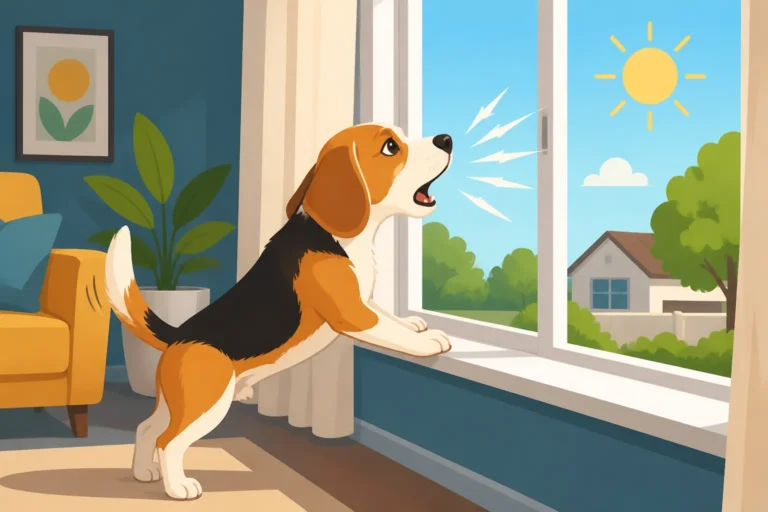
Environmental triggers play a significant role as well. Passing strangers, other dogs, squirrels in the yard, the mail carrier, or even a sudden noise can all set off a Beagle's alarm system. They might be trying to warn you, protect their territory, or simply expressing excitement or frustration. Sometimes, it's a combination of these things, making it feel like they're just noisy all the time. Learning Telling a Beagle Bark From a Bay From a Howl can help you understand what they are trying to communicate.
The Allure and Limitations of Bark Collars for Beagles
The idea of a quick fix for a noisy dog is incredibly appealing, especially when you're sleep-deprived or dealing with neighbor complaints. Bark collars promise exactly that: a simple device to curb unwanted vocalizations. But when it comes to Beagles, with their deep-seated instincts and complex motivations, these collars are almost always a Band-Aid over a gaping wound.
How Bark Collars Attempt to Work
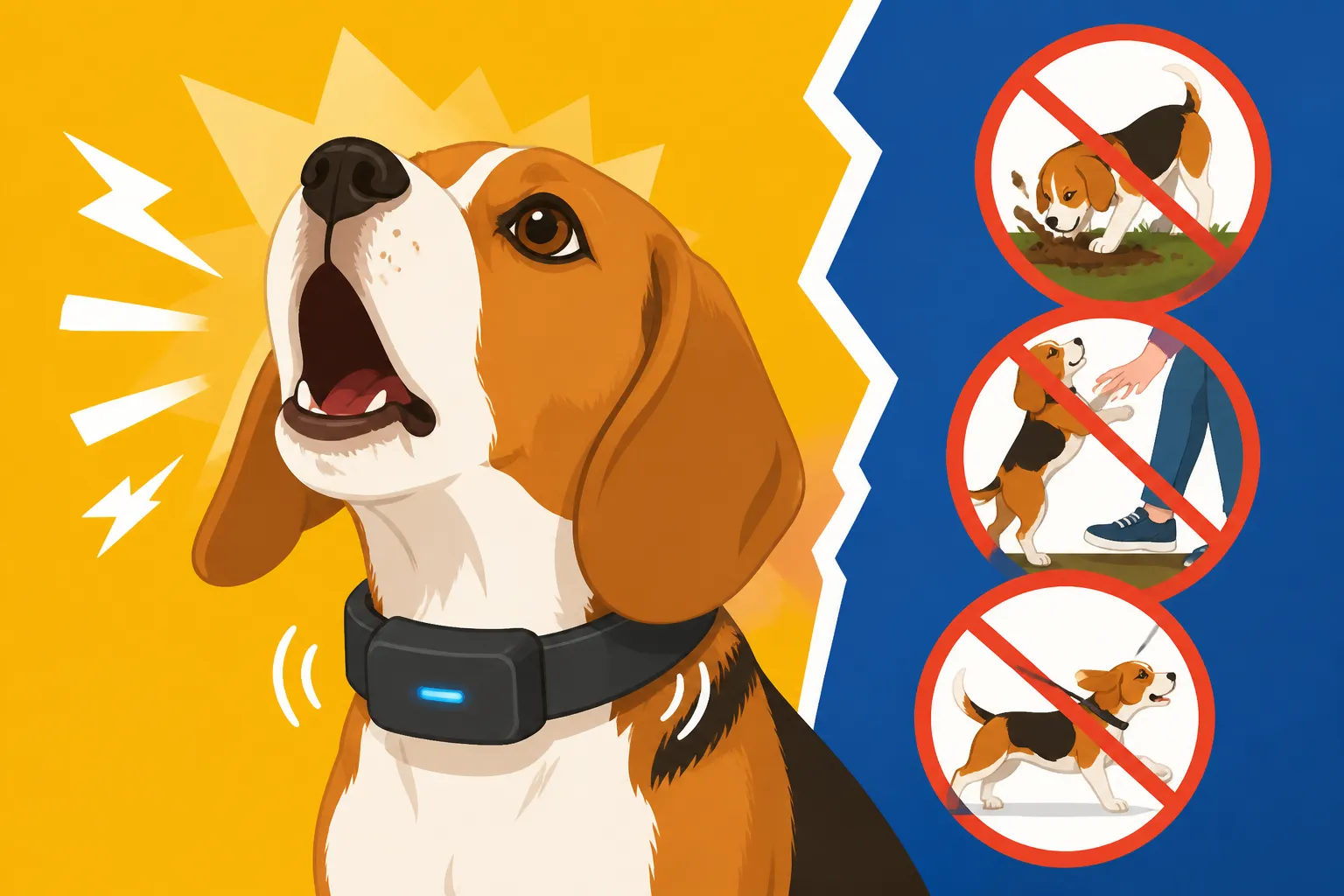
Bark collars generally fall into a few categories, each designed to deliver an aversive stimulus when a dog barks. The most common types include:
- Static/Shock Collars: These deliver an electrical pulse of varying intensity. When the collar detects a bark, it administers a static correction.
- Vibration Collars: Instead of a shock, these collars vibrate against the dog's neck, intended to startle them out of barking.
- Spray Collars: These collars release a burst of citronella spray or an unscented mist when activated by barking. The smell or sudden spray is supposed to deter the dog.
- Ultrasonic Collars: These emit a high-frequency sound, inaudible to humans but unpleasant to dogs, when barking is detected.
The theory behind all these collars is rooted in aversive conditioning: create an unpleasant consequence every time the dog barks, and the dog will learn to stop barking. It sounds logical on the surface, but a Beagle's world is rarely that simple. Many owners purchase these thinking they'll solve the problem, often through convenient online retailers like Amazon, hoping for a simple device to bring quiet.
Why Bark Collars Don't Address the Root Problem
Here's the fundamental flaw with bark collars, especially for a breed like the Beagle: they punish the symptom without ever addressing the cause. Imagine your car's "check engine" light comes on, and your solution is to put tape over the light. The light is off, but the engine problem is still there, possibly getting worse. Bark collars do the same thing for your Beagle.
If your Beagle is barking due to anxiety, a bark collar will only add more anxiety to an already stressed dog. They don't understand why this unpleasant sensation is happening; they just know that when they vocalize (which they're doing out of distress), something bad happens. This can lead to a dog who is not only still anxious but now also fearful, potentially developing new behavioral problems like aggression, withdrawal, or destructive behaviors. They might learn to vocalize only when the collar is off, or develop a more subtle, stress-related vocalization like whining or whimpering.
For Beagles barking out of boredom, frustration, or instinct, the collar doesn't provide an alternative outlet. It simply suppresses a natural behavior. A bored Beagle needs mental and physical enrichment, not punishment for communicating its need. A Beagle baying at a rabbit scent is following ancient programming; a collar just confuses and stresses them, making them feel punished for doing what they're biologically driven to do. As we discussed in Why You Cannot Train the Bay Out of a Beagle, it's deeply ingrained.
Potential Negative Side Effects and Ethical Concerns
Beyond not fixing the root cause, bark collars can have significant negative impacts on your Beagle's well-being and your relationship with them. Trust is a huge factor in the human-animal bond, and a device that delivers unpredictable or painful corrections can erode that trust rapidly.
Think about it from your Beagle's perspective. One moment they're communicating naturally, the next they're getting zapped, sprayed, or vibrated. They don't have the cognitive ability to connect "barking at the mailman" with "getting shocked." They just associate the discomfort with whatever else is happening around them: the mailman, you walking by, another dog, or even their own home environment. This can create new phobias and anxieties, turning a dog that was merely noisy into a dog that is genuinely fearful of everyday stimuli.
There are also physical concerns. Static collars, if set too high or malfunctioning, can cause pain and even skin irritation or burns. Spray collars can startle sensitive dogs excessively. Moreover, these collars are indiscriminate. They often activate with other sounds like sneezes, coughs, or even another dog barking nearby, punishing the Beagle for something completely unrelated to its own vocalization. This "false positive" punishment is incredibly unfair and confusing for a dog, leaving them in a state of learned helplessness or extreme stress.
More Effective, Humane Approaches to Managing Beagle Vocalization
So, if bark collars aren't the answer, what is? The key lies in understanding your Beagle, addressing their needs, and using positive, reward-based training. It takes more effort than simply strapping on a device, but the results are far more lasting, humane, and strengthen your bond with your beloved hound.
Identifying and Addressing the Root Cause
The very first step, and arguably the most crucial, is to play detective. Why is your Beagle barking, baying, or howling? Keeping a "vocalization diary" can be incredibly helpful. Note down:
- When it happens (time of day, how long, how often).
- Where it happens (indoors, outdoors, near a window).
- What was happening just before (mailman, you leaving, another dog, silence, boredom).
- Who was present (you, other family members, no one).
- What kind of vocalization it was (bark, bay, howl). This can help you understand the message – you might want to review A Beagle Howl Measured in Decibels to get a sense of just how much sound they can produce.
Once you have a clearer picture, you can start addressing the underlying issues. If it's boredom, ramp up their mental and physical exercise. This might mean more sniff walks, puzzle toys you can find on Amazon, or even enrolling in a basic obedience or scent work class. If it's separation anxiety, you'll need a comprehensive plan involving desensitization, counter-conditioning, and possibly the help of a professional trainer. Managing the Triggers That Set a Beagle Off is a core component of this.
If it's attention-seeking, make sure you're not inadvertently rewarding the barking. Only give attention (petting, eye contact, treats) when they are quiet. If they bark, turn away or leave the room for a moment, returning only when they are silent. Consistency is key here.
Training for Quiet: Positive Reinforcement Strategies
Positive reinforcement is your best friend when it comes to teaching a Beagle anything, especially quiet. Instead of punishing what you don't want, you reward what you do want. This makes learning a positive experience and builds confidence in your dog.
One effective strategy is to teach a "quiet" cue. Start by letting your Beagle bark a couple of times, then hold a high-value treat near their nose. The moment they pause, even for a second, say "Quiet" and give the treat. Repeat this many times. Gradually increase the duration they have to be quiet before getting the treat. Eventually, you can pair the "Quiet" cue with the sight of a trigger (like someone walking past the window) and reward them for staying silent. This takes patience and consistent practice, but it's incredibly effective. The online training platform BAXTER & Bella offers comprehensive courses that include modules on teaching quiet cues and managing vocalization, using these positive reinforcement methods.
Another approach is to teach an incompatible behavior. If your Beagle tends to bark at the window, teach them to go to their mat or bed when someone passes by. Reward them heavily for settling on their mat instead of barking. This redirects their energy and focus onto a desirable action. For an active, scent-driven breed, engaging their nose can be a great way to redirect barking energy. Consider things like Scent Work as the Job a Beagle Was Built For.
Remember, positive reinforcement means making the desired behavior more rewarding than the unwanted one. For a food-motivated Beagle, this often means using truly high-value treats that they adore.
Environmental Management and Enrichment
Sometimes, the simplest solutions involve changing their environment or providing better enrichment. These aren't just "fixes"; they're integral to a Beagle's overall well-being.
- Reduce Visual Triggers: If your Beagle barks at everything passing by the window, limit their access to it. Use window film, frosted glass, or simply close the blinds or curtains during peak trigger times. If they bark in the yard, supervise them closely or bring them inside when triggers are present.
- Provide Mental Stimulation: Beagles need jobs for their noses and brains. Invest in puzzle feeders and interactive toys. Snuffle mats, lick mats, and treat-dispensing toys can keep them occupied and mentally tired. You can find many great options on Amazon. Hide treats around the house for them to "hunt." Engage in short, fun training sessions daily. Consider activities like Beagle Tracking and Nose Work Titles which are perfect for their natural abilities.
- Ensure Adequate Exercise: A tired Beagle is often a quiet Beagle. Beyond physical exercise, prioritize mental exercise. Those long sniff walks, where they get to truly engage their nose, are incredibly tiring and satisfying for them. A 30-minute run might wear out their body, but a 30-minute sniffari tires out their brain and is often more effective at reducing problematic vocalization.
- Create a Safe Space: A comfortable crate or a designated quiet room can provide a sanctuary for your Beagle, especially if they are prone to anxiety. Make it a positive space with comfy bedding and a favorite chew toy. This can be particularly helpful if your Beagle exhibits The Howling That Means Beagle Separation Anxiety. You may even want to consider Soundproofing One Room for a Vocal Beagle if the noise is a major concern.
- Chewing Outlets: Provide appropriate chew toys. Chewing is a natural, stress-relieving activity for dogs. Make sure they have plenty of safe, durable options.
When to Seek Professional Guidance
While many vocalization issues can be managed with consistent effort at home, there are times when professional help is not just beneficial, but essential. Don't hesitate to reach out if you feel overwhelmed, or if your Beagle's barking is severely impacting their quality of life or your relationship with them.
Consulting a Certified Professional Dog Trainer
If you've tried implementing strategies but aren't seeing progress, or if the problem seems deeply ingrained, a certified professional dog trainer (CPDT) or a canine behaviorist can be a game-changer. Look for trainers who use positive, reward-based methods and have experience with scent hounds. They can:
- Accurately assess the root cause: A good trainer can observe your Beagle's behavior and your home environment to pinpoint the exact triggers and motivations behind the vocalization.
- Develop a customized training plan: They can create a step-by-step plan tailored to your Beagle's specific needs and your lifestyle, ensuring consistency and effectiveness.
- Teach you effective techniques: Learning from an expert can empower you with the skills and confidence to implement positive training strategies correctly.
- Address complex behavioral issues: If the vocalization is part of a larger issue like severe separation anxiety or reactivity, a behaviorist can provide advanced strategies and support. Platforms like BAXTER & Bella can be a great starting point for foundational training, but for truly challenging behaviors, one-on-one professional guidance is invaluable.
Remember, a good trainer will never recommend or use aversive tools like static bark collars. Their focus will always be on understanding and building a positive relationship.
Ruling Out Medical Causes with Your Veterinarian
Sometimes, what appears to be a behavioral problem can actually have a medical origin. Pain, discomfort, or certain health conditions can lead to increased vocalization in dogs. For example, a dog with an ear infection might whine or bark more due to discomfort. An older Beagle developing cognitive dysfunction might vocalize more due to confusion or disorientation.
It's always a good idea to schedule a vet check-up to rule out any underlying medical conditions, especially if the excessive vocalization is a new behavior or is accompanied by other changes like lethargy, appetite changes, or irritability. Your vet can perform a thorough examination and recommend any necessary tests. This is a crucial step before embarking on a purely behavioral modification plan, as addressing any physical ailment will pave the way for successful training and a happier, quieter Beagle.
| Type of Beagle Vocalization | Common Sound | Potential Underlying Reasons | What It Doesn't Mean |
|---|---|---|---|
| Baying | Long, drawn-out, mournful, resonant | Tracking a scent, excitement, calling the pack, loneliness | Defiance, stubbornness |
| Howling | Similar to baying, but often directed upwards | Responding to high-pitched sounds (sirens), seeking attention, separation anxiety, loneliness | Random noise-making |
| Barking | Shorter, sharper, repetitive | Alerting to strangers, playing, excitement, frustration, fear, attention-seeking, boredom | Malice, intentional annoyance |
| Whining/Whimpering | Soft, often high-pitched | Seeking attention, mild anxiety, discomfort, frustration, greeting | Aggression |
The journey to a quieter Beagle is one of understanding, patience, and positive reinforcement, not suppression. By investing in humane training, proper management, and sometimes professional guidance, you can transform that frustrating noise into a manageable part of your wonderful Beagle's personality, strengthening your bond along the way.
Disclaimer
This article is for general informational purposes only and does not constitute professional advice. Laws, prices and regulations vary by location and change over time. Consult a qualified professional for guidance on your specific situation.