High-Value Food and How Fast a Beagle Learns
Anyone who has ever lived with a Beagle knows the unique challenge and joy of their insatiable appetite. You might be struggling with a smart, stubborn hound who seems to only pay attention when food is involved, leaving you wondering if you'll ever teach them anything without a treat in hand. This guide is here to dive deep into leveraging that powerful food drive to your advantage, transforming your Beagle's learning curve from a frustrating uphill battle into a joyful, rapid progression using high-value food rewards.
Understanding the Beagle's Incredible Food Drive
Let's be real, Beagles are notorious food hounds. It’s not just a cute quirk; it's a fundamental part of their genetic makeup and historical purpose. If you feel like your Beagle thinks with their stomach, you're not wrong – they largely do, and understanding why is the first step to harnessing that power for training.
The Evolutionary Reason Behind Their Appetite
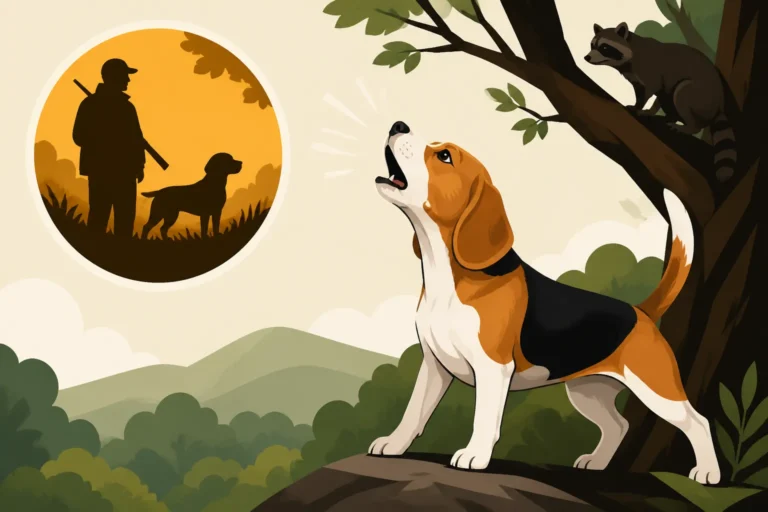
Beagles were originally bred for hunting small game like rabbits and hares. Their entire existence revolved around following a scent trail, often for hours, over varying terrains. Imagine the sheer energy output required for such a task! To sustain that, nature equipped them with an incredibly efficient drive to find and consume calories. A strong food drive meant survival and success in the field. When they were working in packs, competition for resources, including food, was also a factor, further reinforcing the instinct to grab and gulp. This isn't just about being "greedy"; it's about deep-seated instincts that have been refined over centuries.
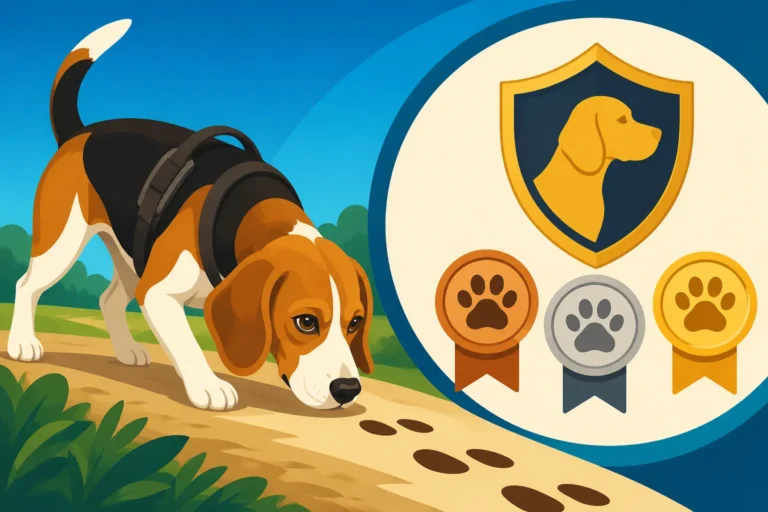
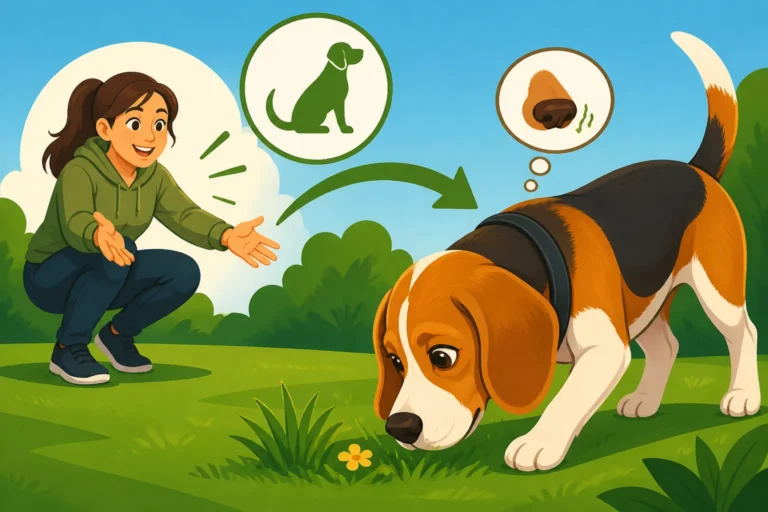
Think of it this way: for a Beagle in the field, finding that rabbit scent was paramount, and the reward for a successful hunt was a meal. Our modern Beagles still carry that blueprint. Their powerful noses, which can detect a scent thousands of times better than ours, are intrinsically linked to seeking out sources of sustenance. That same drive that makes them incredible scent workers also makes them incredibly motivated by food in a training context. It's not a flaw; it's a feature you can use to your advantage.
Why Your Beagle Thinks All Food Belongs to Them
It's a common lament among Beagle owners: "My dog thinks every crumb, every stray picnic item, every piece of trash is theirs!" This isn't just mischief; it's a direct extension of that historical food drive and scavenging instinct. In a pack environment or in the wild, any edible item found was fair game, and often, it was a race to consume it before another animal did. This instinct is so strong that even a well-fed Beagle will often act as if they are perpetually starving. They might counter surf, raid trash cans, or meticulously "sweep" the floor for anything dropped. This can be frustrating, especially when you're trying to enjoy a meal or keep your home tidy.
This behavior isn't usually born out of malice or a desire to disobey; it's an ingrained survival mechanism that still operates strongly in our domestic companions. They see, or rather, smell, an opportunity for calories, and their brain says, "Go for it!" Understanding this helps us approach their behavior with more patience and a strategic mindset. Instead of punishing an instinct, we can redirect it and use it as a powerful tool. You might find our article on Beagle Counter Surfing and Trash Raiding particularly helpful in managing these behaviors around the house.
Calorie Management for Training Success
While food is an excellent motivator, it's crucial to manage your Beagle's overall calorie intake. Beagles are prone to weight gain, and an overweight Beagle is at risk for numerous health issues, including joint problems and diabetes. If you're using a lot of treats in training, those calories add up quickly. It's a fine line to walk: you need enough motivation, but not so much that your Beagle becomes unhealthy. This is why selecting the right kind of high-value food and integrating it smarty is so important.
A good rule of thumb is to consider training treats as part of their daily food allowance. On heavy training days, you might reduce their regular meal portion slightly to compensate. Another strategy is to use their actual kibble for lower-value, everyday training. Many Beagles are so food-motivated that even their regular kibble can be a sufficient reward for simple commands in a low-distraction environment. We delve deeper into this in Keeping a Beagle Lean While Training With Treats. It's about being mindful and intentional with every bite they consume, ensuring their health doesn't suffer from their enthusiasm for learning.
How High-Value Treats Supercharge Beagle Training
You've got the food drive; now how do you use it effectively? The secret lies in understanding what "high-value" truly means to your individual Beagle and deploying it strategically.
Defining "High-Value" for Your Beagle
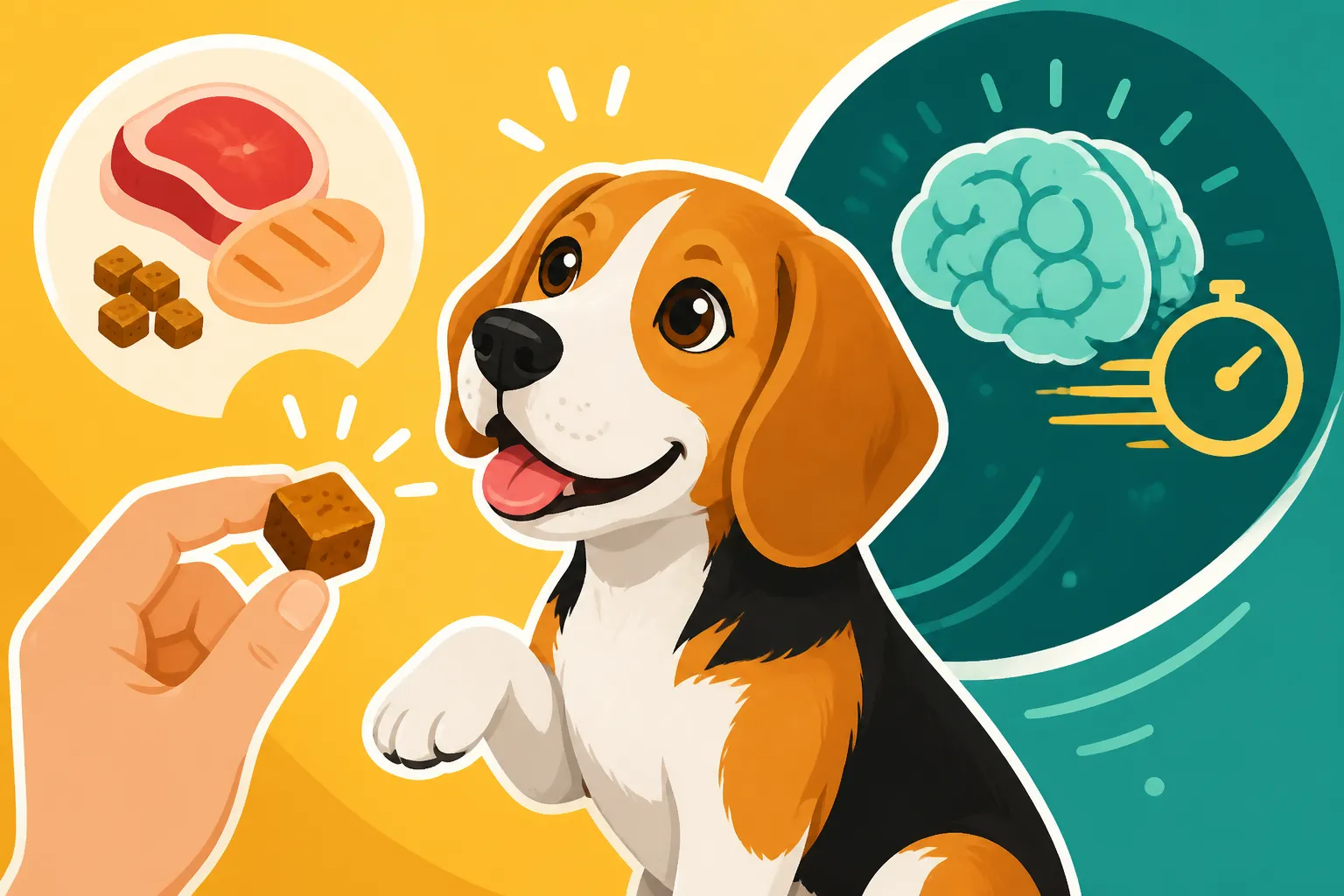
What constitutes "high-value" isn't a universal constant; it's deeply personal to your Beagle. For some, it might be tiny bits of cooked chicken. For others, it's cheese, hot dogs, or even specific commercial training treats. The key is that it's something your Beagle adores and rarely gets otherwise. It should be exciting, palatable, and worth working for, especially when faced with distractions. If your Beagle is just "meh" about a treat, it's probably not high-value enough for challenging situations.
Experimentation is key here. Offer small pieces of various human-grade foods (ensure they are safe for dogs, of course!) and observe your Beagle's reaction. Do their eyes light up? Do they gulp it down with enthusiasm? That's your high-value winner. Keep these super special treats reserved only for difficult training tasks, emergency recalls, or particularly good behavior. Don't waste your high-value currency on a "sit" in the living room if their regular kibble works just fine for that. This scarcity makes them even more desirable when you truly need them.
The Power of Novelty and Variety
Imagine eating the same dry crackers every single day. Eventually, even if you like them, they lose their appeal. The same goes for your Beagle's treats. While they might have a favorite, introducing novelty and variety can significantly boost their enthusiasm for training. Rotating through a few different high-value options keeps them engaged and eager to see what delicious surprise comes next.
This doesn't mean you need an endless supply of exotic meats. Simple variety, like alternating between small pieces of turkey, cooked sweet potato, or a commercially available soft training treat, can make a big difference. Think about texture too: some dogs prefer soft, chewy treats, while others love a crunchy biscuit. The Treats a Beagle Will Work Hardest For offers a great breakdown of options to consider. Maintaining this sense of anticipation and excitement ensures that your high-value rewards remain truly high-value in your Beagle's eyes, keeping them super motivated to learn.
Using Different Treat Tiers for Different Behaviors
Not all behaviors are created equal, and neither should their rewards be. This is where the concept of "treat tiers" comes into play. You should have a scale of rewards, from low-value (like a piece of their regular kibble or verbal praise) to medium-value (a standard commercial training treat), all the way up to high-value (those special, irresistible morsels).
Here's how to apply it:
- Low-Value: Use for behaviors your Beagle already knows well, in a low-distraction environment. For example, a "sit" in the kitchen, or a "down" during a quiet moment. Verbal praise and a quick pet can also fall into this category.
- Medium-Value: For new behaviors, or when practicing known behaviors in slightly more distracting environments (e.g., a "stay" on a short leash in the backyard). Most standard commercial training treats fit here, like those readily available on Amazon.
- High-Value: Reserved for challenging new skills, proofing behaviors in highly distracting environments (like a dog park), or for critical commands like an emergency recall. This is where the cooked chicken or cheese comes out.
This tiered approach not only maximizes the effectiveness of your most potent motivators but also helps you manage your Beagle's caloric intake. You're not overfeeding high-value treats for simple tasks, but you're always ready with the big guns when the situation demands it. This strategy aligns perfectly with the Beagle's inherent drive, making training incredibly efficient.
Practical Strategies for Using Food in Training
Now that we understand the "why" and "what" of high-value food, let's get into the "how." Effective treat delivery and integration into daily life are crucial for rapid learning.
Treat Delivery Techniques for Clarity
The way you deliver a treat is almost as important as the treat itself. Your goal is to make the connection between the desired behavior and the reward as clear as possible for your Beagle. Timing is everything: the treat needs to be delivered within 1-2 seconds of the behavior occurring. If you're too slow, your Beagle might associate the treat with whatever they were doing after the correct behavior.
Here are some tips for clear delivery:
- Keep treats ready: Have them easily accessible in a treat pouch or your hand. Fumbling for treats breaks the flow of training.
- "Mark" the behavior: Use a verbal marker like "Yes!" or a clicker (see Beagle Clicker Training From the First Day) the instant your Beagle performs the desired action. The marker tells them exactly what they did right, and then the treat follows.
- Deliver at nose level: Don't make your Beagle jump for the treat. Bring it directly to their nose, reinforcing that staying put (or performing the action) leads to the reward.
- Open hand, no grabbing: Present the treat in an open palm to prevent accidental nips or your Beagle trying to snatch it from your fingers. Teach them gentle taking from the start.
Consistent and clear treat delivery reduces confusion and helps your Beagle learn much faster, especially when they're so intensely focused on the food itself.
Incorporating Food into Everyday Manners
Training isn't just about formal sessions; it's about building good habits throughout the day. Your Beagle's food drive can be a powerful ally in teaching everyday manners, making them a more polite and integrated member of the family.
Consider these scenarios:
- Doorway Manners: Instead of letting your Beagle barrel through the door, teach them to "wait" before going outside. Use a low-value treat to reward them for holding their stay as you open the door. Gradually increase the duration and distraction.
- Greeting Guests: Beagles can be excitable. Teach them to "sit" when a guest arrives, rewarding with a medium-value treat from the guest's hand (if appropriate and safe). This teaches them that polite greetings earn rewards.
- Loose-Leash Walking: When your Beagle pulls on the leash, stop immediately. Only move forward when the leash slackens, and reward with a treat at your side. This teaches them that walking nicely earns tasty rewards and forward momentum.
- "Leave It": This is a critical command for a Beagle's safety, given their tendency to eat anything they find. Practice "leave it" with a low-value item on the floor, rewarding with a high-value treat when they disengage. Gradually increase the value of the item they're leaving. Our guide Beagle Scavenging on Every Walk goes into this in more detail.
By weaving treats into these daily interactions, you're constantly reinforcing good behavior and making your Beagle associate politeness with positive outcomes, all thanks to that powerful food motivation.
Managing Distractions with Superior Rewards
One of the biggest frustrations for Beagle owners is their dog's laser focus on a scent or another dog, making them seemingly deaf to your commands. This is where high-value treats truly shine. When the environment is full of competing distractions, your reward needs to be more enticing than whatever your Beagle is focused on.
If your Beagle is struggling to pay attention at the park, or when a squirrel runs by, it means your current reward isn't high-value enough for that level of distraction. You need to upgrade! Bring out the cooked chicken, the liverwurst, or the really stinky, soft commercial treats. The goal is to make you and the amazing food you offer the most interesting thing in the environment.
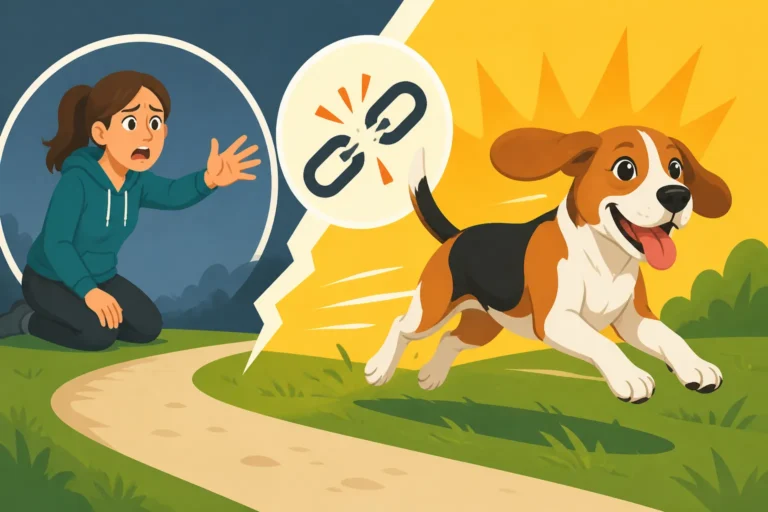
Start practicing in slightly distracting environments and slowly increase the challenge. Don't expect your Beagle to ignore a rabbit for a piece of kibble. But for a piece of grilled steak? That might just do the trick for a split second, allowing you to reward that momentary focus. This is particularly vital for building a reliable recall. If your Beagle's nose is glued to a scent, a regular "come" might be ignored. But an excited, happy voice paired with the promise of a truly epic treat can often cut through the distraction. Remember, their nose is a powerful force, and sometimes, only an equally powerful reward can break its spell.
Avoiding Pitfalls: Keeping Your Food-Motivated Beagle Healthy
While food motivation is a blessing for training, it comes with responsibilities. We need to be vigilant about their health, safety, and preventing unwanted behaviors that arise from their intense focus on food.
Preventing Counter Surfing and Trash Raiding
For a Beagle, an unattended counter or an open trash can is like finding a hidden treasure chest. Their incredible sense of smell means they know exactly what's there, and their food drive compels them to investigate. Preventing these behaviors is far easier than trying to stop them once they've become ingrained habits.
Prevention is key:
- "Beagle-proof" your kitchen: Keep counters clear of all food items. This means pushing everything far back, putting groceries away immediately, and ensuring no tempting leftovers are left out.
- Secure your trash: Invest in a sturdy, Beagle-proof trash can with a locking lid. Many owners swear by stainless steel cans with foot pedals and internal mechanisms that prevent easy access. Even better, keep the trash can inside a pantry or cabinet.
- Teach "leave it": As mentioned earlier, this command is invaluable. Practice it regularly with various items, from socks to dropped food, rewarding heavily when your Beagle disengages.
- Supervise: Never leave food unattended, especially when guests are over and might not be as vigilant. A moment of inattention can reinforce an unwanted habit.
It’s an ongoing battle, but with consistent management, you can teach your Beagle that counters and trash are simply not rewarding sources of food. For more detailed strategies, check out Beagle-Proofing a Kitchen Counter.
Balancing Training Treats with Mealtime Calories
We've talked about this, but it bears repeating: every treat is a calorie. An average Beagle, depending on their size and activity level, has a fairly specific daily caloric need. If you're giving out dozens of treats during a training session, you must adjust their regular meals accordingly to prevent weight gain.
Strategies for calorie balance:
- Use smaller treats: Even high-value treats can be cut into tiny, pea-sized portions. Your Beagle doesn't need a whole piece of chicken; a sliver is often just as effective. You can find pre-cut, tiny training treats from brands available on Amazon designed for this purpose.
- Use a portion of their meal: For less distracting environments or simpler commands, use a portion of your Beagle's daily kibble as training rewards. This eliminates extra calories.
- Account for treats: If you use 1/4 cup of treats in a day, subtract that from their evening meal. It takes a little planning but is crucial for maintaining a healthy weight.
- Body condition scoring: Regularly check your Beagle's body condition. You should be able to feel their ribs easily without pressing hard, and they should have a discernible waist when viewed from above. If they're starting to look a bit round, it's time to cut back on treats or increase exercise. Overweight Beagle Still Looks Normal talks about this exact challenge.
Remember, training should enhance their health, not detract from it. A lean, healthy Beagle is a happy and agile learner.
Dental Health Considerations with Frequent Treats
Frequent treat-giving, especially with soft, sticky treats, can contribute to plaque and tartar buildup on your Beagle's teeth. Just like in humans, poor dental hygiene can lead to painful dental disease, infections, and other health complications. This is a common issue for dogs that are heavily food-motivated and receive many treats.
Ways to protect their pearly whites:
- Brush their teeth regularly: This is the gold standard for dental care. Start early with a puppy toothbrush and dog-specific toothpaste. Our guide Brushing a Beagle's Teeth Properly offers practical tips.
- Choose dental-friendly treats: Look for treats designed to help clean teeth, or opt for crunchy treats that mechanically scrape plaque. However, be cautious with very hard chews that could break teeth.
- Regular vet checks: Schedule annual veterinary check-ups that include a dental examination. Your vet can recommend professional dental cleanings under anesthesia when necessary.
- Water additives and dental chews: There are various products, like water additives or specialized dental chews, that can help reduce plaque. Always consult your vet before introducing new dental products.
Don't let your Beagle's enthusiasm for treats compromise their oral health. A proactive approach will keep their mouth healthy and prevent costly dental procedures down the line.
Moving Beyond Food: Fading the Lure
While high-value food is an incredible tool for teaching new behaviors quickly, the ultimate goal is for your Beagle to perform those behaviors reliably even without a treat in sight. This process is called "fading the lure" or "fading the reward." It's not about stopping treats entirely, but about making them less predictable and introducing other forms of reinforcement.
Gradually Reducing Treat Frequency
Once your Beagle reliably performs a command in various situations, you can start to reduce how often you give a treat. This doesn't mean stopping cold turkey! It means transitioning from a continuous reinforcement schedule (treat every time) to an intermittent one (treat sometimes).
Think of it like a slot machine: if it paid out every time, it wouldn't be very exciting. But if it pays out randomly, you keep pulling the lever. Your Beagle will work harder and stay more engaged if they know a treat might be coming, but not always.
Steps to reduce frequency:
- Skip every other treat: Once a behavior is solid, try rewarding every second or third correct response.
- Vary the interval: Don't be predictable. Sometimes reward two times in a row, then skip three. This keeps your Beagle guessing and motivated.
- Use higher-value treats less often: When you do give a treat, make it a really good one, especially for exceptionally good performance or in a challenging environment. This reinforces the idea that great work gets great rewards.
- Introduce distractions: Practice fading in increasingly distracting environments. If they perform "sit" perfectly at the park without a treat, that's a huge win!
This gradual reduction ensures your Beagle continues to offer the behavior while becoming less reliant on the immediate presence of food.
Introducing Life Rewards and Praise
Food isn't the only thing your Beagle finds rewarding! Life rewards are anything your Beagle naturally wants to do, such as going for a walk, getting to sniff, playing with a favorite toy, or getting attention from you. These can become powerful motivators once your Beagle understands the connection between their behavior and earning that reward.
Examples of life rewards:
- "Sit" before going out: Reward a calm sit at the door by opening it and allowing them to go outside. The walk is the reward.
- "Come" for playtime: If your Beagle comes when called, reward them with a game of fetch or a tug session.
- "Stay" for sniffing: During a walk, ask for a brief "stay," then release them with "go sniff!" This makes sniffing a reward for good behavior. You can read more about the benefits of letting them sniff in Letting a Beagle Sniff on Every Single Walk.
- Verbal praise and affection: Don't underestimate the power of an enthusiastic "Good dog!" and a happy scratch behind the ears. For many Beagles, especially those with a strong bond with their owner, this attention is highly rewarding.
By pairing these life rewards with occasional food treats, you're building a more well-rounded reinforcement system. Your Beagle learns that doing what you ask can lead to all sorts of good things, not just food. Don't forget to look into resources like BAXTER & Bella which often emphasize a balanced approach to rewards in their comprehensive online puppy school programs.
When and How to Use a Food Lure Effectively
While the goal is to fade the lure, there are times when using food to guide your Beagle into a position (luring) is incredibly effective, especially when teaching a brand-new behavior. The key is to use it correctly so your Beagle doesn't become dependent on seeing the food in your hand before performing the command.
Effective luring techniques:
- Lure, then fade: Hold a treat close to your Beagle's nose and move it in a way that guides their body into the desired position (e.g., up and over their head for a "sit"). The moment they perform the action, say your marker word ("Yes!" or click), and give the treat.
- Reduce the lure's prominence: As soon as your Beagle understands the movement, start making the lure gesture smaller and less obvious. Instead of a full hand motion, use just two fingers.
- Add the verbal cue: Once they perform the behavior with a small lure, add the verbal cue before you lure. Say "Sit," then make the small luring motion.
- Remove the lure: Soon, you'll be able to say "Sit," and your Beagle will perform the action without any hand gesture at all. At this point, you're only using the verbal cue and then rewarding. The treat still comes, but it's not guiding the behavior anymore.
- Never repeat the verbal cue: If your Beagle doesn't respond to the verbal cue immediately, don't repeat it endlessly. Go back to a smaller lure, get the behavior, reward, and try again. Repeating the cue just teaches them they don't have to respond the first time.
Luring is a fantastic shortcut to teach complex movements, but it's a temporary tool. The moment your Beagle understands the physical action, start phasing out the visible food lure to prevent dependence. This way, your Beagle is truly learning the command, not just following a piece of food.
| Treat Tier | Examples | When to Use | Why It Works for Beagles |
|---|---|---|---|
| Low-Value | Kibble, plain cheerios, simple biscuits | Known behaviors, low-distraction environments (e.g., "sit" in kitchen) | Maintains engagement without overfeeding; easy to deliver |
| Medium-Value | Standard training treats (e.g., Zuke's, Wellness Soft Rewards), small pieces of carrots or apple | New behaviors, moderate distractions (e.g., "stay" in backyard) | More exciting than kibble; good for building new associations |
| High-Value | Cooked chicken, cheese, hot dogs, liverwurst, freeze-dried meat treats | Challenging behaviors, high-distraction environments (e.g., recall at park, "leave it" near something gross) | Cuts through distractions; makes you the most interesting thing |
Training a Beagle with their powerful food drive is a journey, but it's one that can be incredibly rewarding and fast-paced when approached with understanding and strategy. By utilizing high-value treats thoughtfully, managing calories, and gradually fading the lure, you’ll unlock your Beagle’s full learning potential and build a strong, lasting bond rooted in positive reinforcement.
Disclaimer
This article is for general informational purposes only and does not constitute professional advice. Laws, prices and regulations vary by location and change over time. Consult a qualified professional for guidance on your specific situation.