Long Lines Instead of Off-Leash for a Beagle
It's a familiar scenario for many Beagle owners: you dream of idyllic off-leash strolls in a vast, open field, watching your beloved hound happily romp and return to your side when called. The reality, however, often involves a sudden nose-to-the-ground moment, a deafening bay, and a vanishing act as your Beagle disappears over the horizon, completely absorbed by a tantalizing scent trail. This guide is here to help you navigate that challenge, offering the long line as a fantastic alternative to give your Beagle the freedom to explore safely, without the constant fear of them going AWOL.
The Irresistible Call of the Beagle Nose
Let's face it, a Beagle's nose isn't just good; it's a superpower. This breed was meticulously developed over centuries for one primary purpose: to follow a scent trail, often for miles, without distraction. This deep-seated instinct means that what we perceive as "stubbornness" is, for a Beagle, simply a complete and utter devotion to the task their ancestors perfected. Understanding this fundamental aspect of their being is the first step toward managing their freedom responsibly.
Why "Off-Leash" Means "Gone" for Most Beagles
You might have heard the saying, "A Beagle off-leash is a gone Beagle." While it sounds dramatic, it holds a significant amount of truth for many, many owners. Imagine having The 220 Million Receptors Behind a Beagle's Nose at your disposal, capable of disentangling a rabbit's trail from a deer's, even hours after the animal has passed. When your Beagle locks onto a scent, it's like a siren song pulling them forward, drowning out all other stimuli – including your desperate calls. Their world shrinks to that scent, and the drive to follow it to its conclusion is almost impossible to override.
This isn't a fault in your training, nor is it a sign your Beagle doesn't love you. It's simply their ancient programming taking over. They weren't bred to politely ignore a compelling scent; they were bred to track it relentlessly. This intense focus makes traditional off-leash freedom incredibly risky, especially in unfenced or open areas where potential hazards lurk just out of sight. You can call until your voice is hoarse, but if that nose is engaged, your voice simply ceases to register as important.
The Dangers of Uncontrolled Wandering
The urge to follow a scent can lead a Beagle into genuinely perilous situations faster than you can blink. Roads, with their fast-moving traffic, become invisible to a dog singularly focused on a trail. They might dart into the path of a car, putting both themselves and drivers at severe risk. Wildlife, from squirrels to deer, can also present dangers. A Beagle might chase a territorial animal that fights back, or it could simply get lost deeper in the woods, unable to retrace its steps once the scent dissipates or new, intriguing smells pull it further afield.
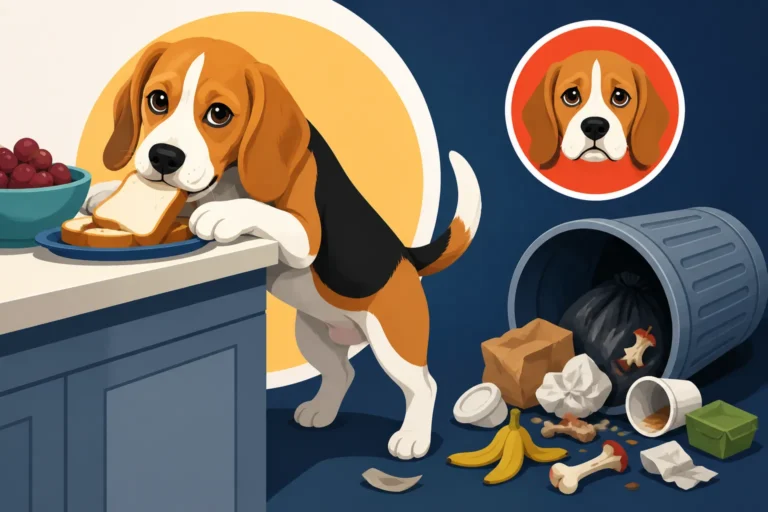
Beyond immediate physical dangers, there's the very real risk of your Beagle consuming something harmful. Their scavenging nature, combined with their incredible nose, means they can find and ingest discarded food, toxic plants, or even dangerous debris that could lead to severe illness or an emergency vet visit. The emotional toll of a lost Beagle is immense, leaving owners frantic with worry. Why a Beagle Should Never Be Off Leash Unfenced isn't just a suggestion; for many, it's a hard-learned lesson in heartbreak avoidance.
Understanding the Long Line: More Than Just a Long Leash
For those of us who yearn to see our Beagles stretch their legs, sniff to their heart's content, and truly experience the world around them without the constricting feeling of a standard six-foot leash, the long line is a game-changer. It offers a crucial balance between freedom and safety, allowing your Beagle to engage their powerful nose while still providing you with a critical safety net.
What a Long Line Is and Why It's Different
A long line is essentially a very long lead, typically ranging from 15 to 50 feet, or even longer. Unlike a standard leash, its primary purpose isn't just to keep your dog at your side. Instead, it's designed to allow them a significant radius of movement, enabling them to explore, sniff, and even run, all while remaining physically connected to you. It gives them the illusion of off-leash freedom in a controlled environment. Think of it as a movable, invisible fence that expands your Beagle's world without sacrificing your peace of mind.
Crucially, a long line is not a retractable leash. Retractable leashes maintain constant tension, which can be damaging to a dog's neck and back, and they teach a dog that pulling extends their reach. They also offer very little control in an emergency and can be dangerous if the lock mechanism fails or the cord snaps. A long line, on the other hand, is managed manually. You allow slack, gather slack, and step on the line to stop your dog, giving you direct, consistent control and clearer communication. The materials are also generally much more durable and designed for sustained contact with the ground and various elements.
Choosing the Right Long Line for Your Beagle
Selecting the right long line makes a huge difference in your experience. Length is paramount; for a Beagle, you'll likely want something substantial. While a 15-foot line might be a good starting point in a smaller park, many Beagle owners find that a 20-foot or even 30-foot line allows for more meaningful exploration. If you have access to a very large, open field, you might even consider a 50-foot line to truly let them stretch their legs and indulge their scenting instincts. However, remember that longer lines require more management, so start shorter and work your way up. The Long Line Length a Beagle Actually Needs often depends on the environment you're in and your comfort level.
Material matters too. Nylon long lines are common and affordable, but they can absorb water, get dirty easily, and cause rope burn if they slide through your hands too quickly. Biothane, a coated webbing material, is often a favorite among professional trainers and experienced owners. It's waterproof, doesn't absorb odors, is easy to clean, and offers a better grip. Look for sturdy hardware – a strong, secure clasp that won't unexpectedly open if your Beagle lunges. You can find a good variety of both nylon and biothane long lines, in various lengths and colors, on platforms like Amazon, making it easy to compare options and read reviews from other dog owners.
Training Your Beagle with a Long Line
A long line isn't just a piece of equipment; it's a training tool. Simply clipping it on and letting your Beagle run wild isn't the safest or most effective approach. By incorporating intentional training, you can teach your Beagle how to navigate their newfound freedom responsibly and strengthen your bond and communication in the process.
Introducing the Long Line in a Safe Space
When you first introduce the long line, choose a controlled and familiar environment. A securely fenced yard, a quiet park during off-peak hours, or an empty sports field are ideal. The goal isn't to immediately challenge your Beagle with high-distraction environments, but to allow them to get used to the feel of the line and understand the boundaries it provides. Let them drag the line for a bit, sniffing around, getting accustomed to the weight and length.
As they explore, practice handling the line. Learn to spool it out and gather it in smoothly, without letting it tangle around your feet or tree trunks. Avoid letting the line go completely slack for extended periods, then suddenly yanking it tight. Instead, try to anticipate their movements and apply gentle, consistent tension only when needed to prevent them from moving too far or into an unsafe area. This initial phase is about building a positive association with the line and teaching you how to manage it effectively.
Building Recall and Check-ins on the Long Line
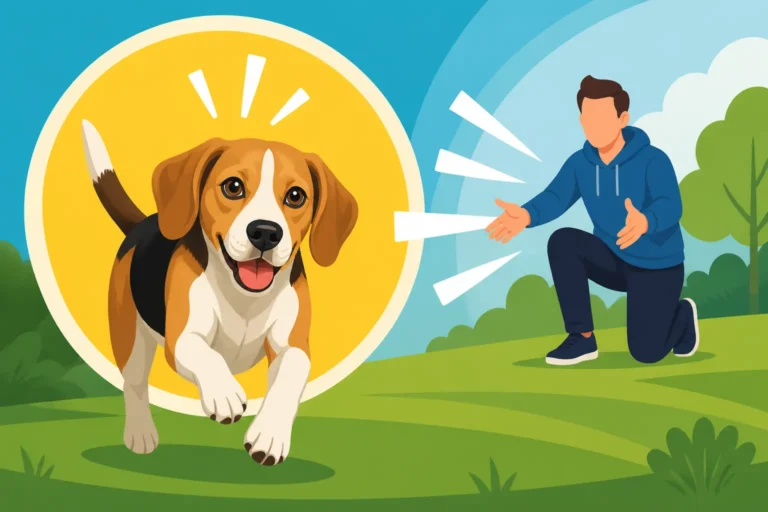
The long line is an exceptional tool for reinforcing recall, especially for a breed like the Beagle. Start by letting your Beagle explore, then, when they're a moderate distance away but before they become completely absorbed in a scent, call their name cheerfully. If they hesitate, give a gentle tug on the line to encourage movement towards you. The moment they turn and start coming, praise them enthusiastically and back up a few steps to encourage them further. When they reach you, reward them with a truly high-value treat – something they absolutely adore. Think tiny pieces of cooked chicken or cheese, not just a dry kibble. Consistency is key, and using irresistible rewards will make coming back to you much more appealing than chasing a distant smell. The Treats a Beagle Will Work Hardest For are crucial here.
Also, focus on building voluntary check-ins. Praise and reward your Beagle every time they look back at you or come close without being called. This teaches them that good things happen when they pay attention to you, even when they're engrossed in sniffing. This controlled freedom allows for repeated, successful recall practice in a way that off-leash simply can't guarantee for a Beagle. Over time, these positive experiences will help Beagle Recall That Works Before the Nose Wins become a stronger habit, even in distracting environments.
Managing Sniffing and Exploration Without Pulling
A huge benefit of the long line is allowing your Beagle to indulge their natural desire to sniff and explore. Don't constantly pull them away from a scent they're interested in. Instead, give them time to investigate. When it's time to move on, use a gentle verbal cue like "let's go" or "this way," accompanied by a subtle, consistent pressure on the line. The goal is not to drag them away, but to calmly guide them. Reward them when they respond and move with you.
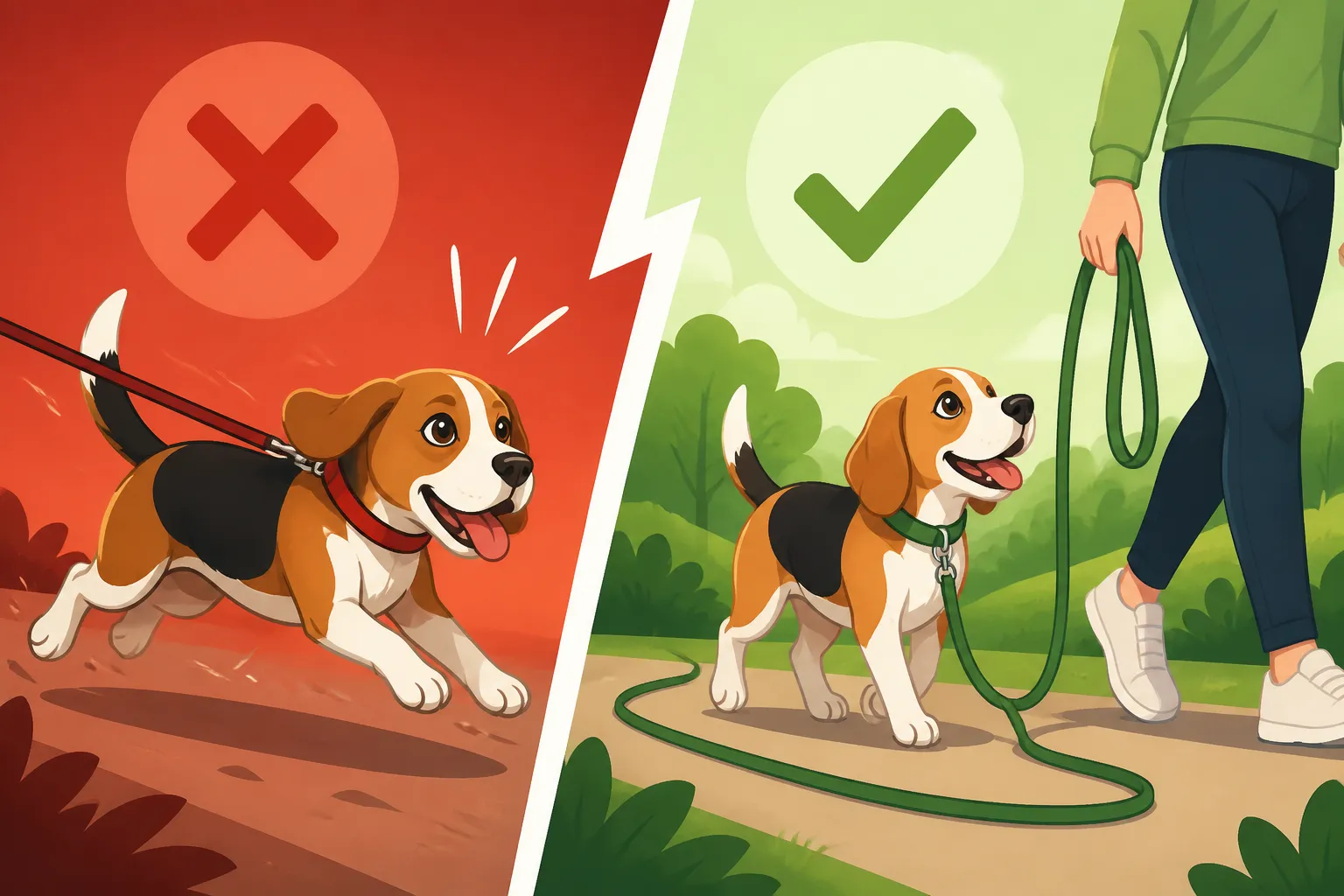
If your Beagle is pulling excessively on the long line, it often means they're over-stimulated or haven't learned polite leash manners yet. Practice short bursts of moving forward, then stopping. When they pull, stop moving. Only proceed when the line goes slack. This teaches them that pulling gets them nowhere, but a loose leash earns them movement and the chance to sniff. This patience will pay off, allowing for more enjoyable long-line adventures in the future. Remember that Beagles can get easily distracted outdoors, so patience and repetition are paramount in helping them understand your cues. Consider working on Beagle Distance Cues and Hand Signals to further enhance your communication.
Benefits of Using a Long Line for Beagles
For a breed as driven by scent and exploration as the Beagle, a long line isn't just a safety tool; it's a gateway to a happier, more fulfilled life. It bridges the gap between the limitations of a short leash and the inherent risks of full off-leash freedom, providing advantages for both dog and owner.
Mental and Physical Enrichment for a Scent Hound
One of the most profound benefits of a long line is the immense mental and physical enrichment it provides. Beagles need to use their noses. It's what they were born to do, and denying them this outlet can lead to frustration, boredom, and even behavioral issues at home. A long line allows them to stretch out, cast for scent, and follow intriguing trails for far longer than a standard leash would permit. This sustained sniffing is incredibly tiring for them, both mentally and physically. As a blogger, I can tell you firsthand that Sniffing Walks and Why They Tire a Beagle Out are some of the most effective ways to truly wear out a high-energy Beagle, much more so than a simple jog around the block.
When your Beagle is able to explore a wider area, they encounter more varied scents, textures, and sights. This exposure stimulates their brain, keeps them engaged, and satisfies their innate hunting instincts in a safe and controlled manner. They get more physical exercise as well, covering more ground, speeding up, and slowing down at their own pace. This combination of mental and physical stimulation contributes significantly to a well-adjusted, content Beagle who is less likely to engage in destructive behaviors or excessive baying when they get home.
Enhanced Safety and Peace of Mind for Owners
For owners, the long line offers an invaluable sense of security and peace of mind. The constant worry about your Beagle bolting or getting lost, which often accompanies even the thought of off-leash time, can be incredibly stressful. With a long line, you know your Beagle is always connected to you. They can't wander onto a busy road, get into a fight with an unknown dog, or disappear into dense woods following a rabbit. This safety net allows you to relax and enjoy the outing with your dog, rather than constantly scanning the horizon or tensing up with every deep sniff.
The long line also helps prevent your Beagle from scavenging dangerous items. If they find something questionable, you have the immediate ability to reel them in and redirect them, or physically intervene if necessary. This controlled environment fosters a stronger bond, as you become a reliable source of fun and exploration, rather than simply the person holding them back. For an extra layer of protection, especially when working with longer lines in larger areas, some owners also use GPS Collars as a Backup for Beagle Recall, offering an additional safeguard against the unexpected. This combination gives many owners the confidence to let their Beagles enjoy significant outdoor freedom.
Common Challenges and Troubleshooting
While long lines are incredibly beneficial, they do come with their own set of challenges. Learning to manage the line, prevent injuries, and deal with typical Beagle exuberance will make your long line adventures much more enjoyable and safe for both of you.
Avoiding Tangling and Tripping Hazards
One of the most common difficulties with long lines is managing the excess material, especially as your Beagle weaves and explores. It's easy for the line to get tangled around your legs, your Beagle's legs, trees, or bushes, creating a tripping hazard for both of you. To mitigate this, learn to "accordion" the line in your hands, gathering and releasing it smoothly rather than letting it drag extensively. Keep your Beagle somewhat in front of you, and actively watch where the line is going.
Choose open, relatively clear areas for your long line sessions initially. Fields, wide park paths, or empty beaches are much easier to navigate than dense woods or areas with many obstacles. Avoid wrapping the line around your wrist or hand, as a sudden lunge from your Beagle could cause a nasty injury. Instead, hold the end of the line securely with an open palm or simply step on it with your foot if you need an immediate stop. Practice makes perfect, and with time, handling a long line will become second nature, much like driving a car where you instinctively know where the tires are.
Preventing Neck Injuries: Harness Over Collar
This is a critical point that cannot be stressed enough: always use a harness, not a collar, when your Beagle is on a long line. Beagles are strong, impulsive dogs with an intense prey drive. If they suddenly hit the end of a long line while wearing only a collar, the sudden jolt can cause severe damage to their neck, trachea, or even their spine. Neck injuries can range from mild discomfort to serious long-term issues.
A well-fitting, comfortable harness distributes any pressure across your Beagle's chest and shoulders, which are much better equipped to handle impact. This protects their delicate neck and allows them to explore without risk of injury from a sudden stop. Look for a harness that fits snugly without chafing and allows for a full range of motion. Investing in a good quality harness is an investment in your Beagle's health and safety. You'll find that a harness is also more effective in helping you guide them without causing discomfort, which further reinforces Why a Harness Protects a Beagle's Neck.
Dealing with Over-Excitement and Pulling
Even with a harness, a Beagle can still pull quite strongly on a long line when they get excited by a scent or another dog. This isn't just uncomfortable for you; it can make the experience less enjoyable and even reinforce the pulling behavior if not managed correctly. Consistency is vital. If your Beagle starts to pull, stop moving immediately. Plant your feet, and wait for the tension on the line to ease, even for a second. The moment the line slackens, praise them and resume walking. Repeat this every single time they pull. It teaches them that a loose line is the only way to get where they want to go.
For Beagles that are particularly prone to over-excitement, consider integrating training specifically focused on impulse control. This could involve "leave it" games, practicing polite greetings with other dogs from a distance, or using puzzle toys to channel their energy before heading out. Sometimes, working with a professional trainer can provide personalized strategies. Many online dog training platforms, such as BAXTER & Bella, offer comprehensive programs that cover loose-leash walking and impulse control, which can be incredibly helpful for owners struggling with enthusiastic Beagles on a long line. The key is patience, consistency, and making desirable behaviors more rewarding than the act of pulling.
Comparing Leash Types for Beagle Adventures
| Feature | Standard Leash (4-6 ft) | Long Line (15-50+ ft) | Retractable Leash (10-26 ft) |
|---|---|---|---|
| Control | High, keeps dog close. | Variable, depends on handler skill; offers controlled freedom. | Low, constant tension, difficult to gather quickly. |
| Freedom for Dog | Minimal sniffing radius, limited exploration. | Extensive sniffing, running, and exploration in a safe range. | Moderate range, but constant tension can be unpleasant. |
| Safety | High in crowded areas, dog stays close to handler. | High in open areas, prevents escapes while allowing freedom. | Low, high risk of entanglement, rope burns, neck injury on sudden stops. |
| Training Use | Good for heel work, basic obedience in proximity. | Excellent for recall, scent work, developing independence. | Poor, reinforces pulling, difficult to reward slack leash. |
| Physical Demands | Low for handler, dog close. | Moderate to high for handler (managing line, movement). | Low for handler (button control), high for dog (constant tension). |
| Material | Nylon, leather, biothane. | Nylon, biothane are common. | Usually thin cord or flat tape. |
| Best For Beagles | Urban walks, crowded areas, initial puppy training. | Parks, fields, beaches, secure yards; safe exploration. | Generally not recommended for Beagles or any dog. |
Disclaimer
This article is for general informational purposes only and does not constitute professional advice. Laws, prices and regulations vary by location and change over time. Consult a qualified professional for guidance on your specific situation.