Judging Quality of Life in a Beagle’s Last Year
Watching our beloved Beagles enter their golden years is a bittersweet journey. It brings immense joy to reflect on all the adventures you've shared, but it also ushers in the challenging task of recognizing subtle shifts in their health and, most difficult of all, judging their true quality of life when things start to decline. This guide is here to walk you through the signs, the tools, and the emotional preparation needed to ensure your senior Beagle lives out their remaining time with as much comfort and happiness as possible, helping you make informed, compassionate decisions every step of the way.
Recognizing Subtle Changes in Senior Beagles
Beagles, bless their brave little hearts, are often quite stoic animals. Their history as tenacious scent hounds means they can be remarkably good at hiding discomfort or pain, especially in the early stages. This makes our job as their caregivers even more critical: we need to become super-detectives, attuned to the smallest shifts in their behavior, physical appearance, and daily routines. It's not about looking for dramatic changes, but for those tiny, creeping alterations that, when pieced together, paint a picture of their overall well-being. Don't beat yourself up if you feel like you're missing something; it's genuinely hard, and it often takes a cumulative observation over days or weeks to see the patterns.
Behavioral Shifts and What They Mean
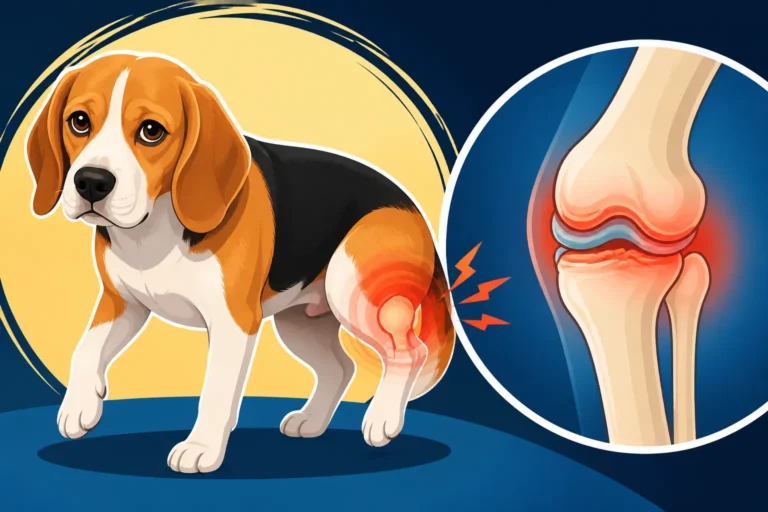
One of the first places you might notice changes in your senior Beagle is in their everyday behavior. They might not be as eager to greet you at the door, or perhaps their tail wags aren't quite as vigorous as they once were. These aren't just quirks; they can be significant indicators. For instance, a Beagle known for its boundless energy might suddenly seem more reserved, spending more time sleeping or simply lying quietly. If your Beagle used to jump on the couch with ease but now pauses, looks up, or needs a boost, it could be an early sign of discomfort, perhaps even something like Beagle Arthritis Arriving in Middle Age.
You might also observe changes in their interaction with the family. Some Beagles become more clingy, seeking constant reassurance, while others might become more irritable or withdrawn, choosing to retreat to a quiet corner rather than participate in family activities. A once food-motivated Beagle might hesitate before eating, or an outgoing pup might avoid interactions with other dogs or even children. Keep an eye on their reaction to being touched; a Beagle who previously loved a good ear scratch might flinch or pull away if it causes them pain. These behavioral shifts, especially when persistent, warrant a closer look and a discussion with your veterinarian.
Physical Indicators of Discomfort or Decline
Beyond behavior, there are often physical cues that your Beagle's quality of life might be diminishing. Observe their gait: are they walking with a stiffness, a slight limp, or a wobbliness in their hind legs? Do they struggle with stairs or hesitate before jumping? These could point to joint issues or even Beagle Back Problems and Intervertebral Disc Disease. Look at their posture when standing or lying down; a hunched back or an inability to get comfortable can indicate pain. Their coat might become duller, or you might notice patches of hair loss, which can be a sign of underlying health issues like Beagle Hypothyroidism and Sudden Weight Gain.
Pay close attention to their eyes and ears. Cloudy eyes, discharge, or difficulty navigating in dim light could indicate Beagle Vision Loss in a Beagle Past Twelve. Similarly, increased head shaking, ear scratching, or a foul odor can signal a persistent Beagle Ear Infections Under Those Long Ears, which can significantly impact their comfort. Swellings, lumps, or bumps that appear suddenly or grow rapidly should always be checked by a vet, as they could be related to Beagle Cancer Risks That Rise With Age. Even seemingly minor issues like persistent bad breath or difficulty chewing can be signs of advanced Beagle Dental Disease and Tartar Buildup, which causes chronic pain and can lead to more serious health problems.
Appetite, Thirst, and Elimination Patterns
Changes in appetite and thirst are crucial indicators. A Beagle known for its insatiable hunger might start picking at its food, or conversely, might become even more ravenous, potentially indicating a metabolic issue. A sudden increase or decrease in water intake should also be noted, as it can be a symptom of various conditions, including kidney disease or diabetes. Keep a close watch on their bathroom habits: are they having more accidents indoors? Are they struggling to posture for urination or defecation? Is their stool consistency changing? Difficulty holding their bladder or bowels can lead to stress and discomfort for your Beagle, and increased frequency or straining can indicate kidney or urinary issues.
Weight changes, whether gain or loss, are also critical. While many senior Beagles tend to gain weight due to decreased activity, sudden, unexplained weight loss can be a red flag for serious health problems. Conversely, an overweight senior Beagle might be putting undue strain on already compromised joints, contributing to discomfort. It's often hard to gauge these things daily, but a weekly check-in, feeling for their ribs and waistline, can be very insightful. Regular vet visits, at least twice a year for seniors, are essential to catch these changes early. Beagle Vet Visit Frequency After the Age of Ten should be a priority for every loving owner.
Practical Assessment Tools and Techniques for Quality of Life
It's one thing to observe these changes, but it's another to objectively assess them, especially when our emotions are deeply involved. This is where practical tools and a systematic approach can really help. These methods aren't about removing love from the equation; they're about giving you a clearer, more consistent picture of your Beagle's daily reality, allowing you to make decisions based on evidence, not just hope or fear. Having comprehensive pet insurance, like a plan from Healthy Paws, can certainly reduce the stress associated with pursuing diagnostics or palliative care, allowing you to focus on the assessment itself.
The HHHHHMM Scale and Its Application
One widely recognized tool for assessing a pet's quality of life is the "HHHHHMM Quality of Life Scale." Developed by Dr. Alice Villalobos, a veterinary oncologist, this scale helps owners objectively evaluate several key areas of their pet's well-being. Each letter stands for a specific criterion, and you rate your pet on a scale of 0 to 10 for each (0 being poor, 10 being excellent). A score of 5 or above in most categories generally indicates an acceptable quality of life.
Here's a breakdown of the HHHHHMM scale:
| Criterion | Description | How to Assess for Your Beagle |
|---|---|---|
| Hurt | Adequate pain control, including breathing ability. | Is your Beagle vocalizing pain, guarding a body part, reluctant to move, or panting excessively without exertion? Does pain interfere with sleep or appetite? |
| Hunger | Willingness to eat and drink enough. | Is your Beagle eating meals consistently and with enthusiasm? Is supplemental feeding or syringe feeding required? Is their thirst normal? |
| Hydration | Sufficient fluid intake, avoiding dehydration. | Is your Beagle drinking enough water on their own? Is their skin elasticity normal (gently tent skin on neck, should snap back quickly)? Are gums moist? |
| Hygiene | Ability to stay clean and comfortable. | Is your Beagle able to stand and relieve themselves without soiling themselves? Are they free of sores, matted fur, or urine scalding? |
| Happiness | Experiencing joy and interest in life. | Does your Beagle still show interest in toys, family members, or going for short walks? Do they have good and bad days? Do they respond to petting and praise? |
| Mobility | Ability to get up, move around, and do basic activities. | Can your Beagle get up and move without assistance? Can they reach their food/water? Are they collapsing or struggling significantly? |
| More Good Days than Bad Days | The overall balance of their daily experience. | Over the last week or two, have the majority of days been good (comfortable, engaged) or bad (pain, lethargy, disinterest)? |
Using this scale consistently, perhaps once a week, can help you track trends and make less emotionally charged decisions. It also provides a concrete framework to discuss your concerns with your vet.
Keeping a Detailed Quality of Life Journal
Beyond the HHHHHMM scale, maintaining a detailed journal can be incredibly illuminating. It doesn't need to be fancy; a simple notebook or a note-taking app on your phone will do. The key is consistency. Each day, jot down a few bullet points about your Beagle's day:
- Activity Level: Were they active or lethargic? How long did they sleep?
- Appetite: Did they eat all their food? Did they show interest?
- Thirst: Did they drink more or less than usual?
- Elimination: Any accidents? Changes in urine or stool?
- Pain/Discomfort: Did you notice any limping, stiffness, or vocalizations of pain?
- Mood: Were they happy, withdrawn, irritable? Did they engage with you?
- Medications: Note times and dosages of any medications given, and how they seemed to respond.
Over time, this journal will reveal patterns that are hard to see day-to-day. You'll be able to identify "good days" and "bad days" more clearly, and notice if the balance is shifting predominantly towards the latter. This tangible record is invaluable not only for your own understanding but also for providing your veterinarian with comprehensive information during check-ups. It helps them see beyond that often-misleading "vet visit burst of energy" that many dogs exhibit in the clinic.
Consulting Your Veterinarian for an Unbiased View
While your observations are vital, your veterinarian provides a crucial, objective perspective. They can perform physical exams, run diagnostic tests, and assess pain in ways we simply can't at home. Don't hesitate to schedule an appointment specifically to discuss your Beagle's quality of life, even if there isn't a pressing emergency. Bring your quality of life journal and any concerns you've noted. Your vet can offer an unbiased assessment, discuss prognosis, and help you explore options for pain management, palliative care, or hospice care.
They can help distinguish between age-related slowdowns and treatable conditions, and provide a professional opinion on how much discomfort your Beagle is truly experiencing. Sometimes, simply having a frank, honest conversation with a professional who understands canine physiology and end-of-life care can bring immense peace of mind. They can also advise on specific supplements or medications that might improve comfort, such as those for Beagle Arthritis That Starts in Middle Age or medications for cognitive decline. Remember, a good veterinarian is your partner in this journey, offering both medical expertise and compassionate guidance.
Making Difficult Decisions: When Comfort Trumps Cure
This is, without a doubt, the hardest section to write, and even harder to read and live through. The love we have for our Beagles runs so deep that the thought of their final days is agonizing. Yet, as their guardians, we have a profound responsibility to prioritize their well-being above our own emotional pain. Deciding when comfort must take precedence over further invasive treatments, or when it's time to say goodbye, is a decision no one ever wants to make, but it's a testament to the depth of our love. There's no right or wrong timeline, only what feels right for your unique Beagle and your family.
Understanding Pain Management and Its Limits
Modern veterinary medicine offers incredible advancements in pain management, which can significantly improve a senior Beagle's quality of life for a considerable time. From non-steroidal anti-inflammatory drugs (NSAIDs) like carprofen or meloxicam, to gabapentin for neuropathic pain, and even more advanced therapies like therapeutic laser, acupuncture, or veterinary massage, there are many avenues to explore. A vet experienced in senior care can create a multi-modal pain management plan tailored to your Beagle's specific needs. For example, a Beagle suffering from Beagle Pain Syndrome Fever and Neck Stiffness might require specific anti-inflammatory protocols.
However, it's equally important to understand the limits of these treatments. Over time, chronic conditions can progress, and medications may become less effective, or their side effects may start to outweigh the benefits. For instance, long-term NSAID use can impact kidney or liver function, requiring regular monitoring through blood tests. There comes a point where even the best pain relief cannot fully alleviate suffering, or the sheer number of pills and vet visits start to diminish the quality of life itself. This is not a failure on your part or your vet's; it's simply the natural progression of life.
Balancing Good Days with Bad Days
One of the most useful metrics in judging quality of life is the balance of good days versus bad days. It’s rarely a sudden cliff where all days are bad; more often, it’s a gradual decline where the good days become fewer and farther between. A "good day" might mean your Beagle enjoys a short, slow sniffy walk, eats a meal with enthusiasm, or seeks out some gentle petting. A "bad day" might involve reluctance to move, refusal to eat, signs of pain, or simply a profound lethargy and disinterest in their surroundings.
Use your quality of life journal to track this balance. If you find that most days are now "bad days," or if the bad days are consistently more severe than the good days, it's a strong indicator that your Beagle's comfort and happiness are significantly compromised. This can be especially true if they are experiencing Cognitive Decline in a Senior Beagle, where confusion and anxiety might be frequent. It's not about waiting for perfection; it's about striving for a decent majority of comfortable, contented moments. When that majority shifts, it’s a sign that tough decisions are approaching.
Preparing for End-of-Life Care and Euthanasia
Preparing for end-of-life care is an act of profound love. This might involve transitioning to hospice care, where the focus shifts entirely to comfort and minimizing pain, rather than attempting to cure an untreatable condition. This can mean more frequent vet visits for pain assessment, adjusting medications, or even having a vet come to your home for care. Many pet insurance providers, including Healthy Paws, recognize the importance of end-of-life care and may cover aspects of palliative treatment, easing the financial burden during an already stressful time.
The decision for euthanasia is arguably the most heartbreaking one a pet owner faces. It's often accompanied by guilt, doubt, and immense grief. It's important to remember that euthanasia, when chosen thoughtfully and out of love, is a final act of kindness to prevent further suffering. Discuss this openly with your vet; they can help you understand the process, what to expect, and offer resources for grief support. Planning ahead for a peaceful passing at home, surrounded by loved ones, can make a profoundly difficult moment a little more bearable. There are services dedicated to in-home euthanasia to provide a calm, familiar environment. Reading about Saying Goodbye to a Beagle at Fourteen can also offer some comfort and guidance during this incredibly tough time.
Supporting Your Senior Beagle's Remaining Time
Even as we navigate the difficult landscape of declining health, our primary goal is to maximize the joy and comfort in our senior Beagle's life for as long as possible. This means making their environment as supportive as it can be, nurturing their mental and emotional well-being, and truly cherishing every single moment we have left. These adjustments might seem small, but they can make an enormous difference to a senior dog who is facing new physical and cognitive challenges.
Environmental Adjustments for Comfort and Safety
As a Beagle ages, their physical capabilities change, and their home environment needs to adapt with them. Consider things like traction: older Beagles, especially those with arthritis or hind-end weakness, can struggle on slippery floors. Lay down rugs or carpet runners in high-traffic areas to prevent slips and falls. Access to favorite spots might also become an issue; if your Beagle loves to sleep on the bed or couch, consider investing in dog-friendly ramps or steps. These aren't just for convenience; they protect fragile joints and backs, as even a small jump can cause pain or injury. For more ideas on how to protect their back, check out Ramps and Steps That Protect a Beagle Spine.
Ensure their bed is comfortable and supportive. Orthopedic dog beds, often made with memory foam, can alleviate pressure on joints and provide better sleep. Place their food and water bowls in easily accessible locations, perhaps raised bowls if they struggle to bend down. Nightlights can be helpful for Beagles with Senior Beagle Vision and Hearing Loss, especially if they're disoriented at night. Make sure they have a safe, quiet den or crate where they can retreat if they feel overwhelmed or just need some undisturbed rest. This sanctuary is especially important if your home has young children or other active pets.
Maintaining Mental and Emotional Well-being
A senior Beagle's mind and spirit are just as important as their physical body. While their physical activity might decrease, their need for mental stimulation and emotional connection does not. Continue to engage them with gentle, low-impact activities. Scent work is a fantastic option for Beagles, as their powerful noses are often one of the last senses to diminish. Hide treats around the house, use puzzle feeders, or engage in very short, slow "sniffari" walks where they can explore scents at their own pace. This type of mental exercise can tire them out more effectively than strenuous physical activity and keeps their minds sharp.
Maintain a consistent routine, as predictability can reduce anxiety in older dogs, especially those with cognitive changes. Continue with gentle grooming, which not only keeps them clean and comfortable but also provides a loving, tactile interaction. Offer plenty of quiet cuddle time and gentle verbal reassurance. Remind them often how much they are loved. If they are struggling with separation anxiety, or simply enjoying their solitude less, consider ways to provide companionship, perhaps through a trusted pet sitter or dog walker if you are away for long periods.
Cherishing Every Moment: Creating Lasting Memories
In the final year of your Beagle's life, every moment becomes precious. It's a time for reflection, gratitude, and intentional memory-making. Take extra photos and videos, capturing their unique quirks, their sleepy smiles, and their contented sighs. Consider making a paw print impression or gathering a lock of their fur as a tangible keepsake. Some owners find comfort in creating a "bucket list" of gentle activities their Beagle still enjoys – a car ride to a favorite park, a special meal (vet-approved, of course), or simply an extended cuddle session on the couch.
It's okay to grieve even before they're gone; this is known as anticipatory grief, and it's a normal part of loving a senior pet. Talk to trusted friends, family, or even a support group for pet owners. Sharing your feelings can lighten the emotional load. Most importantly, allow yourself to be fully present with your Beagle, soaking in their warmth, their scent, and the profound, unconditional love they offer. These final moments, though heartbreaking, are also an opportunity to deepen your bond and provide a loving, peaceful farewell to your loyal companion.
Disclaimer
The information provided in this guide is for general informational purposes only and does not constitute veterinary advice. Always consult with a qualified veterinarian for any health concerns or before making any decisions about your Beagle's care.