What Grade a Beagle Heart Murmur Has to Reach
Hearing your veterinarian mention a "heart murmur" can send a chill down any Beagle parent's spine. It immediately conjures up images of serious health issues, complicated treatments, and a shortened lifespan for your beloved companion. But the truth is, not all heart murmurs are created equal, and understanding how they're classified is the first step toward clarity and peace of mind. This guide will walk you through the grading system for Beagle heart murmurs, explaining what each level means and when it's truly time to worry.
Understanding Heart Murmurs in Beagles
A heart murmur in a Beagle, or any dog, is essentially an abnormal whooshing sound heard with a stethoscope as blood flows through the heart. Think of it like a river: a smooth, quiet flow is normal, but if there's an obstruction, a narrow bend, or a turbulent waterfall, you hear different sounds. These sounds indicate that the blood isn't flowing smoothly, and while that can be alarming, it doesn't always mean there's a life-threatening problem right away.
The key thing to remember is that a murmur is a sign, not a disease in itself. It tells your vet that something might be going on with the heart, but it doesn't specify what that something is. It could be due to a structural issue with the heart valves, a problem with the walls of the heart, or even something outside the heart entirely. For a Beagle, known for their robust nature but also prone to certain genetic predispositions, understanding the nuances of a murmur is crucial for their long-term health.
Sometimes, a murmur can be "innocent" or "physiologic," especially in puppies. These benign murmurs often disappear as the puppy grows and are usually not a cause for concern. However, in an adult Beagle, a new murmur or one that persists often warrants further investigation. This is where the grading system comes into play, helping your vet categorize the intensity and characteristics of the sound, which then guides the next steps in diagnosis and management. It's a critical tool in helping determine if your Beagle's heart is just making a little extra noise or if it truly needs medical attention.
What Causes a Heart Murmur in a Beagle
There's a whole host of reasons why a Beagle might develop a heart murmur, and they range from completely harmless to quite serious. One common cause, especially in older Beagles, is valvular disease. The heart's valves are like one-way doors, ensuring blood flows in the correct direction. If these valves become thick, stiff, or leaky over time, they can create turbulence and a murmur. Mitral valve disease is particularly prevalent in small to medium-sized breeds like Beagles as they age, where the valve between the left atrium and left ventricle begins to degenerate. You might also notice this condition being discussed when reviewing Beagle Heart Disease and Murmurs more broadly.
Congenital heart defects are another possibility, meaning your Beagle was born with a structural abnormality. These are usually detected early in life, during puppy check-ups. Examples include patent ductus arteriosus (PDA), a blood vessel that fails to close properly after birth, or subaortic stenosis (SAS), a narrowing just below the aortic valve. While less common in Beagles compared to some other breeds, these can occur. Additionally, non-cardiac conditions can sometimes cause what's known as a "physiologic" or "functional" murmur. These are often temporary and can be related to conditions like anemia, fever, excitement, or even an overactive thyroid. This is why a murmur isn't always an immediate panic situation; further diagnostic tests are often needed to pinpoint the true cause.
The Grading System for Beagle Heart Murmurs
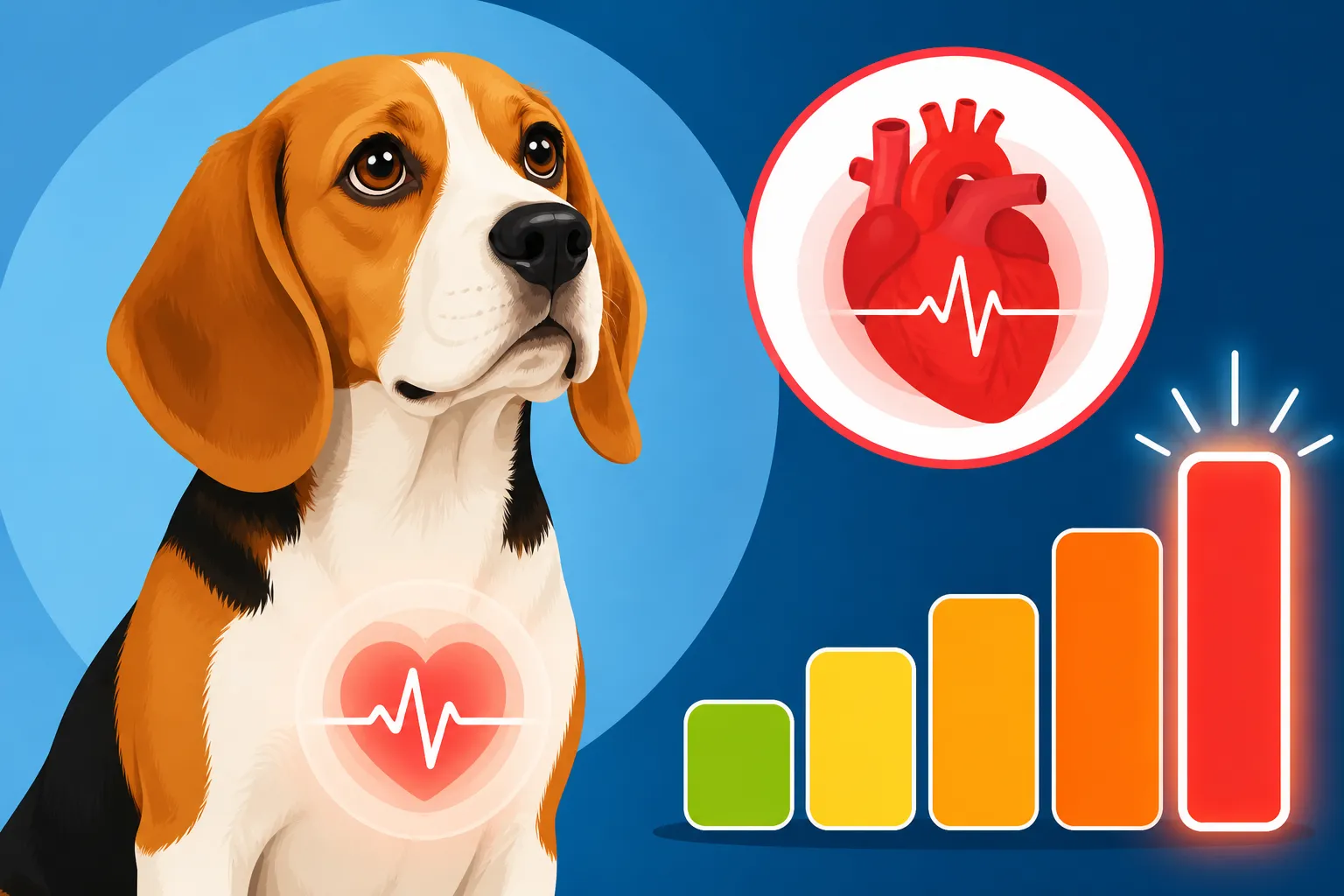
When your vet listens to your Beagle's heart and detects a murmur, they don't just say "there's a murmur." They try to categorize it based on its intensity, known as grading. This grading system typically uses a scale from I to VI (1 to 6), with Grade I being the softest and Grade VI being the loudest. It’s important to understand that the grade primarily describes the loudness of the murmur, not necessarily the severity of the underlying heart disease. A very faint murmur could still indicate a significant problem, and a loud murmur might be less severe than it sounds. However, generally speaking, louder murmurs are more likely to be associated with significant structural heart disease.
Grade I to Grade III Murmurs
A Grade I murmur is the softest murmur imaginable. It's so faint that your vet might only hear it after concentrating for some time, often only in a very quiet room. It's barely perceptible and can sometimes be intermittent. For a Beagle puppy, a Grade I murmur might be considered an innocent flow murmur, and many vets will recommend monitoring it to see if it disappears as the puppy matures. In an adult Beagle, it warrants attention but isn't usually an immediate cause for alarm, though further diagnostics might still be recommended.
Moving up, a Grade II murmur is still soft but is more easily heard than a Grade I. A skilled veterinarian can pick it up fairly quickly after listening for a moment or two. While noticeable, it doesn't usually cause a thrill (a vibration felt on the chest wall). Again, in a puppy, it could still be an innocent murmur, but in an adult, it's more likely to suggest an underlying cardiac issue, though perhaps not one causing immediate clinical signs. Many Beagles with mild, early-stage heart disease might present with a Grade II murmur.
A Grade III murmur is moderately loud and can be heard immediately with a stethoscope. This is where things start to get a bit more distinct. While a Grade III murmur is generally audible to most practitioners without much effort, it still typically doesn't produce a palpable thrill. At this stage, your vet will almost certainly recommend additional diagnostics, such as an echocardiogram (an ultrasound of the heart) and X-rays, to understand the precise cause and assess the overall health of your Beagle's heart. This is often the point where pet parents start considering detailed care plans and perhaps looking into pet insurance like Beagle Pet Insurance and What It Runs a Month to help manage potential future costs.
Grade IV to Grade VI Murmurs
Once a Beagle's heart murmur reaches Grade IV, it's considered loud, and crucially, it's usually accompanied by a palpable "thrill" on the chest wall. This means if you gently place your hand over your Beagle's chest in the area where the murmur is loudest, you might actually feel a vibration, much like feeling a purring cat. A Grade IV murmur strongly indicates significant heart disease. At this level, your vet will undoubtedly recommend comprehensive cardiac workups by a veterinary cardiologist to determine the exact nature and severity of the underlying problem and to formulate a treatment plan. Early diagnosis and management can be critical here to maintain quality of life.
A Grade V murmur is extremely loud and comes with a very strong, easily palpable thrill. You don't have to search for the thrill; it's quite evident. The murmur is so intense that your vet might even be able to hear it if the stethoscope is barely touching your Beagle's chest, or sometimes even slightly lifted from the chest wall. A Grade V murmur signifies advanced heart disease, and your Beagle might already be showing clinical signs related to heart failure, such as coughing, lethargy, or difficulty breathing. Immediate and often aggressive medical management, possibly involving multiple medications, will be necessary. Pet insurance providers, such as Healthy Paws, can be invaluable at this stage, helping cover the costs of specialist consultations, advanced diagnostics, and long-term medication.
Finally, a Grade VI murmur is the loudest and most severe grade. It's so powerful that it can be heard even without the stethoscope directly touching the chest, often when it's held just a fraction of an inch away. The thrill accompanying a Grade VI murmur is exceptionally strong and very easy to feel. This grade indicates severe, often end-stage, heart disease. Beagles with a Grade VI murmur are almost certainly exhibiting significant clinical signs of heart failure and require intensive, ongoing veterinary care to manage their condition and ensure their comfort. Understanding Congestive Heart Failure Signs in an Old Beagle becomes particularly important at this advanced stage.
Here's a quick summary table of the heart murmur grades:
| Murmur Grade | Intensity | Palpable Thrill | Typical Implications |
|---|---|---|---|
| Grade I | Very faint, difficult to hear | No | Often innocent in puppies; mildest possible finding in adults. |
| Grade II | Soft, but easily audible | No | Mild structural issue likely; monitoring often recommended. |
| Grade III | Moderately loud, immediately audible | No | Moderate structural issue; diagnostics (e.g., echo) strongly advised. |
| Grade IV | Loud, with a palpable thrill | Yes | Significant heart disease likely; cardiology consult highly recommended. |
| Grade V | Very loud, strong thrill, heard almost off chest | Yes | Severe heart disease; clinical signs often present; advanced treatment. |
| Grade VI | Extremely loud, thrill, heard off chest | Yes | Very severe, end-stage heart disease; intensive care needed. |
When a Beagle Heart Murmur Becomes a Concern
While any murmur deserves attention, the point at which it truly becomes a concern, demanding immediate action beyond routine monitoring, typically falls around Grade III and certainly by Grade IV. As discussed, a Grade I or II murmur, particularly in a young Beagle, might be physiological and resolve on its own. However, if your Beagle is an adult and a Grade I or II murmur is detected, your vet will still likely recommend a follow-up appointment in a few months, or perhaps even suggest an echocardiogram if other symptoms are present. This is a good time to ask your vet about Beagle Health Testing Under CHIC and comprehensive health screening.
The real shift in concern often occurs when the murmur is Grade III or higher, or if a lower-grade murmur progresses over time. A Grade III murmur indicates a moderately loud sound and, coupled with your Beagle's age, breed, and any other symptoms, will almost always trigger a recommendation for a full cardiac workup. This workup will typically involve an echocardiogram to visualize the heart's structure and function, chest X-rays to check for heart enlargement or fluid in the lungs, and blood tests to assess overall health and organ function. This proactive approach allows for early diagnosis and intervention, which can significantly improve your Beagle's prognosis.
Moreover, if any murmur, regardless of its grade, is accompanied by clinical signs, it becomes an immediate concern. These signs can include coughing, especially after exercise or when lying down, increased breathing rate or effort at rest, lethargy, reduced exercise tolerance, weight loss despite a good appetite (or sometimes weight gain if coupled with Beagle Obesity Treated as a Health Problem), episodes of weakness, or even fainting. These symptoms suggest that the heart's ability to pump blood effectively is compromised, and urgent veterinary attention, potentially from a specialist, is crucial. Pet insurance, like that offered by Healthy Paws, can be incredibly helpful in covering these unexpected and often costly specialist visits and ongoing treatments.
Diagnostic Steps Your Vet May Take
When a heart murmur is detected in your Beagle, especially if it's Grade III or higher, or if your Beagle is showing symptoms, your veterinarian will likely recommend a series of diagnostic tests to get a clearer picture of what's happening inside the heart. The gold standard for evaluating heart murmurs is usually an echocardiogram. This is a non-invasive ultrasound of the heart that allows the veterinary cardiologist to visualize the heart's chambers, valves, and major blood vessels in real-time. They can assess blood flow, measure chamber sizes, evaluate valve function, and detect any structural abnormalities or congenital defects. It’s like getting a detailed moving picture of your Beagle's heart at work.
In addition to an echocardiogram, chest X-rays are often performed. These images help the vet assess the size and shape of the heart and check for signs of congestive heart failure, such as fluid buildup in or around the lungs. They can also reveal if the heart is significantly enlarged. An electrocardiogram (ECG) might also be recommended to evaluate the electrical activity of the heart, looking for any arrhythmias or abnormal heart rhythms that could be contributing to the murmur or indicating an underlying issue. Blood tests are also standard to check for other conditions that could affect heart health or mimic cardiac symptoms, such as anemia, kidney disease, or Beagle Hypothyroidism and the Weight It Puts On. All these tests, especially when combined, help your vet pinpoint the cause and severity of the murmur, guiding the best course of action for your beloved Beagle.
Treatment Options and Prognosis
The treatment for a heart murmur in a Beagle depends entirely on the underlying cause and the stage of any diagnosed heart disease. If it's an innocent puppy murmur, often no treatment is needed, just monitoring. If it's due to a treatable non-cardiac issue like anemia or an overactive thyroid, addressing that primary condition should resolve the murmur. However, for structural heart disease, the goal of treatment is typically to manage symptoms, slow disease progression, and improve quality of life. This usually involves medication.
Common medications for heart disease can include diuretics to reduce fluid buildup in the lungs (a common sign of congestive heart failure), ACE inhibitors to relax blood vessels and reduce the heart's workload, and positive inotropes to strengthen heart contractions. The specific drugs and dosages will be tailored to your Beagle's individual condition and stage of disease. Regular re-evaluations with your vet, which may involve repeat echocardiograms and blood work, are crucial to monitor progress and adjust medications as needed. For older Beagles, this might become part of their Senior Beagle Care After the Age of Ten routine, ensuring they live out their golden years comfortably.
The prognosis for a Beagle with a heart murmur varies widely. For some, especially those with mild murmurs or well-managed conditions, they can live a full, happy life with minimal impact. For others with more severe or rapidly progressing disease, the prognosis can be more guarded. However, with modern veterinary medicine, even Beagles with significant heart disease can often enjoy a good quality of life for an extended period with appropriate management. Open communication with your vet, adherence to medication schedules, and regular follow-up appointments are vital. Many pet parents find the financial assistance from pet insurance, like Healthy Paws, indispensable for affording the specialized care and long-term medications that can make all the difference in their Beagle's life.
Living With a Beagle and a Heart Murmur
Living with a Beagle diagnosed with a heart murmur can feel daunting at first, but with the right approach and a strong partnership with your vet, it's absolutely manageable. The key is to shift from worry to proactive management. This means being diligent about medication schedules, monitoring for any changes in your Beagle's behavior or breathing, and ensuring you keep up with all recommended Beagle Vet Visit Frequency After the Age of Ten or more frequent check-ups. Your vet will guide you on appropriate exercise levels; while Beagles need their activity, intense exertion might need to be modified depending on the heart condition. Regular, moderate walks, especially those where your Beagle can enjoy some scent work, are often still encouraged.
Diet also plays a role. Your vet might recommend a specific diet, especially if your Beagle has signs of heart failure, to help manage sodium intake or weight. Keeping your Beagle at a healthy weight is crucial, as extra pounds put additional strain on the heart. You'll want to avoid overfeeding and ensure treats are factored into their daily calorie intake. Monitoring for other health conditions that can exacerbate heart issues, such as dental disease (which can lead to bacterial infections that affect the heart valves), is also important. Knowing the signs of Beagle Dental Disease and Tartar Buildup and addressing them promptly can prevent secondary complications.
Most importantly, remember that your Beagle still wants to be a happy, active family member. While there might be some adjustments, many Beagles with heart murmurs continue to enjoy their lives to the fullest. Your role is to be their advocate, providing consistent care, comfort, and love, and ensuring they receive the best possible veterinary support. Don't hesitate to ask your vet all your questions, no matter how small they seem; understanding their condition empowers you to provide the best care.
Monitoring Your Beagle at Home
Once your Beagle has been diagnosed with a heart murmur, a significant part of their ongoing care will involve attentive monitoring right in your own home. Your veterinarian will likely give you specific instructions on what to look for, but generally, you'll want to pay close attention to their breathing rate and effort. A healthy resting respiratory rate for a dog is typically between 15-30 breaths per minute. If you notice a consistent increase in this rate while they're sleeping or resting, or if their breathing seems labored, it's a red flag that warrants a call to your vet. You can practice counting breaths when they're calm and relaxed.
Beyond breathing, observe your Beagle's activity levels. Are they suddenly more tired on walks? Do they seem less interested in play? Are they coughing, especially at night or when excited? Any changes in their energy, appetite, or general demeanor should be noted. Keeping a simple journal or Keeping a Seizure Diary for Your Beagle (if they have epilepsy, for example) but applied to heart issues can be incredibly helpful. Jot down the date, any symptoms you notice, how long they lasted, and any medication given. This detailed information will be invaluable for your vet during follow-up appointments, allowing them to track the progression of the murmur or the effectiveness of current treatments. Remember, you know your Beagle best, and your observations are a critical component of their care.
When to Contact Your Veterinarian Immediately
Knowing when to call your vet for a heart murmur is crucial. While routine follow-ups are standard, there are certain signs that indicate a more urgent situation and mean you should contact your veterinarian immediately, day or night. The most critical symptom to watch for is sudden, severe difficulty breathing. This might manifest as rapid, shallow breaths, open-mouth breathing (which is unusual for a dog unless they've just exercised vigorously), gasping, or even a bluish tint to their gums or tongue (though this can be hard to spot). These are signs of a potential respiratory crisis or acute congestive heart failure.
Other emergency indicators include persistent, severe coughing that seems to be getting worse, particularly if it's productive (meaning they're coughing up fluid) or if it's interfering with their ability to rest. If your Beagle collapses, faints, or becomes extremely weak and unable to stand, that's also an immediate emergency. Any sudden and drastic change in their overall demeanor, such as extreme lethargy, disorientation, or severe restlessness, coupled with breathing difficulties, also warrants urgent veterinary attention. Never hesitate to call your emergency vet clinic if you're concerned. It's always better to be overly cautious when it comes to your Beagle's heart.
Disclaimer
This article is intended for informational purposes only and does not constitute veterinary advice. Always consult with a qualified veterinarian for any health concerns or before making any decisions about your Beagle's medical care.