Beagle Food Allergies Showing Up on the Skin
It's incredibly frustrating when your sweet Beagle starts scratching and licking incessantly, leaving you wondering why their skin is suddenly a mess of redness and irritation. You might change their shampoo, try new treats, or even blame the weather, but sometimes, the real culprit is something hiding in their food bowl. This guide is all about helping you understand how food allergies manifest on a Beagle's skin, how to pinpoint the problem, and most importantly, how to bring relief to your itchy, uncomfortable companion.
Unraveling the Mystery: How Food Allergies Show Up on a Beagle's Skin
When your Beagle is constantly scratching, chewing their paws, or shaking their head, it's easy to jump to conclusions about environmental allergies or fleas. And honestly, those are often the first things we rule out! But food allergies, while less common than environmental ones, can cause truly persistent and maddening skin issues that leave both you and your dog exhausted. It’s not just an occasional itch; it’s a chronic, relentless discomfort that can severely impact their quality of life.
The Distinctive Signs of Food-Related Skin Problems
Unlike seasonal allergies that might flare up only when certain pollens are high, food allergies typically present year-round, regardless of the season. This is often the first big clue for many owners and vets. You might notice your Beagle developing hotspots that seem to appear out of nowhere, or a dull, greasy coat that just doesn't look healthy anymore.
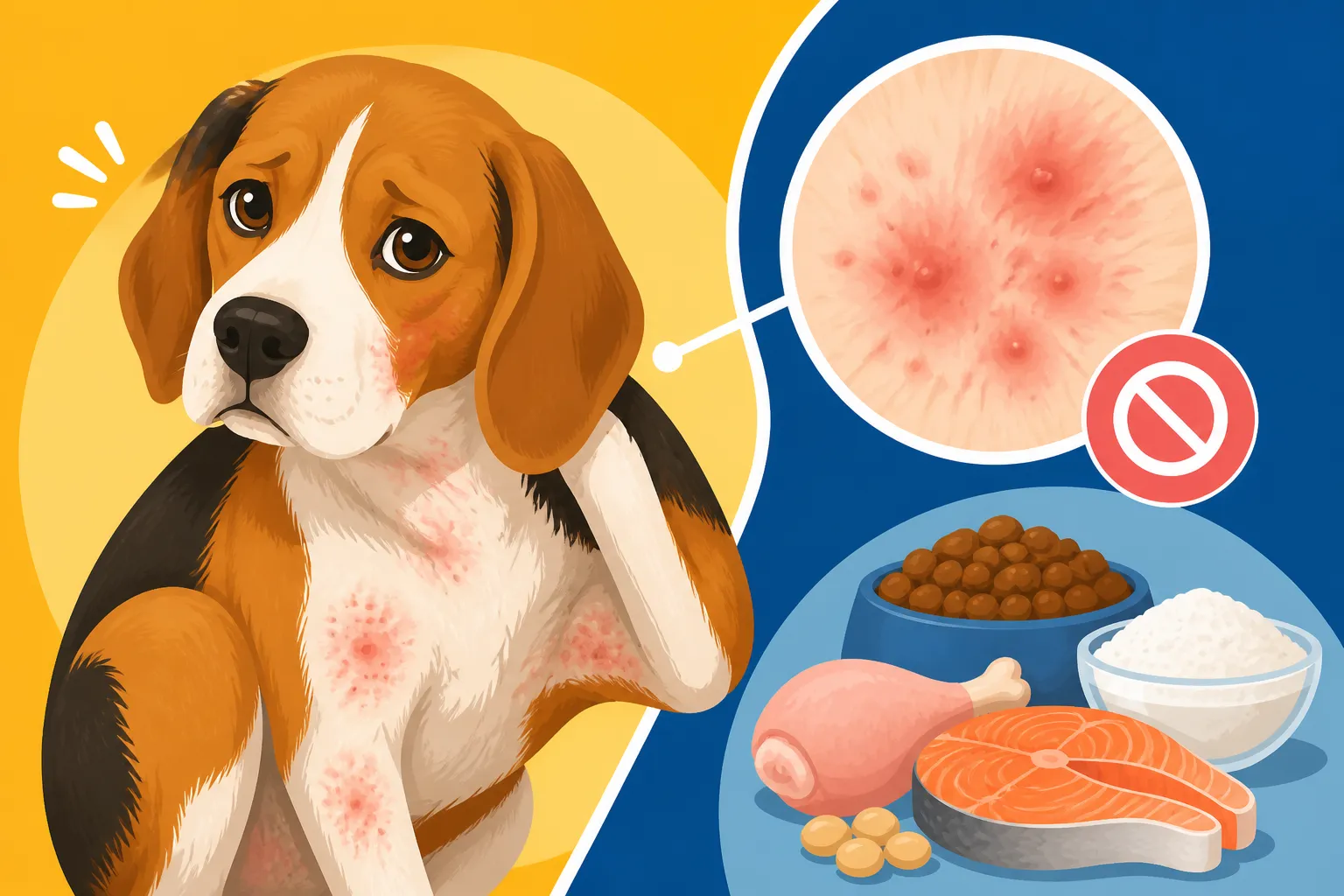
One of the most common ways food allergies show up is through persistent itching. Your Beagle might obsessively lick their paws until they're raw, red, and inflamed. You might see them scratching their face, flanks, or around their ears with such vigor that they cause secondary skin infections. And speaking of ears, chronic ear infections, especially yeast infections that keep returning no matter what drops you use, are a huge red flag for food sensitivities. These often start deep in the ear canal, causing a thick, brownish discharge and a strong, yeasty smell, even after repeated cleanings. If you've ever felt like you're constantly dealing with Beagle Ear Infections Under Those Long Ears, you might be dealing with an underlying food allergy.
Beyond the itching, you could see redness, a rash, or even small bumps on the skin. Some Beagles experience hair loss, often in patches or along their flanks, which can sometimes be confused with other conditions like hypothyroidism. You might wake up in the middle of the night to the sound of your Beagle gnawing at their paws or rubbing their face on the carpet. It’s a relentless cycle, and it leaves many owners feeling helpless. What makes it even tougher is that these symptoms often mimic other skin conditions, making diagnosis a real challenge. That's why simply treating the symptoms with creams or antibiotics often provides only temporary relief – the underlying trigger is still there, causing the problem to resurface again and again.
Common Culprits in the Food Bowl
It’s a common misconception that grain-free diets are the answer to all dog allergies. While some dogs can be sensitive to grains like wheat, the reality is that the most common food allergens for Beagles (and dogs in general) are actually proteins. Think about it: our dogs have been eating grains for centuries, but commercial pet foods have evolved, and some dogs can develop sensitivities to the most frequently used protein sources.
The usual suspects often include:
- Beef: Surprisingly, beef is a very common allergen.
- Dairy: Products containing cow's milk.
- Chicken: Another staple in many dog foods, and a frequent trigger.
- Wheat: While not as common as protein allergies, wheat can certainly be a problem for some Beagles.
- Soy: Often used as a protein filler or binder in dog foods.
- Lamb or Fish: Less common, but still possible culprits if they’ve been a consistent part of the diet.
These ingredients are in so many commercial dog foods, kibble, and even treats. Imagine trying to avoid them when they're in almost everything! It's not about the quality of the ingredient necessarily, but rather the immune system's overreaction to it. Your Beagle's body mistakenly identifies a harmless protein as a threat, launching an inflammatory response that primarily manifests on their skin. This is why just switching to a "better quality" food with the same protein source often doesn't solve the problem, and you're left pulling your hair out.
The Elimination Diet: Your Best Bet for Pinpointing the Problem
Alright, so you suspect food allergies. What now? The absolute gold standard for diagnosing a food allergy in Beagles, or any dog for that matter, is an elimination diet. This isn't a quick fix or a simple diet change; it's a diagnostic tool that requires immense patience and strict adherence. Many owners throw in the towel because it feels overwhelming, but trust me, it’s worth it to finally get answers for your itchy pup. This process is about removing all potential allergens from your Beagle's diet and then slowly reintroducing them to see what causes a reaction.
Embarking on the Elimination Diet Journey
Before you even think about starting an elimination diet, you absolutely need to consult your veterinarian. They can help rule out other conditions like parasites, bacterial infections, or environmental allergies that might have similar symptoms. Your vet might even recommend a specific diet or refer you to a veterinary dermatologist. They can also advise you on how to start Running a Beagle Elimination Diet Properly.
The core principle of an elimination diet is feeding a "novel protein" or "hydrolyzed protein" diet for an extended period, typically 8 to 12 weeks.
- Novel Protein Diet: This means feeding a protein source that your Beagle has never eaten before. For many Beagles, this might be something like venison, duck, kangaroo, alligator, or even insect-based proteins. You'll also need a single, novel carbohydrate source like sweet potato or green peas. The key is novelty. If your Beagle has had chicken, beef, and lamb its whole life, then lamb isn't a novel protein.
- Hydrolyzed Protein Diet: These are prescription diets where the proteins have been broken down into such tiny molecules that your Beagle's immune system can't recognize them as allergens. Think of them as "pre-digested" proteins. Brands like Hill's Prescription Diet z/d, Purina Pro Plan HA, or Royal Canin Hydrolyzed Protein are common options. These are often easier to manage because you don't have to worry as much about accidental exposure to traces of other proteins.
The most crucial part of this phase is strictness. Absolutely no other food, treats, table scraps, flavored medications, chew toys (unless they're brand new and unflavored), or even accidentally dropped crumbs. This is where Beagles, with their legendary food drive and scavenging instincts, can make things tricky! Their incredible nose means they'll find that dropped crumb under the couch, so you have to be vigilant. This also means if your Beagle enjoys Beagle Counter Surfing and Trash Raiding, you'll need to lock down your kitchen like Fort Knox. Every family member needs to be on board, and even guests need to be briefed. If you slip up even once, you have to restart the clock on the 8-12 weeks, which is a major blow to progress and morale.
Carefully Reintroducing Foods to Identify Triggers
Once your Beagle's skin symptoms have completely resolved (or significantly improved) after 8-12 weeks on the elimination diet, you move into the reintroduction phase. This is where you slowly, methodically, and one-by-one, reintroduce potential allergens into their diet, carefully watching for a reaction.
Here’s how it usually works:
- Choose one suspected allergen, say, chicken.
- Feed only that chicken (cooked, plain, with no seasoning) for 7-14 days, alongside their novel protein diet.
- Monitor closely for any return of symptoms. If the itching, redness, or ear issues flare up again, you’ve found a trigger! Immediately remove that food item and go back to the strict elimination diet until symptoms clear again.
- Wait until symptoms resolve (if they appeared), then move on to the next suspected allergen.
This systematic approach is the only way to confirm which ingredients are causing the problem. It’s like detective work for your Beagle's gut and skin! Keeping a detailed diary is essential during this phase, noting what you fed and any symptoms you observed. This helps you track progress and identify patterns. It might sound like a long process, and it absolutely is, but the clarity it provides is invaluable for your Beagle’s long-term health and comfort.
Living Comfortably: Managing a Beagle with Diagnosed Food Allergies
Once you’ve successfully identified the culprits, managing your Beagle’s food allergies becomes about careful diet selection and vigilance. It's a lifelong commitment, but one that significantly improves your furry friend's quality of life. The good news is that once you know what to avoid, maintaining a healthy, itch-free Beagle becomes much more straightforward.
Crafting the Perfect Allergy-Friendly Diet
The primary goal now is to find a long-term diet that completely avoids your Beagle's identified allergens. Your veterinarian will be instrumental in helping you choose the right food.
You have a few options:
- Prescription Hydrolyzed or Novel Protein Diets: These are often the safest bet, especially if your Beagle has multiple sensitivities or if commercial novel protein diets are hard to find. They are formulated to be complete and balanced and ensure minimal risk of cross-contamination.
- Commercial Novel Protein Diets: Many pet food brands now offer limited-ingredient diets (LIDs) featuring single, less common protein sources like duck, venison, or rabbit, often paired with a single carbohydrate. When choosing these, it's critical to scrutinize the ingredient list thoroughly. Look for foods that explicitly state "single protein source" or "limited ingredient." Some brands might list a "duck recipe" but still include chicken meal or beef fat, which could trigger a reaction. Reading the Label on a Bag of Beagle Food becomes your superpower!
- Home-Cooked Meals: Some owners opt for preparing home-cooked meals for their allergic Beagles. This gives you absolute control over ingredients. However, this path requires careful consultation with a veterinary nutritionist to ensure the diet is nutritionally complete and balanced. Without proper supplementation, a homemade diet can lead to nutrient deficiencies.
No matter which route you choose, consistency is key. Avoid spontaneous changes and always introduce new foods slowly. For Beagles, who are notorious for their robust appetites, managing treats also becomes vital. Stick to single-ingredient treats that you know are safe, or use small pieces of their prescribed kibble as rewards. This helps prevent unwanted weight gain, too, as Beagle Obesity and the Diseases It Brings On can add another layer of health challenges.
Keeping Your Allergic Beagle Safe from Accidental Exposure
A Beagle's nose is a powerful tool, and their vacuum-cleaner-like eating habits mean they are experts at finding dropped food. This can be a major challenge when managing food allergies. Preventing accidental ingestion is just as important as choosing the right main diet.
Here are some strategies:
- Beagle-Proof Your Home: Secure trash cans, keep counters clear, and ensure all human food is out of reach. Remember, even a tiny crumb can set off a reaction.
- Training is Your Ally: Reinforce "leave it" and "drop it" commands relentlessly. These are not just polite manners; they are critical life-saving skills for a food-allergic Beagle. Practice Beagle Leave It Training With Real Food Down in various environments to build strong impulse control.
- Multi-Pet Households: If you have other pets, ensure their food bowls are inaccessible to your allergic Beagle. Feed pets in separate rooms or use puzzle feeders that limit access. Your non-allergic pets' food could contain the very ingredient your Beagle needs to avoid.
- Outdoor Vigilance: Beagles love to sniff and sample everything on walks. Keep your allergic Beagle on a leash and remain hyper-aware of what they might try to snatch from the ground. Avoid dog parks where unknown treats or dropped food might be present.
- Communicate with Others: Inform anyone who interacts with your Beagle (pet sitters, dog walkers, friends, family) about their allergies and the absolute necessity of sticking to the approved diet. Provide them with a supply of approved treats.
Managing a food-allergic Beagle is a commitment, but with careful planning and consistent effort, you can significantly reduce their discomfort and ensure they live a happy, itch-free life. It also helps to be prepared for potential vet visits related to flare-ups or secondary infections. Pet insurance, from providers like Healthy Paws, can be incredibly helpful in mitigating the financial impact of ongoing veterinary care, especially if chronic conditions arise.
Beyond Diet: Supporting Your Beagle's Skin Health
While diet is the cornerstone of managing food allergies, supporting your Beagle's skin health through other means can provide additional comfort and relief. Think of it as a multi-pronged approach to keeping that sensitive skin calm and healthy. It's not just about what goes in the body, but also about what goes on it.
The Emotional and Physical Toll on Your Beagle (and You)
Watching your Beagle suffer from constant itching can be heartbreaking. The relentless scratching, the raw patches, the perpetual ear shaking – it impacts their mood, their sleep, and their general well-being. A constantly itchy dog isn't a happy dog. They might become restless, irritable, or even withdrawn. You, as their owner, feel that stress too. The worry, the sleepless nights, the endless cycle of vet visits and treatments, the expense – it's a lot to handle.
Chronic skin inflammation can lead to secondary bacterial or yeast infections, which in turn require antibiotics or antifungals, adding another layer of complexity. These infections cause even more itching and discomfort, creating a vicious cycle. Sometimes, the itching can become so intense that your Beagle develops Beagle Hot Spots Through the Summer, where they chew an area raw in a matter of hours. The good news is, once the dietary trigger is removed, you often see a dramatic improvement in overall comfort and a reduction in these secondary issues.
Holistic Support for Allergic Skin
Even with a perfect diet, sometimes the skin needs a little extra help to recover and stay strong.
- Regular, Medicated Baths: Your vet might recommend a medicated shampoo to help soothe irritated skin, reduce inflammation, and combat any secondary bacterial or yeast infections. Follow their instructions carefully regarding frequency and contact time. These baths aren’t just for cleanliness; they are a vital part of skin therapy.
- Topical Treatments: Sprays, mousses, or wipes containing ingredients like hydrocortisone, oatmeal, or chlorhexidine can provide targeted relief for localized itchy spots or minor flare-ups. Always consult your vet before using any new topical product to ensure it won't interfere with other treatments or exacerbate the issue.
- Omega-3 Fatty Acid Supplements: These are wonderful for promoting healthy skin and coat from the inside out. Omega-3s have anti-inflammatory properties that can help reduce overall skin irritation. Fish oil is a common source, but discuss the appropriate dosage with your vet.
- Consistent Ear Care: Since chronic ear infections are so common with food allergies, a regular ear cleaning routine is crucial. Use a vet-approved ear cleaner to keep the ear canals dry and free of debris, which can help prevent infections from taking hold.
- Maintain a Healthy Weight: Keeping your Beagle at an ideal weight reduces overall inflammation in the body and puts less stress on their system. An overweight Beagle might also have more skin folds where moisture and yeast can accumulate, exacerbating skin problems.
Remember, addressing food allergies is a journey, not a sprint. There will be good days and bad days, and occasional slip-ups might occur. But with persistence, careful management, and the right support from your vet, you can help your Beagle live a much more comfortable, itch-free life. Being prepared for potential future vet costs associated with managing chronic allergies is also smart; many owners find pet insurance, like plans offered by Healthy Paws, to be a valuable resource for handling unexpected health expenses over their Beagle's lifespan.
| Phase | Duration | Key Actions | What to Watch For |
|---|---|---|---|
| Preparation | 1-2 Weeks | Consult vet, rule out other causes (fleas, environmental), discuss diet options (novel protein vs. hydrolyzed). Purchase chosen elimination diet food and safe treats. Clear house of tempting foods/crumbs. Inform all family members. | Existing symptoms (itching, redness, ear issues), other health concerns. |
| Elimination | 8-12 Weeks (Strict) | Feed only the chosen novel/hydrolyzed protein diet. Absolutely no other food, treats, table scraps, flavored toys, or medications without vet approval. Keep a detailed symptom diary. Be vigilant about preventing scavenging (e.g., Beagle Counter Surfing and Trash Raiding). | Observe for complete resolution or significant improvement of skin symptoms (itching, redness, paw licking, ear discharge). If symptoms persist, consult vet – either the diet isn't novel enough, or it's not a food allergy. |
| Reintroduction | 1-2 Weeks per food | Once symptoms are gone, reintroduce one single-ingredient food (e.g., cooked chicken, plain yogurt) at a time, for 7-14 days. Continue strict monitoring and diary keeping. If a reaction occurs, remove the food and revert to elimination diet until symptoms clear. | Crucially, watch for the return of original skin symptoms. This could happen within hours or a few days. Note severity and type of reaction. |
| Maintenance | Lifelong | Establish a long-term diet that avoids all identified allergens. Continue strict adherence to dietary rules. Consider supplements (Omega-3s). Maintain good skin and ear hygiene. Reinforce "leave it" commands (Beagle Leave It Training With Real Food Down). | Monitor for any new symptoms, occasional flare-ups. Be aware that new allergies can develop over time, though less common. Ensure diet remains nutritionally complete. Discuss pet insurance like Healthy Paws for ongoing care costs if chronic conditions persist. |
Disclaimer
This article is intended for informational purposes only and does not constitute professional veterinary advice. Always consult with a qualified veterinarian for any health concerns or before making any decisions about your Beagle's diet, treatment, or medical care.