Telling Beagle Ear Mites From an Infection
It's incredibly frustrating when your sweet Beagle starts scratching at their ears, shaking their head, or just seems plain uncomfortable. As a Beagle parent, you know those long, floppy ears are prone to issues, and trying to figure out if it's just a bit of itchiness or something more serious like ear mites or a full-blown infection can be a real head-scratcher. This guide is here to walk you through the tell-tale signs, what causes these problems, and how to get your furry friend the right help.
Understanding the Culprits Behind Your Beagle's Itchy Ears
Those adorable floppy ears of a Beagle are part of their charm, but they also create a warm, moist environment that can be a perfect breeding ground for all sorts of trouble. When your Beagle is showing discomfort, it's usually down to one of two main issues: ear mites or an ear infection. While they can present similarly, understanding the specific cause is key to effective treatment. It's not always obvious, and sometimes, a true infection can even develop because of mites.
What Are Ear Mites in Beagles?
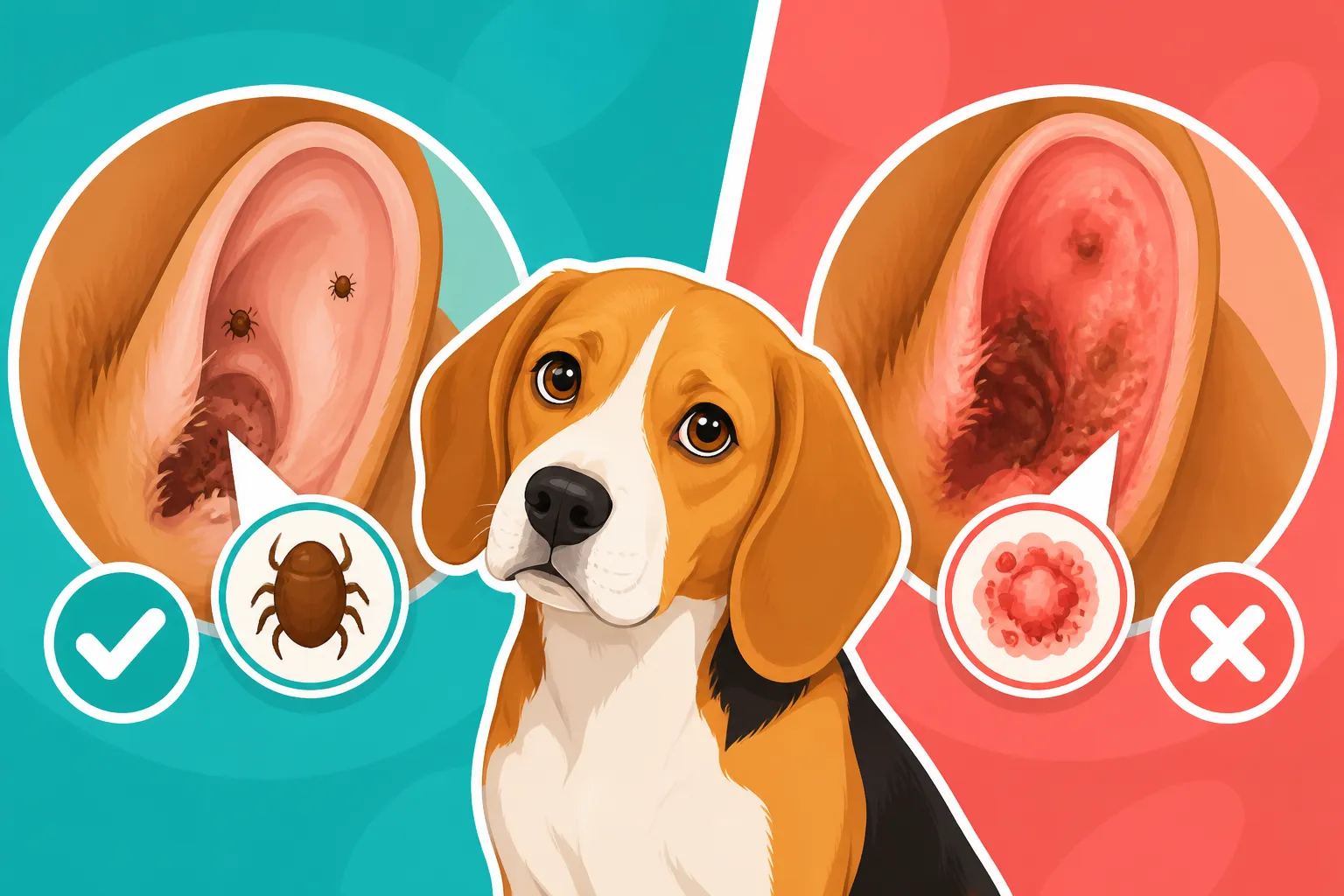
Ear mites, scientifically known as Otodectes cynotis, are tiny, highly contagious parasites that love to set up shop in the ear canals of our beloved dogs. They're so small you usually can't see them with the naked eye, but their presence is certainly felt by your Beagle. These little critters feed on skin debris and earwax, causing intense irritation and itching. Beagles, with their low-slung ears, might be at a slightly higher risk of picking them up from other animals in shared spaces like dog parks or even from wildlife scents during their enthusiastic sniffs on walks. Once they move in, they multiply quickly, turning a minor itch into a full-blown infestation in what seems like no time at all. The constant irritation leads to a buildup of reddish-brown or black, crumbly discharge that often looks like coffee grounds—a classic sign of mites. This discharge isn't just wax; it's a mix of blood, debris, and the mites themselves. The itching can be so severe that your Beagle might scratch until they cause open sores or even a hematoma from violent head shaking. For any issues like this, having pet insurance like Healthy Paws can truly alleviate the stress of unexpected vet bills.
What Constitutes a Beagle Ear Infection?
Unlike ear mites, which are external parasites, ear infections (otitis externa) are internal issues within the ear canal, often caused by an overgrowth of bacteria or yeast. Sometimes, both are present, making it a tricky situation to clear up. These infections can be triggered by a variety of factors unique to a Beagle's ear anatomy and lifestyle. For example, because their ears drop down, air circulation is limited, and moisture gets trapped easily. This creates a prime environment for microscopic invaders. A dip in the lake, a bath where water gets into the ears, or even just high humidity can set the stage for a nasty infection. Allergies are another huge culprit; just like humans get itchy skin or sneezing, Beagles can develop ear inflammation as an allergic reaction, which then makes them more susceptible to secondary bacterial or yeast infections. When we talk about "Beagle Ear Infections Under Those Long Ears", this moist, warm environment is exactly what we're referring to. The symptoms often include redness, swelling, a foul odor, and a different type of discharge—often yellow, brown, or green, and can be gooey or waxy. It’s important to note that ear mites, if left untreated, can also lead to secondary bacterial or yeast infections because the constant scratching and inflammation compromise the ear's natural defenses.
Key Differences in Symptoms and Presentation
Distinguishing between ear mites and an ear infection is crucial because the treatments are entirely different. While some symptoms overlap, paying close attention to the nuances can give you a good head start on what might be going on inside your Beagle's ear. This detective work at home can help your vet get to the bottom of it faster.
Visual Cues: What You Might See
When you gently lift your Beagle's floppy ear and peer inside, you're looking for specific clues. For ear mites, the most common visual sign is that dark, crumbly, almost granular discharge, very much like dried coffee grounds. It's often sticky and copious, indicating the presence of many tiny mites and their waste. You might also see small scabs or scratch marks on the outer ear flap or around the ear opening from your Beagle's relentless scratching. In severe cases, the ear canal itself might look irritated and red.
In contrast, a bacterial or yeast ear infection typically presents with a different kind of discharge. Bacterial infections might produce yellowish-green, pus-like discharge, often with a strong, unpleasant odor. Yeast infections, particularly common in Beagles, usually result in a brownish, waxy, greasy buildup, sometimes accompanied by a distinctive "yeasty" smell, reminiscent of old bread or corn chips. The inner ear canal will often appear significantly red, swollen, and sometimes painful to the touch. You might also notice the skin on the inside of the ear flap is red and inflamed, a symptom that is less characteristic of a simple mite infestation. Understanding "Beagle Yeast Ear Infections That Keep Returning" can help you recognize this particular issue early on.
Behavioral Signs: What Your Beagle Will Do
Your Beagle's behavior is often the first indicator that something is amiss with their ears. With ear mites, the primary symptom is intense and persistent itching. Your Beagle will likely be scratching their ears constantly, often with their hind leg, and shaking their head frequently, sometimes even violently. They might rub their head along furniture or the ground in an attempt to relieve the itch. This constant irritation can also lead to secondary problems like "Beagle Ear Hematomas Caused by Head Shaking", where blood vessels burst due to the force. This behavior is typically very focused and driven by the sheer discomfort of the mites crawling around.
For ear infections, while itching and head shaking are certainly present, the discomfort often extends to pain. Your Beagle might yelp or pull away when you try to touch their ear, or when they scratch too hard. The ear might feel hot to the touch. You might also notice them tilting their head to one side, especially if only one ear is affected. Beyond the direct ear discomfort, a Beagle with a painful ear infection might seem generally more subdued, less playful, or even a bit irritable. They might have a reduced appetite due to the discomfort, or even struggle to sleep comfortably. While itching is a shared symptom, the degree of pain and the nature of the discharge are usually good indicators of an infection over mites alone. It's worth noting that Beagles are experts at hiding discomfort, so any overt signs should be taken seriously.
Here's a quick comparison table to help differentiate the common signs:
| Symptom | Ear Mites | Bacterial/Yeast Ear Infection |
|---|---|---|
| Discharge Appearance | Dark, dry, crumbly, like coffee grounds | Yellowish-green (bacterial), brownish-waxy/greasy (yeast) |
| Discharge Odor | Mild to none | Often strong, foul, or "yeasty" smell |
| Itching Intensity | Intense, constant, relentless | Moderate to intense |
| Pain Level | Primarily irritation, less direct pain | Often painful, sensitive to touch, hot |
| Head Shaking | Frequent, often violent | Frequent, but sometimes accompanied by head tilt |
| Outer Ear | May have scabs from scratching | Often red, swollen, inflamed |
| Contagious? | Highly contagious to other pets | Not typically contagious to other pets |
Diagnosis and Veterinary Intervention
Trying to play "doctor" at home can be risky when it comes to ear issues. While your observations are incredibly helpful, a definitive diagnosis requires a trip to your veterinarian. They have the tools and expertise to accurately identify the problem, ensuring your Beagle gets the correct treatment from the start.
When to Head to the Vet
Honestly, any time your Beagle is showing consistent signs of ear discomfort, it's time to call the vet. Don't wait for it to get worse. Early intervention can prevent a minor issue from escalating into a serious, painful, and more expensive problem. If you notice any of the symptoms we've discussed—persistent scratching, head shaking, a foul odor, discharge, redness, or your Beagle seeming in pain when you touch their ears—make that appointment. Rapid progression of symptoms, or if your Beagle seems generally unwell (lethargic, not eating), warrants an even quicker visit. This is especially true if you see signs like "Beagle Ear Infection Symptoms to Catch Early" such as excessive ear rubbing or a noticeable drooping of one ear. Sometimes, these issues can lead to more complex health problems, and having pet insurance like Healthy Paws can give you peace of mind that you can afford necessary diagnostics and treatments without financial strain.
The Diagnostic Process
When you arrive at the vet, they won't just guess. The diagnostic process is typically quite thorough. First, your vet will perform a complete physical exam, paying close attention to your Beagle's ears. They'll likely use an otoscope, which is a lighted instrument, to look deep into the ear canal. This allows them to visualize the ear drum, check for foreign bodies, assess the level of inflammation, and look for parasites.
For suspected ear mites, your vet will often take a sample of the ear discharge using a cotton swab. This sample is then placed on a slide with a drop of mineral oil and examined under a microscope. Ear mites are easily visible under magnification, and seeing them confirms the diagnosis quickly.
If an infection is suspected, the vet will also take a sample of the discharge, but this time, it will be analyzed differently. A process called cytology is performed, where the sample is smeared on a slide, stained, and examined under a microscope to identify the presence and type of bacteria (e.g., rods or cocci) and yeast cells. This helps determine if it's a bacterial infection, a yeast infection, or both. In some stubborn or recurrent cases, a culture and sensitivity test might be recommended. This involves sending a sterile sample to a lab to grow the specific organisms present and determine which antibiotics or antifungals will be most effective against them. This comprehensive approach ensures that the treatment targets the exact cause, leading to a faster and more successful recovery for your Beagle.
Treatment Approaches and Prevention Strategies
Once your vet has pinpointed whether your Beagle has ear mites or an infection, they'll prescribe the appropriate course of action. Following these instructions meticulously is key to resolving the issue and preventing it from coming back.
Treating Ear Mites
If ear mites are confirmed, the good news is they are highly treatable! Your vet will typically prescribe ear drops specifically formulated to kill mites. These drops often contain a miticide and sometimes an anti-inflammatory to soothe the irritated ears. It's crucial to follow the dosage and duration instructions exactly, which usually means applying the drops daily for several weeks to ensure all mites, including newly hatched ones, are eliminated. Some newer treatments also include single-dose topical medications applied to the skin, which can be very effective and easier for some owners.
Before applying any medication, your vet might recommend cleaning your Beagle's ears with a gentle, vet-approved ear cleaner. This helps remove the "coffee ground" debris, allowing the medication to reach the mites more effectively. For guidance on how to do this correctly, you might want to read our article on "Cleaning a Beagle Ear Before Infection Starts". Remember, ear mites are highly contagious, so if you have other pets in the household, your vet might recommend treating them too, even if they aren't showing symptoms, to prevent re-infestation. This is a common pain point for owners, but comprehensive pet insurance from providers like Healthy Paws can often help cover these multi-pet treatment costs.
Tackling Ear Infections
Treating ear infections is a bit more nuanced because the type of infection (bacterial, yeast, or mixed) dictates the medication. Your vet will likely prescribe topical ear medications containing antibiotics, antifungals, or a combination of both, often paired with an anti-inflammatory steroid to reduce swelling and pain. Like with mites, thorough ear cleaning before medication application is usually recommended to remove debris and allow the medication to penetrate.
Oral medications, such as antibiotics or antifungals, might also be prescribed for more severe or chronic infections. Again, adhering to the full course of treatment is non-negotiable, even if your Beagle's ears seem better after a few days. Stopping early can lead to a resurgence of the infection, often making it harder to treat the second time around. In cases of chronic or recurrent infections, your vet might also explore underlying causes like allergies, as these often contribute to the problem. Addressing the root cause, such as managing your Beagle's allergies through diet or medication, is crucial for long-term ear health.
Proactive Ear Care for Beagles
Prevention is always better than cure, especially with those magnificent Beagle ears! Regular ear care is paramount. Due to their floppy ears that trap moisture, Beagles are naturally predisposed to ear issues. Our guide, "Why Beagle Ears Trap Moisture So Well", goes into detail on this.
Here are some key proactive steps:
- Routine Cleaning: Establish a weekly or bi-weekly ear cleaning routine using a vet-approved ear cleaner. This helps remove excess wax and debris and keeps the ear canal dry. For specific guidance, check out "How Often a Beagle's Ears Need Cleaning".
- Post-Water Drying: After baths, swims, or walks in the rain, thoroughly dry your Beagle's ears. Gently wipe the visible parts of the ear canal with a soft cloth or cotton ball.
- Allergy Management: If your Beagle has known allergies, work with your vet to manage them effectively. This might involve special diets, antihistamines, or other treatments. Effective allergy control can significantly reduce the incidence of ear infections.
- Regular Vet Check-ups: During your annual vet visits, ask your vet to pay extra attention to your Beagle's ears. They can spot subtle changes before they become major problems.
- Diet and Overall Health: A healthy diet and strong immune system can help your Beagle resist infections. Ensure they are on a high-quality dog food appropriate for their age and activity level.
- Avoid Self-Medicating: Never insert cotton swabs or sharp objects deeply into your Beagle's ear canal, as this can cause injury or push debris further in. Always consult your vet for any ear concerns.
By being vigilant and consistent with your Beagle's ear care, you can help keep those beautiful, scent-driven ears healthy and free from irritating mites and painful infections.
Disclaimer
The information provided in this article is for educational purposes only and is not a substitute for professional veterinary advice. Always consult with a qualified veterinarian for any health concerns or before making any decisions about your pet's medical care.