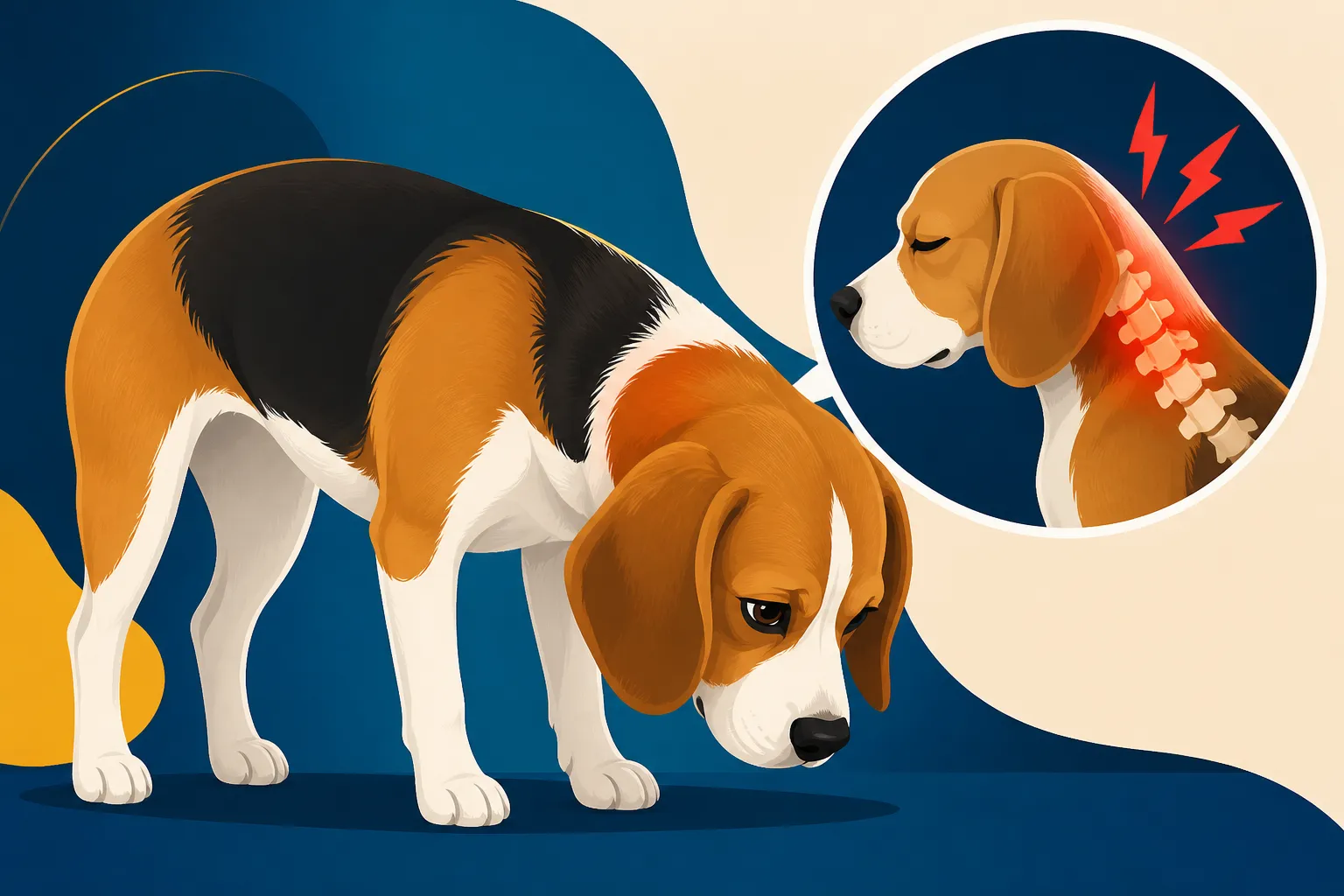
Beagle Neck Pain and a Head Held Low
It’s incredibly distressing to see your normally bouncy, happy Beagle suddenly move differently, especially when they start holding their head low, avoiding eye contact, or yelping when touched. This can be a sign of significant neck pain, and it’s a symptom no Beagle parent should ever ignore. This guide will help you understand the common causes of neck pain in Beagles, recognize the subtle and obvious signs, navigate the diagnostic process, and explore the best treatment and management strategies to get your furry friend comfortable again.
Understanding the Roots of Beagle Neck Pain
Beagles are known for their sturdy, compact build, but their unique structure, combined with their active, scent-driven lifestyle, can sometimes predispose them to neck and spinal issues. The spine, including the cervical (neck) region, is a complex network of bones, discs, nerves, and muscles, and a problem in any one of these areas can lead to significant discomfort and a tell-tale low head posture.
Intervertebral Disc Disease IVDD in Beagles
One of the most common and serious causes of neck pain in Beagles is Intervertebral Disc Disease, or IVDD. This is a degenerative condition where the cushioning discs between the vertebrae (spinal bones) harden and protrude or rupture into the spinal canal. Beagles, like Dachshunds and Corgis, are chondrodystrophic breeds, meaning they are genetically predisposed to this condition due to abnormal cartilage development, leading to prematurely degenerating discs.
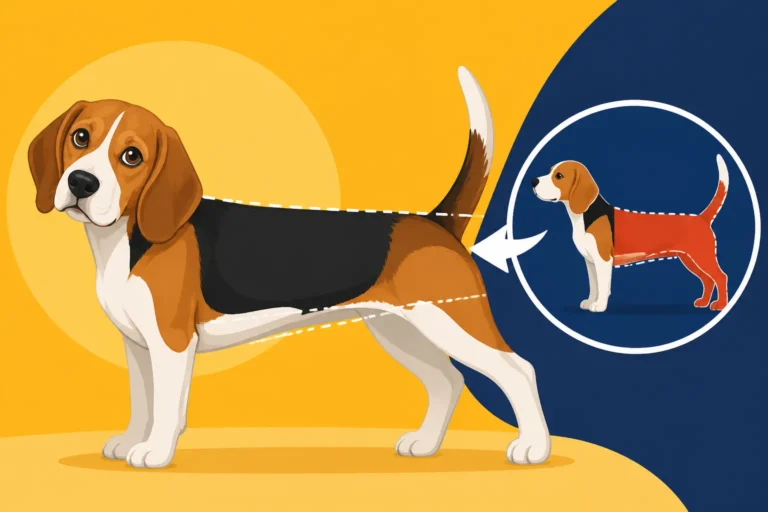
When a disc in the neck region slips or ruptures, it can press on the spinal cord and nerves, causing immense pain, inflammation, and sometimes neurological deficits. Imagine a constant, sharp pressure on your neck nerves – that’s what your Beagle might be feeling. The pain often manifests as a reluctance to move the head or neck, a stiff posture, and crucially, a head held unusually low to avoid further discomfort. This isn't just about the neck; understanding Beagle Disc Disease and That Slightly Long Back can help you recognize how interconnected their entire spine is.
Muscle Strains and Soft Tissue Injuries
Beyond IVDD, Beagles can suffer from acute muscle strains or soft tissue injuries in the neck, just like we can. Their adventurous nature, sudden stops during a scent chase, or even rough play with another dog can lead to a pulled muscle or ligament. Imagine your Beagle suddenly twisting their neck to catch a fleeting scent or jumping off a high surface incorrectly. These everyday activities, if done awkwardly, can cause painful micro-traumas to the neck muscles.
While less severe than IVDD, a muscle strain can still cause significant pain, stiffness, and that characteristic head-down posture as they try to immobilize the sore area. This type of injury is often self-limiting with rest and anti-inflammatory medication but needs veterinary attention to rule out more serious underlying issues. Sometimes, if the strain is severe, it can mimic Beagle Back Pain Warning Signs you'd see with disc issues, so it's always best to get it checked.
Other Inflammatory or Neurological Conditions
Though less common, other conditions can also lead to neck pain and a low head carriage. For instance, Beagle Pain Syndrome and the Meningitis Behind It is an inflammatory condition affecting the central nervous system, which can cause severe neck pain, fever, and extreme sensitivity. Arthritis in the cervical vertebrae, though more common in senior Beagles, can also lead to chronic discomfort and stiffness. Trauma from an accident, even a seemingly minor one, could also cause vertebral fractures or dislocations, leading to acute pain.
Tumors, infections, or even certain metabolic conditions can, in rare cases, also present with neck pain. It's vital not to self-diagnose, as what appears to be a simple strain could mask something far more complex and urgent. A comprehensive veterinary examination is always the first step.
Recognizing the Subtle and Obvious Signs of Neck Pain
Your Beagle can't tell you in words that their neck hurts, but they communicate loudly through changes in their behavior and posture. Learning to spot these signs early can make a huge difference in their prognosis and comfort.
The Signature Head Held Low Posture
This is often the most striking and worrying sign. A Beagle experiencing neck pain will frequently hold their head lower than usual, often appearing stiff and reluctant to lift it or turn it from side to side. They might move their whole body to look at you rather than just turning their head. It's a compensatory mechanism to reduce pressure and movement on the painful area. This isn't just a tired look; it's a deliberate guarding posture.
You might notice they struggle to eat from a bowl on the floor, preferring to eat from a raised bowl or even lie down to eat. Drinking water can become a painful ordeal. If they normally love to watch squirrels out the window but are now keeping their gaze downward, it's a huge red flag. Keep a Keeping a Seizure Diary for Your Beagle if they have epilepsy, but also consider a pain diary if you suspect a spinal issue, noting the exact behaviors and when they occur.
Changes in Movement and Activity Levels
Beyond the head posture, watch for broader changes in how your Beagle moves. They might be reluctant to go up or down stairs, or A Beagle That Suddenly Will Not Jump on the Couch might be trying to tell you something. They might hesitate before performing actions that previously came naturally, like jumping into the car or onto your bed. Their overall activity level might decrease dramatically; they might be less enthusiastic about walks, play, or even their favorite scent adventures.
You may also notice a stiff or hunched back posture, especially when walking. Their gait might appear uncoordinated or wobbly, particularly in their front legs, as nerve compression in the neck can affect the limbs. Some Beagles might even drag their front paws or stumble more frequently. If your Beagle is showing Hind Leg Weakness in a Middle-Aged Beagle, even if the primary pain seems to be in the neck, it could indicate spinal cord involvement affecting more distant nerves.
Vocalizations and Sensitivity to Touch
Pain often makes our Beagles vocalize more or differently. A yelp or whimper when being picked up, touched on the neck or shoulders, or even just turning awkwardly in their sleep can be a clear indicator. They might cry out when they stretch or try to shake their head. Some Beagles might become withdrawn or even display aggression if you try to touch their painful area, which is a significant change in behavior for such a typically friendly breed.
Observe their eyes. Pain often causes dogs to squint or have a worried expression. They might also pant more, even when not hot or exerting themselves, as panting can be a sign of discomfort. If your Beagle, who usually craves affection, is now recoiling from gentle strokes along their back or neck, it’s a strong signal that they are in pain and need veterinary attention urgently.
| Symptom | Possible Interpretation | Urgency Level |
|---|---|---|
| Head held low, stiff neck | Disc pain, muscle strain, inflammation | High |
| Reluctance to jump/use stairs | Spinal pain (neck or back), joint pain | High |
| Yelping when touched/moved | Acute pain, nerve impingement | Urgent |
| Decreased activity/lethargy | General discomfort, pain, systemic illness | High |
| Uncoordinated gait/weakness | Spinal cord compression, neurological issue | Urgent |
| Shivering/trembling | Pain, fear, anxiety | High |
| Loss of appetite/difficulty eating | Pain when lowering head, nausea from pain meds | High |
| Behavioral changes (withdrawal, aggression) | Severe pain, fear | Urgent |
Veterinary Diagnosis and Treatment Options
When you suspect neck pain in your Beagle, a prompt visit to the veterinarian is crucial. Early diagnosis and intervention can significantly improve outcomes, especially with conditions like IVDD.
The Diagnostic Journey
Your vet will start with a thorough physical examination, observing your Beagle's posture, gait, and overall demeanor. They'll gently palpate (feel) your Beagle's neck and spine, looking for areas of pain, muscle tension, or swelling. A neurological exam will assess reflexes, coordination, and proprioception (awareness of limb position), which can help pinpoint the location and severity of any nerve damage.
While X-rays can show bone abnormalities and sometimes hint at disc issues, they often don't provide a definitive diagnosis for soft tissue or disc problems. For a clear picture of the spinal cord and discs, advanced imaging like an MRI (Magnetic Resonance Imaging) or CT (Computed Tomography) scan is often necessary. These scans provide detailed cross-sectional images, allowing the vet to see exactly where a disc might be compressing the spinal cord. It's a big step, but it's often the only way to get a clear diagnosis and plan effective treatment. These diagnostics can be costly, and this is where having a comprehensive pet insurance plan, such as one from Healthy Paws, can provide immense peace of mind, helping you focus on your Beagle's health rather than the unexpected financial strain.
Medical Management for Mild to Moderate Cases
For less severe cases of neck pain, such as muscle strains or mild disc bulges without neurological deficits, conservative management is often the first approach. This typically involves strict crate rest, which is absolutely vital to allow the inflammation to subside and the body to heal. Crate Rest for a Beagle With a Disc Injury isn't always easy, but it's often the most critical part of recovery. Your vet will likely prescribe a combination of medications:
- Anti-inflammatory drugs: NSAIDs (non-steroidal anti-inflammatory drugs) to reduce pain and inflammation.
- Muscle relaxants: To ease muscle spasms that often accompany neck pain.
- Pain medication: Stronger analgesics might be used to control severe pain.
During this period, physical therapy might also be recommended once the acute pain is under control. This could include gentle range-of-motion exercises, massage, and eventually strengthening exercises. The goal is to reduce pain, improve mobility, and prevent recurrence.
Surgical Intervention for Severe Cases
If conservative management fails, or if your Beagle presents with severe neurological signs (like paralysis or extreme weakness), emergency surgery might be recommended. The goal of surgery, typically performed by a board-certified veterinary neurologist or surgeon, is to decompress the spinal cord by removing the offending disc material. Beagle Disc Surgery and the Odds of Recovery can be quite good, especially when performed early, but it's a major undertaking.
Post-operative care is intensive and often involves weeks of strict rest, pain management, and dedicated physical rehabilitation. This can be a long road, both emotionally and financially. Again, understanding what your pet insurance covers – whether it's routine care or extensive treatments like surgery – is critical. A plan from Healthy Paws can help alleviate the stress of these significant medical bills, ensuring your Beagle gets the specialized care they need without you having to choose between your pet's health and your wallet.
Long-Term Management and Prevention Strategies
Once your Beagle has recovered from a bout of neck pain, whether through conservative treatment or surgery, the focus shifts to preventing recurrence and managing any lingering issues.
Modifying the Environment and Lifestyle
Many everyday actions can put strain on a Beagle's neck and back. Implementing some simple changes around your home can make a big difference:
- Ramps and Steps: Discourage jumping on and off furniture or into and out of cars. Provide Ramps for a Beagle's Bed and Car to minimize impact and twisting forces on their spine. This also applies to stairs; if possible, limit stair usage or carry your Beagle.
- Raised Food and Water Bowls: Eating and drinking from floor-level bowls can force a painful neck into an awkward position. Elevated bowls reduce the need for your Beagle to bend their neck downwards.
- Appropriate Harnesses: Instead of neck collars, always use a well-fitting harness that distributes pressure across their chest and shoulders, rather than their neck. This is a vital step in Why a Harness Protects a Beagle's Neck. Even a small tug on a collar can exacerbate a sensitive neck.
- Slippery Floors: Provide carpets or runners on slippery floors to prevent slips and falls that could lead to injury.
Weight Management and Regular Exercise
Maintaining a healthy weight is paramount for spinal health in Beagles. How Extra Weight Raises Beagle Disc Pressure, making them more susceptible to IVDD and other back problems. Even a few extra pounds can add significant strain. Work with your vet to determine the ideal weight for your Beagle and create a feeding plan that keeps them lean.
Regular, controlled exercise is also important for strengthening core muscles that support the spine, but it needs to be appropriate. Avoid high-impact activities, excessive jumping, or vigorous tug-of-war games that twist the neck. Instead, focus on moderate walks on a leash, Sniffing Walks and Why They Tire a Beagle Out (which also engages their natural instincts), and gentle swimming (with a life vest) if they enjoy it. Beagle Physical Therapy After a Back Injury often includes controlled exercises designed to build strength and flexibility safely.
Proactive Care and Pet Insurance Considerations
Being proactive with your Beagle's health means routine vet check-ups, even when they seem fine. Catching early signs of stiffness or discomfort can prevent a minor issue from becoming a major one. Regular grooming also offers an opportunity to check for tender spots or unusual lumps.
Given the potential for expensive treatments for spinal issues, pet insurance is a serious consideration for Beagle owners. Plans like those offered by Healthy Paws can cover a significant portion of unexpected veterinary bills, from diagnostics like MRIs to ongoing medications and even rehabilitation therapy. Understanding your policy's waiting periods, deductibles, and reimbursement percentages, especially regarding conditions like Beagle Disc Disease and the Policy Waiting Period, is essential before a problem arises. It provides a financial safety net, allowing you to make medical decisions based on what's best for your Beagle, not just what you can afford out-of-pocket.
Disclaimer
The information provided in this article is for educational and informational purposes only, and does not constitute veterinary medical advice. Always consult with a qualified veterinarian for any health concerns or before making any decisions related to your Beagle's health or treatment plan.