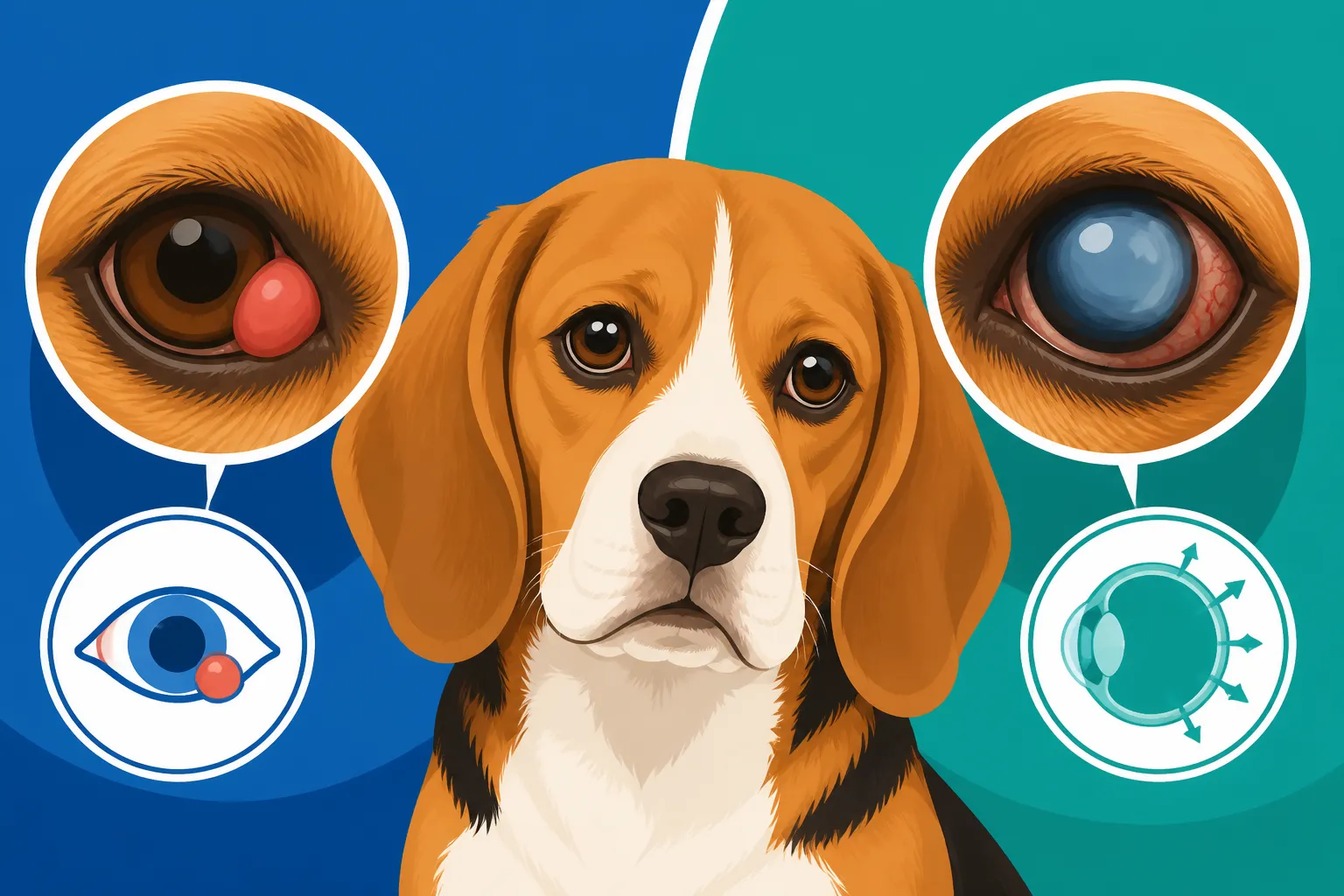
Beagle Cherry Eye and Glaucoma
Seeing a sudden change in your beloved Beagle's eye, whether it's a mysterious red bulge or a cloudiness that seems to appear overnight, can be incredibly alarming and frankly, terrifying. We instinctively know something is wrong, and the fear of them losing their vision or being in pain is gut-wrenching. This comprehensive guide is here to shed light on two distinct but equally worrying eye conditions that Beagles can face: cherry eye and glaucoma, offering you clarity, understanding, and actionable steps to protect your furry friend's precious sight.
Understanding Cherry Eye in Beagles
Cherry eye, while it sounds rather benign, is anything but. It's a common condition that can look quite startling when it first appears. Essentially, it's the prolapse of the nictitating membrane gland, often referred to as the "third eyelid," which sits in the corner of your Beagle's eye. Instead of staying tucked away, it pops out, appearing as a red, swollen mass – much like a tiny cherry – hence the name. It's usually not painful in the immediate sense, but it can be very irritating and, if left untreated, can lead to more serious eye problems down the line.
What Cherry Eye Looks Like
When you spot cherry eye, it's pretty unmistakable. You’ll see a distinct, bright red or pinkish oval mass protruding from the inner corner of your Beagle’s eye. It can be small, barely noticeable at first, or it can be quite large and startling. This isn't just a bit of irritation or a speck of dirt; it's a fleshy mass that wasn't there before. Your Beagle might start rubbing at their eye, blinking excessively, or producing more tears than usual as the exposed gland can become dry and inflamed. It can affect one eye or both, though not necessarily at the same time. Many owners first notice it after their Beagle has been playing, excited, or even just woken up from a nap.
This prolapsed gland is actually an important structure responsible for producing a significant portion of the tear film that keeps your Beagle’s eye lubricated and healthy. When it pops out, it's no longer doing its job effectively and is vulnerable to drying out, which causes further inflammation and discomfort. It's not a condition that will just "go away" on its own, and attempting to push it back in manually is usually futile and can cause more damage or introduce infection.
Why Beagles Get Cherry Eye
Beagles, along with other breeds like Bulldogs, Cocker Spaniels, and Boston Terriers, are genetically predisposed to cherry eye. The exact reason isn't fully understood, but it's believed to be due to a weakness in the connective tissue that holds the gland of the third eyelid in place. In these breeds, the ligament that normally anchors the gland to the periosteum (bone lining) around the eye socket can be weaker or simply less developed. This allows the gland to easily pop out of its normal position.
It’s not related to injury, diet, or anything you've done or haven't done as an owner. It’s simply how some Beagles are built. You might see it in puppies or young adult Beagles, typically before they reach two years of age, though it can manifest at any age. If one of your Beagle’s eyes develops cherry eye, there's a higher chance the other eye might develop it later on, simply due to the underlying genetic predisposition. It’s always important to keep an eye on both eyes, even after one has been treated, to catch any new developments early.
Cherry Eye Complications
While cherry eye itself isn't immediately painful in the severe sense, prolonged exposure and irritation of the gland can lead to a host of problems. The exposed gland is susceptible to drying out, becoming inflamed, and even infected. This persistent irritation can cause your Beagle to rub or paw at their eye, which only exacerbates the issue and can lead to secondary corneal ulcers or abrasions. Think of it like a persistent pebble in your shoe – annoying at first, but eventually, it will cause blistering and pain.
More significantly, the exposed third eyelid gland can become damaged and lose its ability to produce tears effectively. This can lead to a condition known as "dry eye," or keratoconjunctivitis sicca (KCS), which means the eye isn't producing enough tears to keep itself moist and healthy. Dry eye is a chronic, painful condition that requires lifelong management with daily eye drops and can severely impact your Beagle's quality of life and even their vision if not properly controlled. This is why addressing cherry eye promptly is so crucial; it's not just about aesthetics, but about preserving the long-term health and function of your Beagle's eye.
Unpacking Glaucoma in Beagles
Glaucoma is a much more serious and urgent eye condition than cherry eye. While cherry eye is about a misplaced gland, glaucoma is about dangerously high pressure within the eye. Imagine the pressure inside a balloon – if it gets too high, the balloon can burst. In the eye, this high internal pressure, known as intraocular pressure (IOP), puts immense stress on the optic nerve and retina, rapidly leading to irreversible vision loss and severe pain. For any Beagle owner, recognizing the signs of glaucoma immediately can mean the difference between saving or losing your dog's sight.
Primary vs. Secondary Glaucoma
Glaucoma in Beagles can generally be categorized into two main types: primary and secondary. Understanding the distinction is vital for diagnosis and treatment.
Primary Glaucoma is the inherited form of the disease and is unfortunately common in Beagles. It occurs when there's an inherent anatomical defect in the eye's drainage angle, preventing the aqueous humor (the fluid inside the eye) from draining properly. It's like having a drain that's simply not built right from the start. This type of glaucoma often affects both eyes, though one eye may show symptoms months or even years before the other. This genetic predisposition means that if a Beagle develops primary glaucoma, its siblings and parents should also be screened, and it should certainly not be used for breeding. This is why discussions about Beagle Health Testing Under CHIC are so important for responsible breeders.
Secondary Glaucoma, on the other hand, develops as a result of another underlying eye condition that interferes with the drainage system. This could be due to inflammation inside the eye (uveitis), a tumor, a dislocated lens, or severe trauma. For example, a severe, untreated eye infection could lead to secondary glaucoma. In these cases, treating the underlying cause is paramount, alongside managing the elevated eye pressure. While secondary glaucoma can affect any breed, conditions like Beagle Eye Conditions and the Board-Certified Exam can identify potential precursors. The key takeaway is that primary glaucoma is often unavoidable due to genetics, while secondary glaucoma can sometimes be prevented or mitigated by proactive care for other eye issues.
Symptoms and Progression of Glaucoma
The symptoms of glaucoma can come on very suddenly and progress rapidly, making it a true emergency. Early signs might be subtle, and many owners unfortunately miss them until the condition is advanced. One of the first things you might notice is that your Beagle is squinting, blinking rapidly, or rubbing at their eye, indicating pain. The affected eye itself might appear cloudy or hazy, or the white of the eye might look red and inflamed due to swollen blood vessels. You might also notice the pupil is dilated and unresponsive to light.
As the pressure continues to build, the eyeball itself can appear enlarged or bulging, a condition called buphthalmia. This is a very late sign, indicating significant damage has already occurred. Your Beagle might also become lethargic, lose their appetite, or show general signs of distress due to the intense headache-like pain associated with high intraocular pressure. This pain is severe and constant, making rapid intervention critical. Without treatment, glaucoma leads to irreversible blindness within hours to days, as the optic nerve, which transmits visual information to the brain, is quickly destroyed. Every minute counts when you suspect glaucoma.
The Urgency of Glaucoma
I cannot stress this enough: glaucoma is an ophthalmic emergency. This isn't a "wait and see" situation. If you suspect your Beagle has glaucoma, you need to get them to an emergency veterinary clinic or an ophthalmologist immediately. Waiting even a few hours can mean the permanent loss of vision in the affected eye. The damage caused by high intraocular pressure is swift and irreversible. Once the optic nerve is destroyed, vision cannot be restored.
Imagine a tightly stretched nerve being continuously squeezed – eventually, it stops working. That's essentially what happens to the optic nerve during a glaucoma attack. The goal of emergency treatment is to reduce the intraocular pressure as quickly as possible to prevent further damage to the optic nerve and preserve any remaining vision. This urgency is what differentiates it sharply from cherry eye; while cherry eye needs prompt attention, it rarely poses an immediate threat to vision like glaucoma does. If your Beagle is showing any of the signs we've discussed, drop everything and seek veterinary care. It could literally save your Beagle's sight. Keep in mind that for a situation like this, pet insurance from providers like Healthy Paws can be incredibly helpful in covering unexpected emergency vet costs, allowing you to focus on your Beagle's health rather than the bill.
Diagnosing and Treating Cherry Eye
When you first notice that tell-tale red bulge in your Beagle's eye, it's natural to feel a pang of worry. The good news is that cherry eye, while needing intervention, is typically a straightforward diagnosis and has several effective treatment options. The key is to get it addressed before chronic irritation leads to more significant problems like dry eye.
Vet Visit for Cherry Eye
Your first step should always be a visit to your veterinarian. They will be able to confirm that it is indeed a cherry eye and not another, potentially more serious, eye condition. During the examination, the vet will carefully inspect the prolapsed gland, check for any signs of inflammation or infection, and assess the overall health of your Beagle's eye. They might also perform a Schirmer tear test to measure tear production, ensuring the exposed gland hasn't already begun to compromise tear function. If there’s any concern about corneal damage, a fluorescein stain might be used to check for ulcers or abrasions.
This initial assessment is crucial to rule out other issues and to determine the best course of action. Your vet will discuss the various treatment options with you, weighing the pros and cons of each based on the severity of your Beagle's condition, their age, and your budget. It's a conversation where you can ask all your questions and express any concerns you might have. Knowing what to expect during a Beagle Vet Visit Frequency After the Age of Ten type of appointment, even if your dog is younger, can help prepare you for discussing treatment plans.
Surgical Correction Options
For cherry eye, surgical correction is almost always the recommended approach. While there might be anecdotal stories of success with conservative treatments (like warm compresses or gentle massage), these are rarely effective long-term and often just delay the inevitable, allowing the gland to become more irritated and damaged.
The most common and preferred surgical technique is called the pocket technique or variations like the Morgan Pocket technique. This procedure involves creating a small pocket within the third eyelid and tucking the prolapsed gland back into its natural position, then suturing the tissue over it to hold it in place. The goal is always to reposition the gland, not remove it. Removing the gland should only be considered as a last resort because, as we discussed, this gland produces a significant portion of your Beagle's tears. Its removal dramatically increases the risk of developing lifelong dry eye, which is a far more serious and uncomfortable condition to manage. In rare cases where the gland is severely damaged or there are recurrent issues, a combination of tucking and a partial removal might be considered, but preserving as much tear-producing tissue as possible is paramount. These procedures are typically performed by a board-certified veterinary ophthalmologist or an experienced general practitioner.
Post-Operative Care
After surgery for cherry eye, your Beagle will need careful post-operative care to ensure proper healing and minimize complications. They will likely come home with an Elizabethan collar (the "cone of shame") to prevent them from rubbing or scratching at the surgical site, which could disrupt the sutures or introduce infection. Expect your vet to prescribe eye drops or ointments, usually a combination of antibiotics to prevent infection and anti-inflammatory medications to reduce swelling and discomfort. Administering these medications diligently, exactly as prescribed, is critical for a successful recovery.
Your Beagle will also need restricted activity for a week or two to avoid putting strain on the surgical area. This means no jumping, roughhousing, or excessive running. You'll have follow-up appointments with your vet to monitor the healing process and ensure the gland remains in place. It's normal to see some mild swelling or redness for a few days post-op. If you notice excessive swelling, discharge, or if your Beagle seems to be in severe pain, contact your vet immediately. While the surgery has a high success rate, it's important to remember that because of the underlying genetic weakness, there is always a small chance of the cherry eye recurring, or the other eye developing the condition. This is where having pet insurance, such as a plan from Healthy Paws, can really make a difference, as it helps manage the costs of potential revisits or treatment for the other eye.
Managing and Treating Glaucoma
Unlike cherry eye, where surgery is typically elective but highly recommended, treating glaucoma is a race against time. The primary goal is always to rapidly lower the intraocular pressure to save vision and alleviate pain, and then to manage the condition long-term.
Immediate Medical Intervention
As established, glaucoma is an emergency. The moment you suspect it, you need to get your Beagle to a vet or veterinary ophthalmologist. Upon arrival, the veterinary team will immediately measure your Beagle's intraocular pressure using a tonometer. If the pressure is indeed elevated, a combination of medications will be administered to bring it down as quickly as possible. These medications often include:
- Topical drops: These are usually prostaglandin analogs (like latanoprost) that increase fluid outflow from the eye, or carbonic anhydrase inhibitors (like dorzolamide) that decrease fluid production.
- Systemic medications: Oral or injectable medications, such as mannitol, might be given to rapidly reduce fluid volume in the eye, especially in acute, severe cases.
The vet will constantly monitor your Beagle's eye pressure to ensure the medications are working. They'll also assess for pain and administer appropriate pain relief. This initial stabilization phase is critical, often requiring hospitalization for close monitoring. The aim is to reduce the pressure to a safe level within a few hours to protect the optic nerve from further damage. This is a stressful time for both you and your Beagle, and understanding Beagle Emergency Signs That Cannot Wait Until Morning is vital.
Surgical Options for Glaucoma
While medical management is the first line of defense, it often isn't enough for long-term control, especially in cases of primary glaucoma where the drainage system is inherently faulty. Surgical options are frequently considered, particularly if medical therapy fails to control the pressure or if vision has already been lost due.
One surgical approach for eyes with some remaining vision is to create new pathways for fluid drainage. This can involve laser cyclophotocoagulation, which reduces the production of aqueous humor, or shunt procedures (e.g., placing an aqueous shunt or valve, like the Baerveldt or Ahmed glaucoma valve), which create a drainage route from inside the eye to an external reservoir. These surgeries aim to maintain a lower, more stable intraocular pressure to preserve vision for as long as possible. However, they are complex procedures, and success isn't always guaranteed, often still requiring ongoing medical management.
If the eye has already lost all vision and is painful, more aggressive measures might be necessary to alleviate suffering. These include:
- Enucleation: Surgical removal of the affected eye. While this sounds drastic, it completely eliminates the pain and can significantly improve the dog's quality of life. Beagles adapt remarkably well to living with one eye.
- Intraocular prosthesis: In this procedure, the internal contents of the painful, blind eye are removed, and a silicone sphere is implanted to maintain the eye's cosmetic appearance. The eye remains functional as far as shape, but it is still blind.
These decisions are incredibly difficult, but your veterinary ophthalmologist will help you weigh the options, always prioritizing your Beagle's comfort and quality of life. Pet insurance, such as that offered by Healthy Paws, can significantly ease the financial burden associated with these costly and specialized surgical interventions.
Long-Term Management and Monitoring
Living with a Beagle diagnosed with glaucoma, even after initial treatment, requires dedicated long-term management and vigilant monitoring. Glaucoma is often a chronic, progressive disease, especially the primary form, meaning ongoing care is essential. Your Beagle will likely need daily eye drops for the rest of their life to help control intraocular pressure. This might involve multiple types of drops, administered several times a day. Consistency is absolutely key here – missing doses can lead to spikes in pressure and further damage.
Regular follow-up appointments with a veterinary ophthalmologist are crucial. They will monitor the eye pressure, assess vision, and check for any signs of disease progression or medication side effects. For Beagles with primary glaucoma in one eye, the "good" eye will also need constant monitoring, as it has a high risk of developing glaucoma later on. Prophylactic (preventative) eye drops might even be prescribed for the unaffected eye to delay the onset of the disease. This commitment to ongoing care is substantial, both in terms of time and cost, but it's what gives your Beagle the best chance at maintaining comfort and any remaining vision.
Here's a quick comparison of the two conditions:
| Feature | Cherry Eye (Nictitans Gland Prolapse) | Glaucoma (Increased Intraocular Pressure) |
|---|---|---|
| Appearance | Red/pink mass in inner corner of eye | Cloudy/hazy eye, red whites, dilated pupil, possibly bulging eyeball |
| Primary Cause | Weak connective tissue (genetic predisposition) | Impaired fluid drainage from eye (primary: genetic; secondary: other eye disease) |
| Pain Level | Generally mild irritation, discomfort; can become painful if infected | Severe, constant headache-like pain |
| Vision Threat | Low directly, but can lead to dry eye (KCS) if untreated | High, rapid, irreversible vision loss if untreated |
| Urgency | Needs prompt veterinary attention, but not an immediate emergency | Veterinary emergency – seek immediate care |
| Typical Age of Onset | Often puppies/young adults (under 2 years) | Can be any age, but primary often 3-7 years |
| Treatment Goal | Reposition gland, preserve tear production | Rapidly reduce pressure, preserve vision, alleviate pain |
| Common Treatment | Surgical tucking of the gland | Emergency medications (drops/systemic), surgical shunts, enucleation |
| Long-Term Management | Usually resolved post-surgery, monitor other eye | Lifelong daily eye drops, regular monitoring, potential further surgery |
Prevention and Proactive Eye Care for Beagles
While some conditions like primary glaucoma or cherry eye have strong genetic components and can be difficult to prevent entirely, there's still a lot you can do as a dedicated Beagle owner to protect their precious eyes. Proactive care, early detection, and responsible breeding choices play massive roles in maintaining your Beagle's vision and overall eye health.
Regular Eye Exams
Regular veterinary check-ups are your first line of defense against many health issues, including eye problems. During your Beagle's annual or biannual wellness exam, your vet will perform a general eye inspection. However, for a breed like the Beagle, known for certain eye conditions, consider discussing more specialized eye exams. A board-certified veterinary ophthalmologist can conduct a thorough examination, often including measuring intraocular pressure, checking tear production, and examining the internal structures of the eye. This is especially important for Beagle Eye Conditions and the Board-Certified Exam and can catch subtle changes before they become serious.
For Beagles predisposed to conditions like primary glaucoma, regular pressure checks can identify rising pressures before symptoms become obvious and irreversible damage occurs. Establishing a baseline eye pressure when your Beagle is young can be invaluable for future comparisons. Early detection is absolutely critical for glaucoma, as treatment initiated before significant nerve damage dramatically improves the chances of preserving vision. Don't wait until you see an obvious problem; incorporate eye health into your routine preventative care.
Genetic Screening and Responsible Breeding
When it comes to genetically inherited conditions like primary glaucoma and cherry eye, responsible breeding practices are paramount. Reputable Beagle breeders will conduct thorough health screenings on their breeding dogs to minimize the risk of passing on these conditions. For glaucoma, genetic tests are becoming available for certain breeds, and ethical breeders will utilize these tools. They will also pay close attention to the lineage and health history of their breeding stock, ensuring that dogs with a history of these conditions are not bred. The Orthopedic Foundation for Animals (OFA) and the Canine Health Information Center (CHIC) provide health certification programs for breeds, including Beagles, and often include eye certifications as part of their recommendations. A The Eye Exam Required Before Breeding a Beagle is a standard practice for responsible breeders.
As a puppy buyer, it’s your right and responsibility to ask breeders about the eye health of the puppy’s parents and grandparents. Ask to see proof of eye certifications and inquire about any history of cherry eye or glaucoma in their lines. A breeder who is transparent and open about health testing and potential genetic risks is a good sign. While genetic screening can't guarantee a puppy will never develop a condition, it significantly reduces the likelihood, giving you the best chance at a healthy companion. The MLS DNA Test Required for Beagle CHIC is another example of how genetic screening is crucial in this breed.
Everyday Eye Health Tips
Beyond vet visits and genetics, there are simple, everyday practices that contribute to your Beagle's overall eye health and can help you catch problems early.
- Daily Visual Checks: Make it a habit to quickly look at your Beagle’s eyes every day. Are they bright and clear? Are there any abnormal discharges, redness, cloudiness, or swelling? Does the third eyelid look normal and tucked away? This quick glance can help you spot changes, like the start of a cherry eye or the subtle cloudiness of early glaucoma, much faster.
- Keep Eyes Clean: Gently wipe away any normal eye discharge with a soft, damp cloth or a vet-approved eye cleaning solution. This prevents irritation and buildup. Be careful not to introduce foreign material or scratch the eye.
- Protect from Irritants: Beagles love to stick their noses into everything! Try to minimize exposure to harsh chemicals, dust, or environmental irritants that could get into their eyes. If your Beagle is prone to going into thorny bushes or dense undergrowth, consider protective eyewear (doggles) for extended outdoor adventures.
- Nutrition: A balanced, high-quality diet supports overall health, including eye health. Some owners consider supplements like Omega-3 fatty acids, but always discuss any dietary changes or supplements with your vet first to ensure they are appropriate for your individual Beagle.
- Awareness of Other Conditions: Certain conditions, such as Beagle Dry Eye and Daily Drops or Beagle Eyelash Problems That Scratch the Cornea, can create irritation or even lead to secondary glaucoma. Being aware of these and addressing them promptly is part of a holistic approach to eye care.
By being observant, proactive, and working closely with your veterinarian, you can provide your Beagle with the best possible chance for a lifetime of clear vision and comfortable eyes.
Disclaimer
The information provided in this guide is for general educational purposes only and should not be considered a substitute for professional veterinary advice. Always consult with a qualified veterinarian or a board-certified veterinary ophthalmologist for any health concerns or before making any decisions related to your Beagle's medical care.