Thyroid Testing a Beagle at Twenty-Four Months
It’s a frustrating scenario many Beagle owners face: your lively, food-motivated companion suddenly seems a bit… off. Maybe they’re a little more sluggish, putting on weight despite no change in diet, or their usually vibrant coat looks dull. You know something isn’t quite right, but pinpointing the cause can feel like finding a needle in a hayfield, especially when dealing with subtle, systemic issues like thyroid problems. This guide will walk you through the crucial process of thyroid testing for your Beagle, focusing particularly on why the 24-month mark is often a key time for evaluation, and how to understand what those results really mean for your beloved hound.
Understanding Beagle Hypothyroidism
Hypothyroidism is a condition where your Beagle’s thyroid gland doesn't produce enough thyroid hormones, which are absolutely essential for regulating metabolism. When these hormones are low, it can slow down almost every bodily function, leading to a cascade of often subtle, easily missed symptoms that can leave owners scratching their heads. For a breed as energetic and food-driven as the Beagle, these changes can be particularly disheartening to witness.
Common Signs and Symptoms
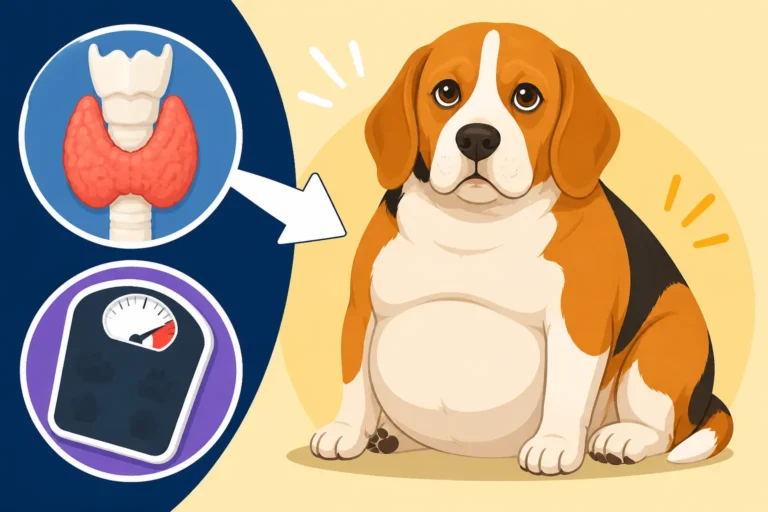
The signs of hypothyroidism in Beagles can be quite varied and might sneak up on you over time, making them easy to dismiss as just "getting older" or "being lazy." One of the most common complaints owners report is unexplained weight gain, even if you’re meticulously controlling their portions and they're still getting their walks. This isn't just a cosmetic issue; it's a metabolic slowdown that can really impact your dog's overall well-being. You might find yourself constantly fighting to keep your Beagle lean, only for the scale to refuse to budge, which can be incredibly frustrating. This is often the first signal that something metabolic might be amiss. Many owners note that their active Beagle suddenly seems to prefer lounging over playing, an unusual shift for such a typically merry breed.
Beyond weight, pay close attention to changes in their coat and skin. A hypothyroid Beagle might develop a dull, dry, or brittle coat that sheds excessively or just doesn’t have its usual shine. You might also notice thinning hair, especially on their flanks, tail, or behind their ears. Some Beagles can develop recurrent skin infections, excessive dandruff, or even a thickened, darker, or oily skin, a condition often referred to as "rat tail" or "puppy coat" that just won't go away. Other, more vague symptoms can include lethargy, a general decrease in activity level, increased sensitivity to cold, or even a slowed heart rate. Behaviorally, some owners report their usually friendly Beagle becoming a bit more withdrawn or even showing mild aggression, though this is less common than the physical signs. It's a slow burn, these symptoms, which is why they're often missed until the condition is quite advanced.
The Impact on Your Beagle's Health
Untreated hypothyroidism isn't just about a slow metabolism or a lackluster coat; it can have significant long-term consequences for your Beagle's overall health and quality of life. The sluggishness and weight gain can easily lead to Beagle Obesity Treated as a Health Problem, putting extra strain on their joints and potentially exacerbating conditions like Beagle Arthritis Arriving in Middle Age. Imagine your Beagle, known for its boundless energy and love of sniffing, becoming too tired or too sore to enjoy its favorite activities. This diminished quality of life is a huge concern for any owner.
Furthermore, thyroid hormones play a crucial role in various bodily functions, including cardiovascular health. Untreated hypothyroidism can sometimes lead to a slower heart rate, and in some cases, contribute to other heart issues. It can also affect the immune system, making your Beagle more susceptible to infections. While it's not a condition that typically causes immediate, acute distress, the cumulative effect of low thyroid hormones can slowly but surely chip away at your Beagle's vitality and potentially shorten their Beagle Lifespan and the Twelve to Fifteen Year Range if left unmanaged. Early detection and consistent treatment are key to mitigating these impacts and ensuring your Beagle lives a full, comfortable life.
Why Twenty-Four Months is a Key Testing Window
You might be wondering why there’s a specific focus on testing at 24 months. It’s not an arbitrary number; rather, it’s a strategic point in a Beagle’s development when many inherited conditions, including autoimmune thyroiditis (the most common cause of hypothyroidism in Beagles), begin to manifest or become detectable. Before this age, it can be challenging to get a clear picture of their long-term thyroid health.
Maturation and Disease Onset
Beagles, like many dog breeds, continue to mature physically and hormonally well into their second year. While they might look like full-grown adults earlier, their internal systems are still developing and stabilizing. By 24 months, or two years of age, their endocrine system, including the thyroid gland, should have reached a mature and stable functional state. This makes it an ideal time to establish a baseline for what’s "normal" for your individual Beagle and to catch any nascent issues. For autoimmune thyroiditis, the body's immune system mistakenly attacks the thyroid gland. This process can be slow and insidious, often starting with the presence of autoantibodies without a significant drop in hormone levels. These autoantibodies, if present, tend to be detectable by this age.
If your Beagle is destined to develop hypothyroidism due to an autoimmune attack, the chances are high that the initial stages of the disease will be detectable around this two-year mark. Prior to this, a puppy’s thyroid levels can fluctuate due to rapid growth and development, making a definitive diagnosis of a chronic condition more difficult. Testing too early might give a false sense of security or lead to unnecessary concern. Waiting until 24 months allows for a more accurate assessment, helping your vet differentiate between normal developmental fluctuations and the genuine onset of a metabolic disorder. It's truly a sweet spot for revealing early signs of trouble.
Importance of Early Detection
Catching hypothyroidism early, ideally around the 24-month mark, cannot be overstated. When the disease is identified in its nascent stages, before significant symptoms like profound lethargy or severe weight gain have taken hold, treatment can begin promptly. This often means your Beagle can maintain a higher quality of life and avoid many of the secondary health complications associated with long-term, untreated low thyroid function. Think about it: if you can intervene when your dog is just starting to show a slightly dull coat or a little less pep, you're preventing years of their system operating inefficiently.
Early detection also means you can often halt or slow the progression of some of the more severe symptoms. For instance, addressing the metabolic slowdown early can prevent Beagle Obesity and the Diseases It Brings On from becoming entrenched, which in turn reduces strain on joints and other organs. Regular monitoring and appropriate medication can help regulate their metabolism, restore energy levels, and improve coat and skin health. Without early detection, your Beagle might spend months or even years feeling unwell, slowly declining, and you might miss precious moments of their energetic youth. Proactive testing at two years old isn't just about diagnosis; it's about preventative care that preserves their joyful, active nature.
The Different Types of Thyroid Tests for Beagles
Navigating the world of veterinary diagnostics can be a bit overwhelming, especially when it comes to something as nuanced as thyroid testing. It’s not usually a "one and done" test; often, a combination of tests is needed to get a complete picture of your Beagle's thyroid health. Your vet might start with screening tests and then move to more comprehensive panels if the initial results are suspicious.
Screening Tests: T4 and Free T4
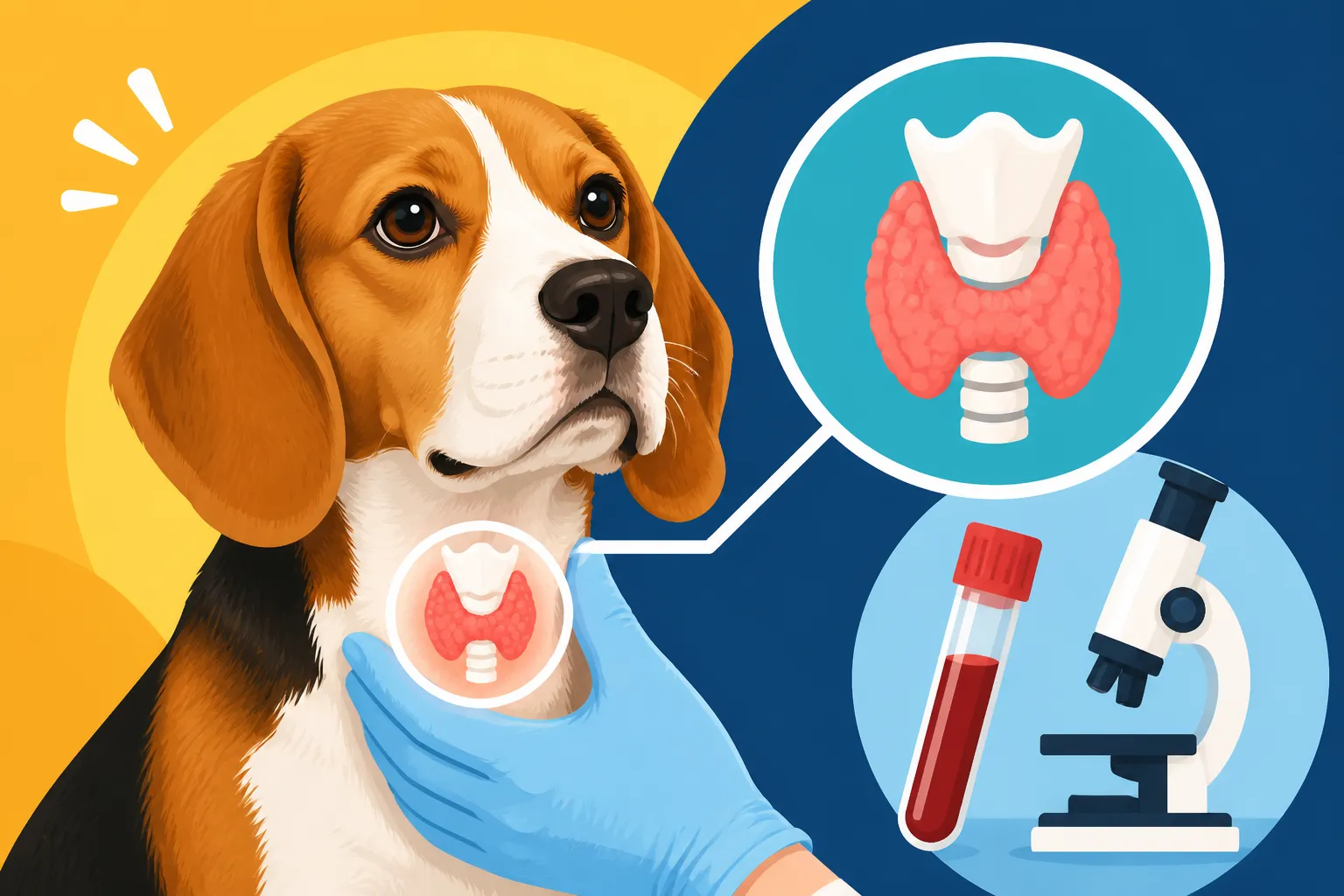
When your vet suggests initial thyroid testing, they'll often start with measuring the total T4 (Thyroxine) and Free T4 levels in your Beagle’s blood. Total T4 measures all the thyroxine in the bloodstream, both bound to proteins and unbound. It's a good first-line screening test because it's relatively inexpensive and provides a general snapshot of thyroid hormone production. However, T4 levels can be influenced by many factors unrelated to thyroid function, such as other illnesses, certain medications (like steroids), or even stress from the vet visit itself. These factors can lead to a falsely low T4 reading, a phenomenon known as "euthyroid sick syndrome," where the thyroid is fine, but the T4 is low due to other health issues.
This is where Free T4 comes in. Free T4 measures only the unbound, biologically active form of thyroxine circulating in the blood. Because it's not bound to proteins, its level is less affected by non-thyroidal illnesses or medications, making it a more accurate indicator of the thyroid gland's actual function. It's a more specific test than total T4 and can help differentiate true hypothyroidism from other conditions that might temporarily depress total T4 levels. While neither T4 nor Free T4 alone can definitively diagnose hypothyroidism, they are excellent starting points to determine if further, more in-depth testing is warranted. If both of these are consistently low, it strongly suggests a problem, but your vet will likely want to confirm with additional tests.
Comprehensive Thyroid Panels and Autoantibodies
If the initial screening tests (T4, Free T4) raise a red flag, or if your Beagle is showing strong symptoms of Beagle Hypothyroidism Symptoms Owners Notice First, your vet will likely recommend a more comprehensive thyroid panel. This usually includes not only T4 and Free T4 but also Thyroid-Stimulating Hormone (TSH) and often, autoantibody tests (TgAA, T4AA, T3AA). TSH is produced by the pituitary gland in the brain and tells the thyroid gland to produce more hormones. In a healthy dog, if thyroid hormone levels (T4/Free T4) are low, the pituitary should respond by producing more TSH to stimulate the thyroid. Therefore, a low T4/Free T4 combined with a high TSH is often a strong indicator of primary hypothyroidism (meaning the problem lies with the thyroid gland itself).
The autoantibody tests are crucial, especially in Beagles. As mentioned, the most common cause of hypothyroidism in Beagles is autoimmune thyroiditis. These tests look for antibodies that the immune system produces against its own thyroid tissue (Thyroglobulin Autoantibodies – TgAA, or antibodies against T4 and T3). A positive autoantibody test indicates an autoimmune attack on the thyroid, even if the T4 and TSH levels are still within the normal range. This means your Beagle is genetically predisposed and likely in the early stages of developing hypothyroidism, even if they aren't fully hypothyroid yet. Detecting these antibodies at 24 months, perhaps as part of a Beagle Health Testing Under CHIC panel, allows for proactive monitoring and early intervention. Combining all these tests gives the most complete and accurate picture of your Beagle’s thyroid status, helping your vet formulate the best plan for their care.
Here’s a quick overview of the different thyroid tests and what they tell us:
| Test Type | What It Measures | Key Indication | Considerations |
|---|---|---|---|
| Total T4 | Total thyroxine hormone (bound and unbound) | General screening for thyroid function | Can be influenced by non-thyroidal illness, stress, medications. |
| Free T4 | Biologically active, unbound thyroxine hormone | More accurate indicator of actual thyroid function | Less affected by external factors than Total T4; good for confirming low T4. |
| TSH | Thyroid-Stimulating Hormone from pituitary | Measures the pituitary's signal to the thyroid | High TSH with low T4/Free T4 suggests primary hypothyroidism. Can be normal in early stages. |
| TgAA (Autoantibodies) | Antibodies against thyroglobulin (thyroid protein) | Autoimmune attack on the thyroid (autoimmune thyroiditis) | Positive indicates genetic predisposition; can be positive before T4/TSH changes. |
| T4AA/T3AA | Antibodies against T4/T3 hormones | Direct autoimmune attack on the hormones themselves | Less common, but also indicates autoimmune process. |
Interpreting Your Beagle's Thyroid Test Results
Once the blood work is done, the results come back, and suddenly you’re faced with a sheet full of numbers and acronyms. It can feel like decoding a secret message! Understanding these results is crucial, and it's always best done in close consultation with your veterinarian, as they can interpret the numbers in the context of your individual Beagle’s symptoms, age, and overall health.
Normal Ranges Versus Breed-Specific Norms
One of the first things to understand is that "normal" isn't always a one-size-fits-all concept in veterinary medicine. Most lab reports will provide a reference range that is considered standard for all dogs. However, what's considered normal for a Great Dane might be quite different from what's ideal for a Beagle. Some breeds, including Beagles, can have naturally lower baseline thyroid hormone levels than the general canine population, yet still be considered perfectly healthy. This means a Beagle's T4 or Free T4 might fall on the lower end of the "normal" range, or even slightly below it, without actually being hypothyroid. This gray area can be frustrating for owners seeking a clear answer.
This is why a comprehensive panel, including TSH and autoantibodies, is so important. If your Beagle has a low-normal T4 and Free T4, but their TSH is also normal (meaning their pituitary isn't working overtime to stimulate a failing thyroid) and they don't have autoantibodies, then they might simply have a naturally lower set point for their thyroid hormones. This highlights the importance of not just looking at a single number, but at the entire picture, including your Beagle’s clinical signs. Your vet will weigh the numbers against how your Beagle is actually feeling and behaving.
The Nuance of a "Gray Area" Diagnosis
Sometimes, the test results don't give a perfectly clear "yes, it's hypothyroidism" or "no, it's not." This is often referred to as a "gray area" or subclinical hypothyroidism. This happens when your Beagle’s T4 and Free T4 levels are low, but their TSH is still within the normal range, or perhaps slightly elevated but not definitively high. Or, you might have positive autoantibodies, indicating an autoimmune process is underway, but the hormone levels themselves haven't dropped significantly yet. This can be especially common in the early stages of autoimmune thyroiditis.
In these "gray area" situations, your vet might recommend a watch-and-wait approach, with repeat testing in a few months, or they might consider a trial period of thyroid medication if your Beagle is exhibiting clear clinical signs. The presence of autoantibodies, even with normal hormone levels, is a strong signal that your Beagle is at high risk for developing full-blown hypothyroidism and should be monitored very closely. It's a nuanced discussion to have with your vet, exploring the pros and cons of starting medication versus continued monitoring. Remember, this isn't a failure of testing; it's simply the nature of a progressive disease, and it means you're catching it incredibly early. Patience and consistent communication with your veterinary team are paramount during this stage.
Managing Hypothyroidism in Your Beagle
Receiving a diagnosis of hypothyroidism for your Beagle can feel a bit daunting at first, but the good news is that it's a very manageable condition. Treatment is typically straightforward and highly effective, with most Beagles returning to their normal, energetic selves once their hormone levels are regulated. The key is consistent medication and regular monitoring.
Lifelong Medication and Dosage Adjustments
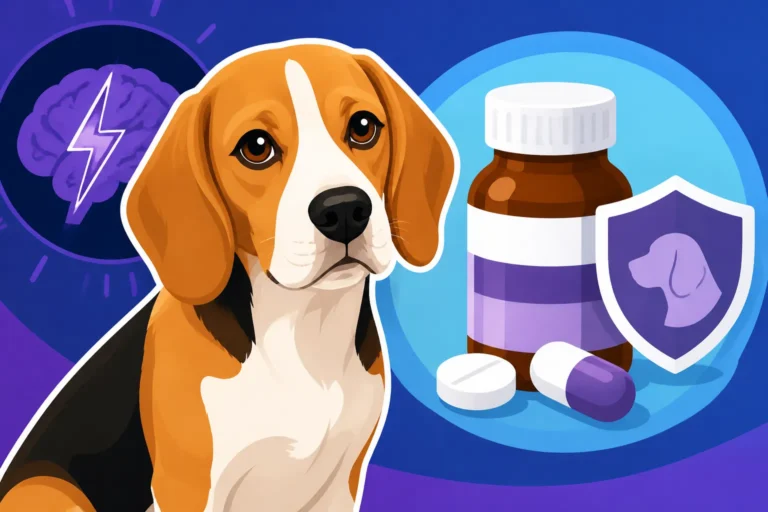
The primary treatment for hypothyroidism in Beagles is lifelong daily oral medication, usually synthetic thyroid hormone called levothyroxine (L-thyroxine). This medication replaces the hormones your Beagle's thyroid gland isn't producing naturally. It's not a cure, but rather a replacement therapy, much like how humans with hypothyroidism take a daily pill. The most critical aspect of this treatment is consistency: your Beagle will need to take this pill every single day, ideally at the same time, often on an empty stomach to ensure proper absorption. Missing doses can lead to fluctuations in hormone levels and a return of symptoms.
The initial dosage will be determined by your vet based on your Beagle's weight and the severity of their condition. However, it's rarely a set-it-and-forget-it situation. After starting medication, your Beagle will need follow-up blood tests, typically within 4-8 weeks, to check their T4 levels and ensure the dosage is correct. These tests, often done 4-6 hours after the morning pill, help your vet gauge how well the medication is being absorbed and utilized. Dosage adjustments are very common in the first few months until the optimal level is found. It can feel like a bit of a dance, but once stable, your Beagle might only need blood work once or twice a year. If you have pet insurance, it's wise to review your policy details with providers like Healthy Paws to understand what's covered regarding diagnostics and long-term medication costs. This can make managing lifelong treatment much less financially stressful.
Regular Monitoring and Symptom Management
Beyond the daily pill, regular monitoring is crucial for long-term management of hypothyroidism. This means keeping up with those follow-up vet appointments and blood tests. Your vet will look for two main things during these check-ups: that your Beagle’s blood thyroid levels are within the normal therapeutic range, and that their clinical symptoms have improved or resolved. You should be seeing a return of energy, healthy weight management, and improvement in coat and skin condition. If symptoms persist or reappear, it might indicate that the dosage needs another adjustment or that there's another underlying health issue.
It’s also important for you, as the owner, to be vigilant. Keep a Beagle Hypothyroidism Symptoms Owners Notice First diary of any subtle changes you notice in your Beagle’s behavior, appetite, coat, or energy levels. This information is invaluable to your vet. If your Beagle is on medication for Beagle Epilepsy and Seizures From Six Months On, it’s particularly important to discuss any changes with your vet, as some seizure medications can potentially interact with thyroid hormone levels or even affect the thyroid gland itself. Remember that What Happens If a Beagle Stops Thyroid Medication can be detrimental, leading to a rapid return of symptoms and potentially worsening health, so consistency is truly paramount. Investing in a good pet insurance plan, such as those offered by Healthy Paws, can provide considerable peace of mind, knowing that the ongoing costs of these crucial tests and medications are substantially covered.
Preventative Care and Long-Term Thyroid Health
While some causes of hypothyroidism are genetic and largely unavoidable, there are still steps you can take to support your Beagle's overall endocrine health and minimize the risk of secondary complications. Focusing on a balanced lifestyle, a healthy diet, and regular veterinary check-ups are cornerstones of preventative care, especially for a breed prone to this condition.
Diet, Exercise, and Weight Management
One of the biggest challenges for Beagle owners is managing their dog’s insatiable appetite and preventing weight gain. Since hypothyroidism often leads to a slower metabolism, maintaining an ideal body weight through proper diet and exercise becomes even more critical. Feed a high-quality, balanced diet that is appropriate for your Beagle’s age and activity level. Avoid free-feeding, and instead, measure out meals strictly. Beagles are notoriously good at convincing you they're starving, but resisting those pleading eyes is an act of love for their long-term health. Consider using puzzle feeders or slow-feeder bowls to extend mealtime and provide mental stimulation, rather than just dumping food in a bowl.
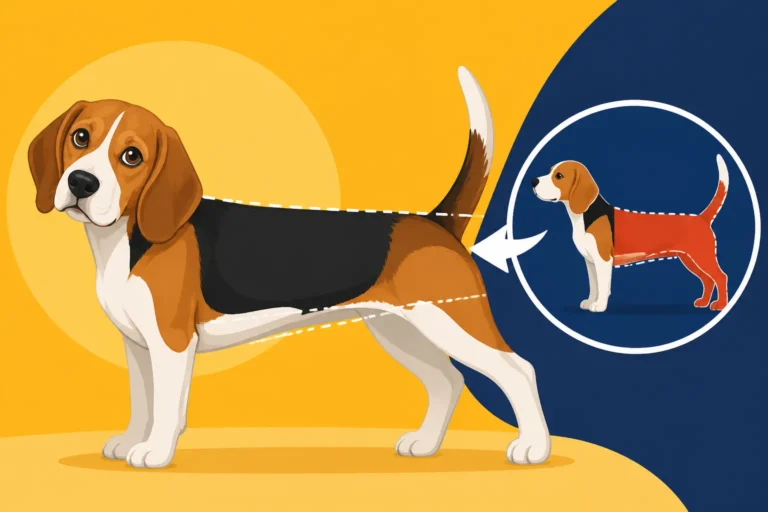
Regular, consistent exercise is also vital. Beagles need daily activity to burn calories, maintain muscle tone, and keep their minds engaged. Scent walks, where they can follow their incredible noses, are particularly effective at tiring them out both physically and mentally. A Beagle Weight Management Across the Two Size Varieties plan should always be a partnership with your vet, especially if your Beagle is already overweight. For a breed so driven by their nose, calorie-controlled treats or using portions of their daily kibble for training can be a game-changer for avoiding Beagle Obesity and the Diseases It Brings On. Staying on top of their weight won't prevent hypothyroidism if it's genetically destined, but it will certainly improve their overall health and make the condition easier to manage if it does develop.
Routine Veterinary Check-ups and Screening
Even after the initial 24-month thyroid screening, routine veterinary check-ups remain essential for your Beagle's long-term health. These annual or semi-annual visits allow your vet to monitor for any subtle changes, perform physical exams, and discuss any new symptoms you might have observed. They can also address other common Beagle health concerns, such as Beagle Ear Infections Under Those Long Ears or Beagle Dental Disease and Tartar Buildup, which can sometimes mask or complicate the picture of systemic illness.
For Beagles with a family history of hypothyroidism, or those that had "gray area" results at 24 months, your vet might recommend more frequent thyroid screenings, perhaps every 1-2 years, even if they aren't showing overt symptoms. This proactive approach ensures that if the disease progresses, it's caught quickly. It's also an opportunity to discuss any new research or advancements in treatment. Having a strong relationship with your vet, and a comprehensive pet insurance plan from a reputable provider like Healthy Paws, can truly be the best investment in your Beagle's long-term health, providing peace of mind as they age and their health needs evolve. They cover a wide range of conditions, ensuring that if issues like hypothyroidism arise, you're financially prepared for the necessary diagnostics and ongoing care.
Disclaimer
This article is intended for informational purposes only and does not constitute medical advice. Always consult with a qualified veterinarian for any health concerns or before making any decisions about your Beagle's care or treatment.