Adopting a Beagle That Had Never Seen Grass
Bringing home a Beagle, especially one from a rescue situation where their world has been incredibly small and sterile, can be a profoundly emotional and challenging experience. Many of these dogs have spent their entire lives in a laboratory setting, meaning the vast, vibrant, and sometimes overwhelming world outside is completely alien to them. This guide aims to prepare you for what to expect and how to gently introduce your new companion to the wonders of grass, sunshine, and a loving home.
Understanding the Unique Background of a Former Research Beagle
When you adopt a Beagle that has spent its life in a research facility, you're not just getting a dog; you're welcoming a soul who has likely never known a soft bed, the feeling of grass beneath their paws, or the simple joy of a toy. Their world has been controlled, predictable in a very stark way, and devoid of the sensory richness we take for granted. This background shapes their initial reactions to everything new, from loud noises to open spaces.
The Sterile Environment They Came From
Imagine a life where the floor is always hard and shiny, the air always smells the same, and the sounds are consistent – perhaps the hum of machinery, the clang of a cage, or the muted echoes of other dogs. There are no breezes, no rustling leaves, no chirping birds. Their primary interactions might have been with a limited number of human handlers, often in a functional, rather than affectionate, capacity. This sterile, predictable, yet emotionally deprived environment means they often lack basic life skills and social understanding. They may have never experienced a walk, worn a collar, or even been given a name until their rescue.
This lack of exposure can manifest in various ways. Some Beagles might be incredibly shy and withdrawn, freezing in new situations, while others might react with frantic energy, unsure how to process the sudden sensory overload. They don't understand that grass is soft, or that a car is a mode of transport, not a scary moving box. Their perception of the world is based purely on what they've known, which is very little indeed. It’s crucial to approach their integration into your home with immense patience and a deep well of empathy, understanding that their past is not their fault.
Common Behavioral Traits Observed in Lab Beagles
Beagles from research settings often display a range of specific behaviors directly linked to their previous lives. One of the most common is an initial hesitancy or outright fear of wide-open spaces. A large yard, a park, or even a quiet street can be overwhelming. They might flatten themselves to the ground, try to bolt, or simply refuse to move. This isn't stubbornness; it's genuine terror of the unknown, of a world that lacks boundaries. Another frequent trait is a profound lack of understanding regarding house training. What a Former Research Beagle Needs First often includes learning the very concept of "outside" for elimination. They've been accustomed to eliminating wherever they are, and breaking this habit takes time and consistency.
Socially, many former lab Beagles are starved for attention but don't know how to receive it. They might flinch from touch or show extreme excitement that quickly turns to anxiety. They may not understand play cues from other dogs or might engage in solitary, repetitive behaviors like pacing or circling. Food can also be a complex issue; some might guard food aggressively due to past competition, while others might eat frantically as if it could be taken away. Understanding these behaviors as adaptations to a difficult past, rather than innate personality flaws, is key to helping them heal and thrive.
Creating a Safe and Nurturing Home Environment
The transition from a laboratory to a home is arguably one of the biggest life changes a dog can experience. Your primary goal is to create a sanctuary where they feel safe, can begin to decompress, and slowly learn that the world outside their former cage can be a wonderful place. This isn't about rushing them; it's about providing stability and gentle encouragement.
The First Days and Weeks: Decompression Zone
When your former research Beagle first arrives, establish a "decompression zone." This is a quiet, comfortable space, perhaps a spare room or a section of a larger room, equipped with a soft bed, fresh water, and a few simple, safe toys. A crate, if introduced positively and left open, can also serve as a secure den for them to retreat to. Imagine how overwhelming your home, with all its new sights, sounds, and smells, must be. This dedicated space gives them a sense of control and a place to feel safe while they slowly acclimate. Keep visitors to a minimum during these first few weeks.
During this initial period, allow your Beagle to approach you on their terms. Avoid forcing interactions. Sit quietly near their space, offer soft words, and let them initiate contact. Use slow movements and a calm, reassuring voice. High-value treats can be a powerful tool for building positive associations with your presence. You might find that they prefer to be observed from a distance initially, and that’s perfectly normal. Remember, everything is new, from the scent of your laundry detergent to the creak of the floorboards. Patience truly is a virtue here, and consistency in routine will be their anchor.
Introducing New Experiences Gently
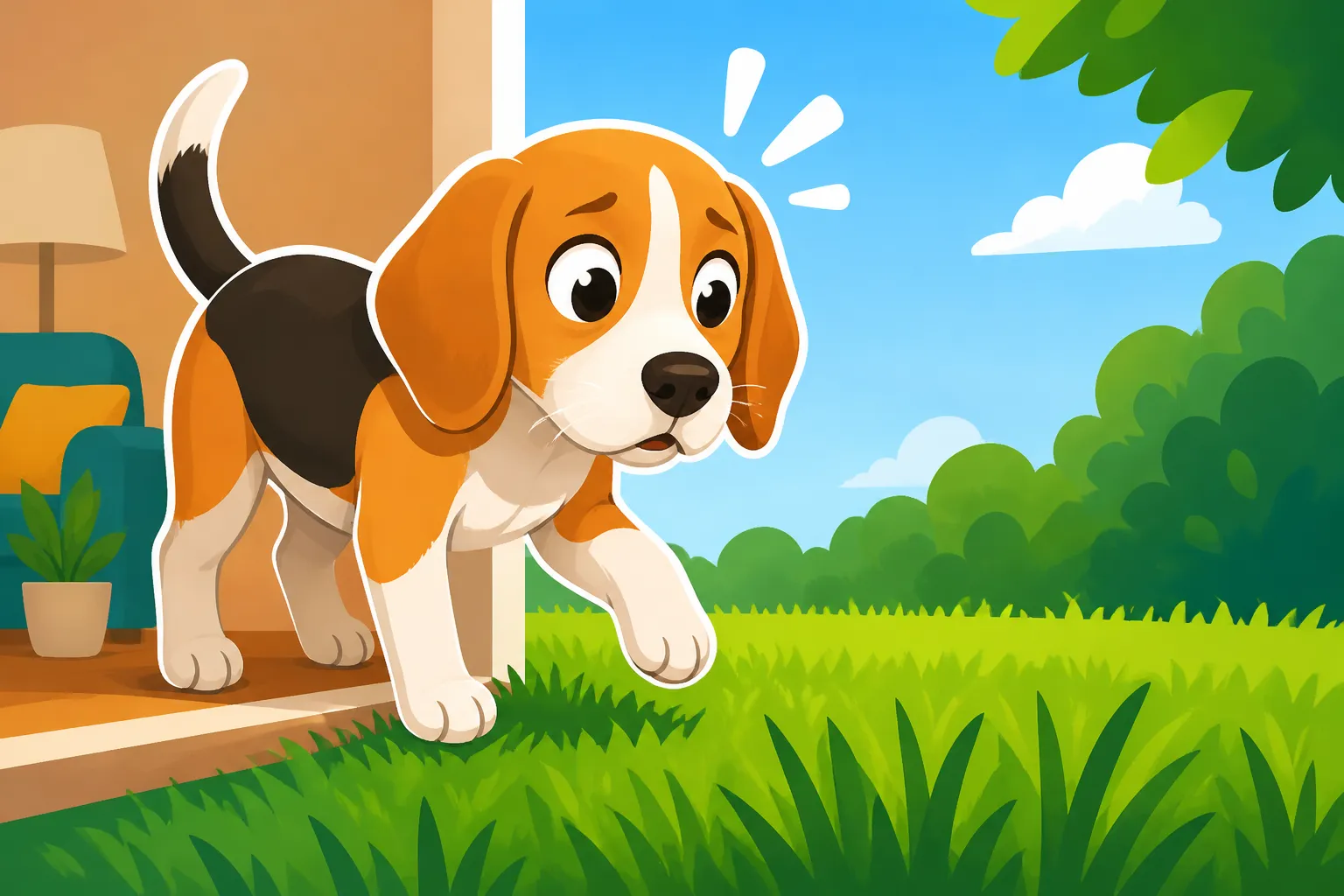
The world is full of wonders your Beagle has never experienced, but introducing them too quickly can lead to overwhelm and setback. Start small. For a Beagle that has never seen grass, begin by carrying them to a small patch in your yard, if you have one. Just let them stand or sit there. Don't push them to walk or play immediately. Let them absorb the new smells, the feeling under their paws, the sound of the wind. A short leash and harness are essential for these initial outdoor explorations, as their instinct to bolt can be strong when they're scared. Leash Training a Beagle From Eight Weeks can provide foundational tips, but be prepared for a much longer and more gradual process with a former lab Beagle.
Gradually expand their exposure. After they seem comfortable with a small patch of grass, try a slightly larger area, always supervised and on a leash. Introduce new objects one at a time: a soft blanket, a squeaky toy, a chew. Observe their reactions closely. If they show signs of stress (panting, lip licking, tail tucked, trying to hide), retreat to their safe space. This process requires incredible patience and a keen eye for subtle cues. Remember that something as simple as a bird flying overhead or a leaf rustling can be terrifying to a dog that has never witnessed such things before.
Addressing Specific Challenges with Patience
Adopting a Beagle that has never seen grass or lived in a home comes with very specific hurdles. These aren't just minor adjustments; they often require a complete re-education of how to navigate the world.
Potty Training Without Prior Experience
This is often one of the biggest challenges. A lab Beagle has typically been confined to a cage or kennel where they had no choice but to eliminate in their living space. The concept of holding it and going outside is completely foreign. You need to treat them like a very young puppy, but one with the ingrained habit of indoor elimination. Set a strict schedule for outdoor potty breaks: first thing in the morning, after every meal, after naps, before bed, and frequently throughout the day. Take them to the exact same spot each time, if possible, to help them associate that area with relief.
When they do go outside, praise them lavishly and give a high-value treat immediately. If they have an accident indoors, clean it thoroughly with an enzymatic cleaner to remove all scent. Never punish them for accidents, as this will only teach them to hide their elimination from you, making the problem worse. Consider using puppy pads indoors initially as a transitional tool, gradually moving the pads closer to the door and then outside. It's a long game, demanding consistency and understanding. For supplies like enzymatic cleaners and durable puppy pads, online retailers like Chewy offer a wide selection that can be delivered discreetly.
Leash Training and Outdoor Exploration
For a Beagle that has never worn a collar or walked on a leash, this is a monumental task. The feeling of a harness might be strange, restrictive, or even scary. Start by simply letting them wear a comfortable, lightweight harness for short periods indoors, paired with treats and praise. Never attach a leash until they are completely comfortable with the harness. Once they are, attach a lightweight leash and let them drag it around indoors under supervision. This allows them to get used to the sensation without the pressure of you holding it.
When you begin to hold the leash, practice short walks inside your home, then in your yard, gradually venturing onto quiet streets. The sights, sounds, and smells of the outside world can be overwhelming. They might freeze, pull frantically, or try to bolt. Focus on positive reinforcement, rewarding any forward movement or calm behavior. Don't expect perfect heeling; initially, just getting them to walk calmly forward is a huge victory. For Beagles, a front-clip harness can be particularly helpful for managing pulling, as it redirects their momentum without putting strain on their neck. Remember that the world for a Beagle is an incredible scent buffet, and they will want to stop and sniff everything. Why a Beagle Should Never Be Off Leash Unfenced is a crucial reminder, especially for a Beagle with no street smarts.
Building Trust and Socialization
Building trust with a former lab Beagle is a slow, incremental process. It involves consistent, positive interactions and respecting their boundaries. Understand that their past experiences may have taught them that humans are unpredictable or associated with discomfort. Every gentle touch, every soft word, every treat given freely, is a brick in the foundation of trust. Avoid sudden movements or loud noises around them, especially in the early days.
Socialization, too, needs to be handled with extreme care. They may never have interacted with other dogs in a positive, playful way. Introduce them to calm, well-adjusted dogs in a controlled, neutral environment. Keep initial interactions very short and supervised. Similarly, introduce them to new people one at a time, ensuring those people understand the Beagle's sensitive background and approach gently. Don't force interactions. Let your Beagle observe from a safe distance until they feel comfortable enough to approach. Gradual, positive exposure is key to helping them understand that the world can be a safe and friendly place. Remember, Beagle Separation Anxiety in a Breed Bred for Packs is common, so building confidence and a secure attachment is paramount.
Essential Supplies and Ongoing Support
Preparing your home with the right tools and knowing where to find ongoing support can make all the difference in a successful adoption journey for a former research Beagle. These dogs often have unique needs that standard pet supplies might not fully address.
Choosing the Right Gear for Transition and Comfort
Your Beagle's comfort and safety should be paramount. For bedding, choose soft, washable options that can be easily cleaned, especially during the initial house-training phase. A comfortable, den-like crate can be invaluable, serving as a safe retreat when the world becomes too much. Make sure it's appropriately sized, allowing them to stand, turn around, and lie down comfortably. For walks, a secure, well-fitting harness (preferably a front-clip design to discourage pulling) is much safer than a collar alone, which could allow a fearful Beagle to slip out. Why a Harness Protects a Beagle's Neck is vital to consider.
Beyond these basics, consider enrichment items. Puzzle feeders are excellent for engaging a Beagle's powerful nose and mind, slowing down mealtime, and reducing anxiety. Chewy offers a variety of puzzle feeders that can turn mealtime into a positive mental workout. Durable chew toys can help redirect nervous energy and provide comfort. GPS trackers are also highly recommended for a Beagle with an unknown past, as their flight risk can be higher due to fear and lack of recall training. These tools aren't just about convenience; they're about creating a structured, safe, and enriching environment that supports their healing process.
Nutritional Support for Transition and Wellness
A Beagle coming from a research environment may have been on a very basic, consistent diet. Any sudden change in food can upset their digestive system, which is already stressed from the transition. Introduce new food gradually over several days, mixing small amounts of the new food with their previous diet. Consult with your veterinarian on the best nutritional plan. Many former lab Beagles benefit from a high-quality, balanced diet that supports their overall health and helps manage any stress-related digestive issues. Some might have sensitivities that require specific food types.
Additionally, consider supplements for anxiety or gut health, but always discuss these with your vet first. Probiotics, for example, can help support a healthy gut microbiome, which is often linked to overall well-being and even mood. High-value treats will be your best friend for training and positive reinforcement, so choose healthy, easily digestible options. It’s also important to manage their food intake carefully, as Beagles are prone to obesity, and past food scarcity might lead them to overeat if given the chance. Beagle Obesity Treated as a Health Problem is a common issue that can arise if not managed from the start.
Finding Ongoing Guidance and Support
You don't have to navigate this journey alone. Connecting with rescue organizations that specialize in former research animals, or those with extensive experience with Beagles, can provide invaluable support. They often have resources, advice, and even community groups where you can share experiences and get tips from others who understand. Your veterinarian will also be a critical partner in managing your Beagle's physical and mental health. They can recommend behaviorists or trainers who specialize in fearful or undersocialized dogs.
Consider enrolling in positive reinforcement obedience classes, even if your Beagle isn't ready for a group setting initially. Many trainers offer private sessions tailored to specific needs, which can be incredibly beneficial for building confidence and teaching basic commands in a low-stress environment. Online forums and social media groups dedicated to rescue Beagles or former lab animals can also be a source of camaraderie and advice. The journey of helping a Beagle that has never seen grass is a marathon, not a sprint, and having a strong support network will empower both you and your new companion. The Groups That Rehome Research Beagles are a fantastic starting point for finding ongoing resources and a community of understanding.
Disclaimer
This article is for general informational purposes only and does not constitute professional advice. Laws, prices and regulations vary by location and change over time. Consult a qualified professional for guidance on your specific situation.